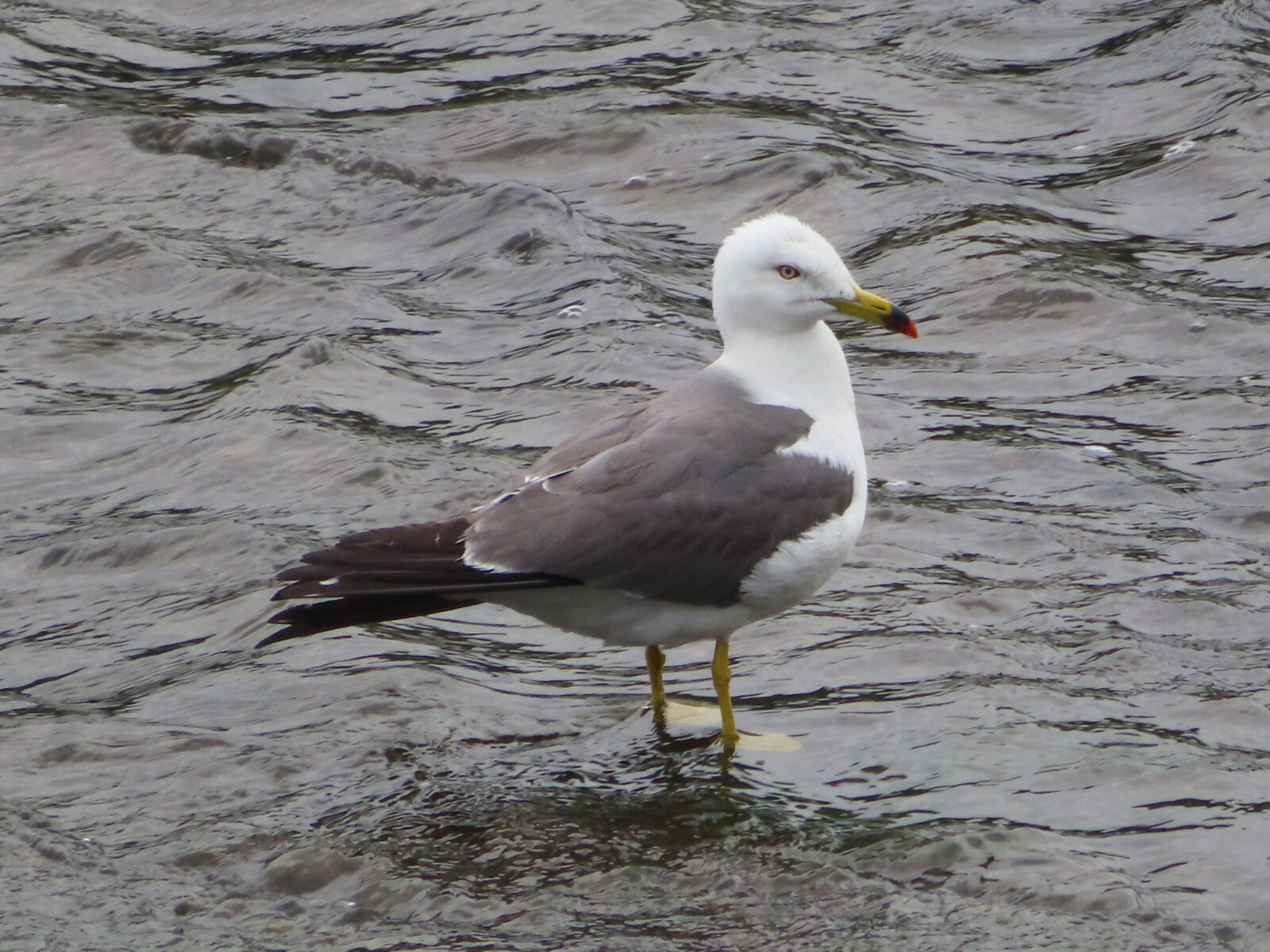
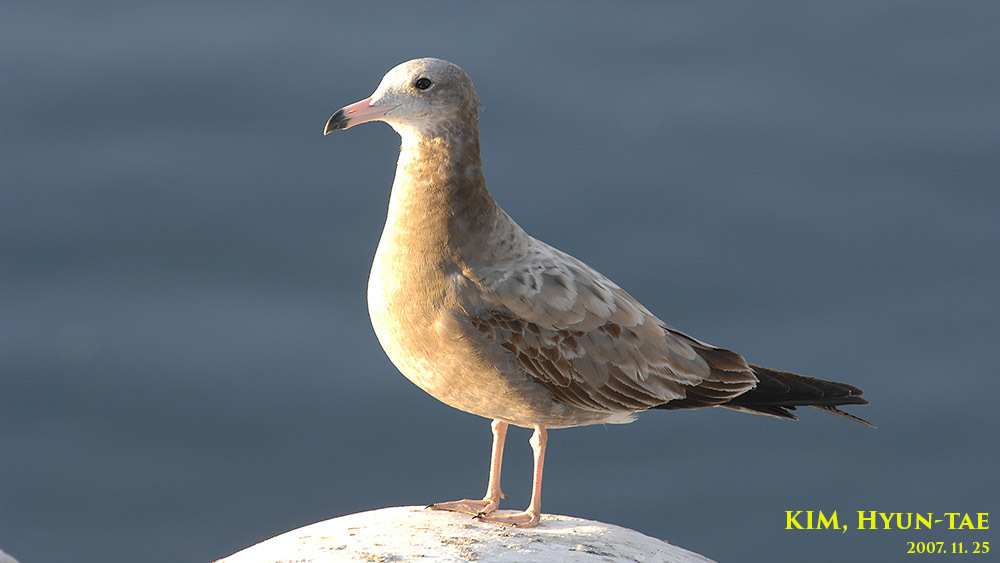
Black-tailed gull
Larus crassirostris
- Status
- Least Concern IUCN Red List
- Eats
- European pilchard, European anchovy, garfish and 38 more
- Eaten by
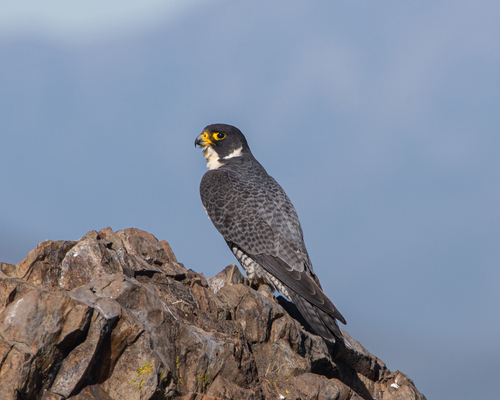
- peregrine falcon
- Where
- 17 countries
On 4Planet Atlas it is among the wildlife people record most around Seoul, Shanghai and Tokyo.
People have shared 63,600 records of the black-tailed gull with GBIF, from 17 countries, most of them from Japan, South Korea and China. Records collected by GloBI show it eating 41 different kinds of animals and plants, and being eaten by 1.
What the black-tailed gull eats, and what eats it
Studies have recorded it eating 41 kinds of animals and plants, and 1 kinds of animals eating it. Tap any of them to follow the food chain.
- Fish 36
- Octopus and squid 1
- Crustaceans 1
Eaten by
 Black-tailed gull
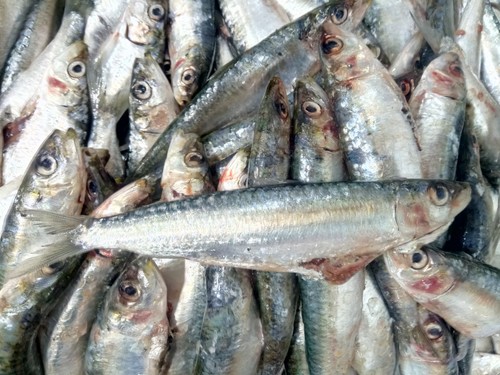
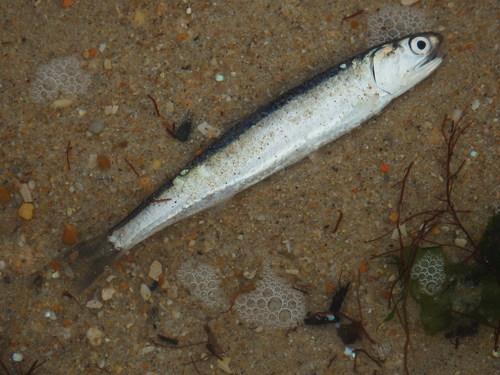
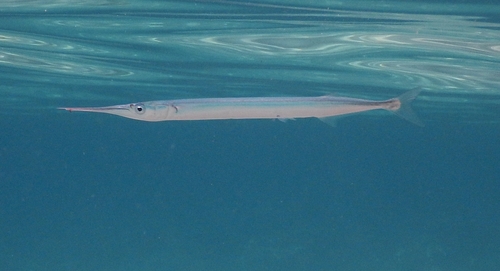
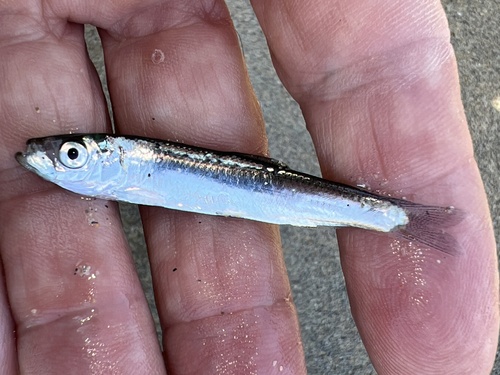
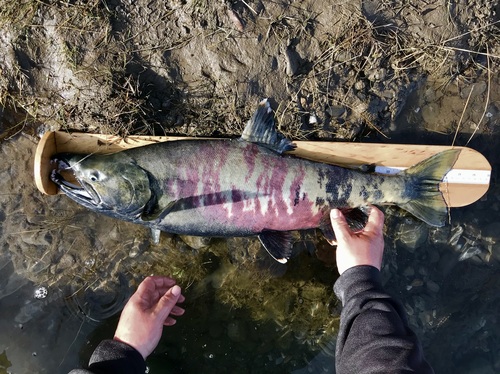
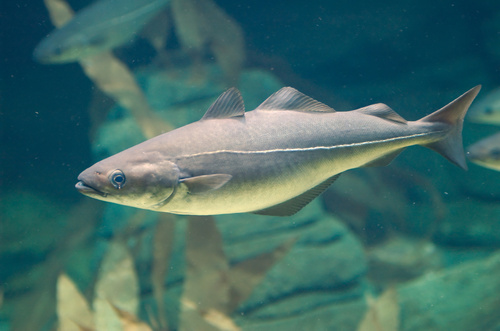
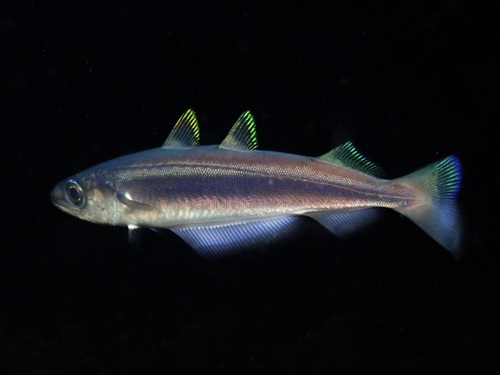


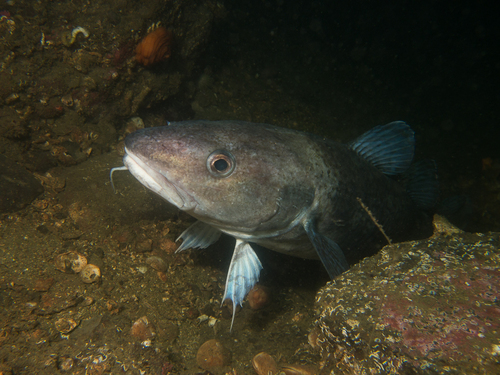
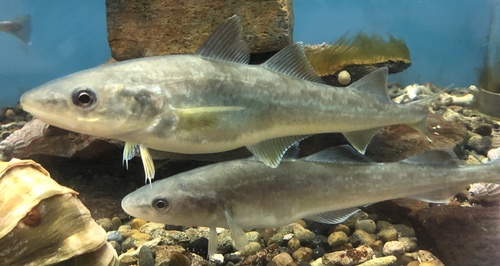
Records from studies worldwide, collected by GloBI. They include animals eaten as carrion, and they are not everything it eats in one place.
Where people see the black-tailed gull
People have shared 63,600 records from 17 countries.
Near a city: Seoul, Shanghai, Tokyo.
Records show where people have seen it and shared it, not its full range. Country names open their page in Atlas.
When it is seen
Records per month in the northern hemisphere. More people outdoors also means more records.
Watch and listen
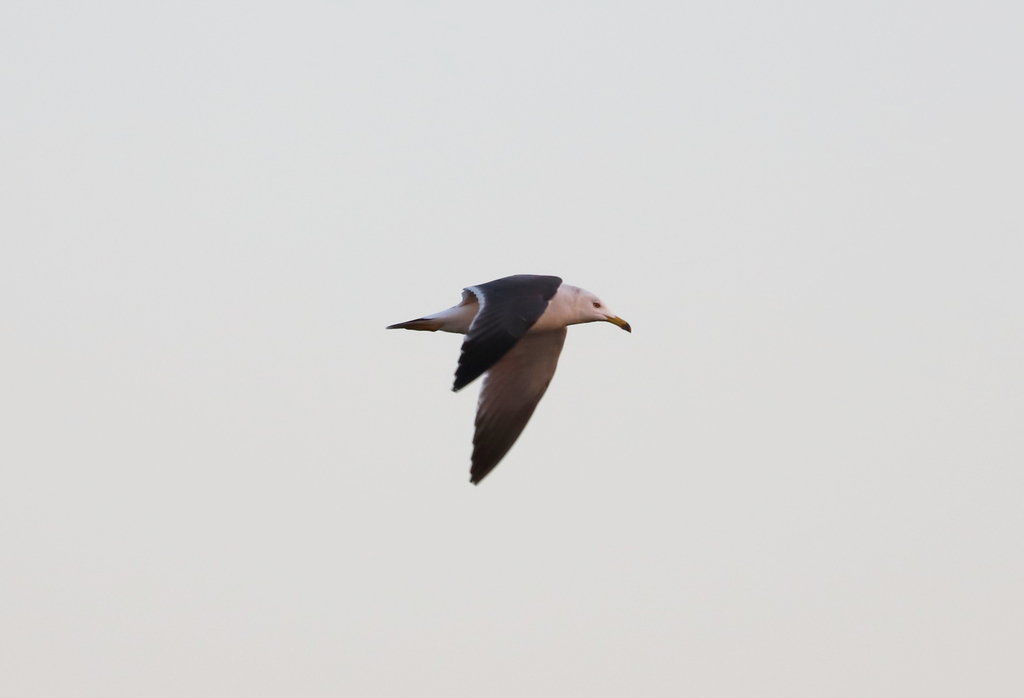
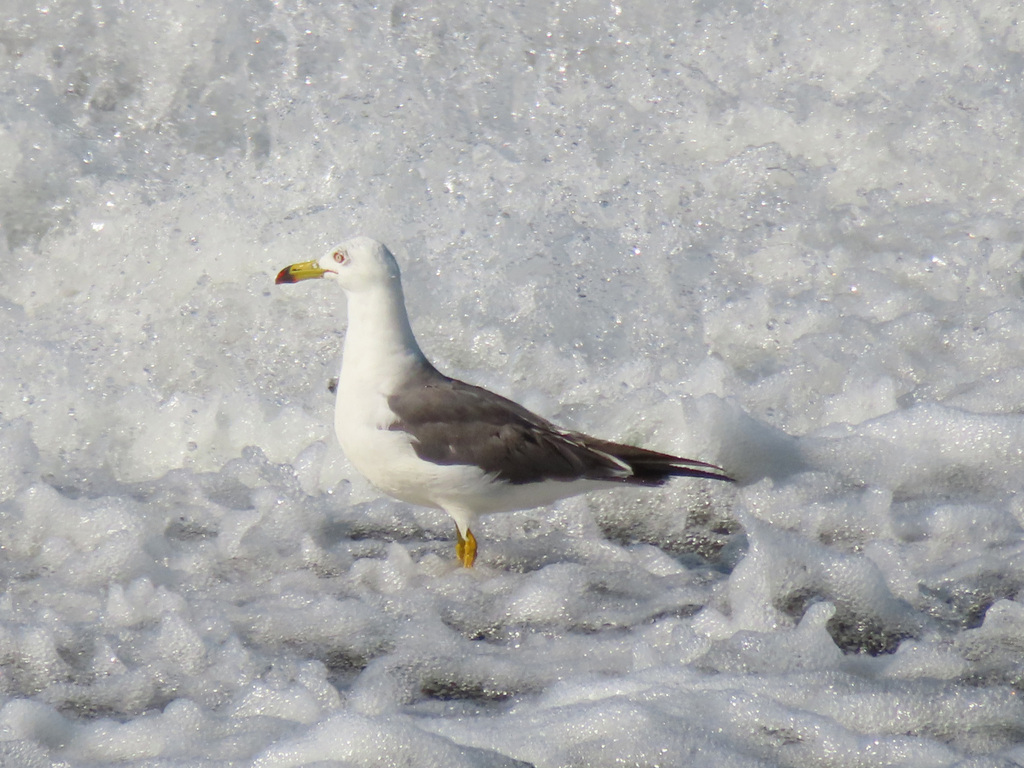
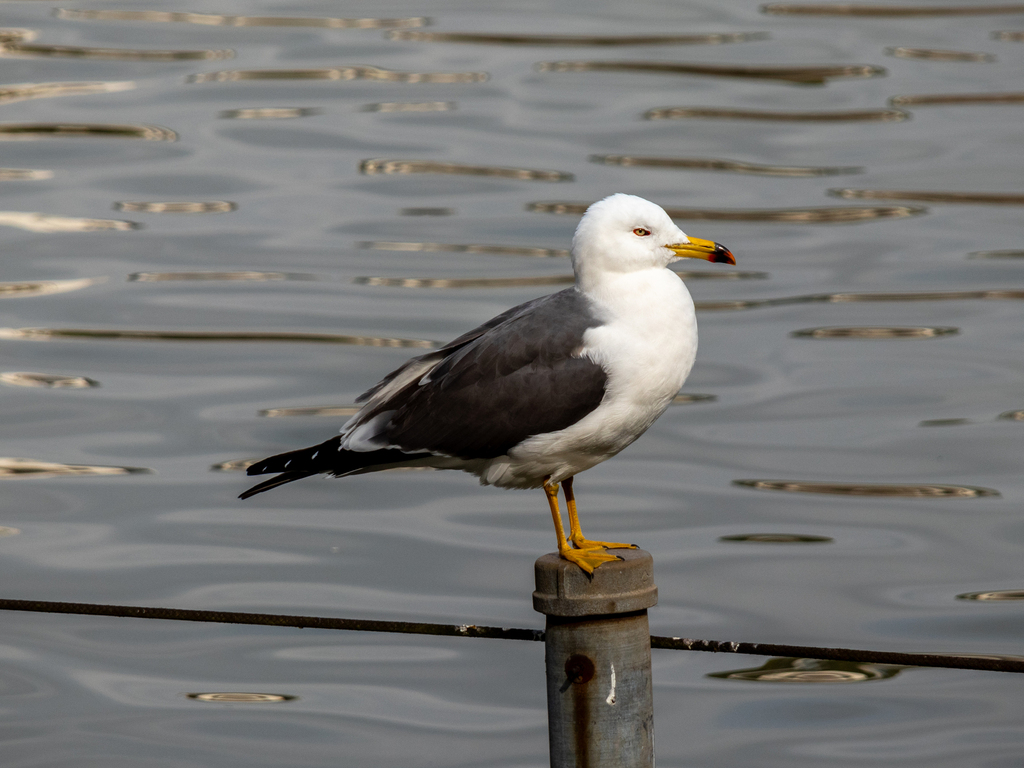
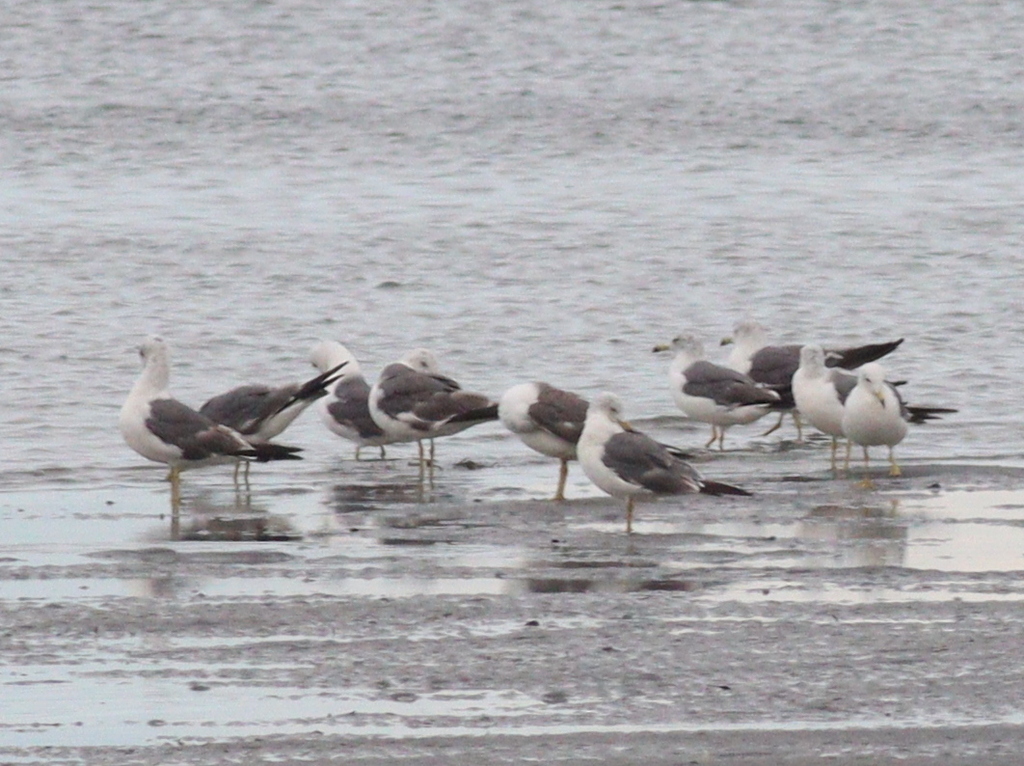
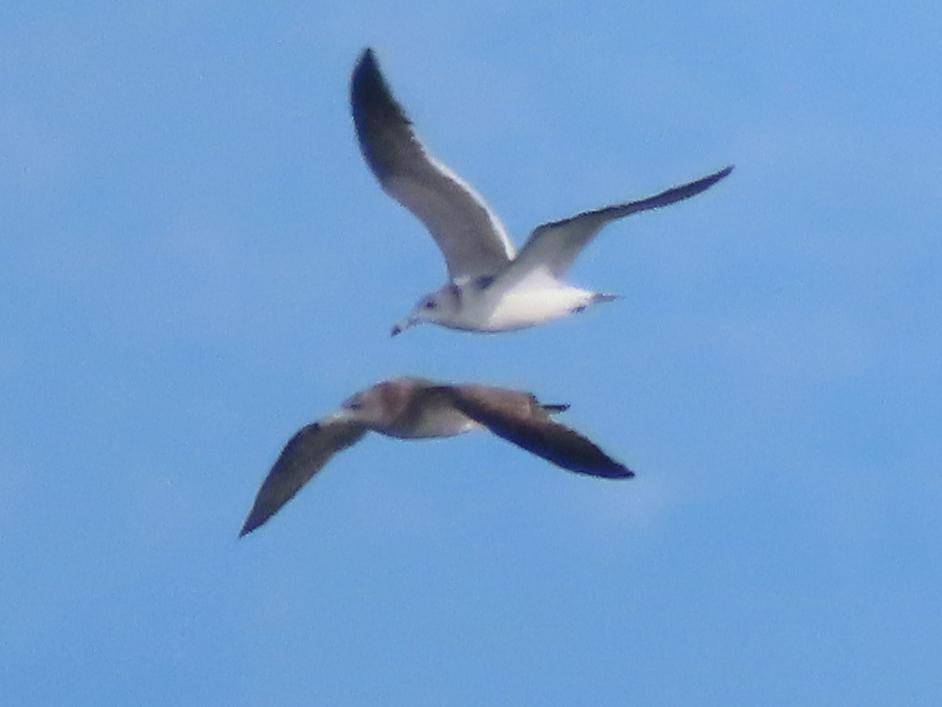
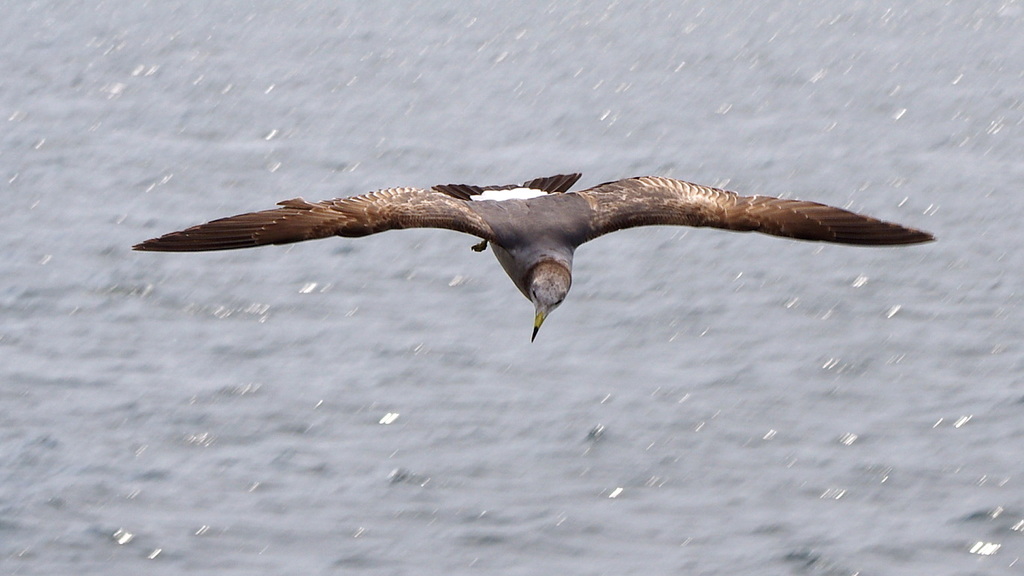
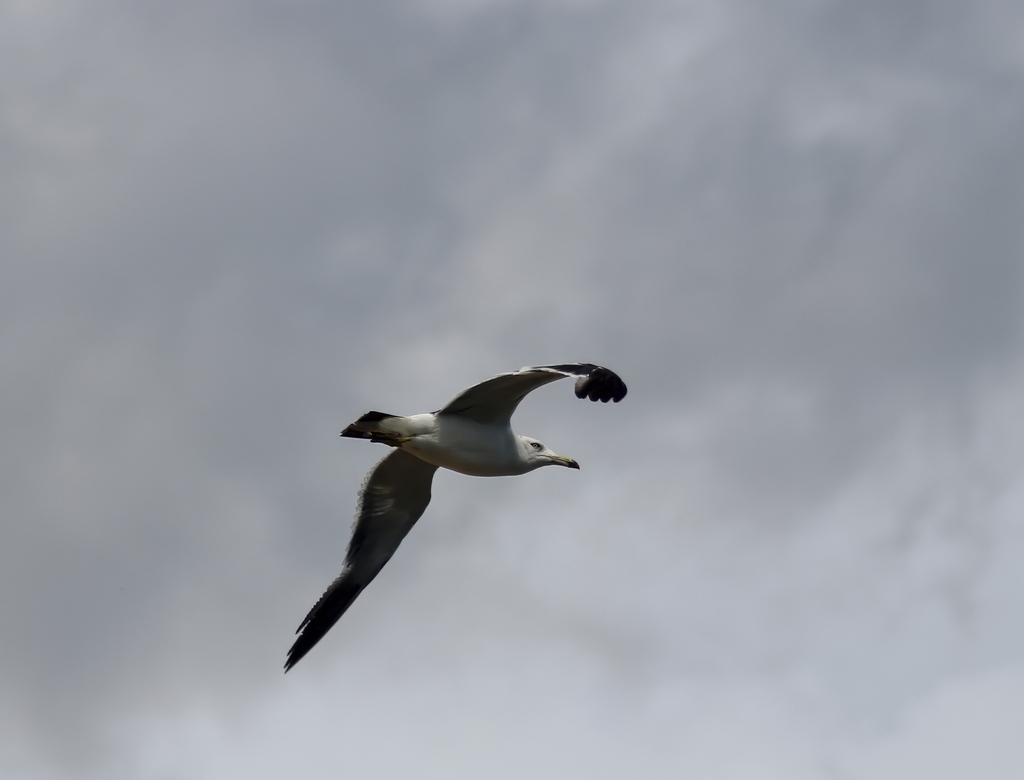
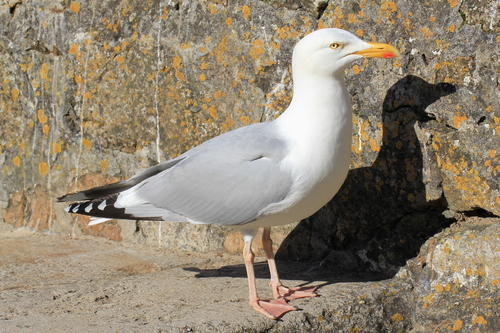
Its closest relatives
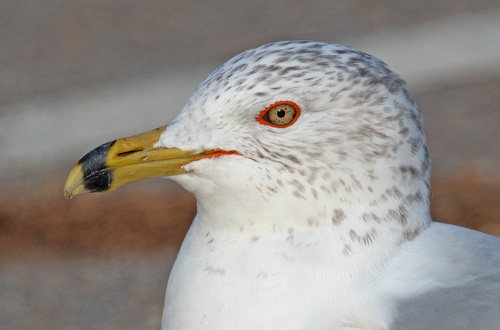
The other species of the genus Larus.
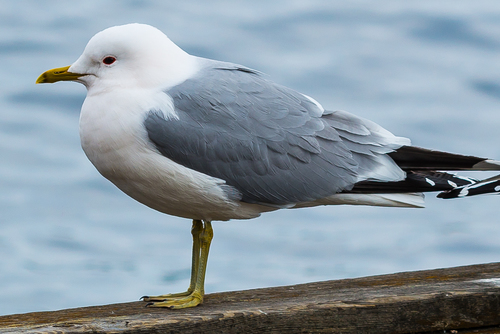
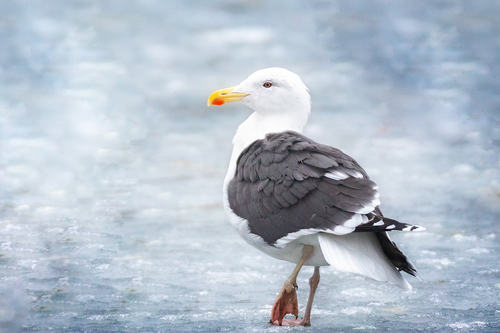

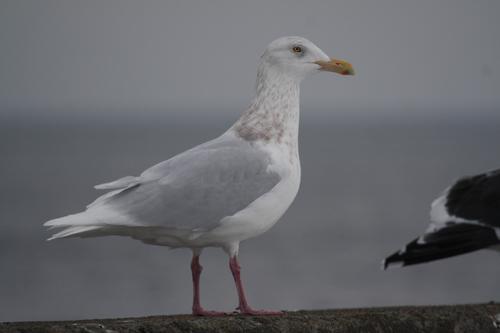
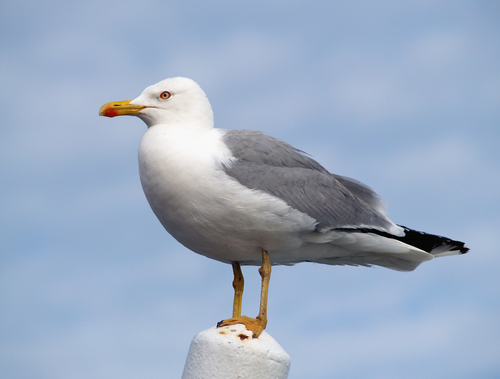
Seen a black-tailed gull?
Share your photo on iNaturalist. Other naturalists help confirm it, and the record goes to GBIF, where scientists use it and where the maps on this page come from.
Put this species on your site
The card names every source and links back here.
<iframe src="https://4planetatlas.com/place/embed/species/black-tailed-gull" title="Black-tailed gull (Larus crassirostris), 4PLANET Species" width="100%" height="600" style="border:0;max-width:640px" loading="lazy"></iframe>
<p><a href="https://4species.com/black-tailed-gull">Black-tailed gull on 4PLANET Species</a></p>Questions people ask
What does the black-tailed gull eat?
The black-tailed gull has been recorded eating 41 different kinds of animals and plants, most of them fish, octopus and squid and crustaceans. The ones recorded most often are european pilchard, european anchovy, garfish, european sprat and chum salmon; records include animals eaten as carrion. Source: GloBI.
What eats the black-tailed gull?
Recorded predators include peregrine falcon. Source: GloBI.
Where does the black-tailed gull live?
People have recorded it in 17 countries; the most records come from Japan, South Korea, China, Taiwan and Russia. Records show where people have seen it, not its full range.
When is the black-tailed gull seen most?
In the northern hemisphere, the most records are made in May and the fewest in December. More people outdoors also means more records.
What are the black-tailed gull's closest relatives?
It shares the genus Larus with european herring gull, common gull, great black-backed gull, caspian gull and glaucous gull.
Sources and photo credits
- GBIF · Larus crassirostris, 63,600 human observations
- GloBI · recorded interactions of Larus crassirostris
- Wikidata · Black-tailed gull (Q623194)
- Black-tailed gull (Larus crassirostris): Timur Kalininsky, CC BY 4.0
- Black-tailed gull (Larus crassirostris): Kim, Hyun-tae, CC BY 4.0
- Black-tailed gull (Larus crassirostris), Ринкайтё, Эдогава, Токио 134-0086, Япония: Se Lena, CC BY 4.0
- Black-tailed gull (Larus crassirostris), Район Тайхаку, Сендай, Мияги, Япония: Timur Kalininsky, CC BY 4.0
- Black-tailed gull (Larus crassirostris), Уэнокоэн, Тайто, Токио 110-0007, Япония: Timur Kalininsky, CC BY 4.0
- Black-tailed gull (Larus crassirostris), Minato Ward, Nagoya, Aichi, Japan: Jan Ebr & Ivana Ebrová, CC BY 4.0
- Black-tailed gull (Larus crassirostris), Накано, Район Міяґіно, Сендай, Мияги 983-0013, Япония: Timur Kalininsky, CC BY 4.0
- Black-tailed gull (Larus crassirostris), Фрунзенский р-н, Владивосток, Приморский край, Россия: Георгий Виноградов (Georgy Vinogradov), CC BY 4.0
- Black-tailed gull (Larus crassirostris), Ольгинский р-н, Приморский край, Россия: Igor' R., CC BY 4.0
- European pilchard: Karim Haddad, CC BY 4.0
- European anchovy: Duarte Frade, CC BY 4.0
- Garfish: euparkeria, CC BY-SA 4.0
- European sprat: Andy Jordan, CC BY 4.0
- Chum salmon: Kevin Brix, CC BY-SA 4.0
- Pollock: Tino Strauss, CC BY-SA 4.0
- Blue whiting: Vsevolod Rudyi, CC BY 4.0
- Pacific saury: beemartins from Matsushima, Miyagi, CC BY 4.0
- Peruvian anchoveta: cstobie, CC BY 4.0
- Pacific cod: dpcmiller, CC BY 4.0
- Saffron cod: Totti, CC BY-SA 4.0
- Peregrine falcon: Nicolás Villaseca Merino, CC BY-SA 4.0
- European herring gull: Stu's Images, CC BY-SA 4.0
- Common gull: Bengt Nyman, CC BY 4.0
- Great black-backed gull: egorbirder, CC BY 4.0
- Caspian gull: Katya, CC BY 4.0
- Glaucous gull: Alastair Rae, CC BY-SA 4.0
- Yellow-legged gull: Jörg Hempel, CC BY-SA 4.0
- Iceland gull: Elizabeth Axley, CC BY 4.0
- Ring-billed gull: Judy Gallagher, CC BY-SA 4.0
Records show where people have seen and shared the black-tailed gull, not its full range, and some countries and months are recorded far more than others. The food web lists interactions that studies have recorded somewhere in the world (GloBI), not everything it eats in one place.
Checked 2026-11-23.