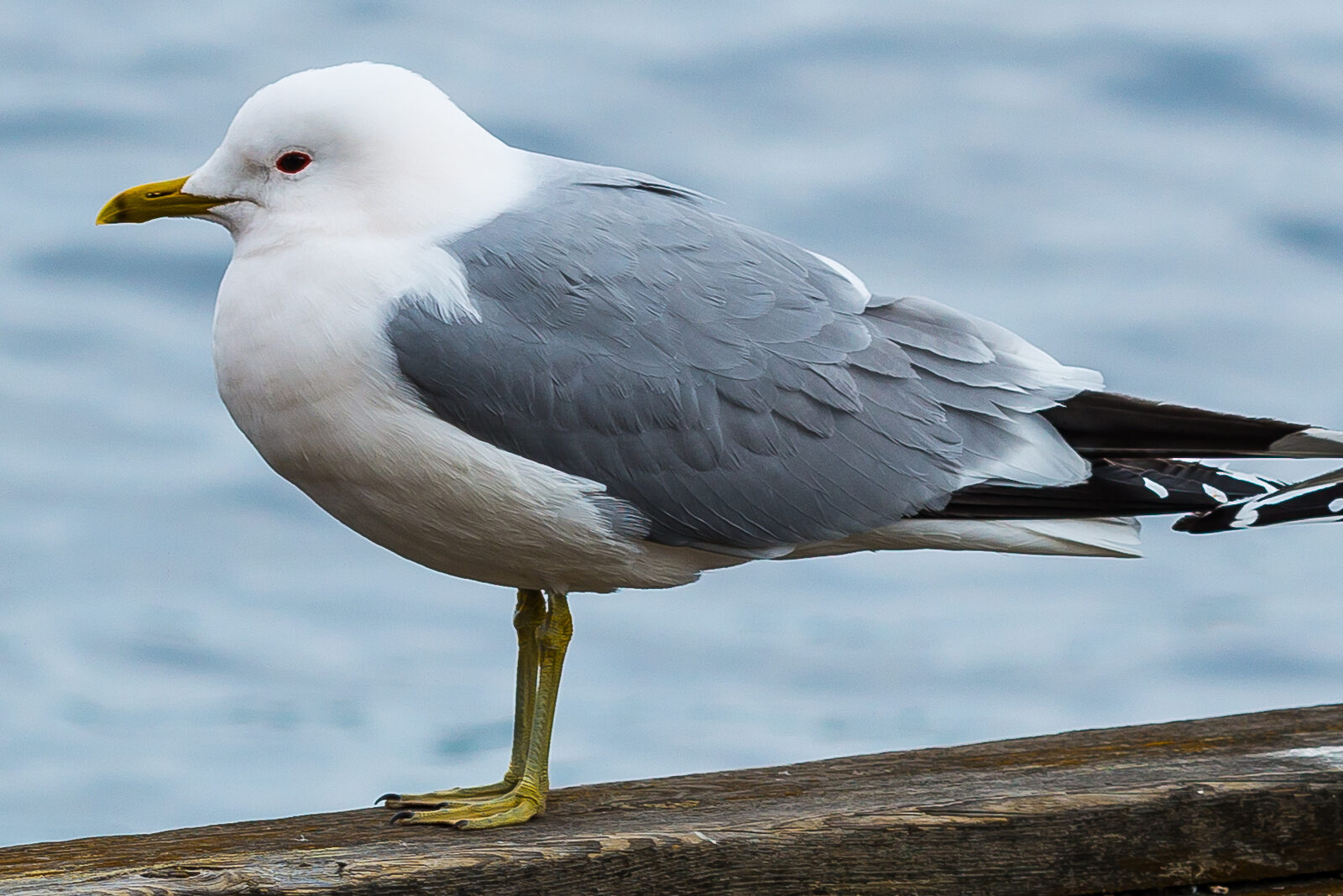
Common gull
Larus canus
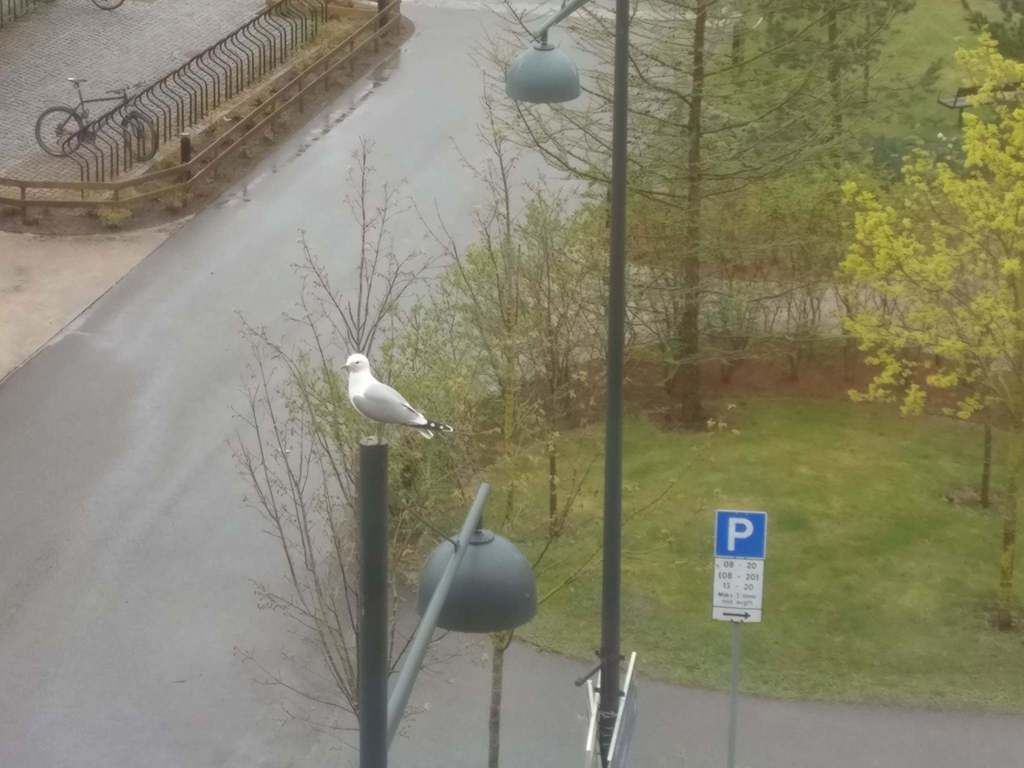
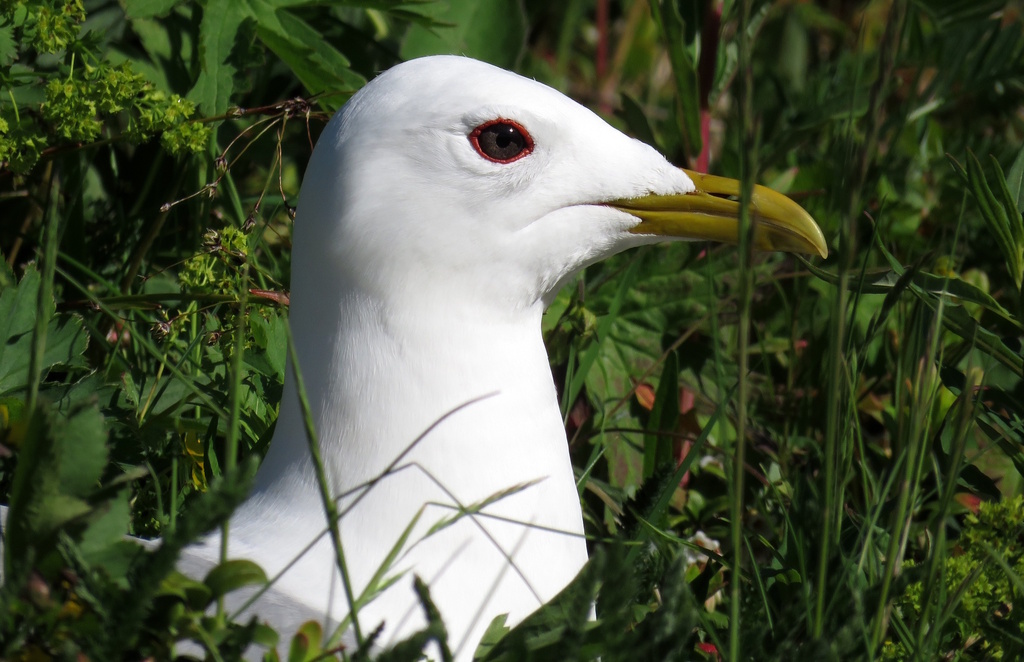
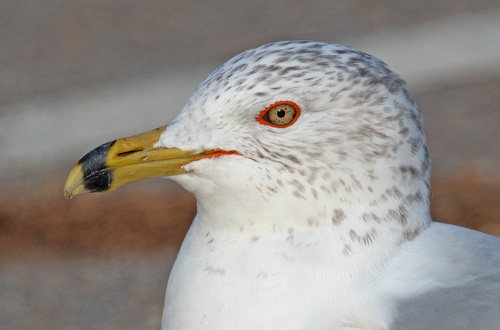
A medium-sized gull with a gentle face, greenish-yellow legs and a plain yellow bill.
- Status
- Least Concern IUCN Red List
- Eats
- mallard, northern lapwing, northern pintail and 322 more
- Eaten by
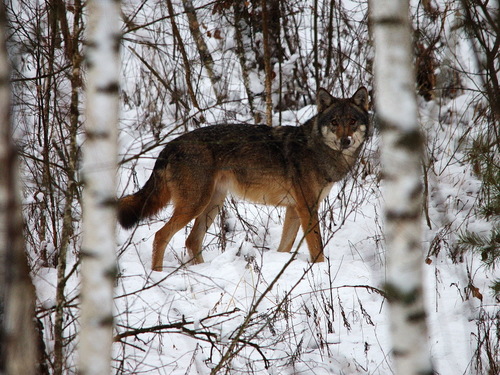
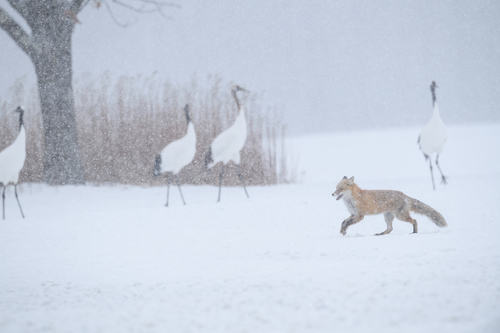
- western marsh harrier, grey wolf, red fox
- Where
- 90 countries
On 4Planet Atlas it is among the wildlife people record most around Amsterdam, Bergen and Berlin, and 13 more of the cities we cover.
People have shared 805,551 records of the common gull with GBIF, from 90 countries, most of them from United Kingdom, Sweden and Finland. Records collected by GloBI show it eating 325 different kinds of animals and plants, and being eaten by 17.
What the common gull eats, and what eats it
Studies have recorded it eating 325 kinds of animals and plants, and 17 kinds of animals eating it. Tap any of them to follow the food chain.
- Mammals 81
- Insects 74
- Birds 55
- Fish 40
- Crustaceans 16
- Shellfish 13
- Worms 5
Eaten by

 Common gull
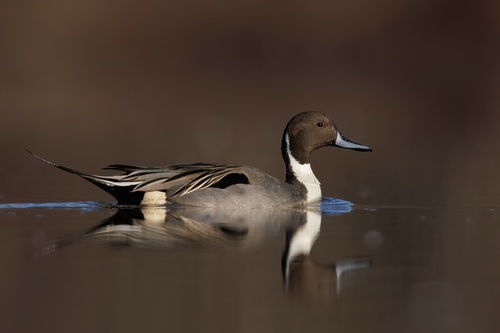
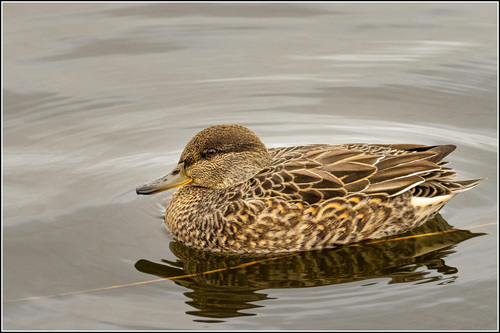
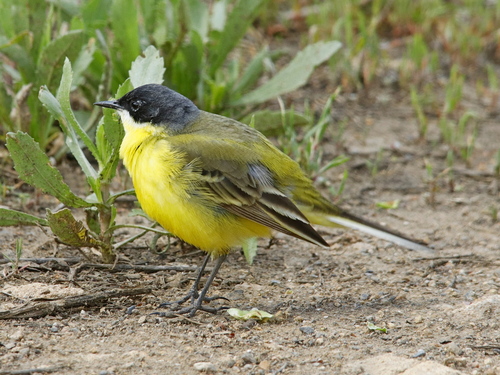

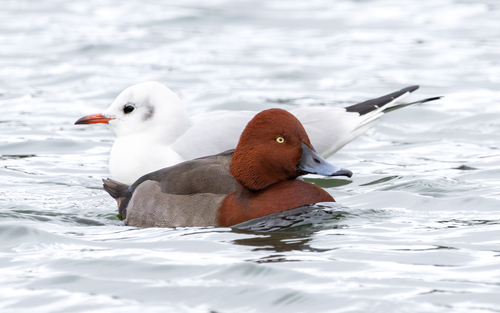


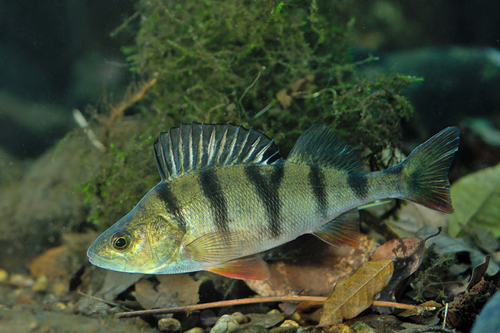
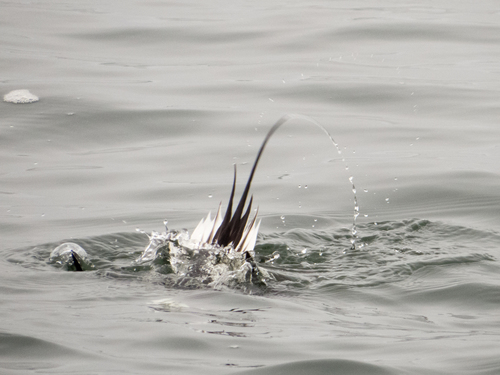
Records from studies worldwide, collected by GloBI. They include animals eaten as carrion, and they are not everything it eats in one place.
Where people see the common gull
People have shared 805,551 records from 90 countries.
Near a city: Amsterdam, Bergen, Berlin, Brussels, Budapest, Copenhagen, Dublin, Helsinki, London, Oslo, Prague, Reykjavík, Shanghai, Stockholm, Vienna, Warsaw.
Records show where people have seen it and shared it, not its full range. Country names open their page in Atlas.
When it is seen
Records per month in the northern hemisphere. More people outdoors also means more records.
Watch and listen
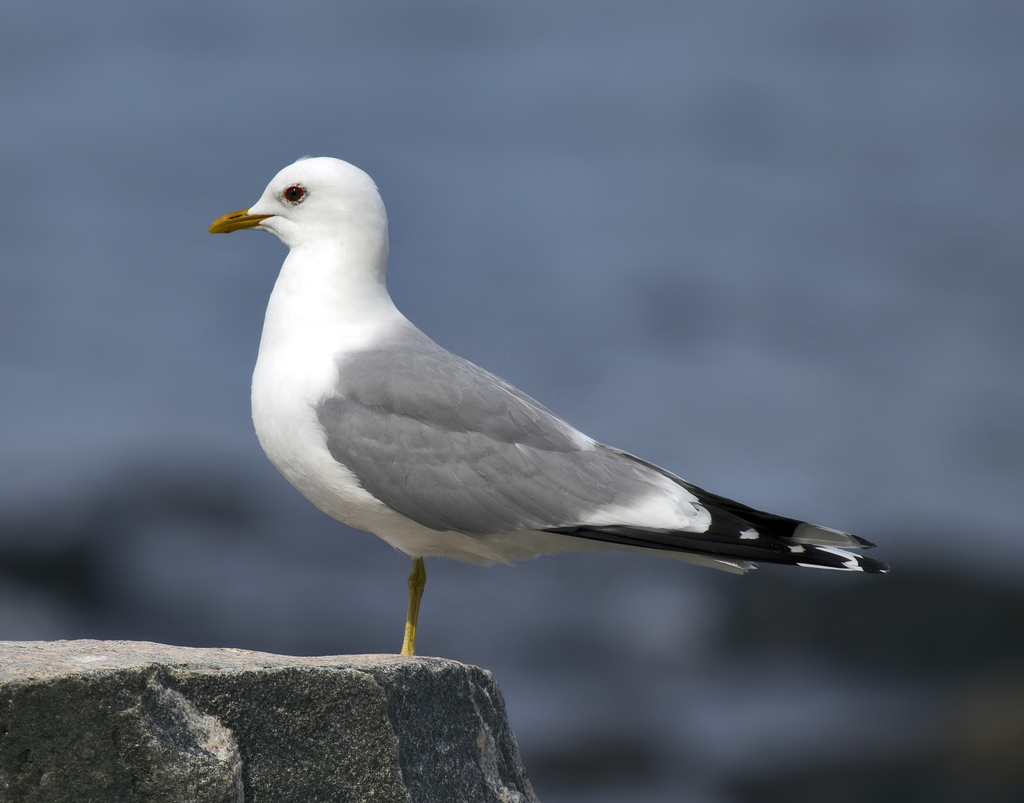
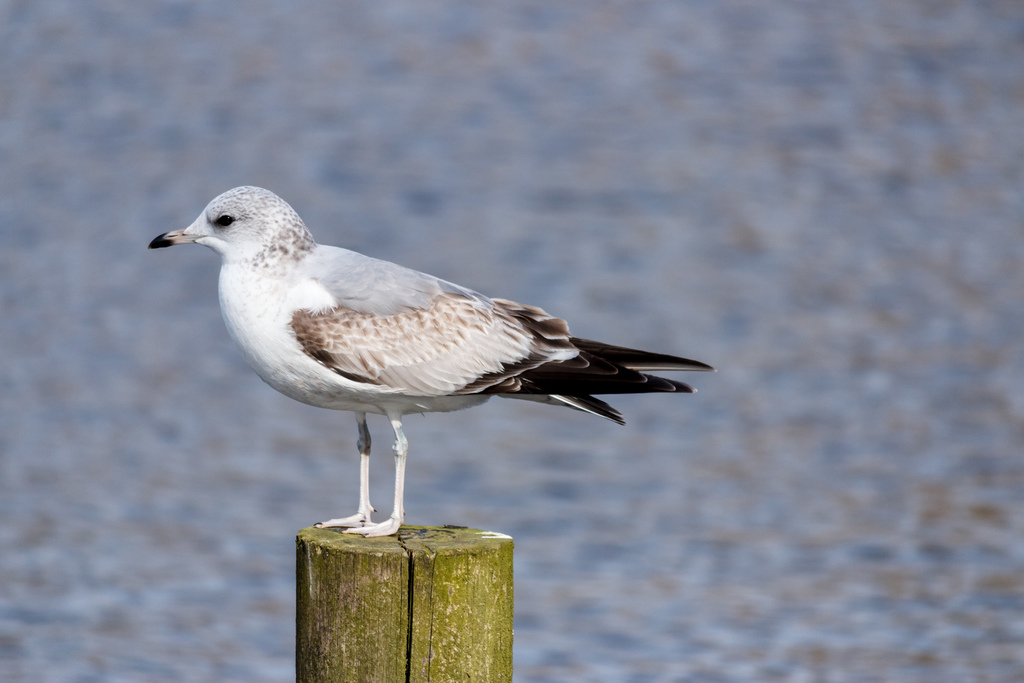
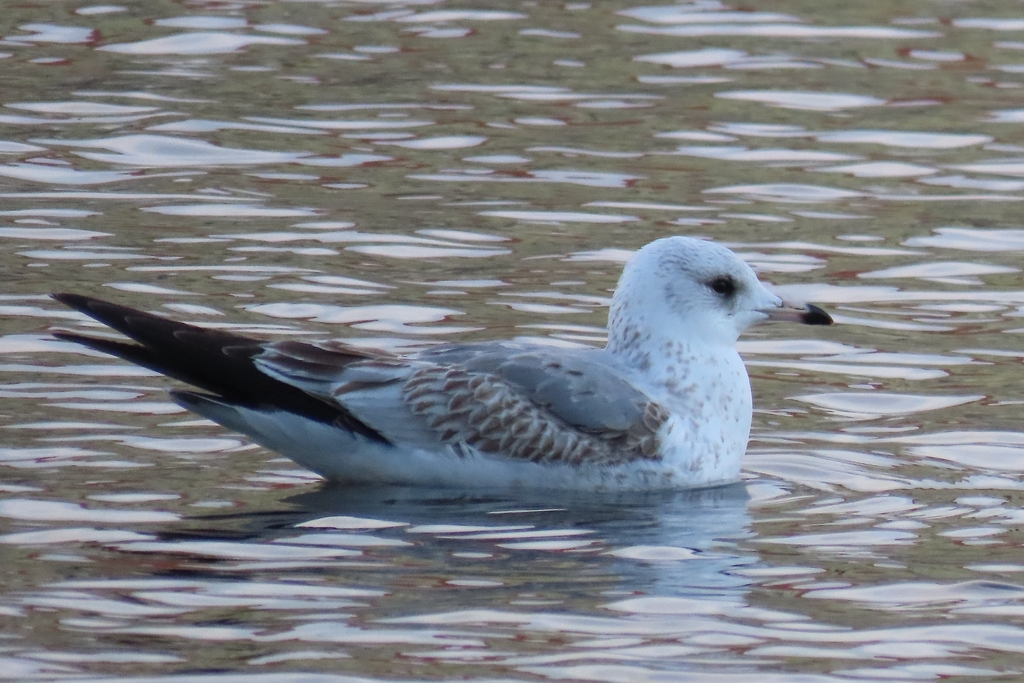
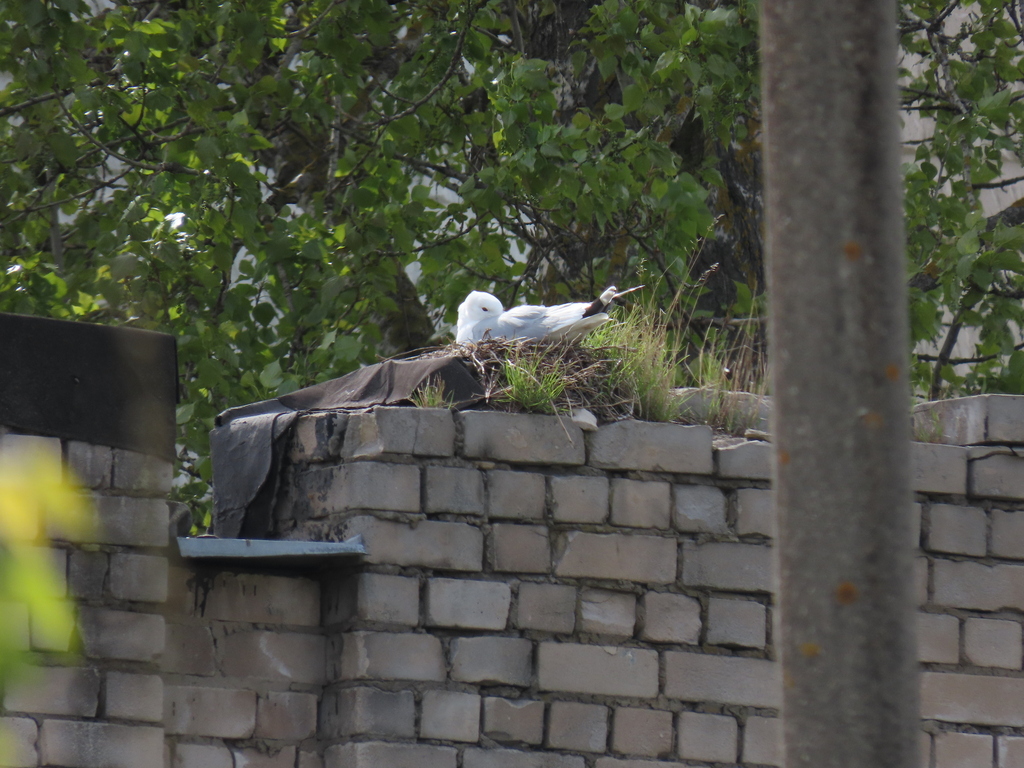
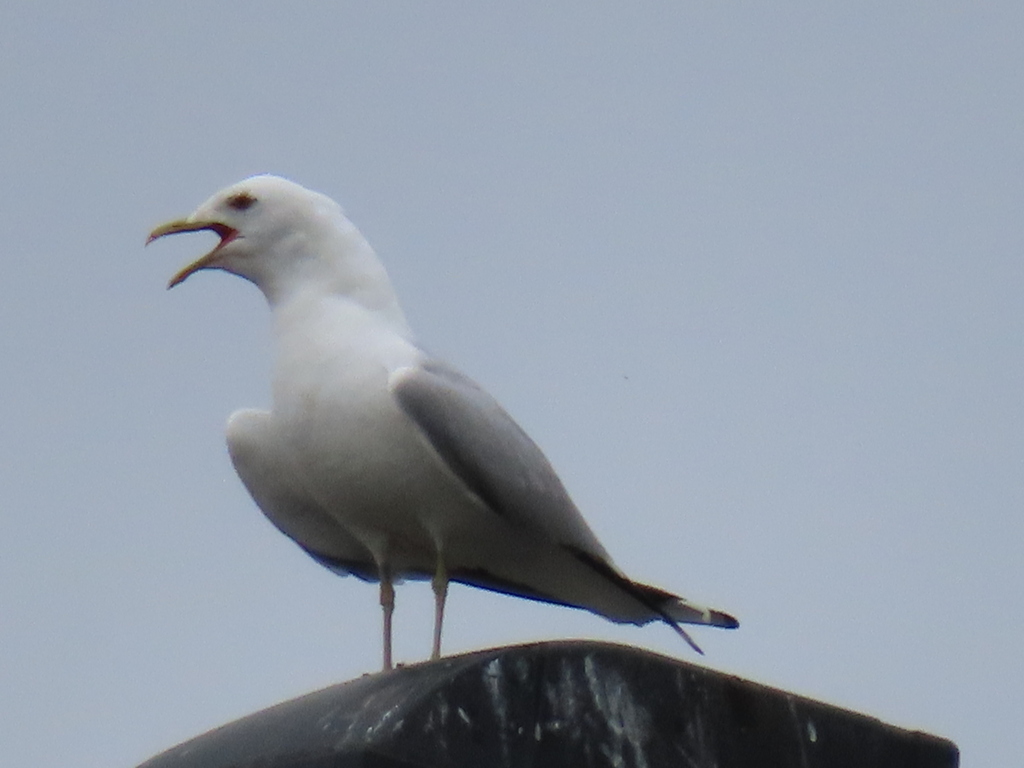

Its closest relatives
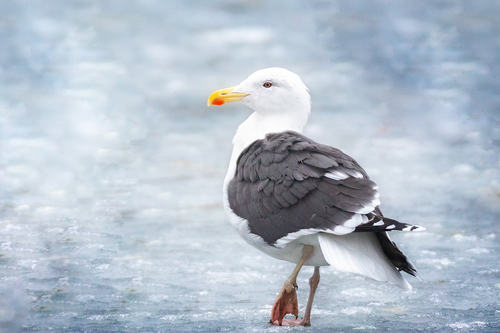
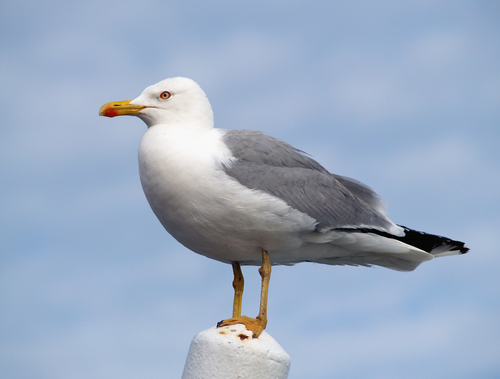
The other species of the genus Larus.


Seen a common gull?
Share your photo on iNaturalist. Other naturalists help confirm it, and the record goes to GBIF, where scientists use it and where the maps on this page come from.
Questions people ask
What does the common gull eat?
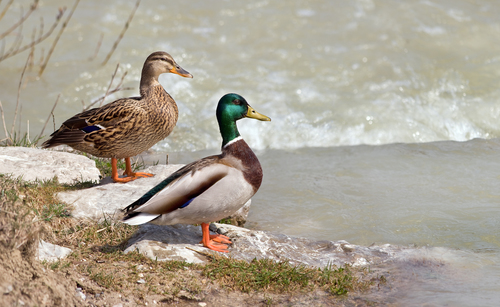
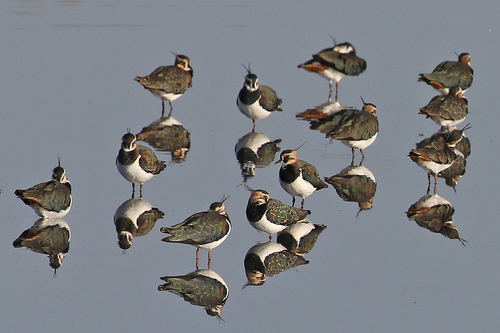
The common gull has been recorded eating 325 different kinds of animals and plants, most of them mammals, insects, birds and fish. The ones recorded most often are mallard, northern lapwing, northern pintail, eurasian teal and western yellow wagtail; records include animals eaten as carrion. Source: GloBI.
What eats the common gull?
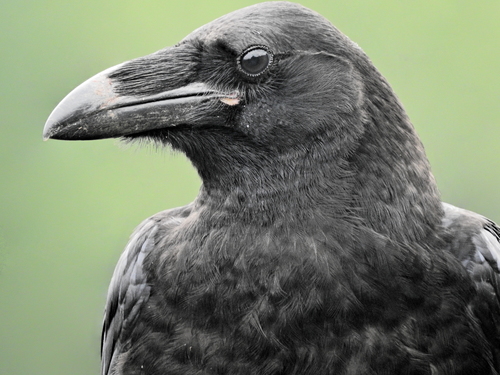
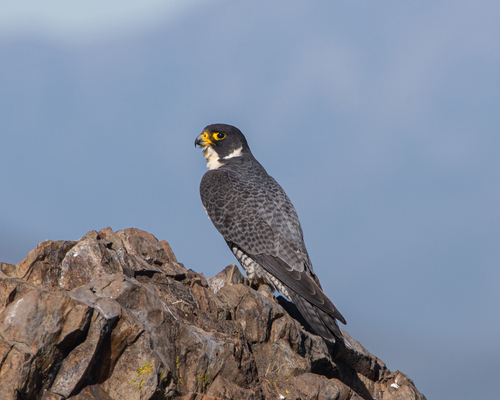
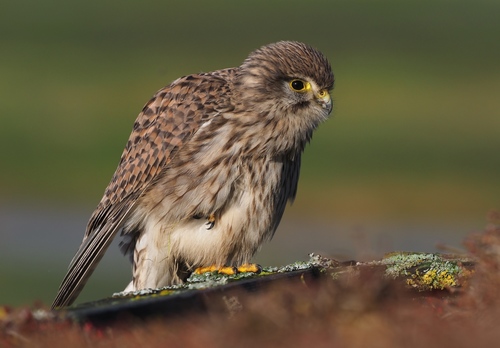
Recorded predators include western marsh harrier, grey wolf, red fox, northern raven and peregrine falcon. Source: GloBI.
Where does the common gull live?
People have recorded it in 90 countries; the most records come from United Kingdom, Sweden, Finland, Norway and Russia. Records show where people have seen it, not its full range.
When is the common gull seen most?
In the northern hemisphere, the most records are made in January and the fewest in September. More people outdoors also means more records.
What are the common gull's closest relatives?
It shares the genus Larus with european herring gull, great black-backed gull, caspian gull, glaucous gull and yellow-legged gull.
Sources and photo credits
- GBIF · Larus canus, 805,551 human observations
- GloBI · recorded interactions of Larus canus
- Wikidata · Common gull (Q26427)
- Common gull (Larus canus): Bengt Nyman, CC BY 4.0
- Common gull (Larus canus): Andreas Trepte, CC BY-SA 4.0
- Common gull (Larus canus): Slaunger, CC BY-SA 4.0
- Common gull (Larus canus), Smíchov, Praha 5, Česko: Daniel Benák, CC BY 4.0
- Common gull (Larus canus), Московский р-н, Тверь, Тверская обл., Россия: Дмитрий Кошелев, CC BY 4.0
- Common gull (Larus canus), inverness airport scotland: Jo Roberts, CC BY 4.0
- Common gull (Larus canus), Trondheim, Norway: Wouter Koch, CC0
- Common gull (Larus canus), Algeria: Karim Haddad, CC BY 4.0
- Common gull (Larus canus), Tromsø, Norway: Rafael Rosa, CC BY-SA 4.0
- Mallard: anonymous, CC BY-SA 4.0
- Northern lapwing: Roy Lowry, CC BY 4.0
- Northern pintail: Matt Felperin, CC BY 4.0
- Eurasian teal: Smudge 9000, CC BY-SA 4.0
- Western yellow wagtail: Andrew Simon, CC BY 4.0
- Corn crake: Julien Renoult, CC BY 4.0
- Tufted duck: Katja Schulz, CC BY 4.0
- Common pochard: Diego González Dopico, CC BY 4.0
- Eurasian curlew: Joanne Goldby, CC BY-SA 4.0
- Fieldfare: Михаил Голомысов, CC BY 4.0
- European perch: Gilles San Martin, CC BY-SA 4.0
- Long-tailed duck: Mirko Schoenitz, CC0
- Western marsh harrier: Artem Kuznetsov, CC BY 4.0
- Grey wolf: Andrew Simon, CC BY 4.0
- Red fox: Morten Ross, CC BY 4.0
- Northern raven: xulescu_g, CC BY-SA 4.0
- Peregrine falcon: Nicolás Villaseca Merino, CC BY-SA 4.0
- Common kestrel: Frank Vassen, CC BY 4.0
- Rook: hedera.baltica, CC BY-SA 4.0
- European herring gull: Stu's Images, CC BY-SA 4.0
- Great black-backed gull: egorbirder, CC BY 4.0
- Glaucous gull: Alastair Rae, CC BY-SA 4.0
- Yellow-legged gull: Jörg Hempel, CC BY-SA 4.0
- Iceland gull: Elizabeth Axley, CC BY 4.0
- Ring-billed gull: Judy Gallagher, CC BY-SA 4.0
- California gull: Madeleine Claire, CC BY 4.0
Records show where people have seen and shared the common gull, not its full range, and some countries and months are recorded far more than others. The food web lists interactions that studies have recorded somewhere in the world (GloBI), not everything it eats in one place.
Checked 2026-11-20.