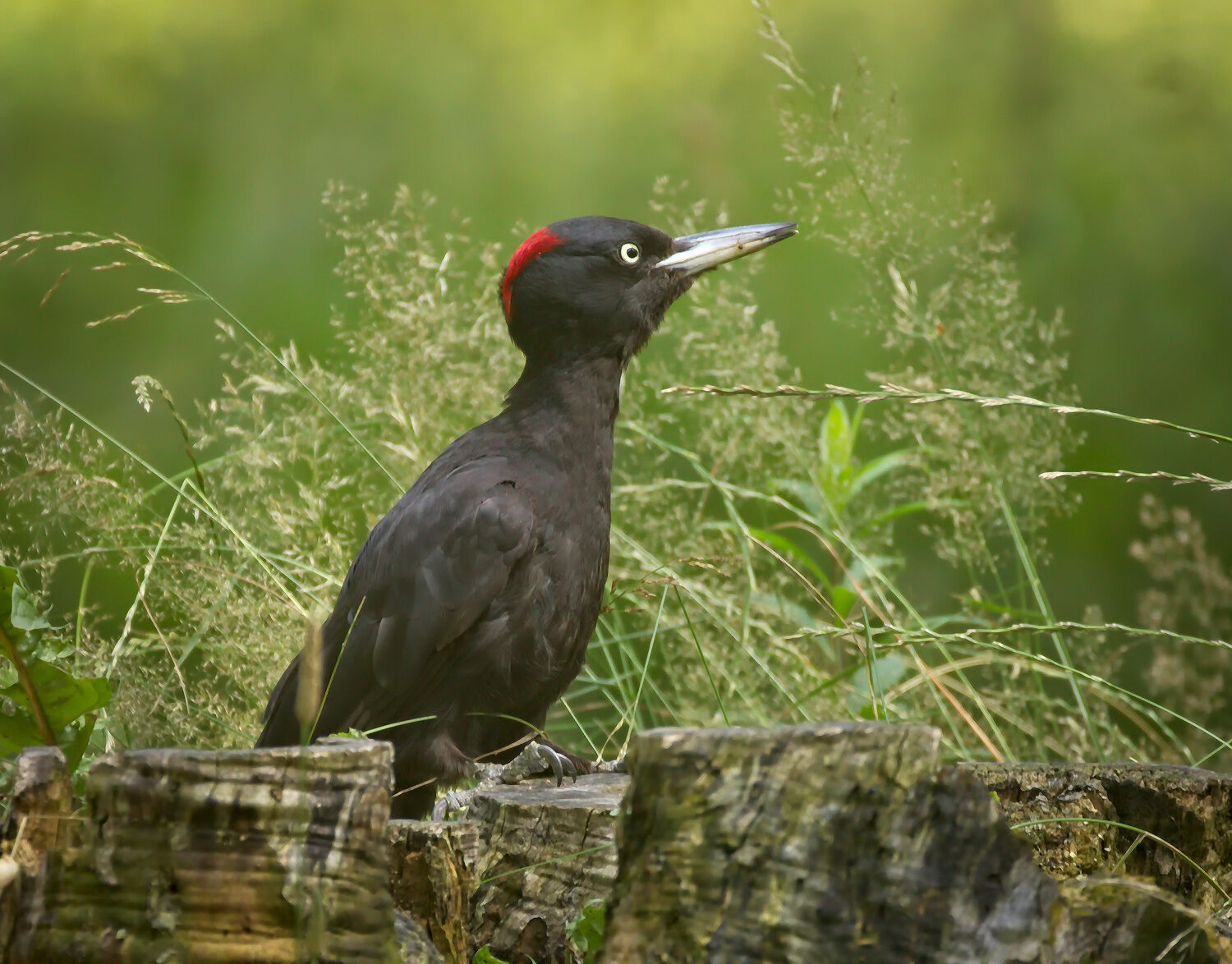
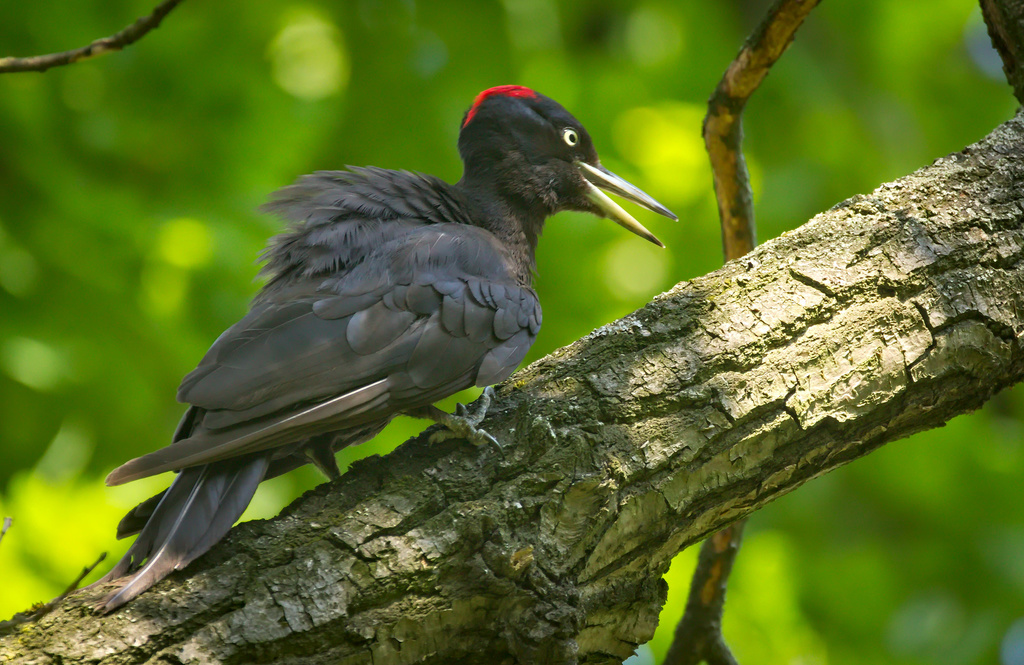
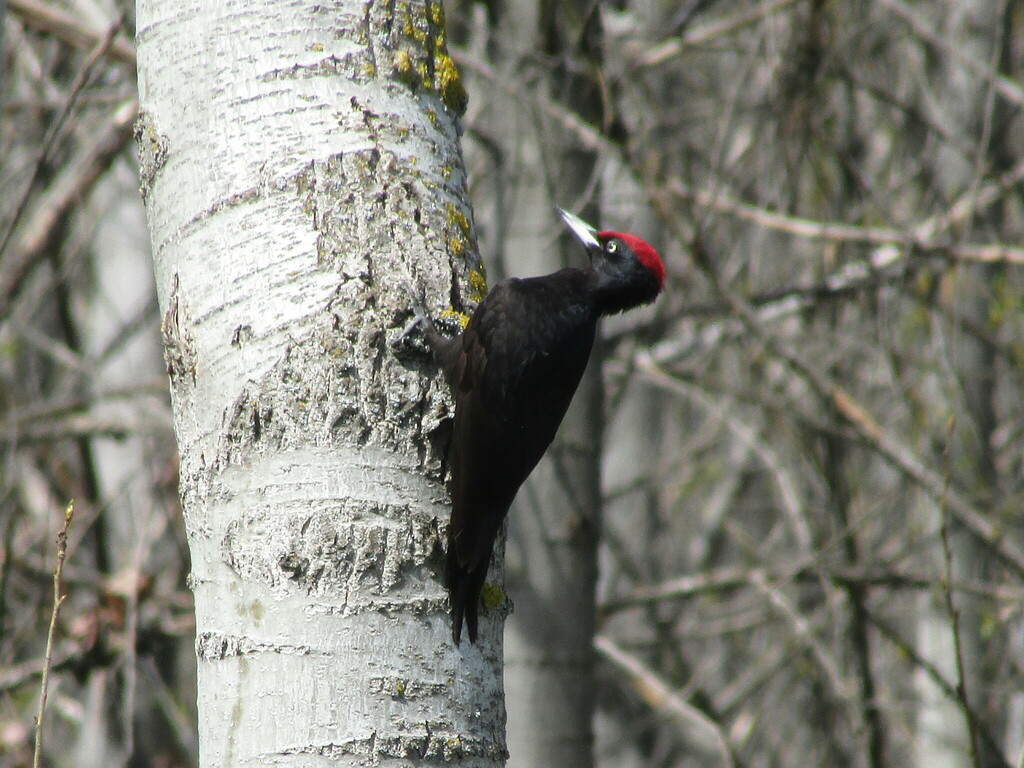
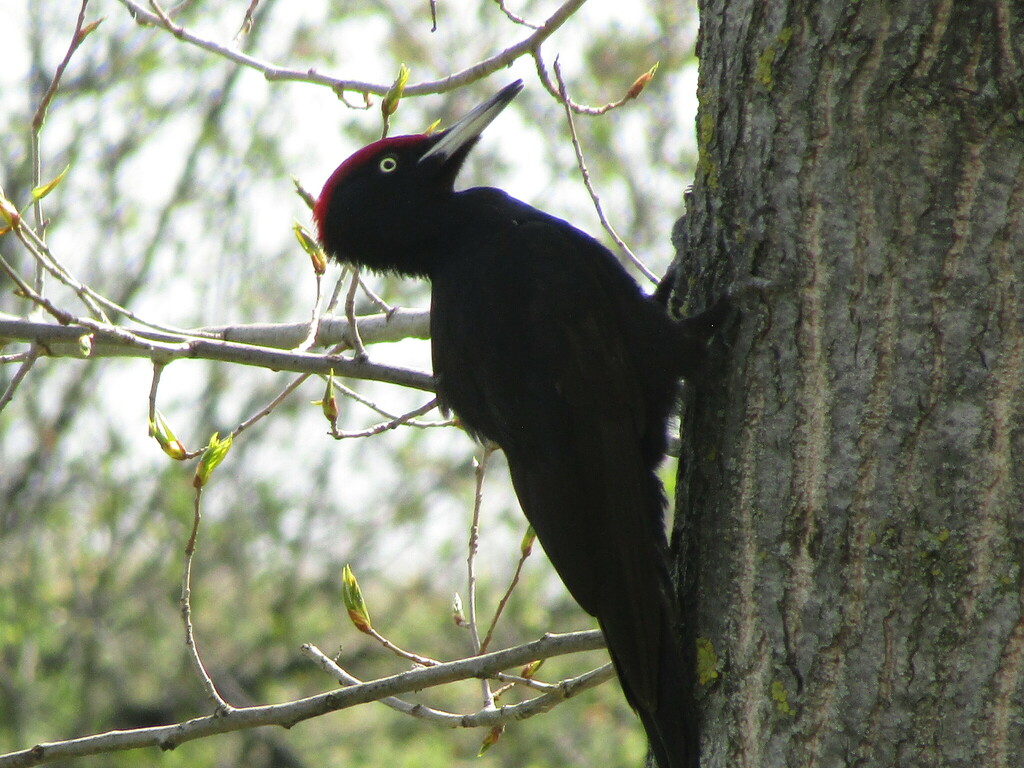
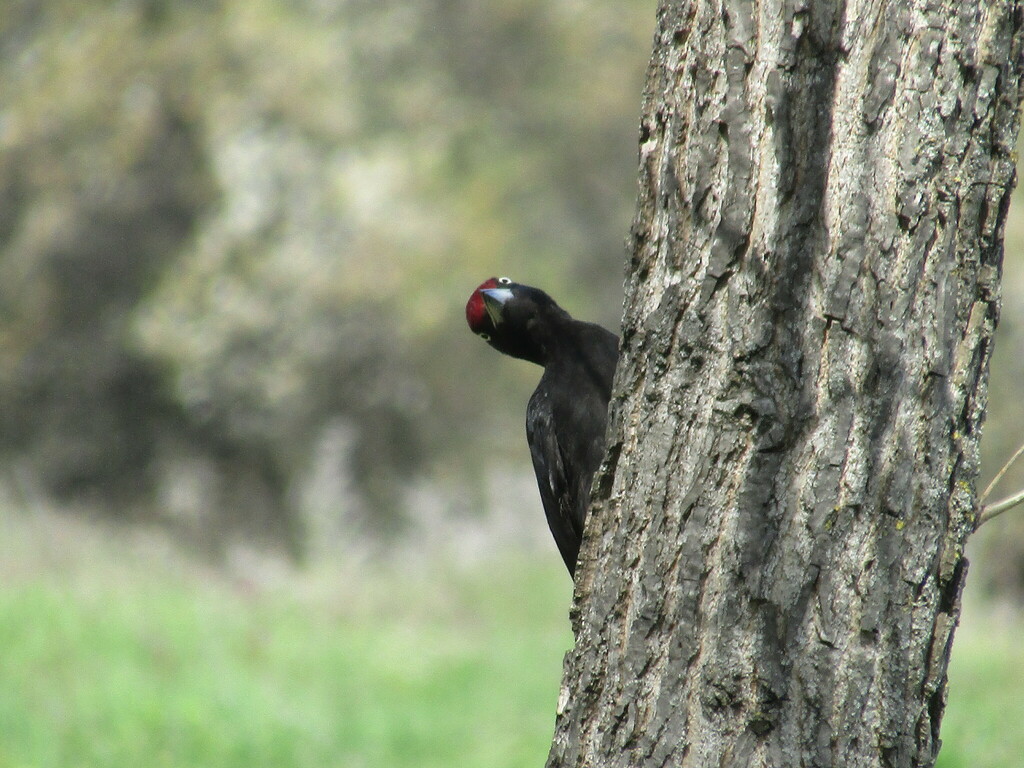
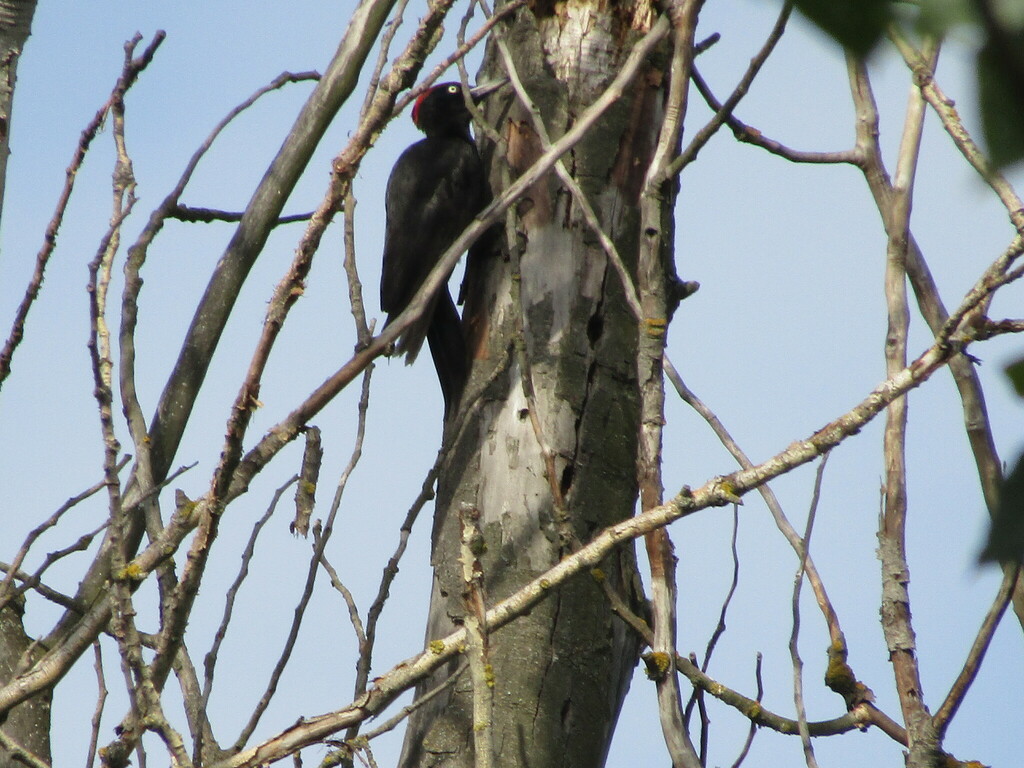
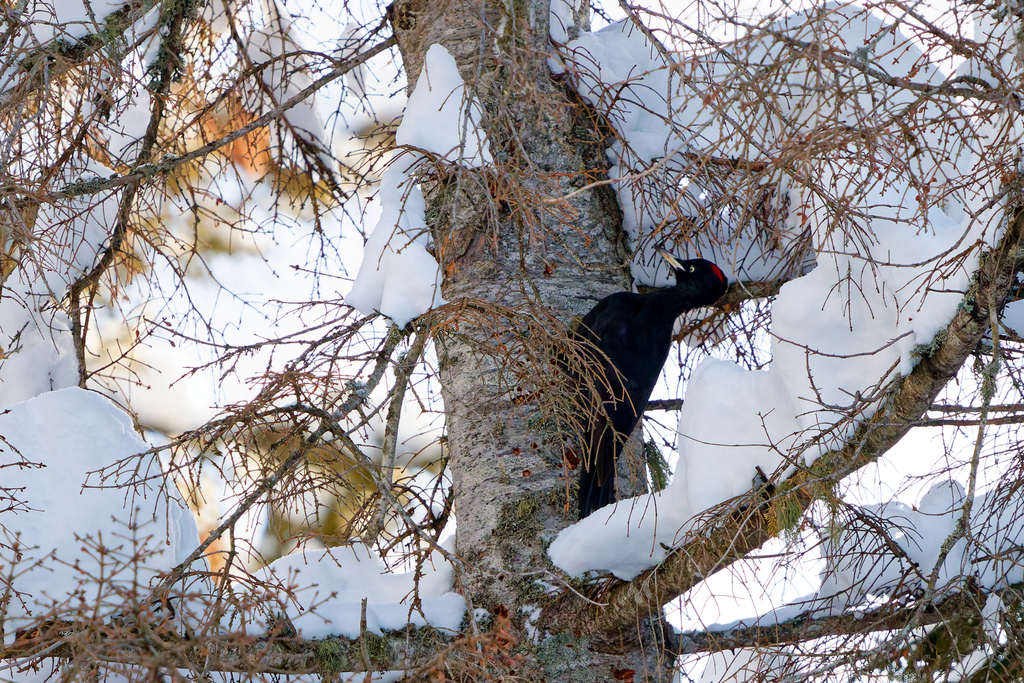
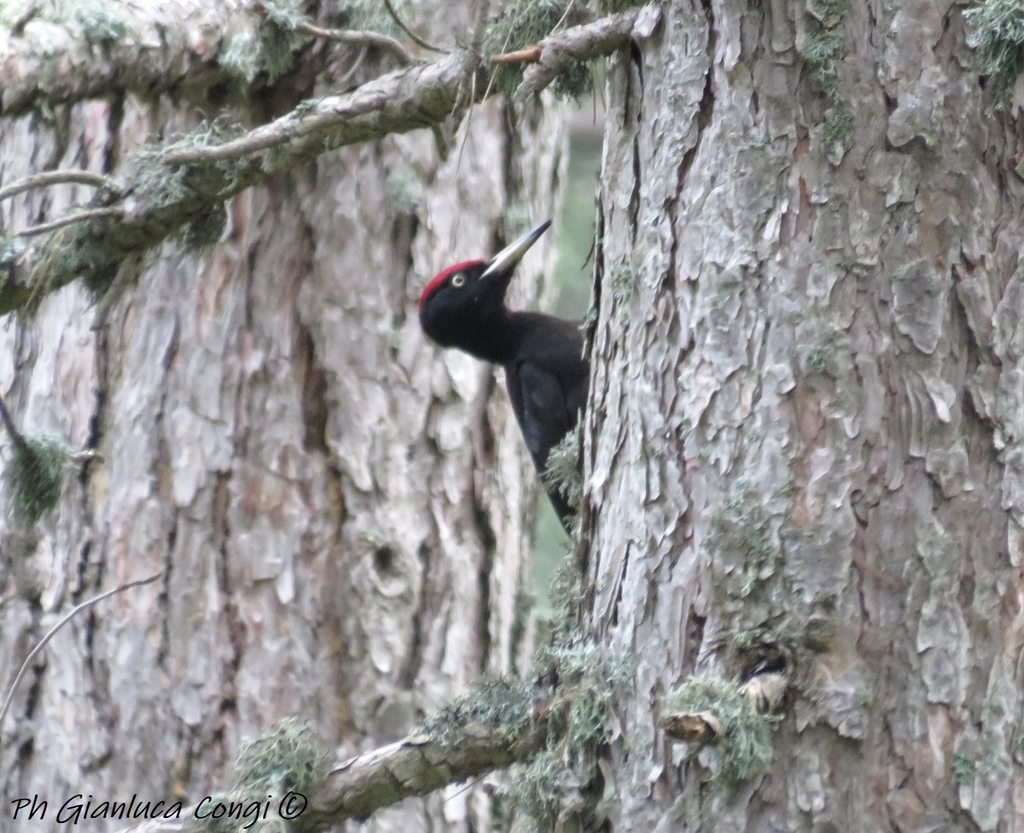
Black woodpecker
Dryocopus martius
- Status
- Least Concern IUCN Red List
- Eats
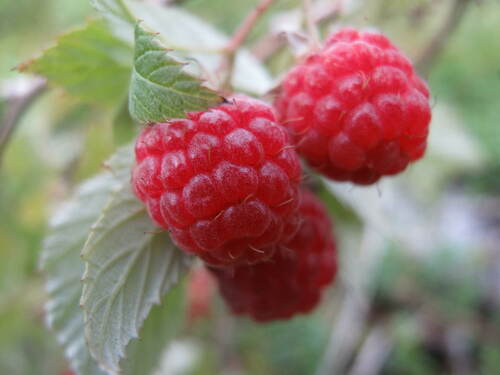
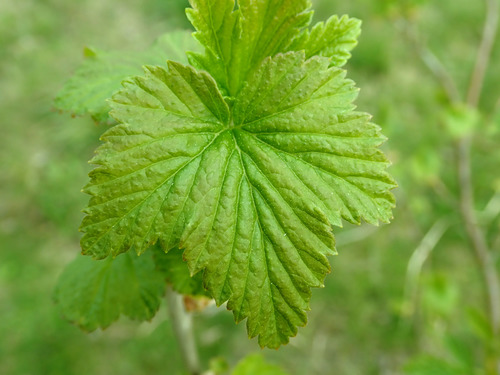
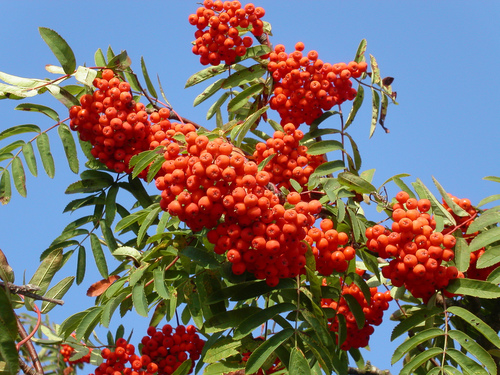
- raspberry, black currant, rowan and 83 more
- Eaten by
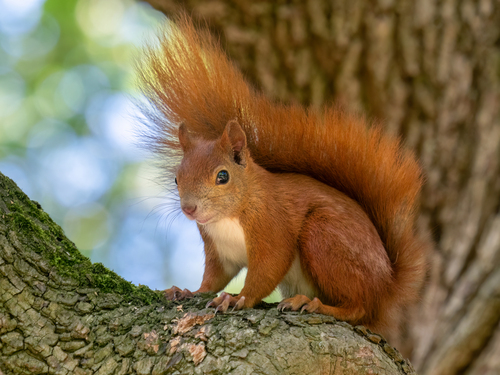
- grey wolf, red fox, Eurasian red squirrel
- Where
- 49 countries
On 4Planet Atlas it is among the wildlife people record most around Andorra la Vella, Belgrade and Berlin, and 26 more of the cities we cover.
People have shared 189,757 records of the black woodpecker with GBIF, from 49 countries, most of them from Germany, Czech Republic and Poland. Records collected by GloBI show it eating 86 different kinds of animals and plants, and being eaten by 16.
What the black woodpecker eats, and what eats it
Studies have recorded it eating 86 kinds of animals and plants, and 16 kinds of animals eating it. Tap any of them to follow the food chain.
- Insects 61
- Plants 8
Eaten by


 Black woodpecker
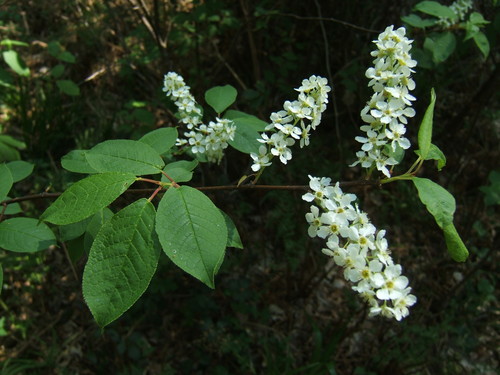
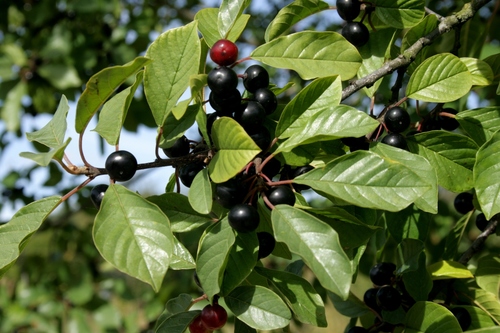
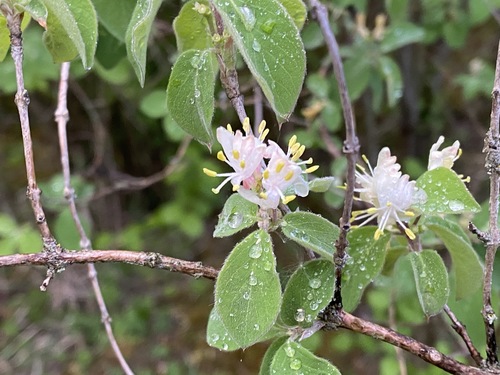
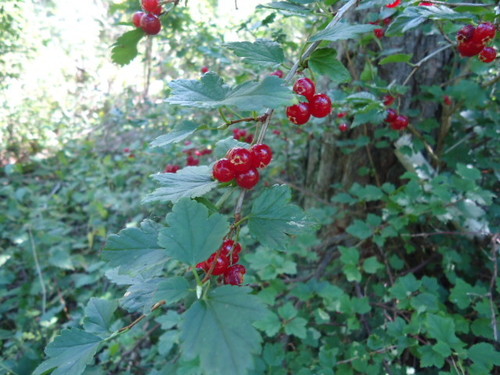
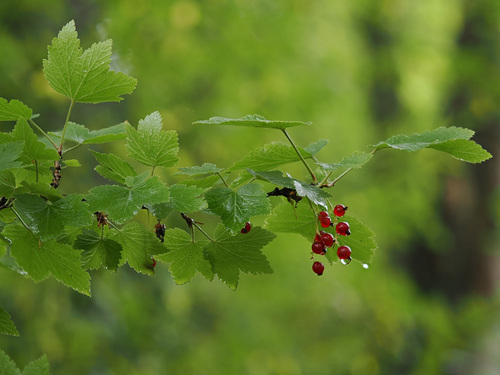
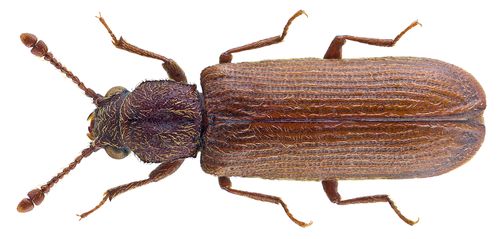

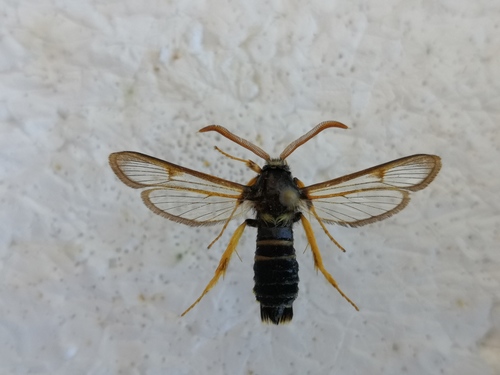
Records from studies worldwide, collected by GloBI. They include animals eaten as carrion, and they are not everything it eats in one place.
Where people see the black woodpecker
People have shared 189,757 records from 49 countries.
Near a city: Andorra la Vella, Belgrade, Berlin, Bern, Bratislava, Budapest, Chișinău, Copenhagen, Helsinki, Kyiv, Ljubljana, Minsk, Moscow, Oslo, Paris, Prague, Pristina, Riga, Sarajevo, Sofia, Stockholm, Tallinn, Tbilisi, Ulaanbaatar, Vaduz, Vienna, Vilnius, Warsaw, Zagreb.
Records show where people have seen it and shared it, not its full range. Country names open their page in Atlas.
When it is seen
Records per month in the northern hemisphere. More people outdoors also means more records.
Watch and listen

Its closest relatives
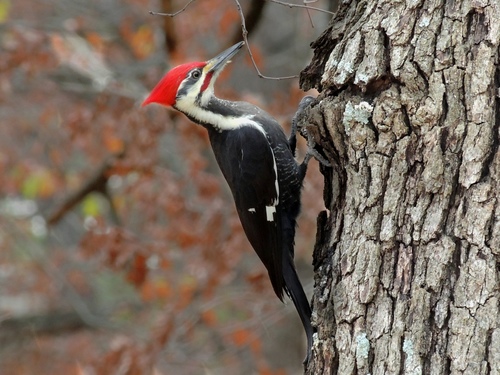
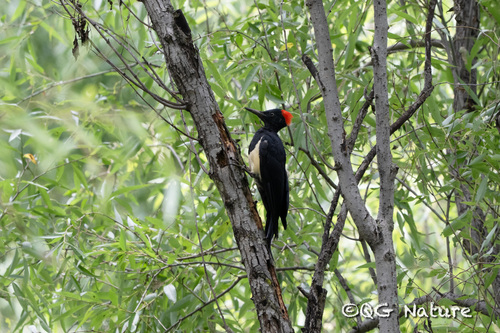
The other species of the genus Dryocopus.
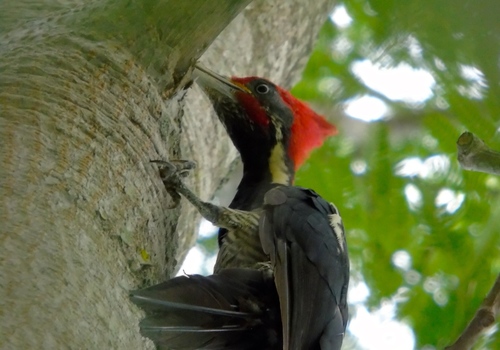
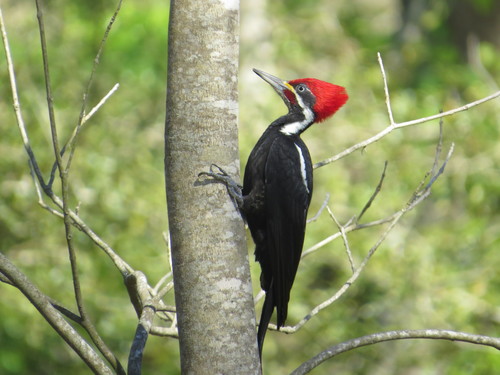
Seen a black woodpecker?
Share your photo on iNaturalist. Other naturalists help confirm it, and the record goes to GBIF, where scientists use it and where the maps on this page come from.
Put this species on your site
The card names every source and links back here.
<iframe src="https://4planetatlas.com/place/embed/species/black-woodpecker" title="Black woodpecker (Dryocopus martius), 4PLANET Species" width="100%" height="600" style="border:0;max-width:640px" loading="lazy"></iframe>
<p><a href="https://4species.com/black-woodpecker">Black woodpecker on 4PLANET Species</a></p>Questions people ask
What does the black woodpecker eat?
The black woodpecker has been recorded eating 86 different kinds of animals and plants, most of them insects and plants. The ones recorded most often are raspberry, black currant, rowan, bird cherry and glossy buckthorn; records include animals eaten as carrion. Source: GloBI.
What eats the black woodpecker?
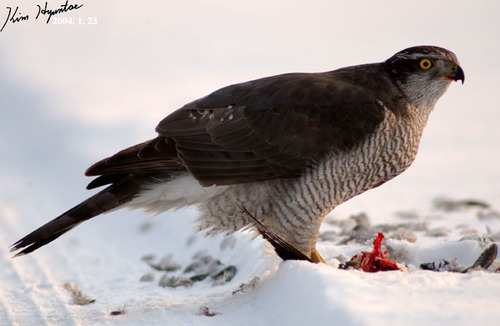
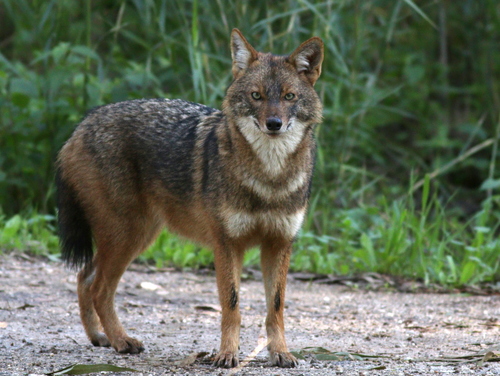
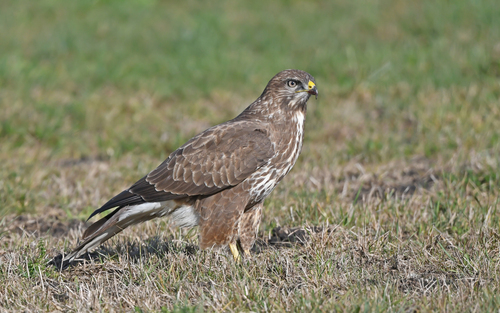
Recorded predators include grey wolf, red fox, eurasian red squirrel, eurasian eagle-owl and european wildcat. Source: GloBI.
Where does the black woodpecker live?
People have recorded it in 49 countries; the most records come from Germany, Czech Republic, Poland, Russia and France. Records show where people have seen it, not its full range.
When is the black woodpecker seen most?
In the northern hemisphere, the most records are made in May and the fewest in July. More people outdoors also means more records.
What are the black woodpecker's closest relatives?
It shares the genus Dryocopus with pileated woodpecker, white-bellied woodpecker, andaman woodpecker, lineated woodpecker and black-bodied woodpecker.
Sources and photo credits
- GBIF · Dryocopus martius, 189,757 human observations
- GloBI · recorded interactions of Dryocopus martius
- Wikidata · Black woodpecker (Q143284)
- Black woodpecker (Dryocopus martius): hedera.baltica, CC BY-SA 4.0
- Black woodpecker (Dryocopus martius): hedera.baltica, CC BY-SA 4.0
- Black woodpecker (Dryocopus martius): Alastair Rae, CC BY-SA 4.0
- Black woodpecker (Dryocopus martius), Parvomay, Bulgaria: SteveM4560, CC BY 4.0
- Black woodpecker (Dryocopus martius), Parvomay, Bulgaria: SteveM4560, CC BY 4.0
- Black woodpecker (Dryocopus martius), Parvomay, Bulgaria: SteveM4560, CC BY 4.0
- Black woodpecker (Dryocopus martius), Parvomay, Bulgaria: SteveM4560, CC BY 4.0
- Black woodpecker (Dryocopus martius), Bakuriani, Georgia: Donsky, CC BY 4.0
- Black woodpecker (Dryocopus martius), Bocchigliero: Gianluca Congi🪶🦆🌲, CC BY-SA 4.0
- Raspberry: Ole Husby, CC BY-SA 4.0
- Black currant: Salicyna, CC BY-SA 4.0
- Rowan: Hans Kylberg, CC BY 4.0
- Bird cherry: Sciadopitys, CC BY-SA 4.0
- Glossy buckthorn: Sten Porse, CC BY-SA 4.0
- Fly honeysuckle: Eva-Maria, CC BY-SA 4.0
- Mountain currant: no rights reserved, uploaded by Quentin Groom, CC0
- Downy currant: Tero Linjama, CC0
- Cosmopolitan powderpost beetle: Udo Schmidt, CC BY-SA 4.0
- Wharf borer: Zihao Wang, CC BY 4.0
- Eusphecia melanocephala: mnauky, CC BY 4.0
- Grey wolf: Andrew Simon, CC BY 4.0
- Red fox: Алина Урусова, CC BY 4.0
- Eurasian red squirrel: Rhododendrites, CC BY-SA 4.0
- Eurasian goshawk: Kim, Hyun-tae, CC BY 4.0
- Golden jackal: Jan Ebr & Ivana Ebrová, CC BY 4.0
- Common buzzard: Christoph Moning, CC BY 4.0
- Pileated woodpecker: Joshlaymon, CC BY-SA 4.0
- White-bellied woodpecker: Wang.QG, CC BY 4.0
- Andaman woodpecker: lunarjade, CC BY 4.0
- Lineated woodpecker: Francisco Farriols Sarabia, CC BY 4.0
- Black-bodied woodpecker: no rights reserved, uploaded by Diego Carús, CC0
Records show where people have seen and shared the black woodpecker, not its full range, and some countries and months are recorded far more than others. The food web lists interactions that studies have recorded somewhere in the world (GloBI), not everything it eats in one place.
Checked 2026-11-24.