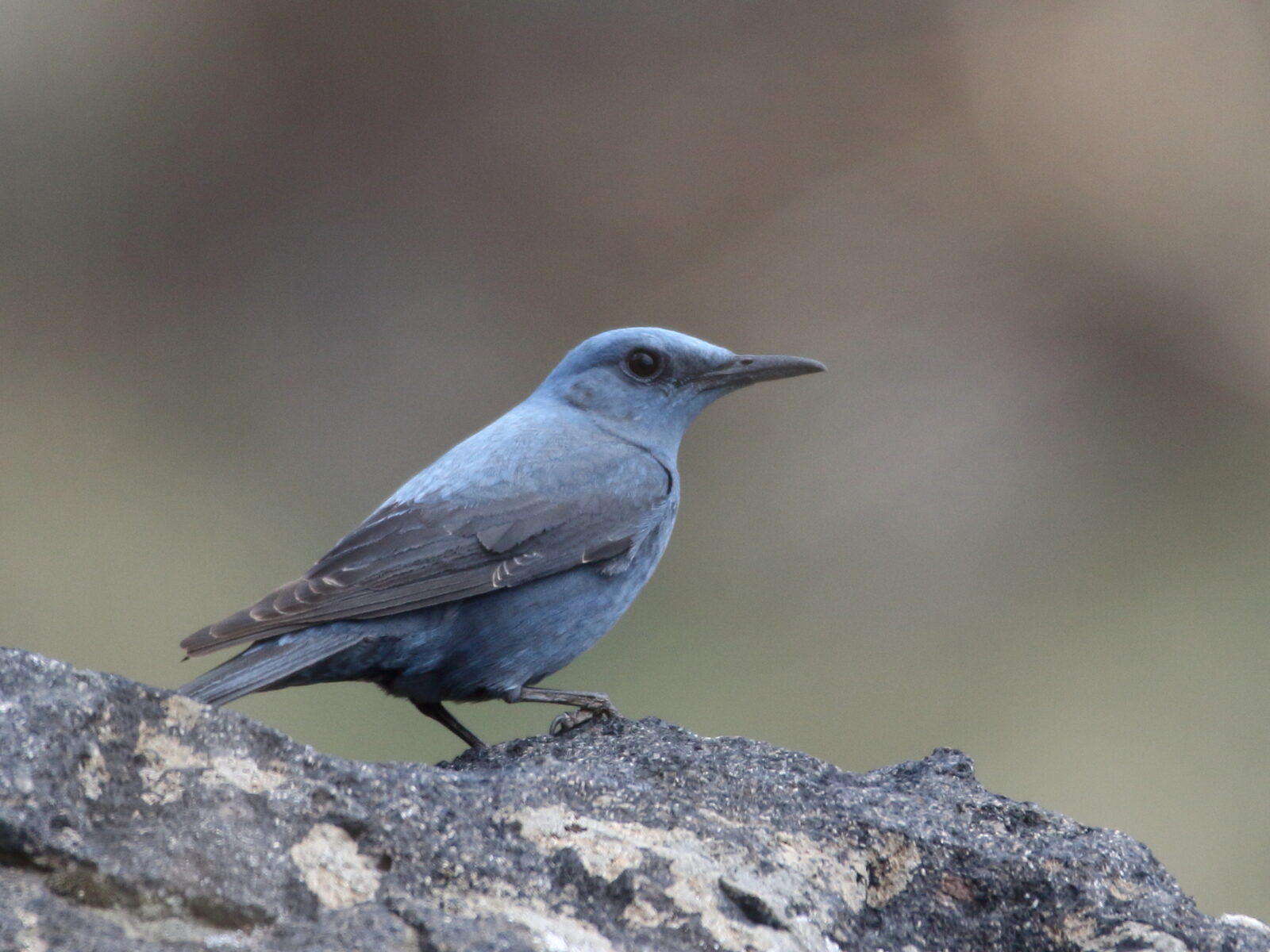
Blue rock thrush
Monticola solitarius
- Status
- Least Concern IUCN Red List
- Eats
- common toad, common frog, smooth snake and 281 more
- Eaten by
- grey wolf, red fox, northern raven
- Where
- 96 countries · ha Long Bay and Cat Ba Archipelago
On 4Planet Atlas it is among the wildlife people record most around Amman, Ashgabat and Athens, and 22 more of the cities we cover.
People have shared 236,861 records of the blue rock thrush with GBIF, from 96 countries, most of them from Spain, Taiwan and Japan. Records collected by GloBI show it eating 284 different kinds of animals and plants, and being eaten by 23.
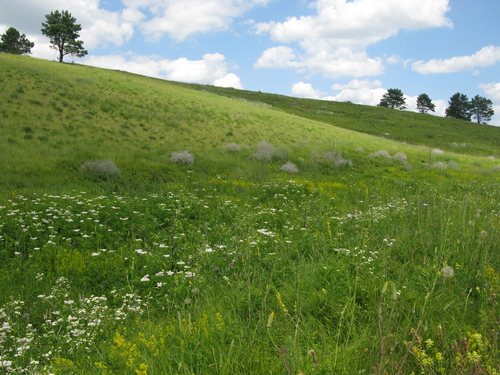
Habitats
What the blue rock thrush eats, and what eats it
Studies have recorded it eating 284 kinds of animals and plants, and 23 kinds of animals eating it. Tap any of them to follow the food chain.
- Reptiles 145
- Plants 52
- Amphibians 37
- Insects 6
- Millipedes and centipedes 2
- Crustaceans 1
- Spiders and mites 1
Eaten by



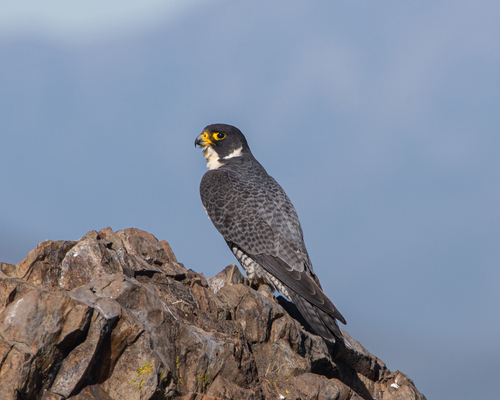

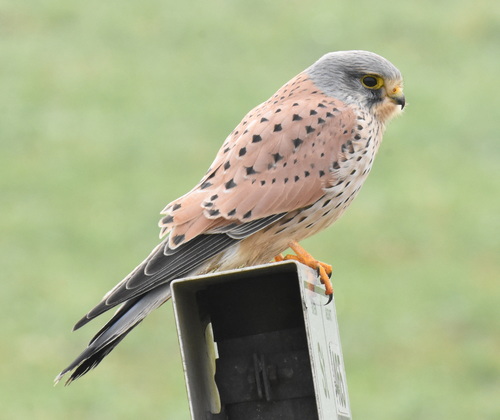
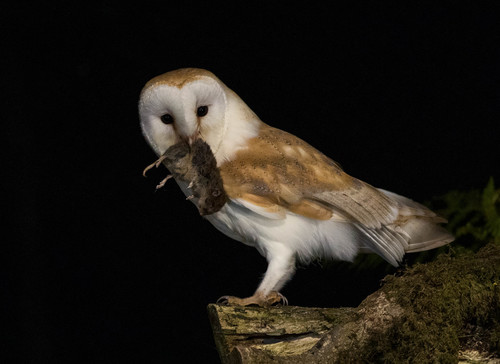 Blue rock thrush
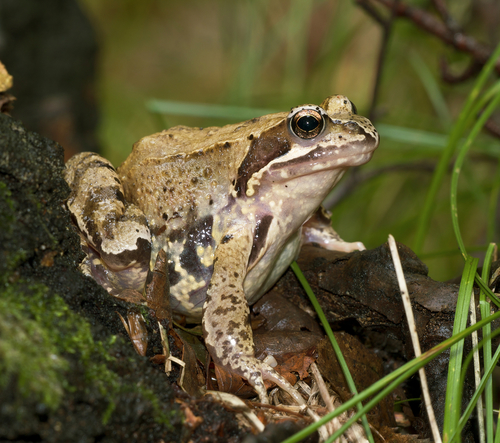
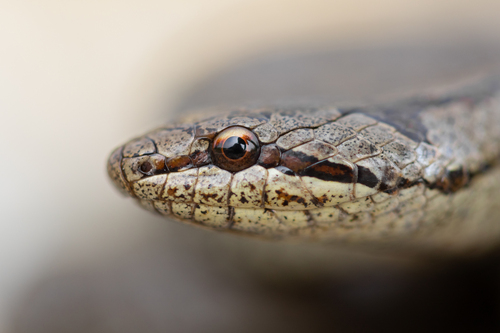

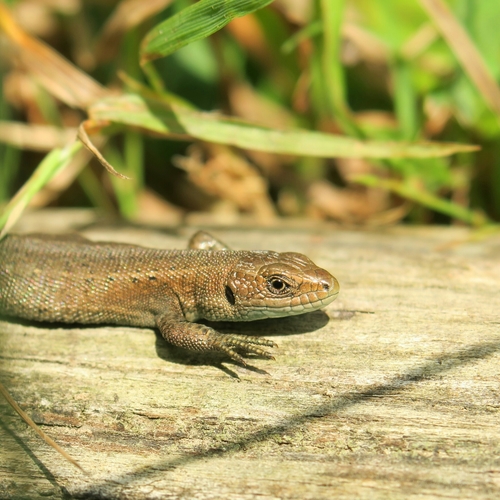

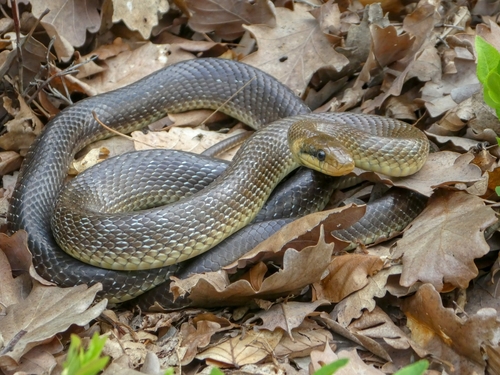
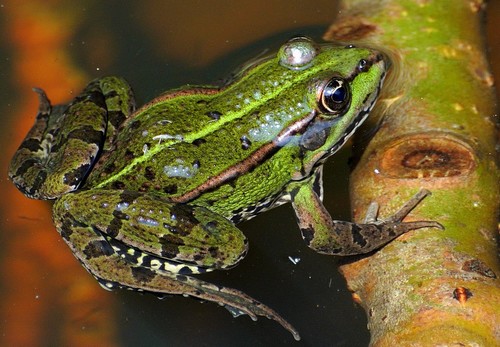
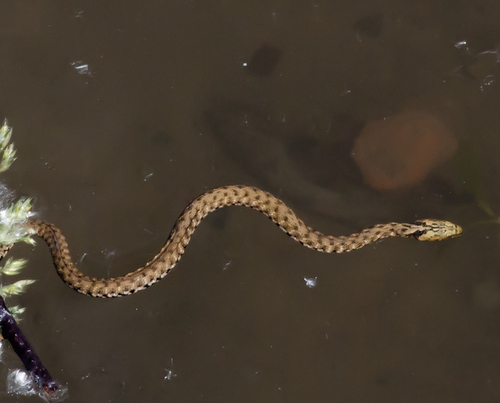
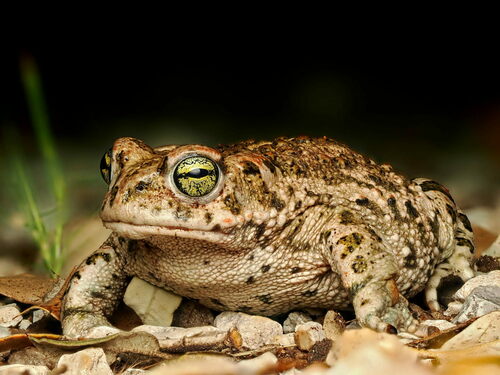

Records from studies worldwide, collected by GloBI. They include animals eaten as carrion, and they are not everything it eats in one place.
Where people see the blue rock thrush
People have shared 236,861 records from 96 countries.
Near a city: Amman, Ashgabat, Athens, Beirut, Cairo, Damascus, East Jerusalem, Hanoi, Jerusalem, Madrid, Manila, Naypyidaw, Nicosia, Phnom Penh, Podgorica, Ramallah, Riyadh, Rome, Taipei, Tehran, Tokyo, Tunis, Valletta, Vientiane, Yerevan.
Records show where people have seen it and shared it, not its full range. Country names open their page in Atlas.
When it is seen
Records per month in the northern hemisphere. More people outdoors also means more records.
Watch and listen
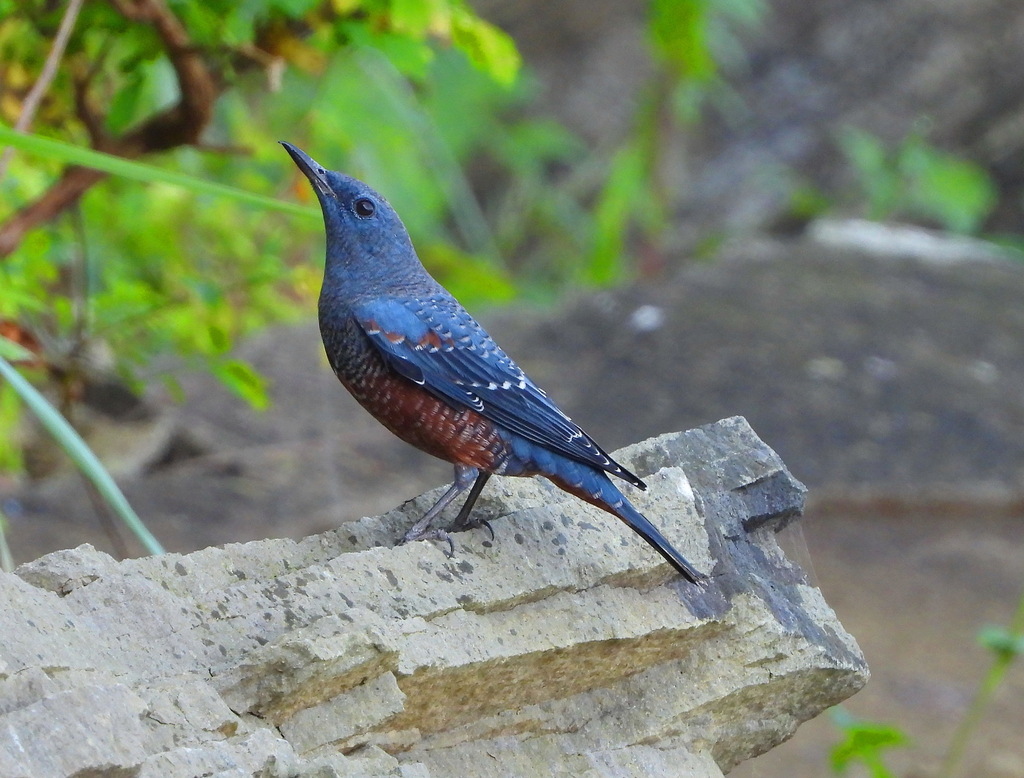
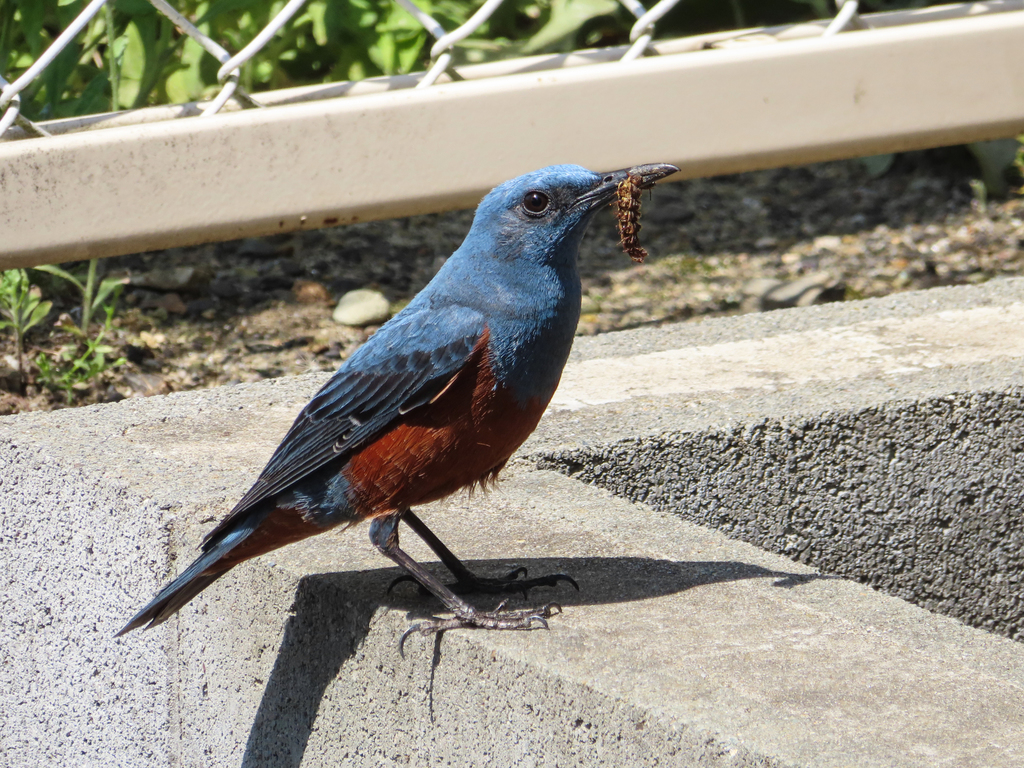
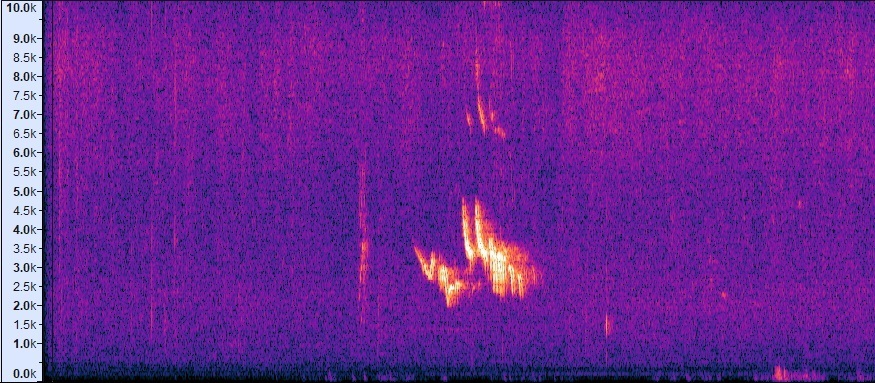
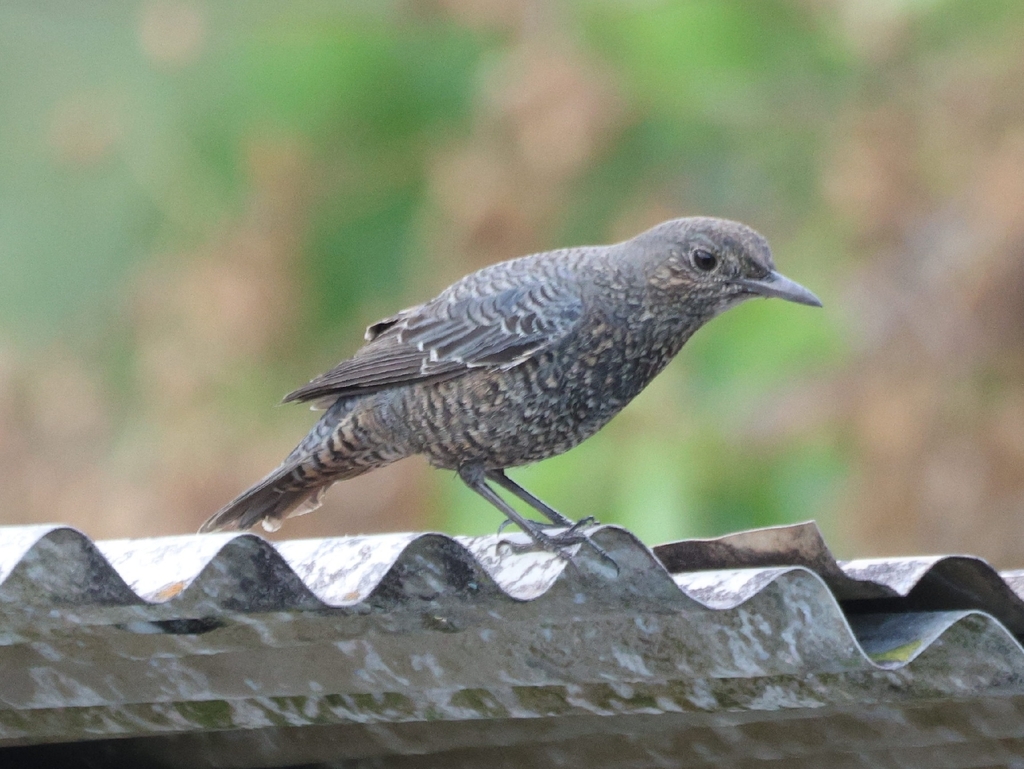
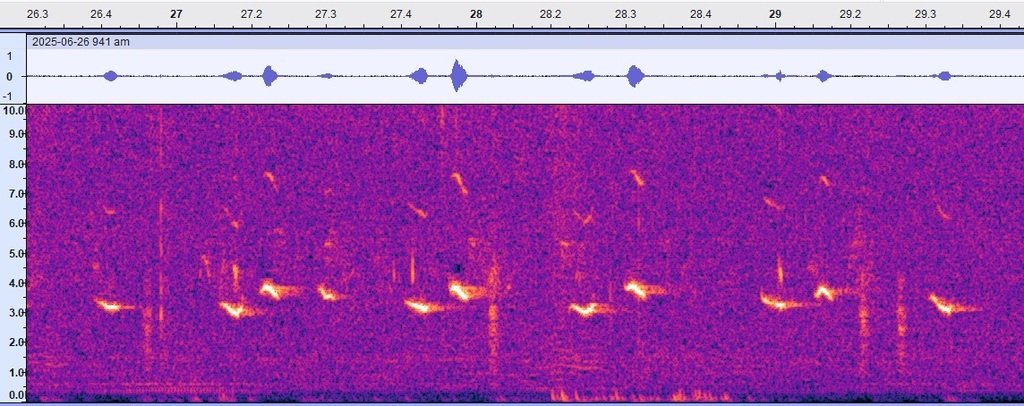
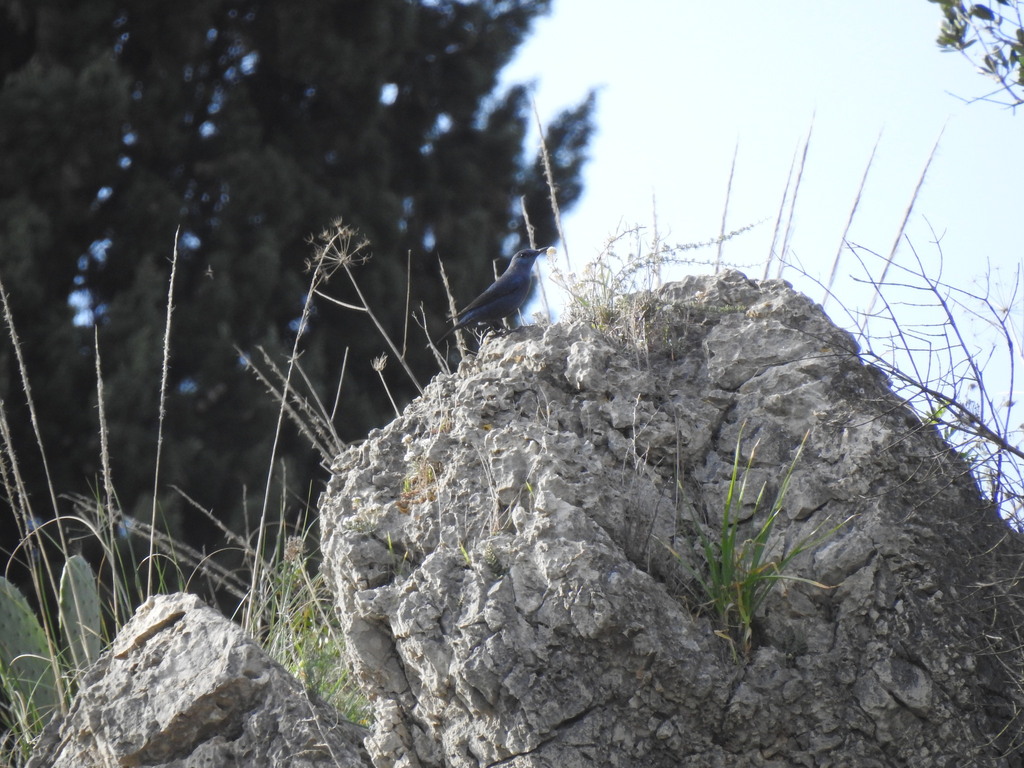
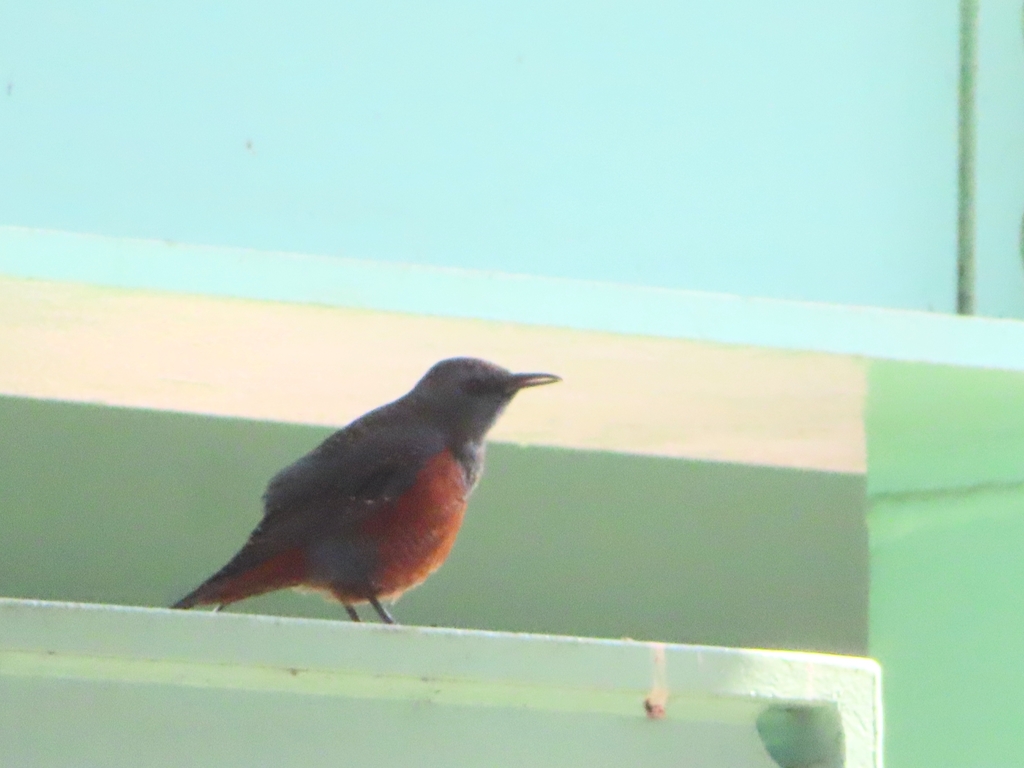
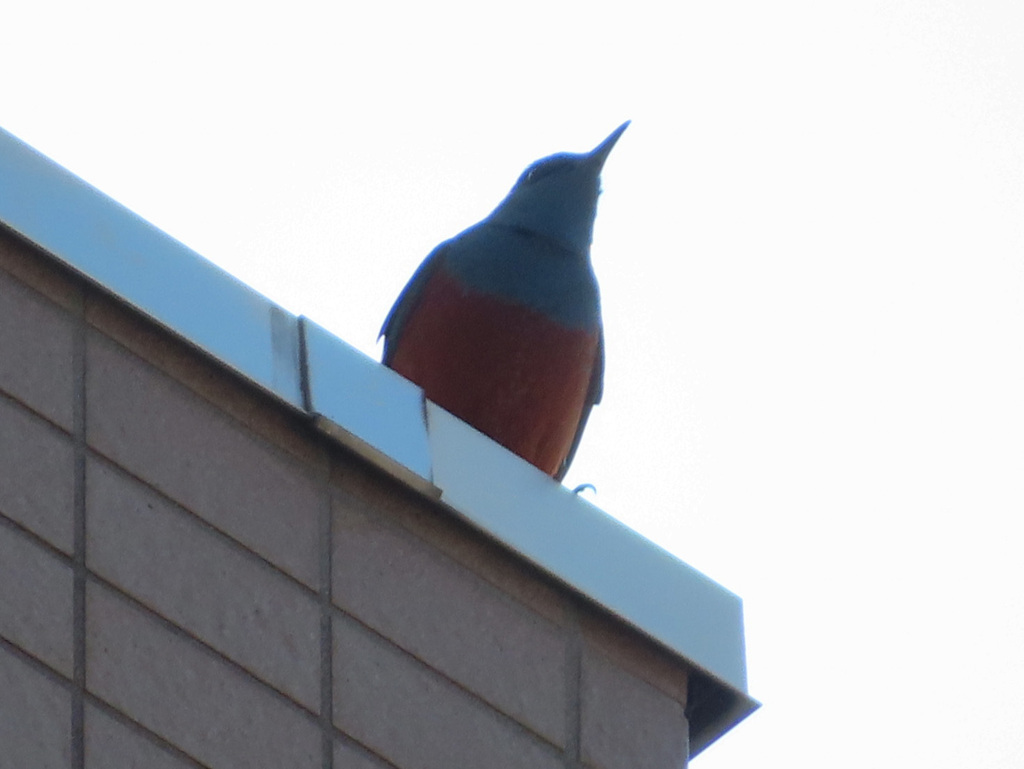
Its closest relatives
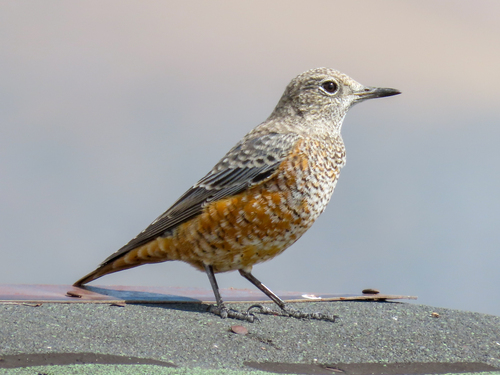
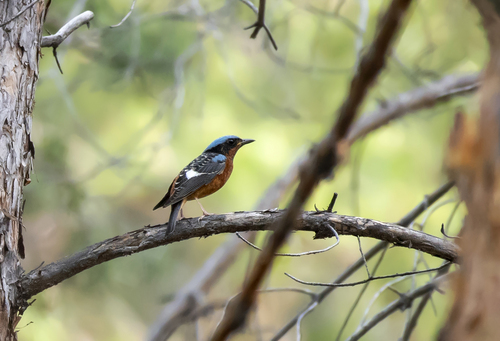
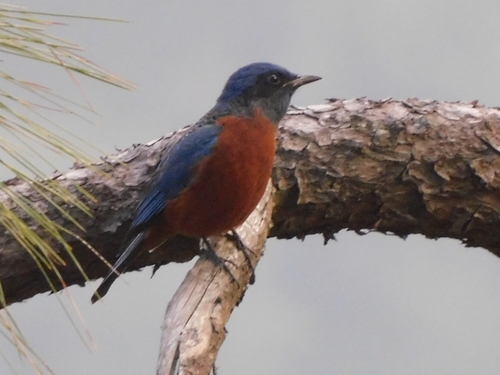
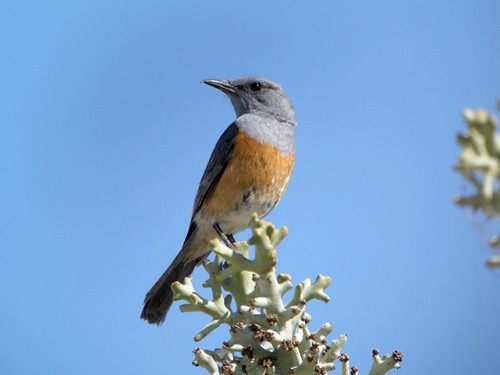
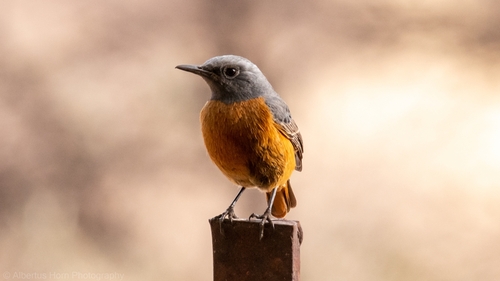
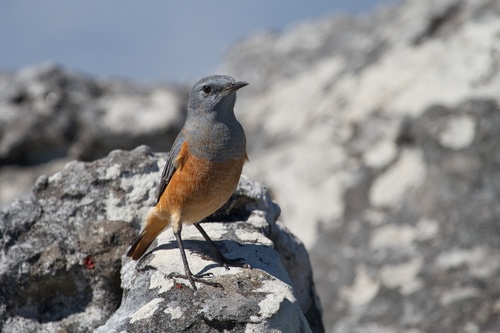
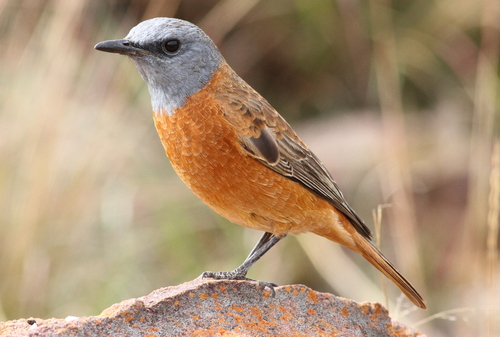
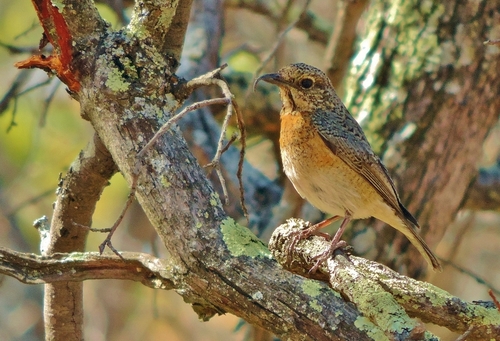
The other species of the genus Monticola.
Seen a blue rock thrush?
Share your photo on iNaturalist. Other naturalists help confirm it, and the record goes to GBIF, where scientists use it and where the maps on this page come from.
Put this species on your site
The card names every source and links back here.
<iframe src="https://4planetatlas.com/place/embed/species/blue-rock-thrush" title="Blue rock thrush (Monticola solitarius), 4PLANET Species" width="100%" height="600" style="border:0;max-width:640px" loading="lazy"></iframe>
<p><a href="https://4species.com/blue-rock-thrush">Blue rock thrush on 4PLANET Species</a></p>Questions people ask
What does the blue rock thrush eat?
The blue rock thrush has been recorded eating 284 different kinds of animals and plants, most of them reptiles, plants, amphibians and insects. The ones recorded most often are common toad, common frog, smooth snake, marsh frog and viviparous lizard; records include animals eaten as carrion. Source: GloBI.
What eats the blue rock thrush?
Recorded predators include grey wolf, red fox, northern raven, peregrine falcon and eurasian sparrowhawk. Source: GloBI.
Where does the blue rock thrush live?
People have recorded it in 96 countries; the most records come from Spain, Taiwan, Japan, India and Portugal. Records show where people have seen it, not its full range.
When is the blue rock thrush seen most?
In the northern hemisphere, the most records are made in April and the fewest in July. More people outdoors also means more records.
What are the blue rock thrush's closest relatives?
It shares the genus Monticola with common rock thrush, white-throated rock thrush, chestnut-bellied rock thrush, littoral rock thrush and short-toed rock thrush.
Sources and photo credits
- GBIF · Monticola solitarius, 236,861 human observations
- GloBI · recorded interactions of Monticola solitarius
- Wikidata · Blue rock thrush (Q152144)
- Blue rock thrush (Monticola solitarius): Ani Sarkisyan, CC BY 4.0
- Blue rock thrush (Monticola solitarius), Khasanskiy rayon, RU-PR, RU: Лариса Артемьева, CC0
- Blue rock thrush (Monticola solitarius), Aoba, Miyagi, Japan: raibums, CC BY 4.0
- Blue rock thrush (Monticola solitarius), Çeşme, Ovacık, Çeşme/İzmir, Türkiye: zm77, CC BY 4.0
- Blue rock thrush (Monticola solitarius), Waialua, HI 96791, USA: Damien Wallace, CC0
- Blue rock thrush (Monticola solitarius), Bergama/İzmir, Türkiye: zm77, CC BY 4.0
- Blue rock thrush (Monticola solitarius), Albufeira, Faro, Portugal: Duarte Frade, CC BY 4.0
- Blue rock thrush (Monticola solitarius), 日本、〒206-0021 東京都多摩市連光寺: mami_t_t, CC BY 4.0
- Blue rock thrush (Monticola solitarius), Район Аоба, Сендай, Мияги, Япония: Timur Kalininsky, CC BY 4.0
- Common frog: Jörg Hempel, CC BY-SA 4.0
- Smooth snake: Johannes S., CC BY 4.0
- Marsh frog: Petra & Wilfried, CC BY 4.0
- Viviparous lizard: nearwildhelen, CC BY 4.0
- Sand lizard: Lennart Hudel, CC BY 4.0
- Dwarf elder: Igor Balashov, CC BY 4.0
- Aesculapian snake: Philipp Pavelka, CC BY 4.0
- Edible frog: Luciano 95, CC BY 4.0
- Dice snake: carnifex, CC BY 4.0
- Natterjack toad: Gilles San Martin, CC BY-SA 4.0
- Agile frog: Laurent Lebois, CC BY 4.0
- Grey wolf: Andrew Simon, CC BY 4.0
- Red fox: Алина Урусова, CC BY 4.0
- Northern raven: xulescu_g, CC BY-SA 4.0
- Peregrine falcon: Nicolás Villaseca Merino, CC BY-SA 4.0
- Eurasian sparrowhawk: Stanislav Murashkin, CC BY 4.0
- Common kestrel: Thorsten Hackbarth, CC BY 4.0
- Western barn owl: john.purvis, CC BY 4.0
- Common rock thrush: Emanuele Santarelli, CC BY-SA 4.0
- White-throated rock thrush: Griha Hasanov, CC BY 4.0
- Chestnut-bellied rock thrush: Jagdish Singh Negi, CC BY 4.0
- Littoral rock thrush: Frank Vassen, CC BY 4.0
- Short-toed rock thrush: Albertus Horn, CC BY 4.0
- Sentinel rock thrush: Brian Gratwicke, CC BY 4.0
- Cape rock thrush: Derek Keats, CC BY 4.0
- Miombo rock thrush: i_c_riddell, CC BY 4.0
Records show where people have seen and shared the blue rock thrush, not its full range, and some countries and months are recorded far more than others. The food web lists interactions that studies have recorded somewhere in the world (GloBI), not everything it eats in one place.
Checked 2026-11-23.