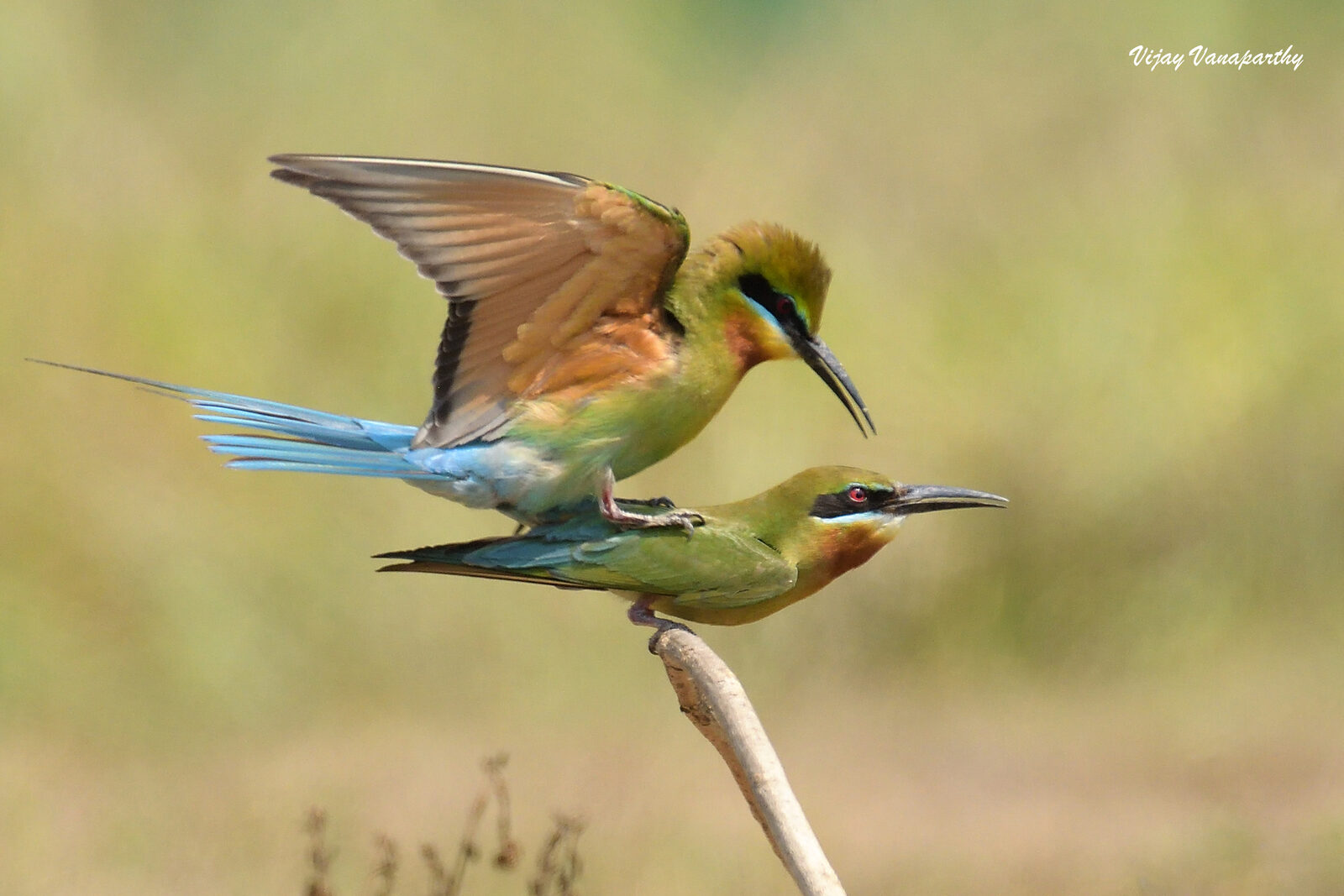
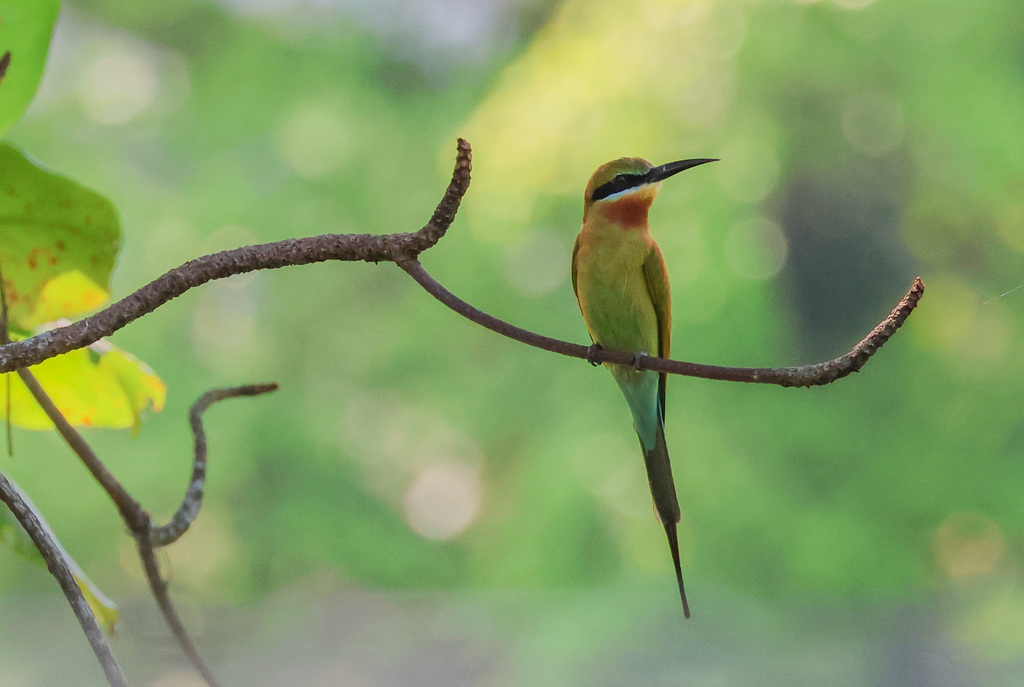
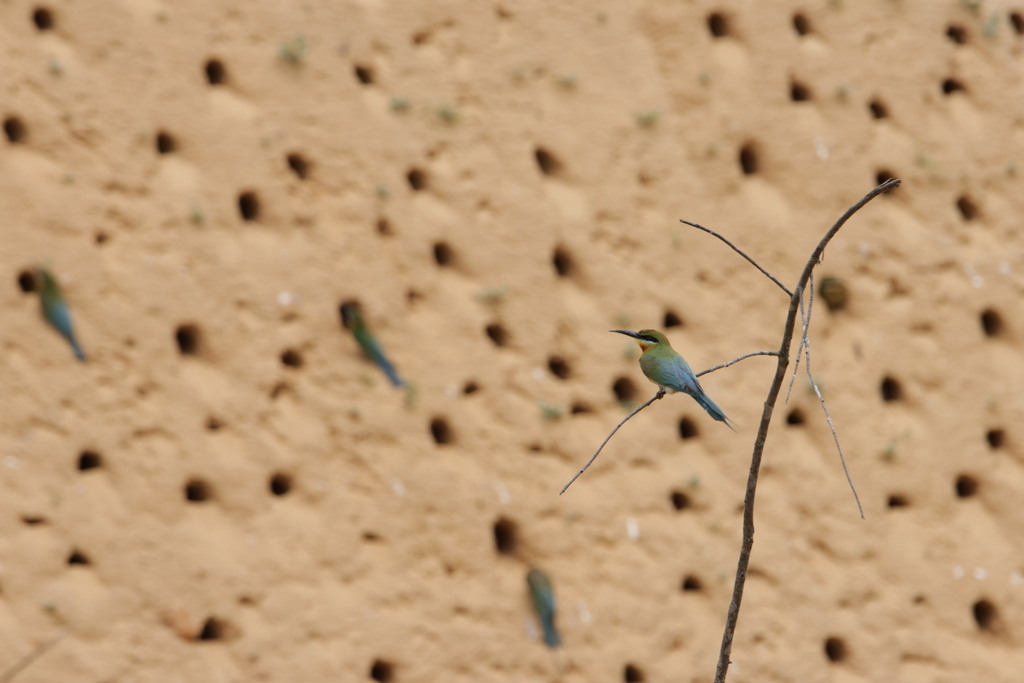
Blue-tailed bee-eater
Merops philippinus
- Status
- Least Concern IUCN Red List
- Eaten by
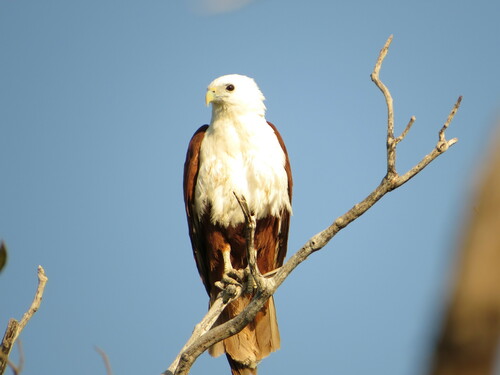
- brahminy kite
- Where
- 22 countries
On 4Planet Atlas it is among the wildlife people record most around Bangkok, Colombo and Dhaka, and 9 more of the cities we cover.
People have shared 314,763 records of the blue-tailed bee-eater with GBIF, from 22 countries, most of them from India, Thailand and Sri Lanka. Records collected by GloBI show it eating 3 different kinds of animals and plants, and being eaten by 1.
What the blue-tailed bee-eater eats, and what eats it
Studies have recorded it eating 3 kinds of animals and plants, and 1 kinds of animals eating it. Tap any of them to follow the food chain.
- Insects 3
Eaten by
 Blue-tailed bee-eater
Records from studies worldwide, collected by GloBI. They include animals eaten as carrion, and they are not everything it eats in one place.
Where people see the blue-tailed bee-eater
People have shared 314,763 records from 22 countries.
Near a city: Bangkok, Colombo, Dhaka, Dili, Islamabad, Jakarta, Kuala Lumpur, Manila, Mumbai, Naypyidaw, Phnom Penh, Sri Jayawardenepura Kotte.
Records show where people have seen it and shared it, not its full range. Country names open their page in Atlas.
When it is seen
Records per month in the northern hemisphere. More people outdoors also means more records.
Watch and listen
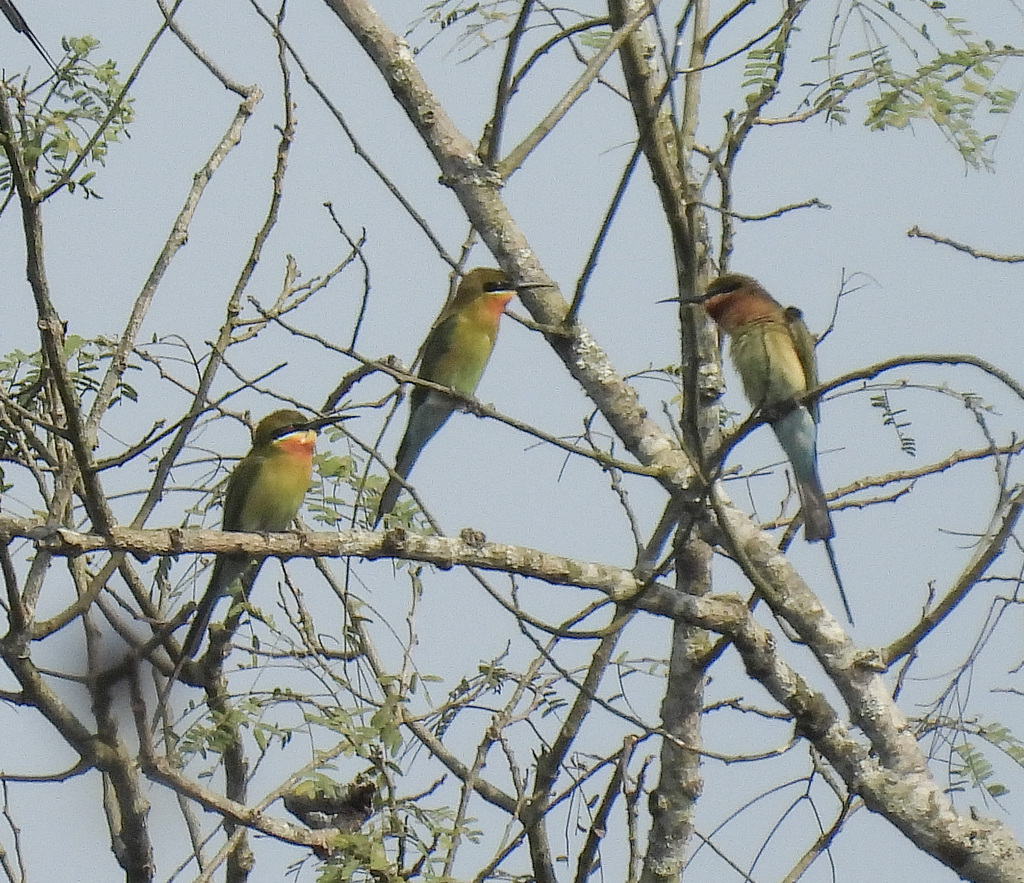
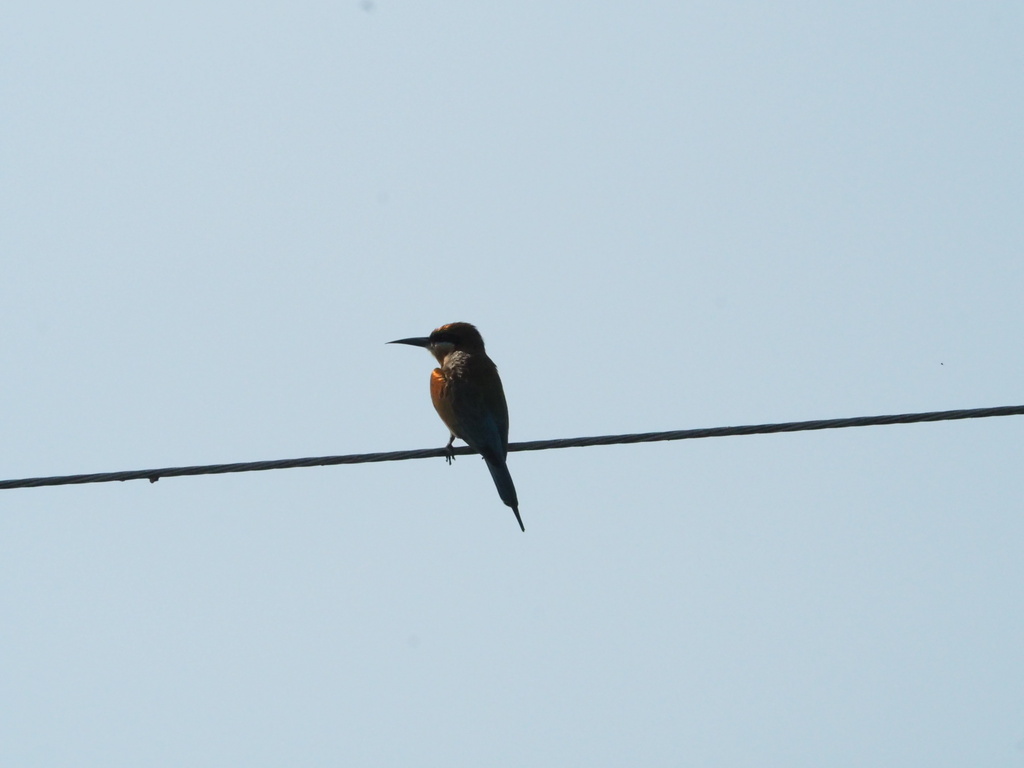
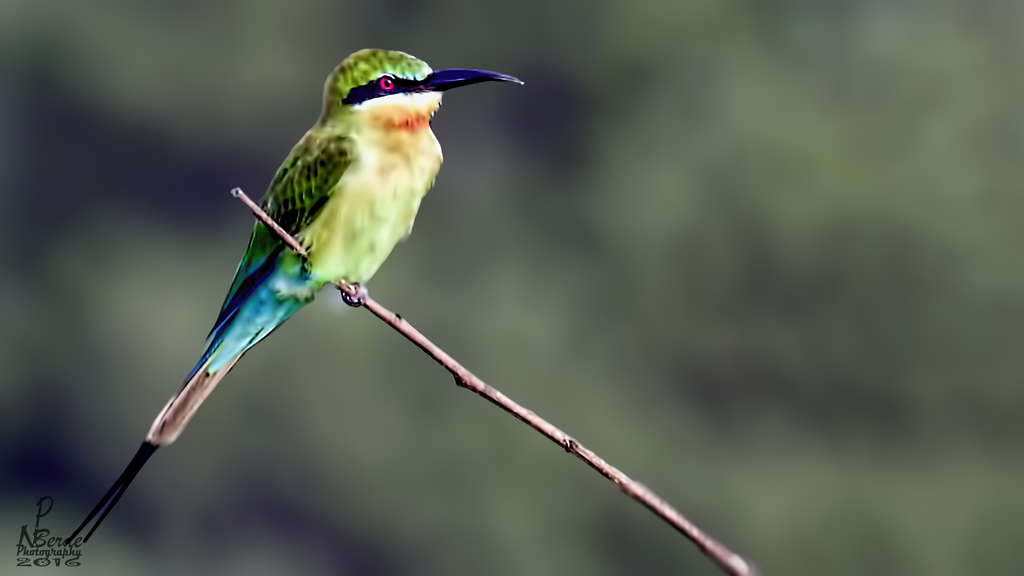
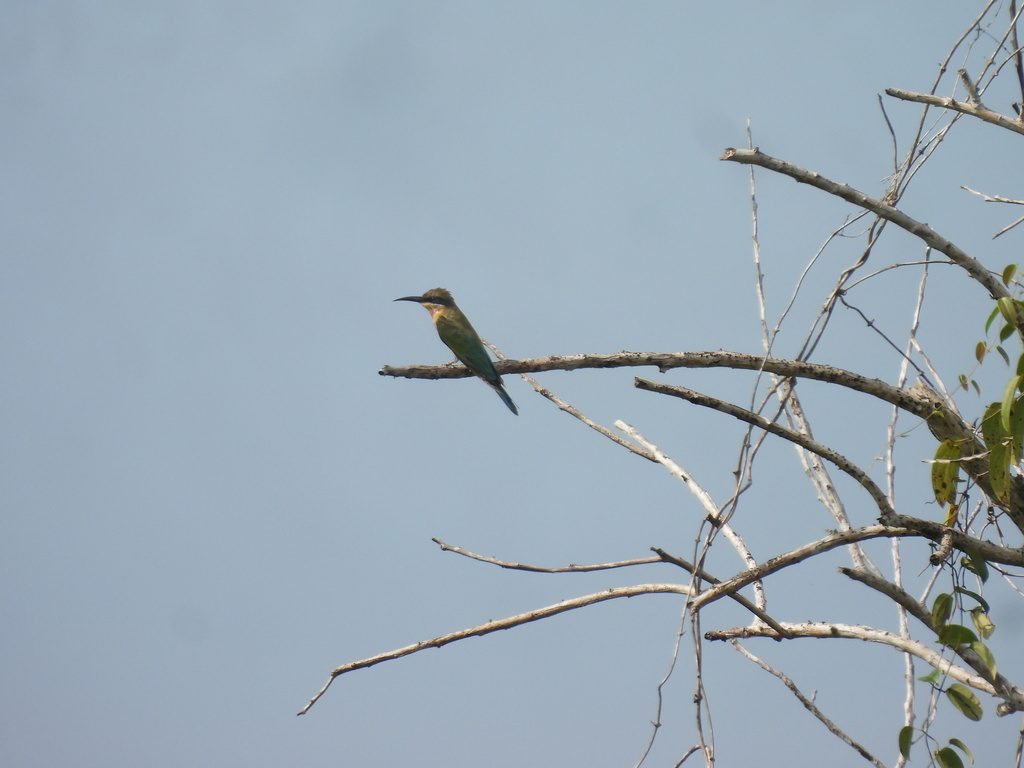
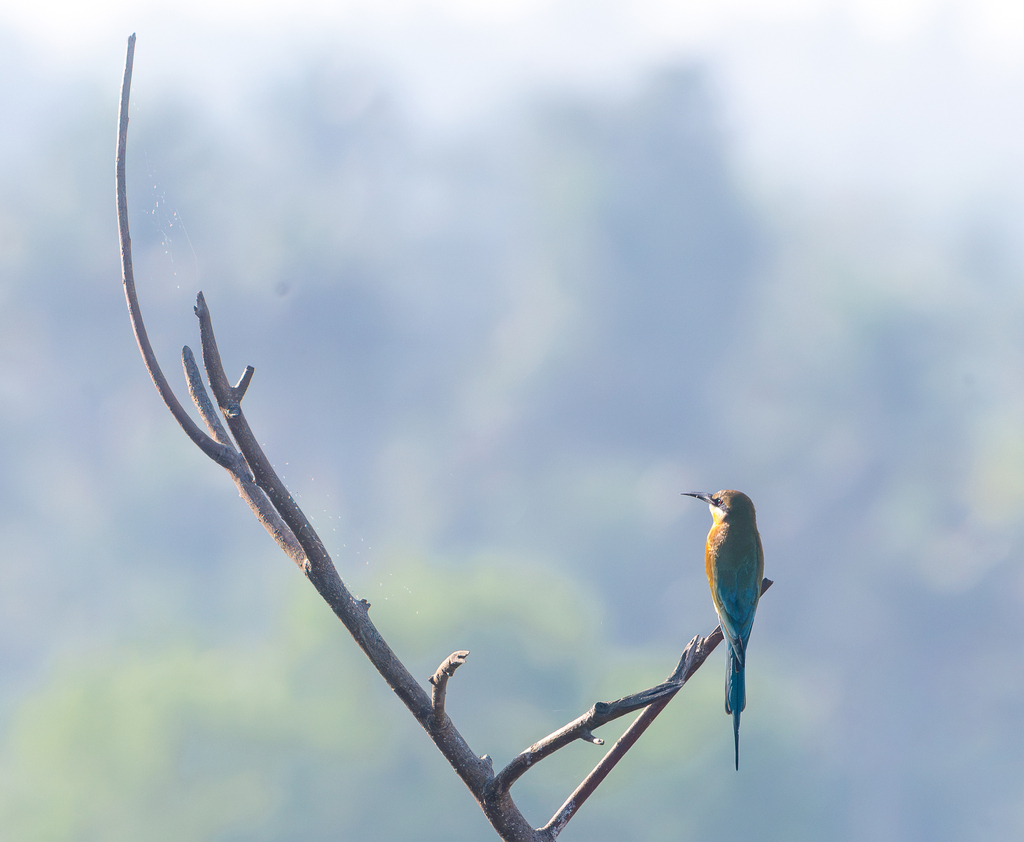
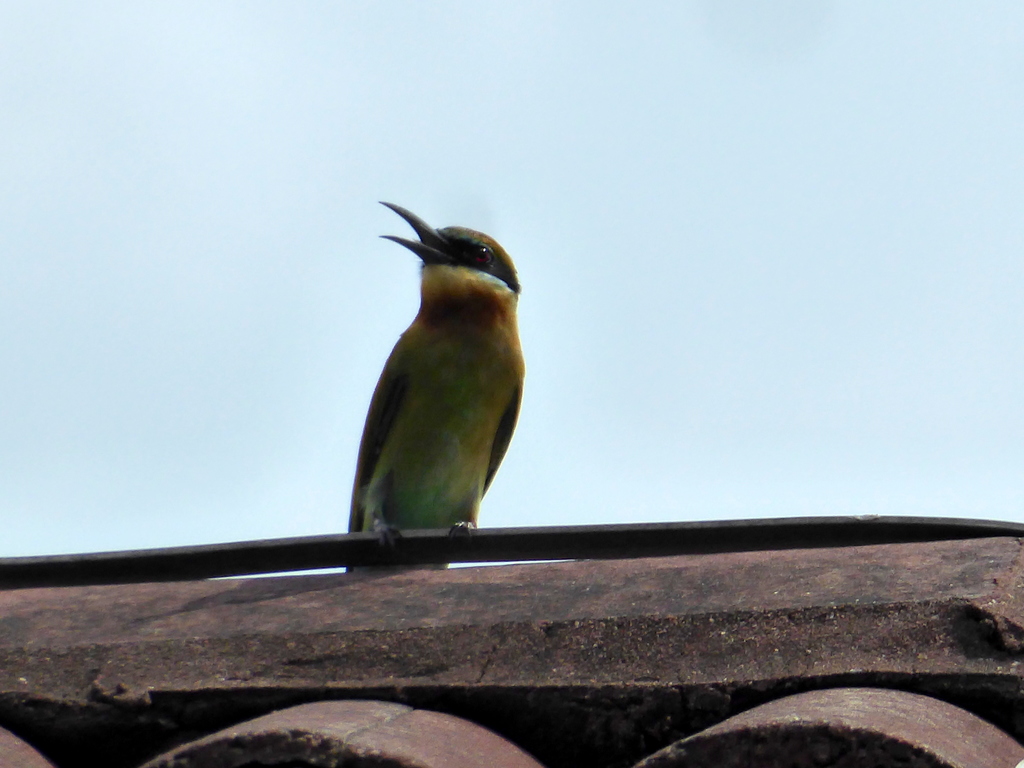
Its closest relatives
The other species of the genus Merops.
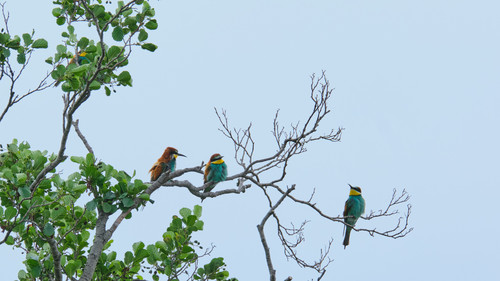
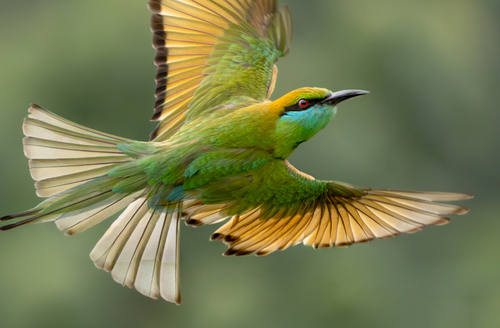
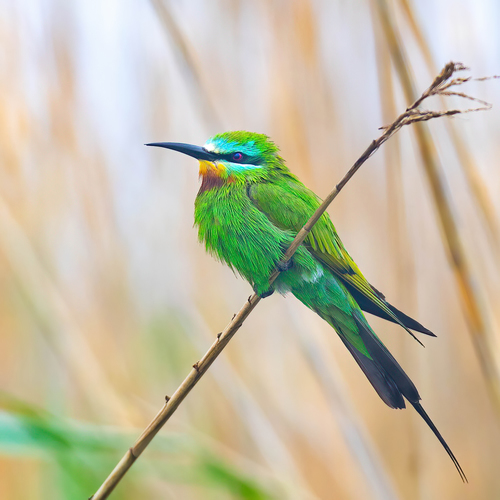
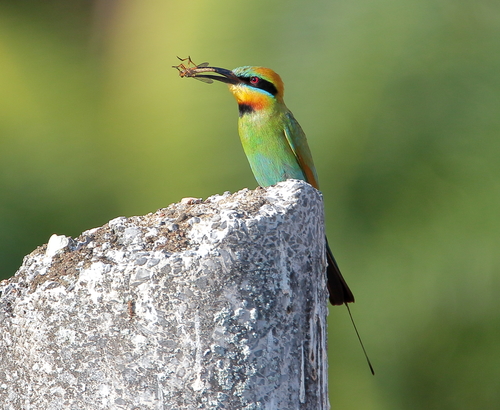
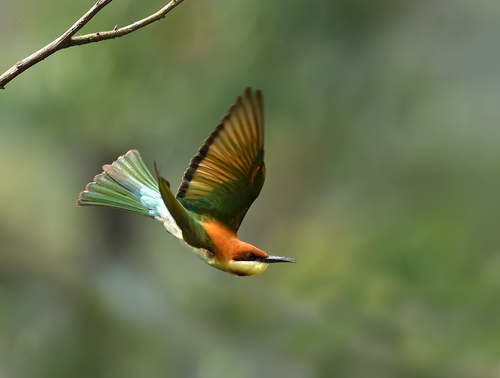
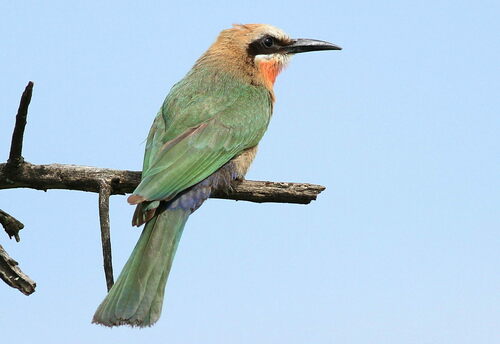
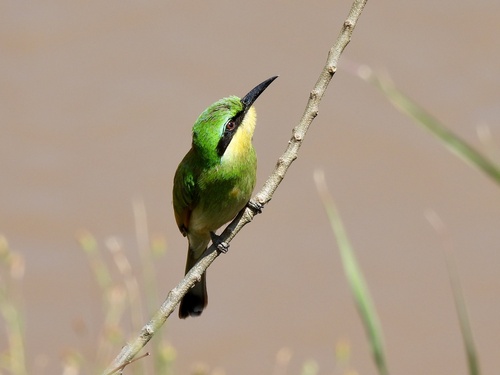
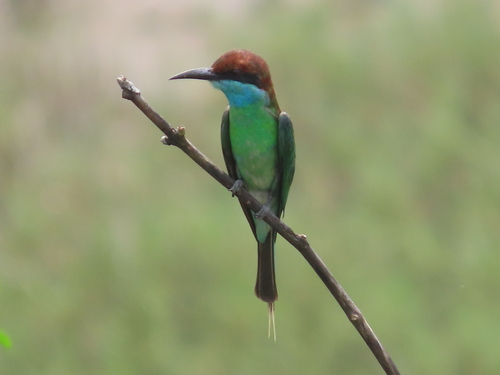
Seen a blue-tailed bee-eater?
Share your photo on iNaturalist. Other naturalists help confirm it, and the record goes to GBIF, where scientists use it and where the maps on this page come from.
Put this species on your site
The card names every source and links back here.
<iframe src="https://4planetatlas.com/place/embed/species/blue-tailed-bee-eater" title="Blue-tailed bee-eater (Merops philippinus), 4PLANET Species" width="100%" height="600" style="border:0;max-width:640px" loading="lazy"></iframe>
<p><a href="https://4species.com/blue-tailed-bee-eater">Blue-tailed bee-eater on 4PLANET Species</a></p>Questions people ask
What does the blue-tailed bee-eater eat?
The blue-tailed bee-eater has been recorded eating 3 different kinds of animals and plants, most of them insects. The ones recorded most often are ; records include animals eaten as carrion. Source: GloBI.
What eats the blue-tailed bee-eater?
Recorded predators include brahminy kite. Source: GloBI.
Where does the blue-tailed bee-eater live?
People have recorded it in 22 countries; the most records come from India, Thailand, Sri Lanka, Singapore and Cambodia. Records show where people have seen it, not its full range.
When is the blue-tailed bee-eater seen most?
In the northern hemisphere, the most records are made in January and the fewest in June. More people outdoors also means more records.
What are the blue-tailed bee-eater's closest relatives?
It shares the genus Merops with european bee-eater, asian green bee-eater, blue-cheeked bee-eater, rainbow bee-eater and chestnut-headed bee-eater.
Sources and photo credits
- GBIF · Merops philippinus, 314,763 human observations
- GloBI · recorded interactions of Merops philippinus
- Wikidata · Blue-tailed bee-eater (Q31884)
- Blue-tailed bee-eater (Merops philippinus): Vijay Vanaparthy, CC BY 4.0
- Blue-tailed bee-eater (Merops philippinus): Victor Heng, CC BY 4.0
- Blue-tailed bee-eater (Merops philippinus), Kinmen, TW-FK, TW: 林正文, CC BY 4.0
- Blue-tailed bee-eater (Merops philippinus), Hathikira Tea Estate, Karimganj, Assam, India: Rejoice Gassah, CC BY 4.0
- Blue-tailed bee-eater (Merops philippinus), Thailand: Kamonmas Samutratanakul, CC BY 4.0
- Blue-tailed bee-eater (Merops philippinus), 4XR7+QV6, Mulund East, Mumbai, Maharashtra 400042, India: Nishant Purushottam Berde, CC BY 4.0
- Blue-tailed bee-eater (Merops philippinus), Pomalaa, Kolaka Regency, South East Sulawesi, Indonesia: Seno Nur Rohman, CC BY-SA 4.0
- Blue-tailed bee-eater (Merops philippinus), Polachira, Kerala, India: white_cheeked_barbet, CC BY 4.0
- Blue-tailed bee-eater (Merops philippinus), Bukit Jelutong, Shah Alam, Selangor, Malaysia: lunarjade, CC BY 4.0
- Brahminy kite: pimelea, CC BY 4.0
- European bee-eater: Sem Khatov, CC BY 4.0
- Asian green bee-eater: Sunny Joseph, CC BY 4.0
- Blue-cheeked bee-eater: egorbirder, CC BY 4.0
- Rainbow bee-eater: Graham Winterflood, CC BY-SA 4.0
- Chestnut-headed bee-eater: Sunny Joseph, CC BY 4.0
- White-fronted bee-eater: Derek Keats, CC BY 4.0
- Little bee-eater: Caroline Quinn, CC BY 4.0
- Blue-throated bee-eater: ian_mcallan, CC BY 4.0
Records show where people have seen and shared the blue-tailed bee-eater, not its full range, and some countries and months are recorded far more than others. The food web lists interactions that studies have recorded somewhere in the world (GloBI), not everything it eats in one place.
Checked 2026-11-22.