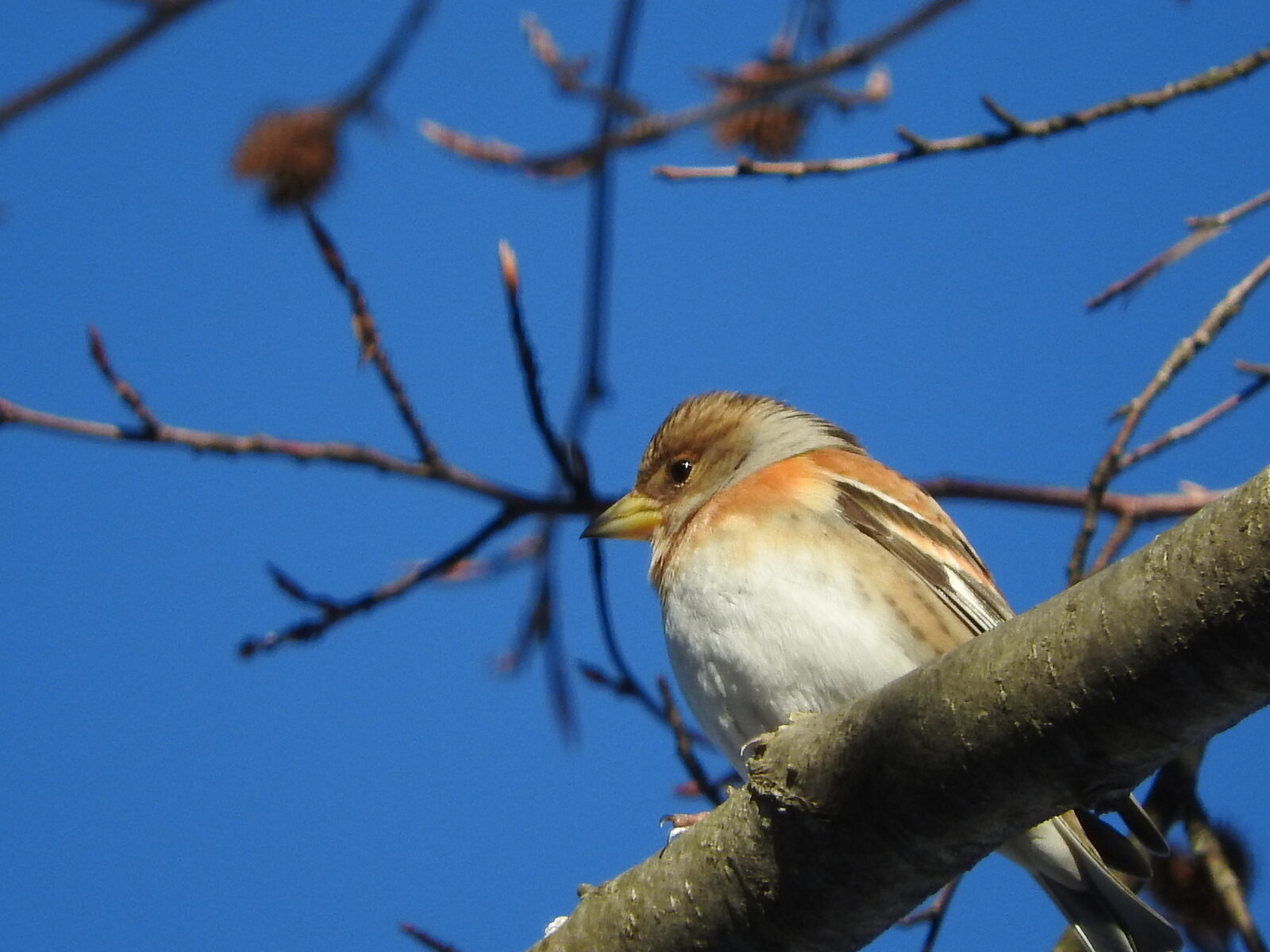
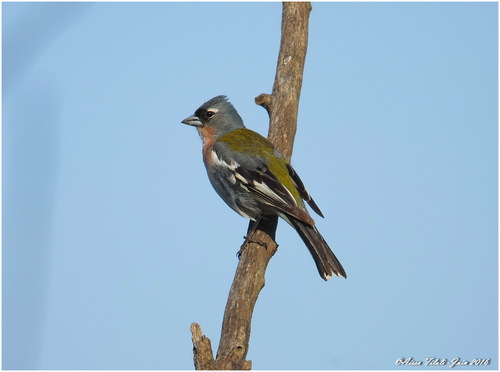
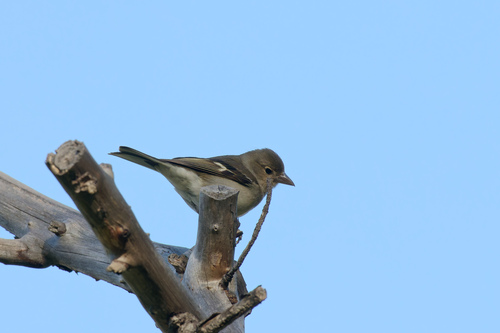
Brambling
Fringilla montifringilla
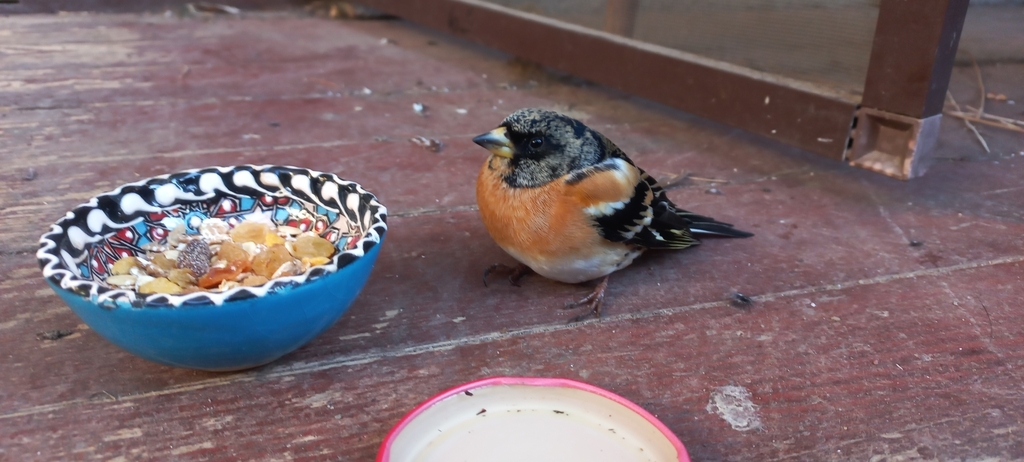
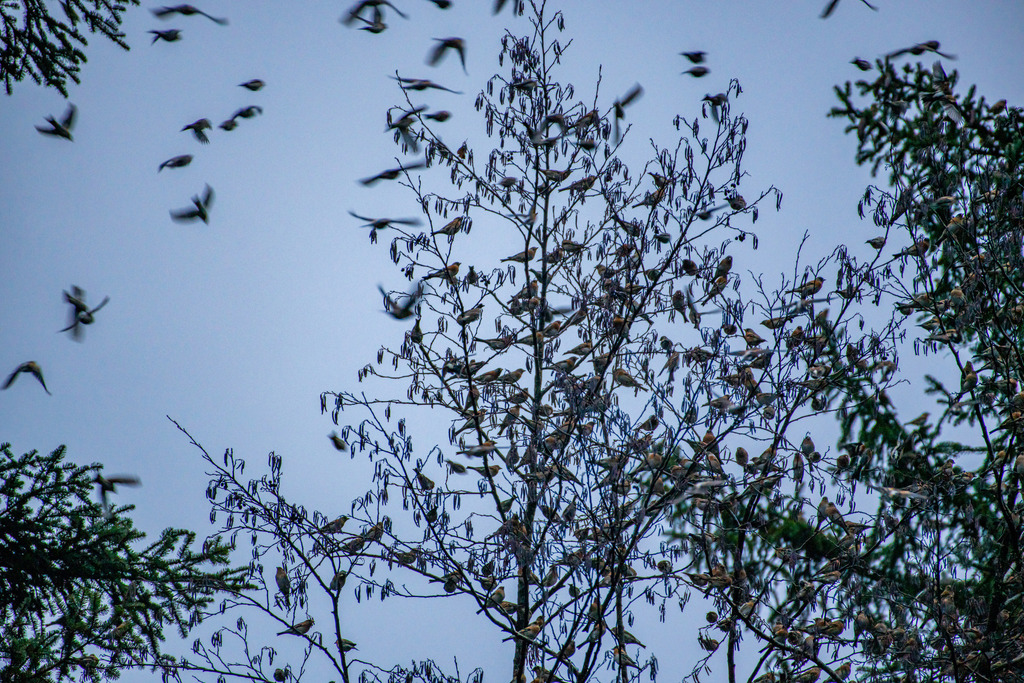
A northern finch with an orange breast and white rump that can gather in huge winter flocks where beech nuts are plentiful.
- Status
- Least Concern IUCN Red List
- Eats
- dwarf elder, common cuckoo, blackthorn and 19 more
- Eaten by
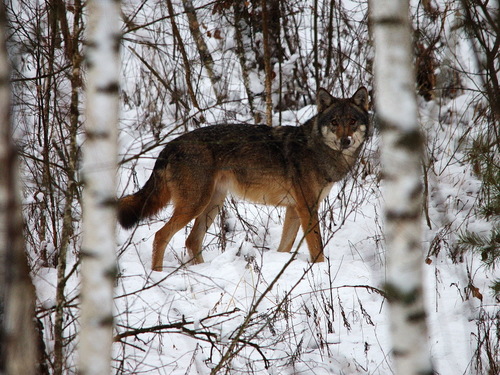
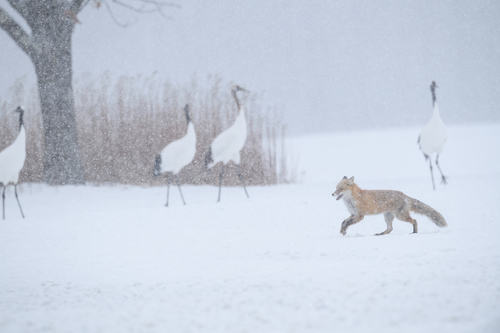
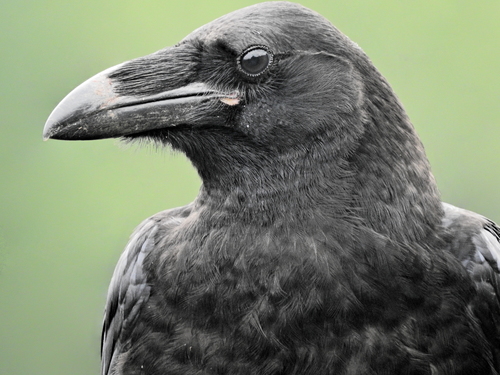
- grey wolf, red fox, northern raven
- Where
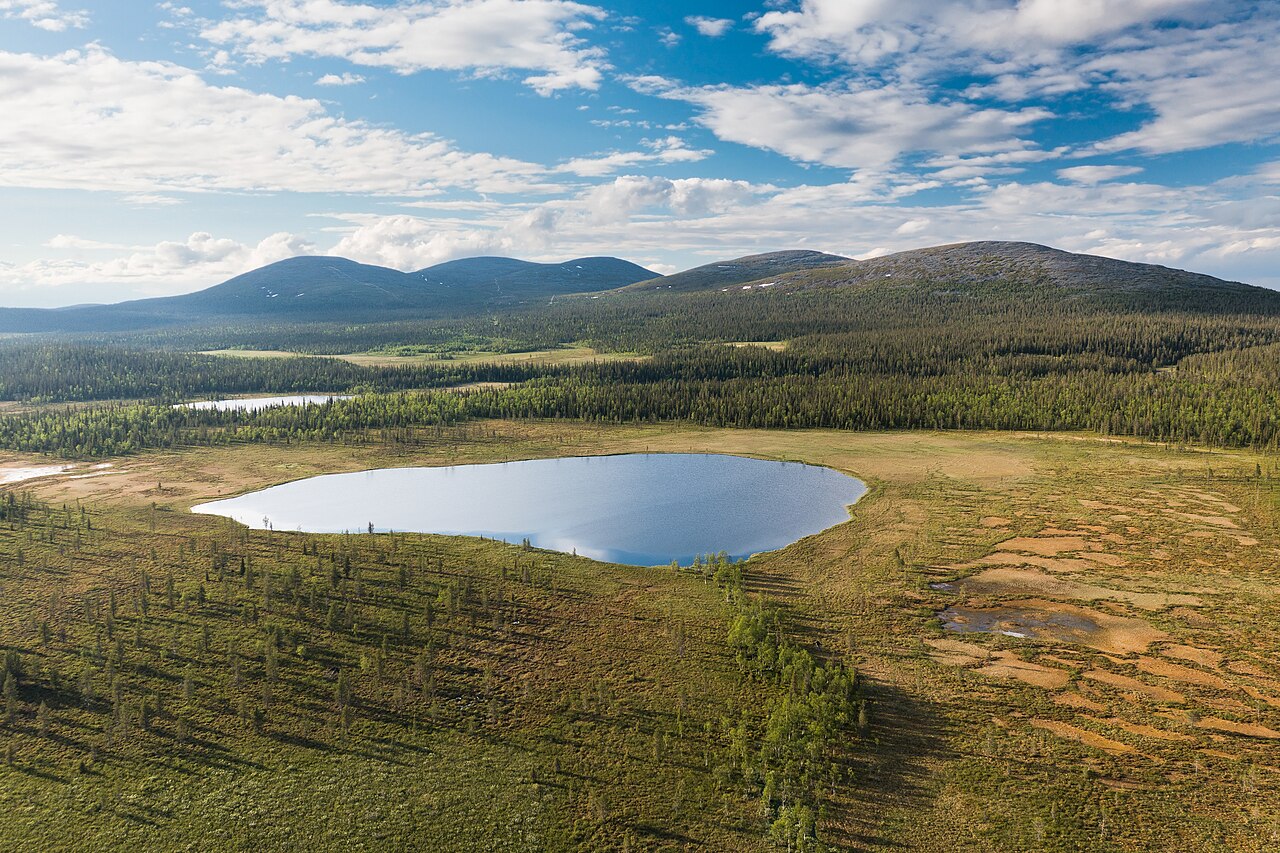
- 93 countries · boreal forest
On 4Planet Atlas it is among the wildlife people record most around Beijing, Bergen and Berlin, and 13 more of the cities we cover.
People have shared 267,707 records of the brambling with GBIF, from 93 countries, most of them from United Kingdom, China and Germany. Records collected by GloBI show it eating 22 different kinds of animals and plants, and being eaten by 41.
Habitats
What the brambling eats, and what eats it
Studies have recorded it eating 22 kinds of animals and plants, and 41 kinds of animals eating it. Tap any of them to follow the food chain.
- Plants 21
- Birds 1
Eaten by

 Brambling

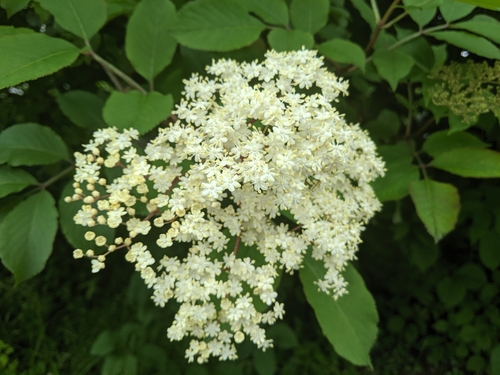

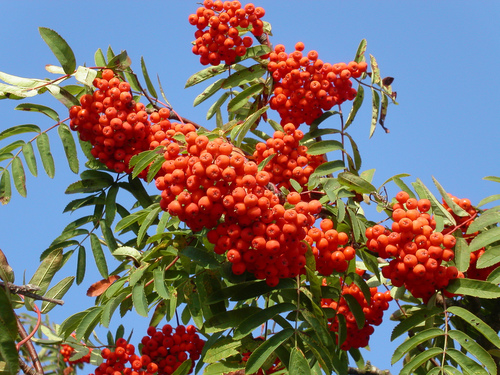

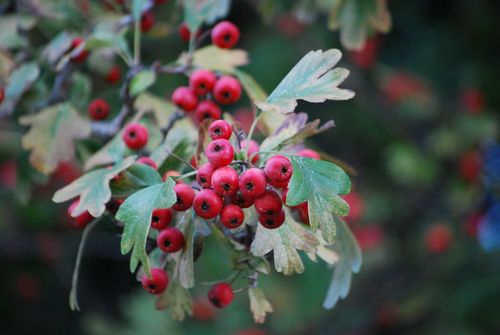
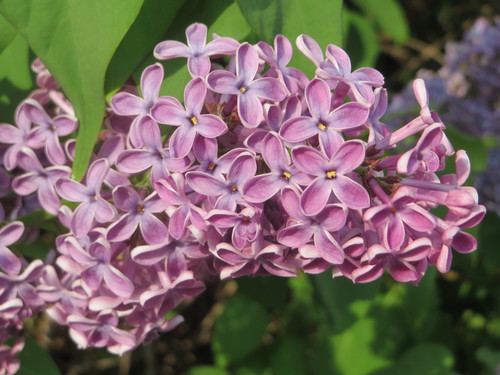

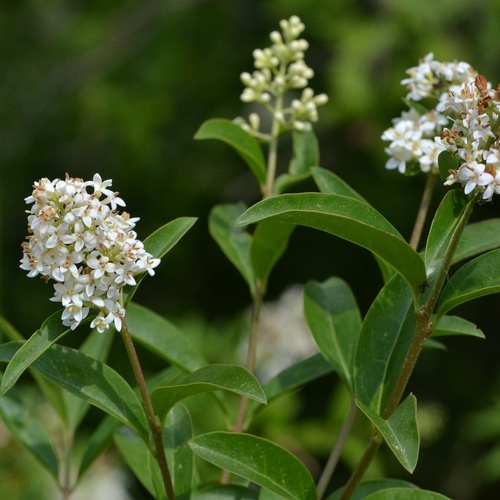
Records from studies worldwide, collected by GloBI. They include animals eaten as carrion, and they are not everything it eats in one place.
Where people see the brambling
People have shared 267,707 records from 93 countries.
Near a city: Beijing, Bergen, Berlin, Brussels, Budapest, Copenhagen, Helsinki, Oslo, Paris, Prague, Reykjavík, Seoul, Shanghai, Stockholm, Tokyo, Warsaw.
Records show where people have seen it and shared it, not its full range. Country names open their page in Atlas.
When it is seen
Records per month in the northern hemisphere. More people outdoors also means more records.
Watch and listen


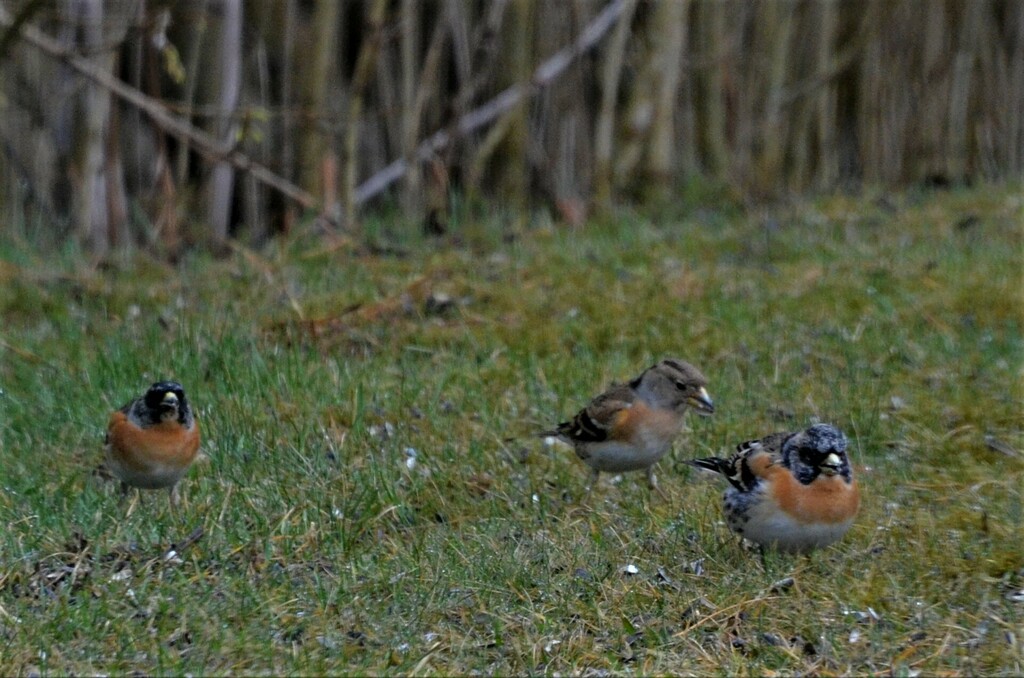
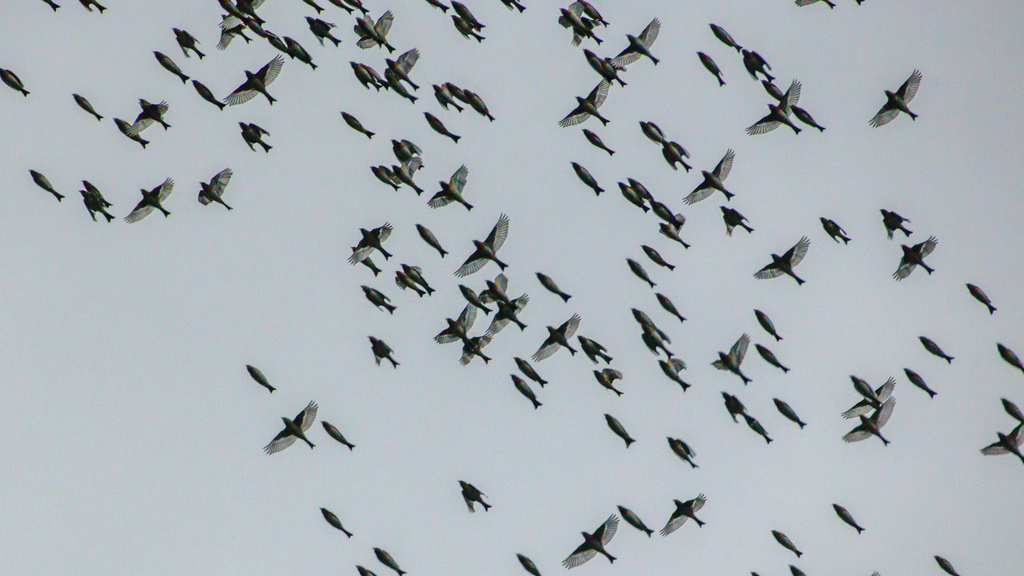
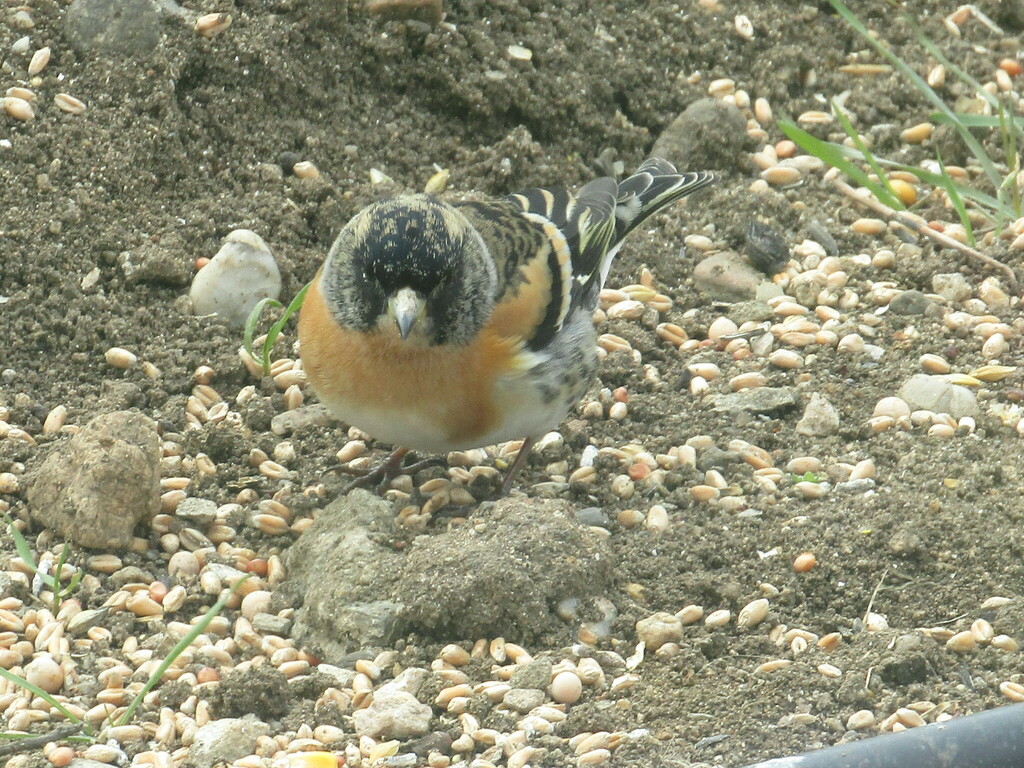
Its closest relatives
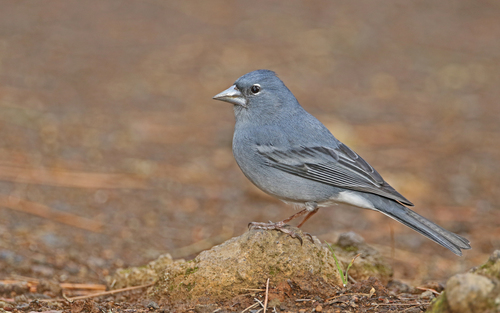
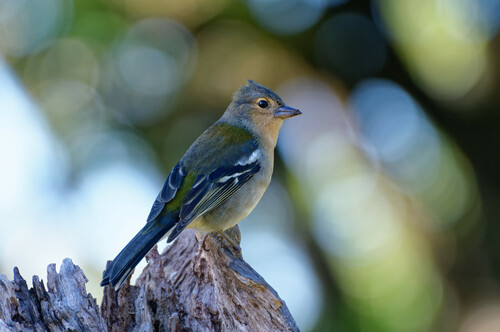
The other species of the genus Fringilla.

Seen a brambling?
Share your photo on iNaturalist. Other naturalists help confirm it, and the record goes to GBIF, where scientists use it and where the maps on this page come from.
Explore next
What puts the brambling under pressure, what helps, and who works on it.

Questions people ask
What does the brambling eat?
The brambling has been recorded eating 22 different kinds of animals and plants, most of them plants and birds. The ones recorded most often are dwarf elder, common cuckoo, blackthorn, elder and english yew; records include animals eaten as carrion. Source: GloBI.
What eats the brambling?
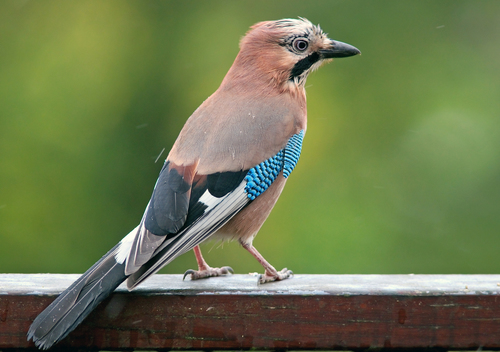
Recorded predators include grey wolf, red fox, northern raven, eurasian magpie and eurasian jay. Source: GloBI.
Where does the brambling live?
People have recorded it in 93 countries; the most records come from United Kingdom, China, Germany, Sweden and Finland. Records show where people have seen it, not its full range.
When is the brambling seen most?
In the northern hemisphere, the most records are made in October and the fewest in August. More people outdoors also means more records.
What are the brambling's closest relatives?
It shares the genus Fringilla with eurasian chaffinch, tenerife blue chaffinch, madeira chaffinch, african chaffinch and canary islands chaffinch.
Sources and photo credits
- GBIF · Fringilla montifringilla, 267,707 human observations
- GloBI · recorded interactions of Fringilla montifringilla
- Wikidata · Brambling (Q188877)
- Brambling (Fringilla montifringilla): no rights reserved, uploaded by Francesco Cecere, CC0
- Brambling (Fringilla montifringilla), 4292 Dobri dol, Bulgaria: SteveM4560, CC BY 4.0
- Brambling (Fringilla montifringilla), 4292 Dobri Dol, Bulgaria: SteveM4560, CC BY 4.0
- Brambling (Fringilla montifringilla), Langenthal, Switzerland: Valentin Moser, CC BY 4.0
- Brambling (Fringilla montifringilla), Murtal, Österreich: E. A., CC BY 4.0
- Brambling (Fringilla montifringilla), Langenthal, Switzerland: Codrin Bucur, CC BY 4.0
- Brambling (Fringilla montifringilla), 4292 Dobri Dol, Bulgaria: SteveM4560, CC BY 4.0
- Brambling (Fringilla montifringilla), Vake, Tbilisi, Georgia: Ian Goodrich, CC0
- Brambling (Fringilla montifringilla), Langenthal, Switzerland: Codrin Bucur, CC BY 4.0
- Common cuckoo: no rights reserved, uploaded by Юрий Носков, CC0
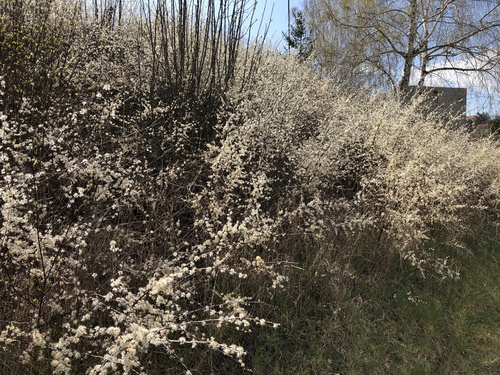
- Blackthorn: Pavel Kacl, CC BY 4.0
- Elder: Attila Oláh, CC BY 4.0
- English yew: Douglas Goldman, CC BY-SA 4.0
- Rowan: Hans Kylberg, CC BY 4.0
- Guelder rose: Tom Norton, CC BY 4.0
- Hawthorn: no rights reserved, uploaded by Mirela, CC0
- Common lilac: Andreas Rockstein, CC BY-SA 4.0
- Dogwood: Jason Grant, CC BY 4.0
- European privet: Petr Harant, CC BY 4.0
- Grey wolf: Andrew Simon, CC BY 4.0
- Red fox: Morten Ross, CC BY 4.0
- Northern raven: xulescu_g, CC BY-SA 4.0
- Eurasian jay: Luc Viatour, CC BY-SA 4.0
- Eurasian red squirrel: Rhododendrites, CC BY-SA 4.0
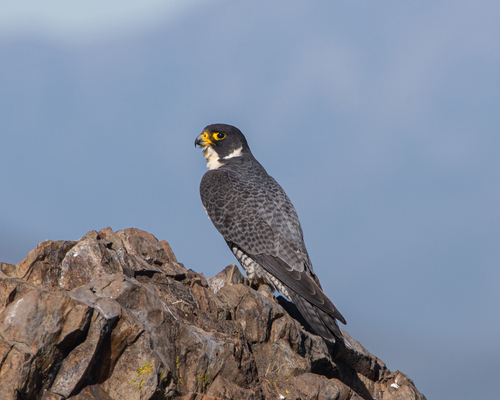
- Peregrine falcon: Nicolás Villaseca Merino, CC BY-SA 4.0
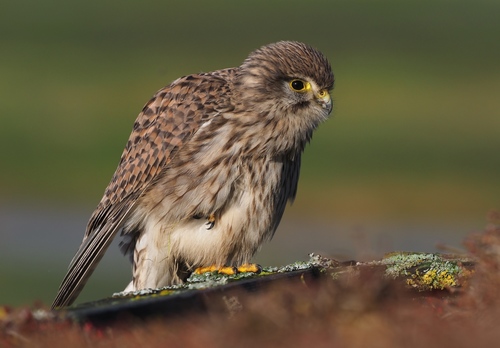
- Common kestrel: Frank Vassen, CC BY 4.0
- Eurasian chaffinch: William Stephens, CC BY 4.0
- Tenerife blue chaffinch: Christoph Moning, CC BY 4.0
- Madeira chaffinch: Donald Davesne, CC BY 4.0
- African chaffinch: Aissa Djamel Filali, CC BY-SA 4.0
- Canary islands chaffinch: Donald Davesne, CC BY 4.0
Records show where people have seen and shared the brambling, not its full range, and some countries and months are recorded far more than others. The food web lists interactions that studies have recorded somewhere in the world (GloBI), not everything it eats in one place.
Checked 2026-11-20.