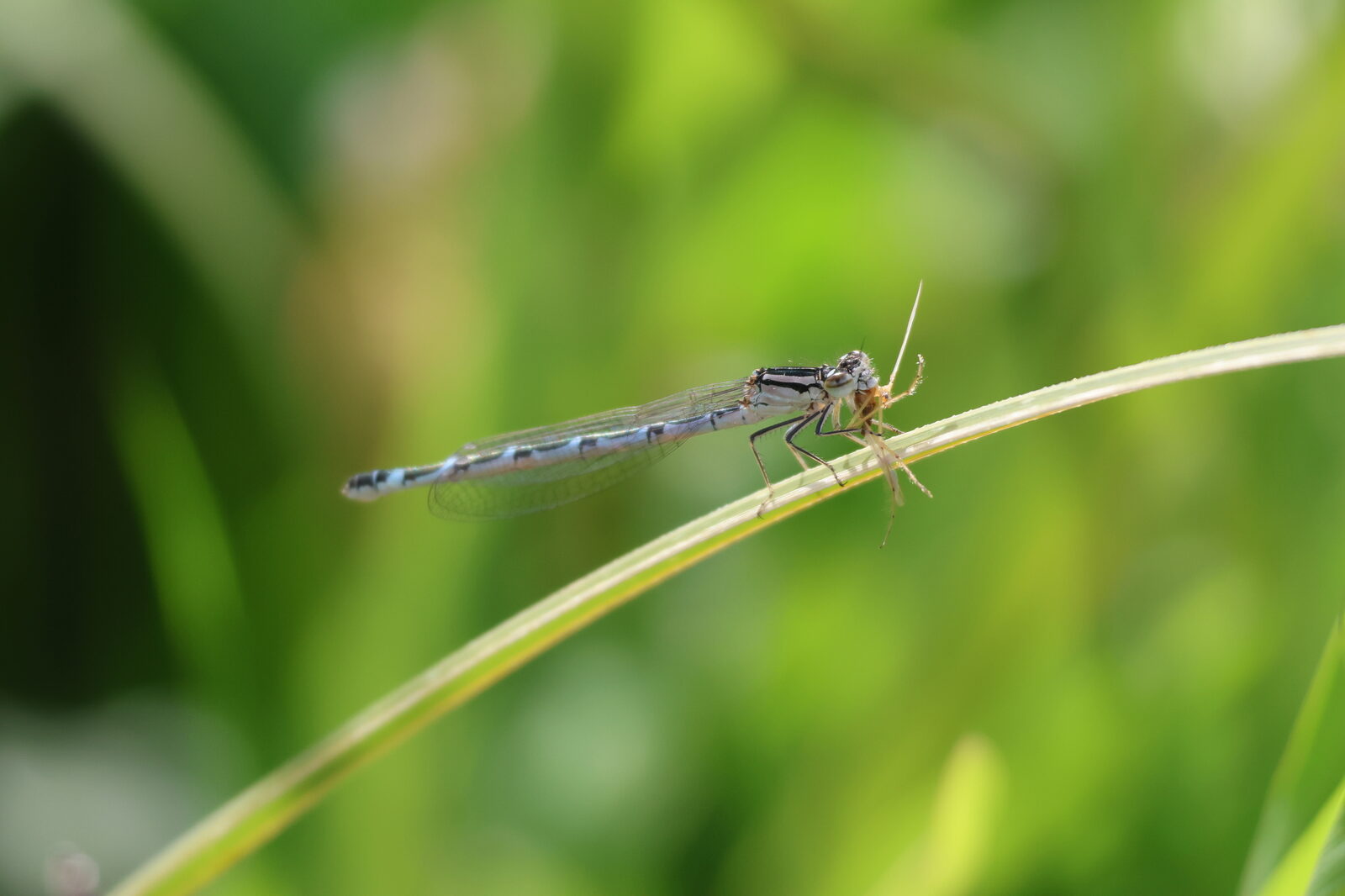
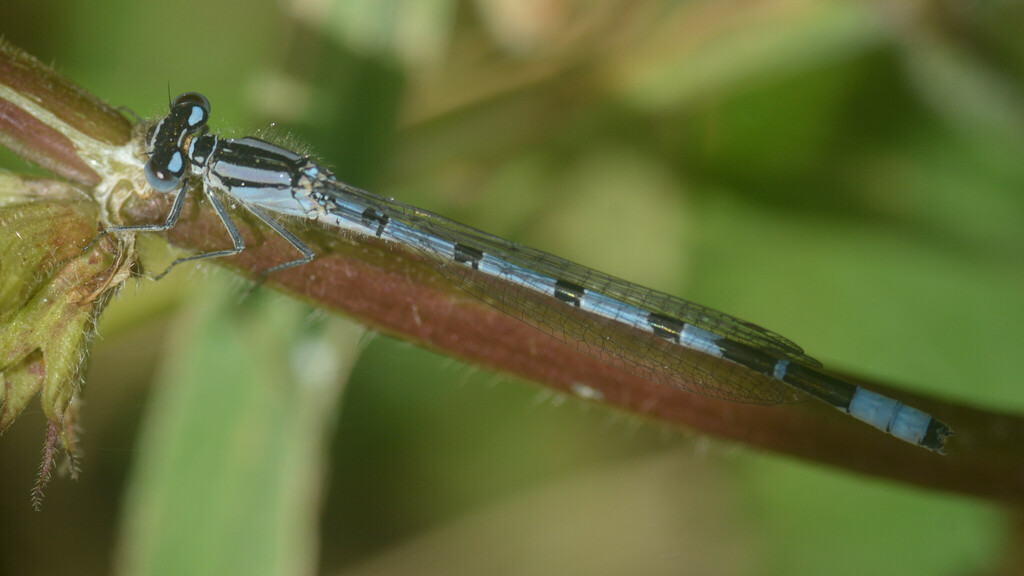
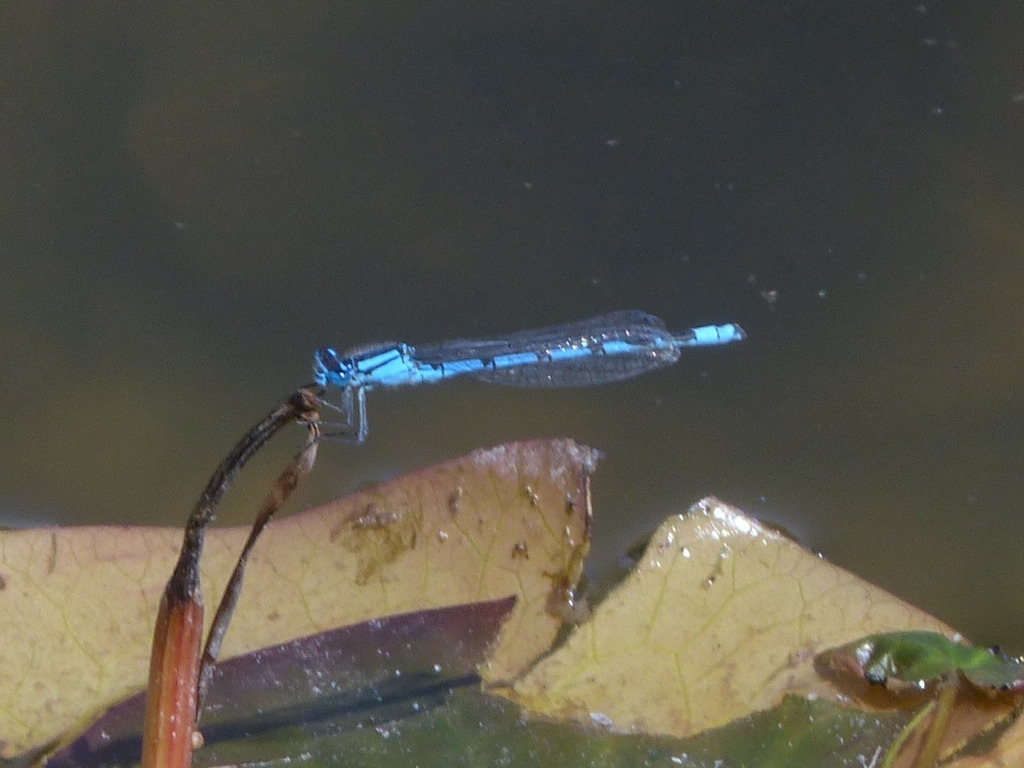
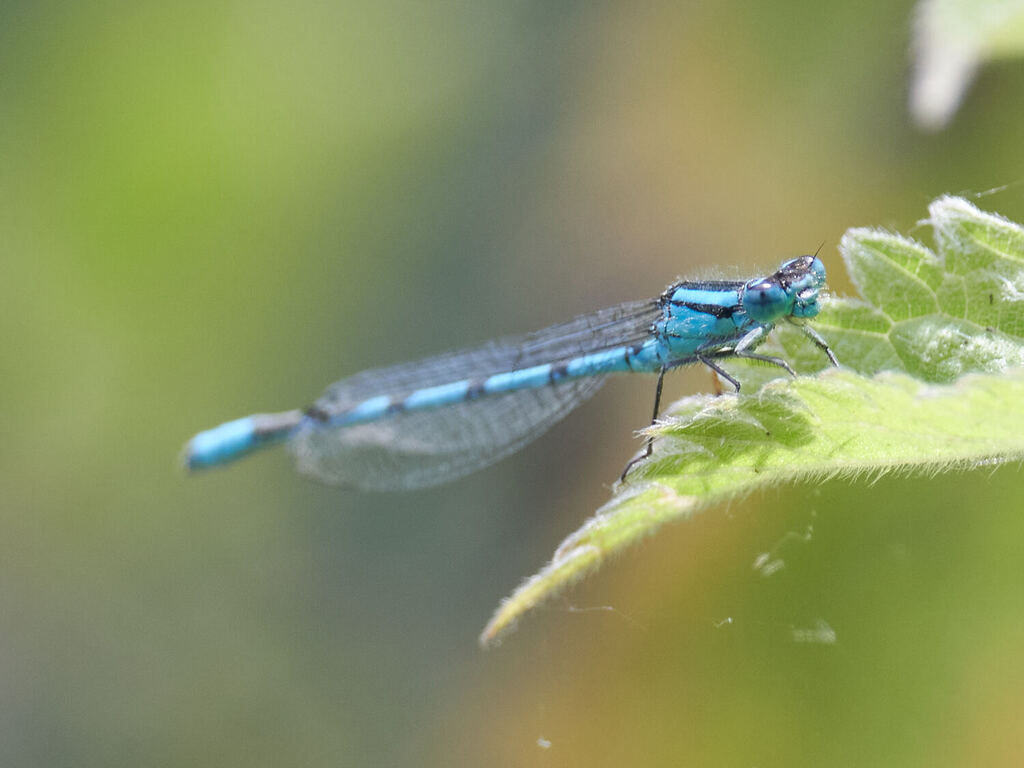
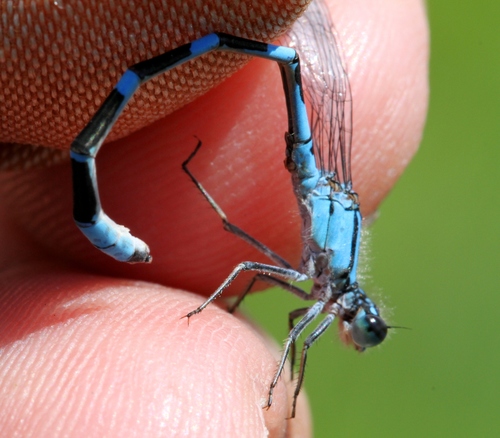
Common blue damselfly
Enallagma cyathigerum
- Status
- Least Concern IUCN Red List
- Eats
- punctate corixa and 422 more
- Where
- 53 countries · plitvice Lakes National Park
On 4Planet Atlas it is among the wildlife people record most around Astana, Edinburgh and Munich, and 3 more of the cities we cover.
People have shared 35,181 records of the common blue damselfly with GBIF, from 53 countries, most of them from United Kingdom, Russia and Germany. Records collected by GloBI show it eating 423 different kinds of animals and plants, and being eaten by 59.
Habitats
What the common blue damselfly eats, and what eats it
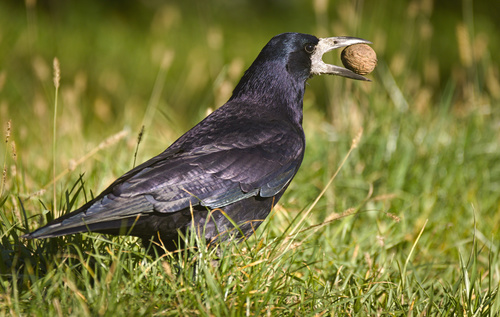
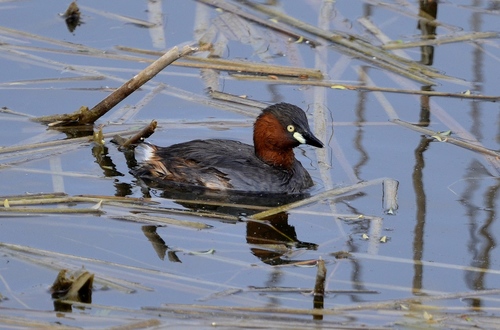
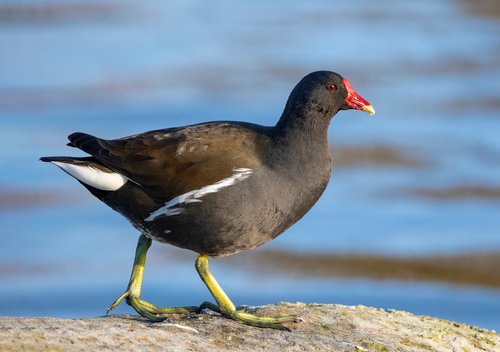
Studies have recorded it eating 423 kinds of animals and plants, and 59 kinds of animals eating it. Tap any of them to follow the food chain.
- Insects 292
- Earthworms 1
Eaten by

 Common blue damselfly
Eats
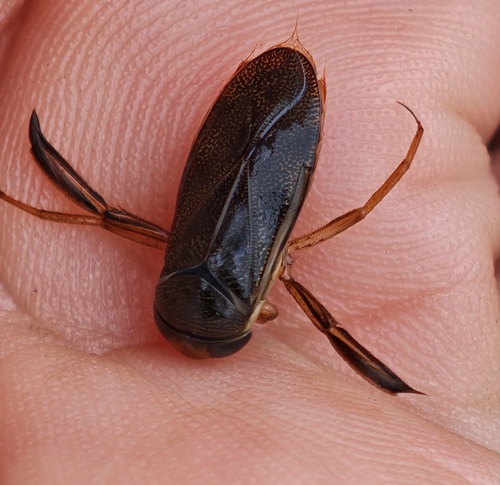
Records from studies worldwide, collected by GloBI. They include animals eaten as carrion, and they are not everything it eats in one place.
Where people see the common blue damselfly
People have shared 35,181 records from 53 countries.
Near a city: Astana, Edinburgh, Munich, Paris, Vaduz, Yekaterinburg.
Records show where people have seen it and shared it, not its full range. Country names open their page in Atlas.
When it is seen
Records per month in the northern hemisphere. More people outdoors also means more records.
Watch and listen
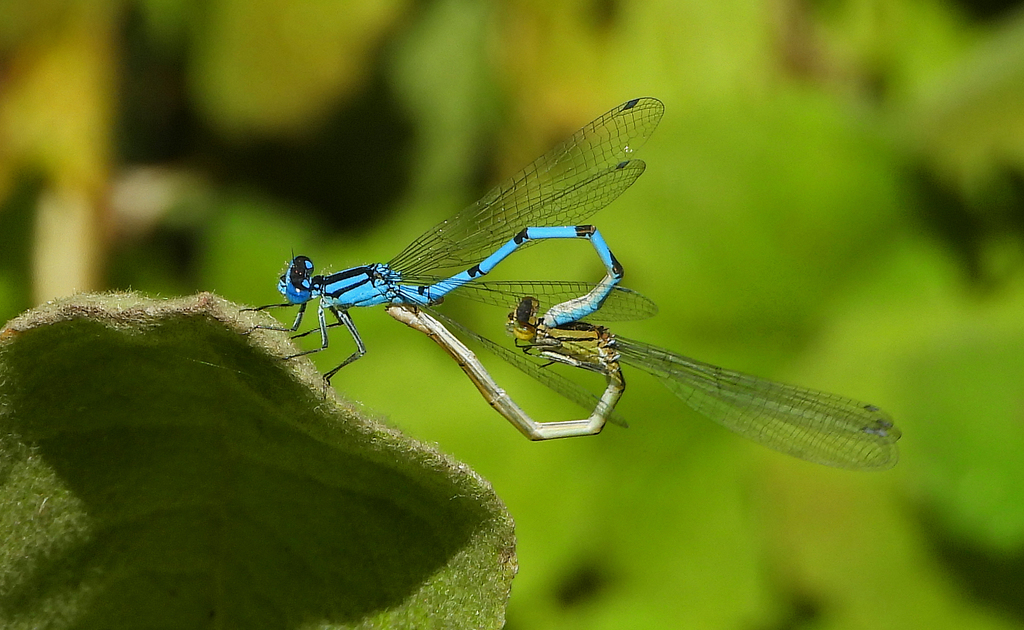
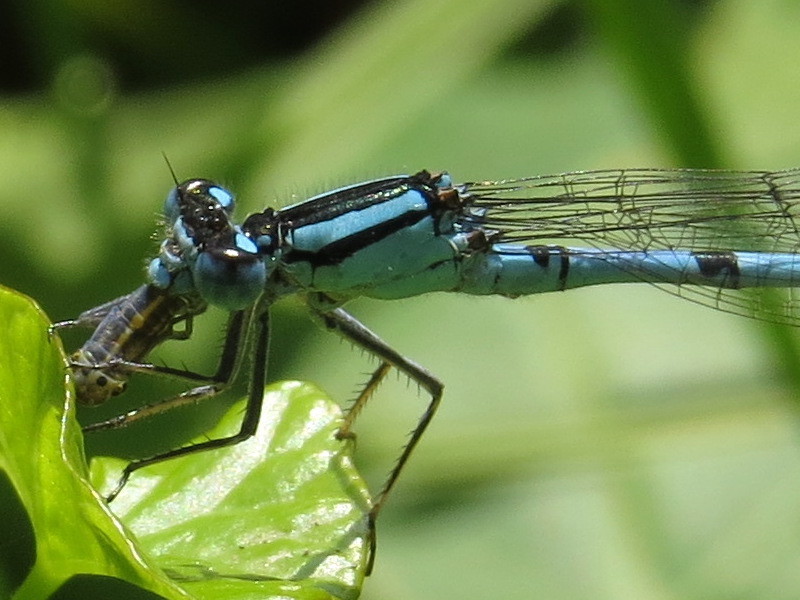
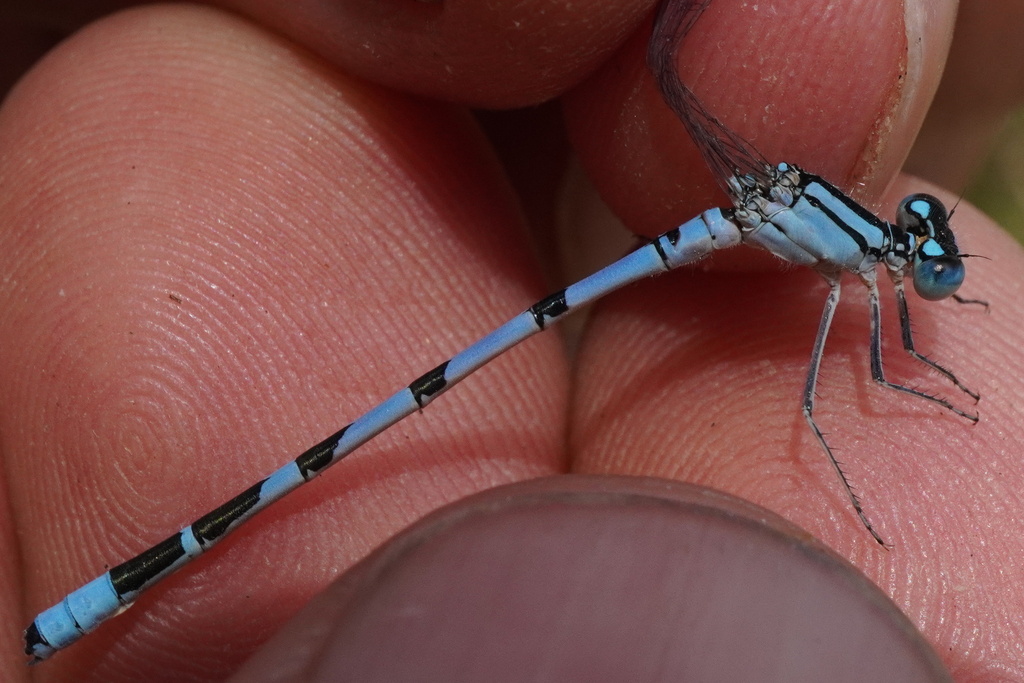
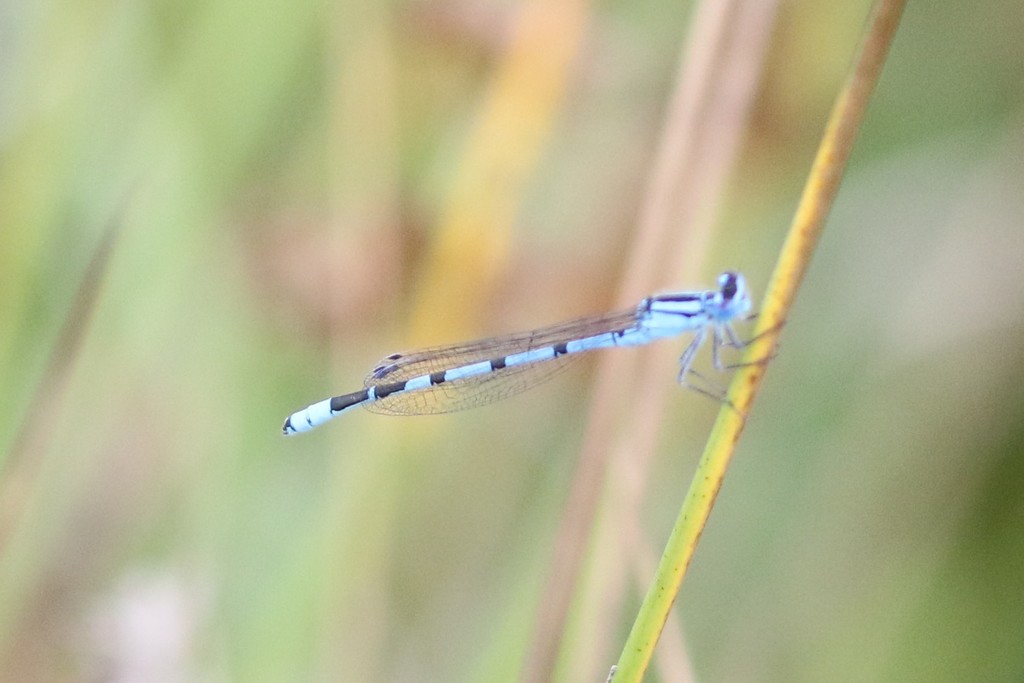
Its closest relatives
The other species of the genus Enallagma.
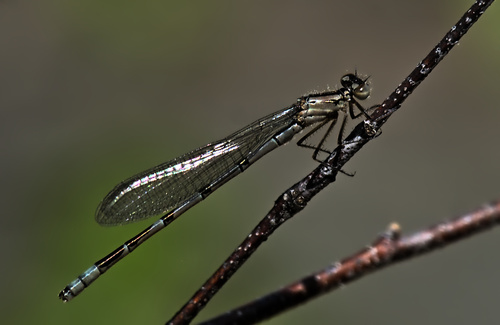
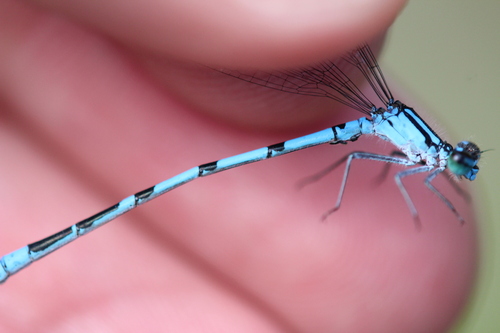
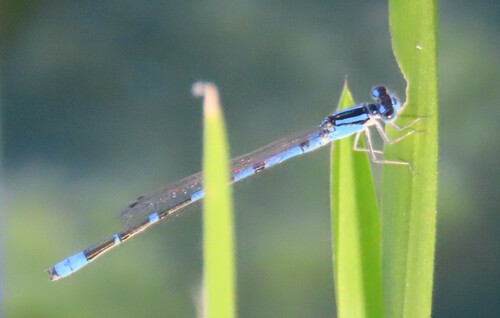
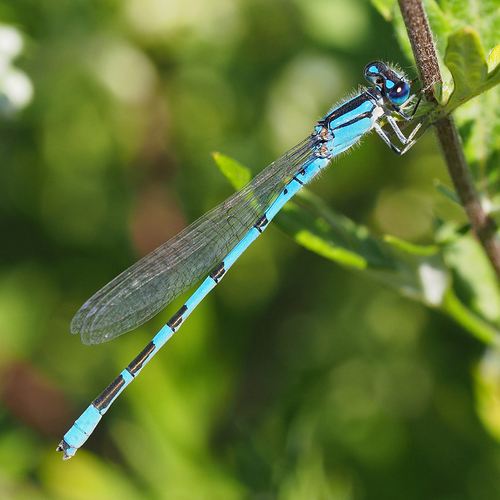
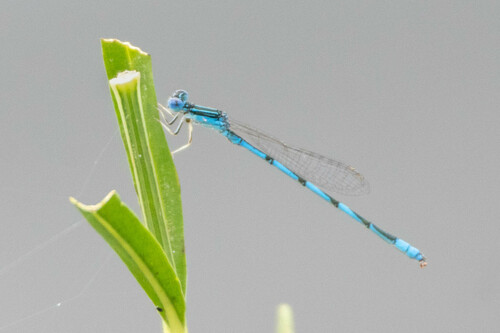
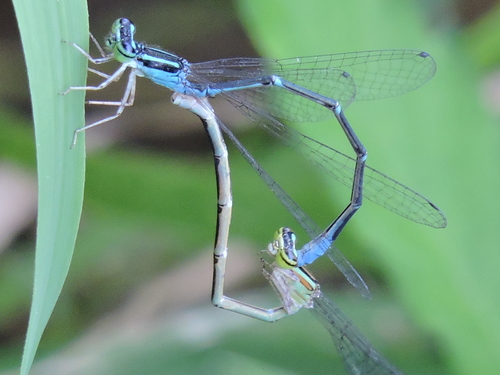
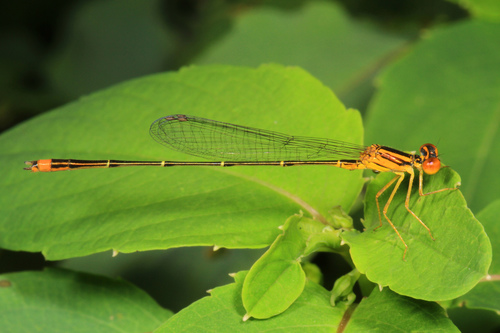
Seen a common blue damselfly?
Share your photo on iNaturalist. Other naturalists help confirm it, and the record goes to GBIF, where scientists use it and where the maps on this page come from.
Put this species on your site
The card names every source and links back here.
<iframe src="https://4planetatlas.com/place/embed/species/common-blue-damselfly" title="Common blue damselfly (Enallagma cyathigerum), 4PLANET Species" width="100%" height="600" style="border:0;max-width:640px" loading="lazy"></iframe>
<p><a href="https://4species.com/common-blue-damselfly">Common blue damselfly on 4PLANET Species</a></p>Questions people ask
What does the common blue damselfly eat?
The common blue damselfly has been recorded eating 423 different kinds of animals and plants, most of them insects and earthworms. The ones recorded most often are punctate corixa; records include animals eaten as carrion. Source: GloBI.
What eats the common blue damselfly?
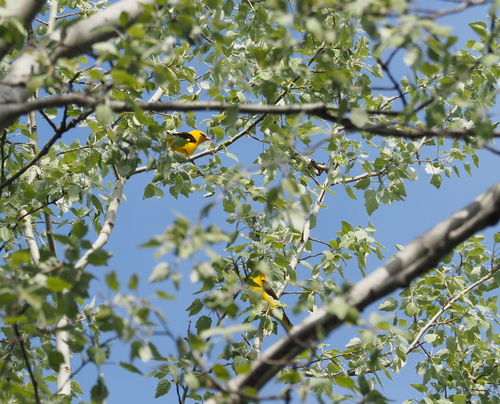
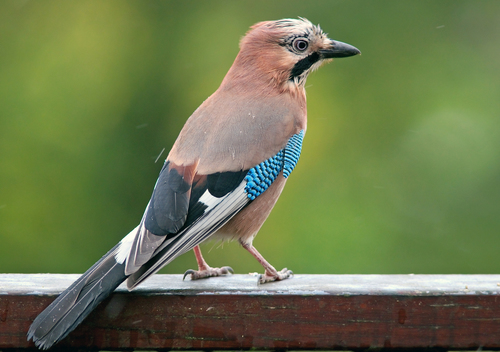
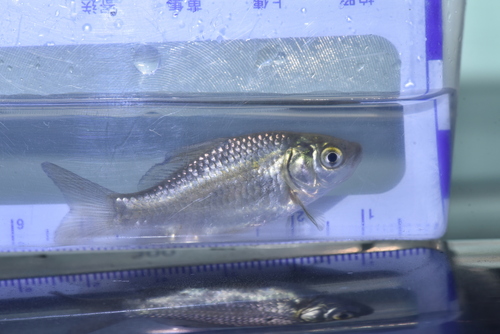
Recorded predators include northern raven, eurasian magpie, eurasian golden oriole, eurasian jay and goldfish. Source: GloBI.
Where does the common blue damselfly live?
People have recorded it in 53 countries; the most records come from United Kingdom, Russia, Germany, France and Denmark. Records show where people have seen it, not its full range.
When is the common blue damselfly seen most?
In the northern hemisphere, the most records are made in July and the fewest in February. More people outdoors also means more records.
What are the common blue damselfly's closest relatives?
It shares the genus Enallagma with tule bluet, boreal bluet, marsh bluet, arroyo bluet and familiar bluet.
Sources and photo credits
- GBIF · Enallagma cyathigerum, 35,181 human observations
- GloBI · recorded interactions of Enallagma cyathigerum
- Wikidata · Common blue damselfly (Q608908)
- Common blue damselfly (Enallagma cyathigerum): Diego González Dopico, CC BY 4.0
- Common blue damselfly (Enallagma cyathigerum): Paul Lewis, CC BY 4.0
- Common blue damselfly (Enallagma cyathigerum): Theo Rickert, CC BY 4.0
- Common blue damselfly (Enallagma cyathigerum), Niederösterreich, AT: Patrick Hacker, CC BY 4.0
- Common blue damselfly (Enallagma cyathigerum), Lime Field, Alkrington Woods, Middleton, Greater Manchester, UK: Charlie Farrell, CC0
- Common blue damselfly (Enallagma cyathigerum), Nottinghamshire, England, United Kingdom: Matthew Vosper, CC BY 4.0
- Common blue damselfly (Enallagma cyathigerum), Lenton, Nottingham, UK: SK53, CC BY-SA 4.0
- Common blue damselfly (Enallagma cyathigerum), Hertfordshire, UK: andygpos, CC BY 4.0
- Punctate corixa: Michel Langeveld, CC BY 4.0
- Northern raven: xulescu_g, CC BY-SA 4.0
- Eurasian golden oriole: carnifex, CC BY 4.0
- Eurasian jay: Luc Viatour, CC BY-SA 4.0
- Goldfish: Yung-Lun Lin, CC BY 4.0
- Rook: hedera.baltica, CC BY-SA 4.0
- Little grebe: Zinogre, CC BY-SA 4.0
- Common moorhen: Alexis Lours, CC BY 4.0
- Tule bluet: Maurice Raymond, CC BY 4.0
- Boreal bluet: Jimmy Dee, CC BY-SA 4.0
- Marsh bluet: Steven Lamonde, CC BY 4.0
- Arroyo bluet: margohj, CC0
- Familiar bluet: Gordon Johnston, CC BY-SA 4.0
- Double-striped bluet: Alex Stach, CC BY 4.0
- Stream bluet: Sam Kieschnick, CC BY 4.0
- Orange bluet: Judy Gallagher, CC BY-SA 4.0
Records show where people have seen and shared the common blue damselfly, not its full range, and some countries and months are recorded far more than others. The food web lists interactions that studies have recorded somewhere in the world (GloBI), not everything it eats in one place.
Checked 2026-11-27.