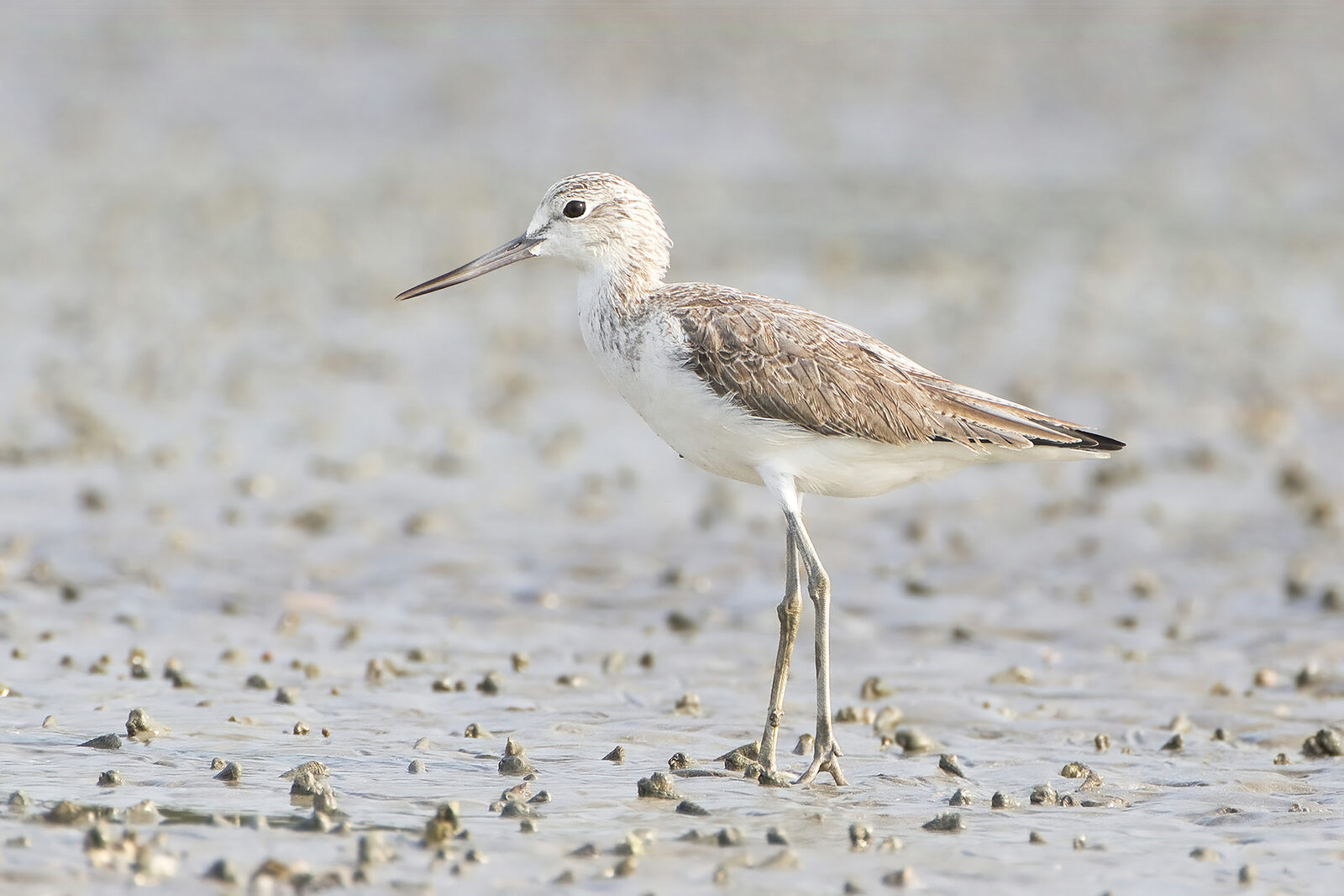
Common greenshank
Tringa nebularia
A tall, grey wader with a slightly upturned bill and a ringing three-note call, 'tew-tew-tew'.
- Status
- Least Concern IUCN Red List
- Eats
- viviparous lizard, European eel, common frog and 35 more
- Eaten by
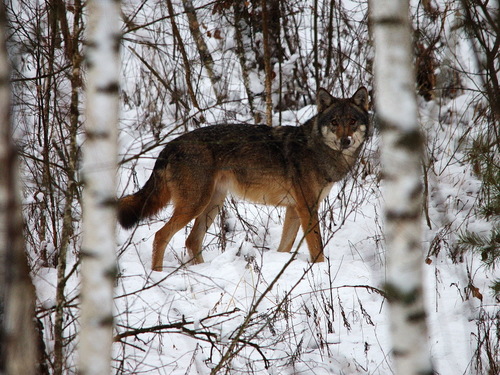
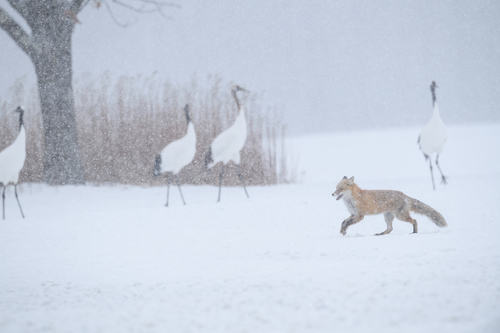
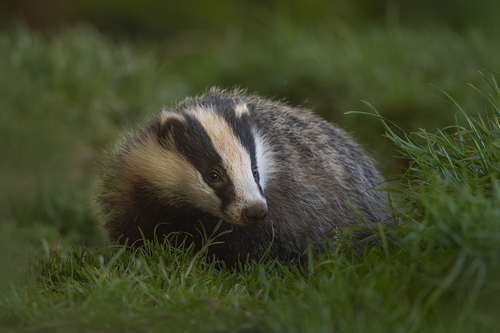
- grey wolf, red fox, brown bear
- Where
- 171 countries
On 4Planet Atlas it is among the wildlife people record most around Accra, Addis Ababa and Athens, and 15 more of the cities we cover.
People have shared 818,701 records of the common greenshank with GBIF, from 171 countries, most of them from Spain, Taiwan and United Kingdom. Records collected by GloBI show it eating 38 different kinds of animals and plants, and being eaten by 29.
What the common greenshank eats, and what eats it
Studies have recorded it eating 38 kinds of animals and plants, and 29 kinds of animals eating it. Tap any of them to follow the food chain.
- Worms 13
- Fish 5
- Amphibians 4
- Crustaceans 4
- Mammals 3
- Shellfish 3
- Snails and slugs 2
Eaten by

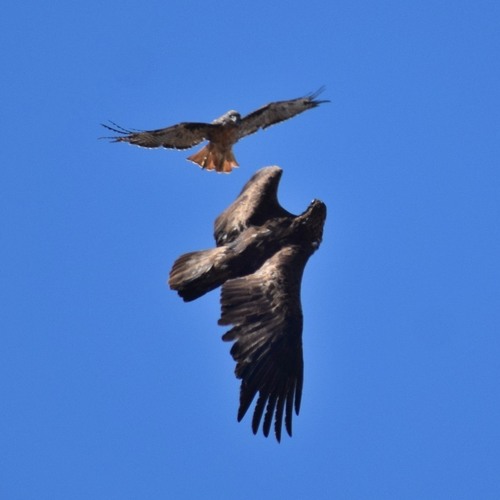
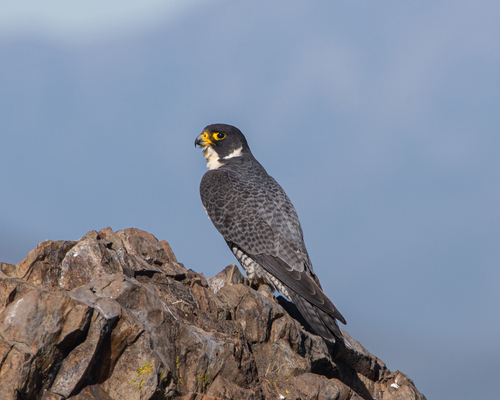
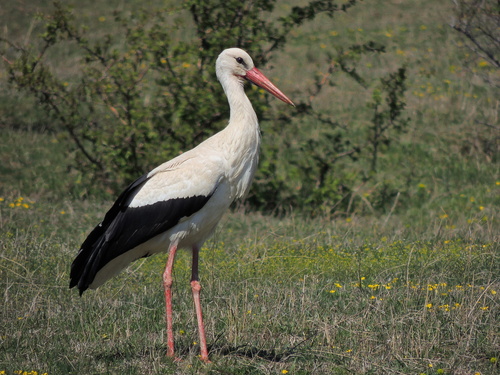 Common greenshank
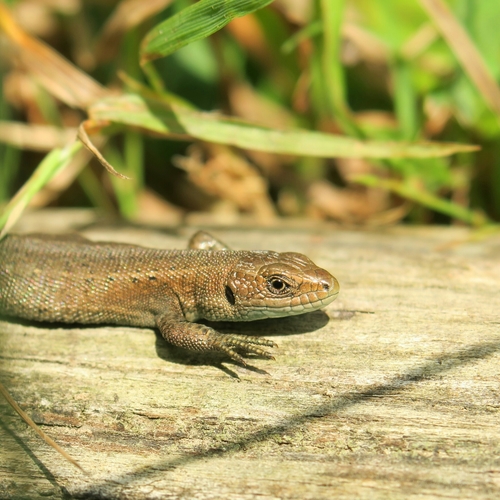

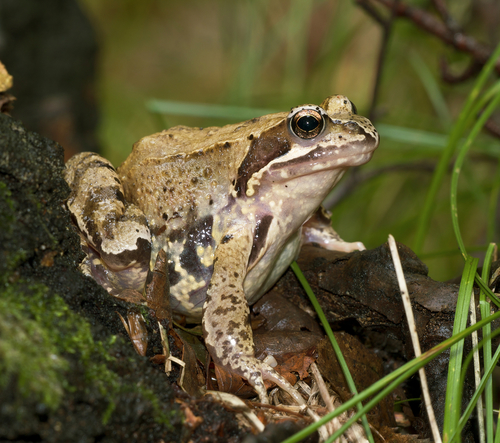


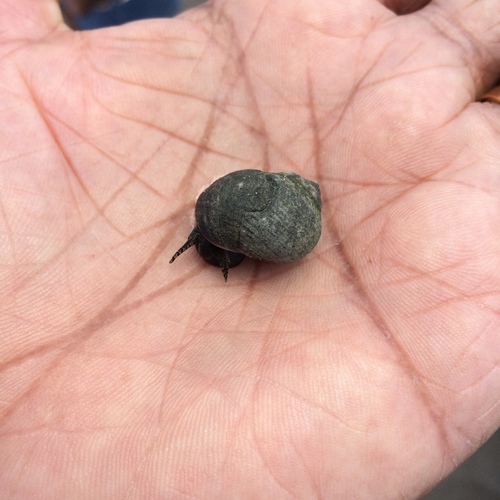


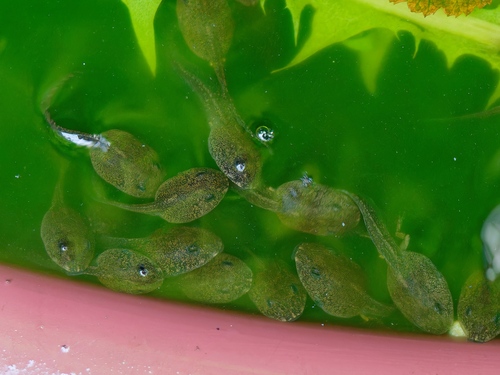
Records from studies worldwide, collected by GloBI. They include animals eaten as carrion, and they are not everything it eats in one place.
Where people see the common greenshank
People have shared 818,701 records from 171 countries.
Near a city: Accra, Addis Ababa, Athens, Brussels, Copenhagen, Delhi, Dublin, Helsinki, Lisbon, Melbourne, Mumbai, Oslo, Rome, Seoul, Shanghai, Stockholm, Tokyo, Warsaw.
Records show where people have seen it and shared it, not its full range. Country names open their page in Atlas.
When it is seen
Records per month in the northern hemisphere. More people outdoors also means more records.
Watch and listen
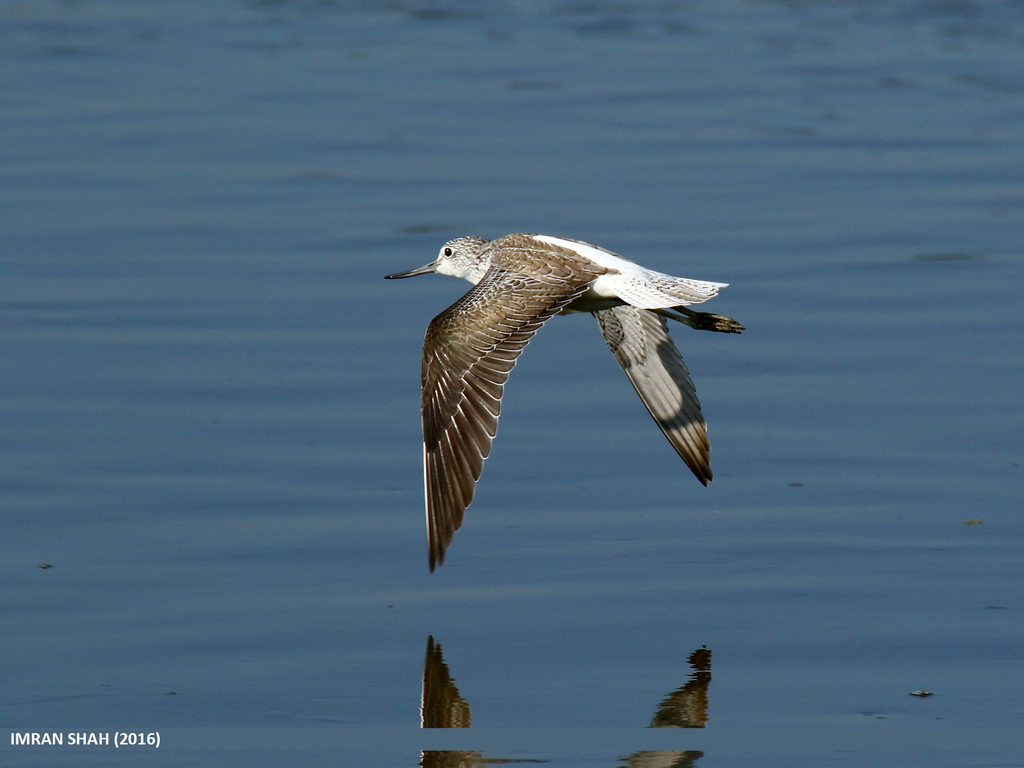
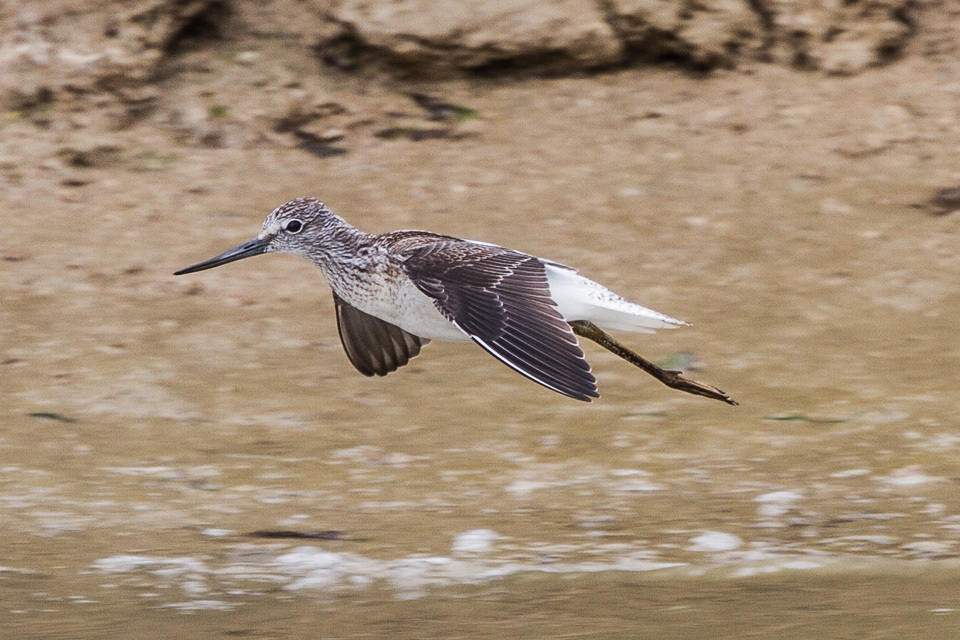
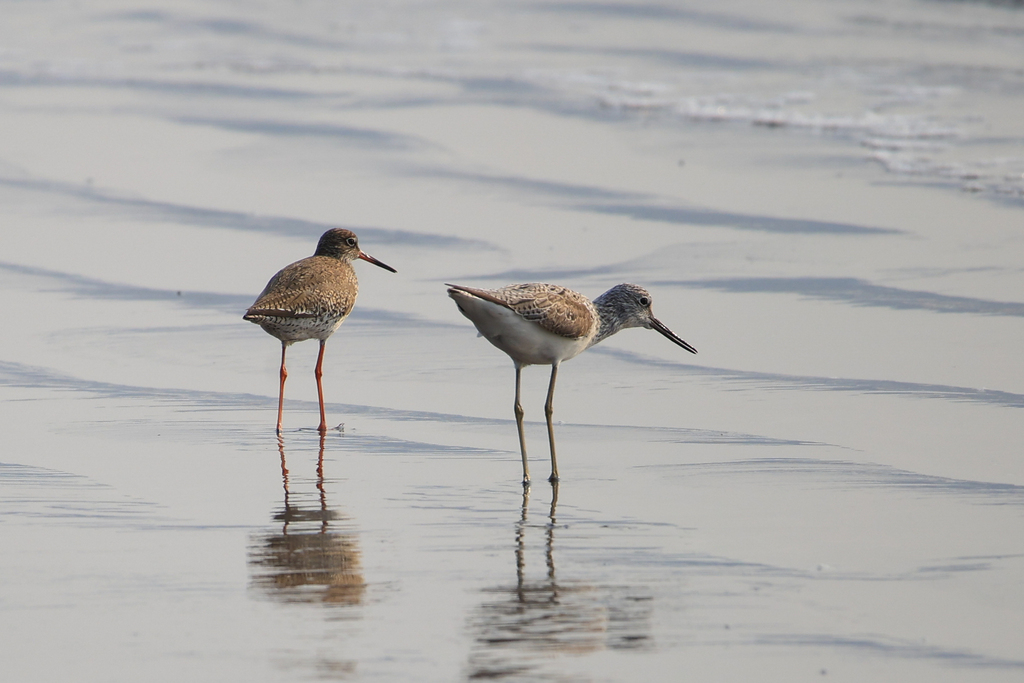
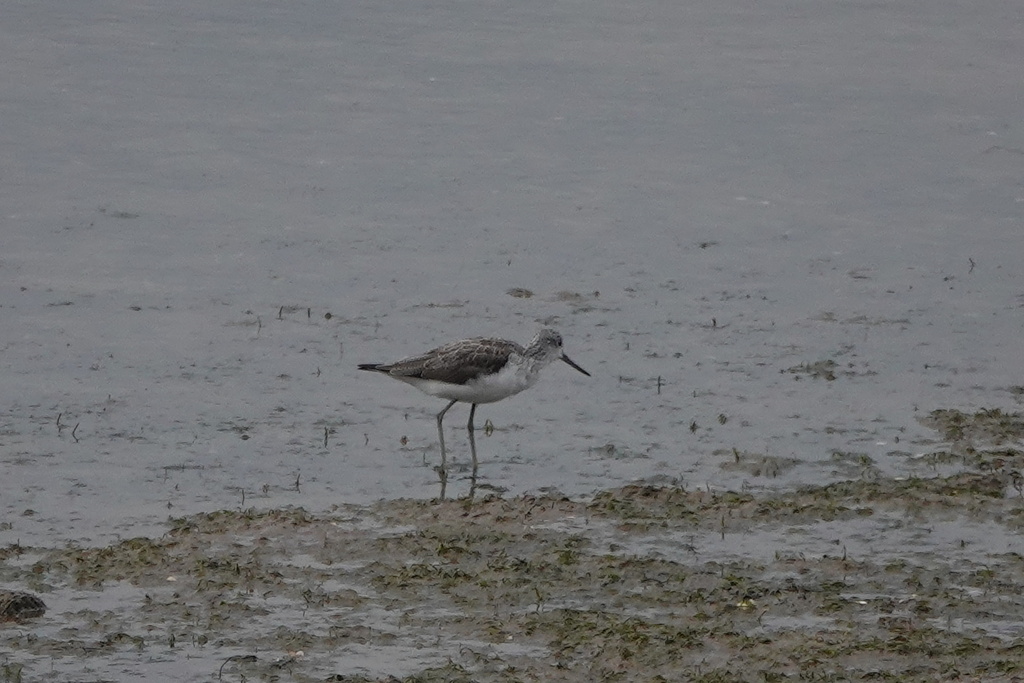
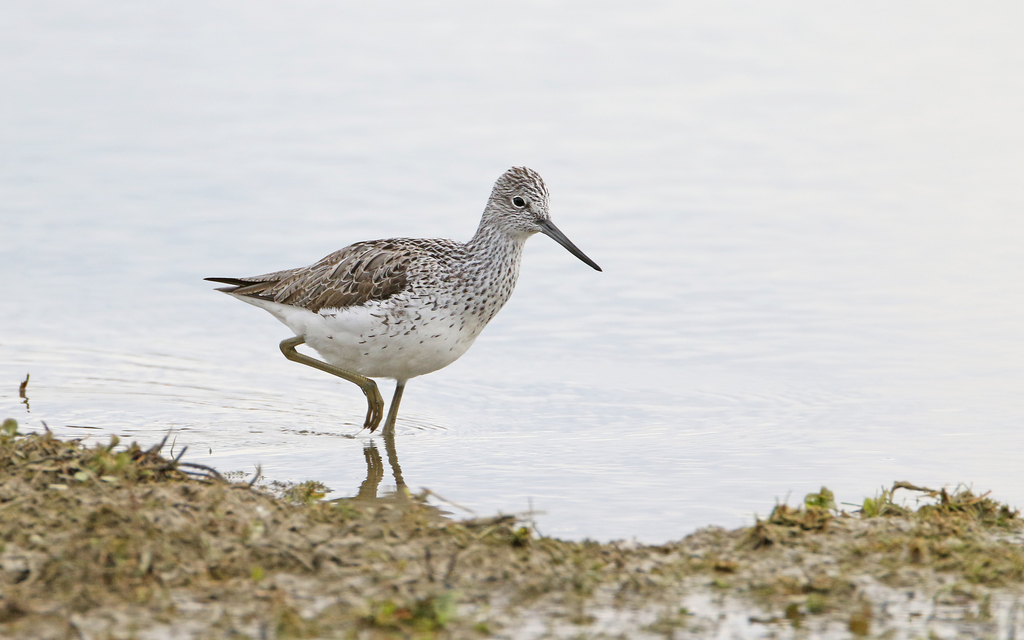
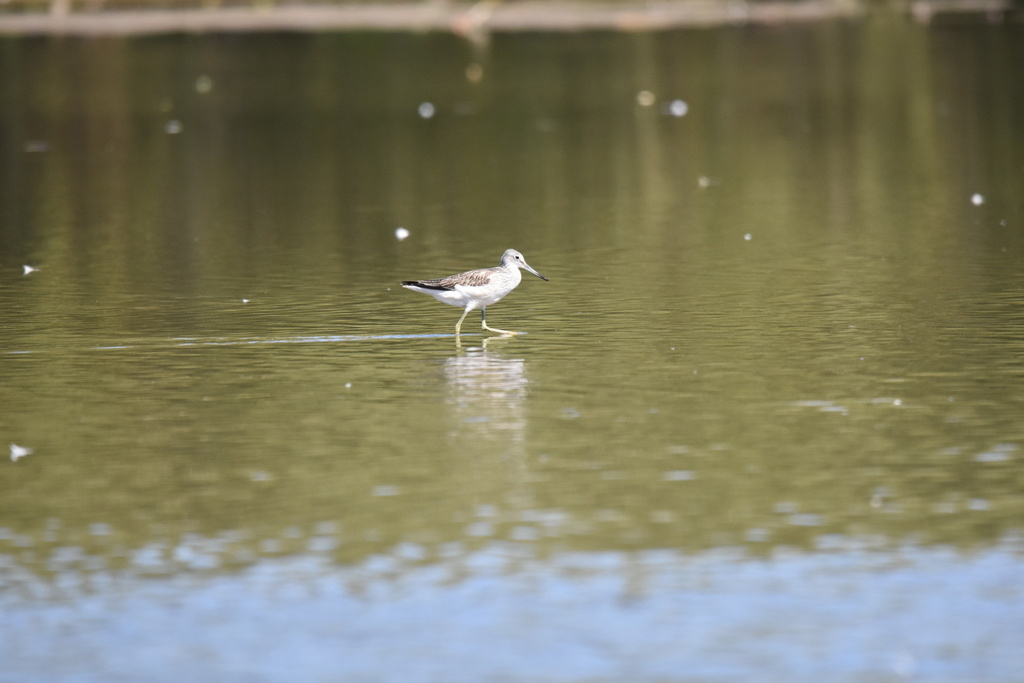
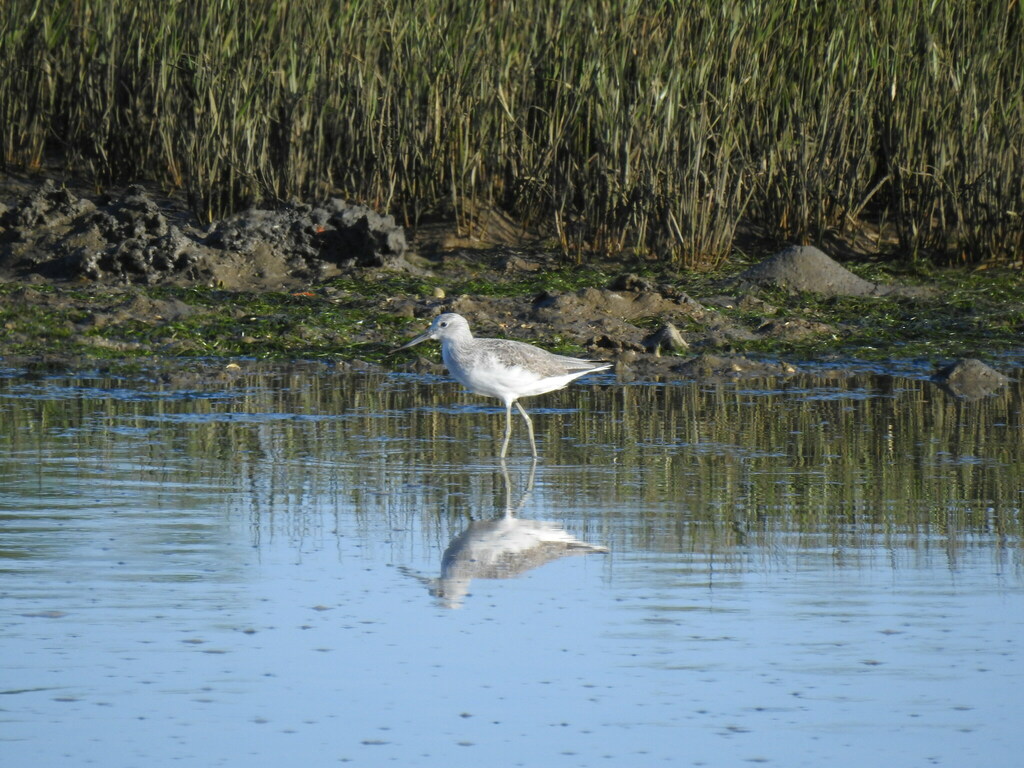
Its closest relatives
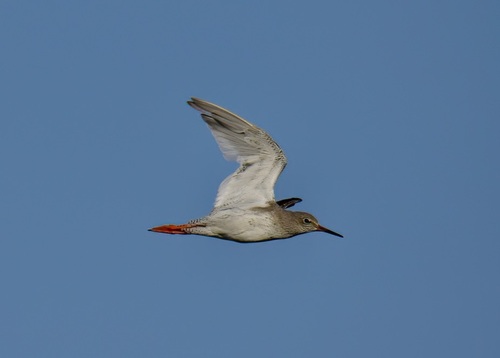
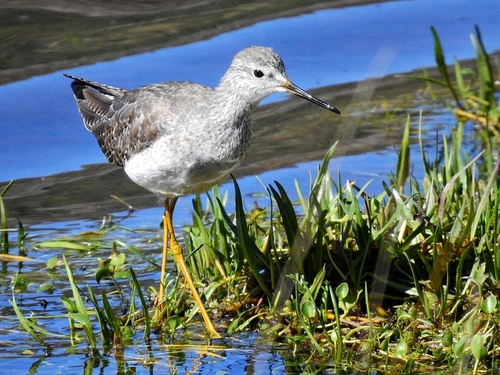
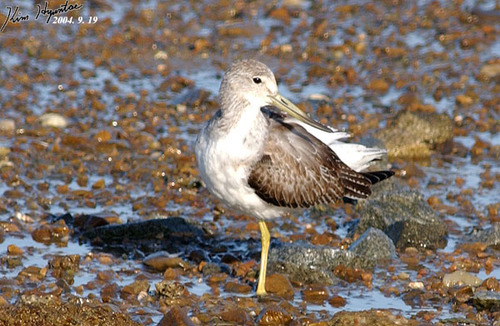
The other species of the genus Tringa.



Seen a common greenshank?
Share your photo on iNaturalist. Other naturalists help confirm it, and the record goes to GBIF, where scientists use it and where the maps on this page come from.
Questions people ask
What does the common greenshank eat?
The common greenshank has been recorded eating 38 different kinds of animals and plants, most of them worms, fish, amphibians and crustaceans. The ones recorded most often are viviparous lizard, european eel, common frog, ruffe and european flounder; records include animals eaten as carrion. Source: GloBI.
What eats the common greenshank?
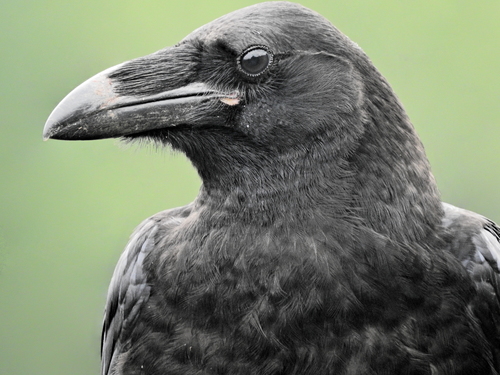
Recorded predators include grey wolf, red fox, brown bear, northern raven and eurasian badger. Source: GloBI.
Where does the common greenshank live?
People have recorded it in 171 countries; the most records come from Spain, Taiwan, United Kingdom, India and Australia. Records show where people have seen it, not its full range.
When is the common greenshank seen most?
In the northern hemisphere, the most records are made in September and the fewest in June. More people outdoors also means more records.
What are the common greenshank's closest relatives?
It shares the genus Tringa with common redshank, green sandpiper, wood sandpiper, spotted redshank and marsh sandpiper.
Sources and photo credits
- GBIF · Tringa nebularia, 818,701 human observations
- GloBI · recorded interactions of Tringa nebularia
- Wikidata · Common greenshank (Q18840)
- Common greenshank (Tringa nebularia): JJ Harrison, CC BY-SA 4.0
- Common greenshank (Tringa nebularia): Imran Shah, CC BY-SA 4.0
- Common greenshank (Tringa nebularia): Ron Knight, CC BY 4.0
- Common greenshank (Tringa nebularia), Maharashtra, IN: Gannu03, CC BY-SA 4.0
- Common greenshank (Tringa nebularia), Western Port, Newhaven, VIC, AU: John Cull, CC0
- Common greenshank (Tringa nebularia), Neu-Ulm, Deutschland: Christoph Moning, CC BY 4.0
- Common greenshank (Tringa nebularia), Mur, Gralla, Steiermark, AT: Lukas Zangl, CC BY 4.0
- Common greenshank (Tringa nebularia), 8700 Quelfes, Portugal: Roy Lowry, CC BY 4.0
- Common greenshank (Tringa nebularia), Faro, Faro, Portugal: Duarte Frade, CC BY 4.0
- Viviparous lizard: nearwildhelen, CC BY 4.0
- European eel: Julien Renoult, CC BY 4.0
- Common frog: Jörg Hempel, CC BY-SA 4.0
- Ruffe: Tiit Hunt, CC BY-SA 4.0
- European flounder: Micha Baum, CC BY-SA 4.0
- Common periwinkle: Dilrukshan Priyantha Wijesinghe, CC BY 4.0
- Agile frog: Laurent Lebois, CC BY 4.0
- Sand goby: Julien Renoult, CC BY 4.0
- Southwestern water vole: David Perez, CC BY 4.0
- Common goby: Julien Renoult, CC BY 4.0
- Italian agile frog: olrett, CC BY 4.0
- Grey wolf: Andrew Simon, CC BY 4.0
- Red fox: Morten Ross, CC BY 4.0
- Brown bear: Nathan Ruser, CC BY 4.0
- Northern raven: xulescu_g, CC BY-SA 4.0
- Eurasian badger: caroline legg, CC BY 4.0
- Golden eagle: Anne Parsons, CC0
- Peregrine falcon: Nicolás Villaseca Merino, CC BY-SA 4.0
- White stork: xulescu_g, CC BY-SA 4.0
- Common redshank: Luiz Lapa, CC BY 4.0
- Green sandpiper: Petro Miroshnyk, CC BY 4.0
- Wood sandpiper: Kim, Hyun-tae, CC BY 4.0
- Spotted redshank: Savi.odl, CC BY-SA 4.0
- Marsh sandpiper: egorbirder, CC BY 4.0
- Lesser yellowlegs: Esteban Poveda, CC BY 4.0
- Greater yellowlegs: no rights reserved, uploaded by Adam Jackson, CC0
- Nordmann’s greenshank: Kim, Hyun-tae, CC BY 4.0
Records show where people have seen and shared the common greenshank, not its full range, and some countries and months are recorded far more than others. The food web lists interactions that studies have recorded somewhere in the world (GloBI), not everything it eats in one place.
Checked 2026-11-20.