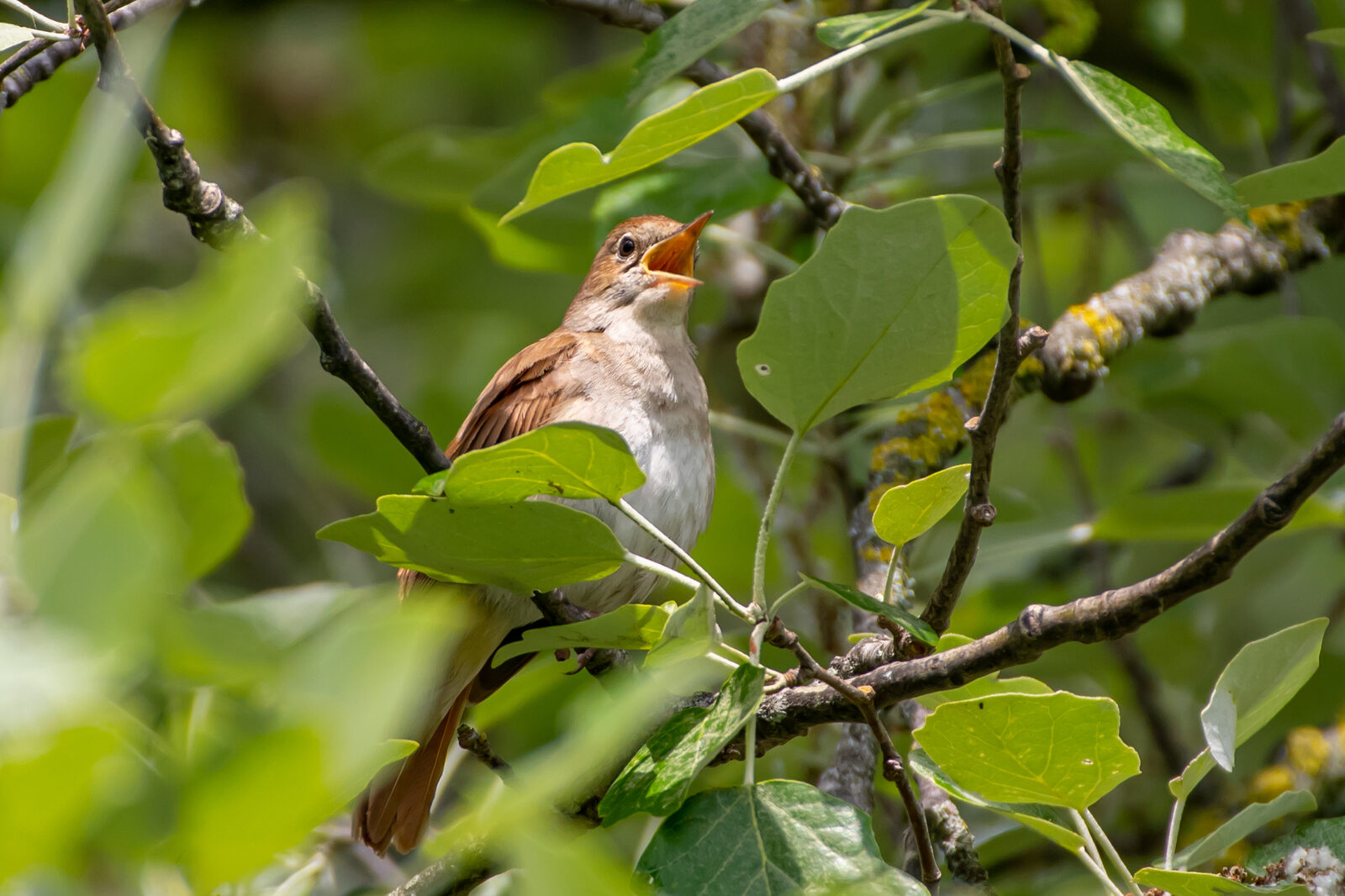
Common nightingale
Luscinia megarhynchos
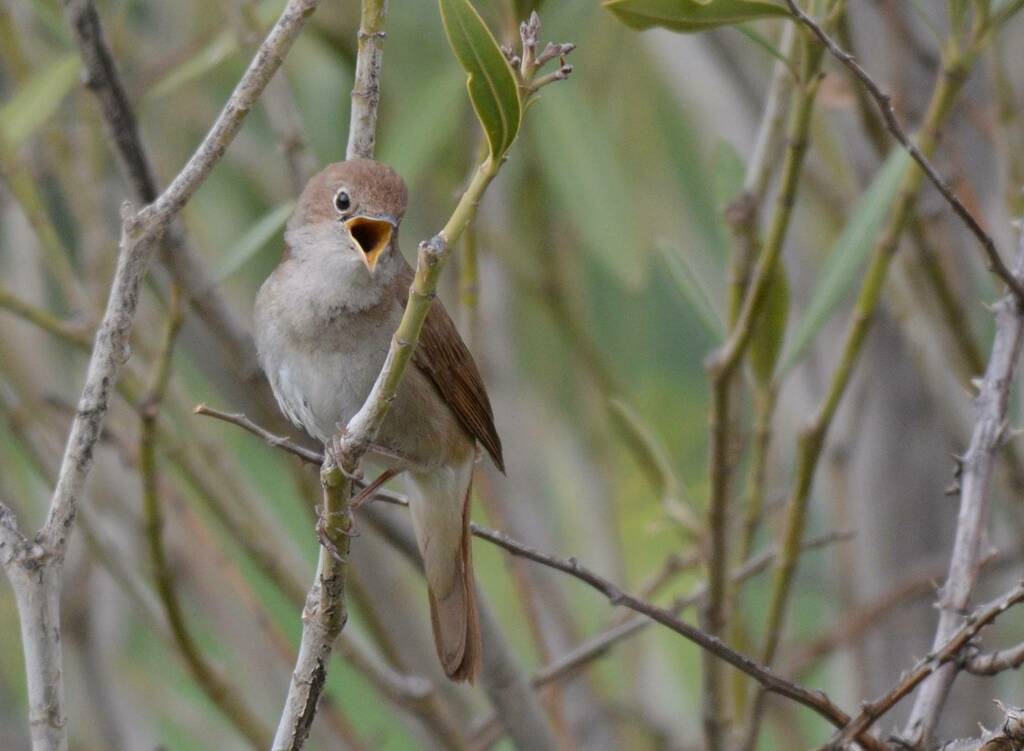
A plain brown bird with one of the richest songs in Europe, often sung at night as well as by day.
- Status
- Least Concern IUCN Red List
- Eats
- six-spot burnet, edible fig, olive and 1,611 more
- Eaten by
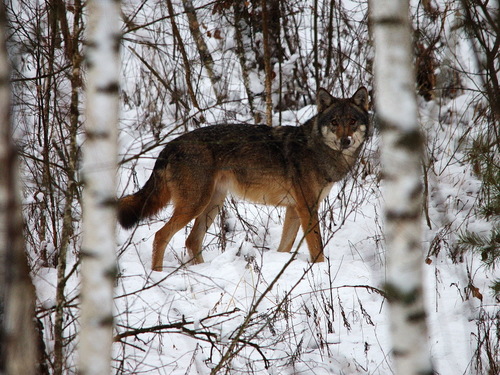
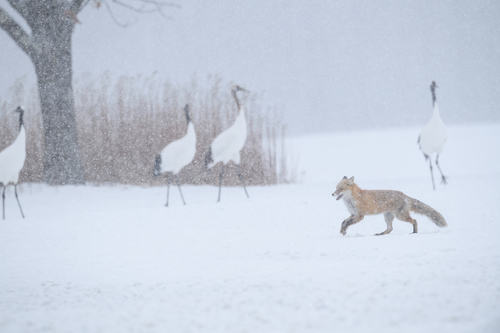
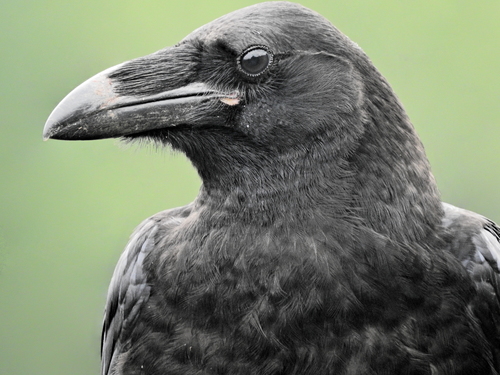
- grey wolf, red fox, northern raven
- Where
- 102 countries
On 4Planet Atlas it is among the wildlife people record most around Amsterdam, Athens and Berlin, and 7 more of the cities we cover.
People have shared 447,767 records of the common nightingale with GBIF, from 102 countries, most of them from Spain, Portugal and France. Records collected by GloBI show it eating 1,614 different kinds of animals and plants, and being eaten by 40.
What the common nightingale eats, and what eats it
Studies have recorded it eating 1,614 kinds of animals and plants, and 40 kinds of animals eating it. Tap any of them to follow the food chain.
- Insects 1,206
- Plants 58
- Snails and slugs 3
Eaten by


 Common nightingale
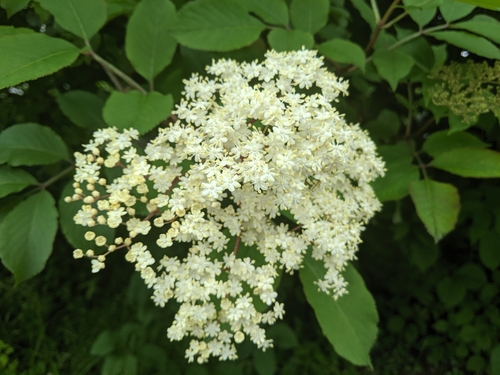
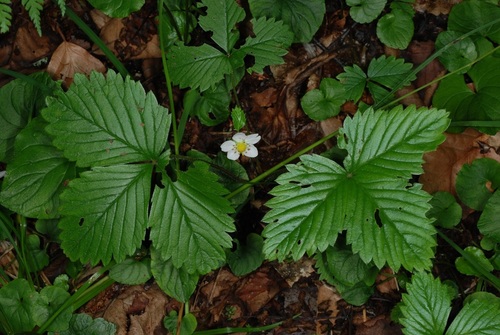
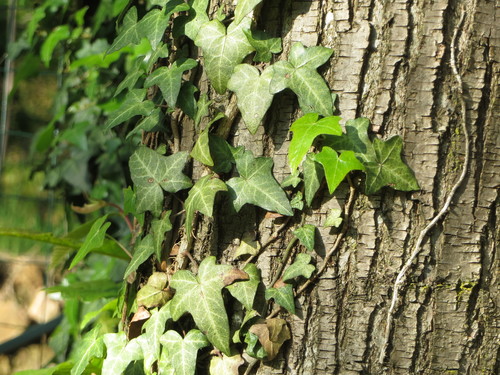

Records from studies worldwide, collected by GloBI. They include animals eaten as carrion, and they are not everything it eats in one place.
Where people see the common nightingale
People have shared 447,767 records from 102 countries.
Near a city: Amsterdam, Athens, Berlin, Lisbon, Madrid, Paris, Prague, Rome, Vienna, Warsaw.
Records show where people have seen it and shared it, not its full range. Country names open their page in Atlas.
When it is seen
Records per month in the northern hemisphere. More people outdoors also means more records.
Watch and listen
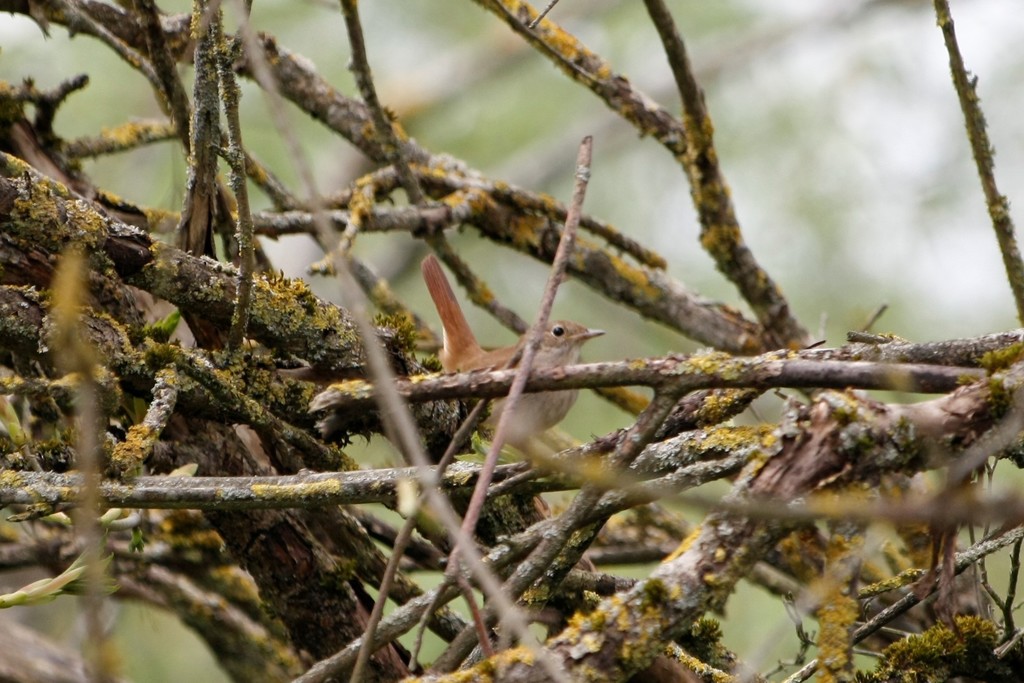
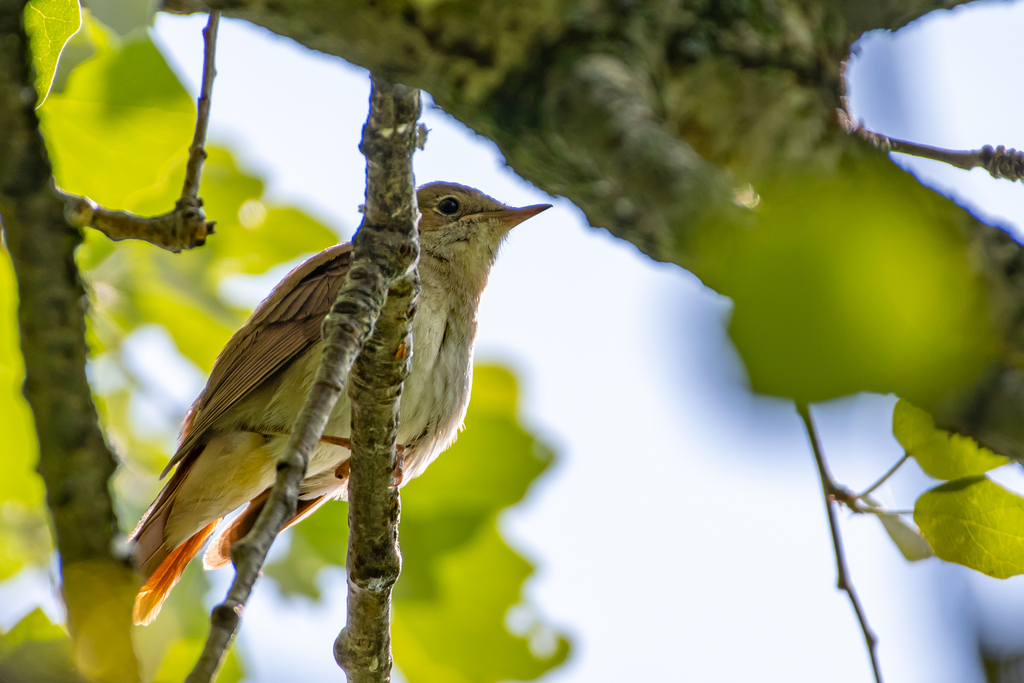
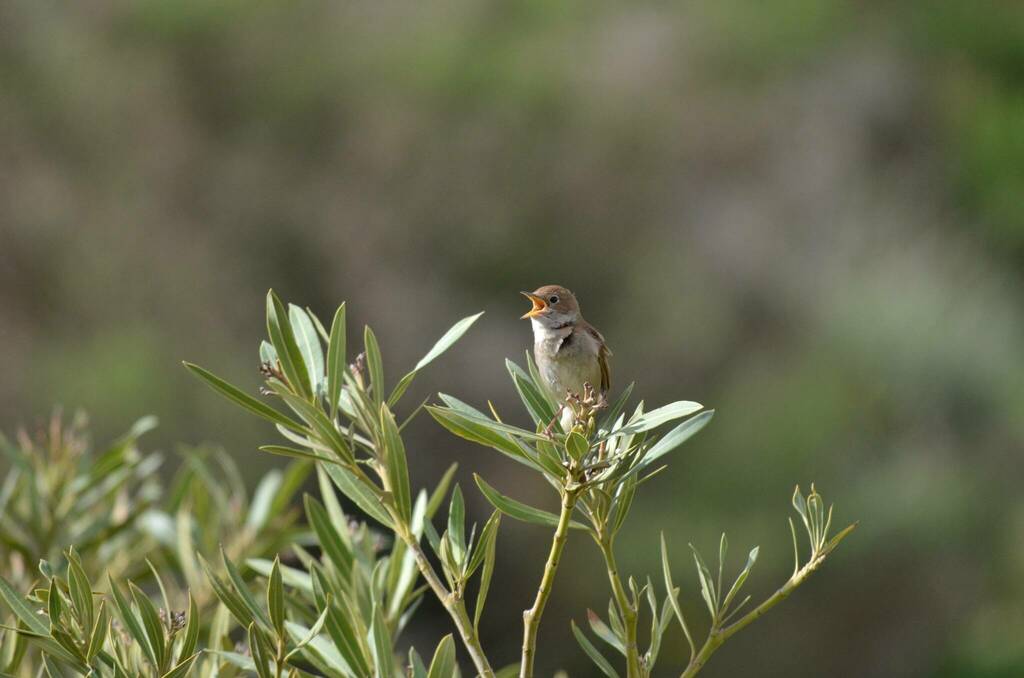
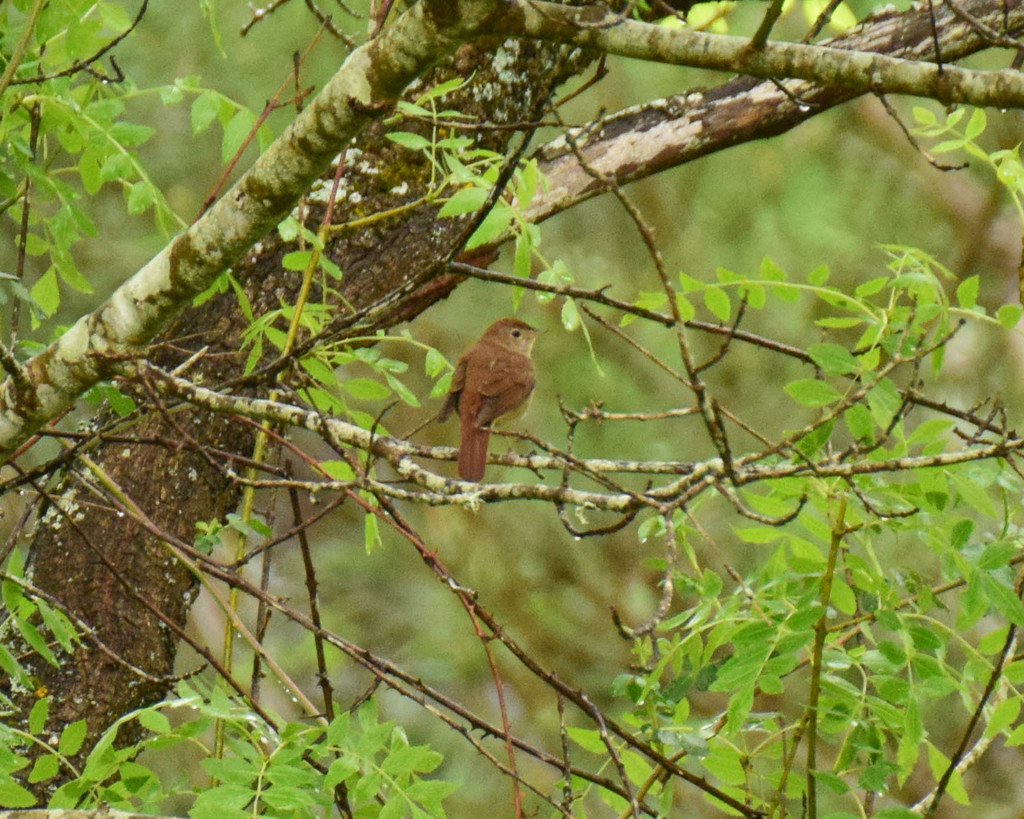
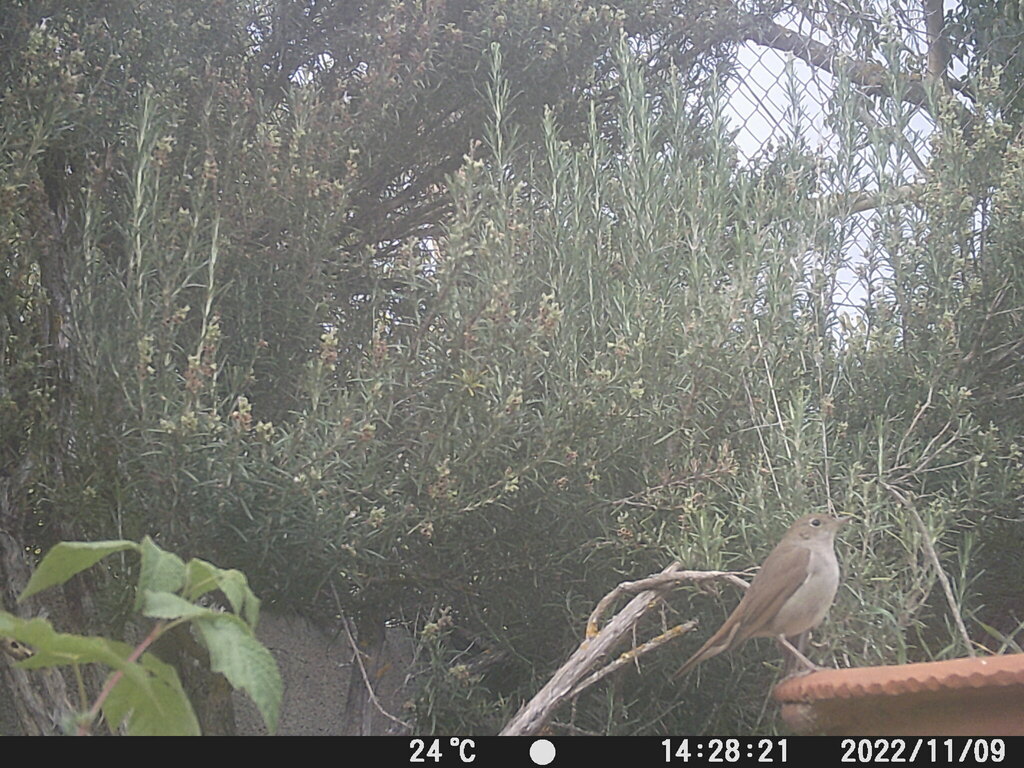
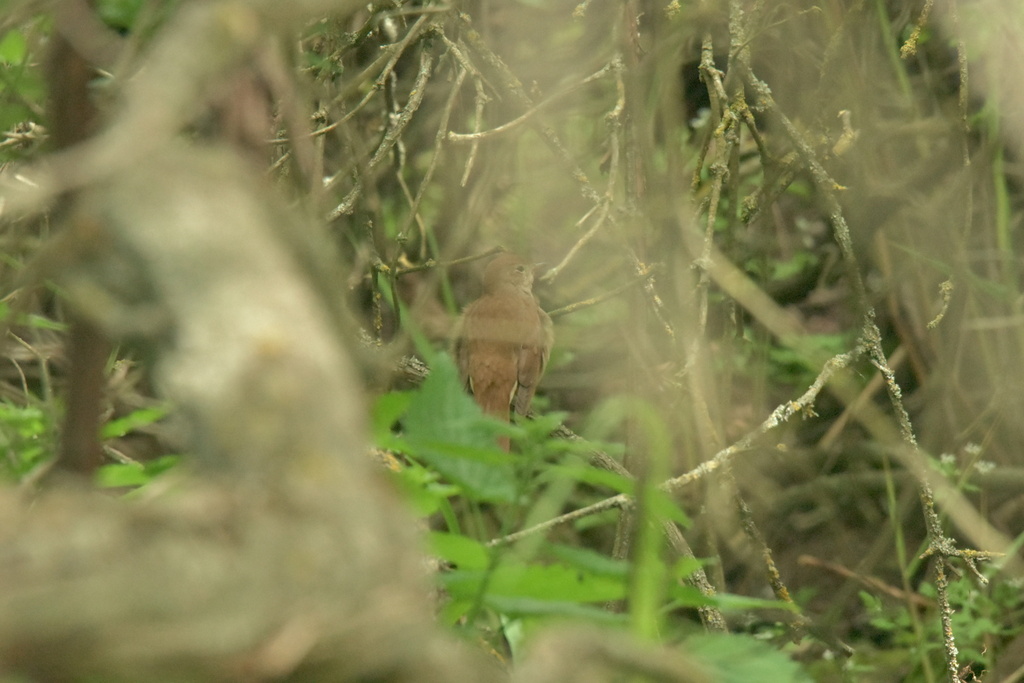
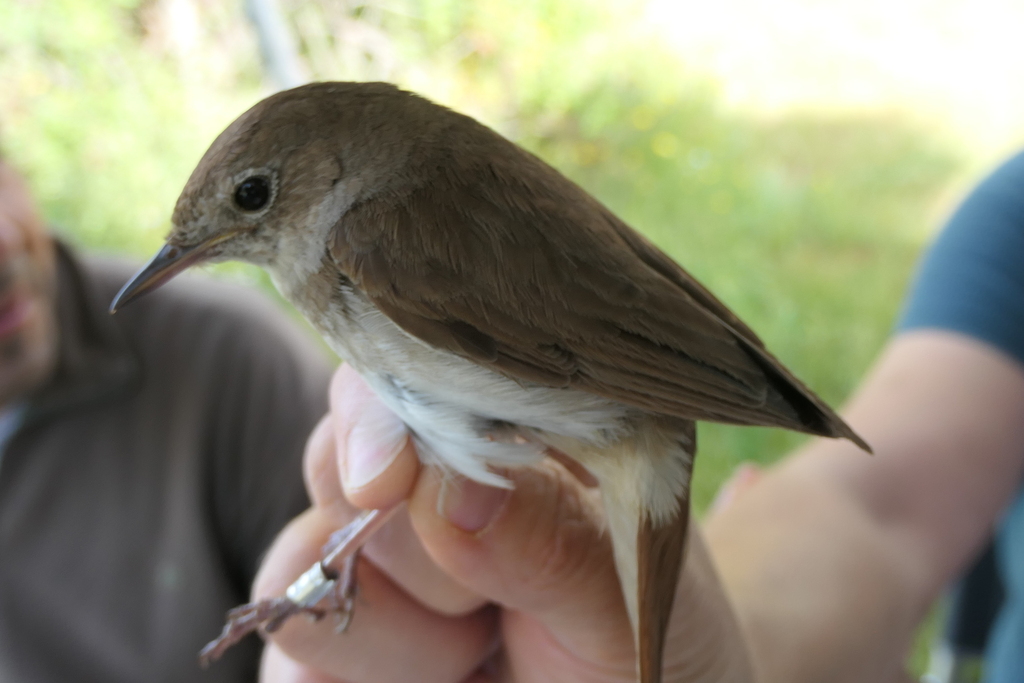
Its closest relatives
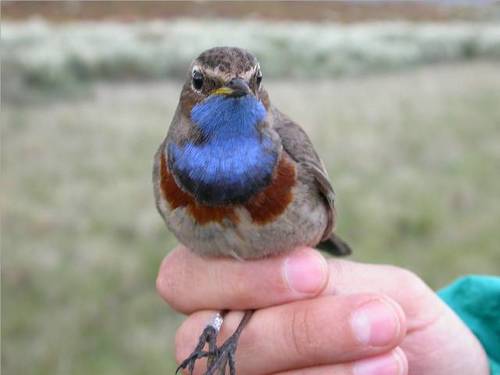
The other species of the genus Luscinia.
Seen a common nightingale?
Share your photo on iNaturalist. Other naturalists help confirm it, and the record goes to GBIF, where scientists use it and where the maps on this page come from.
Questions people ask
What does the common nightingale eat?
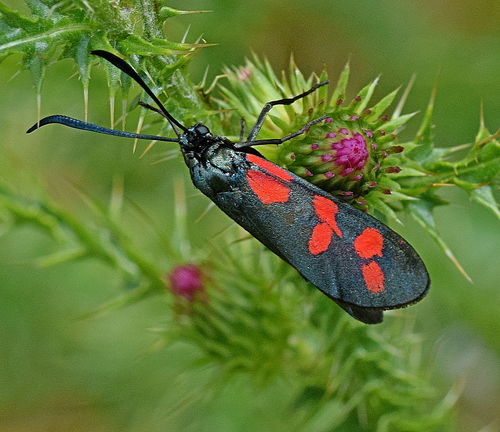
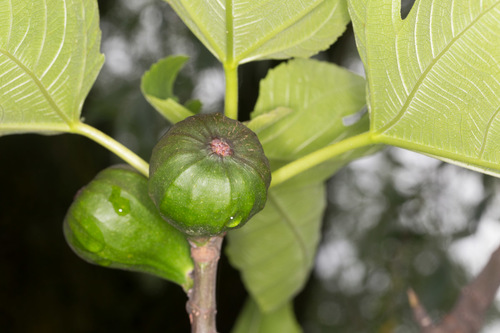
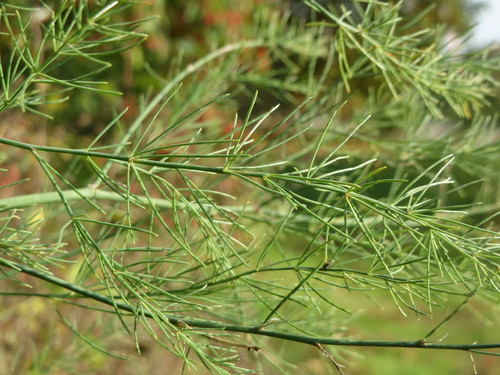
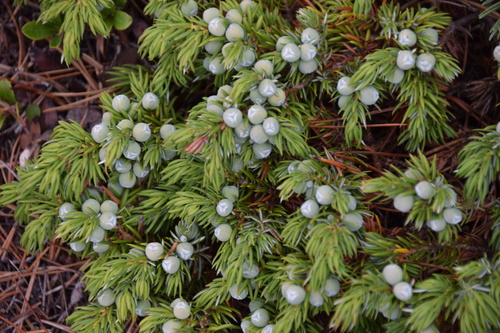
The common nightingale has been recorded eating 1,614 different kinds of animals and plants, most of them insects, plants and snails and slugs. The ones recorded most often are six-spot burnet, edible fig, olive, garden asparagus and common juniper; records include animals eaten as carrion. Source: GloBI.
What eats the common nightingale?
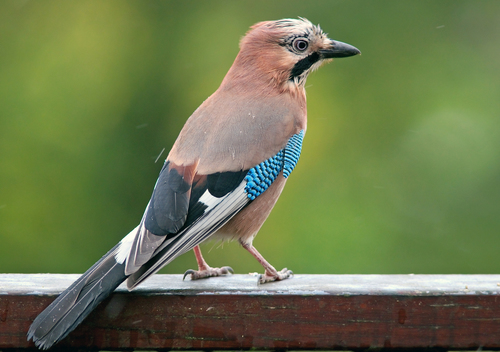
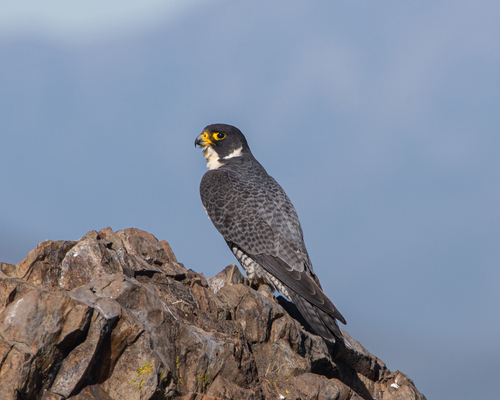
Recorded predators include grey wolf, red fox, northern raven, common cuckoo and eurasian jay. Source: GloBI.
Where does the common nightingale live?
People have recorded it in 102 countries; the most records come from Spain, Portugal, France, Germany and Italy. Records show where people have seen it, not its full range.
When is the common nightingale seen most?
In the northern hemisphere, the most records are made in May and the fewest in February. More people outdoors also means more records.
What are the common nightingale's closest relatives?
It shares the genus Luscinia with bluethroat and thrush nightingale.
Sources and photo credits
- GBIF · Luscinia megarhynchos, 447,767 human observations
- GloBI · recorded interactions of Luscinia megarhynchos
- Wikidata · Common nightingale (Q25393)
- Common nightingale (Luscinia megarhynchos): Codrin Bucur, CC BY 4.0
- Common nightingale (Luscinia megarhynchos), El Achir, Algérie: Mourad Harzallah, CC BY 4.0
- Common nightingale (Luscinia megarhynchos), Roost, Bissen, Luxemburg: Patrick Meurin, CC BY 4.0
- Common nightingale (Luscinia megarhynchos), Birsfelden, Switzerland: Codrin Bucur, CC BY 4.0
- Common nightingale (Luscinia megarhynchos), El Achir, Algérie: Mourad Harzallah, CC BY 4.0
- Common nightingale (Luscinia megarhynchos), Grândola, Portugal: Nuno Fialho, CC BY 4.0
- Common nightingale (Luscinia megarhynchos), Spain: castieler, CC BY 4.0
- Common nightingale (Luscinia megarhynchos), Neusiedler See-Nordöstliches Leithagebirge, Illmitz, Burgenland, AT: Lukas Zangl, CC BY 4.0
- Common nightingale (Luscinia megarhynchos), Madrid, España: Rafael Medina, CC BY 4.0
- Six-spot burnet: Kostas Zontanos, CC BY 4.0
- Edible fig: Drepanostoma, CC BY 4.0
- Garden asparagus: Andreas Rockstein, CC BY-SA 4.0
- Common juniper: Syd Cannings, CC BY 4.0
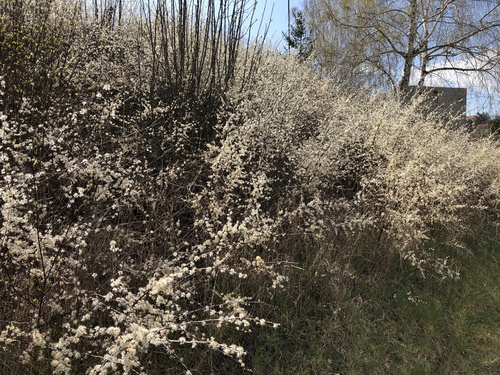
- Blackthorn: Pavel Kacl, CC BY 4.0
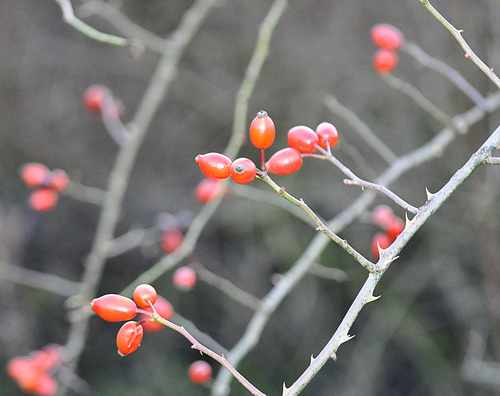
- Dog rose: no rights reserved, uploaded by gianluigi, CC0
- Elder: Attila Oláh, CC BY 4.0
- Woodland strawberry: Douglas Goldman, CC BY-SA 4.0
- English ivy: Marianna Boi, CC BY 4.0
- Cornelian cherry: Andreas Rockstein, CC BY-SA 4.0
- Grey wolf: Andrew Simon, CC BY 4.0
- Red fox: Morten Ross, CC BY 4.0
- Northern raven: xulescu_g, CC BY-SA 4.0
- Common cuckoo: no rights reserved, uploaded by Юрий Носков, CC0
- Eurasian jay: Luc Viatour, CC BY-SA 4.0
- Eurasian red squirrel: Rhododendrites, CC BY-SA 4.0
- Peregrine falcon: Nicolás Villaseca Merino, CC BY-SA 4.0
- Bluethroat: franciscodocampo, CC BY 4.0
Records show where people have seen and shared the common nightingale, not its full range, and some countries and months are recorded far more than others. The food web lists interactions that studies have recorded somewhere in the world (GloBI), not everything it eats in one place.
Checked 2026-11-20.