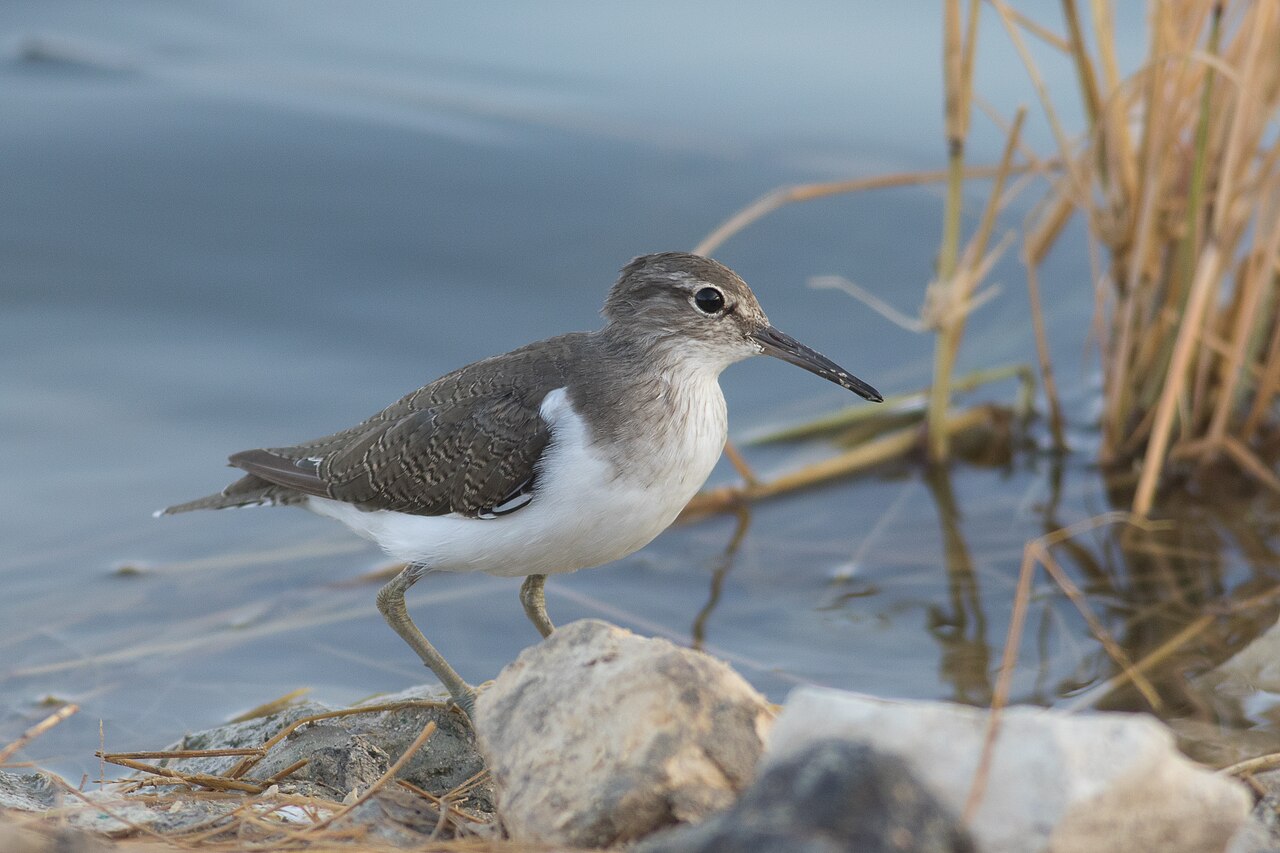
Common sandpiper
Actitis hypoleucos
A small wader that bobs its tail constantly and flies low over water on stiff, flickering wings.
- Status
- Least Concern IUCN Red List
- Eats
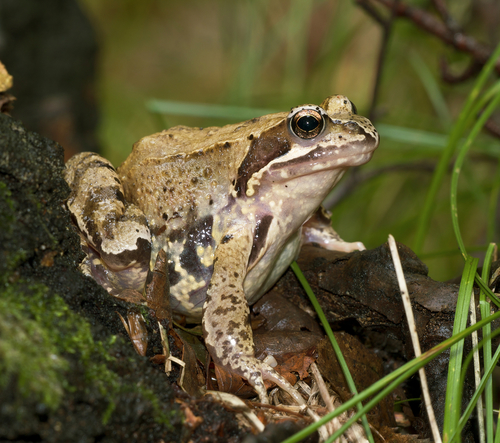
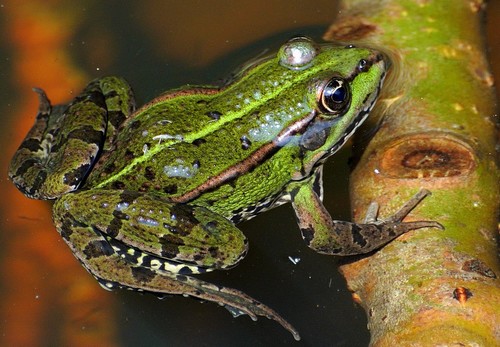
- common frog, marsh frog, edible frog and 18 more
- Eaten by
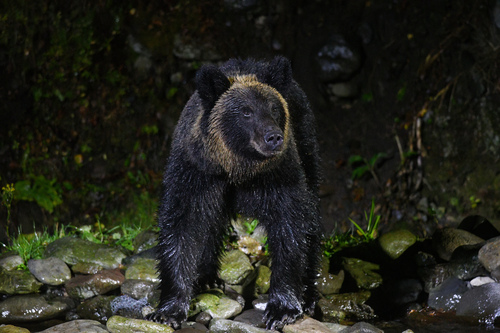
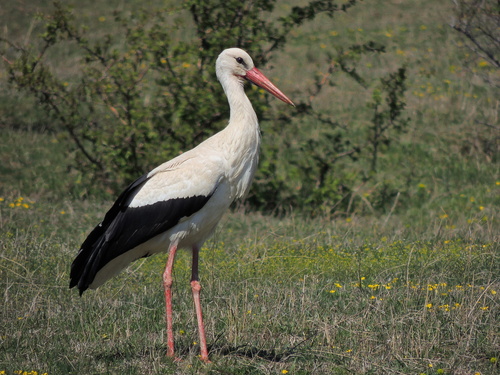
- grey wolf, red fox, brown bear
- Where
- 172 countries · sundarbans
On 4Planet Atlas it is among the wildlife people record most around Abu Dhabi, Abuja and Accra, and 128 more of the cities we cover.
People have shared 1,330,737 records of the common sandpiper with GBIF, from 172 countries, most of them from Spain, India and Taiwan. Records collected by GloBI show it eating 21 different kinds of animals and plants, and being eaten by 32.
Habitats
What the common sandpiper eats, and what eats it
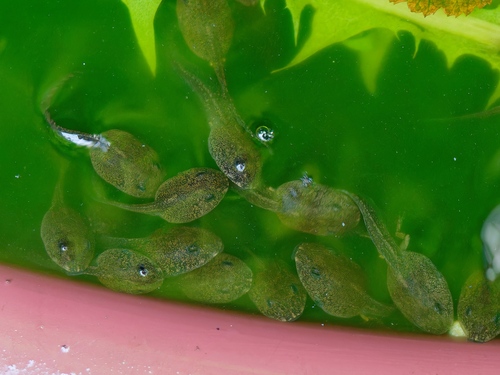
Studies have recorded it eating 21 kinds of animals and plants, and 32 kinds of animals eating it. Tap any of them to follow the food chain.
- Amphibians 19
- Crustaceans 1
Eaten by



 Common sandpiper


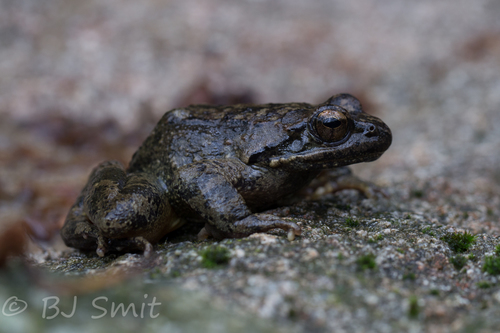
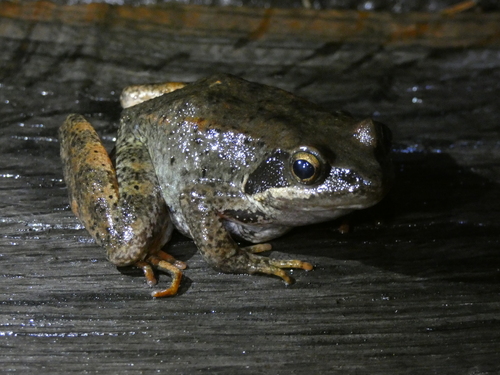
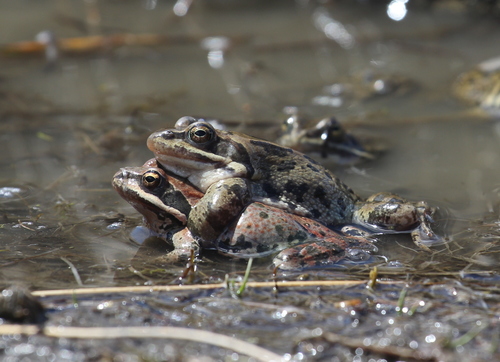
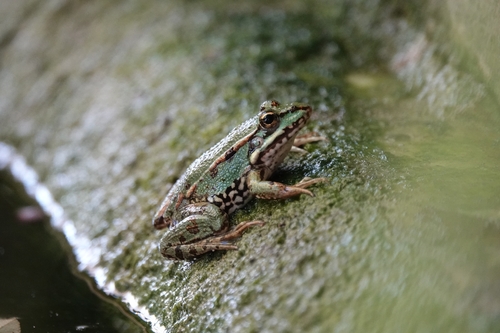
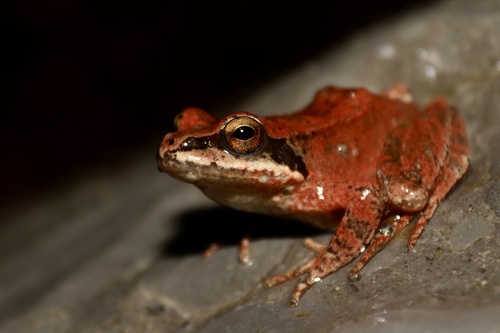
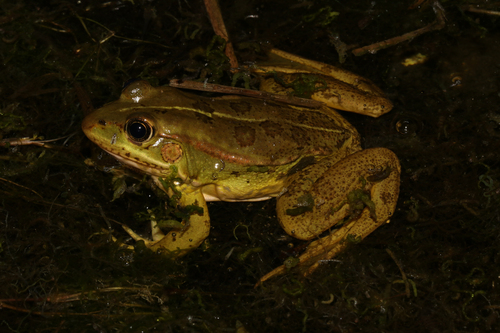
Records from studies worldwide, collected by GloBI. They include animals eaten as carrion, and they are not everything it eats in one place.
Where people see the common sandpiper
People have shared 1,330,737 records from 172 countries.
Near a city: Abu Dhabi, Abuja, Accra, Addis Ababa, Algiers, Amman, Amsterdam, Ankara, Antananarivo, Asmara, Astana, Athens, Baghdad, Baku, Bamako, Bandar Seri Begawan, Bangkok, Bangui, Banjul, Beijing, Beirut, Belgrade, Bergen, Bishkek, Bissau, Bratislava, Brazzaville, Brussels, Bucharest, Budapest, Cairo, Chișinău, Ciudad de la Paz, Colombo, Conakry, Copenhagen, Dakar, Damascus, Delhi, Dhaka, Dili, Doha, Dublin, Dushanbe, East Jerusalem, Freetown, Hanoi, Helsinki, Honiara, Islamabad, Jakarta, Jerusalem, Juba, Kampala, Kathmandu, Khartoum, Kigali, Kinshasa, Kuala Lumpur, Kuwait City, Kyiv, Lagos, Libreville, Lisbon, Ljubljana, Lomé, London, Luanda, Madrid, Malé, Manama, Manila, Maputo, Minsk, Mogadishu, Monrovia, Moroni, Moscow, Mumbai, Muscat, N'Djamena, Nairobi, Naypyidaw, New Delhi, Ngerulmud, Niamey, Nicosia, Oslo, Ouagadougou, Palikir, Paris, Phnom Penh, Podgorica, Port Louis, Porto-Novo, Prague, Praia, Pristina, Rabat, Ramallah, Riga, Riyadh, Rome, São Tomé, Sarajevo, Seoul, Shanghai, Skopje, Sofia, Sri Jayawardenepura Kotte, Stockholm, Taipei, Tallinn, Tashkent, Tbilisi, Tehran, Thimphu, Tirana, Tokyo, Tripoli, Tunis, Ulaanbaatar, Valletta, Victoria, Vientiane, Vilnius, Warsaw, Windhoek, Yamoussoukro, Yerevan, Zagreb.
Records show where people have seen it and shared it, not its full range. Country names open their page in Atlas.
When it is seen
Records per month in the northern hemisphere. More people outdoors also means more records.
Watch and listen

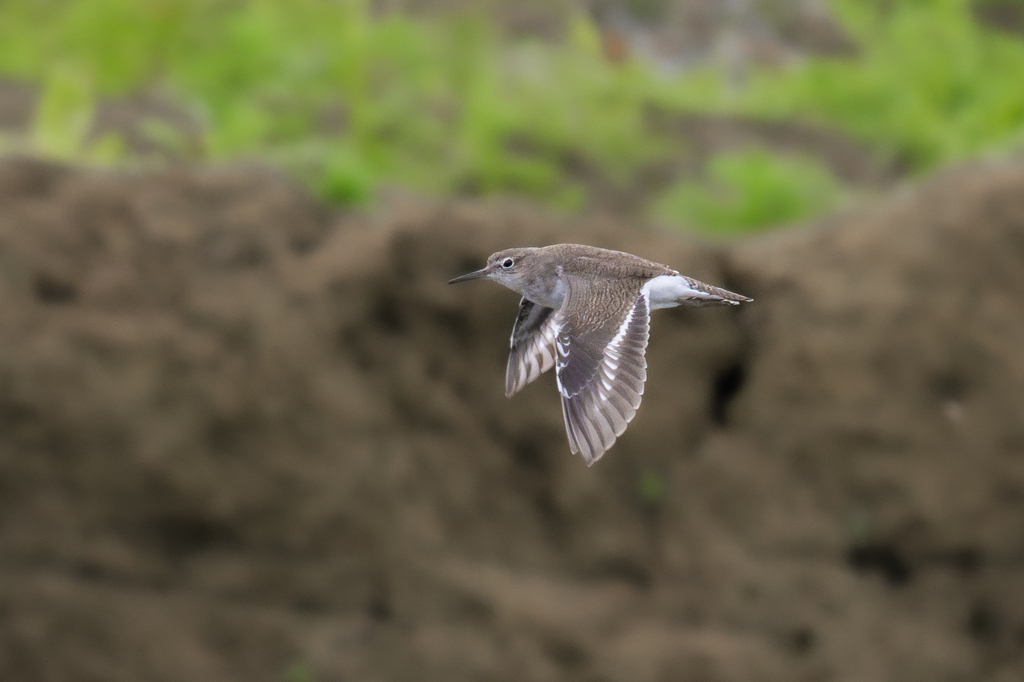
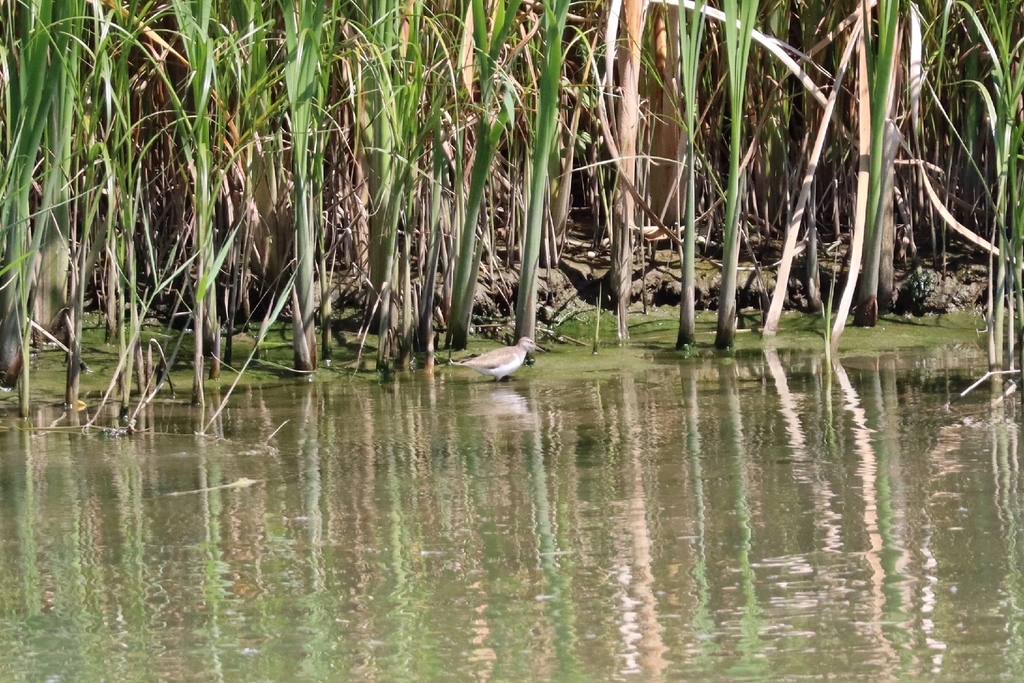
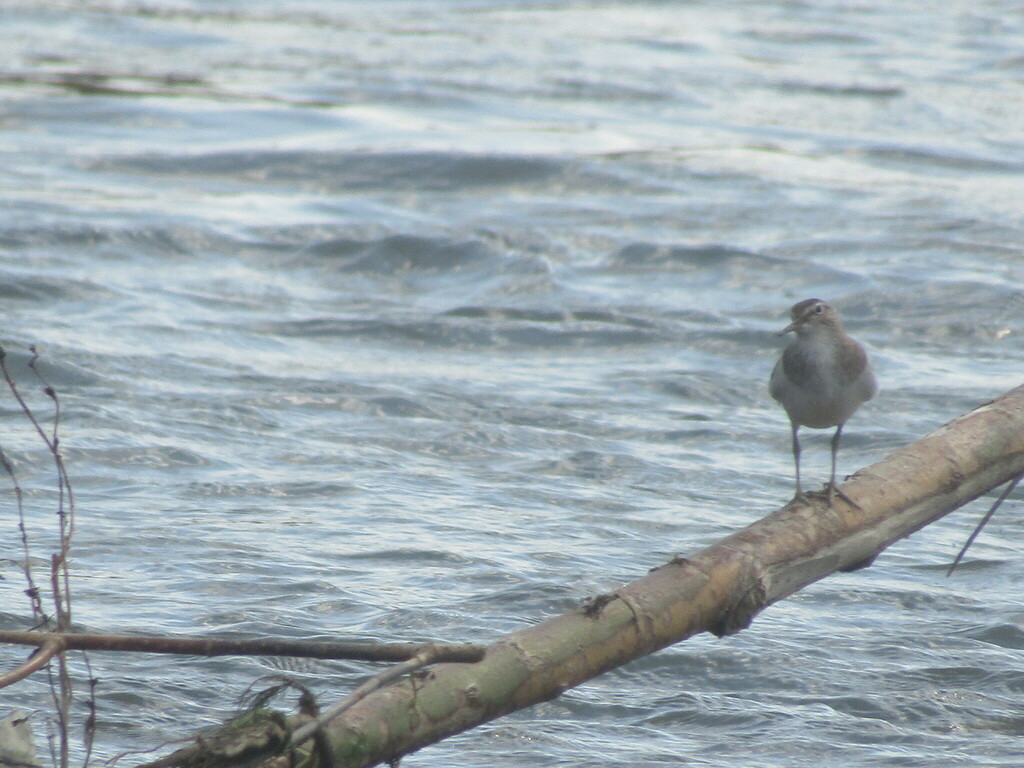
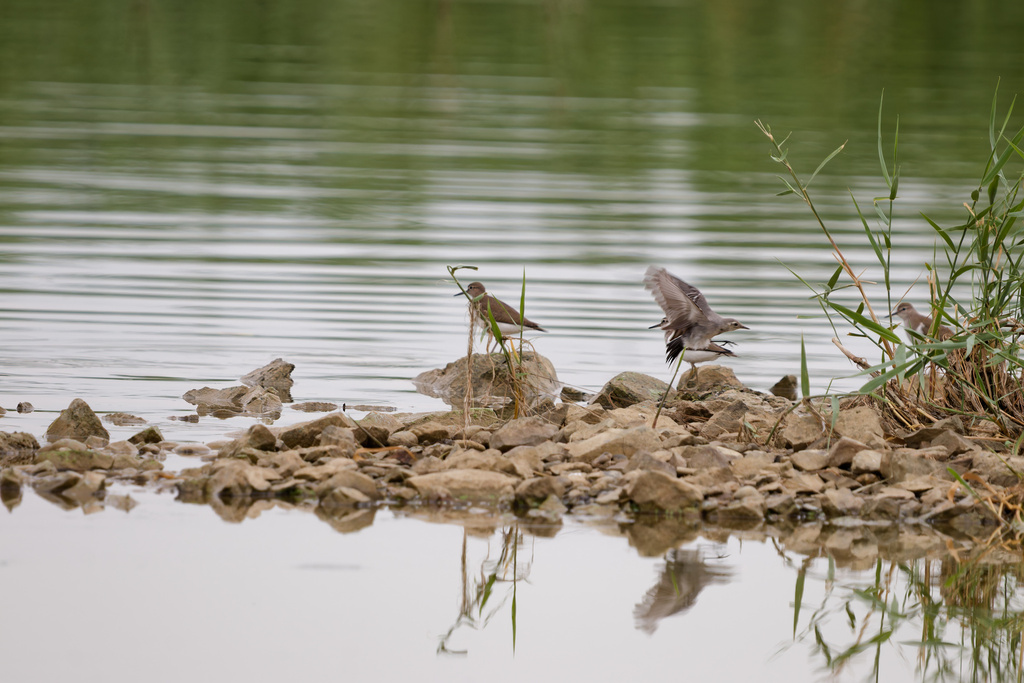
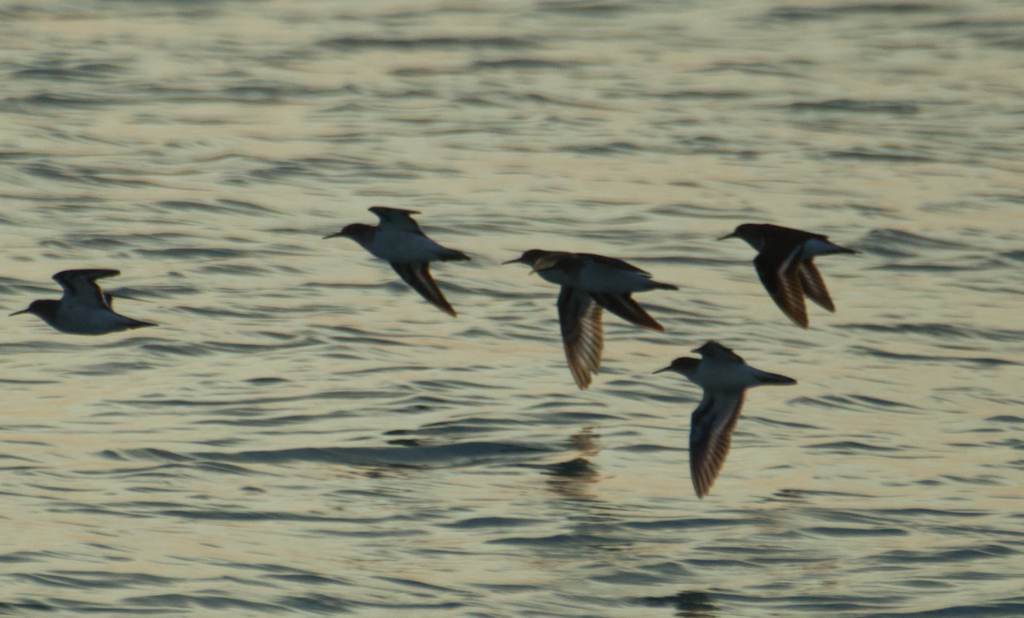
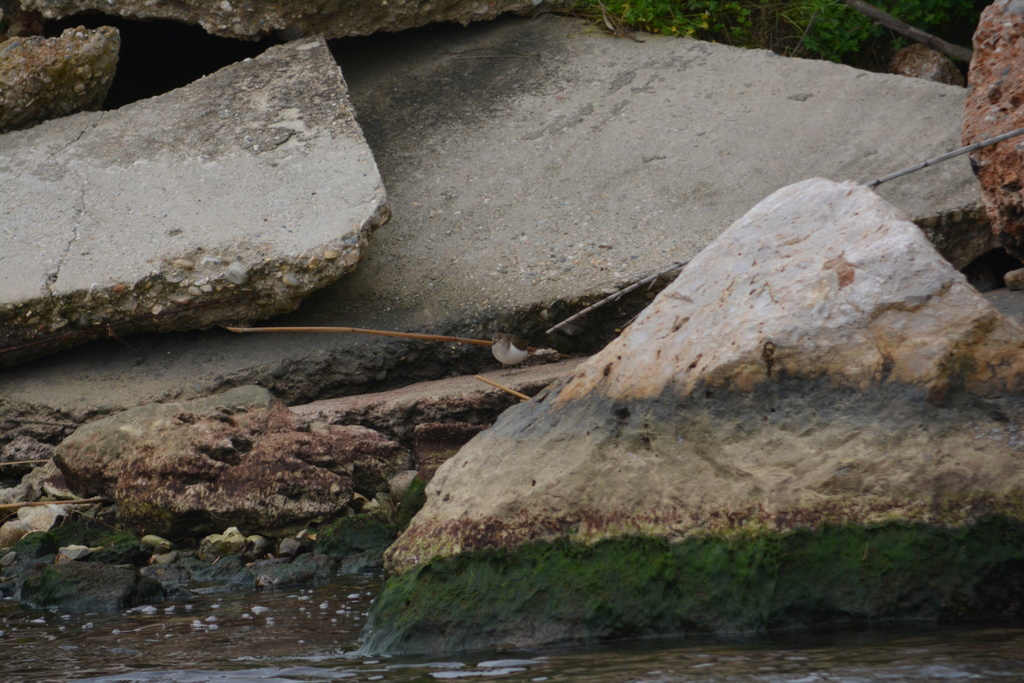
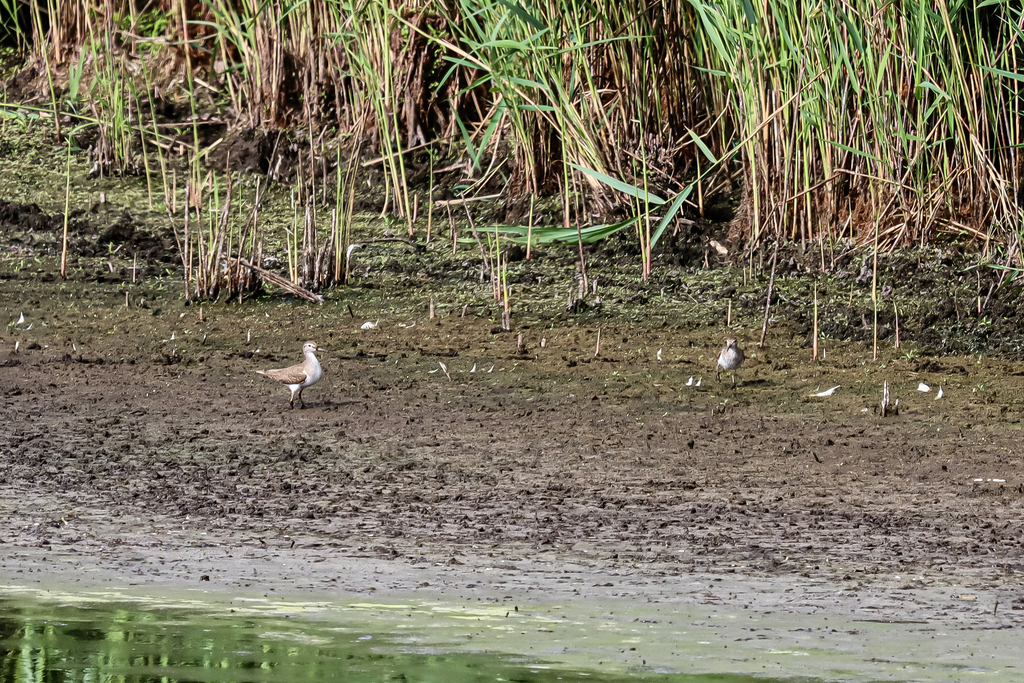
Seen a common sandpiper?
Share your photo on iNaturalist. Other naturalists help confirm it, and the record goes to GBIF, where scientists use it and where the maps on this page come from.
Put this species on your site
The card names every source and links back here.
<iframe src="https://4planetatlas.com/place/embed/species/common-sandpiper" title="Common sandpiper (Actitis hypoleucos), 4PLANET Species" width="100%" height="600" style="border:0;max-width:640px" loading="lazy"></iframe>
<p><a href="https://4species.com/common-sandpiper">Common sandpiper on 4PLANET Species</a></p>Explore next
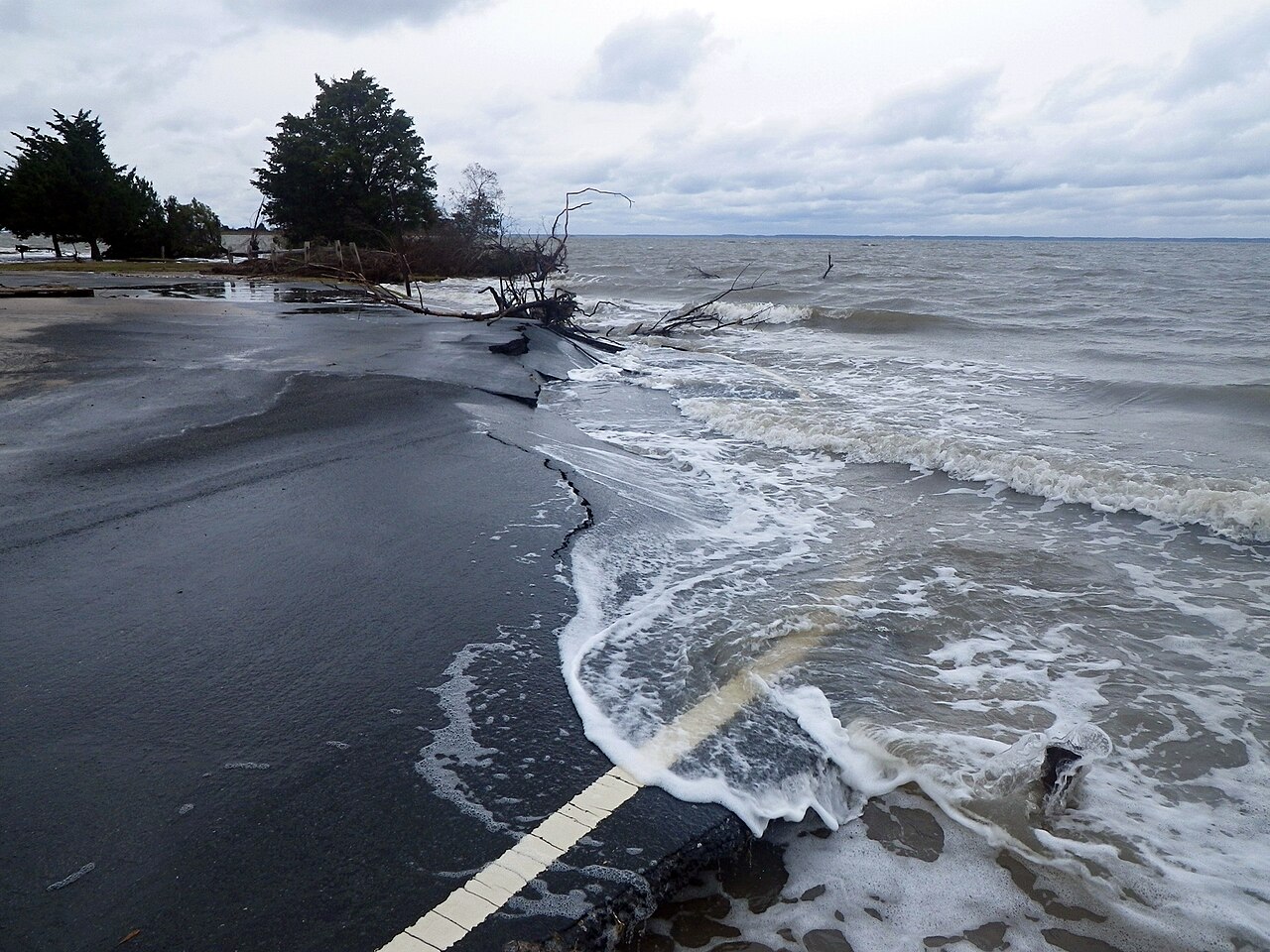
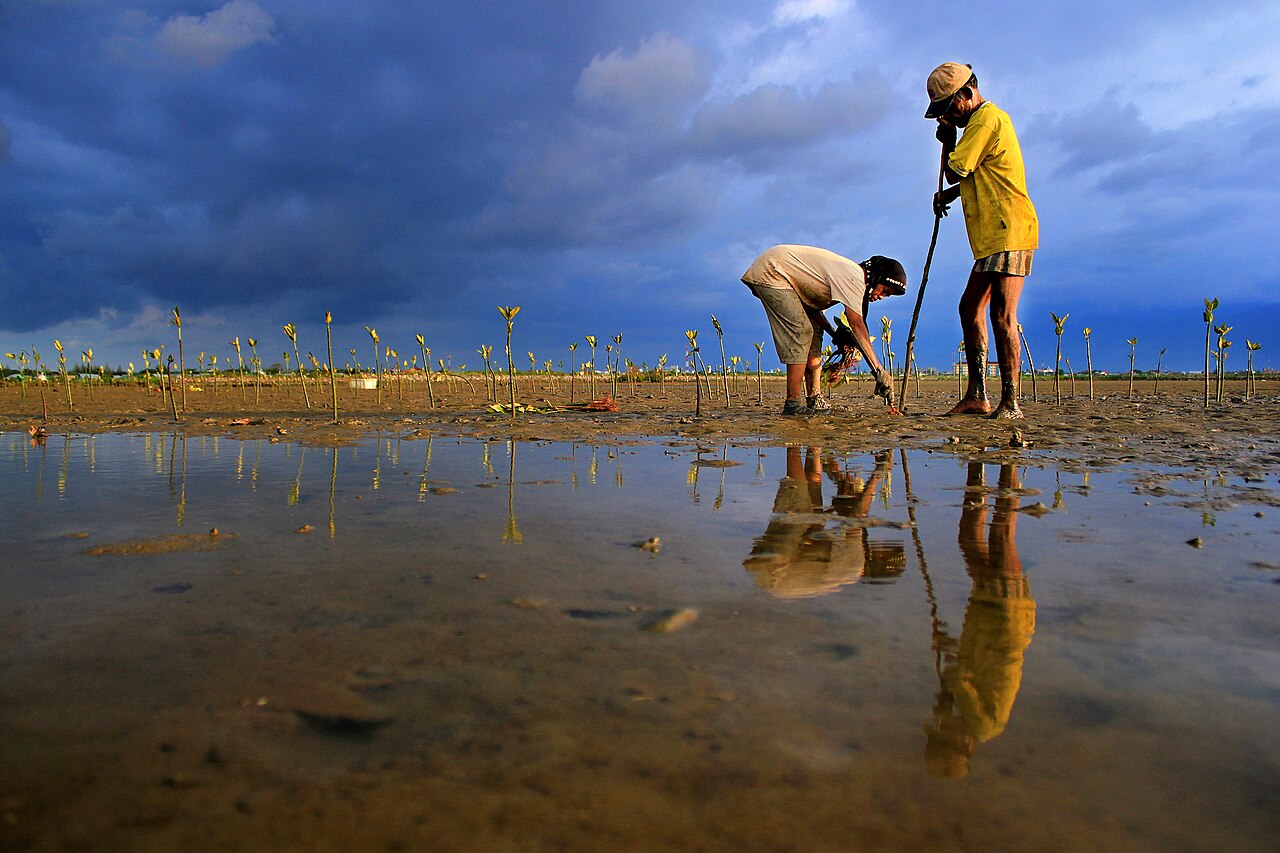
What puts the common sandpiper under pressure, what helps, and who works on it.
Questions people ask
What does the common sandpiper eat?
The common sandpiper has been recorded eating 21 different kinds of animals and plants, most of them amphibians and crustaceans. The ones recorded most often are common frog, marsh frog, edible frog, agile frog and italian agile frog; records include animals eaten as carrion. Source: GloBI.
What eats the common sandpiper?
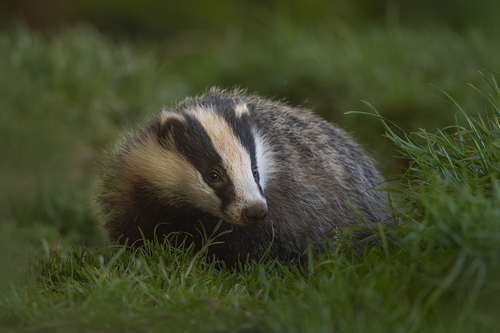
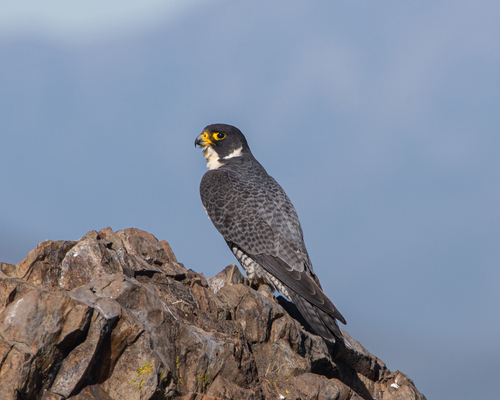
Recorded predators include grey wolf, red fox, brown bear, northern raven and eurasian badger. Source: GloBI.
Where does the common sandpiper live?
People have recorded it in 172 countries; the most records come from Spain, India, Taiwan, United Kingdom and Portugal. Records show where people have seen it, not its full range.
When is the common sandpiper seen most?
In the northern hemisphere, the most records are made in August and the fewest in June. More people outdoors also means more records.
Sources and photo credits
- GBIF · Actitis hypoleucos, 1,330,737 human observations
- GloBI · recorded interactions of Actitis hypoleucos
- Wikidata · Common sandpiper (Q18850)
- Common sandpiper (Actitis hypoleucos): מינוזיג - MinoZig, CC BY-SA 4.0
- Common sandpiper (Actitis hypoleucos): Imran Shah, CC BY-SA 4.0
- Common sandpiper (Actitis hypoleucos), Wallacetown, New Zealand: Saryu Mae 前 朝琉, CC BY 4.0
- Common sandpiper (Actitis hypoleucos), Biserica Evanghelica 1, Pitești, Romania: Radu Teodoreanu, CC BY 4.0
- Common sandpiper (Actitis hypoleucos), Parvomay, Bulgaria: SteveM4560, CC BY 4.0
- Common sandpiper (Actitis hypoleucos), Gardabani Municipality, Georgia: Donsky, CC BY 4.0
- Common sandpiper (Actitis hypoleucos), Provincia di Teramo, Italia: Edoardo Nardelli, CC BY 4.0
- Common sandpiper (Actitis hypoleucos), Peloponnese Region, Greece: Pantazi Katerina, CC BY 4.0
- Common sandpiper (Actitis hypoleucos), Vauville, 50440 La Hague, France: Alain Le Magueresse, CC BY 4.0
- Common frog: Jörg Hempel, CC BY-SA 4.0
- Marsh frog: Petra & Wilfried, CC BY 4.0
- Edible frog: Luciano 95, CC BY 4.0
- Agile frog: Laurent Lebois, CC BY 4.0
- Italian agile frog: olrett, CC BY 4.0
- Greek stream frog: Bart, CC BY 4.0
- Iberian frog: Juan Rodríguez, CC BY 4.0
- Long-legged wood frog: Jan Ebr & Ivana Ebrová, einige Rechte vorbehalten (CC BY), hochgeladen von Jan Ebr & Ivana Ebrová, CC BY 4.0
- Perez's frog: Dietmar K. L. Moser, CC BY 4.0
- Pyrenean frog: Léo Souillard, CC BY 4.0
- Epirus water frog: Ryan van Huyssteen, CC BY 4.0
- Grey wolf: Andrew Simon, CC BY 4.0
- Red fox: Алина Урусова, CC BY 4.0
- Brown bear: Nathan Ruser, CC BY 4.0
- Northern raven: xulescu_g, CC BY-SA 4.0
- Eurasian badger: caroline legg, CC BY 4.0
- Peregrine falcon: Nicolás Villaseca Merino, CC BY-SA 4.0
- White stork: xulescu_g, CC BY-SA 4.0

Records show where people have seen and shared the common sandpiper, not its full range, and some countries and months are recorded far more than others. The food web lists interactions that studies have recorded somewhere in the world (GloBI), not everything it eats in one place.
Checked 2026-11-22.