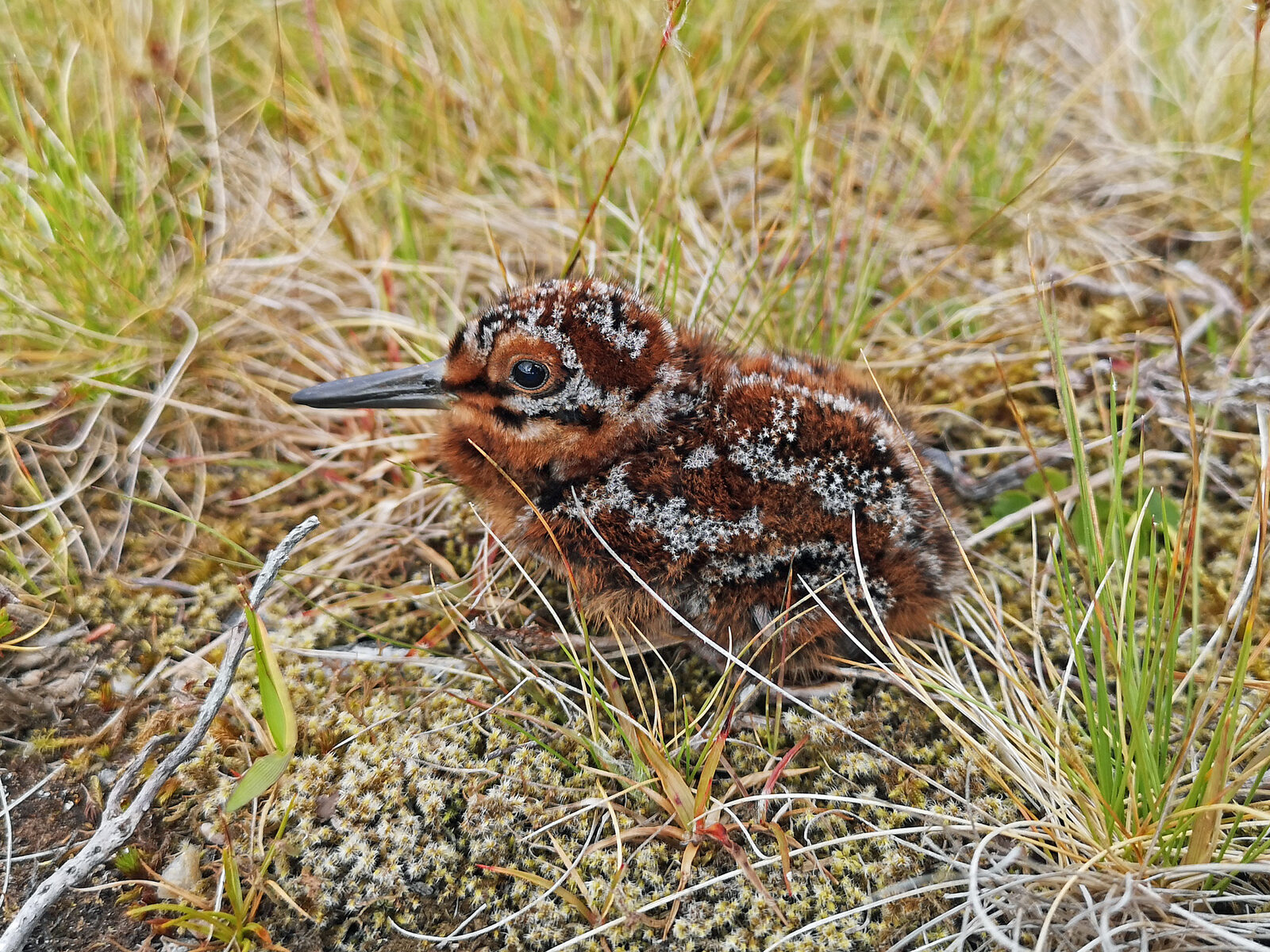
Common snipe
Gallinago gallinago
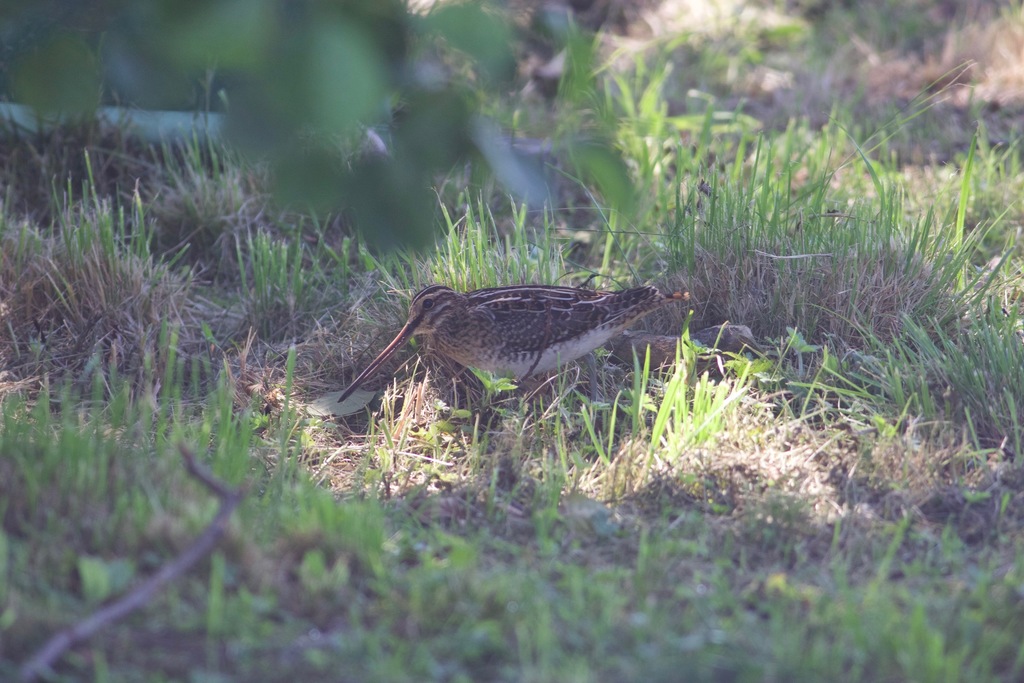
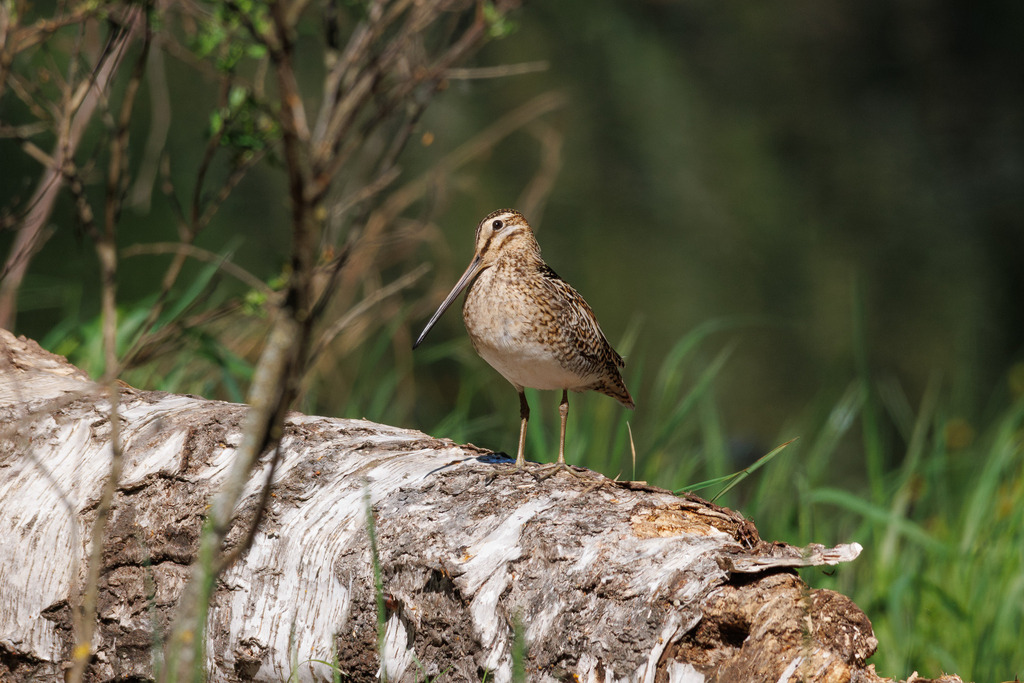
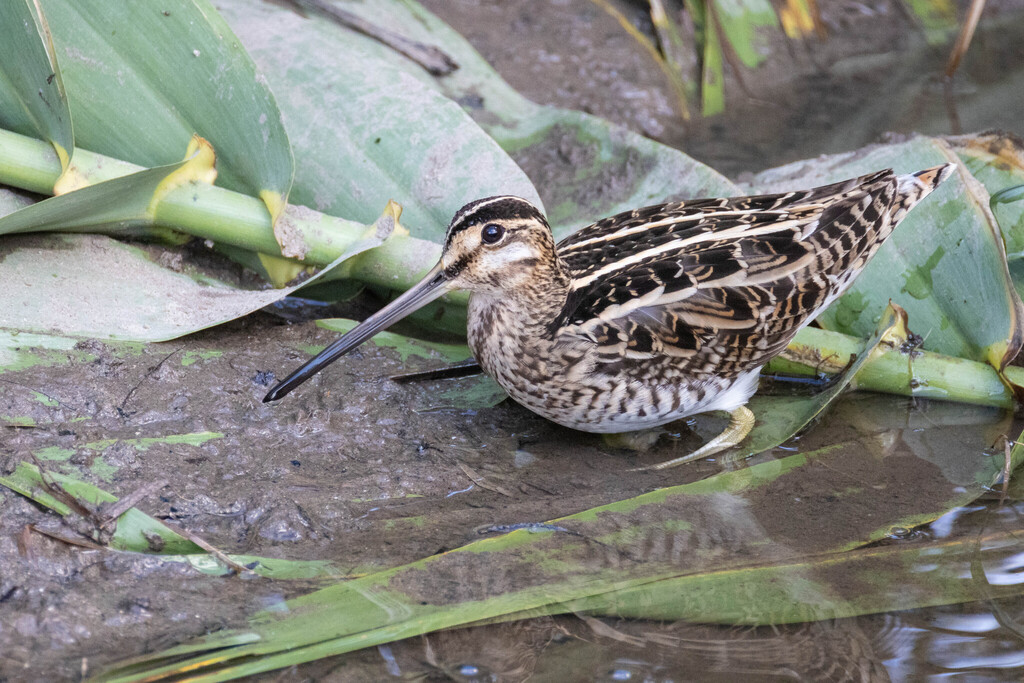
A wader with a very long, straight bill that probes soft mud; males make a bleating sound with their tail feathers in flight.
- Status
- Least Concern IUCN Red List
- Eats
- common frog, marsh frog, edible frog and 17 more
- Eaten by
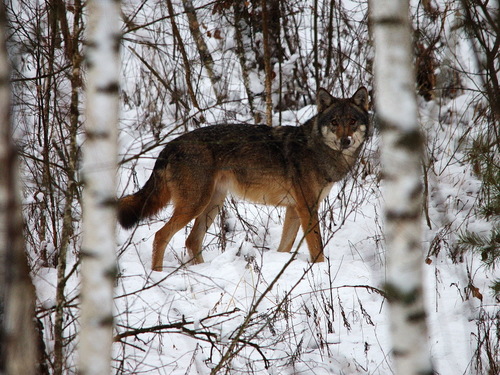
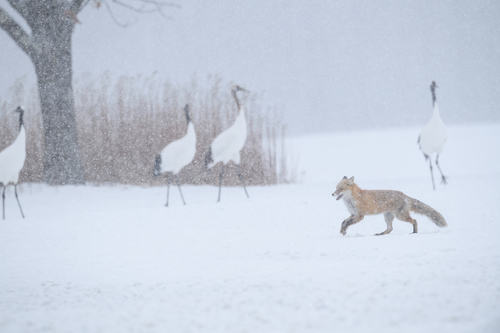
- grey wolf, red fox, brown bear
- Where
- 148 countries
On 4Planet Atlas it is among the wildlife people record most around Algiers, Amsterdam and Ankara, and 41 more of the cities we cover.
People have shared 743,925 records of the common snipe with GBIF, from 148 countries, most of them from United Kingdom, Spain and India. Records collected by GloBI show it eating 20 different kinds of animals and plants, and being eaten by 31.
What the common snipe eats, and what eats it
Studies have recorded it eating 20 kinds of animals and plants, and 31 kinds of animals eating it. Tap any of them to follow the food chain.
- Amphibians 19
Eaten by

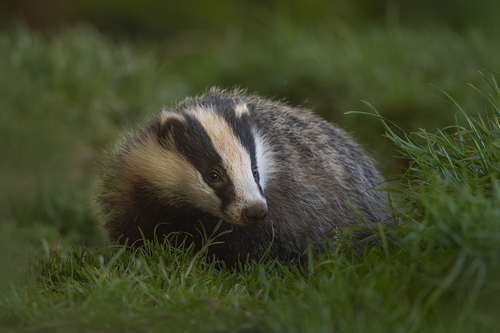
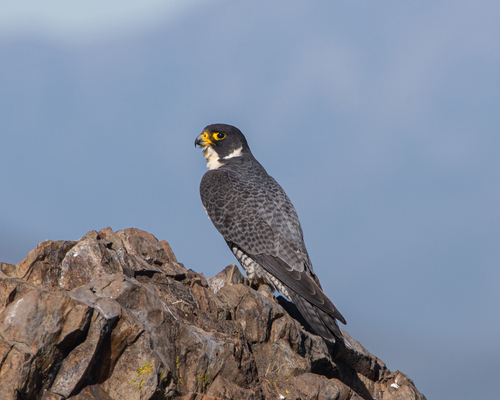
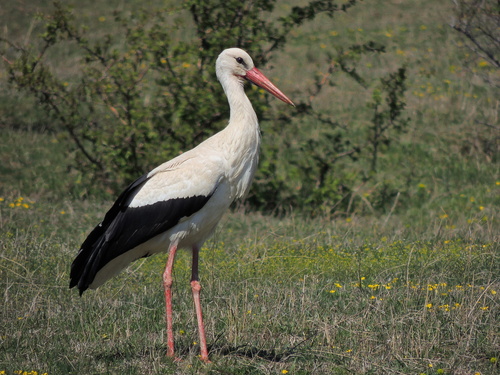 Common snipe
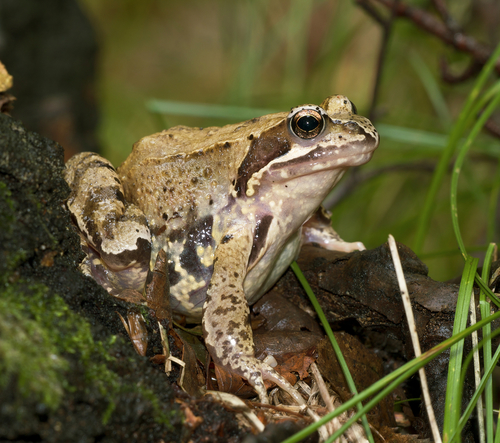

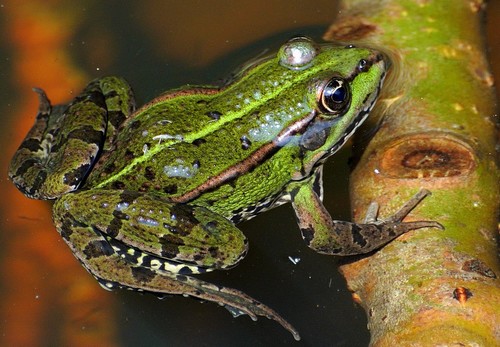

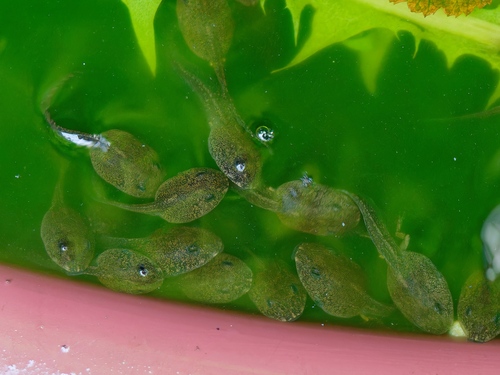
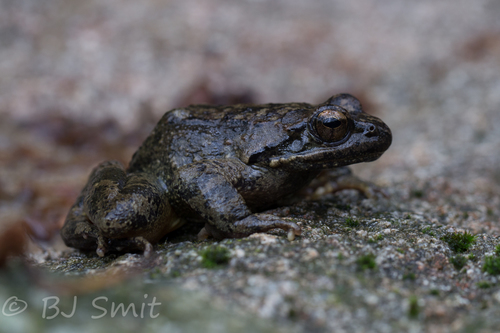
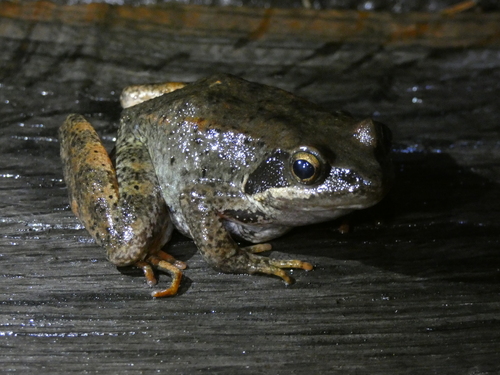

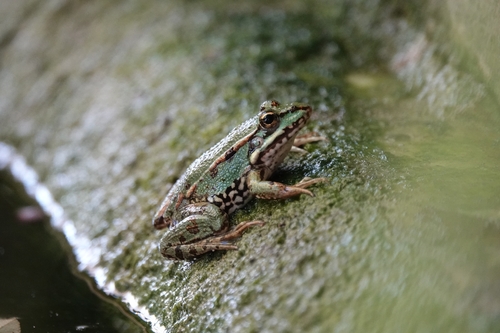
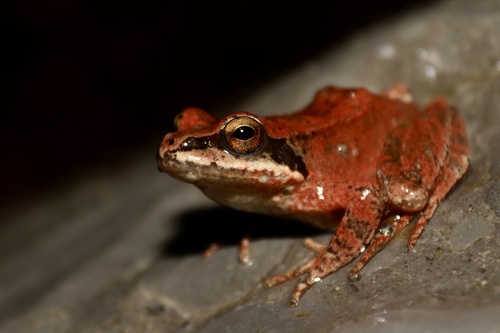
Records from studies worldwide, collected by GloBI. They include animals eaten as carrion, and they are not everything it eats in one place.
Where people see the common snipe
People have shared 743,925 records from 148 countries.
Near a city: Algiers, Amsterdam, Ankara, Athens, Baku, Beijing, Belgrade, Bergen, Bratislava, Brussels, Cairo, Chișinău, Copenhagen, Dublin, Helsinki, Kyiv, Lisbon, Ljubljana, London, Madrid, Manama, Minsk, Moscow, Mumbai, Nicosia, Oslo, Paris, Prague, Reykjavík, Riga, Rome, Seoul, Shanghai, Skopje, Sofia, Stockholm, Tallinn, Tashkent, Tbilisi, Tokyo, Valletta, Vilnius, Warsaw, Zagreb.
Records show where people have seen it and shared it, not its full range. Country names open their page in Atlas.
When it is seen
Records per month in the northern hemisphere. More people outdoors also means more records.
Watch and listen


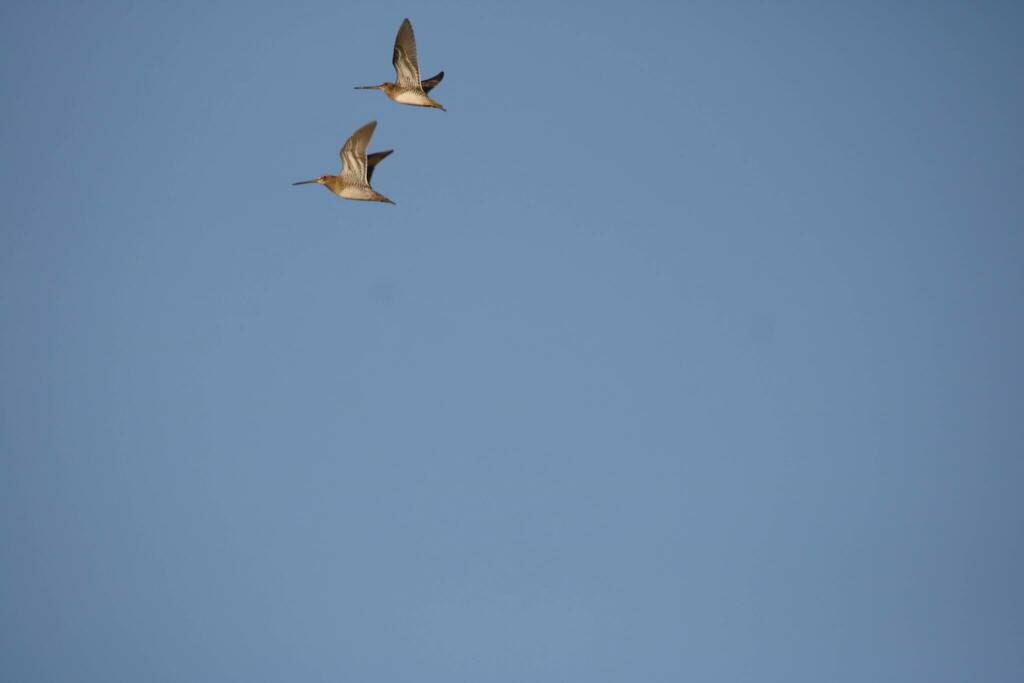
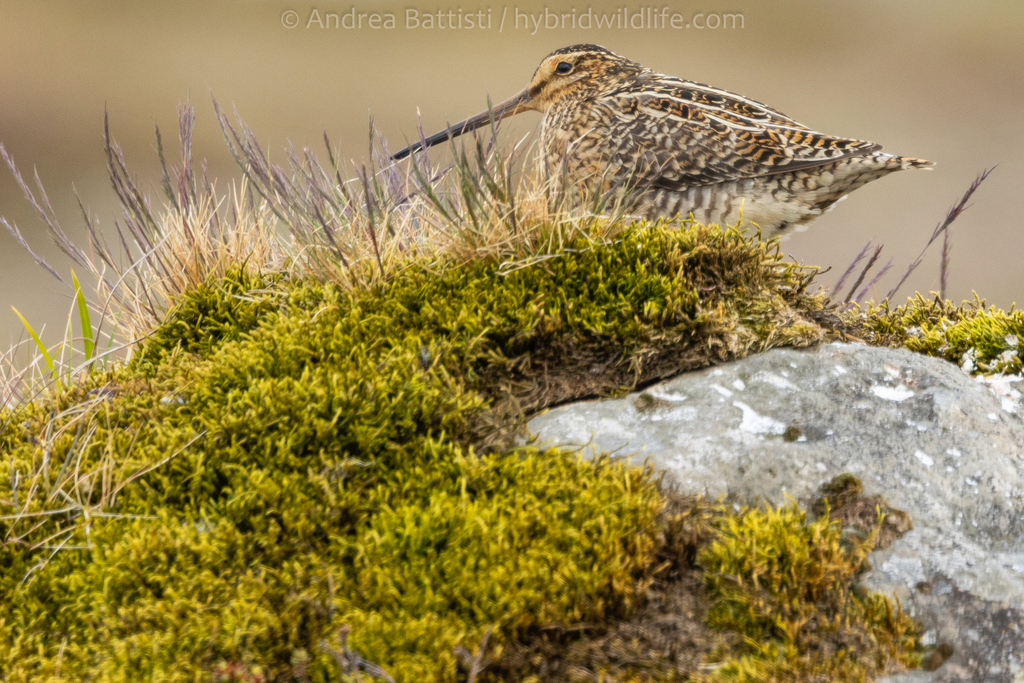
Its closest relatives
The other species of the genus Gallinago.


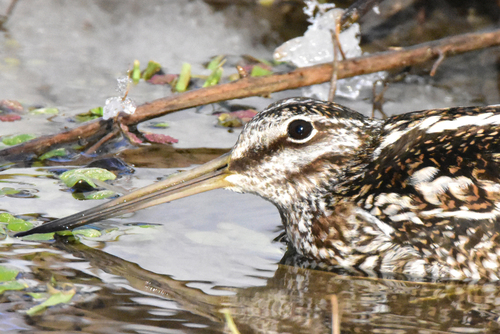
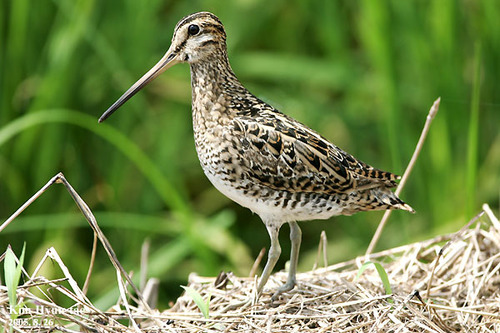

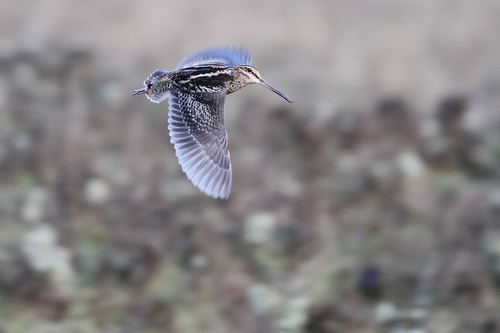
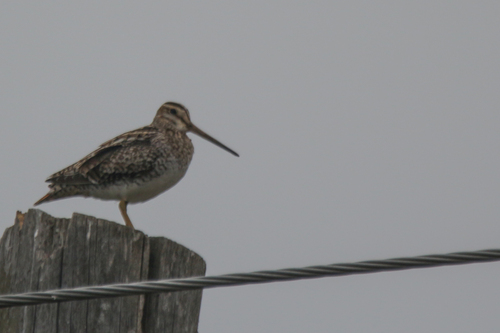
Seen a common snipe?
Share your photo on iNaturalist. Other naturalists help confirm it, and the record goes to GBIF, where scientists use it and where the maps on this page come from.
Questions people ask
What does the common snipe eat?
The common snipe has been recorded eating 20 different kinds of animals and plants, most of them amphibians. The ones recorded most often are common frog, marsh frog, edible frog, agile frog and italian agile frog; records include animals eaten as carrion. Source: GloBI.
What eats the common snipe?
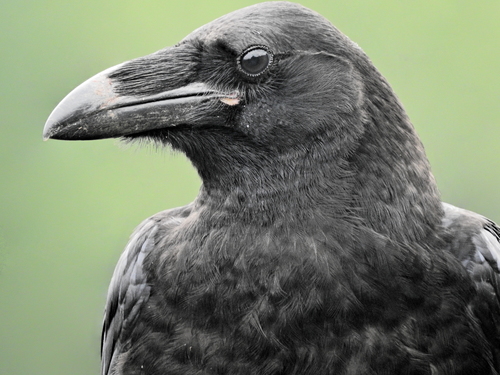
Recorded predators include grey wolf, red fox, brown bear, northern raven and eurasian badger. Source: GloBI.
Where does the common snipe live?
People have recorded it in 148 countries; the most records come from United Kingdom, Spain, India, Iceland and Taiwan. Records show where people have seen it, not its full range.
When is the common snipe seen most?
In the northern hemisphere, the most records are made in October and the fewest in July. More people outdoors also means more records.
What are the common snipe's closest relatives?
It shares the genus Gallinago with great snipe, pintail snipe, solitary snipe, swinhoe's snipe and wilson's snipe.
Sources and photo credits
- GBIF · Gallinago gallinago, 743,925 human observations
- GloBI · recorded interactions of Gallinago gallinago
- Wikidata · Common snipe (Q25692)
- Common snipe (Gallinago gallinago): Nigel Voaden, CC BY 4.0
- Common snipe (Gallinago gallinago): Carles Pastor, CC BY-SA 4.0
- Common snipe (Gallinago gallinago), Cock Bridge, Scotland, UK: Nigel Voaden, CC BY 4.0
- Common snipe (Gallinago gallinago), Medjana, Algérie: Mourad Harzallah, CC BY 4.0
- Common snipe (Gallinago gallinago), 311 Borgarnes, Islanda: Andrea Battisti, CC BY 4.0
- Common snipe (Gallinago gallinago), Медвежьегорский р-н, Респ. Карелия, Россия: Vsevolod Rudyi, CC BY 4.0
- Common snipe (Gallinago gallinago), Первомайский р-н, Киров, Кировская обл., Россия: Вячеслав Шуплецов, CC BY 4.0
- Common snipe (Gallinago gallinago), Aundh, Pune, Maharashtra, India: Dominic Best, CC0
- Common snipe (Gallinago gallinago), Lisboa, PT: Paulo Caseirito, CC0
- Common frog: Jörg Hempel, CC BY-SA 4.0
- Marsh frog: Petra & Wilfried, CC BY 4.0
- Edible frog: Luciano 95, CC BY 4.0
- Agile frog: Laurent Lebois, CC BY 4.0
- Italian agile frog: olrett, CC BY 4.0
- Greek stream frog: Bart, CC BY 4.0
- Iberian frog: Juan Rodríguez, CC BY 4.0
- Long-legged wood frog: Jan Ebr & Ivana Ebrová, CC BY 4.0
- Perez's frog: Dietmar K. L. Moser, CC BY 4.0
- Pyrenean frog: Léo Souillard, CC BY 4.0
- Grey wolf: Andrew Simon, CC BY 4.0
- Red fox: Morten Ross, CC BY 4.0
- Brown bear: Nathan Ruser, CC BY 4.0
- Northern raven: xulescu_g, CC BY-SA 4.0
- Eurasian badger: caroline legg, CC BY 4.0
- Peregrine falcon: Nicolás Villaseca Merino, CC BY-SA 4.0
- White stork: xulescu_g, CC BY-SA 4.0
- Great snipe: Christoph Moning, CC BY 4.0
- Pintail snipe: Kim, Hyun-tae, CC BY 4.0
- Solitary snipe: Kudaibergen Amirekul, CC BY-SA 4.0
- Swinhoe's snipe: Kim, Hyun-tae, CC BY 4.0
- Wilson's snipe: Gregory "Slobirdr" Smith, CC BY-SA 4.0
- Wood snipe: no rights reserved, uploaded by James Eaton, CC0
- Latham’s snipe: Andrew Bazdyrev, CC BY 4.0
Records show where people have seen and shared the common snipe, not its full range, and some countries and months are recorded far more than others. The food web lists interactions that studies have recorded somewhere in the world (GloBI), not everything it eats in one place.
Checked 2026-11-21.