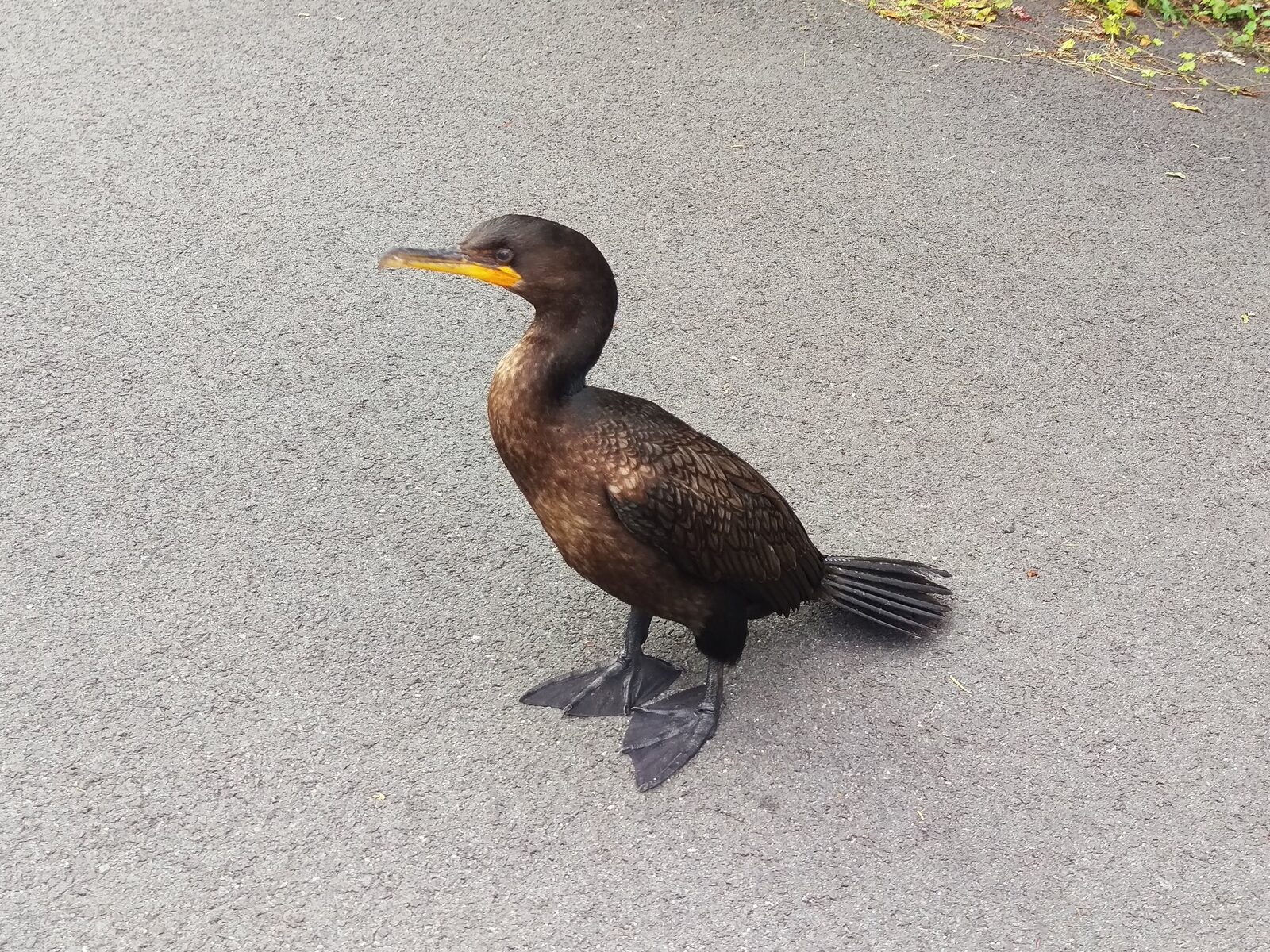
Double-crested cormorant
Nannopterum auritum
- Status
- IUCN Red List
- Eats
- Pacific herring, American eel, channel catfish and 243 more
- Eaten by
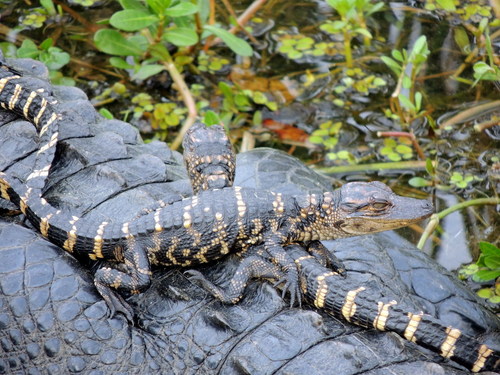
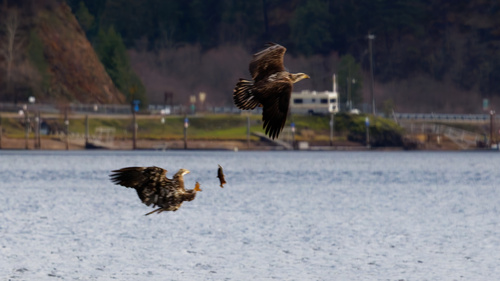
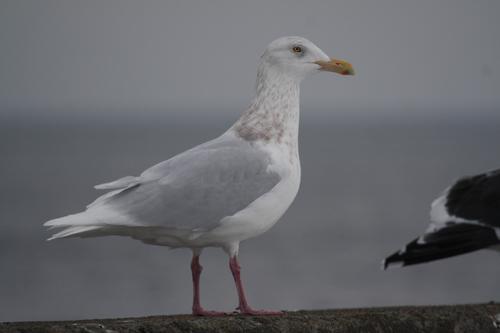
- American alligator, bald eagle, American mink
- Where
- 23 countries
People have shared 9,586,011 records of the double-crested cormorant with GBIF, from 23 countries, most of them from United States, Canada and Mexico. Records collected by GloBI show it eating 246 different kinds of animals and plants, and being eaten by 4.
In the northern hemisphere, people record it most in May and least in February. It belongs to the genus Phalacrocorax in the family Phalacrocoracidae.
What the double-crested cormorant eats, and what eats it
Studies have recorded it eating 246 kinds of animals and plants, and 4 kinds of animals eating it. Tap any of them to follow the food chain.
- Fish 218
- Crustaceans 7
- Snails and slugs 3
- Sharks and rays 2
- Mammals 1
- Shellfish 1
- Plants 1

 Double-crested cormorant
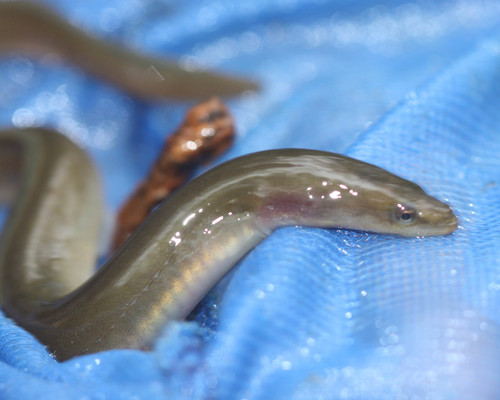
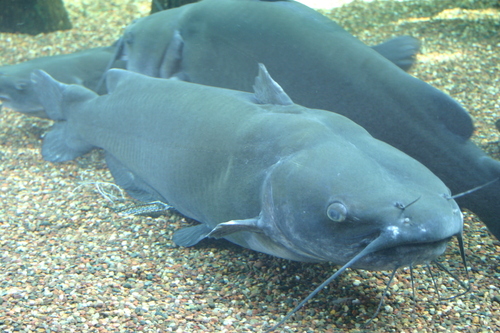
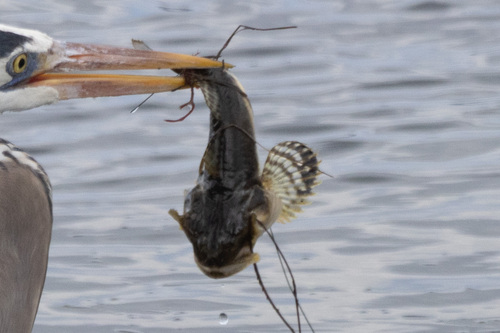
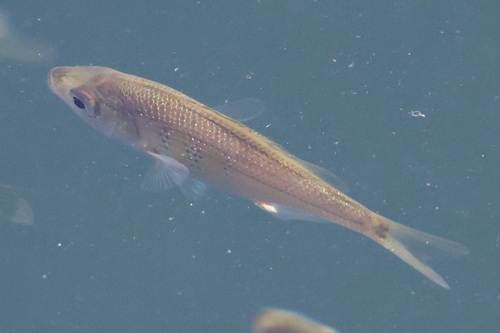
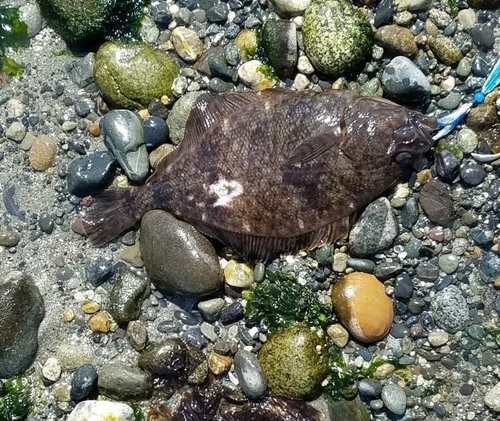
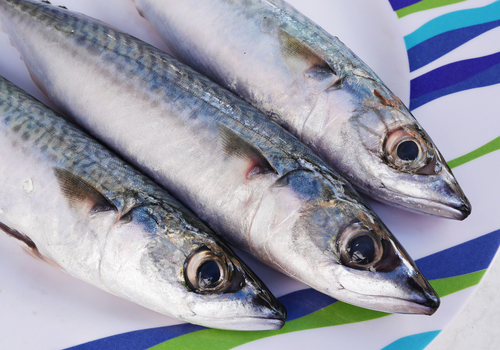


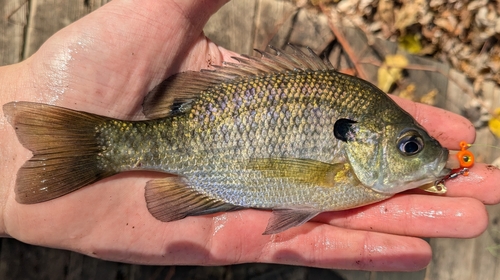
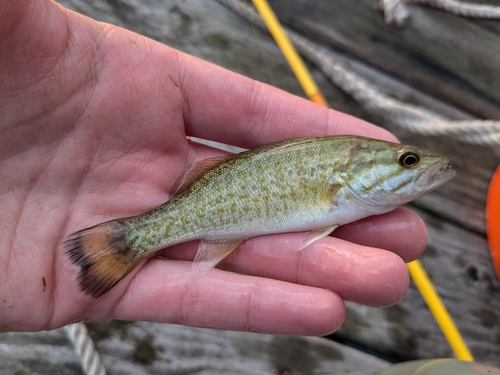

Records from studies worldwide, collected by GloBI. They include animals eaten as carrion, and they are not everything it eats in one place.
Where people see the double-crested cormorant
People have shared 9,586,011 records from 23 countries.
Records show where people have seen it and shared it, not its full range. Country names open their page in Atlas.
When it is seen
Records per month in the northern hemisphere. More people outdoors also means more records.
Watch and listen
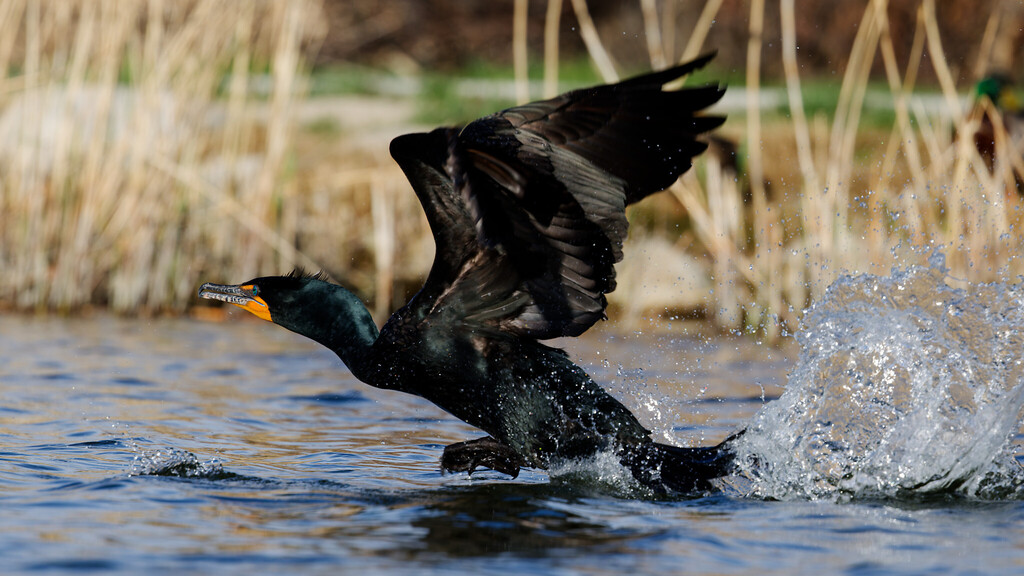
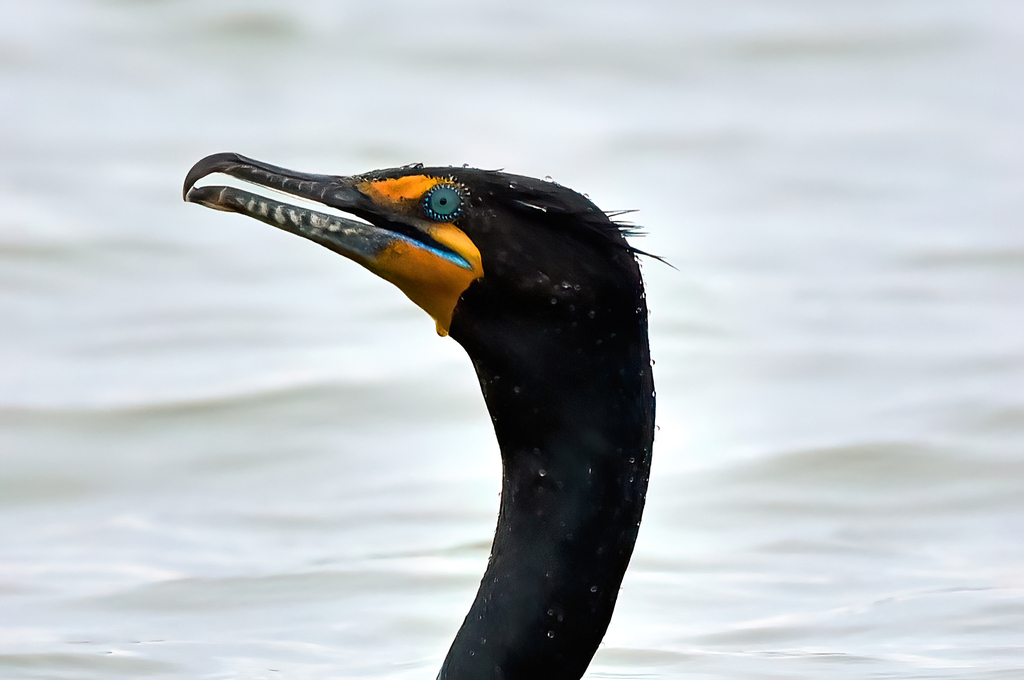
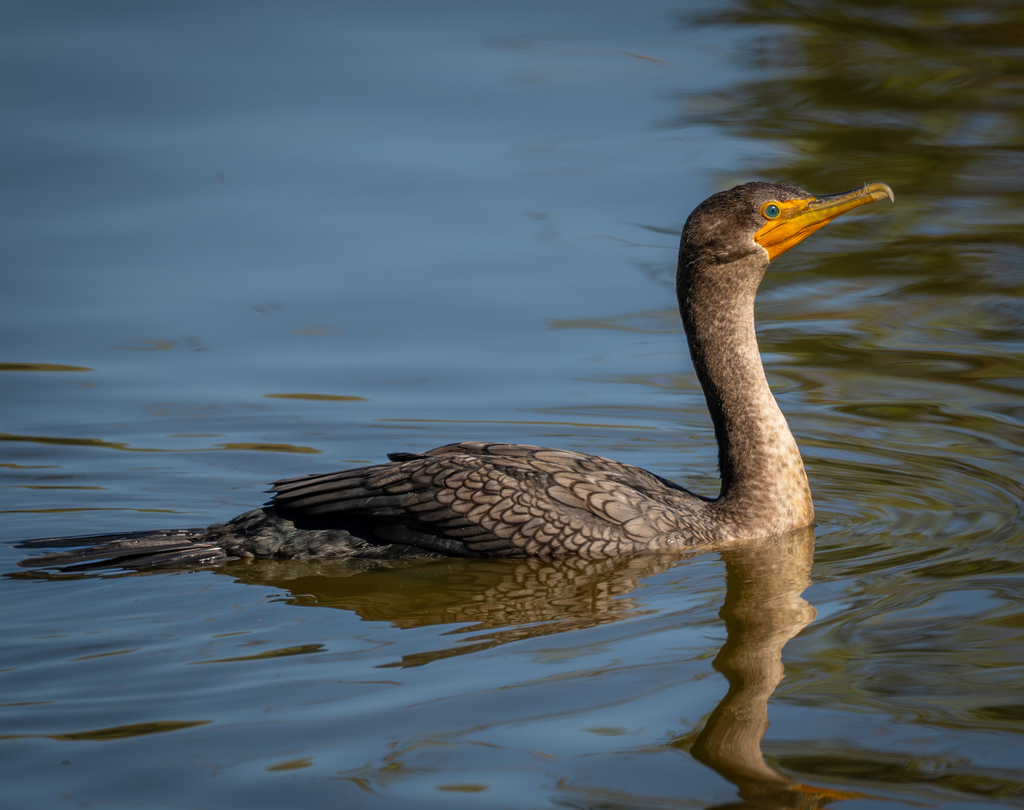
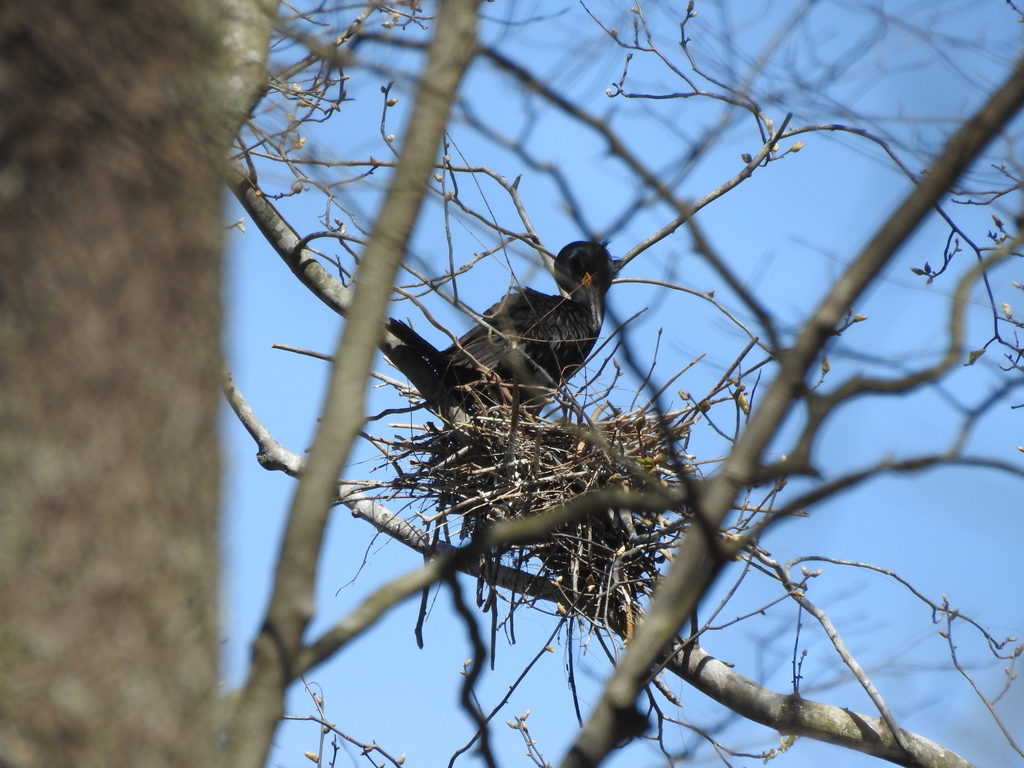
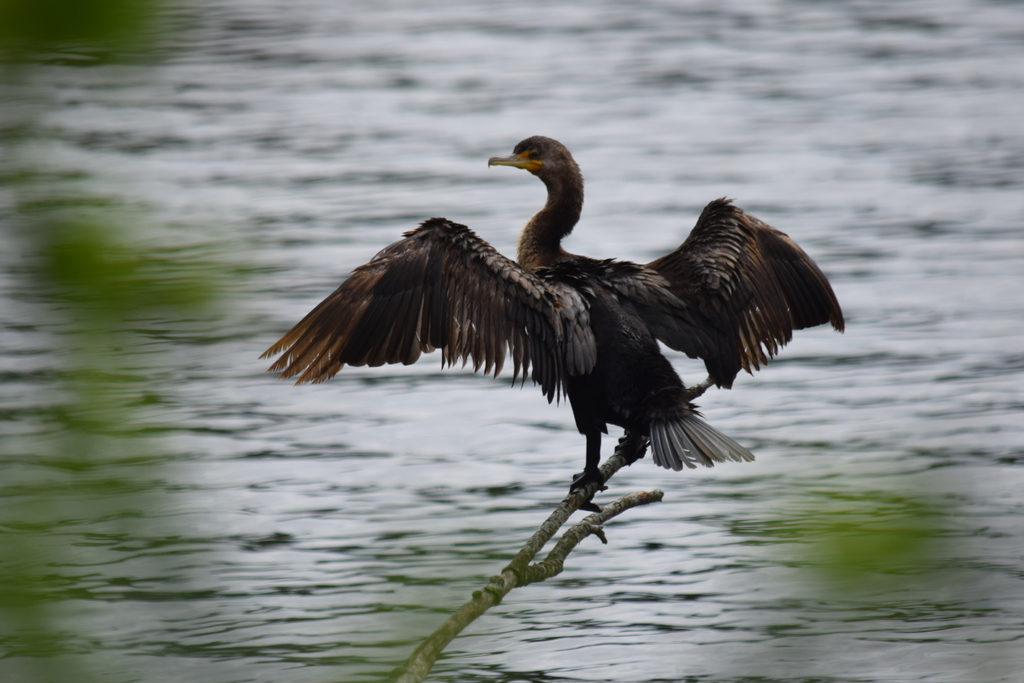
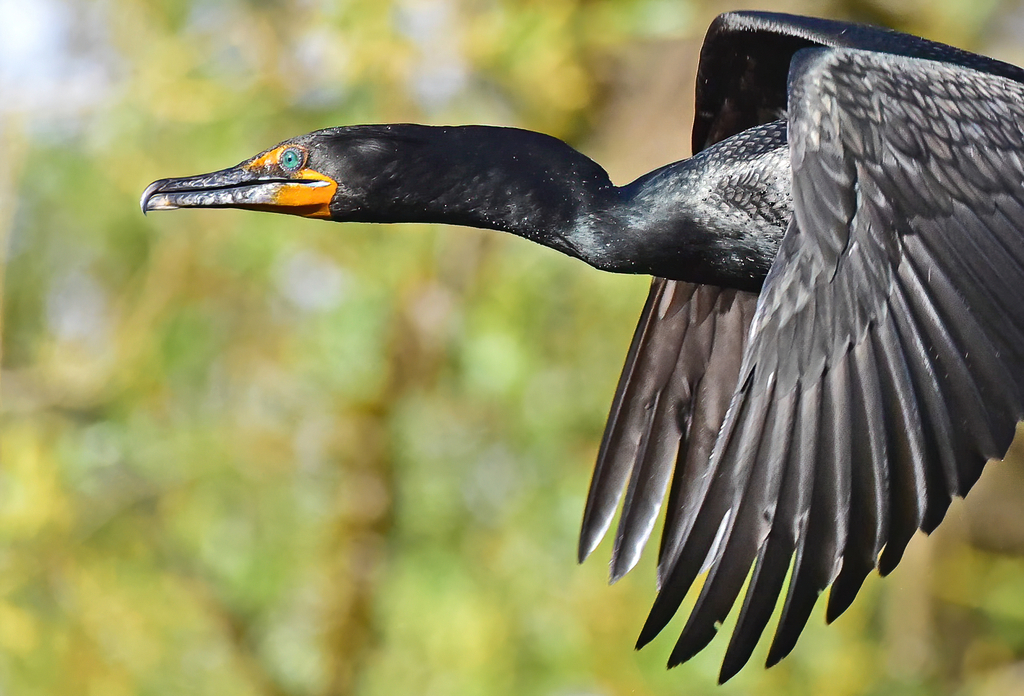
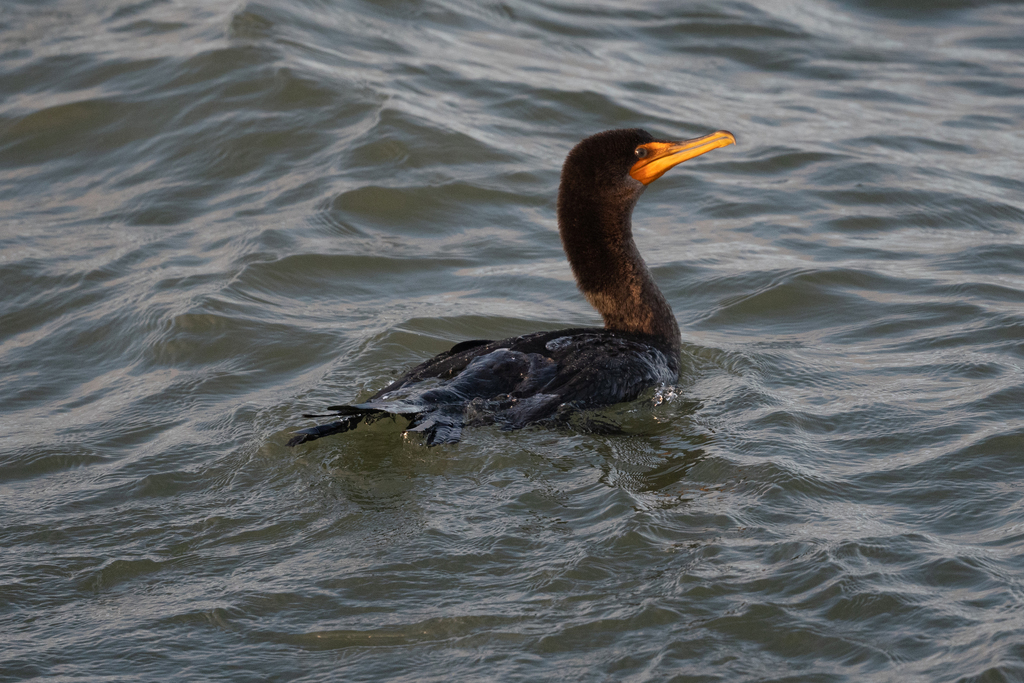
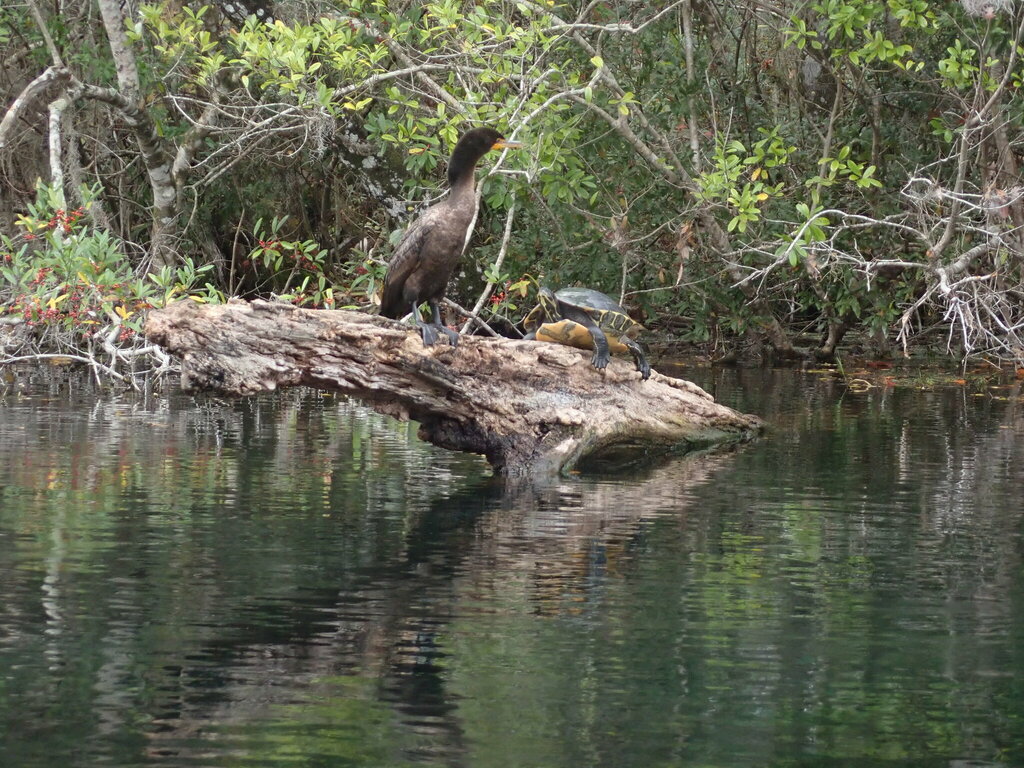
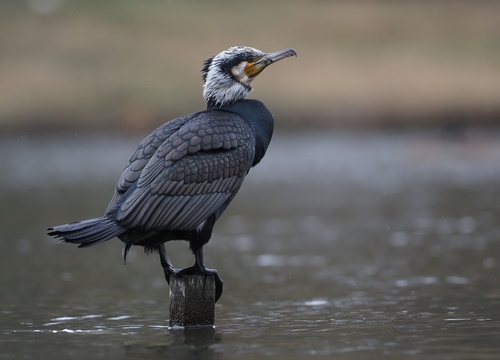
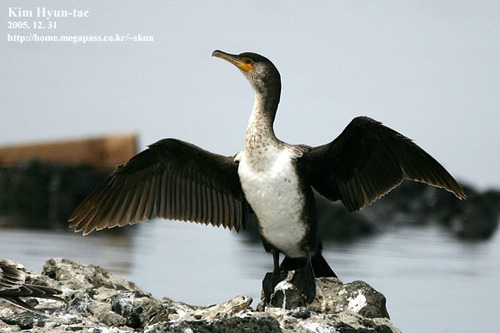
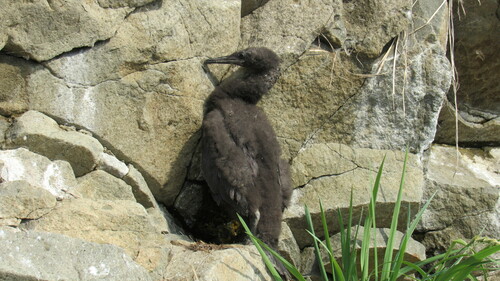
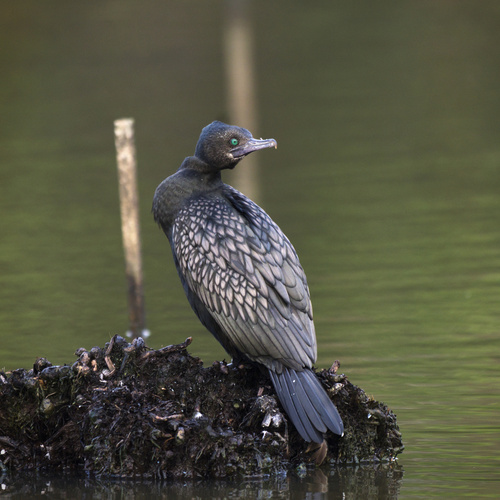
Its closest relatives
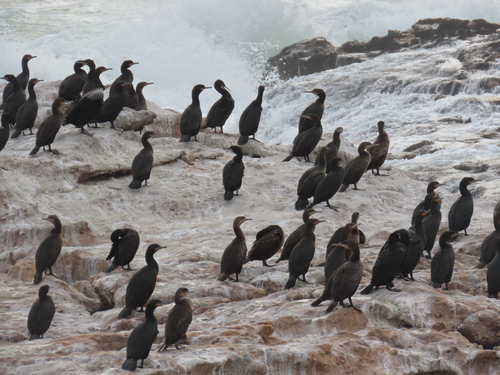
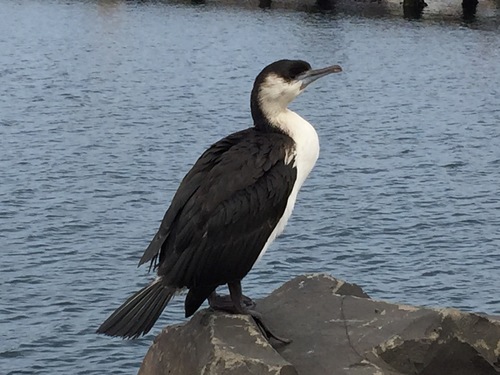
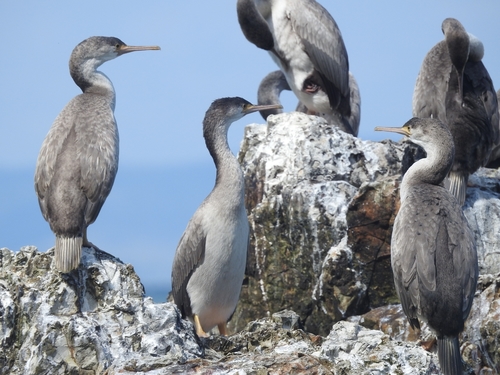
The other species of the genus Phalacrocorax.

Seen a double-crested cormorant?
Share your photo on iNaturalist. Other naturalists help confirm it, and the record goes to GBIF, where scientists use it and where the maps on this page come from.
Put this species on your site
The card names every source and links back here.
<iframe src="https://4planetatlas.com/place/embed/species/double-crested-cormorant" title="Double-crested cormorant (Nannopterum auritum), 4PLANET Species" width="100%" height="600" style="border:0;max-width:640px" loading="lazy"></iframe>
<p><a href="https://4species.com/double-crested-cormorant">Double-crested cormorant on 4PLANET Species</a></p>Questions people ask
What does the double-crested cormorant eat?
The double-crested cormorant has been recorded eating 246 different kinds of animals and plants, most of them fish, crustaceans, snails and slugs and sharks and rays. The ones recorded most often are pacific herring, american eel, channel catfish, pacific staghorn sculpin and shiner perch; records include animals eaten as carrion. Source: GloBI.
What eats the double-crested cormorant?
Recorded predators include american alligator, bald eagle, american mink and glaucous gull. Source: GloBI.
Where does the double-crested cormorant live?
People have recorded it in 23 countries; the most records come from United States, Canada, Mexico, Belize and Cuba. Records show where people have seen it, not its full range.
When is the double-crested cormorant seen most?
In the northern hemisphere, the most records are made in May and the fewest in February. More people outdoors also means more records.
What are the double-crested cormorant's closest relatives?
It shares the genus Phalacrocorax with great cormorant, indian cormorant, japanese cormorant, red-faced cormorant and little black cormorant.
Sources and photo credits
- GBIF · Nannopterum auritum, 9,586,011 human observations
- GloBI · recorded interactions of Nannopterum auritum
- Double-crested cormorant (Nannopterum auritum): Alexis Tinker-Tsavalas, CC BY 4.0
- Double-crested cormorant (Nannopterum auritum), Grandpa's pond, Sandy, UT 84070, USA: Daughter Dad, CC BY 4.0
- Double-crested cormorant (Nannopterum auritum), West Side, Vancouver, BC, Canada: Marcel_Pepin, CC BY 4.0
- Double-crested cormorant (Nannopterum auritum), Alameda, CA, USA: Claude Lyneis, CC0
- Double-crested cormorant (Nannopterum auritum), Sevier County, TN, USA: Yann Kemper, CC0
- Double-crested cormorant (Nannopterum auritum), Sussex County, DE, USA: inbetweenbays, CC BY 4.0
- Double-crested cormorant (Nannopterum auritum), West Side, Vancouver, BC, Canada: Marcel_Pepin, CC BY 4.0
- Double-crested cormorant (Nannopterum auritum), Alameda, California, United States: Jonathan Eisen, CC BY 4.0
- Double-crested cormorant (Nannopterum auritum), Marion County, FL, USA: elik03, CC BY 4.0
- American eel: no rights reserved, uploaded by Scott Loarie, CC0
- Channel catfish: Ryan Somma, CC BY-SA 4.0
- Pacific staghorn sculpin: Jodhan Fine, CC0
- Shiner perch: eebee, CC BY 4.0
- Pacific sanddab: Kyle O'Block, CC BY 4.0
- Atlantic mackerel: Petar Milošević, CC BY-SA 4.0
- Three-spined stickleback: Kasper Malmberg, CC BY 4.0
- Brown bullhead: Ken-ichi Ueda, CC BY 4.0
- Bluegill: Quinn, CC BY 4.0
- Smallmouth bass: Quinn, CC BY 4.0
- Black bullhead: Sam Kieschnick, CC BY 4.0
- American alligator: no rights reserved, uploaded by Vijay Barve, CC0
- Bald eagle: Daughter Dad, CC BY 4.0
- American mink: no rights reserved, uploaded by Edwin Wilke, CC0
- Glaucous gull: Alastair Rae, CC BY-SA 4.0
- Great cormorant: Frank Vassen, CC BY 4.0
- Indian cormorant: Thibaud Aronson, CC BY-SA 4.0
- Japanese cormorant: Kim, Hyun-tae, CC BY 4.0
- Red-faced cormorant: Светлана Царахова, CC0
- Little black cormorant: Thomas Jaeger, CC BY 4.0
- Cape cormorant: Adele SL, CC BY 4.0
- Black-faced cormorant: rappman, CC BY 4.0
- Spotted shag: Joe Dillon, CC BY 4.0
Records show where people have seen and shared the double-crested cormorant, not its full range, and some countries and months are recorded far more than others. The food web lists interactions that studies have recorded somewhere in the world (GloBI), not everything it eats in one place.
Checked 2026-11-26.