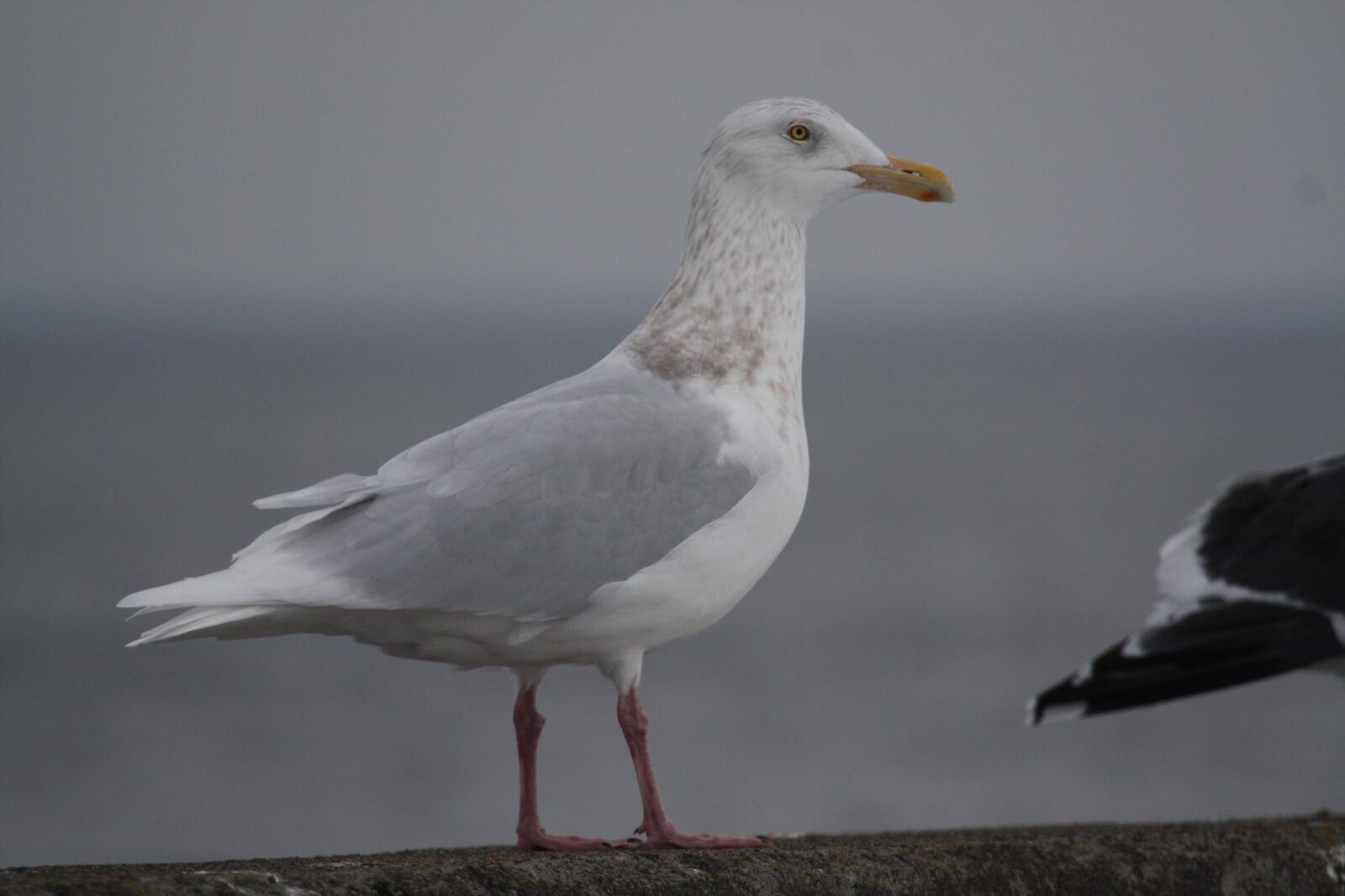
Glaucous gull
Larus hyperboreus
- Status
- Least Concern IUCN Red List
- Eats
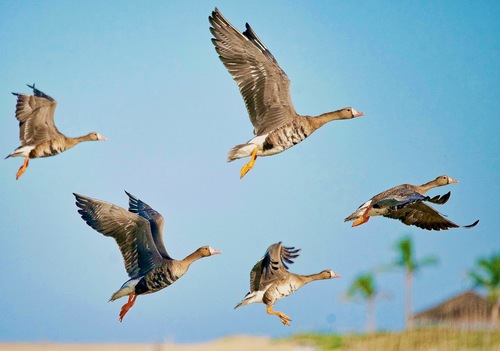
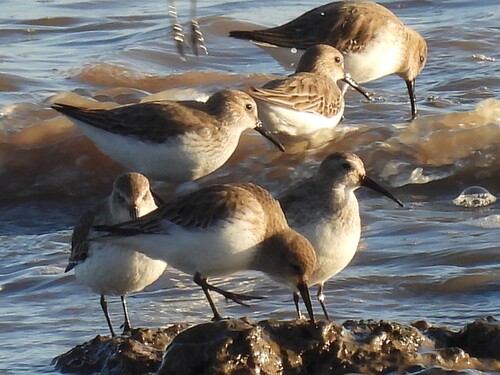
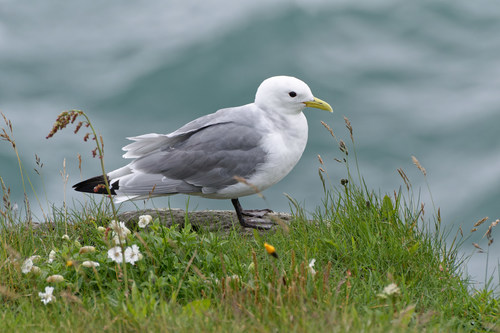
- greater white-fronted goose, dunlin, black-legged kittiwake and 89 more
- Eaten by
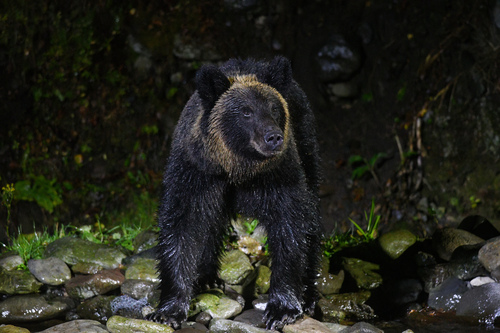
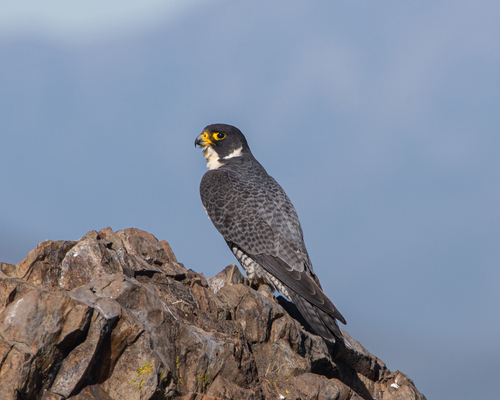
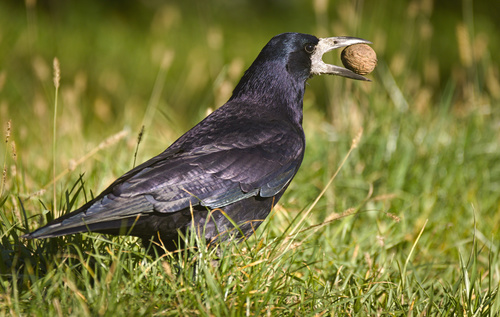
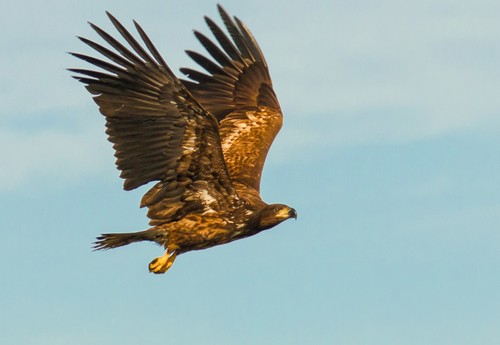
- grey wolf, red fox, brown bear
- Where
- 51 countries · tundra
On 4Planet Atlas it is among the wildlife people record most around Reykjavík.
People have shared 273,669 records of the glaucous gull with GBIF, from 51 countries, most of them from United States, Canada and Iceland. Records collected by GloBI show it eating 92 different kinds of animals and plants, and being eaten by 15.
Habitats
What the glaucous gull eats, and what eats it
Studies have recorded it eating 92 kinds of animals and plants, and 15 kinds of animals eating it. Tap any of them to follow the food chain.
- Birds 45
- Fish 30
- Mammals 6
- Crustaceans 5
- Sharks and rays 2
- Plants 1
Eaten by



 Glaucous gull
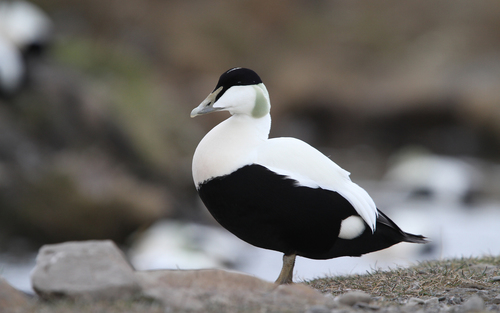
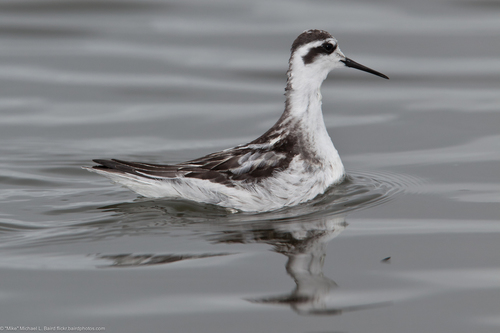
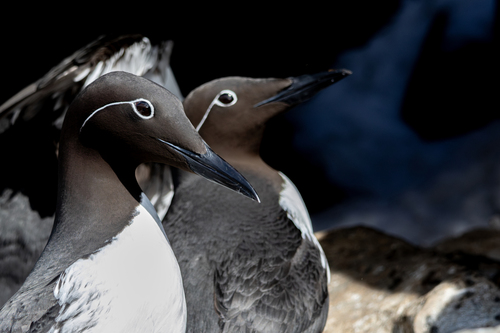
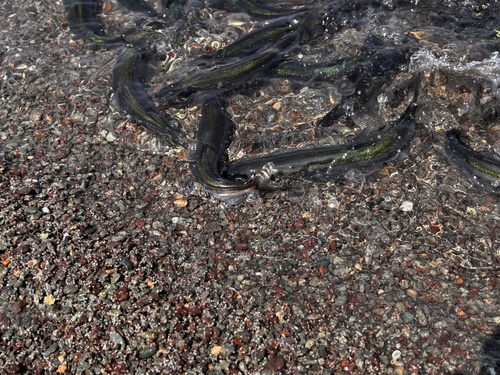
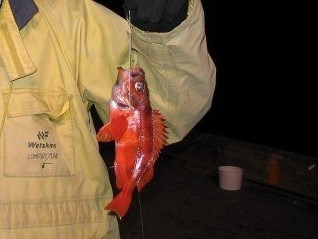
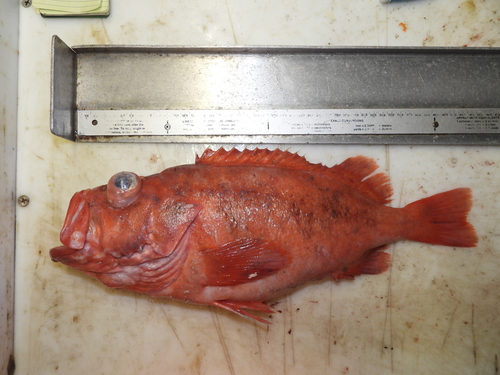
Records from studies worldwide, collected by GloBI. They include animals eaten as carrion, and they are not everything it eats in one place.
Where people see the glaucous gull
People have shared 273,669 records from 51 countries.
Near a city: Reykjavík.
Records show where people have seen it and shared it, not its full range. Country names open their page in Atlas.
When it is seen
Records per month in the northern hemisphere. More people outdoors also means more records.
Watch and listen
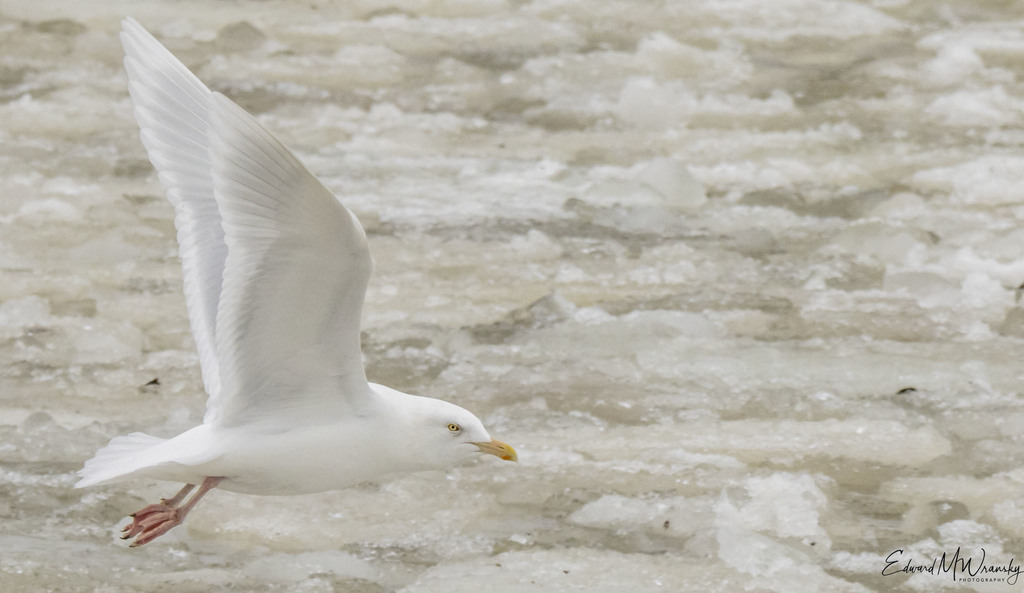
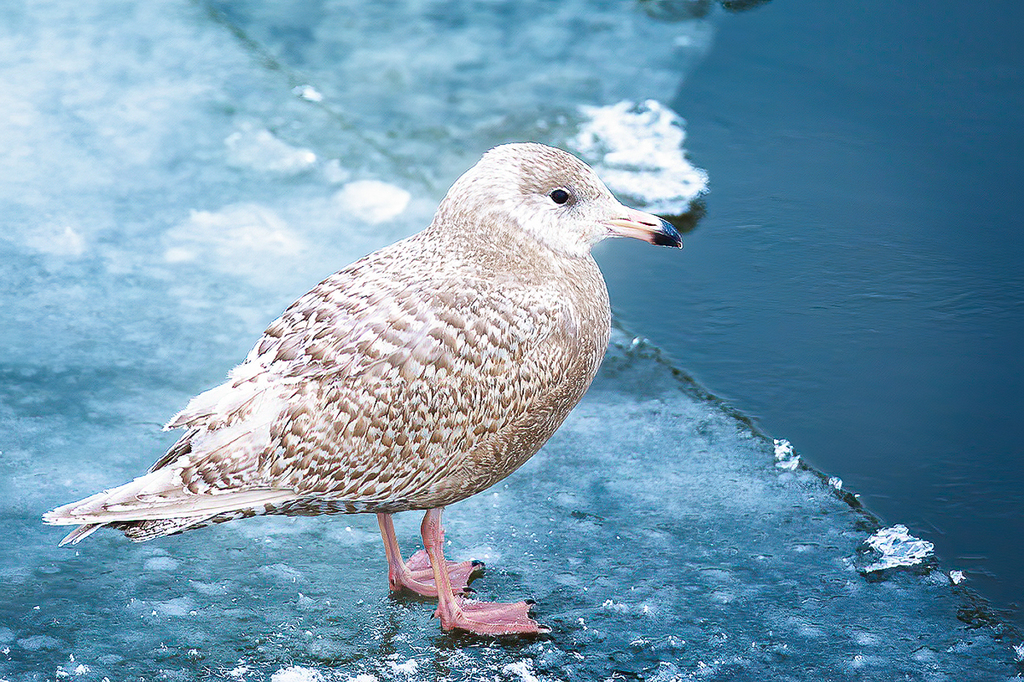
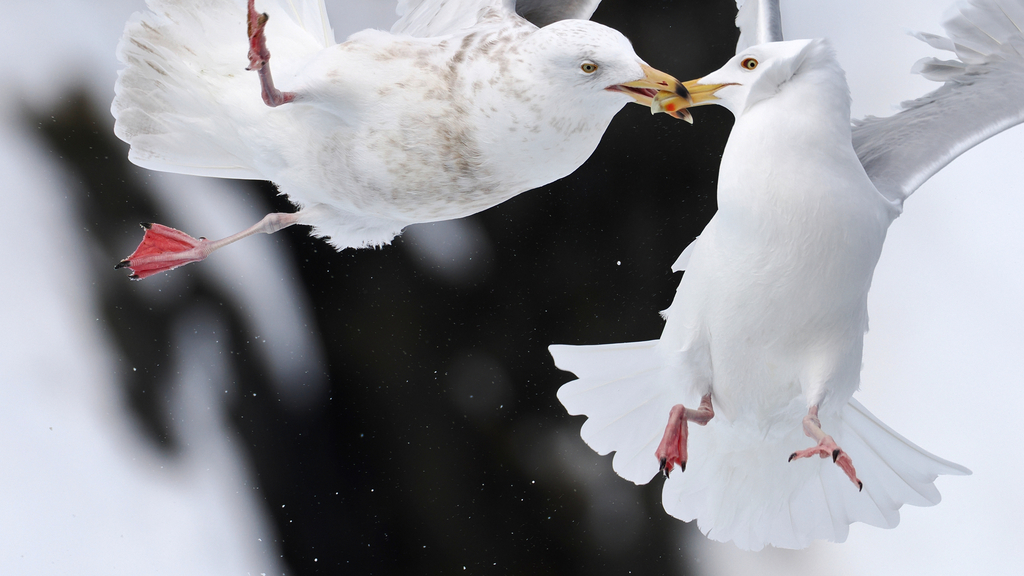
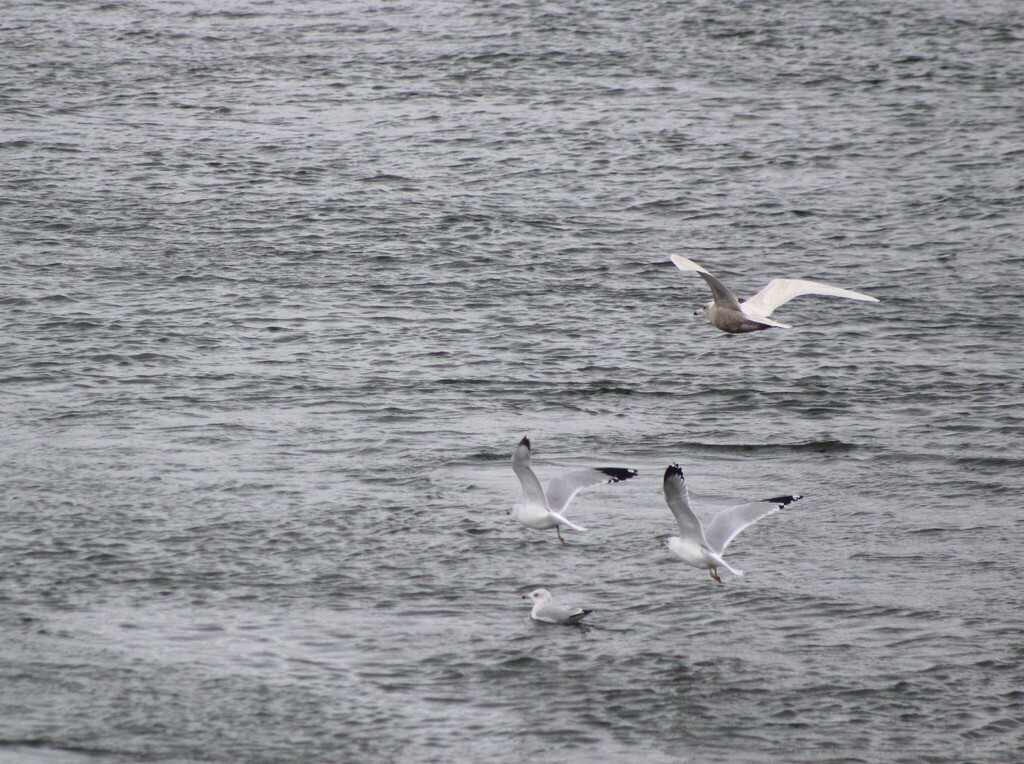
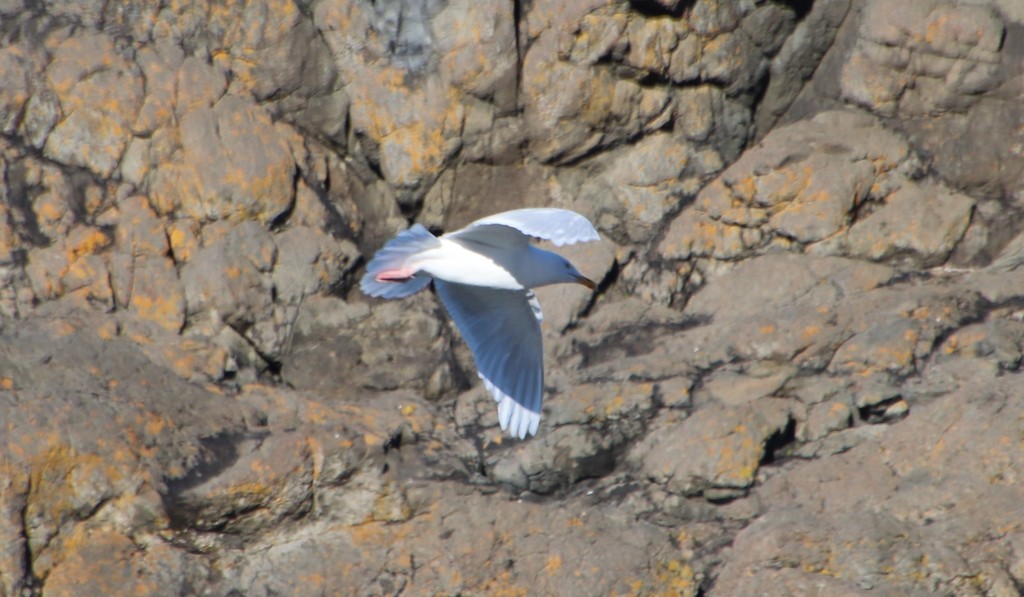
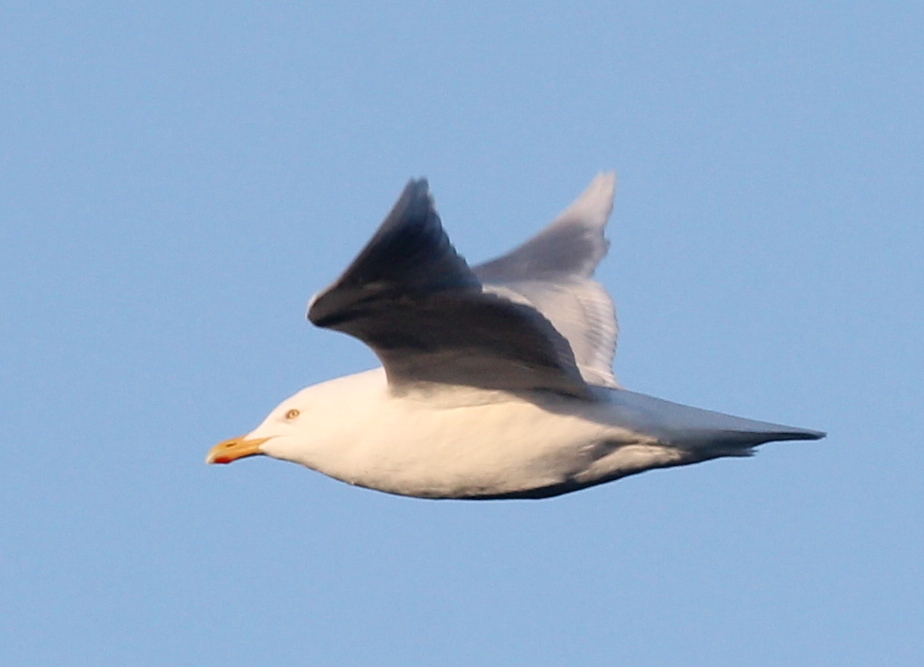
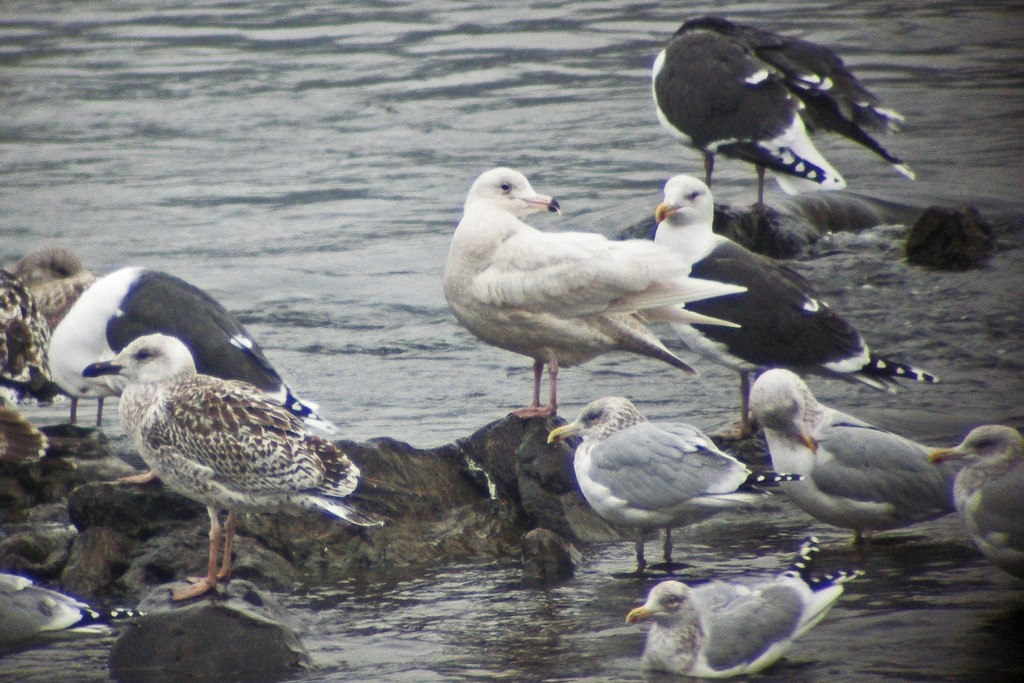
Its closest relatives
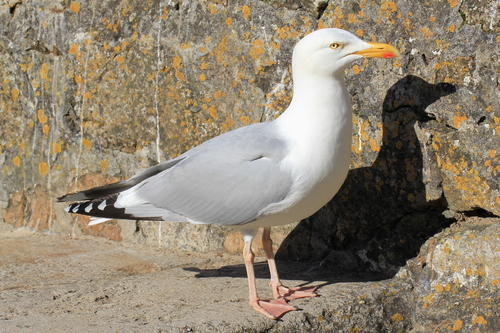
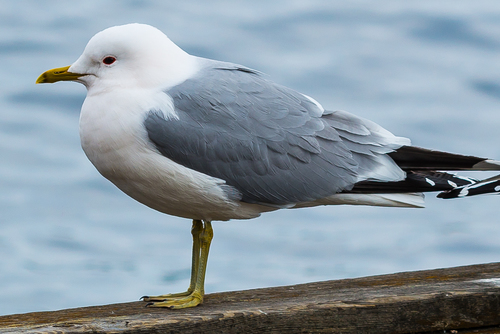
The other species of the genus Larus.
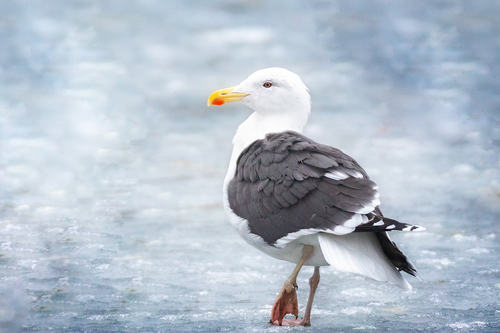

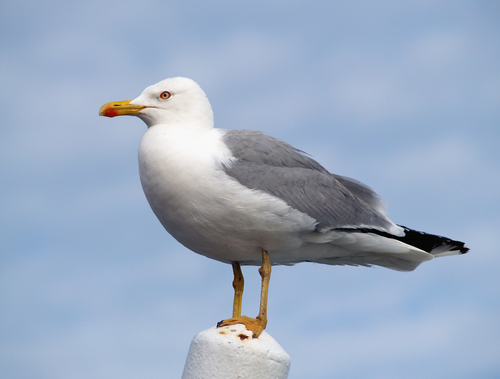
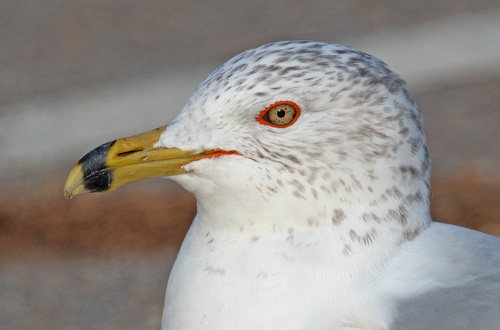
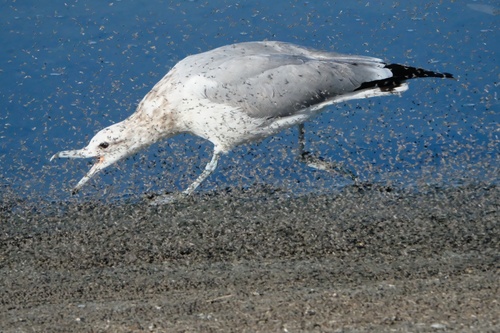
Seen a glaucous gull?
Share your photo on iNaturalist. Other naturalists help confirm it, and the record goes to GBIF, where scientists use it and where the maps on this page come from.
Put this species on your site
The card names every source and links back here.
<iframe src="https://4planetatlas.com/place/embed/species/glaucous-gull" title="Glaucous gull (Larus hyperboreus), 4PLANET Species" width="100%" height="600" style="border:0;max-width:640px" loading="lazy"></iframe>
<p><a href="https://4species.com/glaucous-gull">Glaucous gull on 4PLANET Species</a></p>Explore next
What puts the glaucous gull under pressure, what helps, and who works on it.
Questions people ask
What does the glaucous gull eat?
The glaucous gull has been recorded eating 92 different kinds of animals and plants, most of them birds, fish, mammals and crustaceans. The ones recorded most often are greater white-fronted goose, dunlin, black-legged kittiwake, common eider and red-necked phalarope; records include animals eaten as carrion. Source: GloBI.
What eats the glaucous gull?
Recorded predators include grey wolf, red fox, brown bear, northern raven and peregrine falcon. Source: GloBI.
Where does the glaucous gull live?
People have recorded it in 51 countries; the most records come from United States, Canada, Iceland, United Kingdom and Svalbard & Jan Mayen. Records show where people have seen it, not its full range.
When is the glaucous gull seen most?
In the northern hemisphere, the most records are made in January and the fewest in October. More people outdoors also means more records.
What are the glaucous gull's closest relatives?
It shares the genus Larus with european herring gull, common gull, great black-backed gull, caspian gull and yellow-legged gull.
Sources and photo credits
- GBIF · Larus hyperboreus, 273,669 human observations
- GloBI · recorded interactions of Larus hyperboreus
- Wikidata · Glaucous gull (Q27375)
- Glaucous gull (Larus hyperboreus): Alastair Rae, CC BY-SA 4.0
- Glaucous gull (Larus hyperboreus), Lorain, OH, USA: ewransky, CC BY-SA 4.0
- Glaucous gull (Larus hyperboreus), Западный административный округ, Москва, Россия: egorbirder, CC BY 4.0
- Glaucous gull (Larus hyperboreus), Svalbard, Svalbard and Jan Mayen: steve b, CC0
- Glaucous gull (Larus hyperboreus), FHX8+HGQ Pick City, ND: msieges, CC0
- Glaucous gull (Larus hyperboreus), Barents Sea: Георгий Виноградов (Georgy Vinogradov), CC BY 4.0
- Glaucous gull (Larus hyperboreus), Ísafjarðarbær, IS-VF, IS: Millie Basden, CC BY 4.0
- Glaucous gull (Larus hyperboreus), Longyearbyen, Svalbard and Jan Mayen: Jan Ebr & Ivana Ebrová, CC BY 4.0
- Glaucous gull (Larus hyperboreus), Pennsylvania, United States: Bill Keim, CC BY 4.0
- Greater white-fronted goose: Bill Levine, CC BY 4.0
- Dunlin: Phil James, CC BY 4.0
- Black-legged kittiwake: Donald Davesne, CC BY 4.0
- Common eider: Christoph Moning, CC BY 4.0
- Red-necked phalarope: Mike Baird, CC BY 4.0
- Common murre: Diego González Dopico, CC BY 4.0
- Capelin: Scott Edmunds, CC0
- Deepwater redfish: Tristan Jobin, CC BY 4.0
- Red-fish: Julien Savoie, CC BY 4.0
- Grey wolf: Andrew Simon, CC BY 4.0
- Red fox: Алина Урусова, CC BY 4.0
- Brown bear: Nathan Ruser, CC BY 4.0
- Northern raven: xulescu_g, CC BY-SA 4.0
- Peregrine falcon: Nicolás Villaseca Merino, CC BY-SA 4.0
- Rook: hedera.baltica, CC BY-SA 4.0
- White-tailed eagle: Алина Урусова, CC BY 4.0
- European herring gull: Stu's Images, CC BY-SA 4.0
- Common gull: Bengt Nyman, CC BY 4.0
- Great black-backed gull: egorbirder, CC BY 4.0
- Caspian gull: Katya, CC BY 4.0
- Yellow-legged gull: Jörg Hempel, CC BY-SA 4.0
- Iceland gull: Elizabeth Axley, CC BY 4.0
- Ring-billed gull: Judy Gallagher, CC BY-SA 4.0
- California gull: Madeleine Claire, CC BY 4.0
Records show where people have seen and shared the glaucous gull, not its full range, and some countries and months are recorded far more than others. The food web lists interactions that studies have recorded somewhere in the world (GloBI), not everything it eats in one place.
Checked 2026-11-23.