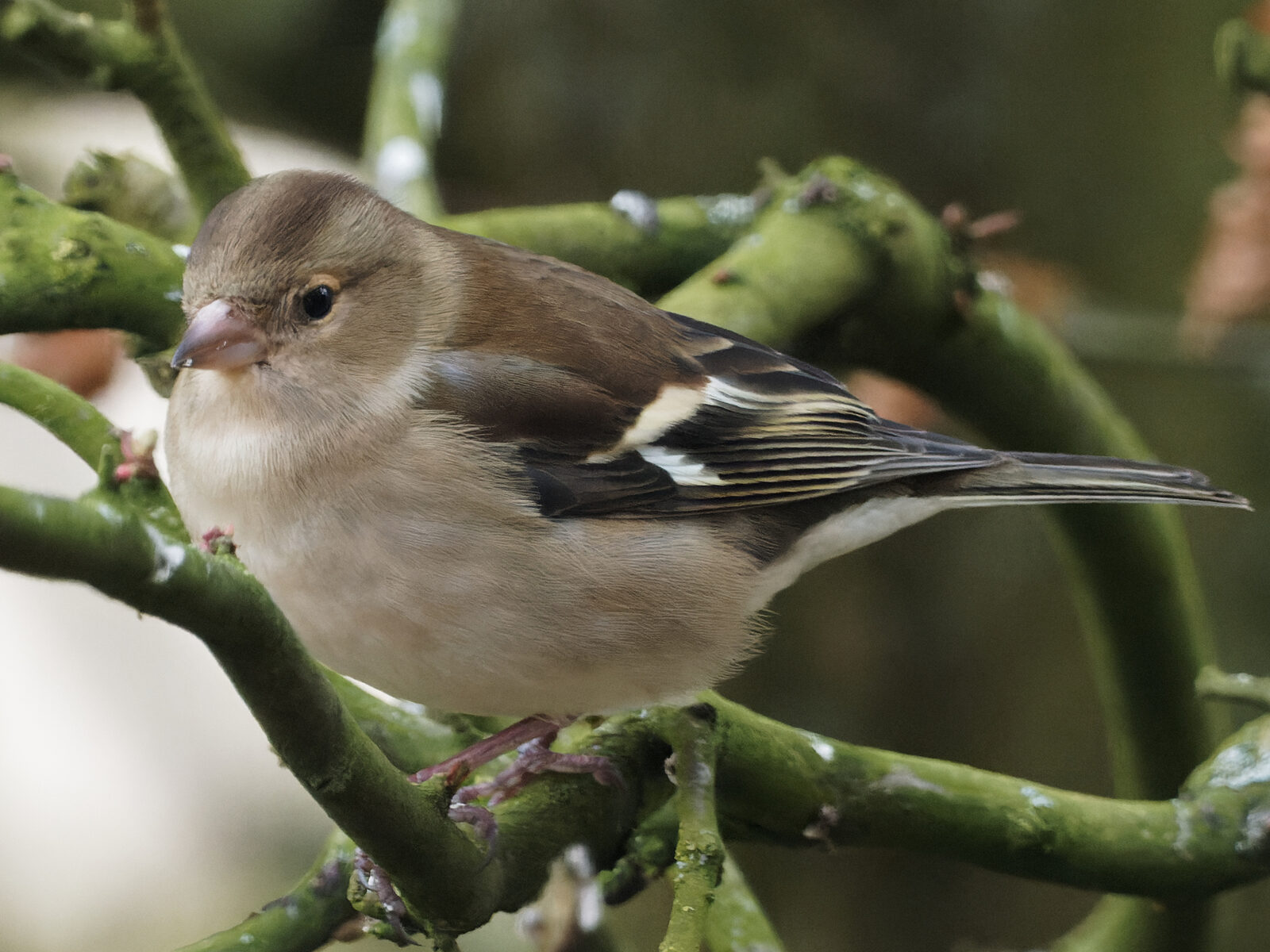
Eurasian chaffinch
Fringilla coelebs
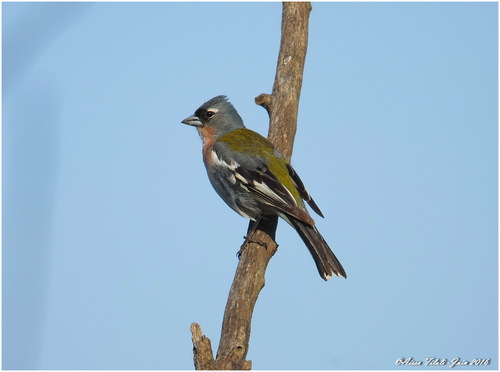
The male chaffinch has a pink face and breast and a blue-grey cap; its song ends with a cheerful flourish.
- Status
- Least Concern IUCN Red List
- Eats
- beech, sweet chestnut, field bindweed and 3,871 more
- Eaten by
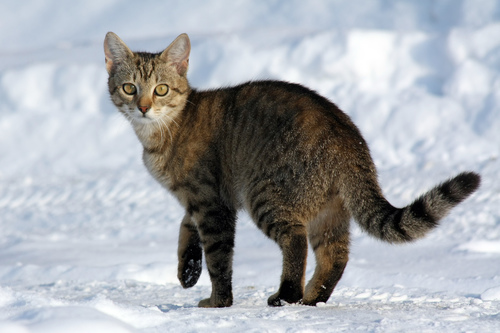
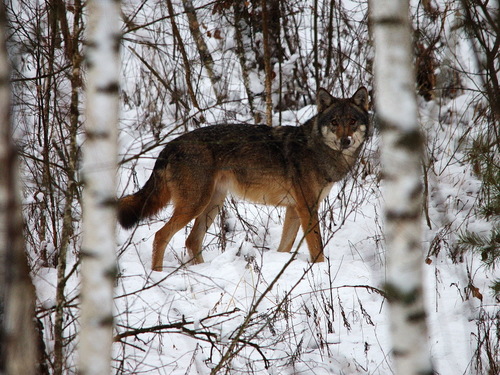
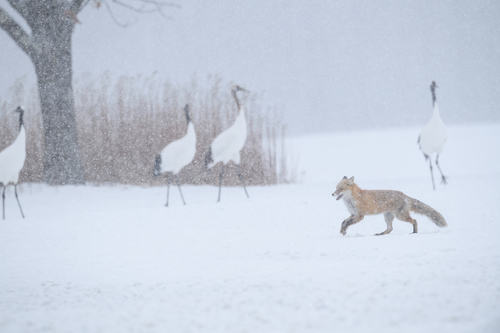
- cat, Eurasian red squirrel, grey wolf
- Where
- 89 countries
On 4Planet Atlas it is among the wildlife people record most around Amsterdam, Athens and Auckland, and 16 more of the cities we cover.
People have shared 3,268,885 records of the eurasian chaffinch with GBIF, from 89 countries, most of them from United Kingdom, Spain and New Zealand. Records collected by GloBI show it eating 3,874 different kinds of animals and plants, and being eaten by 53.
What the Eurasian chaffinch eats, and what eats it
Studies have recorded it eating 3,874 kinds of animals and plants, and 53 kinds of animals eating it. Tap any of them to follow the food chain.
- Plants 1,928
- Insects 1,399
- Snails and slugs 3
- Birds 1
Eaten by

 Eurasian chaffinch


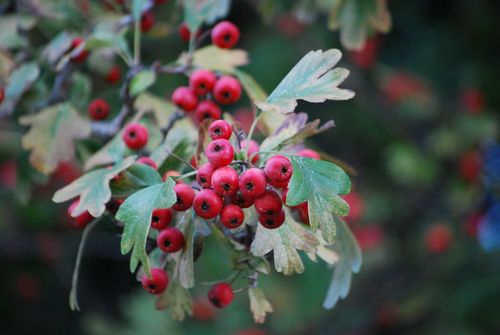
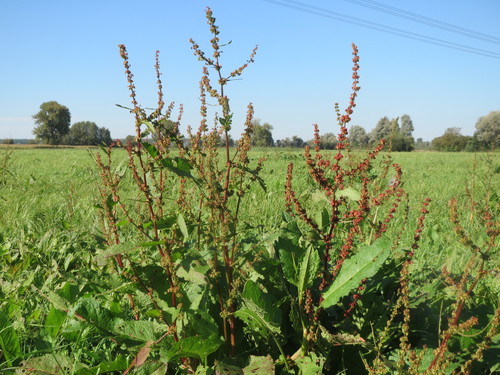

Records from studies worldwide, collected by GloBI. They include animals eaten as carrion, and they are not everything it eats in one place.
Where people see the Eurasian chaffinch
People have shared 3,268,885 records from 89 countries.
Near a city: Amsterdam, Athens, Auckland, Bergen, Berlin, Brussels, Cape Town, Copenhagen, Helsinki, Lisbon, London, Madrid, Oslo, Paris, Prague, Rome, Stockholm, Vienna, Warsaw.
Records show where people have seen it and shared it, not its full range. Country names open their page in Atlas.
When it is seen
Records per month in the northern hemisphere. More people outdoors also means more records.
Watch and listen
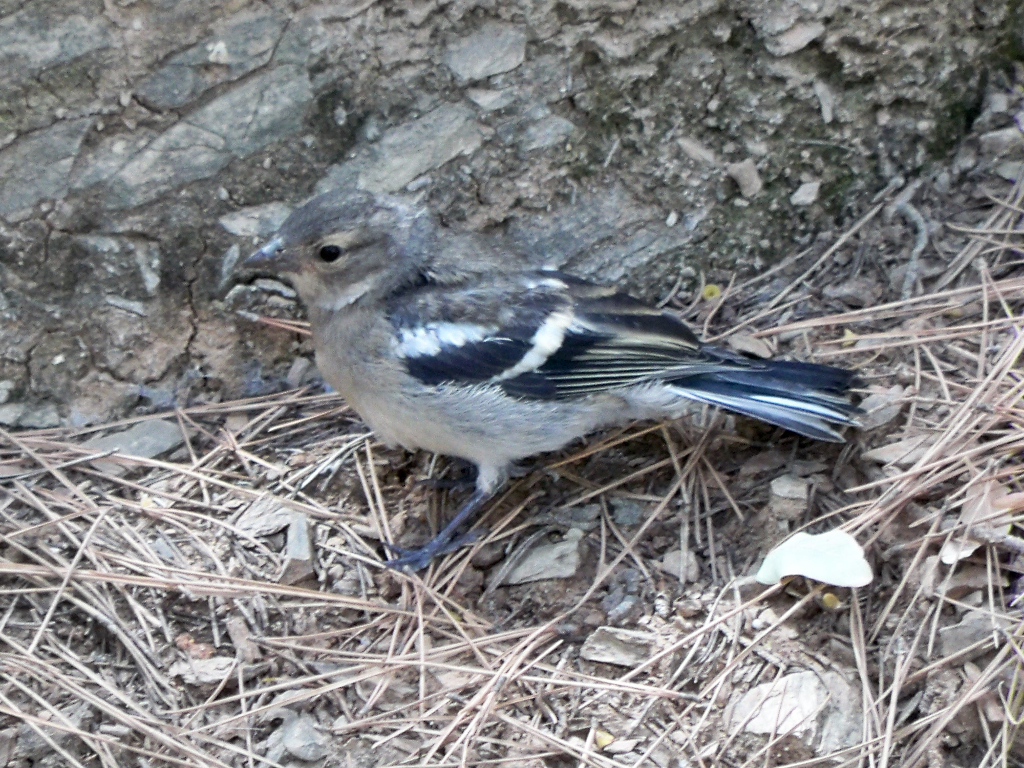


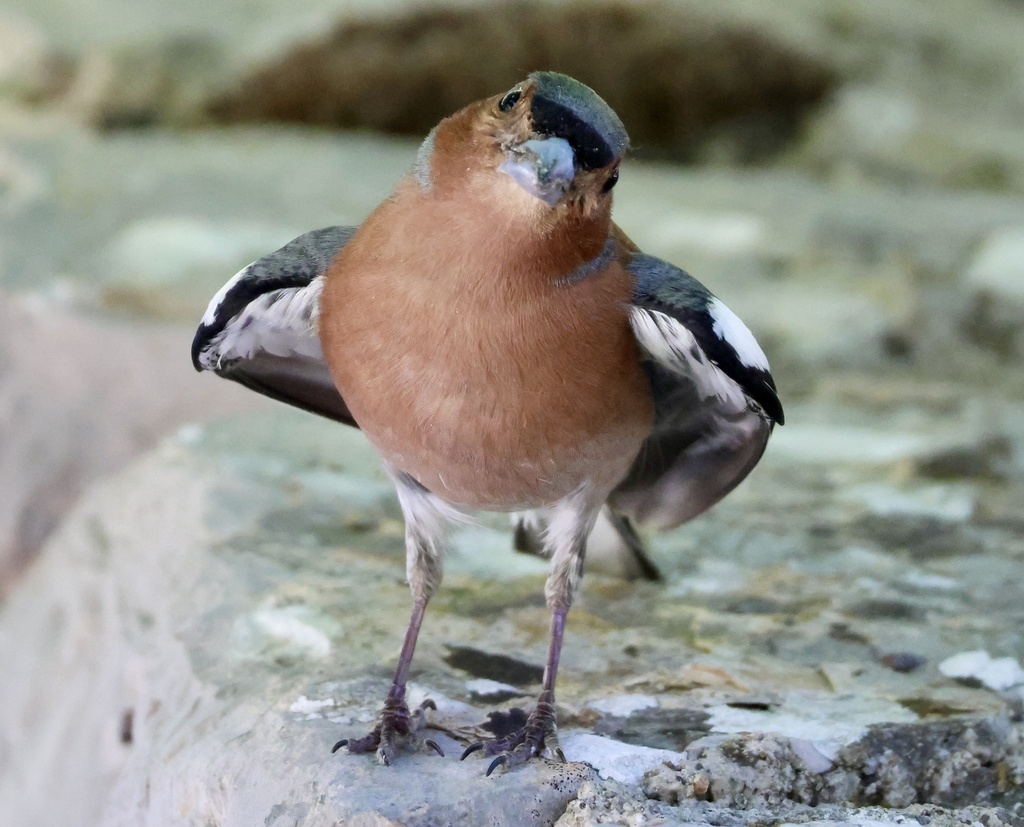
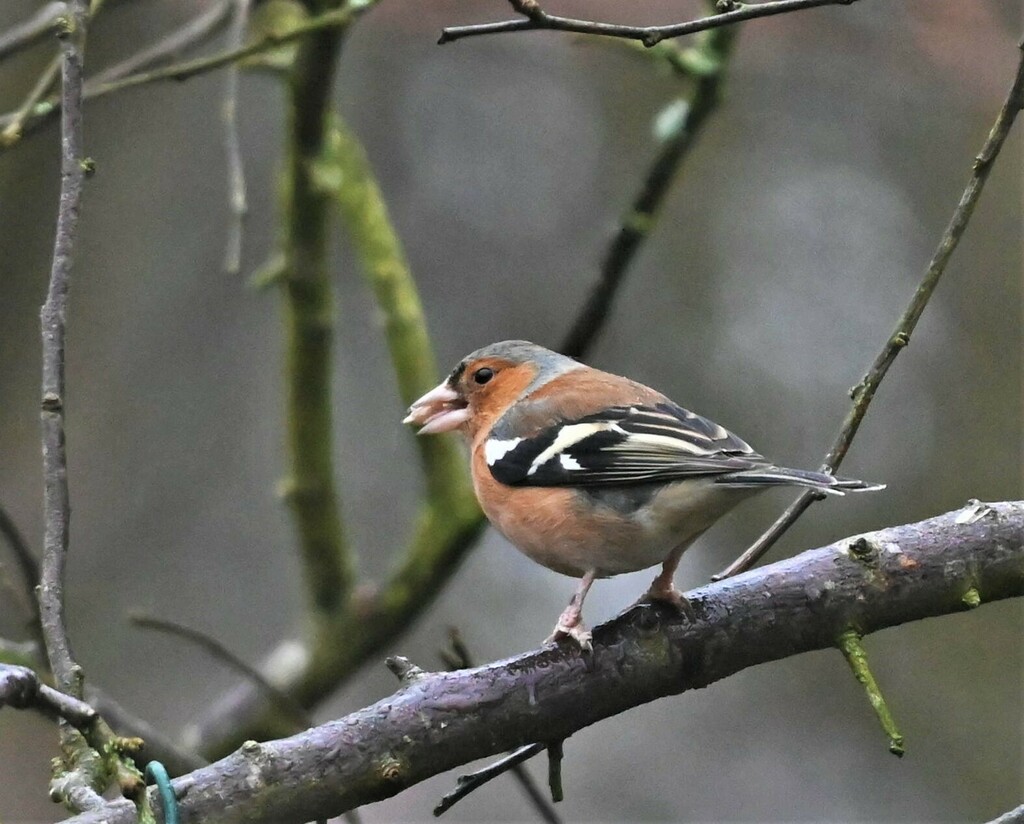
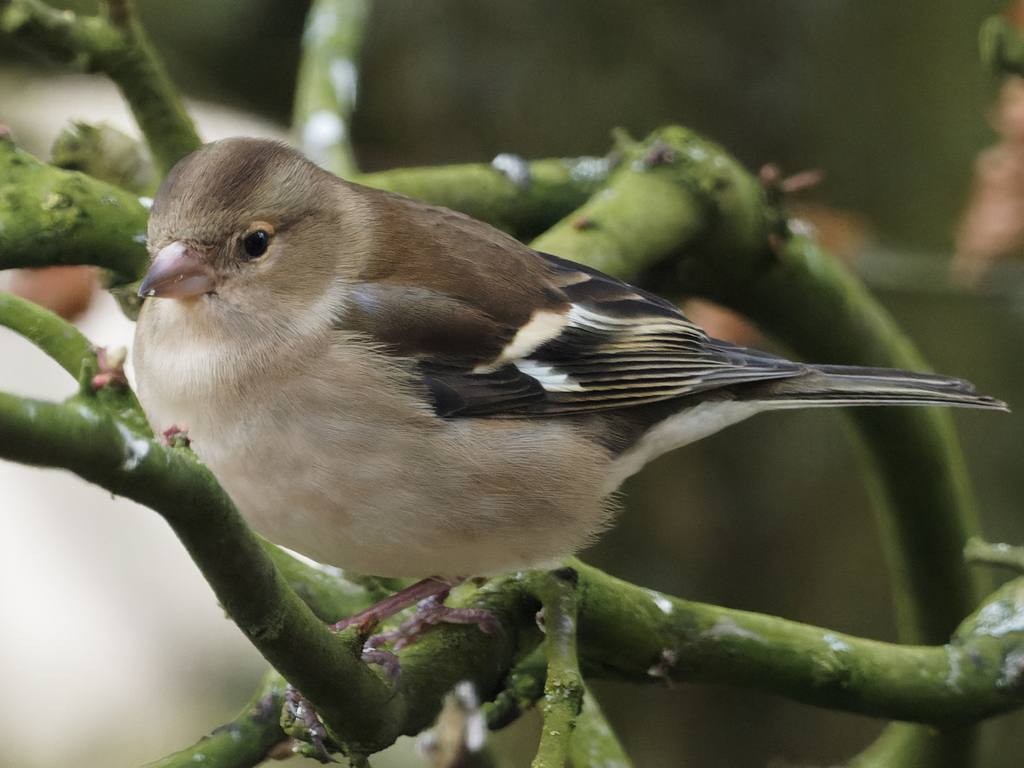
Its closest relatives
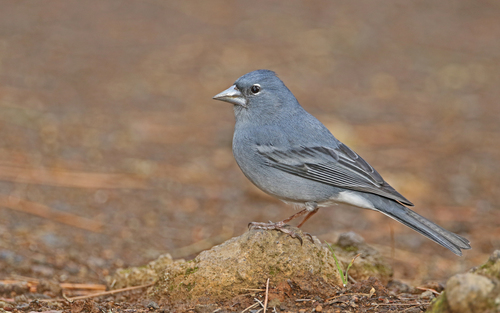
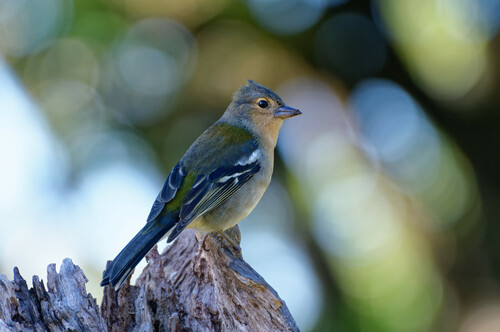
The other species of the genus Fringilla.

Seen a Eurasian chaffinch?
Share your photo on iNaturalist. Other naturalists help confirm it, and the record goes to GBIF, where scientists use it and where the maps on this page come from.
Questions people ask
What does the eurasian chaffinch eat?
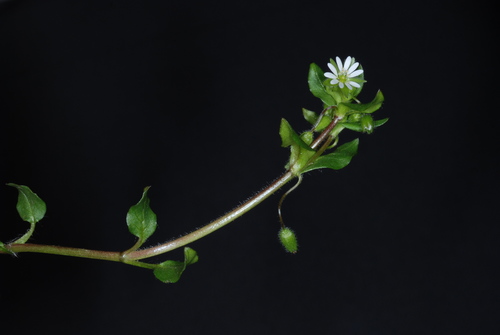
The eurasian chaffinch has been recorded eating 3,874 different kinds of animals and plants, most of them plants, insects, snails and slugs and birds. The ones recorded most often are beech, sweet chestnut, field bindweed, common chickweed and red clover; records include animals eaten as carrion. Source: GloBI.
What eats the eurasian chaffinch?
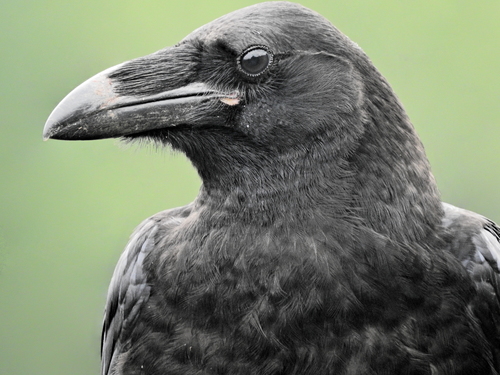
Recorded predators include cat, eurasian red squirrel, grey wolf, red fox and northern raven. Source: GloBI.
Where does the eurasian chaffinch live?
People have recorded it in 89 countries; the most records come from United Kingdom, Spain, New Zealand, Germany and France. Records show where people have seen it, not its full range.
When is the eurasian chaffinch seen most?
In the northern hemisphere, the most records are made in May and the fewest in August. More people outdoors also means more records.
What are the eurasian chaffinch's closest relatives?
It shares the genus Fringilla with brambling, tenerife blue chaffinch, madeira chaffinch, african chaffinch and canary islands chaffinch.
Sources and photo credits
- GBIF · Fringilla coelebs, 3,268,885 human observations
- GloBI · recorded interactions of Fringilla coelebs
- Wikidata · Eurasian chaffinch (Q25383)
- Eurasian chaffinch (Fringilla coelebs): William Stephens, CC BY 4.0
- Eurasian chaffinch (Fringilla coelebs): Daniel Capilla, CC BY-SA 4.0
- Eurasian chaffinch (Fringilla coelebs): Donald Davesne, CC BY 4.0
- Eurasian chaffinch (Fringilla coelebs), Leoben, Österreich: Saskia Kollegger, CC BY 4.0
- Eurasian chaffinch (Fringilla coelebs), 20170 Levie, France: Donald Davesne, CC BY 4.0
- Eurasian chaffinch (Fringilla coelebs), Parque Forestal de Gibralfaro, Málaga, España: Daniel Capilla, CC BY-SA 4.0
- Eurasian chaffinch (Fringilla coelebs), Route de la Canourgue, La Malène, Occitanie, FR: harry beaman, CC BY 4.0
- Eurasian chaffinch (Fringilla coelebs), Dumfries, UK: Malcolm James Haddow, CC0
- Eurasian chaffinch (Fringilla coelebs), Steppingley, Bedford MK45, UK: William Stephens, CC BY 4.0
- Common chickweed: Douglas Goldman, CC BY-SA 4.0
- Red clover: Andreas Rockstein, CC BY-SA 4.0
- Prostrate knotweed: Dilrukshan Priyantha Wijesinghe, CC BY 4.0
- Hawthorn: no rights reserved, uploaded by Mirela, CC0
- Bitter dock: Andreas Rockstein, CC BY-SA 4.0
- Red dead-nettle: anonymous, CC BY 4.0
- Cat: Von.grzanka, CC BY-SA 4.0
- Eurasian red squirrel: Rhododendrites, CC BY-SA 4.0
- Grey wolf: Andrew Simon, CC BY 4.0
- Red fox: Morten Ross, CC BY 4.0
- Northern raven: xulescu_g, CC BY-SA 4.0
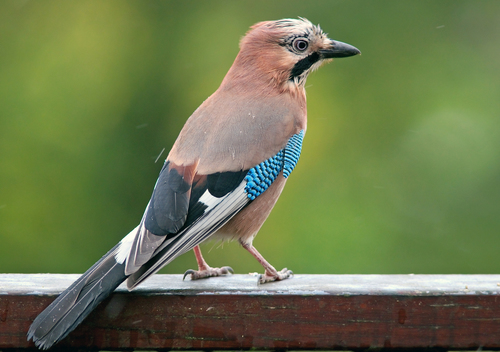
- Eurasian jay: Luc Viatour, CC BY-SA 4.0
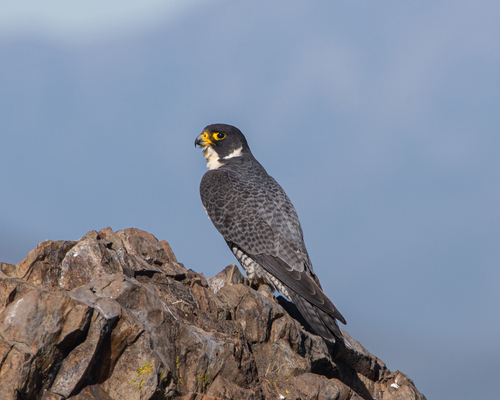
- Peregrine falcon: Nicolás Villaseca Merino, CC BY-SA 4.0
- Brambling: no rights reserved, uploaded by Francesco Cecere, CC0
- Tenerife blue chaffinch: Christoph Moning, CC BY 4.0
- Madeira chaffinch: Donald Davesne, CC BY 4.0
- African chaffinch: Aissa Djamel Filali, CC BY-SA 4.0
- Canary islands chaffinch: Donald Davesne, CC BY 4.0
Records show where people have seen and shared the eurasian chaffinch, not its full range, and some countries and months are recorded far more than others. The food web lists interactions that studies have recorded somewhere in the world (GloBI), not everything it eats in one place.
Checked 2026-11-20.