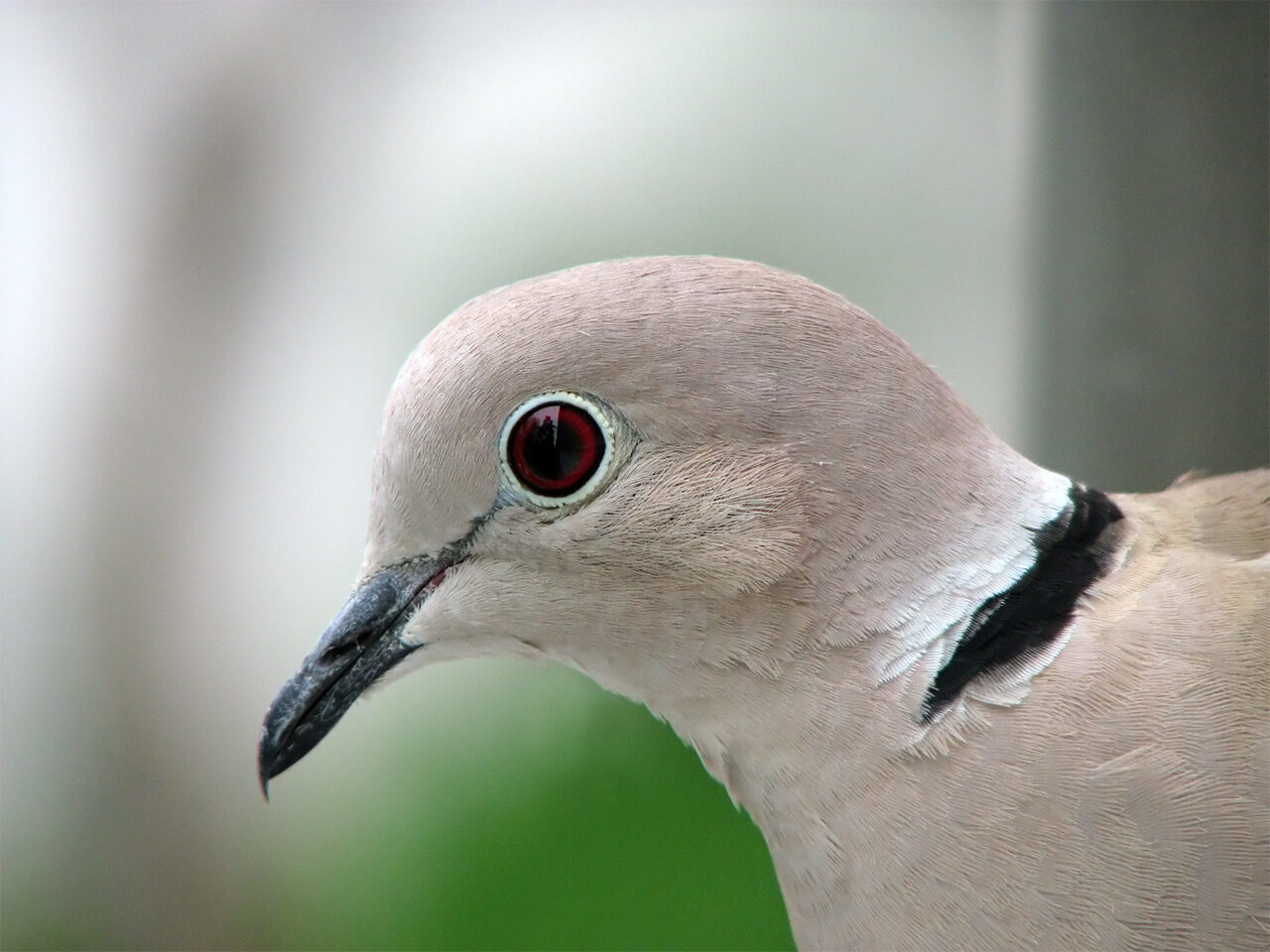
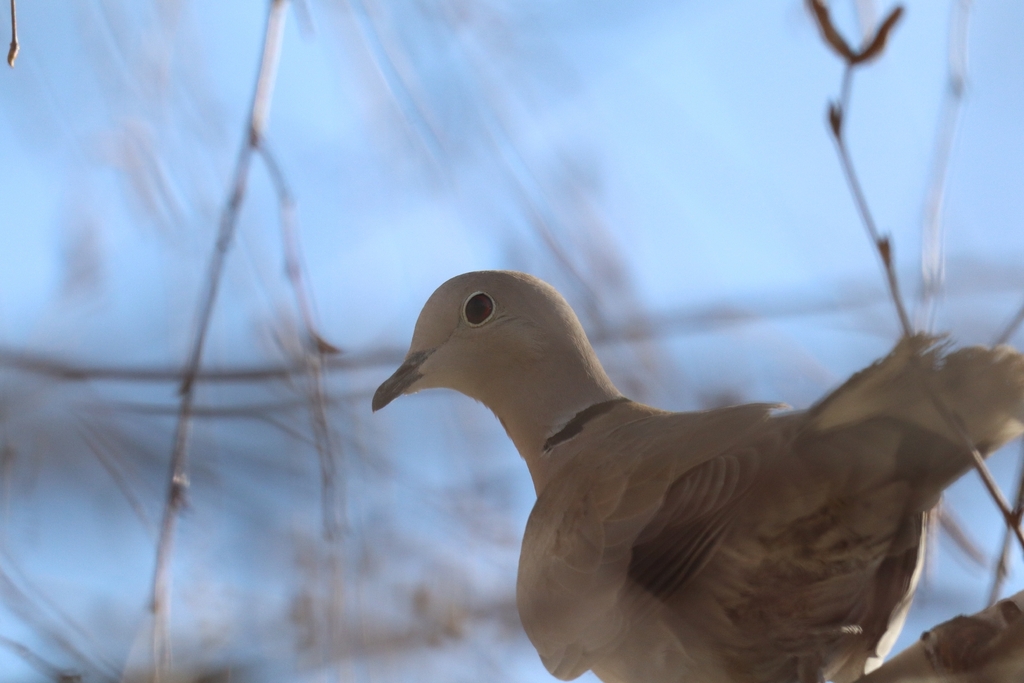
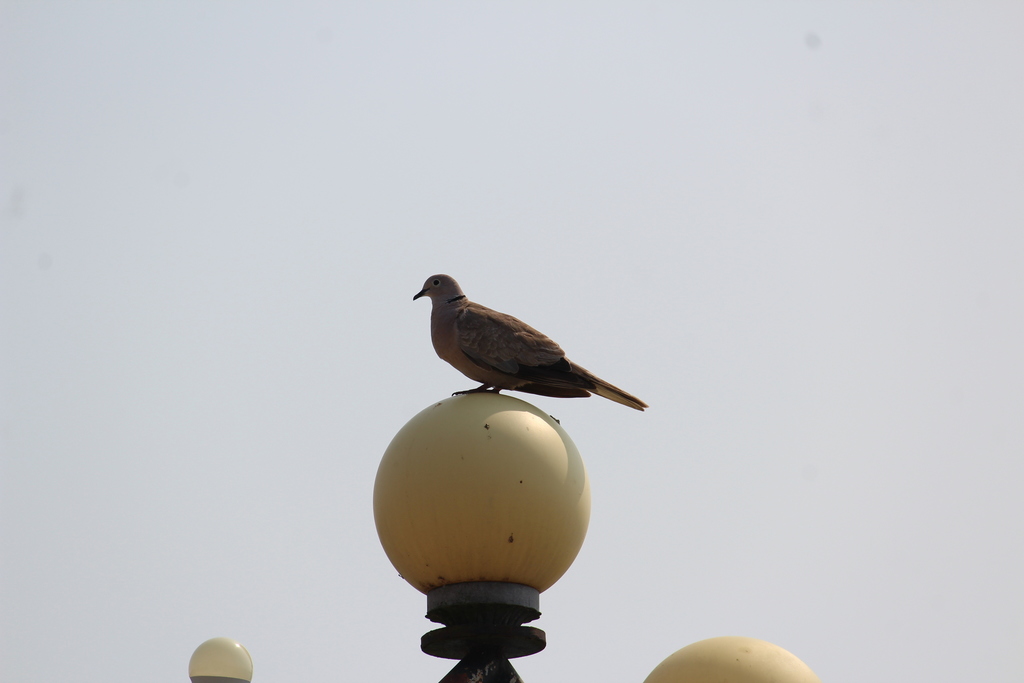
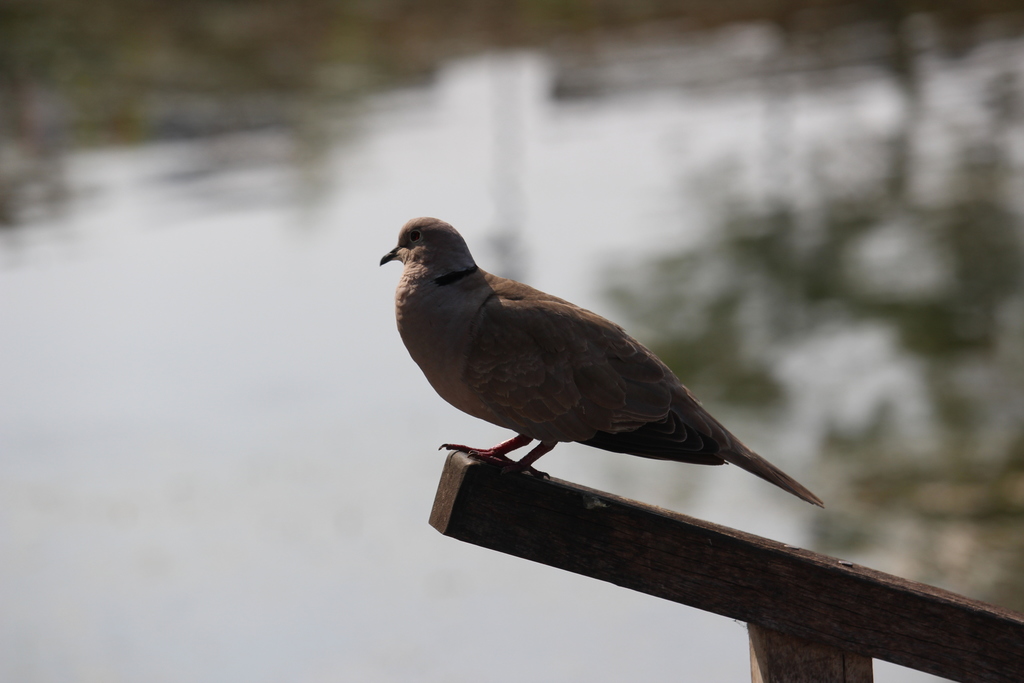
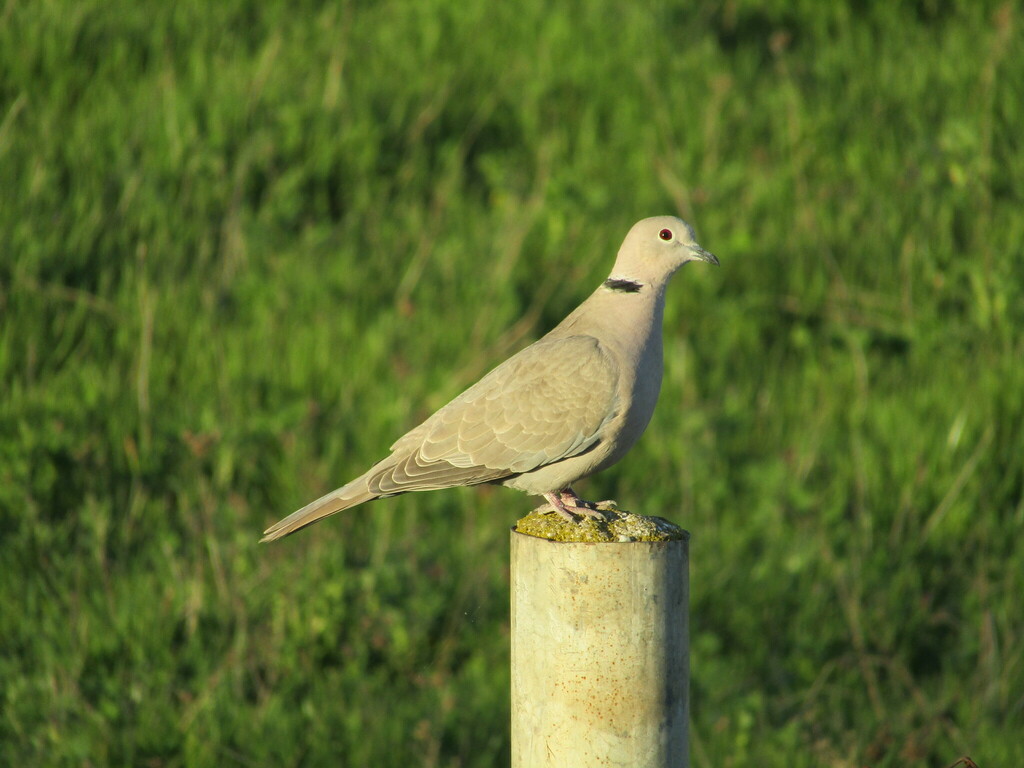
Eurasian collared dove
Streptopelia decaocto
- Status
- Least Concern IUCN Red List
- Eats
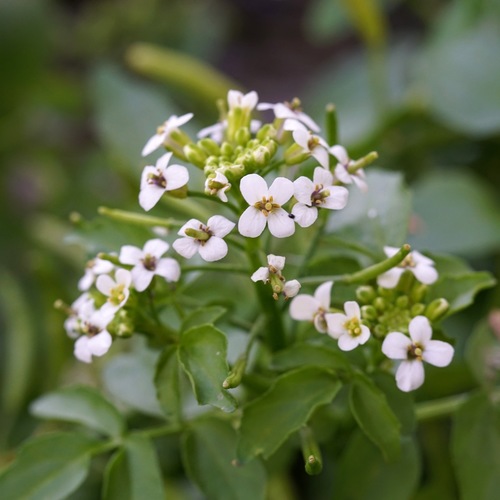
- red clover, dwarf elder, wood bluegrass and 1,991 more
- Where
- 139 countries · belize Barrier Reef
On 4Planet Atlas it is among the wildlife people record most around Abu Dhabi, Algiers and Amman, and 83 more of the cities we cover.
People have shared 6,993,501 records of the Eurasian collared dove with GBIF, from 139 countries, most of them from United States, Spain and United Kingdom. Records collected by GloBI show it eating 1,994 different kinds of animals and plants, and being eaten by 37.
Habitats
What the Eurasian collared dove eats, and what eats it
Studies have recorded it eating 1,994 kinds of animals and plants, and 37 kinds of animals eating it. Tap any of them to follow the food chain.
- Plants 1,904
- Birds 1
Eaten by
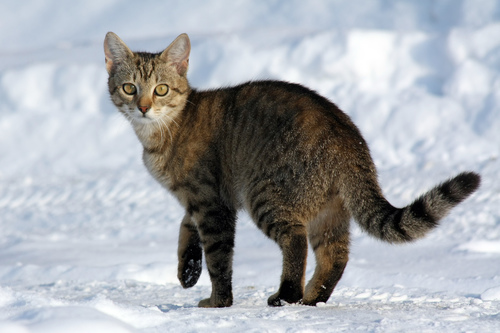



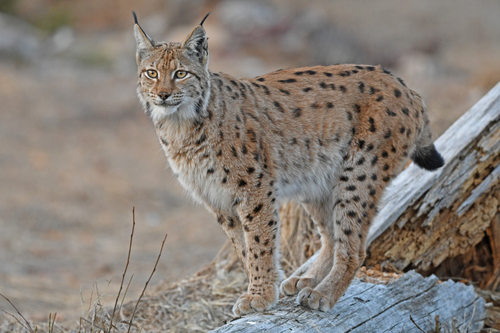
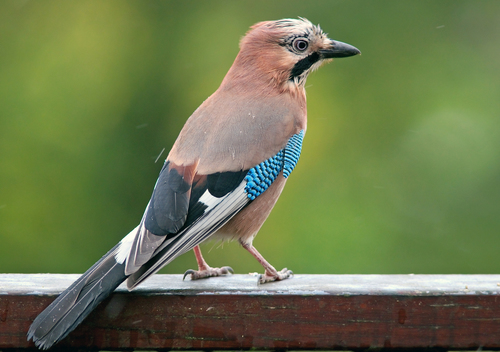
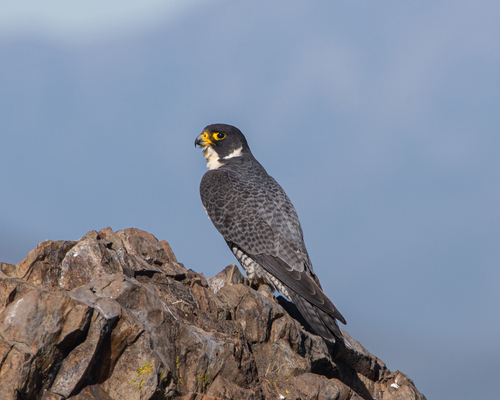 Eurasian collared dove
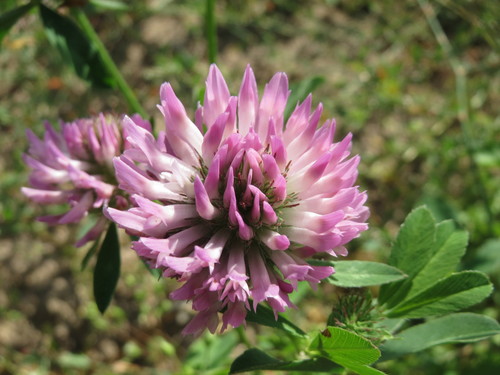


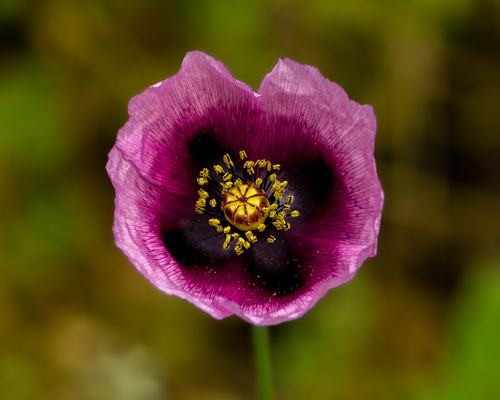
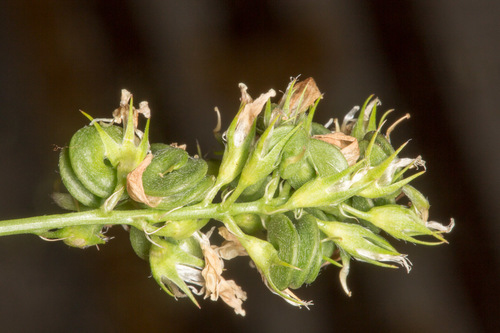
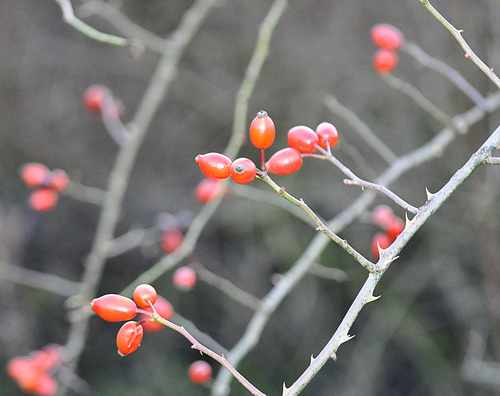
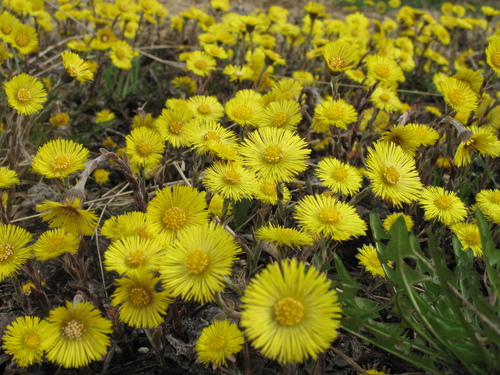
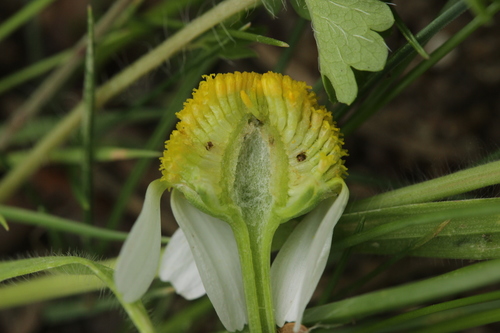
Records from studies worldwide, collected by GloBI. They include animals eaten as carrion, and they are not everything it eats in one place.
Where people see the Eurasian collared dove
People have shared 6,993,501 records from 139 countries.
Near a city: Abu Dhabi, Algiers, Amman, Amsterdam, Andorra la Vella, Ankara, Ashgabat, Athens, Baghdad, Baku, Basseterre, Beijing, Beirut, Belgrade, Belmopan, Bergen, Berlin, Bern, Bishkek, Bratislava, Bridgetown, Brussels, Bucharest, Budapest, Cairo, Castries, Chișinău, Copenhagen, Damascus, Delhi, Dhaka, Doha, Dublin, Dushanbe, East Jerusalem, Havana, Islamabad, Jerusalem, Kabul, Kathmandu, Kingstown, Kuwait City, Kyiv, Lisbon, Ljubljana, London, Luxembourg City, Madrid, Manama, Mexico City, Muscat, Nassau, New Delhi, Nicosia, Oslo, Paris, Podgorica, Port-au-Prince, Prague, Praia, Pristina, Rabat, Ramallah, Reykjavík, Riyadh, Rome, Roseau, Santo Domingo, Sarajevo, Skopje, Sofia, St. George's, Tashkent, Tbilisi, Tehran, Tirana, Tripoli, Tunis, Ulaanbaatar, Vaduz, Valletta, Vancouver, Vienna, Warsaw, Yerevan, Zagreb.
Records show where people have seen it and shared it, not its full range. Country names open their page in Atlas.
When it is seen
Records per month in the northern hemisphere. More people outdoors also means more records.
Watch and listen
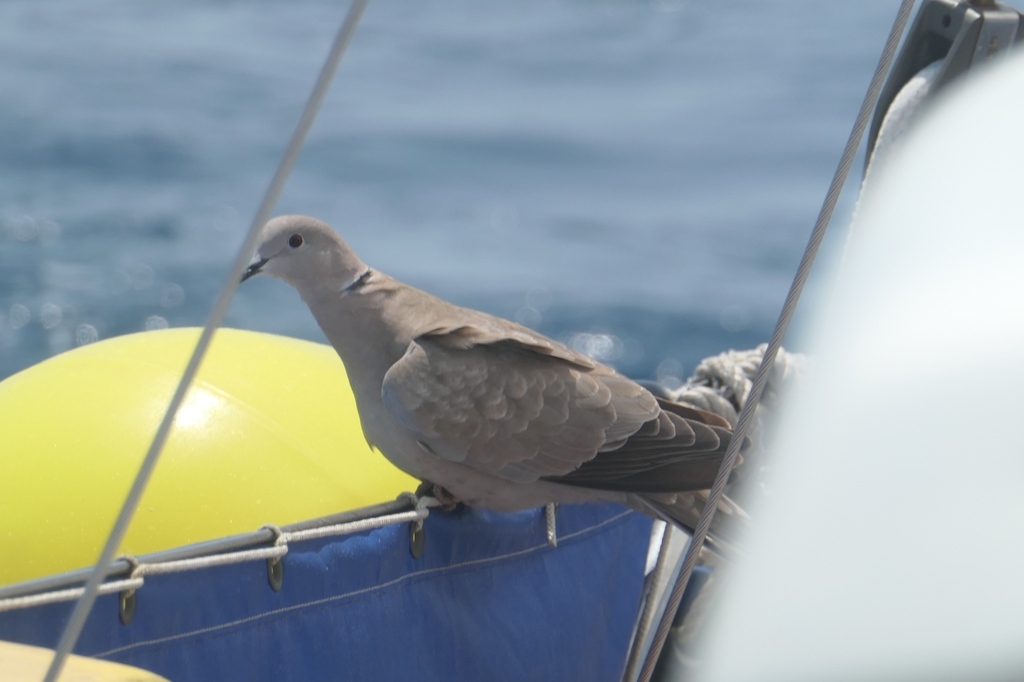
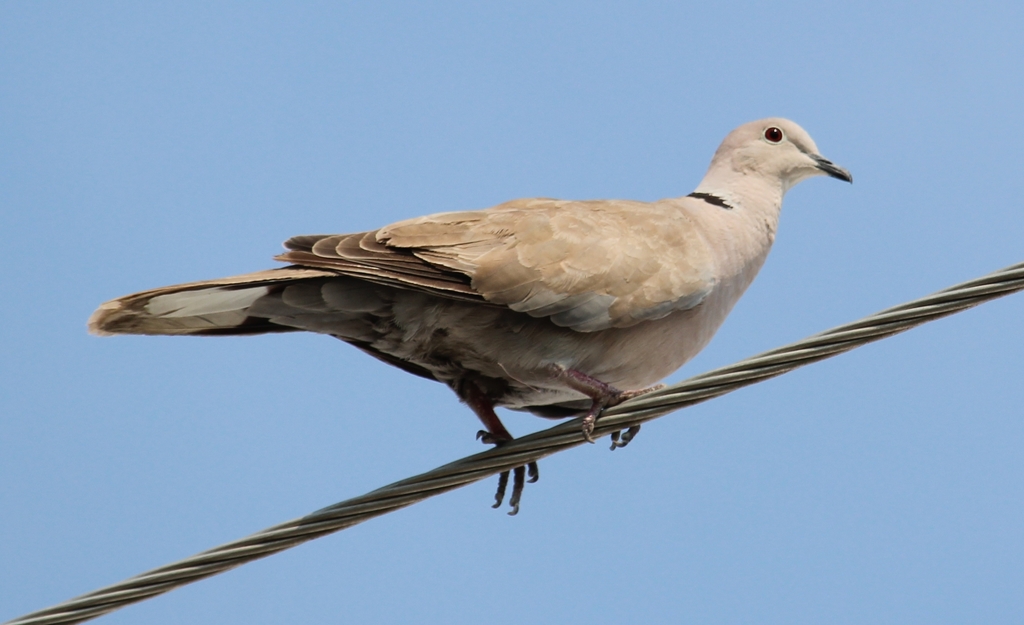
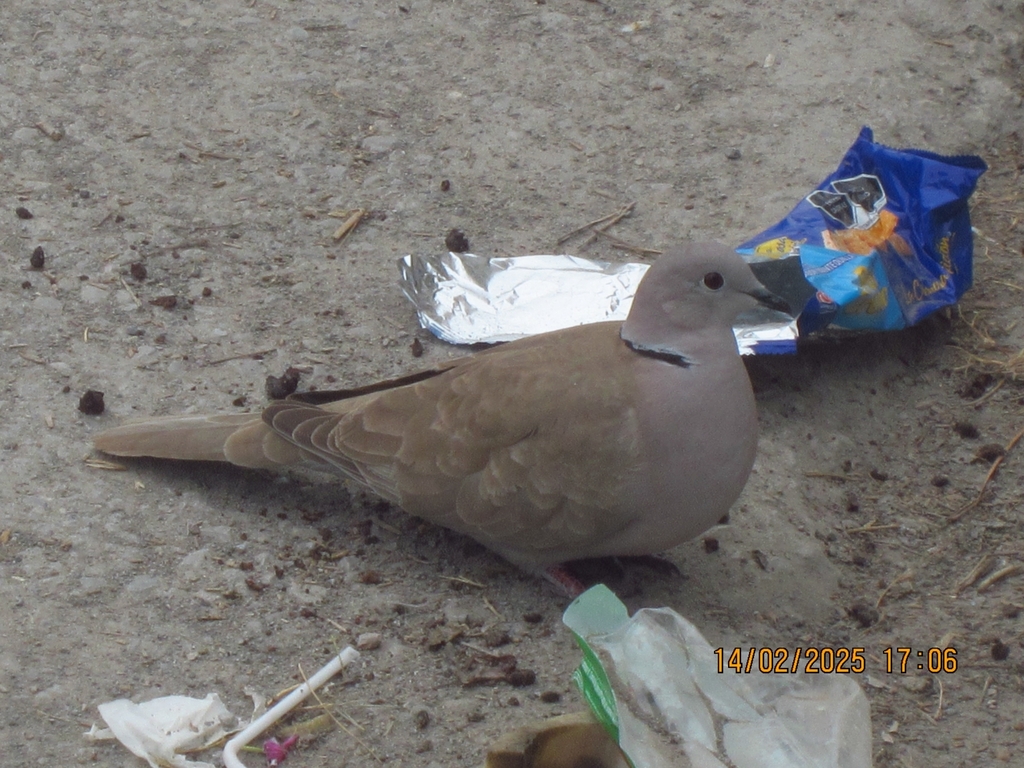
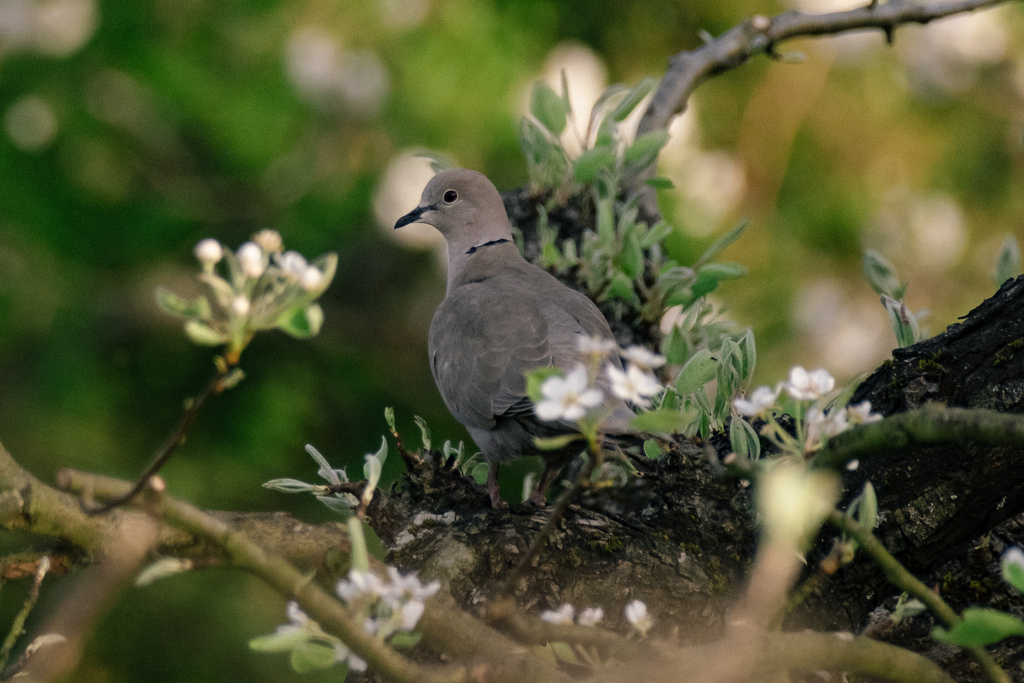
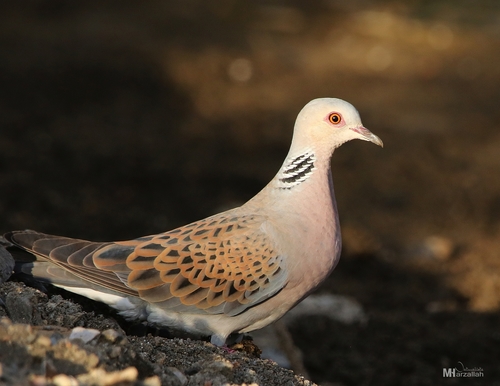
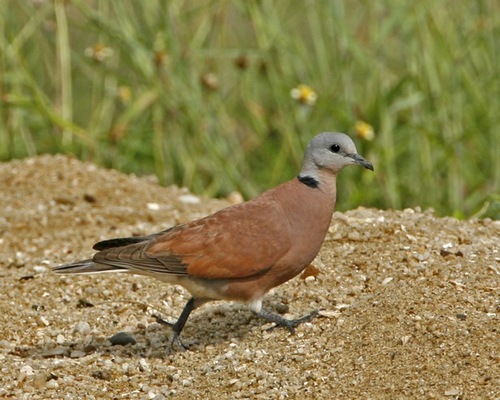
Its closest relatives
The other species of the genus Streptopelia.

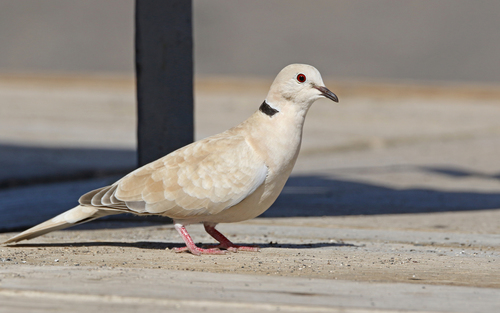
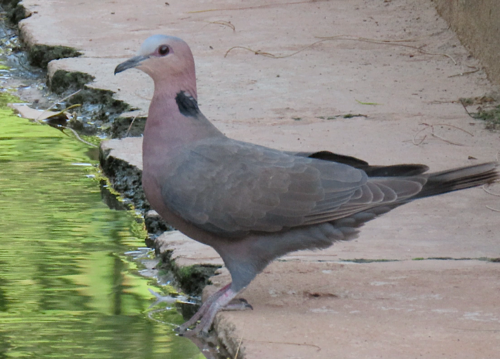
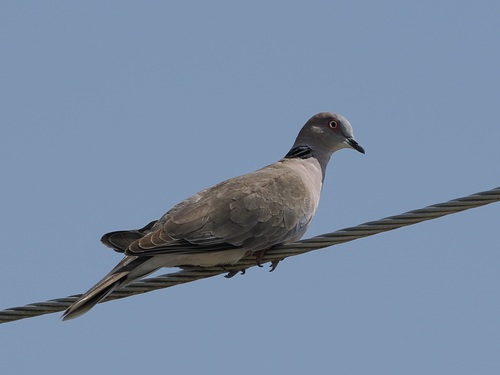
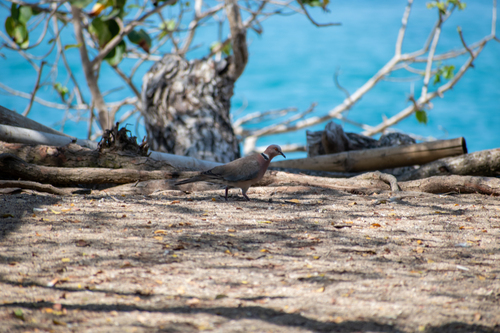
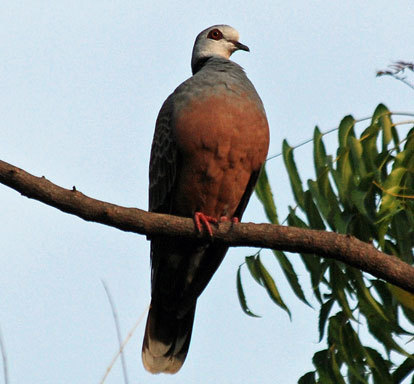
Seen an Eurasian collared dove?
Share your photo on iNaturalist. Other naturalists help confirm it, and the record goes to GBIF, where scientists use it and where the maps on this page come from.
Put this species on your site
The card names every source and links back here.
<iframe src="https://4planetatlas.com/place/embed/species/eurasian-collared-dove" title="Eurasian collared dove (Streptopelia decaocto), 4PLANET Species" width="100%" height="600" style="border:0;max-width:640px" loading="lazy"></iframe>
<p><a href="https://4species.com/eurasian-collared-dove">Eurasian collared dove on 4PLANET Species</a></p>Questions people ask
What does the Eurasian collared dove eat?
The Eurasian collared dove has been recorded eating 1,994 different kinds of animals and plants, most of them plants and birds. The ones recorded most often are red clover, dwarf elder, wood bluegrass, tasteless water-pepper and eurasian sparrowhawk; records include animals eaten as carrion. Source: GloBI.
What eats the Eurasian collared dove?
Recorded predators include cat, grey wolf, red fox, northern raven and eurasian lynx. Source: GloBI.
Where does the Eurasian collared dove live?
People have recorded it in 139 countries; the most records come from United States, Spain, United Kingdom, India and Portugal. Records show where people have seen it, not its full range.
When is the Eurasian collared dove seen most?
In the northern hemisphere, the most records are made in May and the fewest in November. More people outdoors also means more records.
What are the Eurasian collared dove's closest relatives?
It shares the genus Streptopelia with european turtle dove, oriental turtle dove, red collared dove, african collared dove and red-eyed dove.
Sources and photo credits
- GBIF · Streptopelia decaocto, 6,993,501 human observations
- GloBI · recorded interactions of Streptopelia decaocto
- Wikidata · Eurasian collared dove (Q54696)
- Eurasian collared dove (Streptopelia decaocto): Iruka, CC BY-SA 4.0
- Eurasian collared dove (Streptopelia decaocto), RRJW+4C, Hințești, Romania: Radu Teodoreanu, CC BY 4.0
- Eurasian collared dove (Streptopelia decaocto), Flores, Guatemala: Ricard Busquets Reverte, CC BY 4.0
- Eurasian collared dove (Streptopelia decaocto): Addshore, CC BY 4.0
- Eurasian collared dove (Streptopelia decaocto), Flores, Guatemala: Ricard Busquets Reverte, CC BY 4.0
- Eurasian collared dove (Streptopelia decaocto), Villa Esmeralda, Reynosa, Tamps., México: Pablo F. Domínguez, CC BY 4.0
- Eurasian collared dove (Streptopelia decaocto), Mateus, Vila Real, Portugal: Bruno Yamazaky, CC BY 4.0
- Eurasian collared dove (Streptopelia decaocto), Flores, Guatemala: Ricard Busquets Reverte, CC BY 4.0
- Eurasian collared dove (Streptopelia decaocto), 4292 Dobri Dol, Bulgaria: SteveM4560, CC BY 4.0
- Red clover: Andreas Rockstein, CC BY-SA 4.0
- Dwarf elder: Igor Balashov, CC BY 4.0
- Wood bluegrass: Douglas Goldman, CC BY-SA 4.0
- Tasteless water-pepper: Paul Cook, CC BY 4.0
- Eurasian sparrowhawk: Stanislav Murashkin, CC BY 4.0
- Opium poppy: Nicolás Villaseca Merino, CC BY-SA 4.0
- Alfalfa: Drepanostoma, CC BY 4.0
- Dog rose: no rights reserved, uploaded by gianluigi, CC0
- Coltsfoot: Ole Husby, CC BY-SA 4.0
- German chamomile: Björn Sothmann, CC BY-SA 4.0
- Watercress: Andrew Tree, CC BY 4.0
- Beech: Marino Linić, CC0
- Cat: Von.grzanka, CC BY-SA 4.0
- Grey wolf: Andrew Simon, CC BY 4.0
- Red fox: Алина Урусова, CC BY 4.0
- Northern raven: xulescu_g, CC BY-SA 4.0
- Eurasian lynx: Julia Moning, CC BY 4.0
- Eurasian jay: Luc Viatour, CC BY-SA 4.0
- Peregrine falcon: Nicolás Villaseca Merino, CC BY-SA 4.0
- European turtle dove: Mourad Harzallah, CC BY 4.0
- Oriental turtle dove: Kim, Hyun-tae, CC BY 4.0
- Red collared dove: Lip Kee Yap, CC BY-SA 4.0
- African collared dove: Christoph Moning, CC BY 4.0
- Red-eyed dove: Florin Feneru, CC BY 4.0
- Mourning collared dove: Jono, CC BY 4.0
- Sunda collared dove: sdash, CC BY 4.0
- Adamawa turtle dove: nigel.voaden.t21@btinternet.com, CC BY-SA 4.0
Records show where people have seen and shared the Eurasian collared dove, not its full range, and some countries and months are recorded far more than others. The food web lists interactions that studies have recorded somewhere in the world (GloBI), not everything it eats in one place.
Checked 2026-11-23.