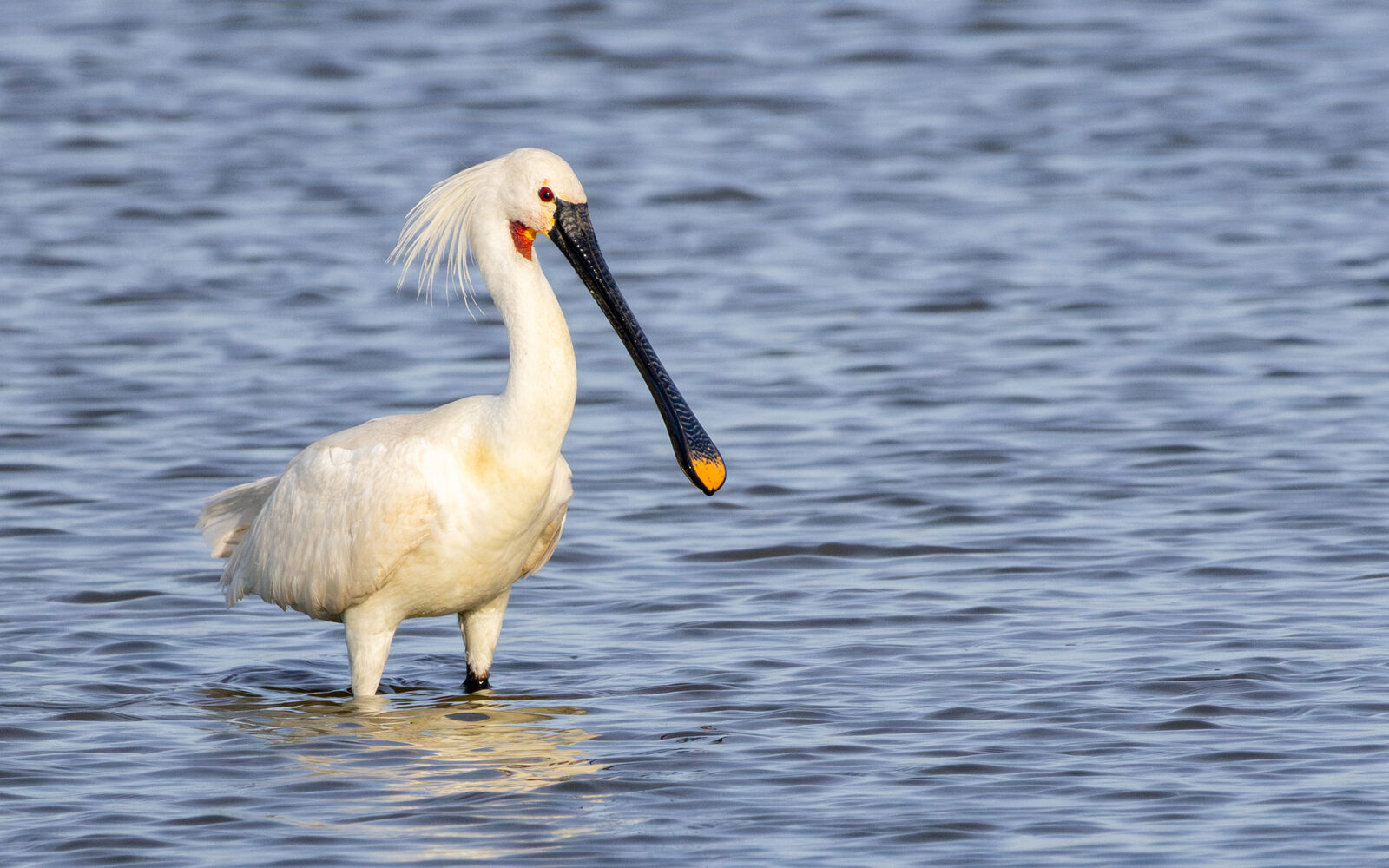
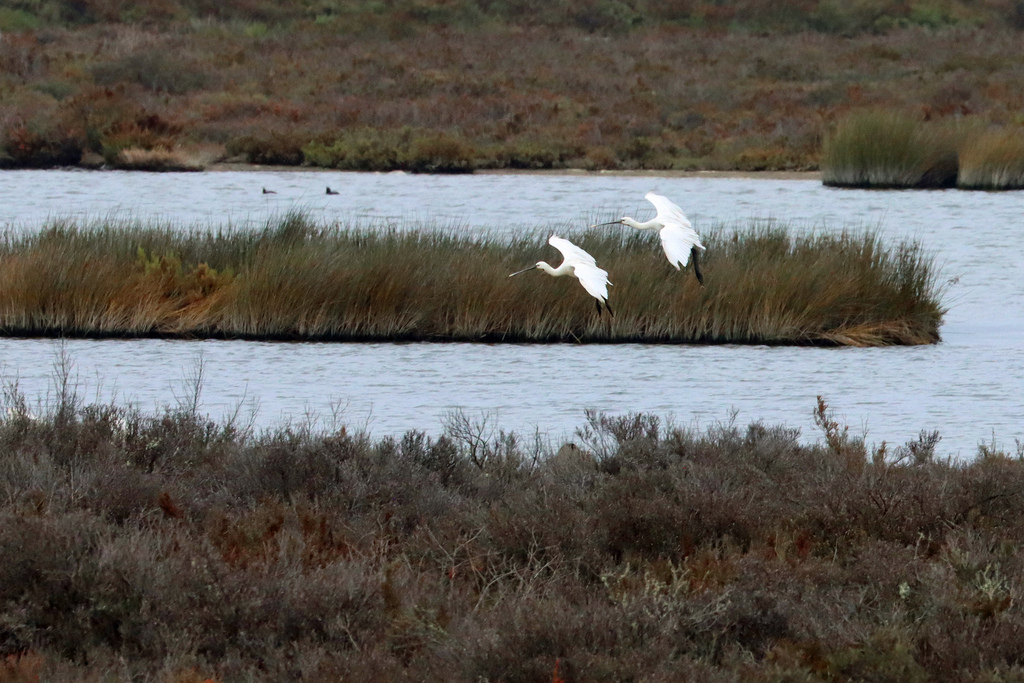
Eurasian Spoonbill
Platalea leucorodia
- Status
- Least Concern IUCN Red List
- Eats
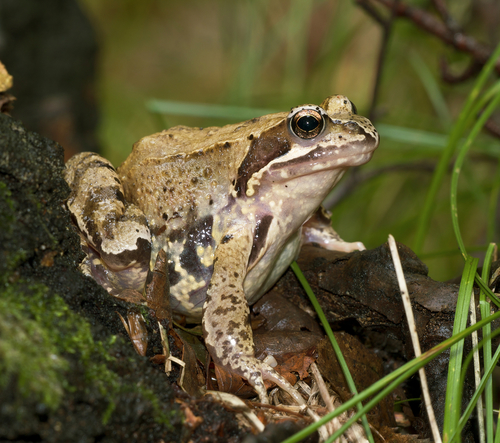
- common toad, common frog, marsh frog and 54 more
- Eaten by
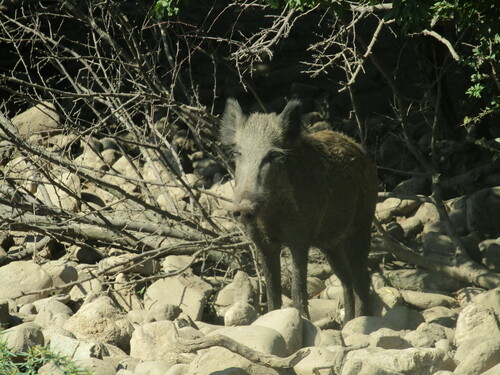
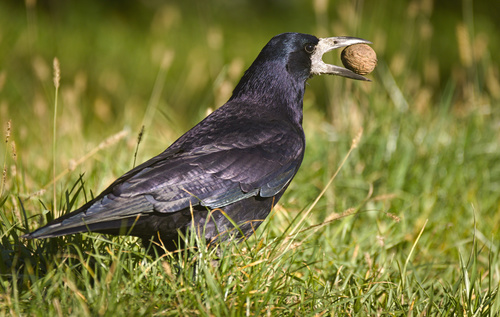
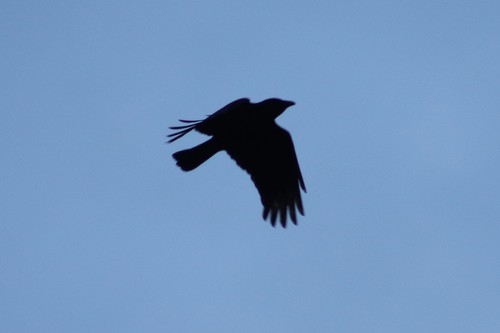
- wild boar, northern raven, rook
- Where
- 109 countries
On 4Planet Atlas it is among the wildlife people record most around Amsterdam, Ankara and Beijing, and 17 more of the cities we cover.
People have shared 401,175 records of the Eurasian Spoonbill with GBIF, from 109 countries, most of them from Spain, India and Portugal. Records collected by GloBI show it eating 57 different kinds of animals and plants, and being eaten by 6.
What the Eurasian Spoonbill eats, and what eats it
Studies have recorded it eating 57 kinds of animals and plants, and 6 kinds of animals eating it. Tap any of them to follow the food chain.
- Amphibians 37
- Reptiles 8
- Fish 1
- Crustaceans 1

 Eurasian Spoonbill

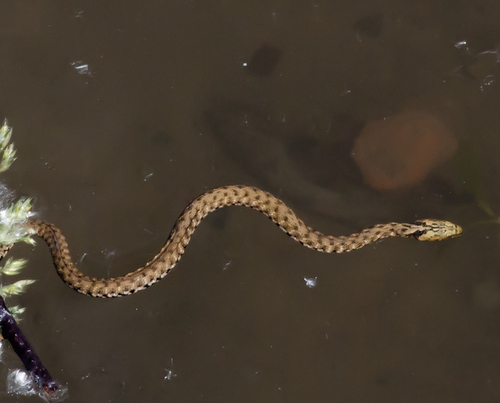
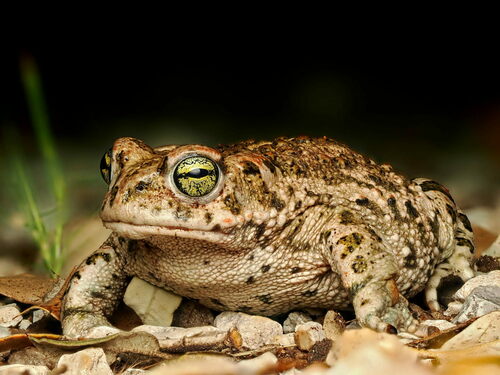

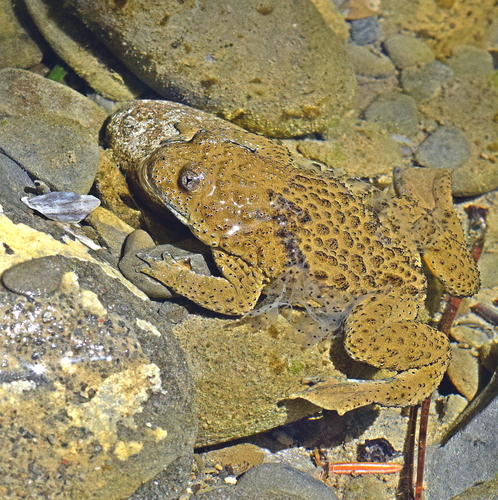
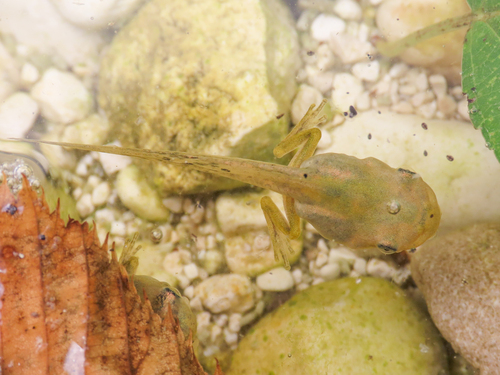
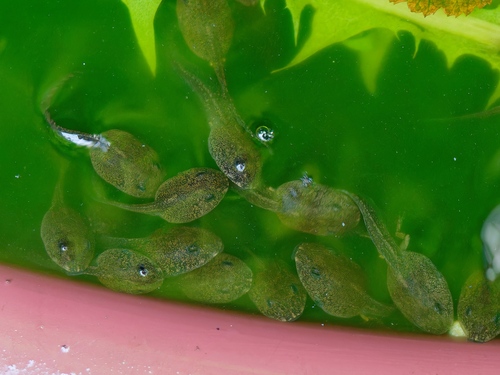
Records from studies worldwide, collected by GloBI. They include animals eaten as carrion, and they are not everything it eats in one place.
Where people see the Eurasian Spoonbill
People have shared 401,175 records from 109 countries.
Near a city: Amsterdam, Ankara, Beijing, Bratislava, Bridgetown, Brussels, Budapest, Dakar, Delhi, Lisbon, Madrid, Mumbai, Muscat, New Delhi, Praia, Rabat, Rome, Seoul, Shanghai, Tunis.
Records show where people have seen it and shared it, not its full range. Country names open their page in Atlas.
When it is seen
Records per month in the northern hemisphere. More people outdoors also means more records.
Watch and listen
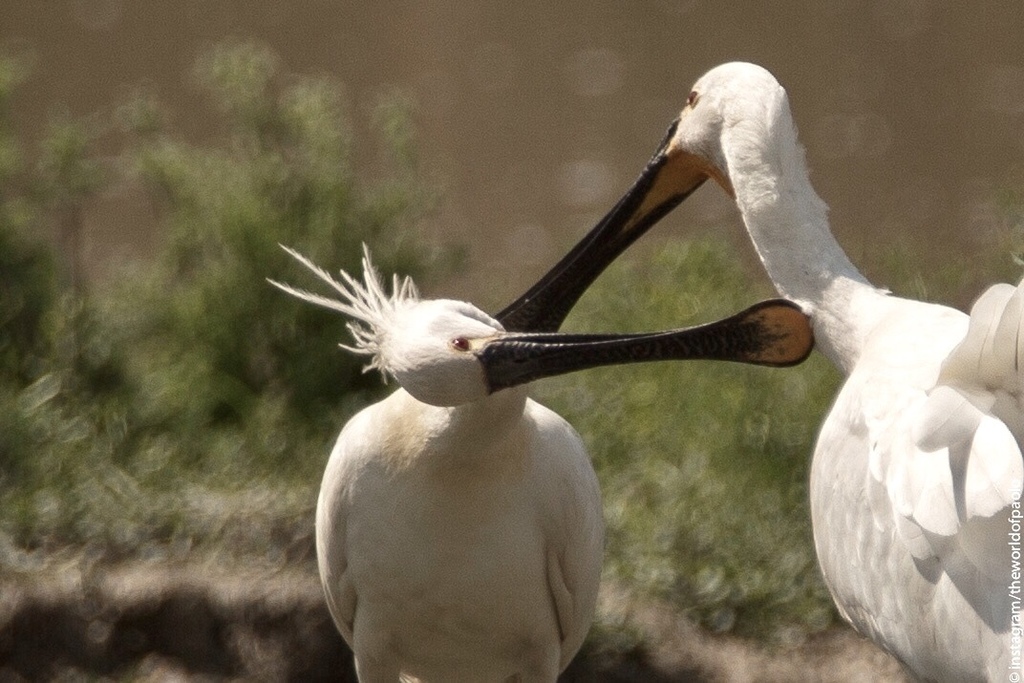
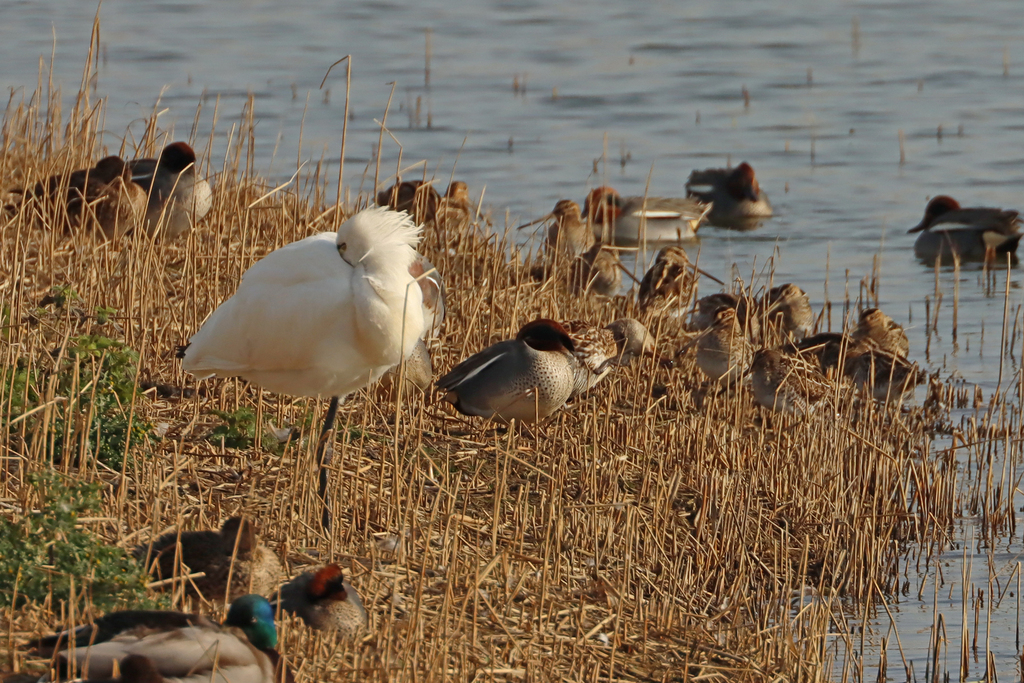
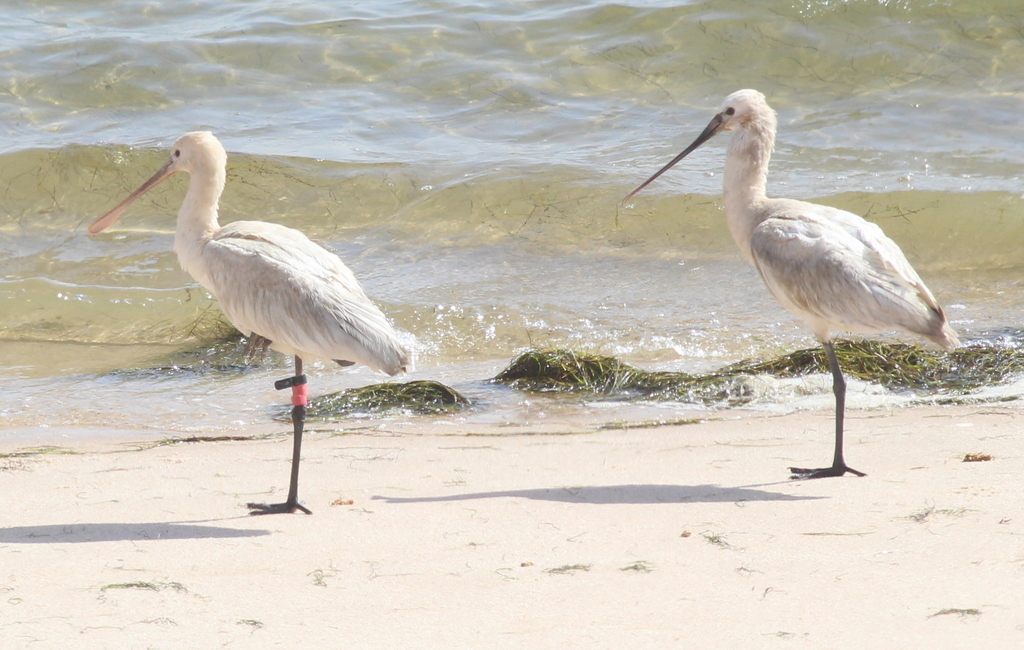
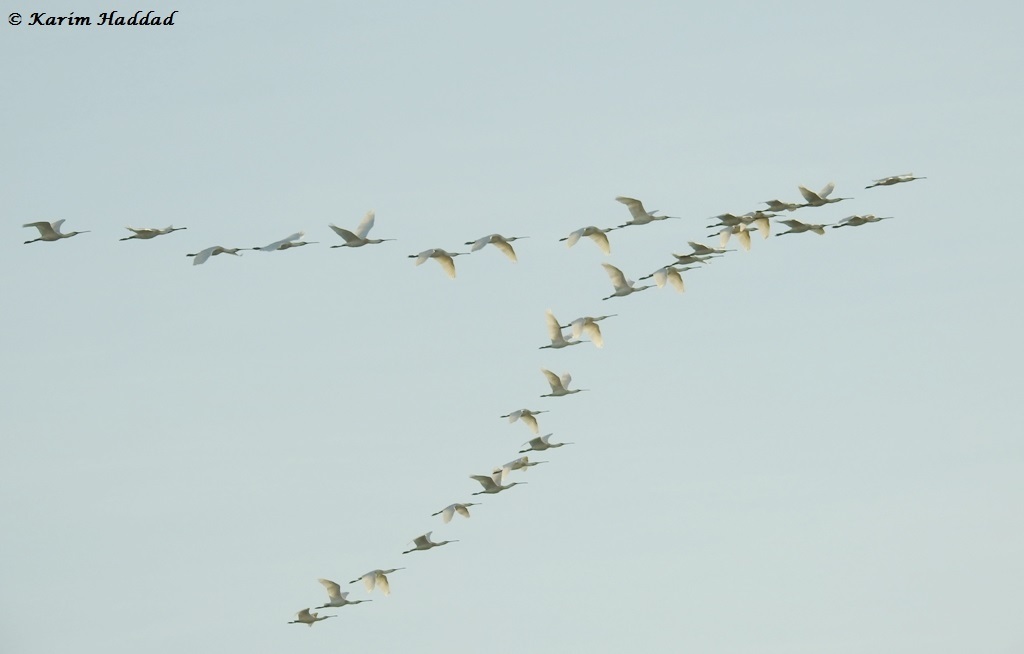
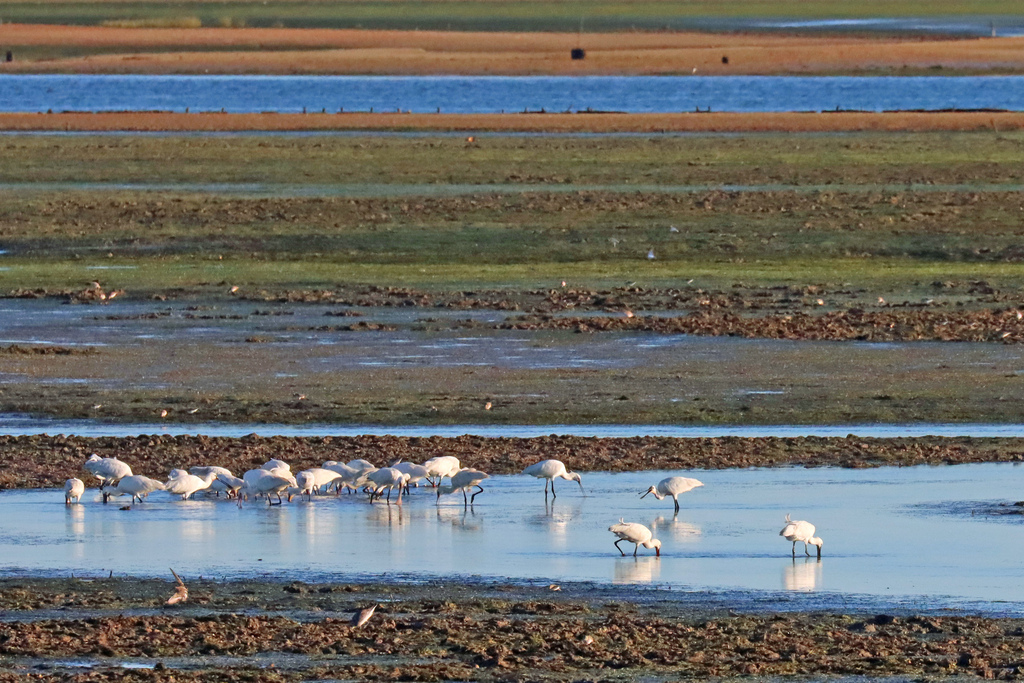
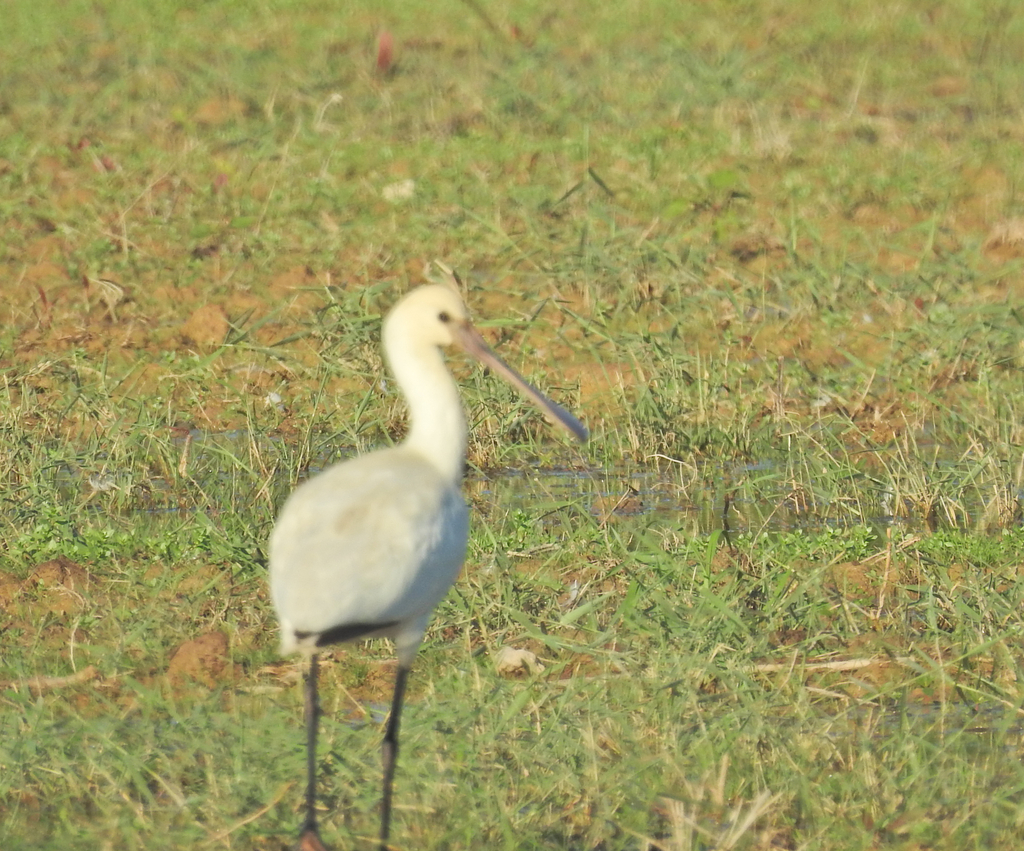
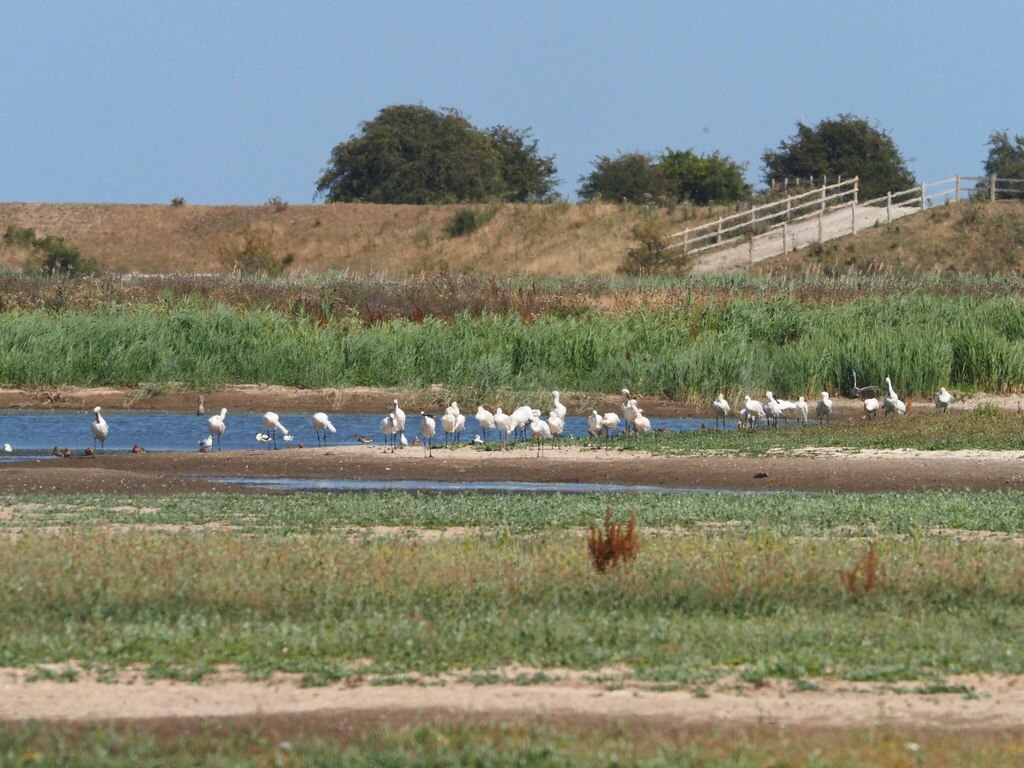
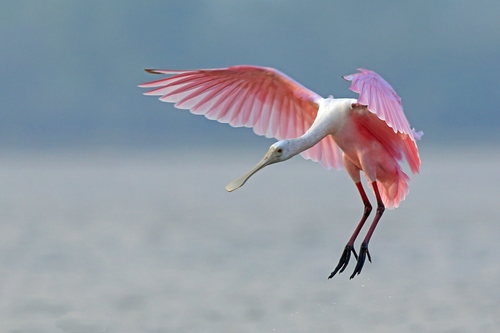
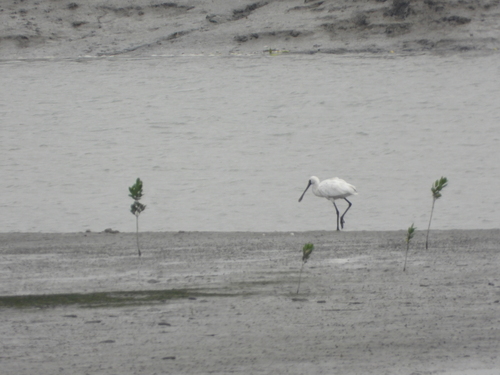
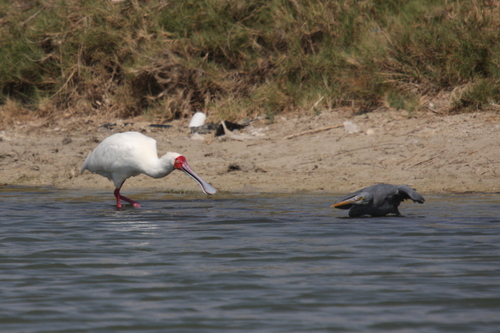
Its closest relatives
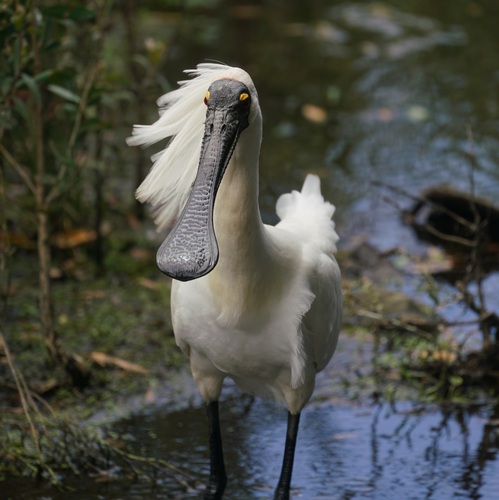
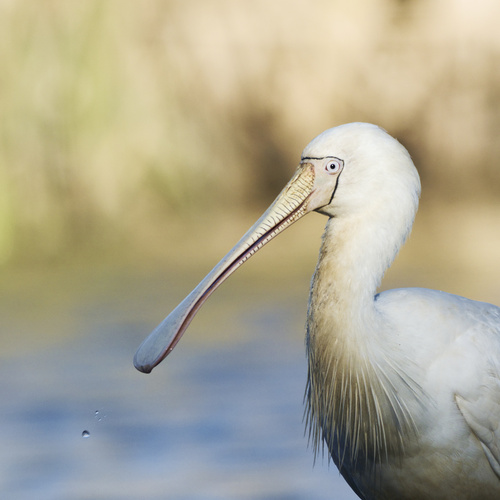
The other species of the genus Platalea.
Seen an Eurasian Spoonbill?
Share your photo on iNaturalist. Other naturalists help confirm it, and the record goes to GBIF, where scientists use it and where the maps on this page come from.
Put this species on your site
The card names every source and links back here.
<iframe src="https://4planetatlas.com/place/embed/species/eurasian-spoonbill" title="Eurasian Spoonbill (Platalea leucorodia), 4PLANET Species" width="100%" height="600" style="border:0;max-width:640px" loading="lazy"></iframe>
<p><a href="https://4species.com/eurasian-spoonbill">Eurasian Spoonbill on 4PLANET Species</a></p>Questions people ask
What does the Eurasian Spoonbill eat?
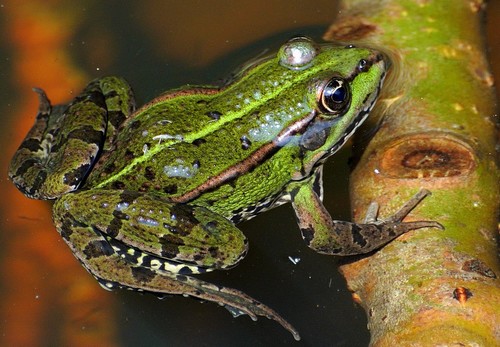
The Eurasian Spoonbill has been recorded eating 57 different kinds of animals and plants, most of them amphibians, reptiles, fish and crustaceans. The ones recorded most often are common toad, common frog, marsh frog, edible frog and dice snake; records include animals eaten as carrion. Source: GloBI.
What eats the Eurasian Spoonbill?
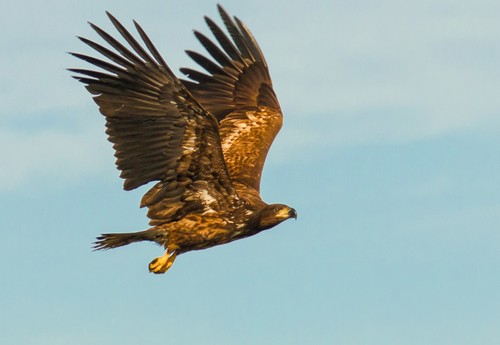
Recorded predators include wild boar, northern raven, rook, white-tailed eagle and carrion crow. Source: GloBI.
Where does the Eurasian Spoonbill live?
People have recorded it in 109 countries; the most records come from Spain, India, Portugal, United Kingdom and Netherlands. Records show where people have seen it, not its full range.
When is the Eurasian Spoonbill seen most?
In the northern hemisphere, the most records are made in May and the fewest in June. More people outdoors also means more records.
What are the Eurasian Spoonbill's closest relatives?
It shares the genus Platalea with roseate spoonbill, black-faced spoonbill, african spoonbill, royal spoonbill and yellow-billed spoonbill.
Sources and photo credits
- GBIF · Platalea leucorodia, 401,175 human observations
- GloBI · recorded interactions of Platalea leucorodia
- Wikidata · Eurasian Spoonbill (Q171360)
- Eurasian Spoonbill (Platalea leucorodia): Diego González Dopico, CC BY 4.0
- Eurasian Spoonbill (Platalea leucorodia): Paolo Zucca, CC BY 4.0
- Eurasian Spoonbill (Platalea leucorodia), RSPB Blacktoft Sands, Goole, East Riding of Yorkshire, UK: Dave, CC BY 4.0
- Eurasian Spoonbill (Platalea leucorodia), Oued el Dahab, EH: Jan Ebr & Ivana Ebrová, CC BY 4.0
- Eurasian Spoonbill (Platalea leucorodia), Trarza, Mauritanie: Karim Haddad, CC BY 4.0
- Eurasian Spoonbill (Platalea leucorodia), Olhão, Portugal: Roy Lowry, CC BY 4.0
- Eurasian Spoonbill (Platalea leucorodia), Barcelona, Cataluña, Spain: Nicolás Tamargo, CC0
- Eurasian Spoonbill (Platalea leucorodia), RSPB Frampton Marsh, Lincolnshire, UK: gwynmwilliams, CC BY 4.0
- Eurasian Spoonbill (Platalea leucorodia), Loulé, Portugal: Roy Lowry, CC BY 4.0
- Common frog: Jörg Hempel, CC BY-SA 4.0
- Marsh frog: Petra & Wilfried, CC BY 4.0
- Edible frog: Luciano 95, CC BY 4.0
- Dice snake: carnifex, CC BY 4.0
- Natterjack toad: Gilles San Martin, CC BY-SA 4.0
- Agile frog: Laurent Lebois, CC BY 4.0
- Yellow-bellied toad: Kostas Zontanos, CC BY 4.0
- Italian tree frog: Emanuele Santarelli, CC BY-SA 4.0
- Italian agile frog: olrett, CC BY 4.0
- Wild boar: SteveM4560, CC BY 4.0
- Northern raven: xulescu_g, CC BY-SA 4.0
- Rook: hedera.baltica, CC BY-SA 4.0
- White-tailed eagle: Алина Урусова, CC BY 4.0
- Carrion crow: no rights reserved, uploaded by Charlie Farrell, CC0
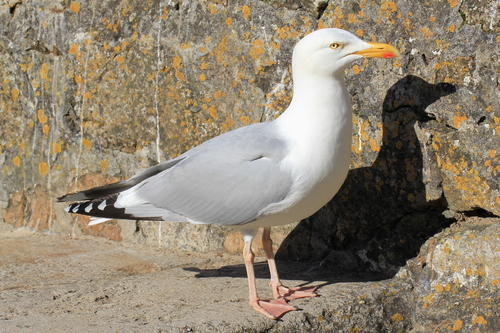
- European herring gull: Stu's Images, CC BY-SA 4.0
- Roseate spoonbill: Nigel Voaden, CC BY 4.0
- Black-faced spoonbill: 高山田鼠, CC BY 4.0
- African spoonbill: Christoph Moning, CC BY 4.0
- Royal spoonbill: Tim, CC BY 4.0
- Yellow-billed spoonbill: Thomas Jaeger, CC BY 4.0
Records show where people have seen and shared the Eurasian Spoonbill, not its full range, and some countries and months are recorded far more than others. The food web lists interactions that studies have recorded somewhere in the world (GloBI), not everything it eats in one place.
Checked 2026-11-24.