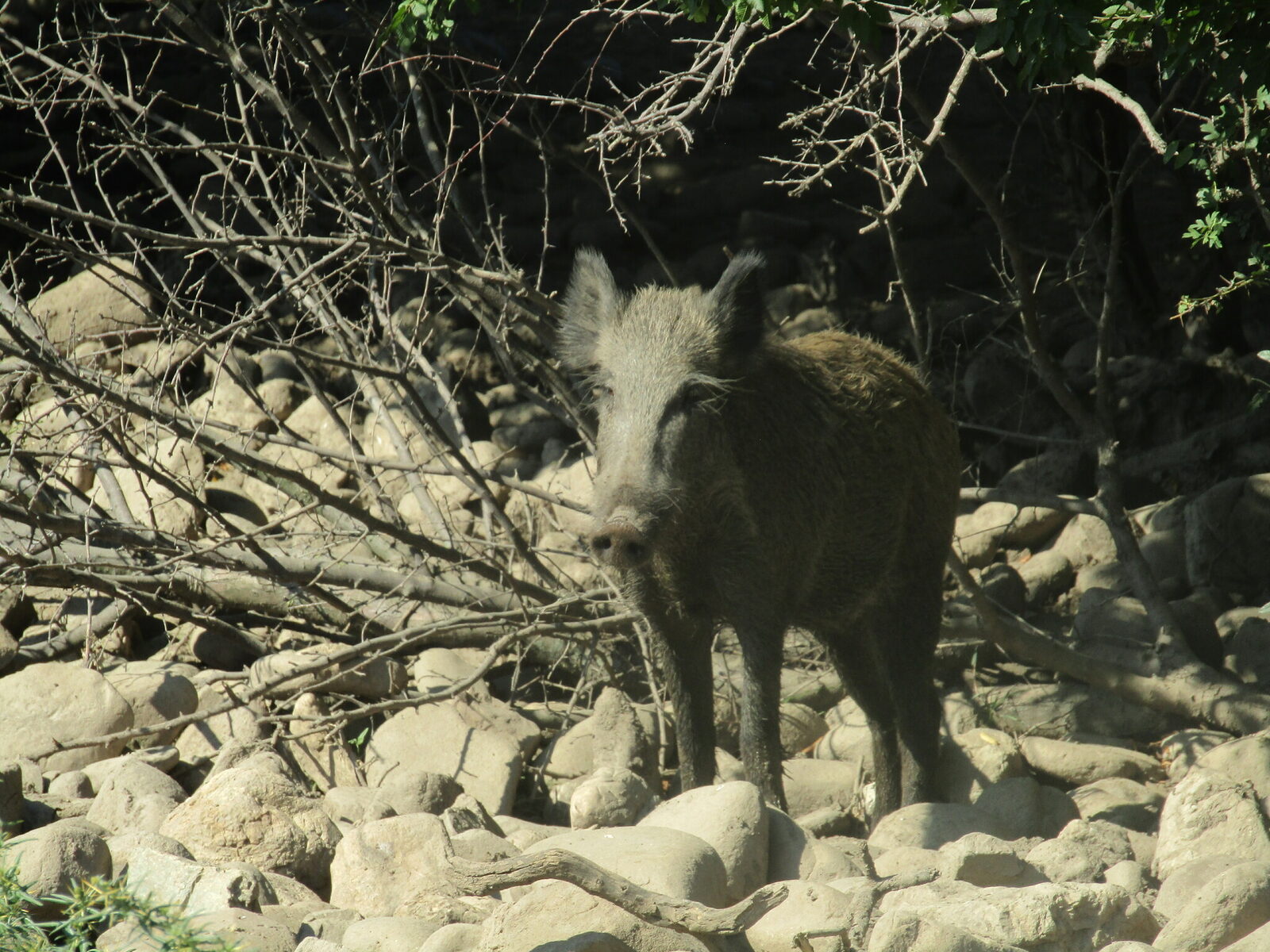
Wild boar
Sus scrofa
- Status
- Least Concern IUCN Red List
- Eats
- European rabbit, black grouse, field vole and 833 more
- Where
- 120 countries · wetlands, mangroves
On 4Planet Atlas it is among the wildlife people record most around Andorra la Vella and Bern.
People have shared 37,835 records of the wild boar with GBIF, from 120 countries, most of them from United States, Italy and Spain. Records collected by GloBI show it eating 836 different kinds of animals and plants, and being eaten by 32.
Habitats
What the wild boar eats, and what eats it
Studies have recorded it eating 836 kinds of animals and plants, and 32 kinds of animals eating it. Tap any of them to follow the food chain.
- Plants 184
- Reptiles 166
- Birds 160
- Mammals 141
- Amphibians 43
- Bacteria 42
- Spiders and mites 7
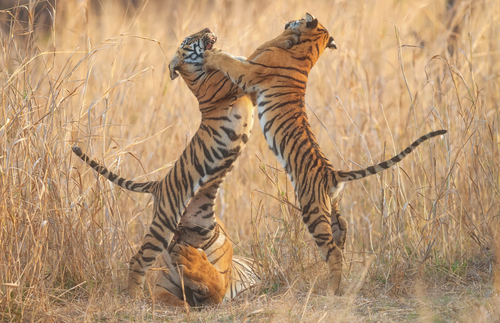
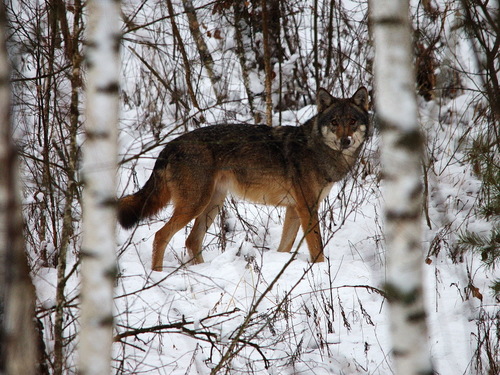

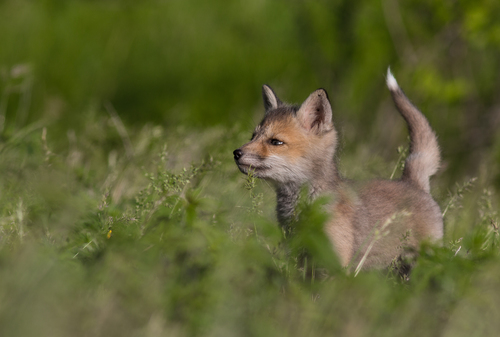

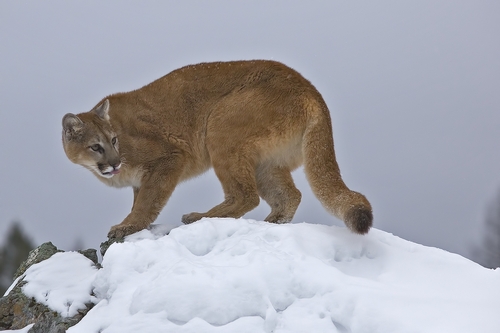
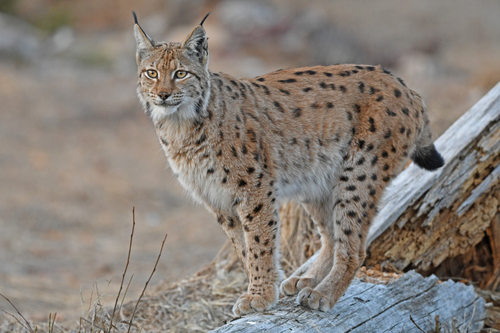
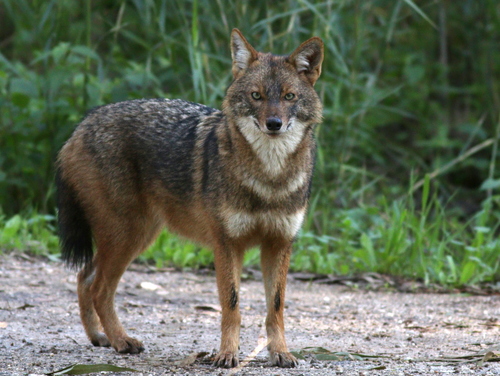 Wild boar
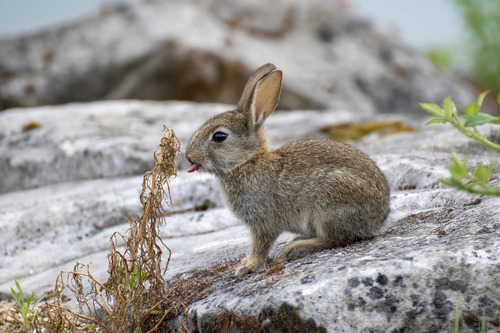


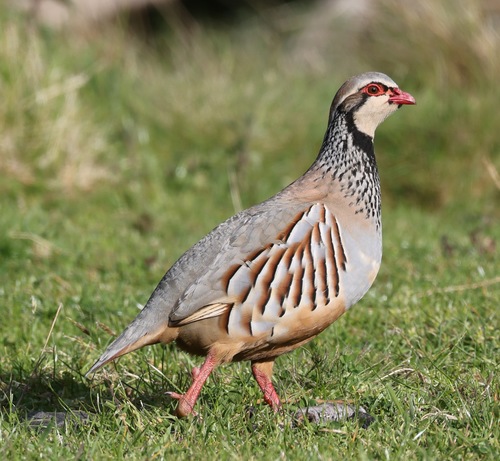
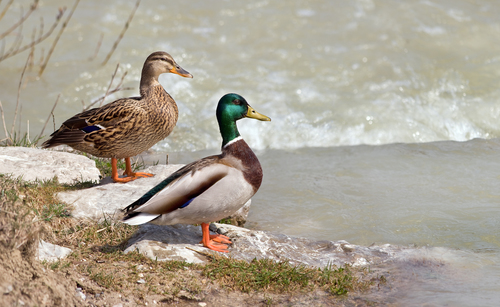

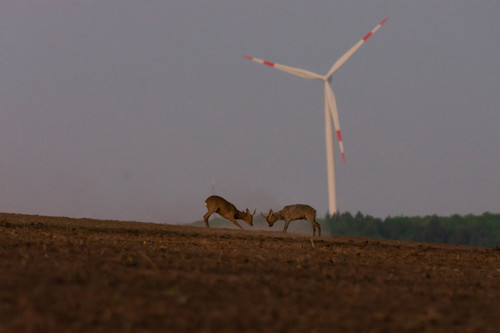
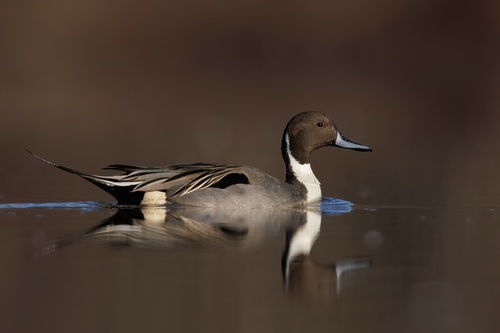
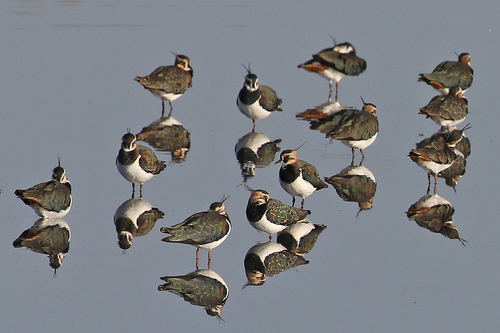
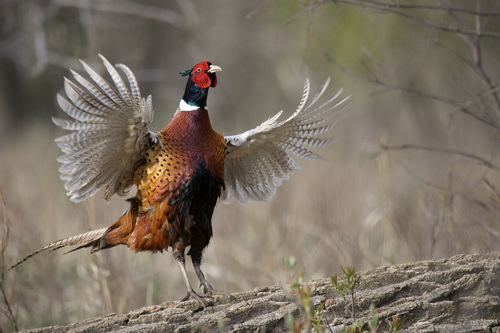
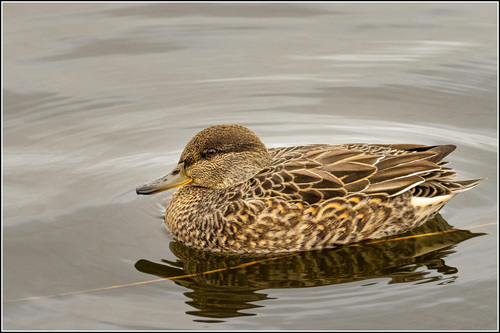
Records from studies worldwide, collected by GloBI. They include animals eaten as carrion, and they are not everything it eats in one place.
Where people see the wild boar
People have shared 37,835 records from 120 countries.
Near a city: Andorra la Vella, Bern.
Records show where people have seen it and shared it, not its full range. Country names open their page in Atlas.
When it is seen
Records per month in the northern hemisphere. More people outdoors also means more records.
Watch and listen
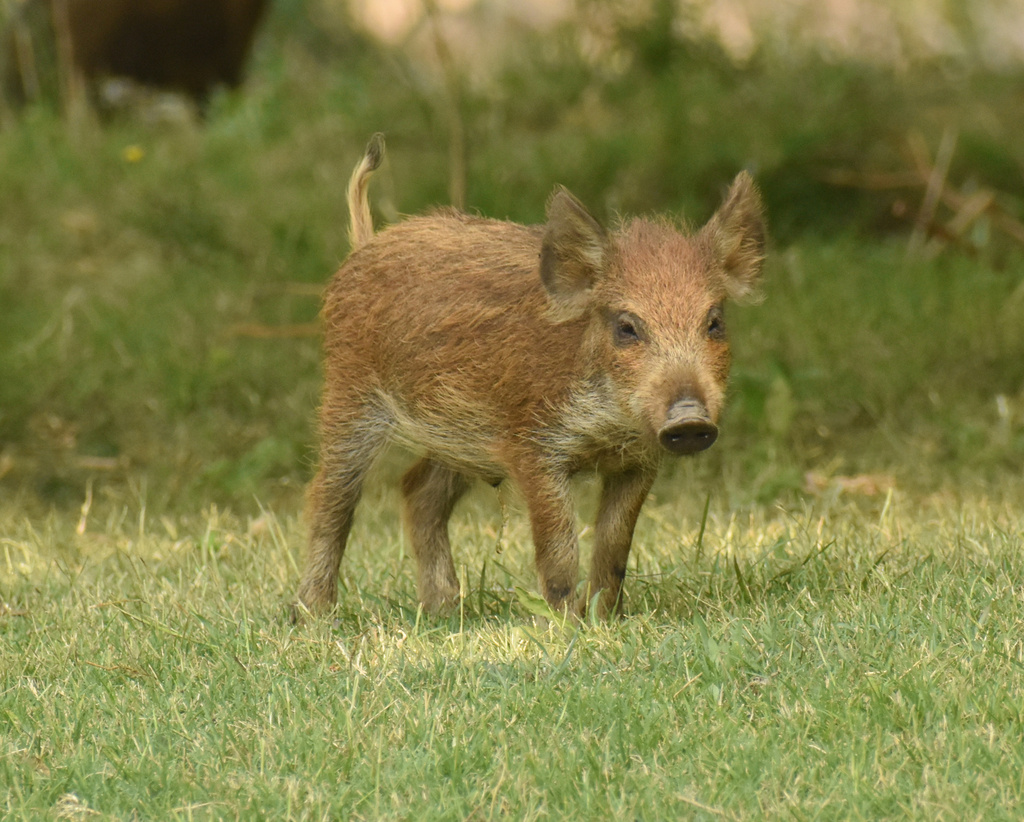
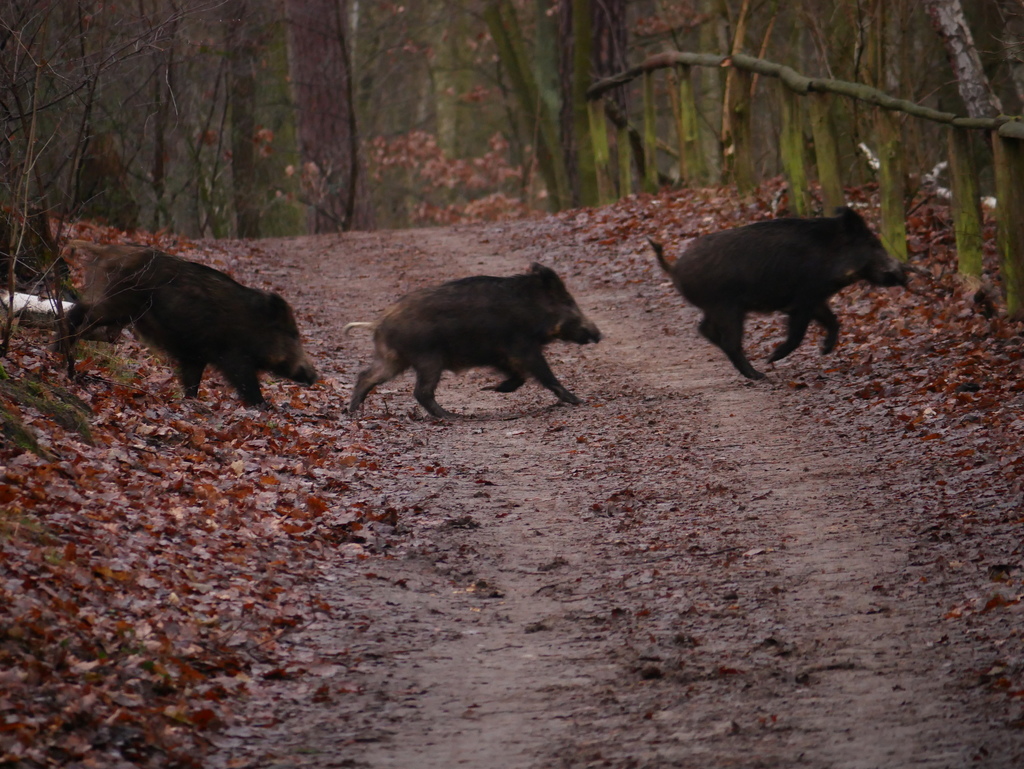
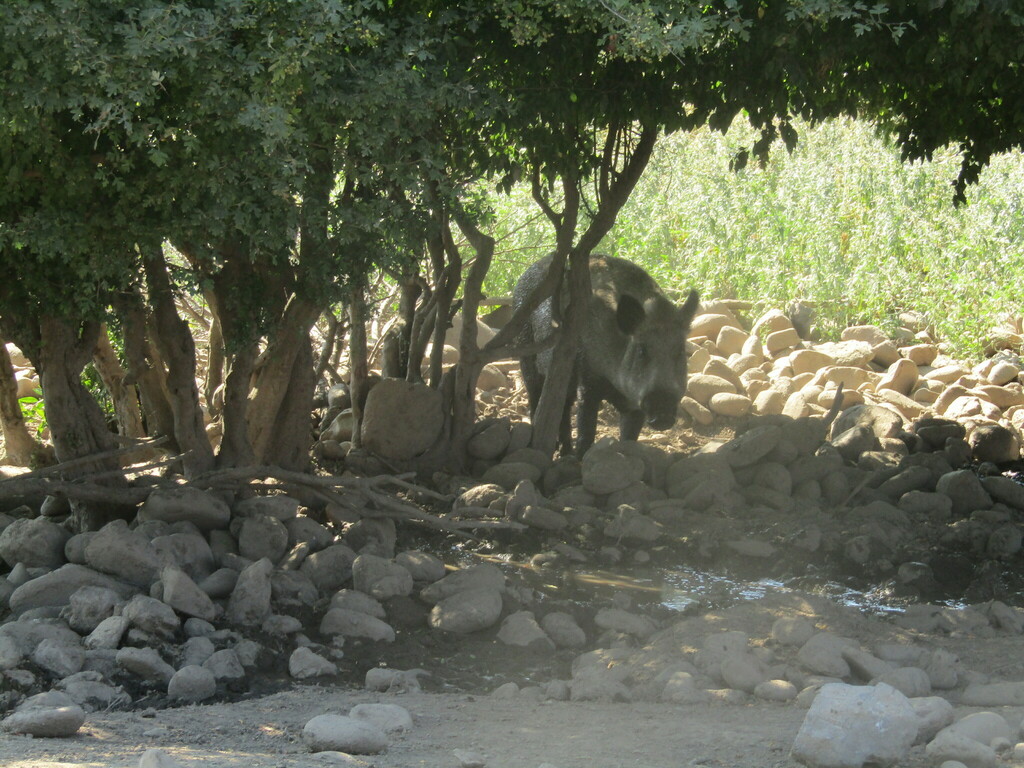
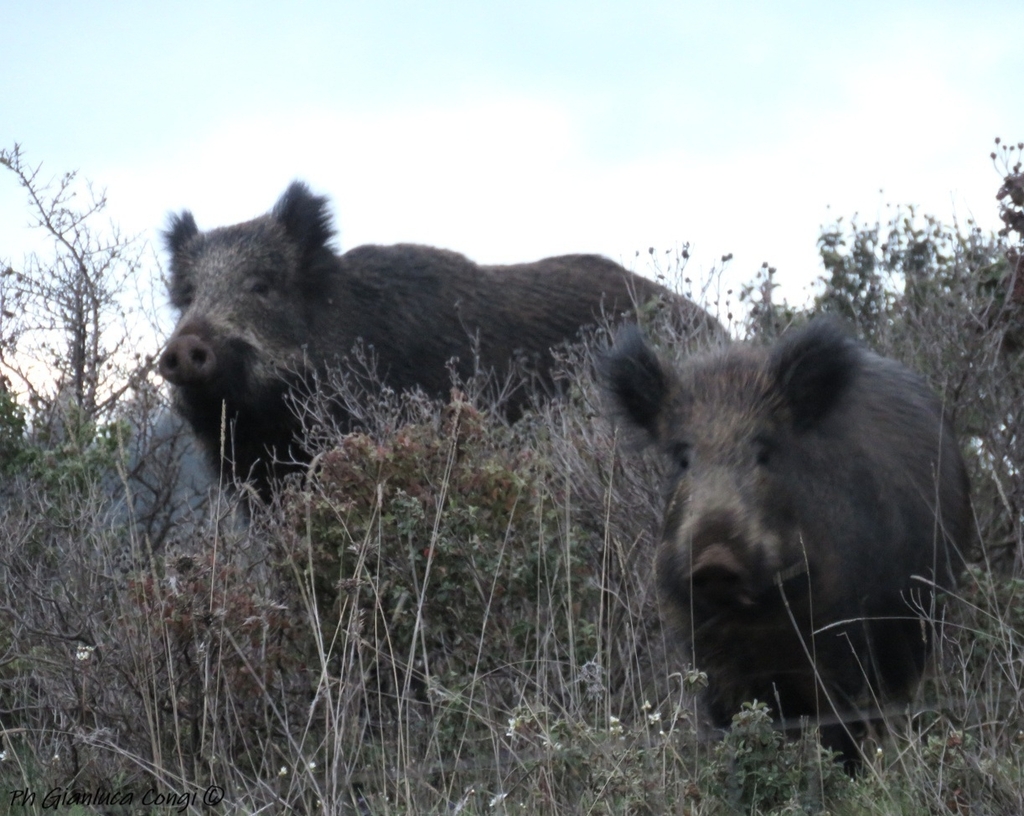
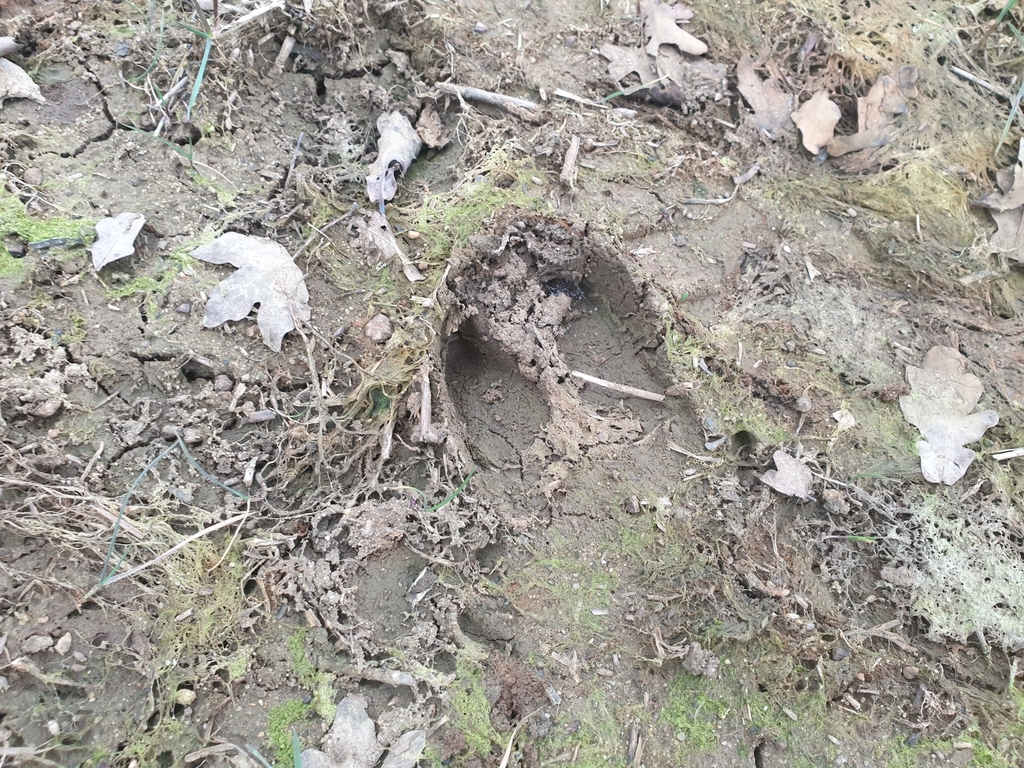
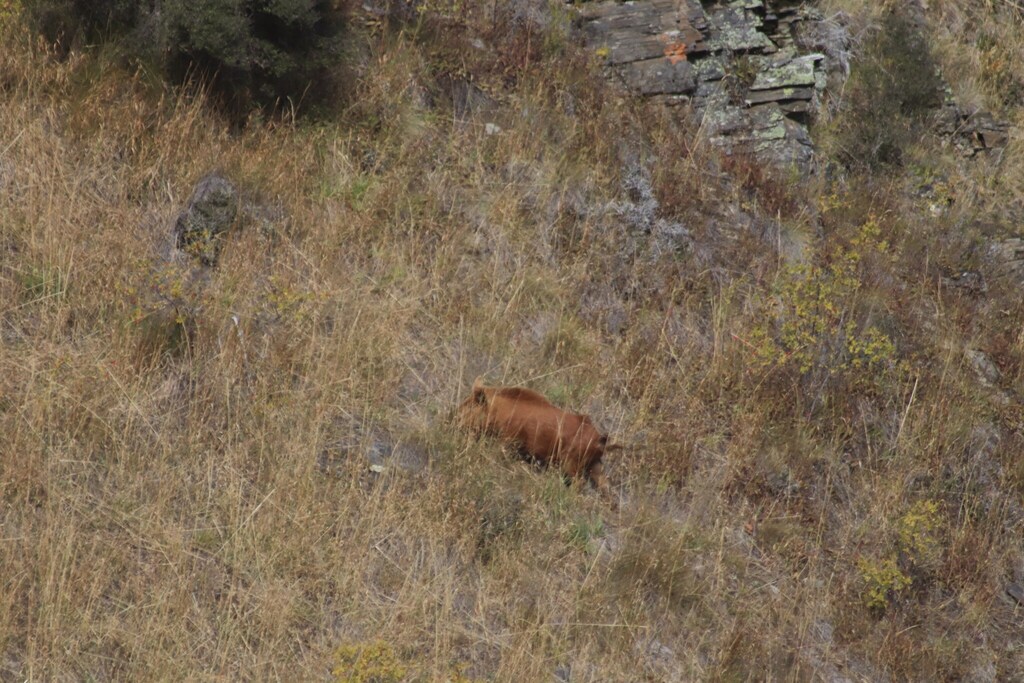
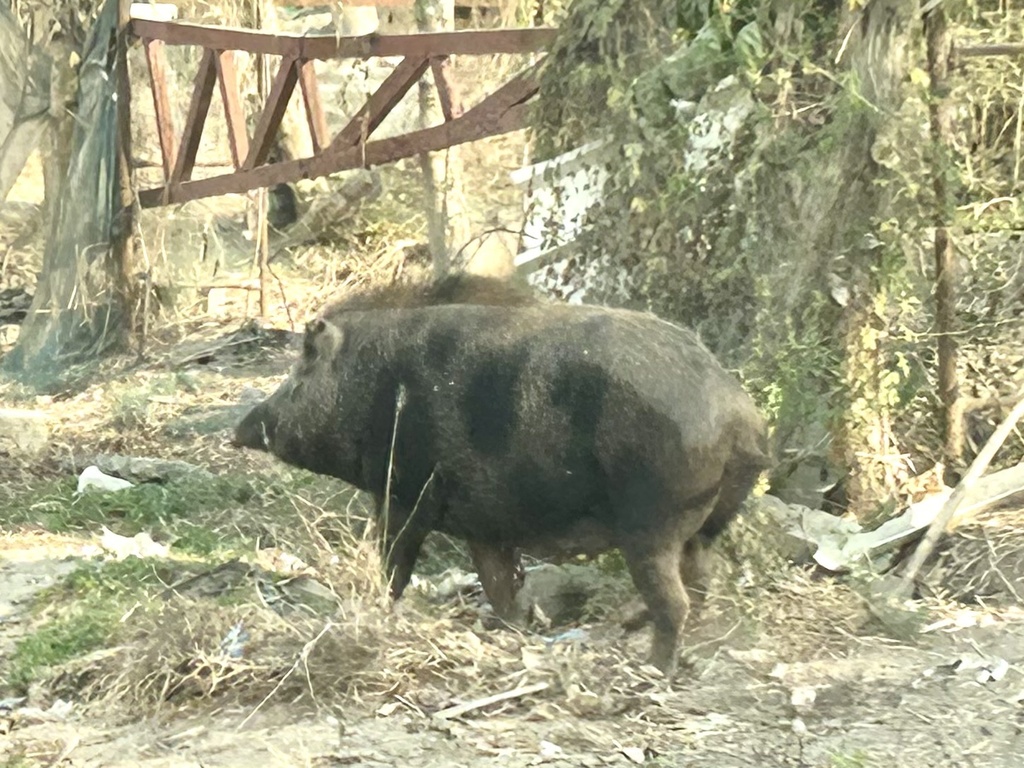
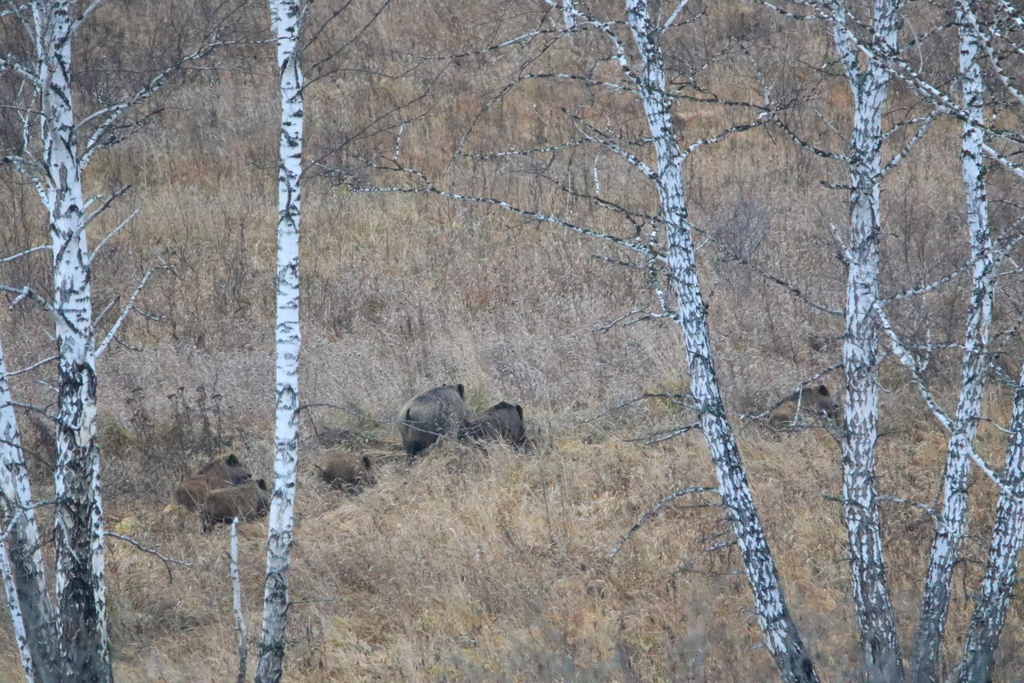
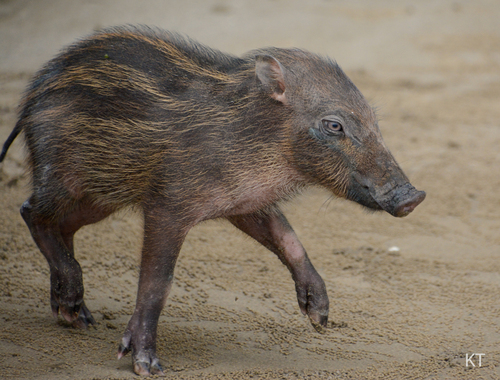
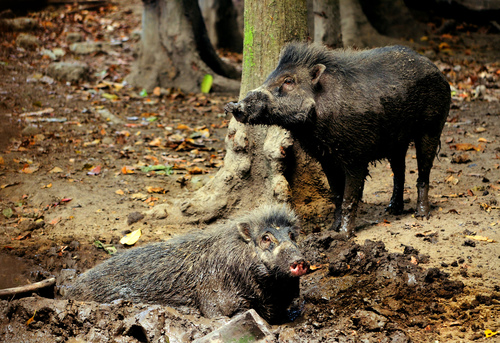
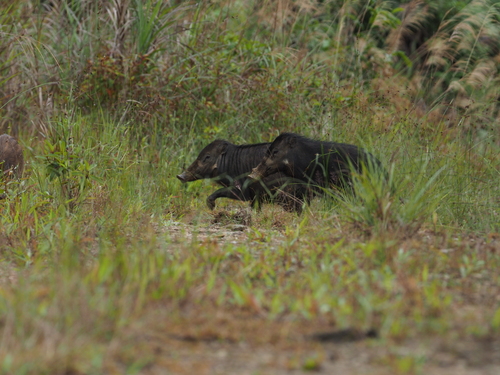
Its closest relatives
The other species of the genus Sus.

Seen a wild boar?
Share your photo on iNaturalist. Other naturalists help confirm it, and the record goes to GBIF, where scientists use it and where the maps on this page come from.
Explore next
What puts the wild boar under pressure, what helps, and who works on it.
Questions people ask
What does the wild boar eat?
The wild boar has been recorded eating 836 different kinds of animals and plants, most of them plants, reptiles, birds and mammals. The ones recorded most often are european rabbit, black grouse, field vole, red-legged partridge and mallard; records include animals eaten as carrion. Source: GloBI.
What eats the wild boar?
Recorded predators include tiger, grey wolf, leopard, red fox and brown bear. Source: GloBI.
Where does the wild boar live?
People have recorded it in 120 countries; the most records come from United States, Italy, Spain, France and India. Records show where people have seen it, not its full range.
When is the wild boar seen most?
In the northern hemisphere, the most records are made in April and the fewest in June. More people outdoors also means more records.
What are the wild boar's closest relatives?
It shares the genus Sus with bornean bearded pig, javan warty pig, visayan warty pig, palawan bearded pig and celebes warty pig.
Sources and photo credits
- GBIF · Sus scrofa, 37,835 human observations
- GloBI · recorded interactions of Sus scrofa
- Wikidata · Wild boar (Q58697)
- Wild boar (Sus scrofa): SteveM4560, CC BY 4.0
- Wild boar (Sus scrofa), Inkosi Langalibalele Rural, Inkosi Langalibalele, KZN, ZA: Sunčana Bradley, CC BY 4.0
- Wild boar (Sus scrofa), Charlottenburg-Wilmersdorf, Berlin, Germany: Alexis Tinker-Tsavalas, CC BY 4.0
- Wild boar (Sus scrofa), Kazanlak, Bulgaria: SteveM4560, CC BY 4.0
- Wild boar (Sus scrofa), San Giovanni in Fiore: Gianluca Congi🪶🦆🌲, CC BY-SA 4.0
- Wild boar (Sus scrofa), 72260 Moncé-en-Saosnois, France: Clément Maouche, CC BY 4.0
- Wild boar (Sus scrofa), Lake Hāwea 9382, New Zealand: Nathan, CC BY 4.0
- Wild boar (Sus scrofa), Capulo, Ambriz, Bengo, AO: pavlaki1968, CC BY 4.0
- Wild boar (Sus scrofa), Болотнинский р-н, Новосибирская обл., Россия: Нурхайдарова Татьяна, CC BY 4.0
- European rabbit: Alexis Lours, CC BY 4.0
- Black grouse: Анна Васильченко, CC BY 4.0
- Field vole: David Perez, CC BY 4.0
- Red-legged partridge: Jerry Lanfear, CC BY 4.0
- Mallard: anonymous, CC BY-SA 4.0
- Common quail: anonymous, CC BY-SA 4.0
- White wagtail: Kim, Hyun-tae, CC BY 4.0
- Roe deer: Charlotte Kirchner, CC BY 4.0
- Northern pintail: Matt Felperin, CC BY 4.0
- Northern lapwing: Roy Lowry, CC BY 4.0
- Common pheasant: John Krampl, CC BY 4.0
- Eurasian teal: Smudge 9000, CC BY-SA 4.0
- Tiger: Morten Ross, CC BY 4.0
- Grey wolf: Andrew Simon, CC BY 4.0
- Leopard: Raja bandi, CC BY 4.0
- Red fox: Алина Урусова, CC BY 4.0
- Brown bear: Nathan Ruser, CC BY 4.0
- Cougar: Elaine R. Wilson, CC BY-SA 4.0
- Eurasian lynx: Julia Moning, CC BY 4.0
- Golden jackal: Jan Ebr & Ivana Ebrová, CC BY 4.0
- Bornean bearded pig: Carine06, CC BY-SA 4.0
- Javan warty pig: Octavianti Shanna, CC BY 4.0
- Visayan warty pig: Shukran888, CC BY-SA 4.0
- Celebes warty pig: James Eaton, CC0
- Oliver's warty pig: PhnomPencil, CC BY-SA 4.0
Records show where people have seen and shared the wild boar, not its full range, and some countries and months are recorded far more than others. The food web lists interactions that studies have recorded somewhere in the world (GloBI), not everything it eats in one place.
Checked 2026-11-22.