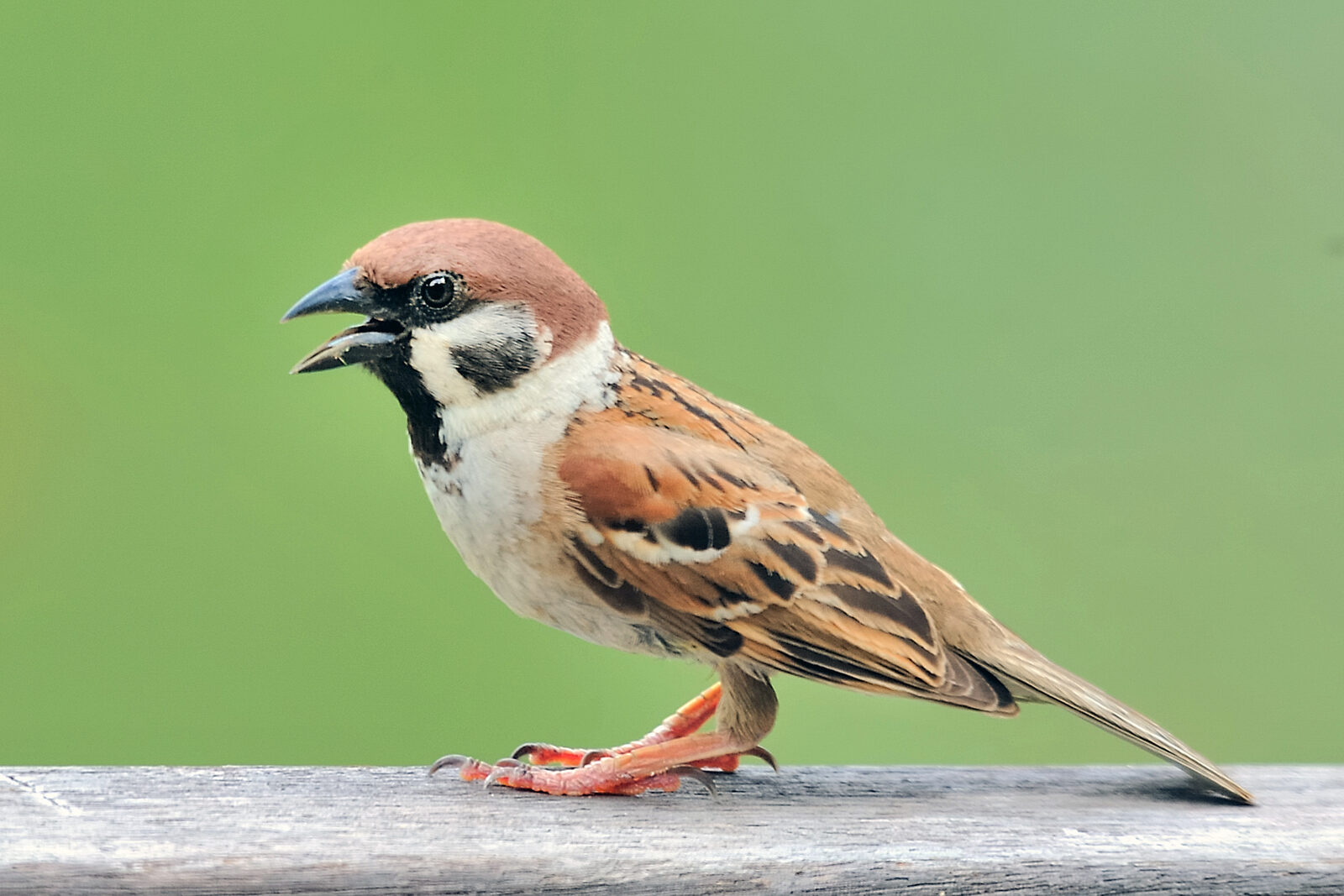
Eurasian tree sparrow
Passer montanus
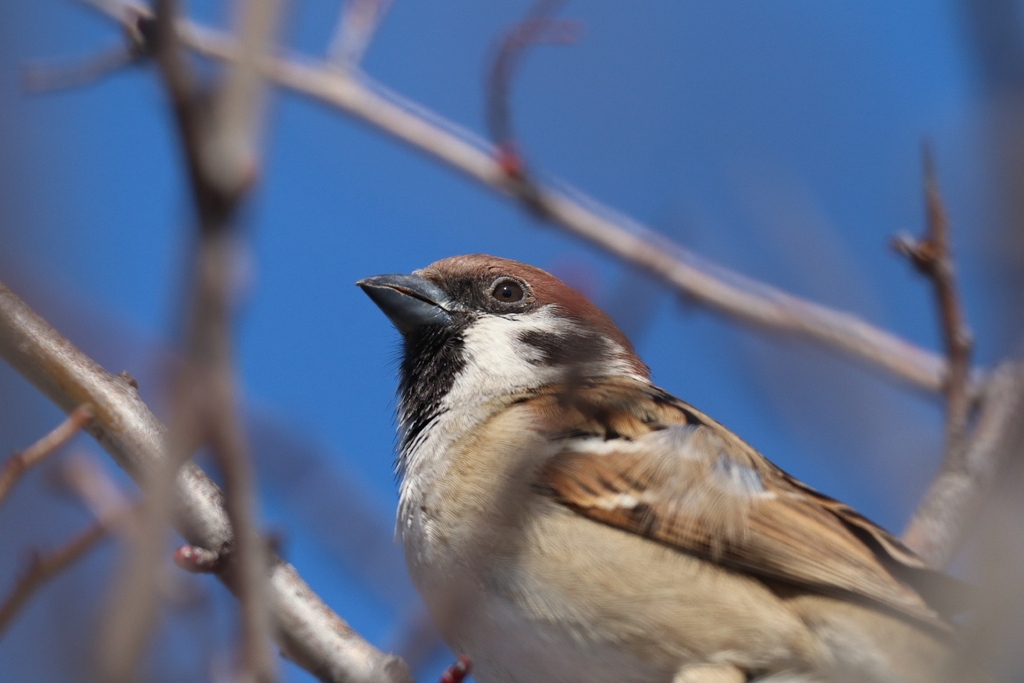
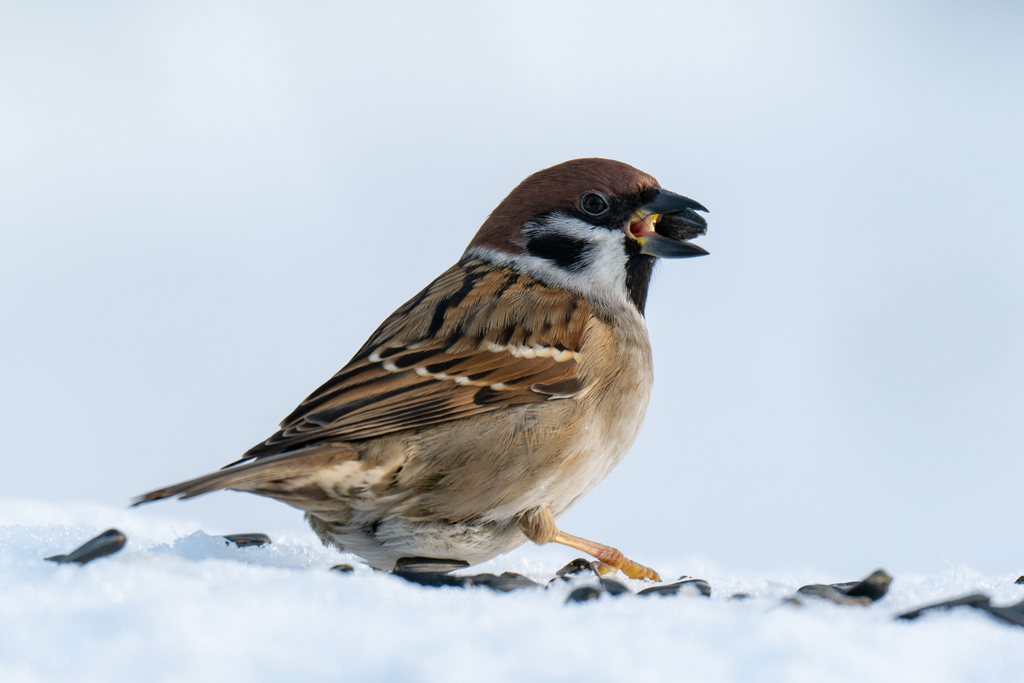
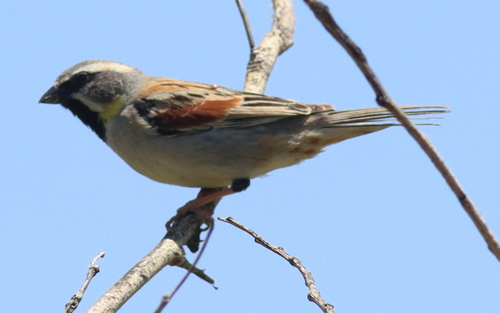
Told from the house sparrow by its chestnut cap and the black spot on each white cheek.
- Status
- Least Concern IUCN Red List
- Eats
- white mulberry, dwarf elder, annual bluegrass and 3,551 more
- Eaten by
- Eurasian magpie, grey wolf, red fox
- Where
- 106 countries · forest, shrubland
On 4Planet Atlas it is among the wildlife people record most around Amsterdam, Athens and Beijing, and 16 more of the cities we cover.
People have shared 2,042,128 records of the eurasian tree sparrow with GBIF, from 106 countries, most of them from Taiwan, Japan and Spain. Records collected by GloBI show it eating 3,554 different kinds of animals and plants, and being eaten by 58.
Habitats
- Forest
- Shrubland
What the Eurasian tree sparrow eats, and what eats it
Studies have recorded it eating 3,554 kinds of animals and plants, and 58 kinds of animals eating it. Tap any of them to follow the food chain.
- Plants 1,858
- Insects 1,259
- Snails and slugs 3
Eaten by
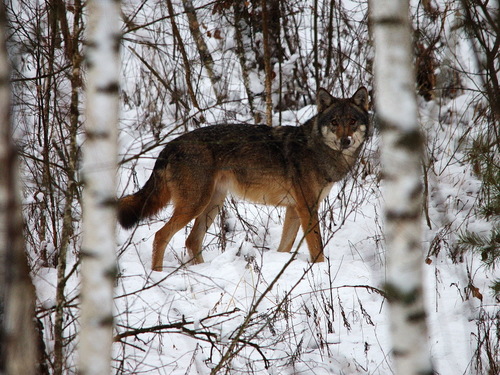
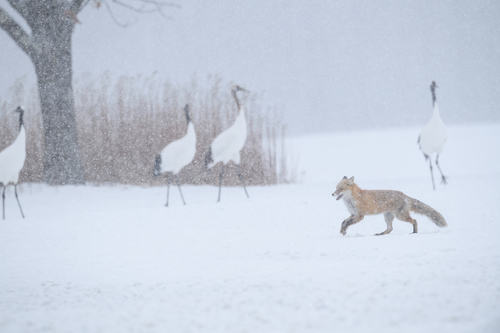
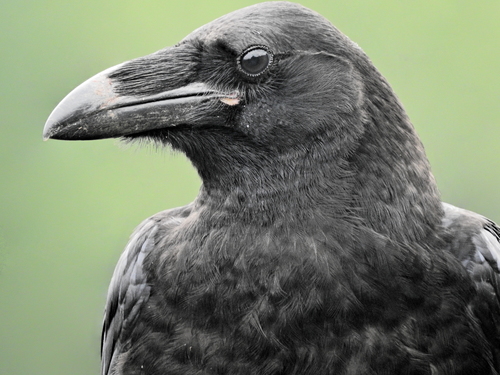
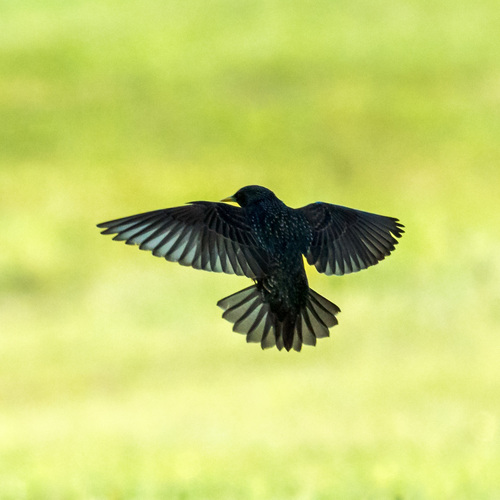
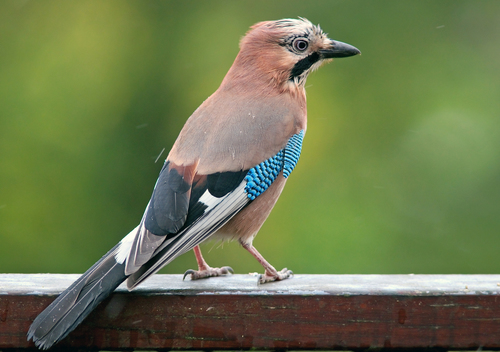

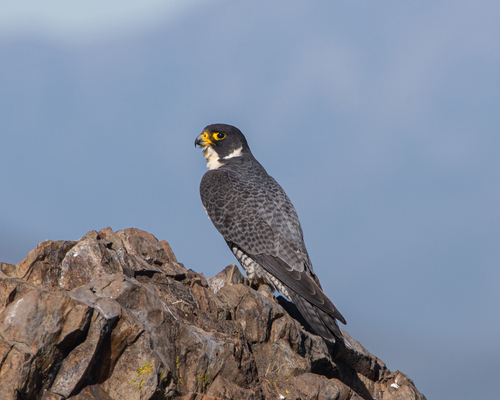 Eurasian tree sparrow
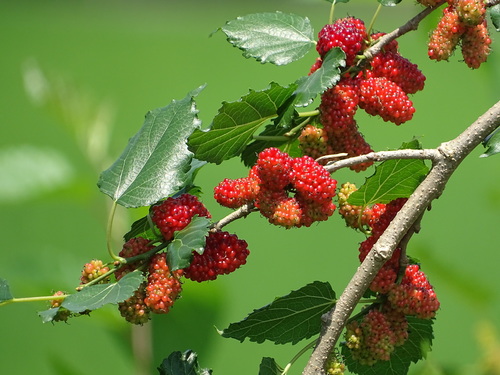
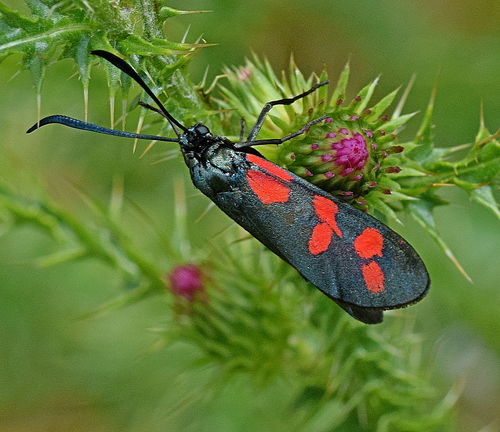

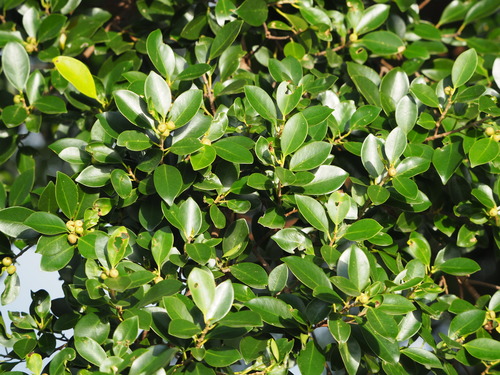

Records from studies worldwide, collected by GloBI. They include animals eaten as carrion, and they are not everything it eats in one place.
Where people see the Eurasian tree sparrow
People have shared 2,042,128 records from 106 countries.
Near a city: Amsterdam, Athens, Beijing, Bergen, Berlin, Copenhagen, Helsinki, Jakarta, Lisbon, Madrid, Oslo, Prague, Rome, Seoul, Shanghai, Stockholm, Tokyo, Vienna, Warsaw.
Records show where people have seen it and shared it, not its full range. Country names open their page in Atlas.
When it is seen
Records per month in the northern hemisphere. More people outdoors also means more records.
Watch and listen



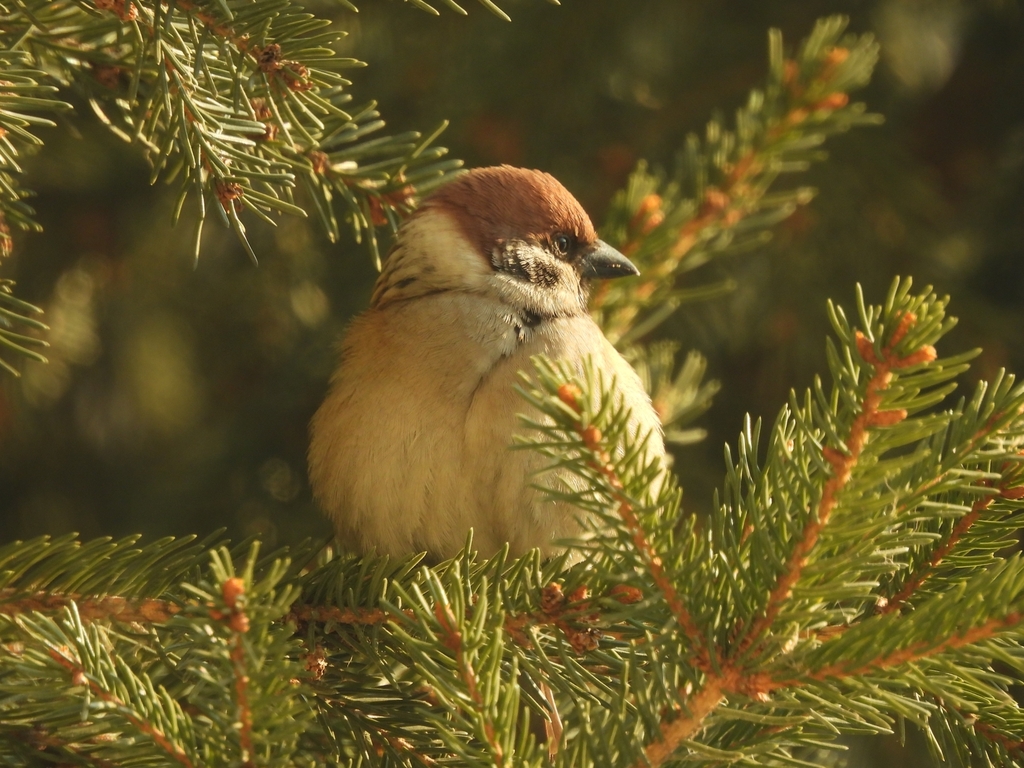
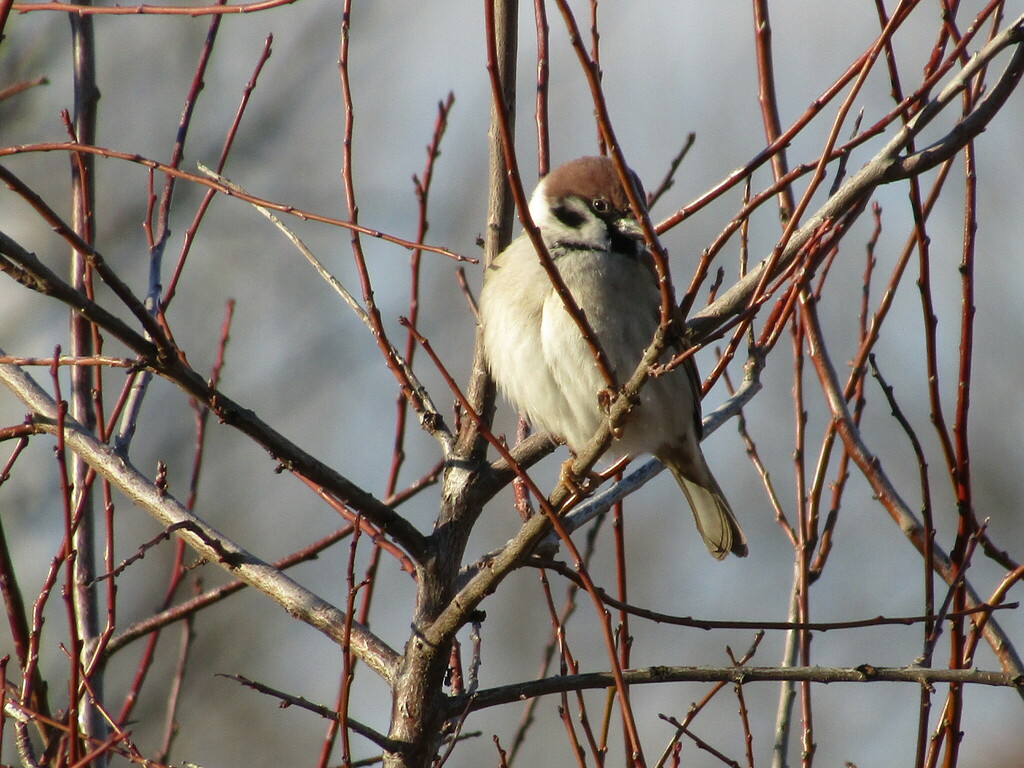
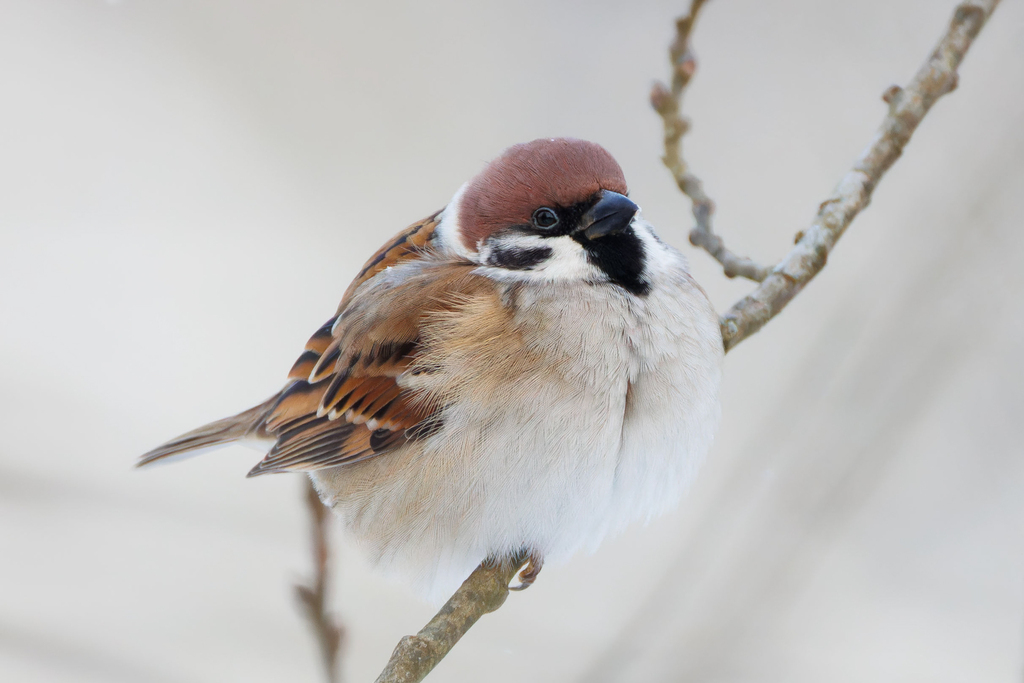
Its closest relatives
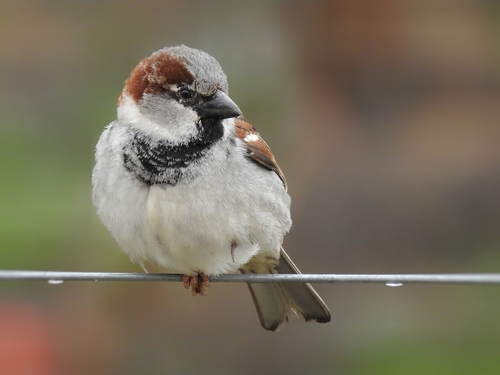
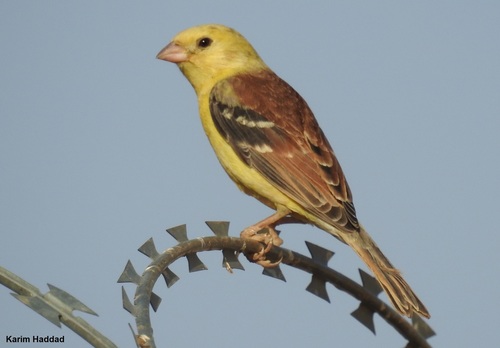
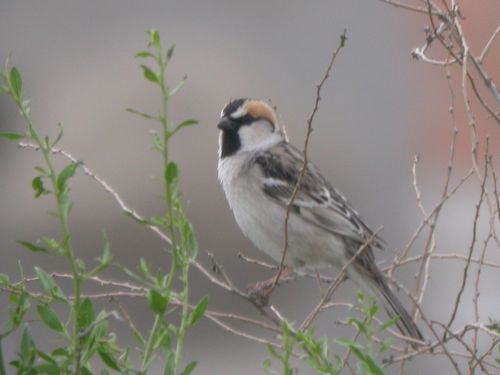
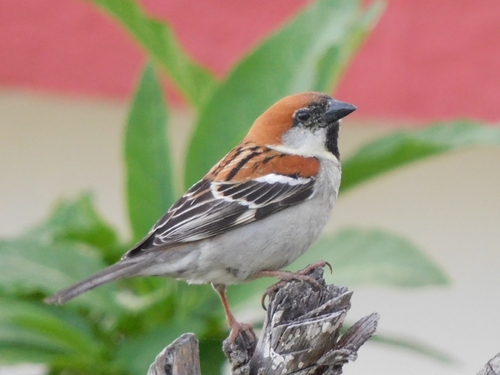
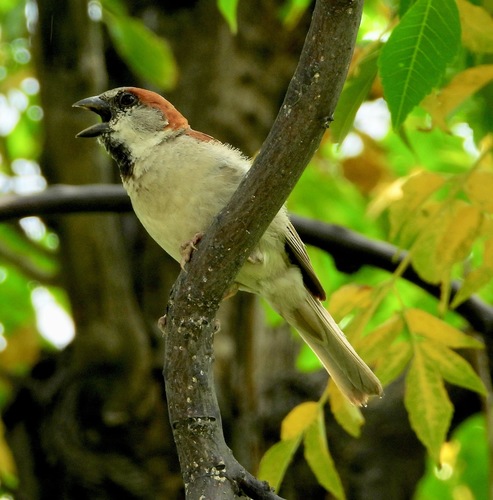
The other species of the genus Passer.


Seen a Eurasian tree sparrow?
Share your photo on iNaturalist. Other naturalists help confirm it, and the record goes to GBIF, where scientists use it and where the maps on this page come from.
Questions people ask
What does the eurasian tree sparrow eat?
The eurasian tree sparrow has been recorded eating 3,554 different kinds of animals and plants, most of them plants, insects and snails and slugs. The ones recorded most often are white mulberry, dwarf elder, annual bluegrass, six-spot burnet and wood bluegrass; records include animals eaten as carrion. Source: GloBI.
What eats the eurasian tree sparrow?
Recorded predators include eurasian magpie, grey wolf, red fox, northern raven and common starling. Source: GloBI.
Where does the eurasian tree sparrow live?
People have recorded it in 106 countries; the most records come from Taiwan, Japan, Spain, China and United States. Records show where people have seen it, not its full range.
When is the eurasian tree sparrow seen most?
In the northern hemisphere, the most records are made in May and the fewest in August. More people outdoors also means more records.
What are the eurasian tree sparrow's closest relatives?
It shares the genus Passer with house sparrow, spanish sparrow, sudan golden sparrow, saxaul sparrow and russet sparrow.
Sources and photo credits
- GBIF · Passer montanus, 2,042,128 human observations
- GloBI · recorded interactions of Passer montanus
- Wikidata · Eurasian tree sparrow (Q25968)
- Eurasian tree sparrow (Passer montanus): Yiwenyiwen, CC BY-SA 4.0
- Eurasian tree sparrow (Passer montanus): Andreas Trepte, CC BY-SA 4.0
- Eurasian tree sparrow (Passer montanus), Mosoaia, RO-AG, RO: Radu Teodoreanu, CC BY 4.0
- Eurasian tree sparrow (Passer montanus), Mosoaia, RO-AG, RO: Radu Teodoreanu, CC BY 4.0
- Eurasian tree sparrow (Passer montanus), Кругловка, Волгоградская обл., Россия, 403183: Stanislav Murashkin, CC BY 4.0
- Eurasian tree sparrow (Passer montanus), Alvaiázere, 3250, Portugal: Paulo Martins, CC BY-SA 4.0
- Eurasian tree sparrow (Passer montanus), Карабаш, Челябинская обл., Россия: Евгений Маринкин, CC BY 4.0
- Eurasian tree sparrow (Passer montanus), 4292 Dobri Dol, Bulgaria: SteveM4560, CC BY 4.0
- Eurasian tree sparrow (Passer montanus), Юго-Западный административный округ, Москва, Россия: Михаил Голомысов, CC BY 4.0
- White mulberry: no rights reserved, uploaded by 葉子, CC0
- Six-spot burnet: Kostas Zontanos, CC BY 4.0
- Wood bluegrass: Douglas Goldman, CC BY-SA 4.0
- Chinese banyan: no rights reserved, uploaded by 葉子, CC0
- Tasteless water-pepper: Paul Cook, CC BY 4.0
- Grey wolf: Andrew Simon, CC BY 4.0
- Red fox: Morten Ross, CC BY 4.0
- Northern raven: xulescu_g, CC BY-SA 4.0
- Common starling: Shiva Shenoy, CC BY 4.0
- Eurasian jay: Luc Viatour, CC BY-SA 4.0
- Eurasian red squirrel: Rhododendrites, CC BY-SA 4.0
- Peregrine falcon: Nicolás Villaseca Merino, CC BY-SA 4.0
- House sparrow: Esteban Poveda, CC BY 4.0
- Spanish sparrow: Christoph Moning, CC BY 4.0
- Sudan golden sparrow: Karim Haddad, CC BY 4.0
- Saxaul sparrow: Alastair Rae, CC BY-SA 4.0
- Russet sparrow: Jagdish Singh Negi, alguns direitos reservados (CC BY), carregado por Jagdish Singh Negi, CC BY 4.0
- Sind sparrow: desertnaturalist, alguns direitos reservados (CC BY), carregado por desertnaturalist, CC BY 4.0
- Italian sparrow: Omar Bariffi, CC BY 4.0
- Dead sea sparrow: Jan Ebr & Ivana Ebrová, CC BY 4.0
Records show where people have seen and shared the eurasian tree sparrow, not its full range, and some countries and months are recorded far more than others. The food web lists interactions that studies have recorded somewhere in the world (GloBI), not everything it eats in one place.
Checked 2026-11-20.