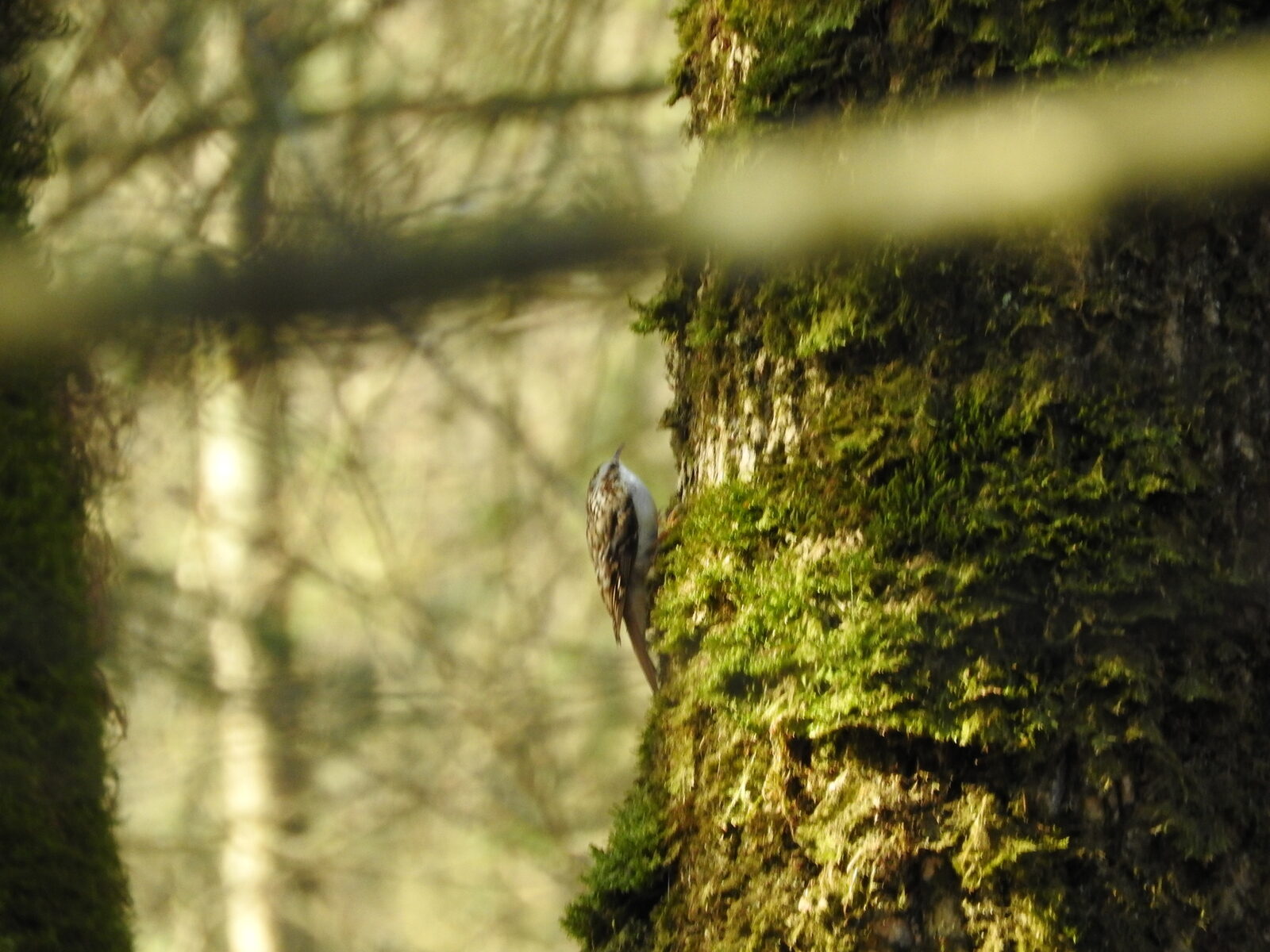
Eurasian Treecreeper
Certhia familiaris
- Status
- Least Concern IUCN Red List
- Eats
- six-spot burnet, limnophila punctata and 1,769 more
- Where
- 55 countries
On 4Planet Atlas it is among the wildlife people record most around Andorra la Vella, Bergen and Berlin, and 28 more of the cities we cover.
People have shared 317,863 records of the eurasian Treecreeper with GBIF, from 55 countries, most of them from United Kingdom, Russia and Sweden. Records collected by GloBI show it eating 1,771 different kinds of animals and plants, and being eaten by 24.
What the Eurasian Treecreeper eats, and what eats it
Studies have recorded it eating 1,771 kinds of animals and plants, and 24 kinds of animals eating it. Tap any of them to follow the food chain.
- Insects 1,318
- Snails and slugs 3
- Plants 1
Eaten by

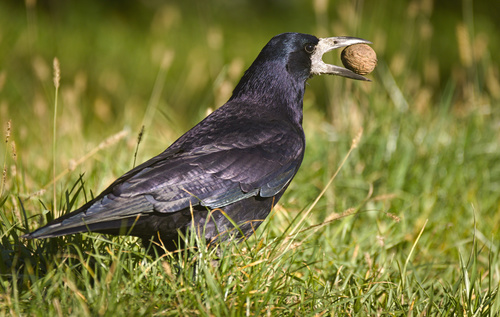
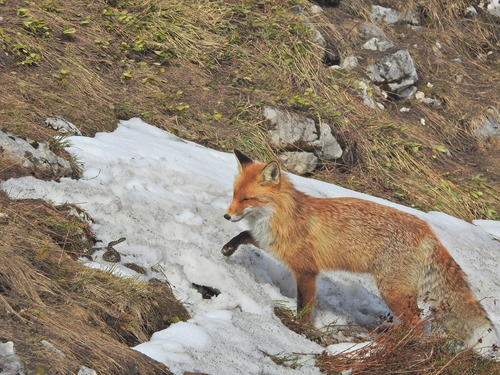
 Eurasian Treecreeper
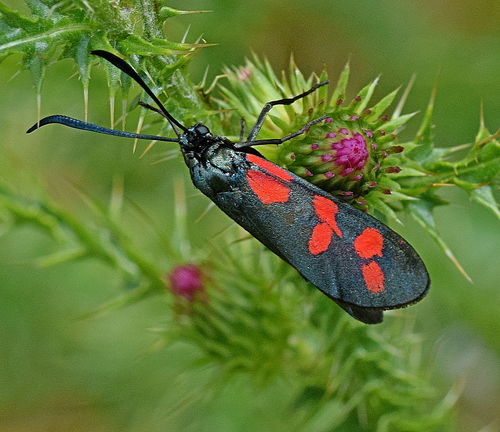
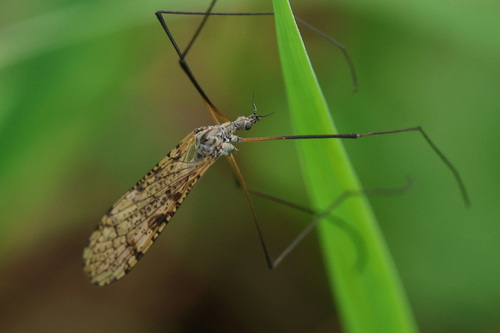
Records from studies worldwide, collected by GloBI. They include animals eaten as carrion, and they are not everything it eats in one place.
Where people see the Eurasian Treecreeper
People have shared 317,863 records from 55 countries.
Near a city: Andorra la Vella, Bergen, Berlin, Bern, Bratislava, Bucharest, Budapest, Chișinău, Copenhagen, Dublin, Helsinki, Kyiv, Ljubljana, London, Minsk, Moscow, Oslo, Prague, Pristina, Riga, Sarajevo, Seoul, Sofia, Stockholm, Tallinn, Ulaanbaatar, Vaduz, Vienna, Vilnius, Warsaw, Zagreb.
Records show where people have seen it and shared it, not its full range. Country names open their page in Atlas.
When it is seen
Records per month in the northern hemisphere. More people outdoors also means more records.
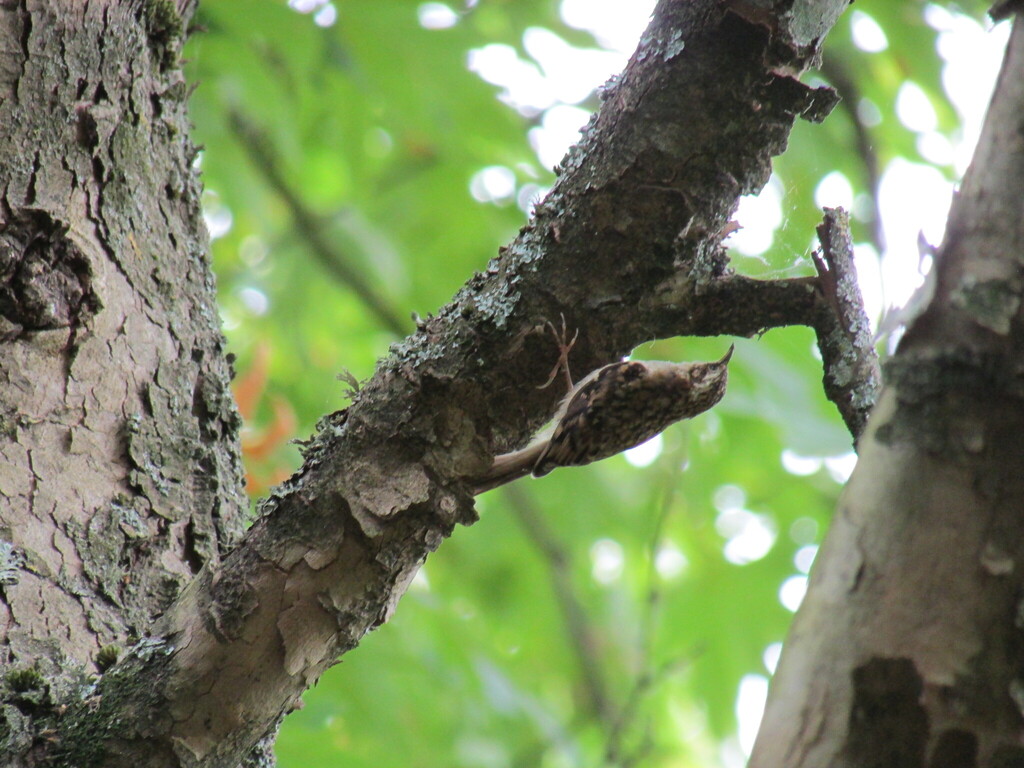
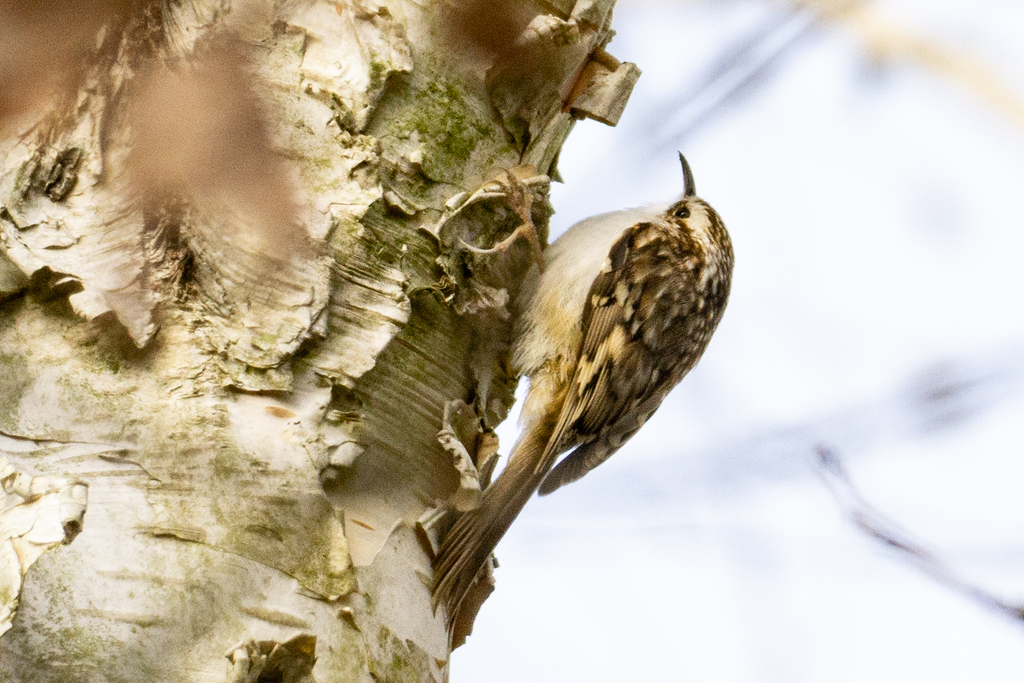
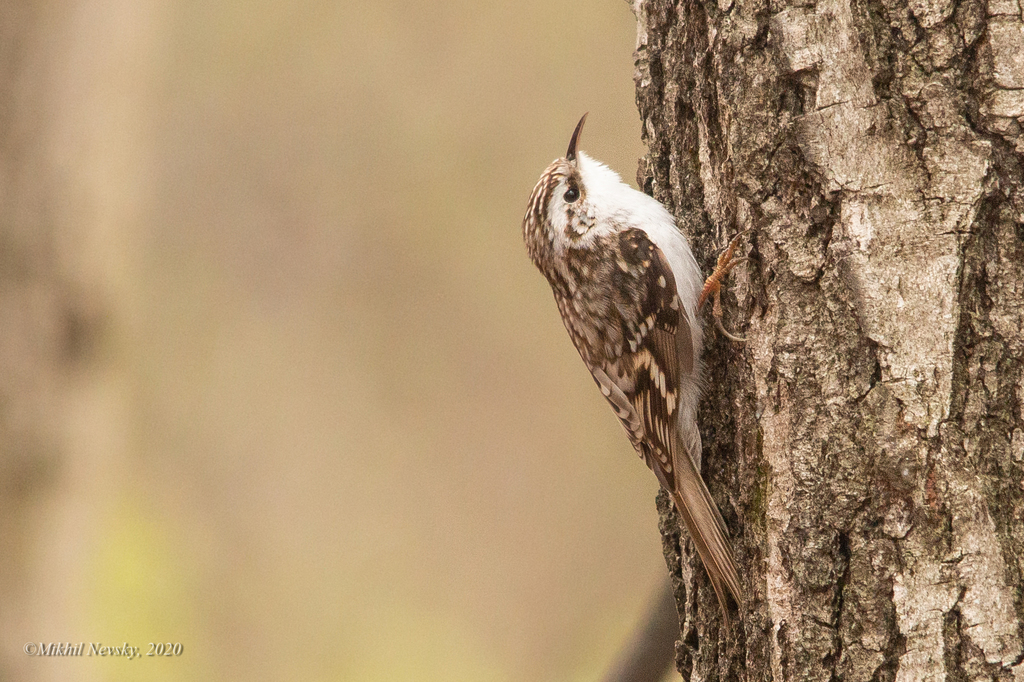
Watch and listen
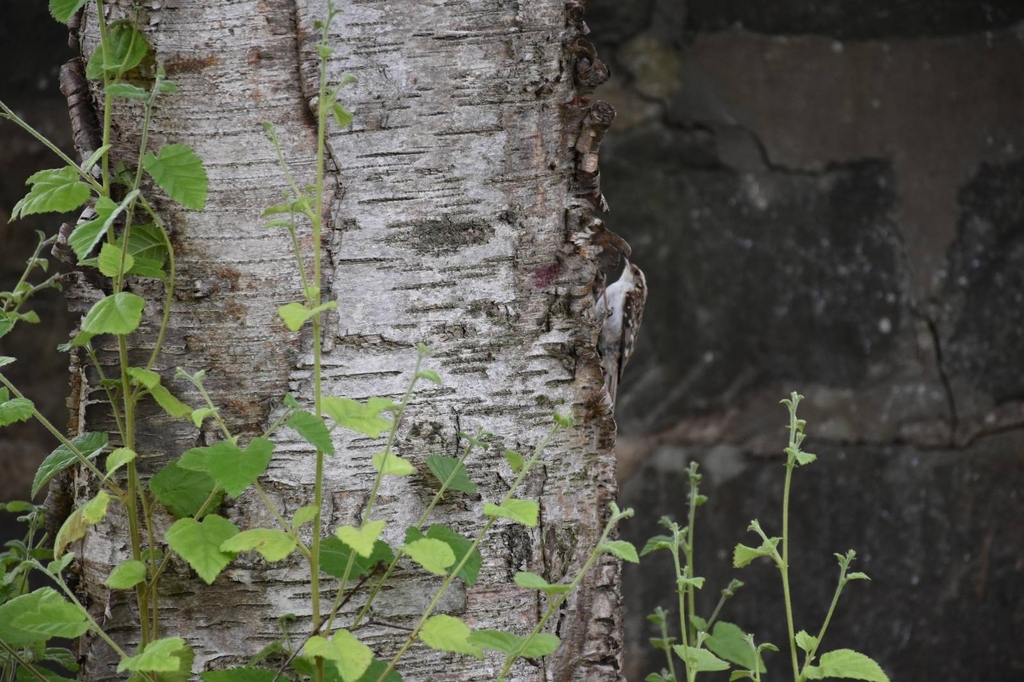
Its closest relatives
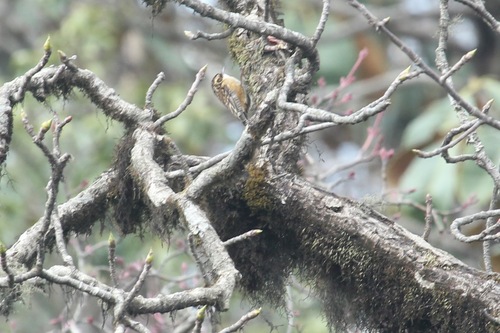
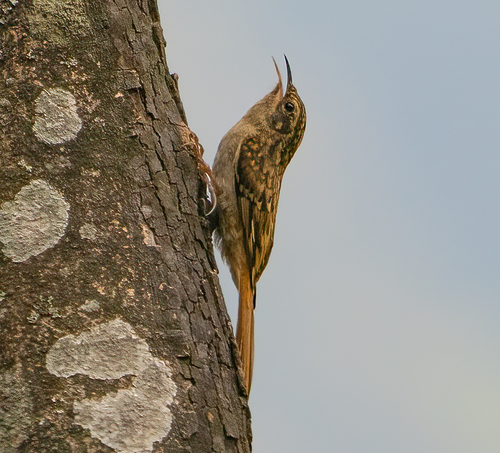
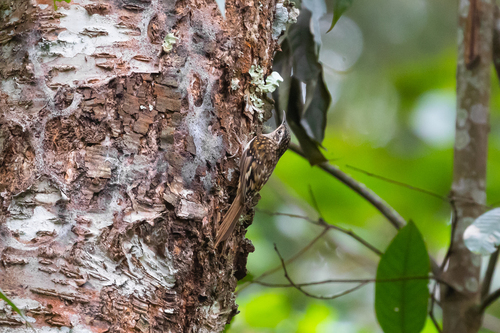
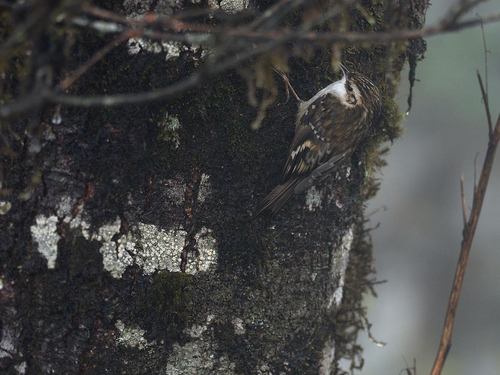
The other species of the genus Certhia.
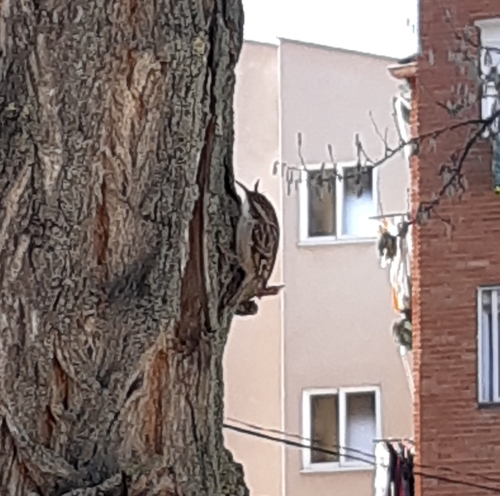
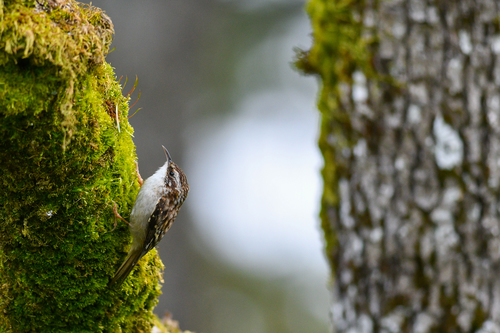
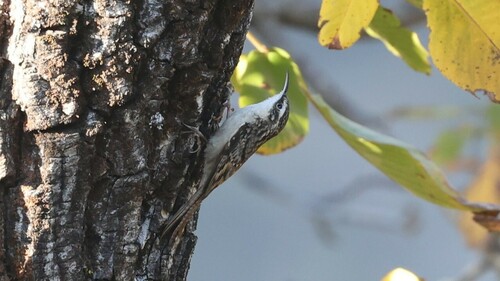
Seen a Eurasian Treecreeper?
Share your photo on iNaturalist. Other naturalists help confirm it, and the record goes to GBIF, where scientists use it and where the maps on this page come from.
Questions people ask
What does the eurasian Treecreeper eat?
The eurasian Treecreeper has been recorded eating 1,771 different kinds of animals and plants, most of them insects, snails and slugs and plants. The ones recorded most often are six-spot burnet and limnophila punctata; records include animals eaten as carrion. Source: GloBI.
What eats the eurasian Treecreeper?
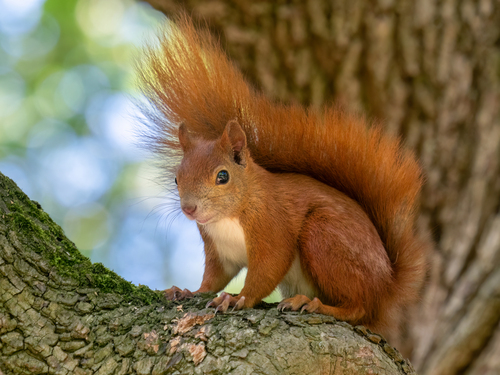
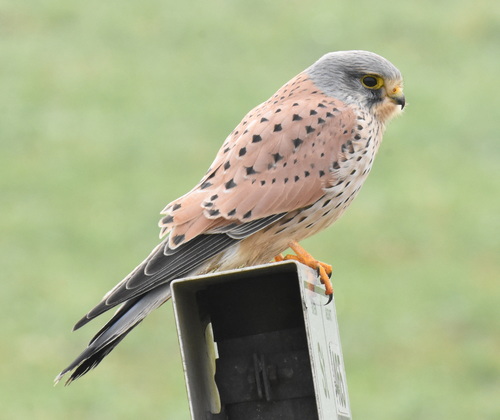
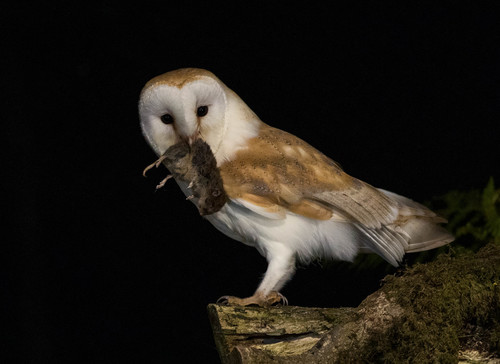
Recorded predators include eurasian red squirrel, eurasian eagle-owl, common kestrel, eurasian sparrowhawk and western barn owl. Source: GloBI.
Where does the eurasian Treecreeper live?
People have recorded it in 55 countries; the most records come from United Kingdom, Russia, Sweden, Germany and Finland. Records show where people have seen it, not its full range.
When is the eurasian Treecreeper seen most?
In the northern hemisphere, the most records are made in March and the fewest in June. More people outdoors also means more records.
What are the eurasian Treecreeper's closest relatives?
It shares the genus Certhia with short-toed treecreeper, brown creeper, bar-tailed treecreeper, rusty-flanked treecreeper and brown-throated treecreeper.
Sources and photo credits
- GBIF · Certhia familiaris, 317,863 human observations
- GloBI · recorded interactions of Certhia familiaris
- Wikidata · Eurasian Treecreeper (Q193593)
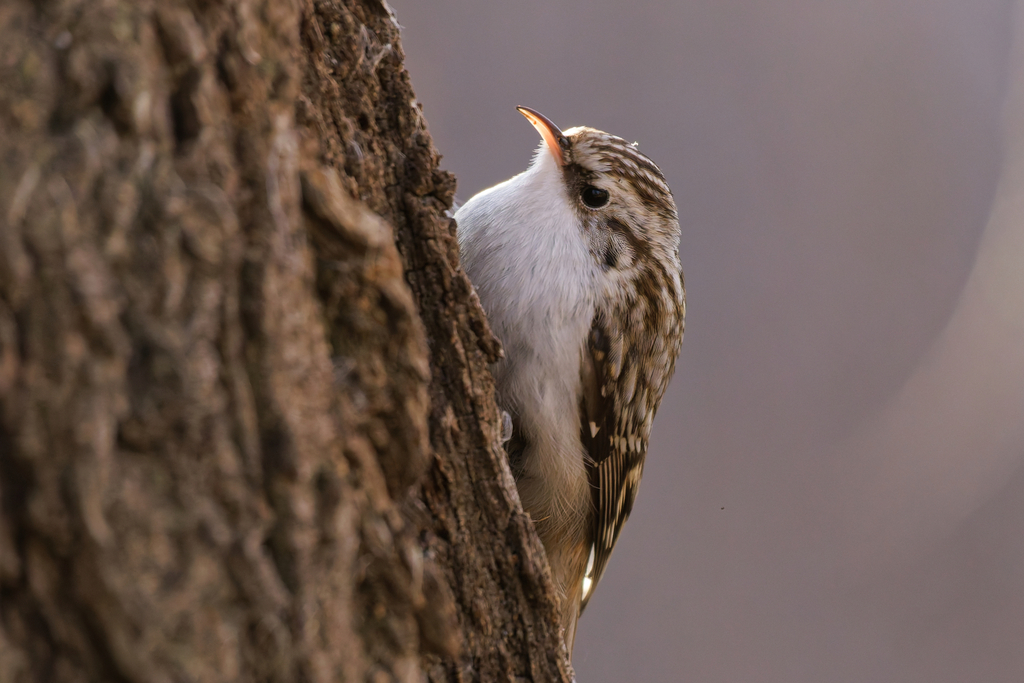
- Eurasian Treecreeper (Certhia familiaris): Francesco Cecere, CC0
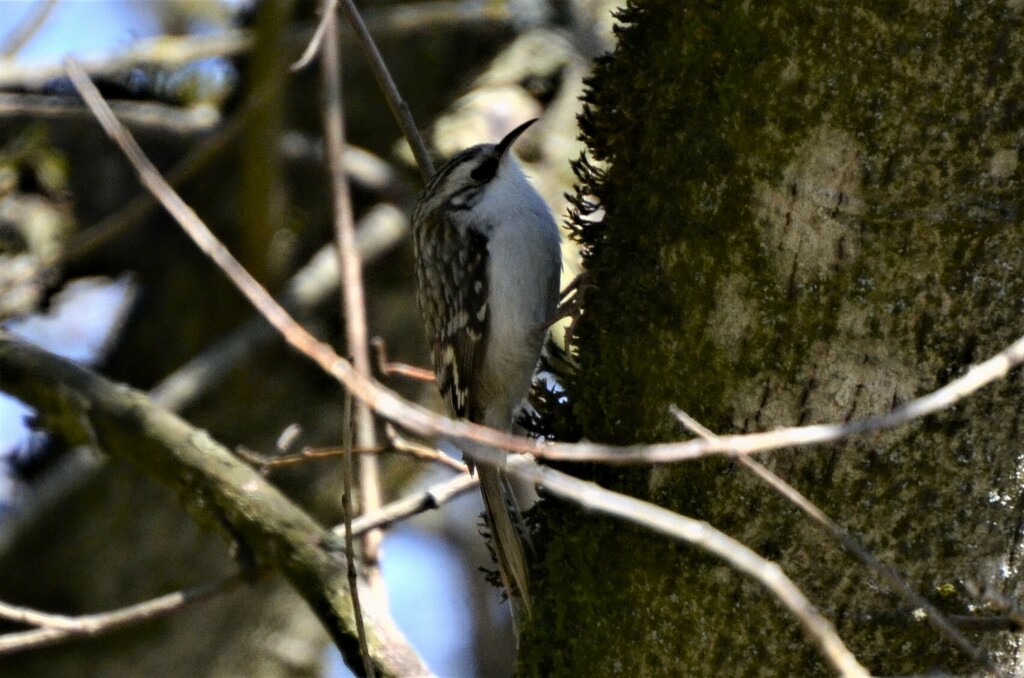
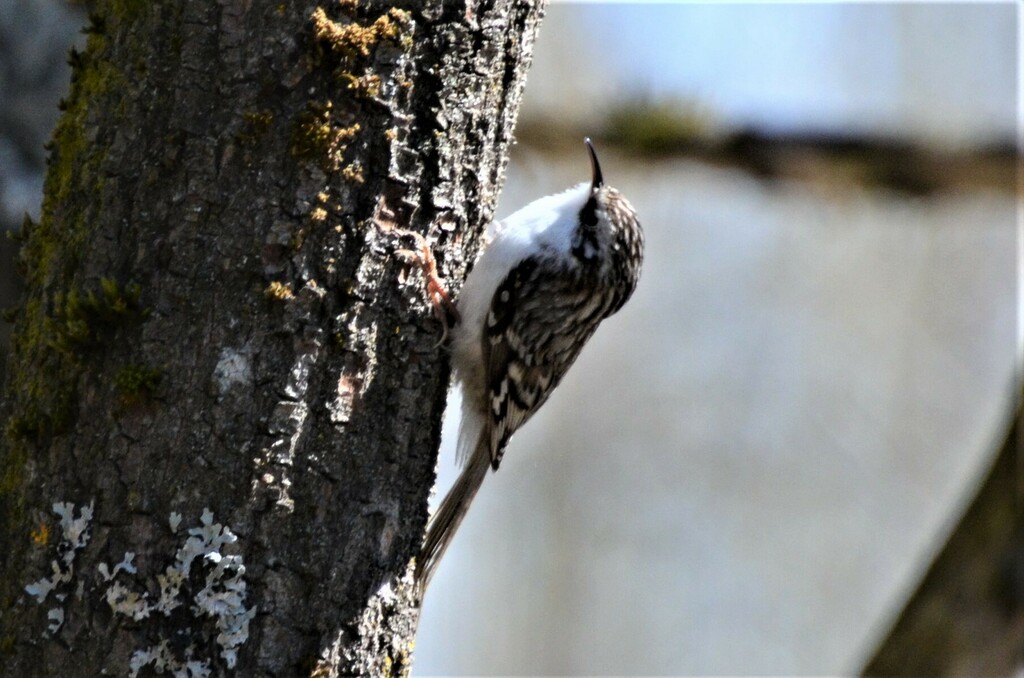
- Eurasian Treecreeper (Certhia familiaris), Pleasure Grounds, Farmleigh, Phoenix Park, Co. Dublin: Fionn Ó Marcaigh, CC BY 4.0
- Eurasian Treecreeper (Certhia familiaris), Elmbridge Open Space, Surbiton, London, UK: Andrew Skotnicki, CC BY 4.0
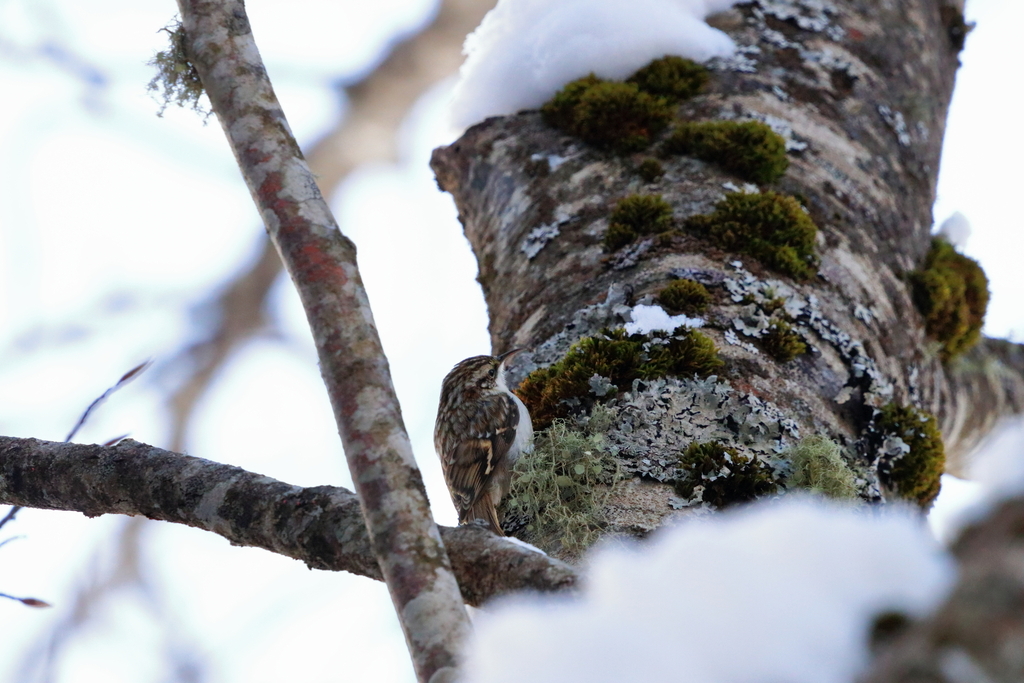
- Eurasian Treecreeper (Certhia familiaris), Восточный административный округ, Москва, Россия: Mikhail Nevsky, CC BY 4.0
- Eurasian Treecreeper (Certhia familiaris), Murtal, Österreich: E. A., CC BY 4.0
- Eurasian Treecreeper (Certhia familiaris), Murtal, Österreich: E. A., CC BY 4.0
- Eurasian Treecreeper (Certhia familiaris), Светлый, Оренбургская обл., Россия, 462740: Андрей Агафонов, CC0
- Eurasian Treecreeper (Certhia familiaris), Bakuriani, Georgia: Donsky, CC BY 4.0
- Eurasian Treecreeper (Certhia familiaris), Cathedral Square, Glasgow G4 0UZ, UK: Alicia D, CC BY 4.0
- Six-spot burnet: Kostas Zontanos, CC BY 4.0
- Limnophila punctata: Вячеслав Юсупов, CC BY 4.0
- Eurasian red squirrel: Rhododendrites, CC BY-SA 4.0
- Common kestrel: Thorsten Hackbarth, CC BY 4.0
- Eurasian sparrowhawk: Stanislav Murashkin, CC BY 4.0
- Western barn owl: john.purvis, CC BY 4.0
- Rook: hedera.baltica, CC BY-SA 4.0
- Adder: xulescu_g, CC BY-SA 4.0
- Carrion crow: no rights reserved, uploaded by Charlie Farrell, CC0
- Short-toed treecreeper: Javier Sánchez Álvarez, CC BY 4.0
- Brown creeper: Thompson Hyggen, CC0
- Bar-tailed treecreeper: Gannu03, CC BY-SA 4.0
- Rusty-flanked treecreeper: Barry Stewart, CC BY 4.0
- Brown-throated treecreeper: Jim Moore (Maryland), CC BY 4.0
- Hume's treecreeper: Johannes S., CC BY 4.0
- Hodgson's treecreeper: James Eaton, CC0
Records show where people have seen and shared the eurasian Treecreeper, not its full range, and some countries and months are recorded far more than others. The food web lists interactions that studies have recorded somewhere in the world (GloBI), not everything it eats in one place.
Checked 2026-11-24.