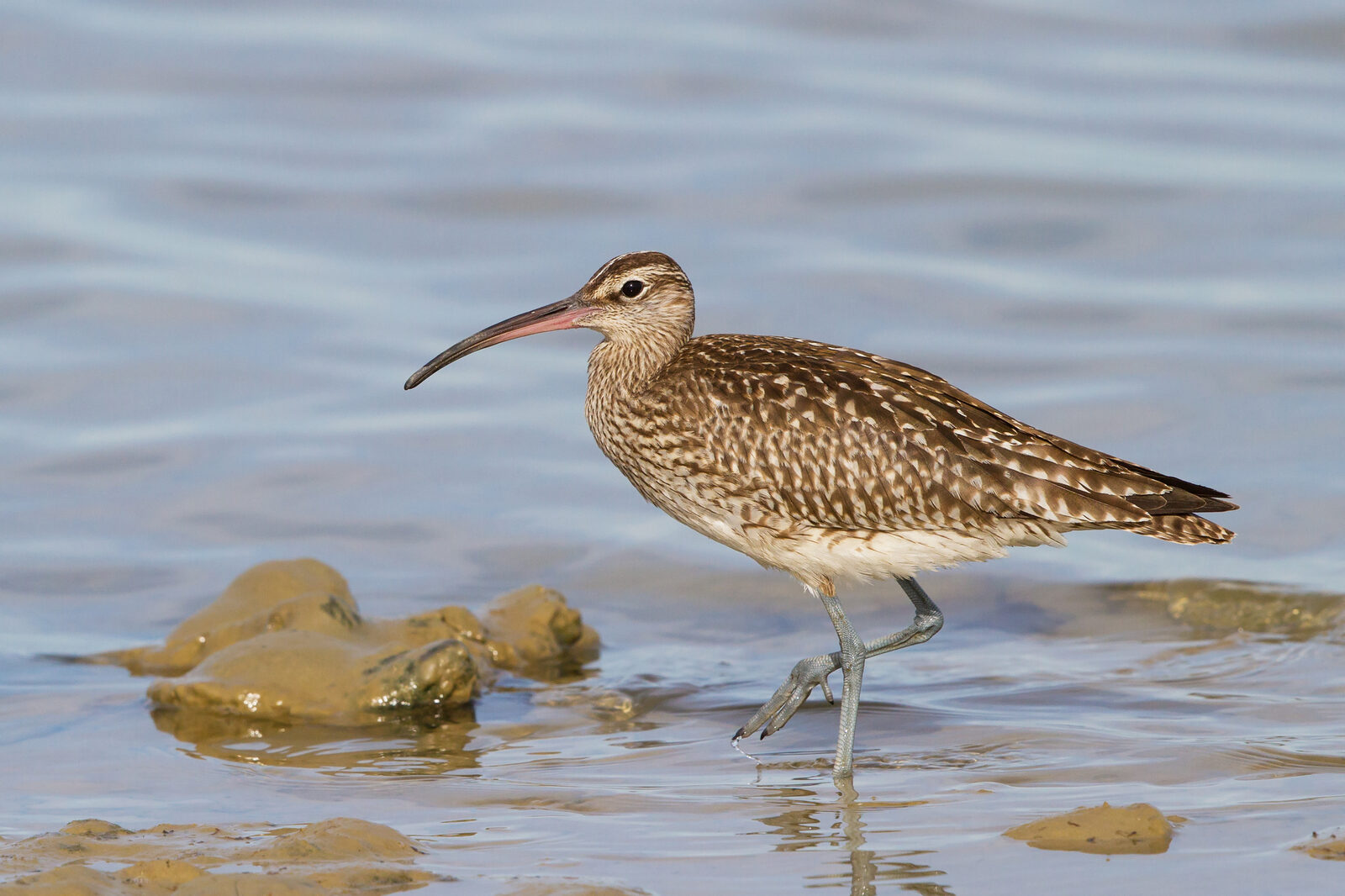
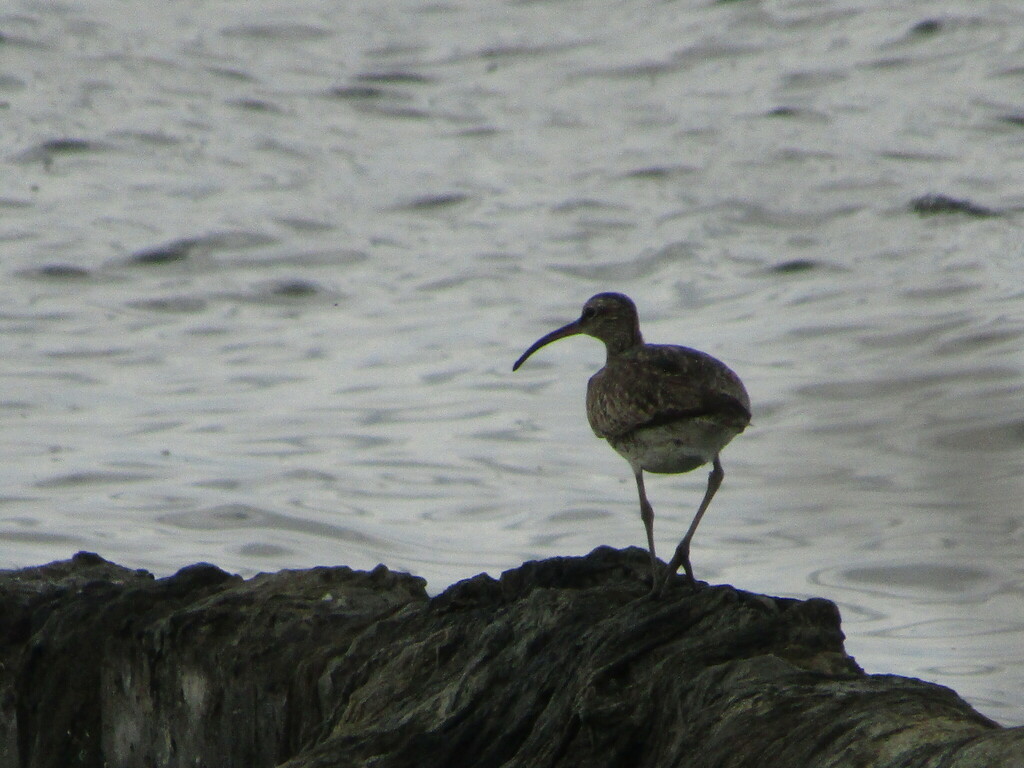
Eurasian whimbrel
Numenius phaeopus
- Status
- Least Concern IUCN Red List
- Eats
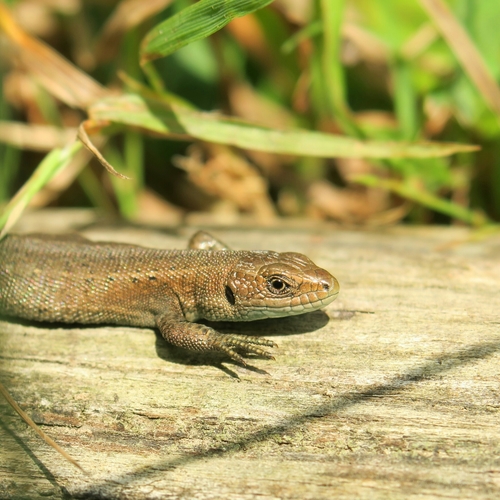
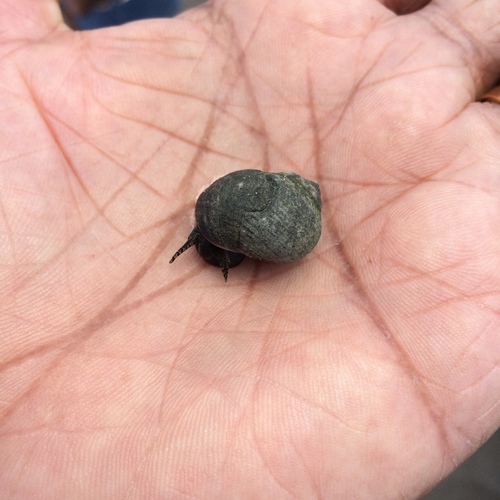
- viviparous lizard, common periwinkle and 13 more
- Eaten by
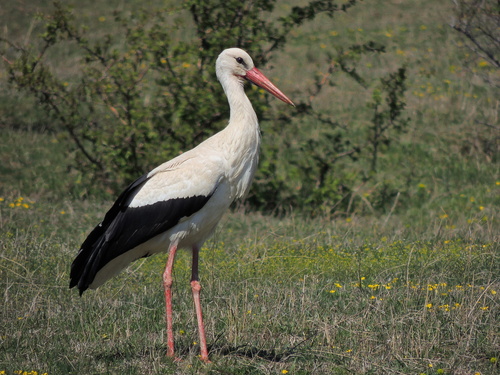
- grey wolf, red fox, brown bear
- Where
- 170 countries · sundarbans
On 4Planet Atlas it is among the wildlife people record most around Abu Dhabi, Accra and Algiers, and 48 more of the cities we cover.
People have shared 452,451 records of the eurasian whimbrel with GBIF, from 170 countries, most of them from Spain, United Kingdom and Australia. Records collected by GloBI show it eating 15 different kinds of animals and plants, and being eaten by 24.
Habitats
What the Eurasian whimbrel eats, and what eats it
Studies have recorded it eating 15 kinds of animals and plants, and 24 kinds of animals eating it. Tap any of them to follow the food chain.
- Crustaceans 7
- Worms 4
- Snails and slugs 2
- Reptiles 1
- Shellfish 1
Eaten by


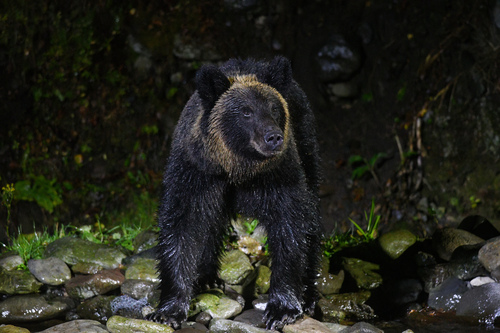

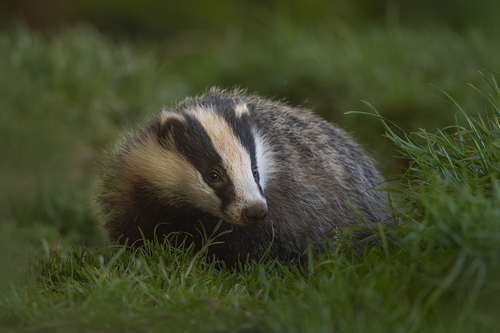
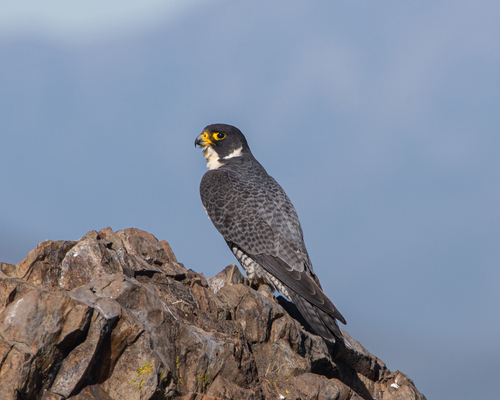
 Eurasian whimbrel
Records from studies worldwide, collected by GloBI. They include animals eaten as carrion, and they are not everything it eats in one place.
Where people see the Eurasian whimbrel
People have shared 452,451 records from 170 countries.
Near a city: Abu Dhabi, Accra, Algiers, Apia, Auckland, Bandar Seri Begawan, Bangkok, Banjul, Bergen, Bissau, Colombo, Conakry, Dakar, Dili, Doha, Dublin, Freetown, Honiara, Jakarta, Kabul, Kuala Lumpur, Kuwait City, Lagos, Libreville, Lisbon, Lomé, Luanda, Majuro, Malé, Manama, Manila, Maputo, Mogadishu, Monrovia, Moroni, Muscat, Ngerulmud, Palikir, Port Louis, Port Vila, Porto-Novo, Praia, Rabat, Reykjavík, São Tomé, Seoul, Sri Jayawardenepura Kotte, Suva, Tokyo, Victoria, Yaren District.
Records show where people have seen it and shared it, not its full range. Country names open their page in Atlas.
When it is seen
Records per month in the northern hemisphere. More people outdoors also means more records.
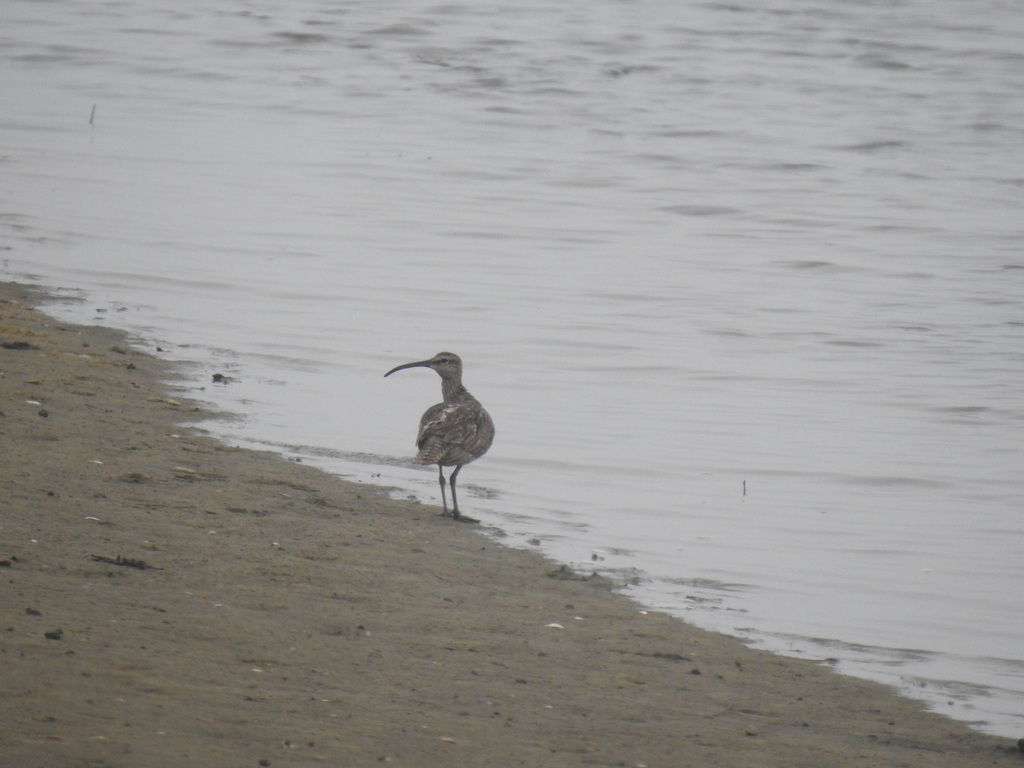
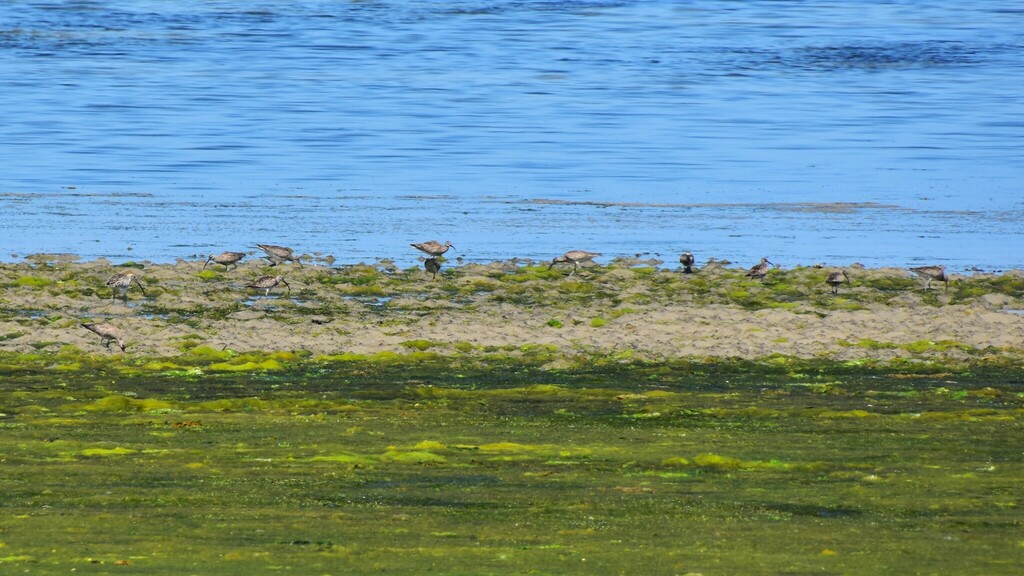
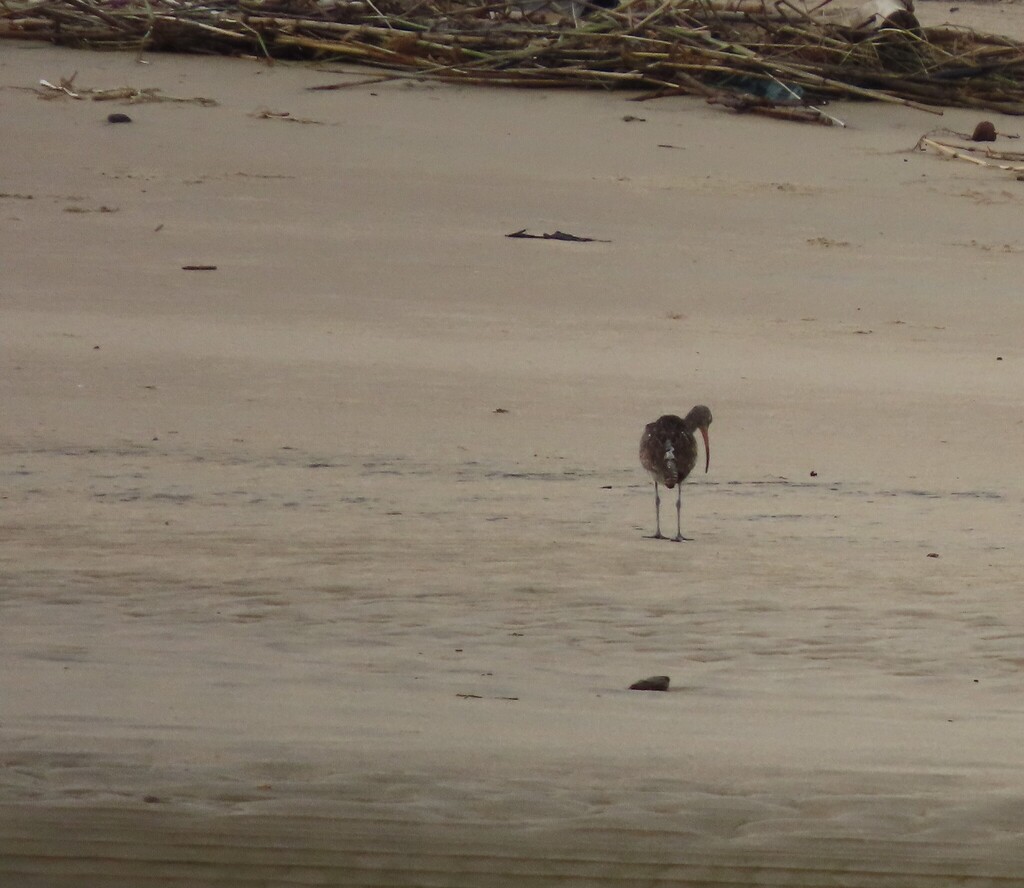
Watch and listen
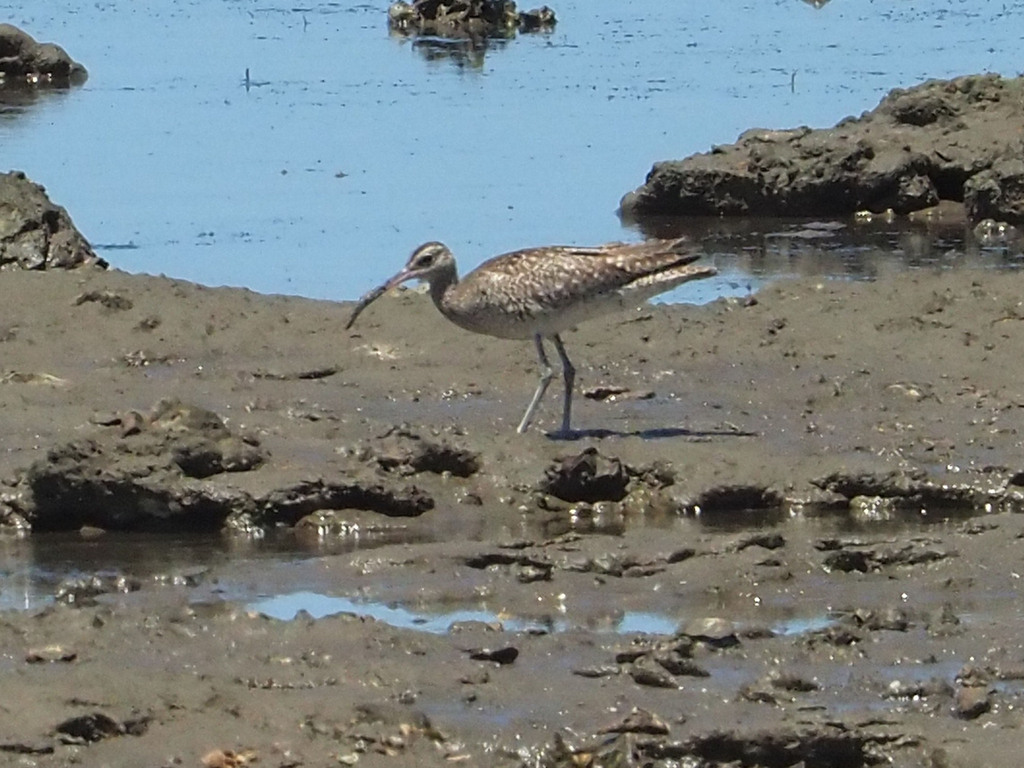
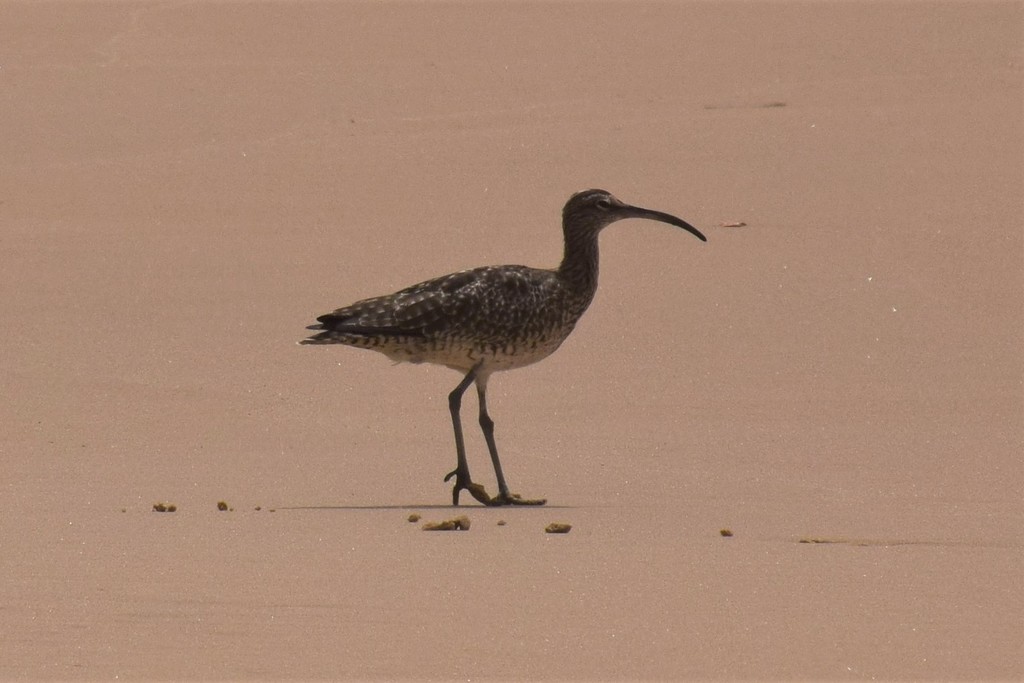
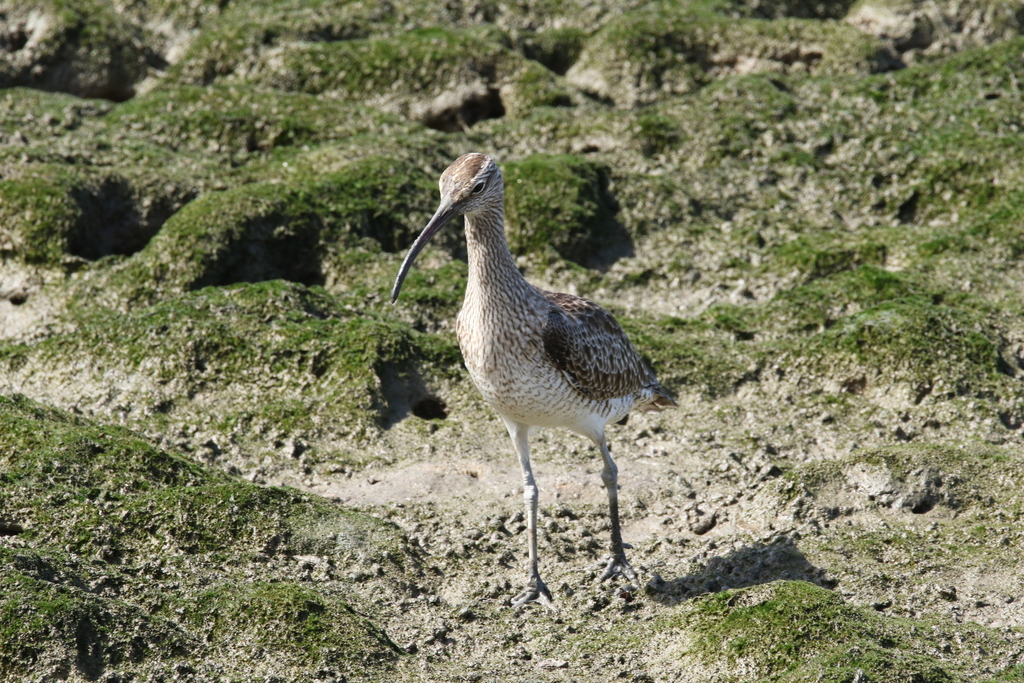
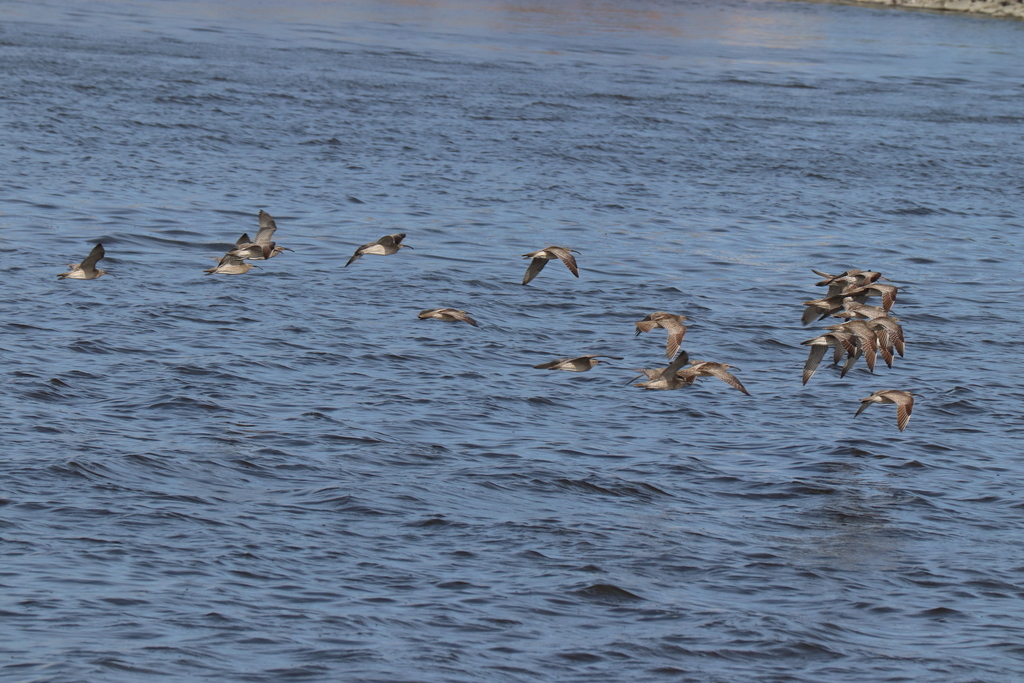
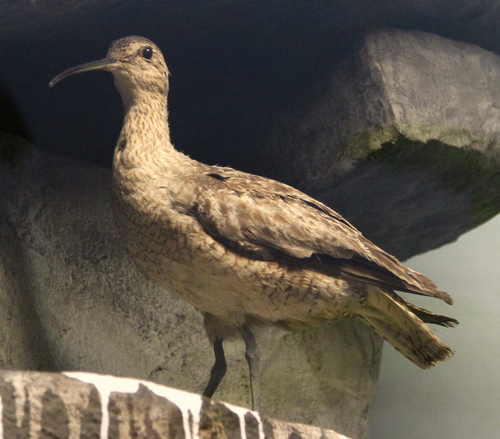
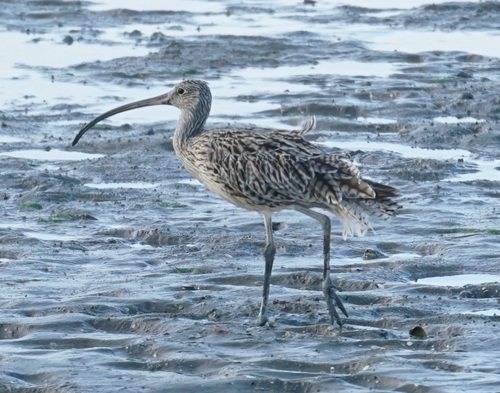
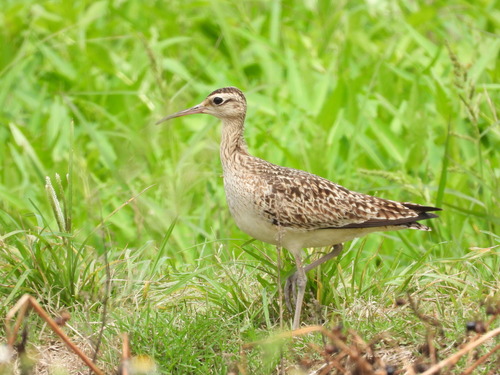
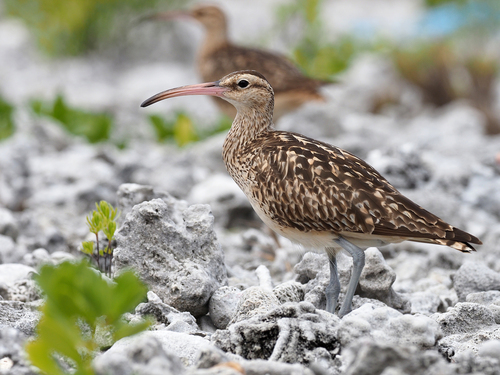
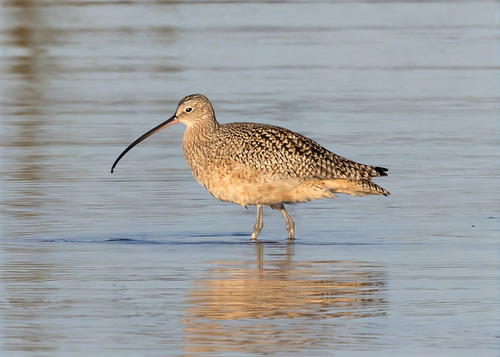
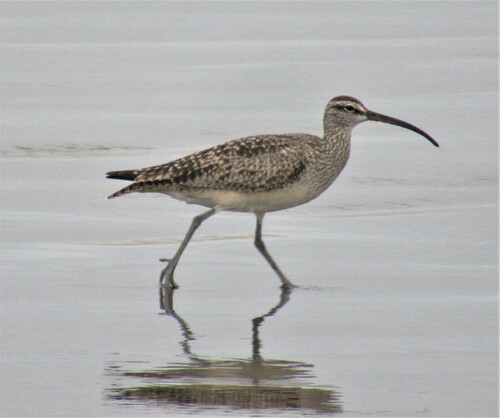
Its closest relatives
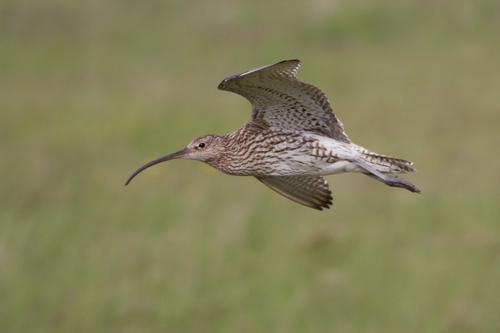
The other species of the genus Numenius.
Seen a Eurasian whimbrel?
Share your photo on iNaturalist. Other naturalists help confirm it, and the record goes to GBIF, where scientists use it and where the maps on this page come from.
Explore next
What puts the eurasian whimbrel under pressure, what helps, and who works on it.
Questions people ask
What does the eurasian whimbrel eat?
The eurasian whimbrel has been recorded eating 15 different kinds of animals and plants, most of them crustaceans, worms, snails and slugs and reptiles. The ones recorded most often are viviparous lizard and common periwinkle; records include animals eaten as carrion. Source: GloBI.
What eats the eurasian whimbrel?
Recorded predators include grey wolf, red fox, brown bear, northern raven and eurasian badger. Source: GloBI.
Where does the eurasian whimbrel live?
People have recorded it in 170 countries; the most records come from Spain, United Kingdom, Australia, Portugal and Iceland. Records show where people have seen it, not its full range.
When is the eurasian whimbrel seen most?
In the northern hemisphere, the most records are made in May and the fewest in March. More people outdoors also means more records.
What are the eurasian whimbrel's closest relatives?
It shares the genus Numenius with eurasian curlew, slender-billed curlew, eskimo curlew, far eastern curlew and little curlew.
Sources and photo credits
- GBIF · Numenius phaeopus, 452,451 human observations
- GloBI · recorded interactions of Numenius phaeopus
- Wikidata · Eurasian whimbrel (Q18858)
- Eurasian whimbrel (Numenius phaeopus): Pierre Dalous, CC BY-SA 4.0
- Eurasian whimbrel (Numenius phaeopus), Pomorie, Bulgaria: SteveM4560, CC BY 4.0
- Eurasian whimbrel (Numenius phaeopus), North Esplanade, Wynnum, Brisbane QLD, Australia: gwynmwilliams, CC BY 4.0
- Eurasian whimbrel (Numenius phaeopus), northern end of Bonville Beach, near Sawtell, New South Wales: Thomas Mesaglio, CC BY 4.0
- Eurasian whimbrel (Numenius phaeopus), Cairns, Queensland, Australia: Donald Hobern, CC BY 4.0
- Eurasian whimbrel (Numenius phaeopus), Токай, Ота, Токио 143-0001, Япония: Se Lena, CC BY 4.0
- Eurasian whimbrel (Numenius phaeopus), Vagos, Aveiro, Portugal: Duarte Frade, CC BY 4.0
- Eurasian whimbrel (Numenius phaeopus), El Grove, O Grove, Pontevedra, España: Tristo, CC BY 4.0
- Eurasian whimbrel (Numenius phaeopus), Saint Lucia Estuary, South Africa: Bruno - Yolande Zanette, CC BY 4.0
- Viviparous lizard: nearwildhelen, CC BY 4.0
- Common periwinkle: Dilrukshan Priyantha Wijesinghe, CC BY 4.0
- Grey wolf: Andrew Simon, CC BY 4.0
- Red fox: Алина Урусова, CC BY 4.0
- Brown bear: Nathan Ruser, CC BY 4.0
- Northern raven: xulescu_g, CC BY-SA 4.0
- Eurasian badger: caroline legg, CC BY 4.0
- Peregrine falcon: Nicolás Villaseca Merino, CC BY-SA 4.0
- White stork: xulescu_g, CC BY-SA 4.0
- Eurasian curlew: Joanne Goldby, CC BY-SA 4.0
- Eskimo curlew: Jim, the Photographer, CC BY 4.0
- Far eastern curlew: Tim, CC BY 4.0
- Little curlew: no rights reserved, uploaded by Stephen Matthews, CC0
- Bristle-thighed curlew: no rights reserved, uploaded by James Eaton, CC0
- Long-billed curlew: Timothy McNitt, CC BY 4.0
- Hudsonian whimbrel: sprcrkwild, CC BY 4.0
Records show where people have seen and shared the eurasian whimbrel, not its full range, and some countries and months are recorded far more than others. The food web lists interactions that studies have recorded somewhere in the world (GloBI), not everything it eats in one place.
Checked 2026-11-22.