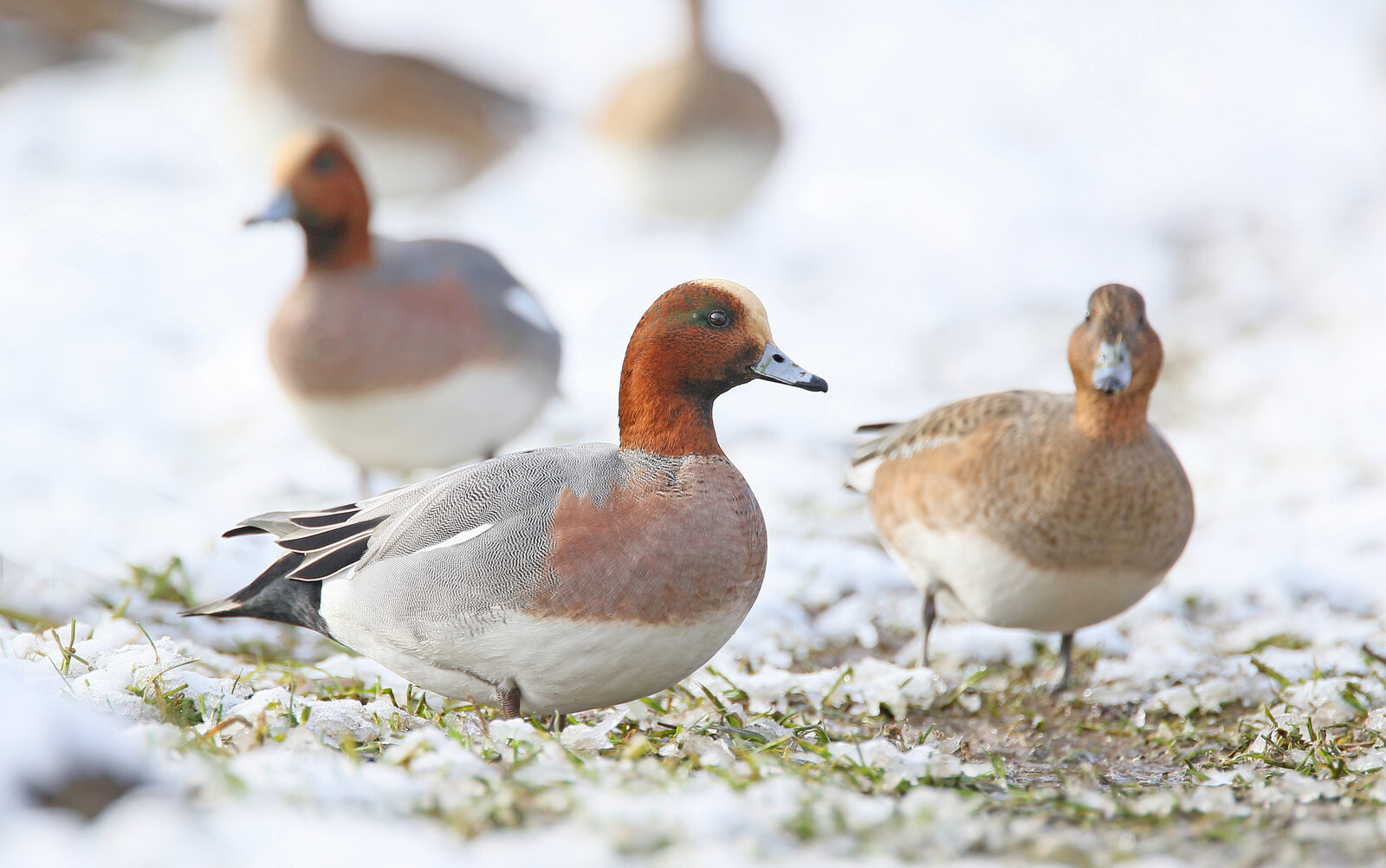
Eurasian wigeon
Mareca penelope
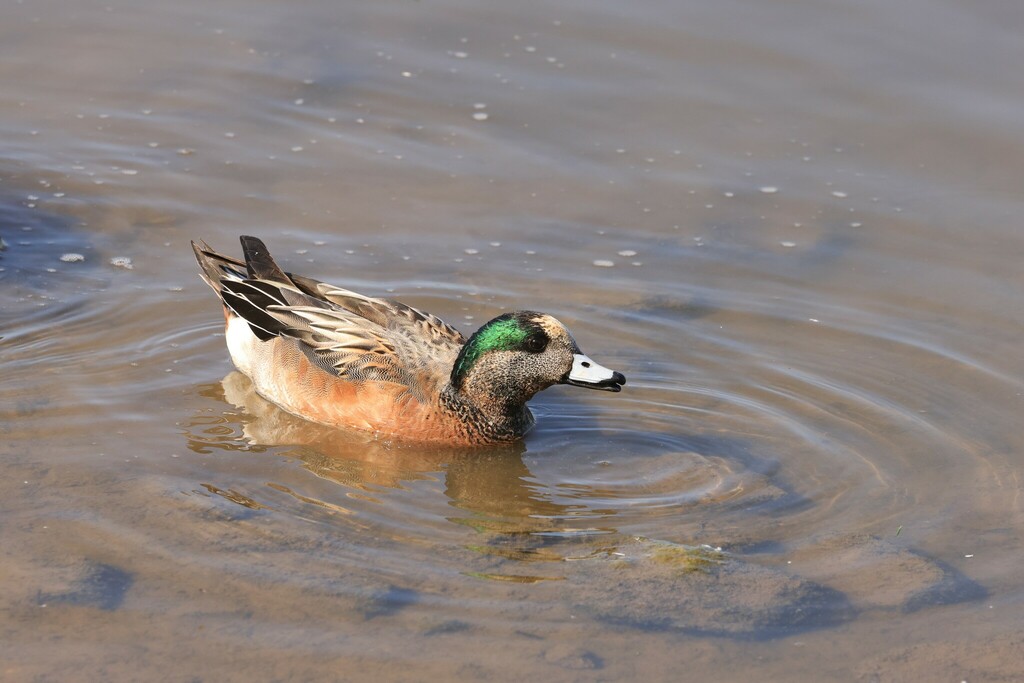
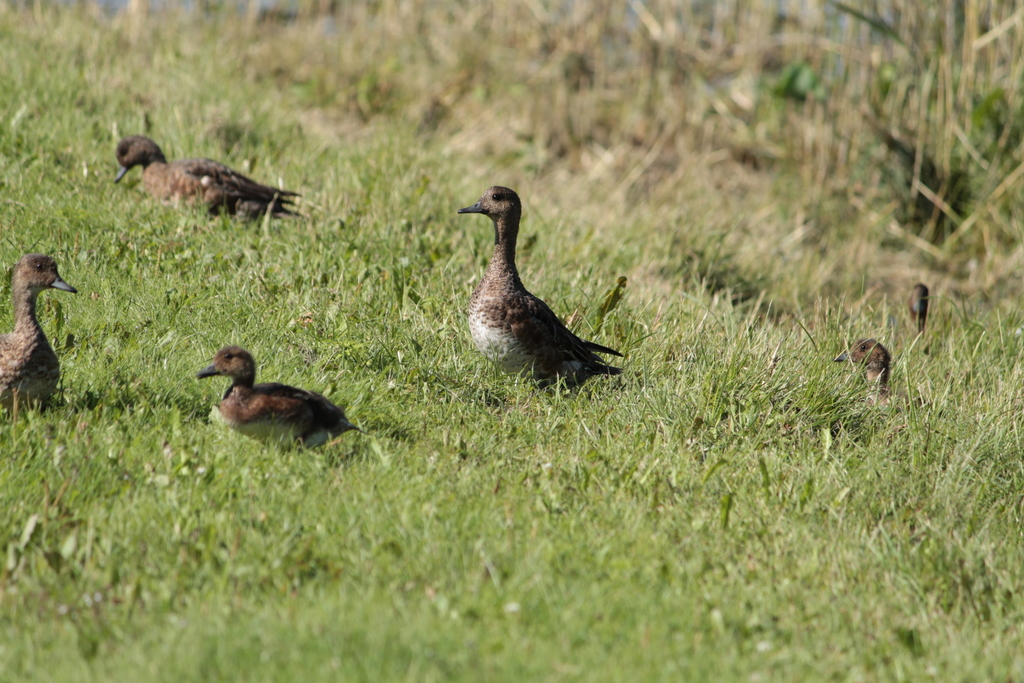
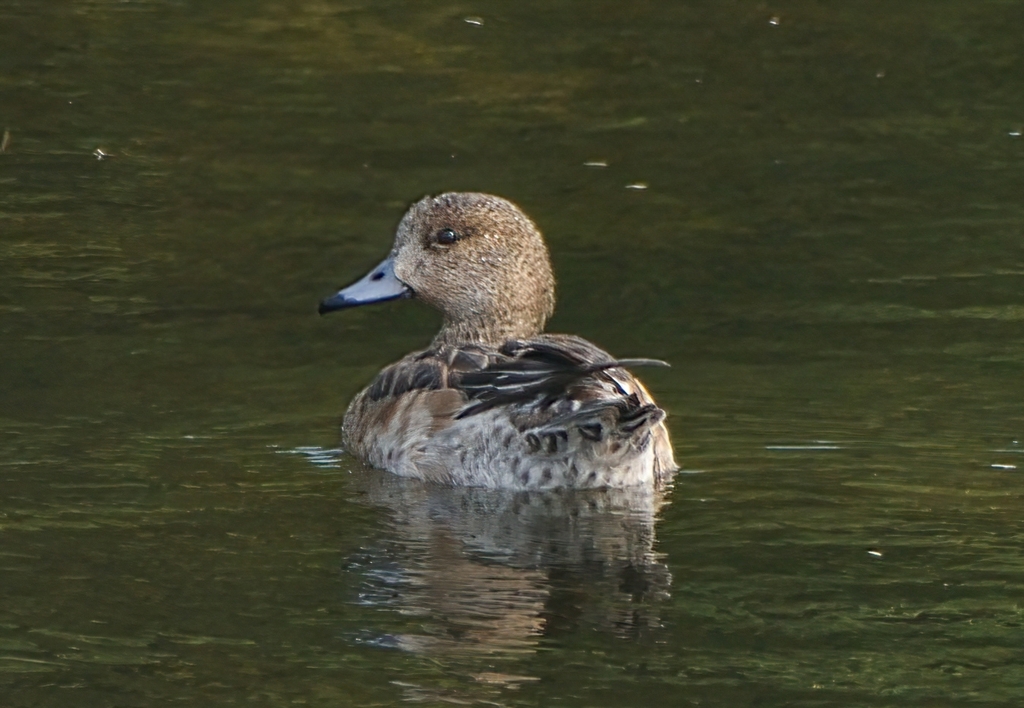
The drake has a chestnut head with a cream forehead and a whistling 'wheeoo' call.
- Status
- Least Concern IUCN Red List
- Eats
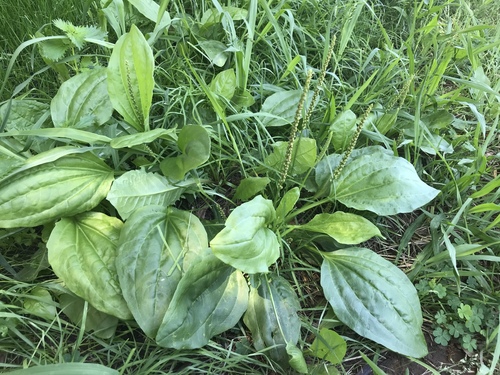
- common plantain, creeping buttercup, eelgrass and 7 more
- Eaten by
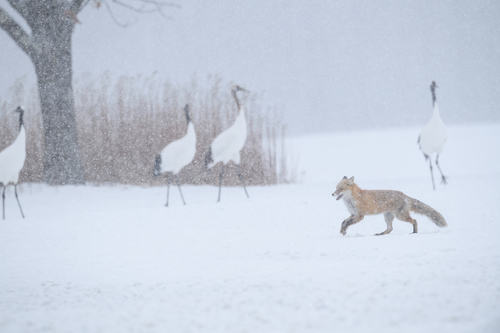
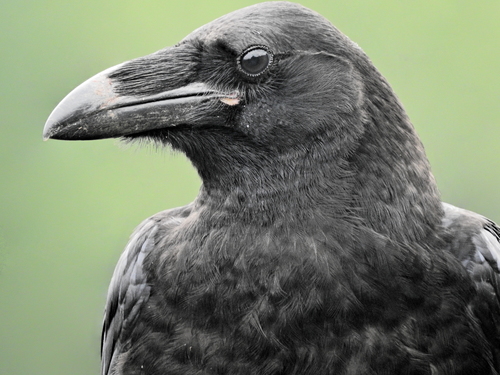
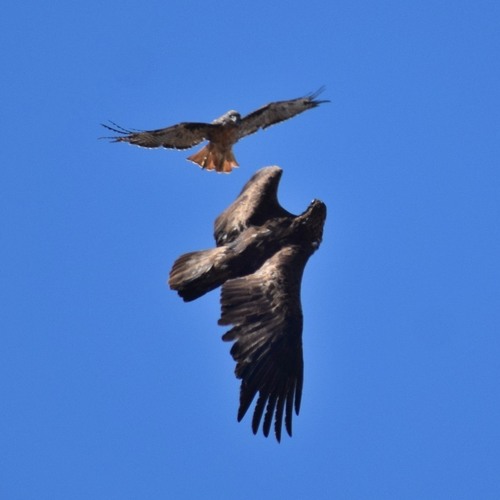
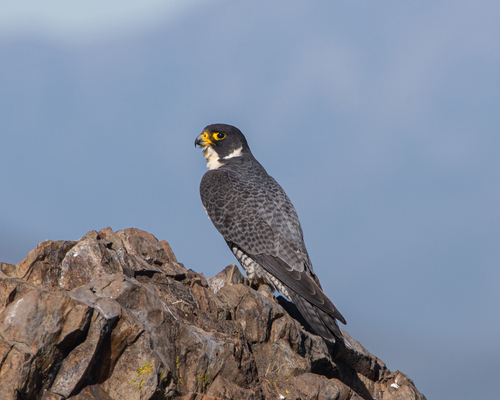
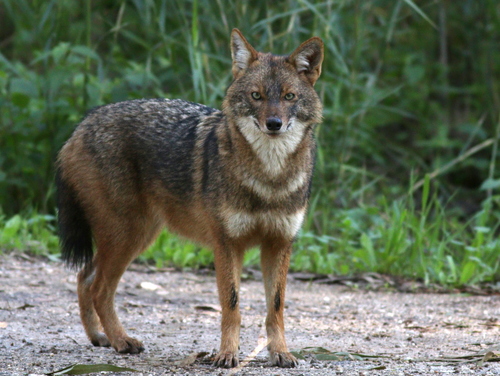
- red fox, northern raven, golden eagle
- Where
- 128 countries
On 4Planet Atlas it is among the wildlife people record most around Amsterdam, Ankara and Athens, and 35 more of the cities we cover.
People have shared 972,993 records of the eurasian wigeon with GBIF, from 128 countries, most of them from United Kingdom, United States and Canada. Records collected by GloBI show it eating 10 different kinds of animals and plants, and being eaten by 7.
What the Eurasian wigeon eats, and what eats it
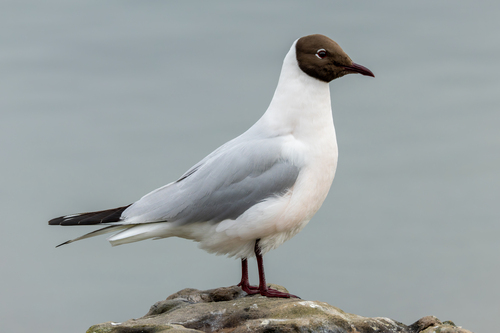
Studies have recorded it eating 10 kinds of animals and plants, and 7 kinds of animals eating it. Tap any of them to follow the food chain.
- Plants 10
 Eurasian wigeon

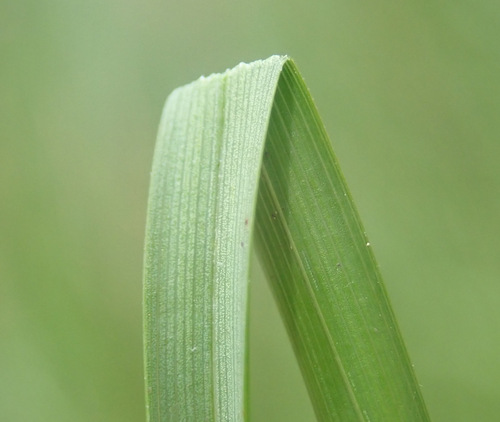


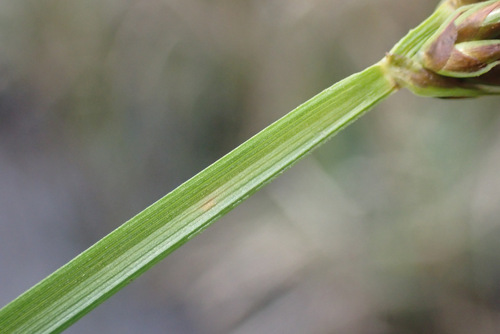
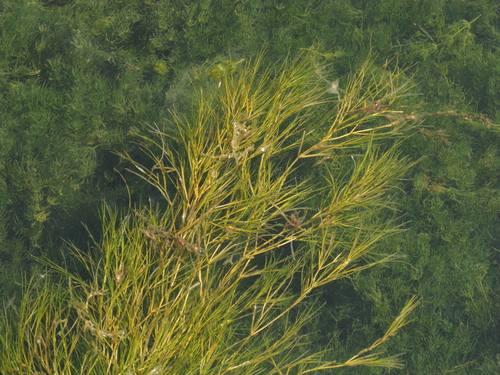
Records from studies worldwide, collected by GloBI. They include animals eaten as carrion, and they are not everything it eats in one place.
Where people see the Eurasian wigeon
People have shared 972,993 records from 128 countries.
Near a city: Amsterdam, Ankara, Athens, Baku, Beijing, Bergen, Bratislava, Bridgetown, Brussels, Bucharest, Budapest, Chișinău, Copenhagen, Delhi, Dublin, Helsinki, Kyiv, Ljubljana, London, Minsk, Moscow, Nicosia, Oslo, Prague, Reykjavík, Riga, Rome, Seoul, Shanghai, Skopje, Sofia, Stockholm, Tallinn, Tokyo, Vancouver, Vilnius, Warsaw, Zagreb.
Records show where people have seen it and shared it, not its full range. Country names open their page in Atlas.
When it is seen
Records per month in the northern hemisphere. More people outdoors also means more records.
Watch and listen
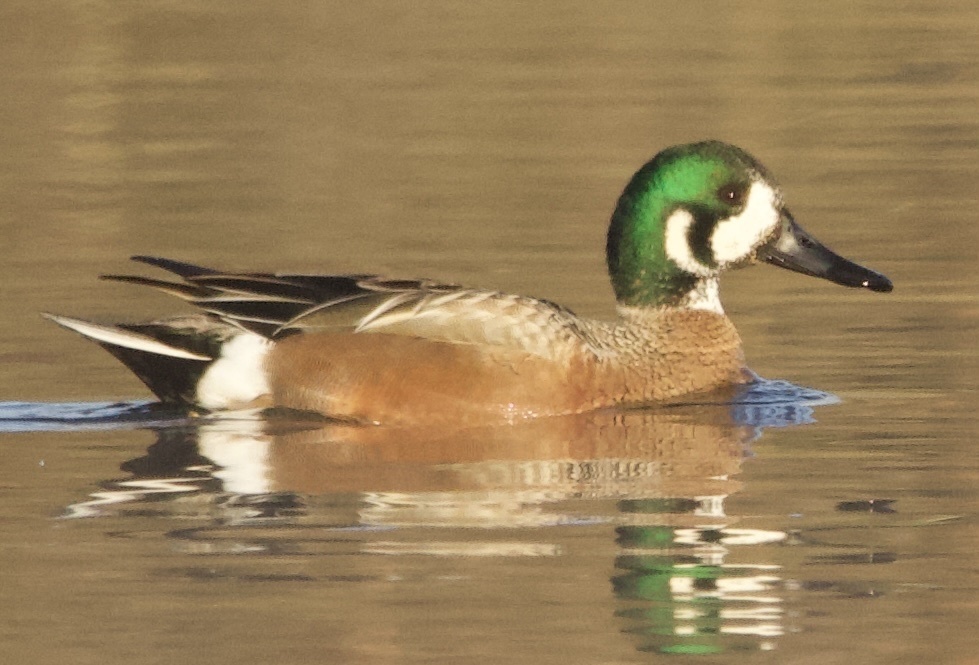
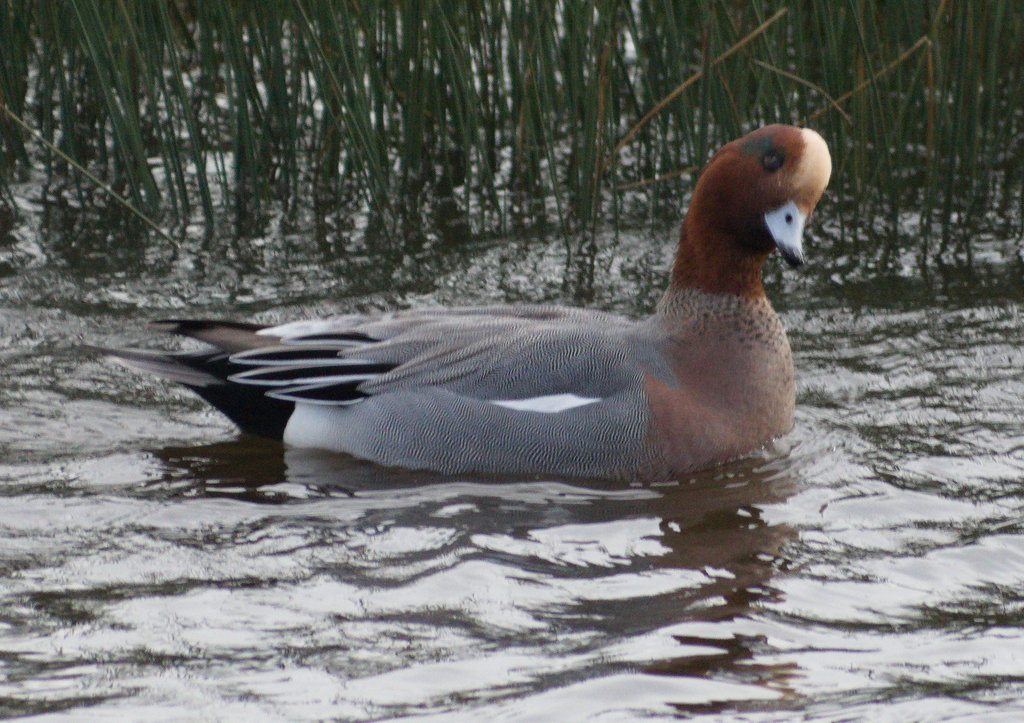
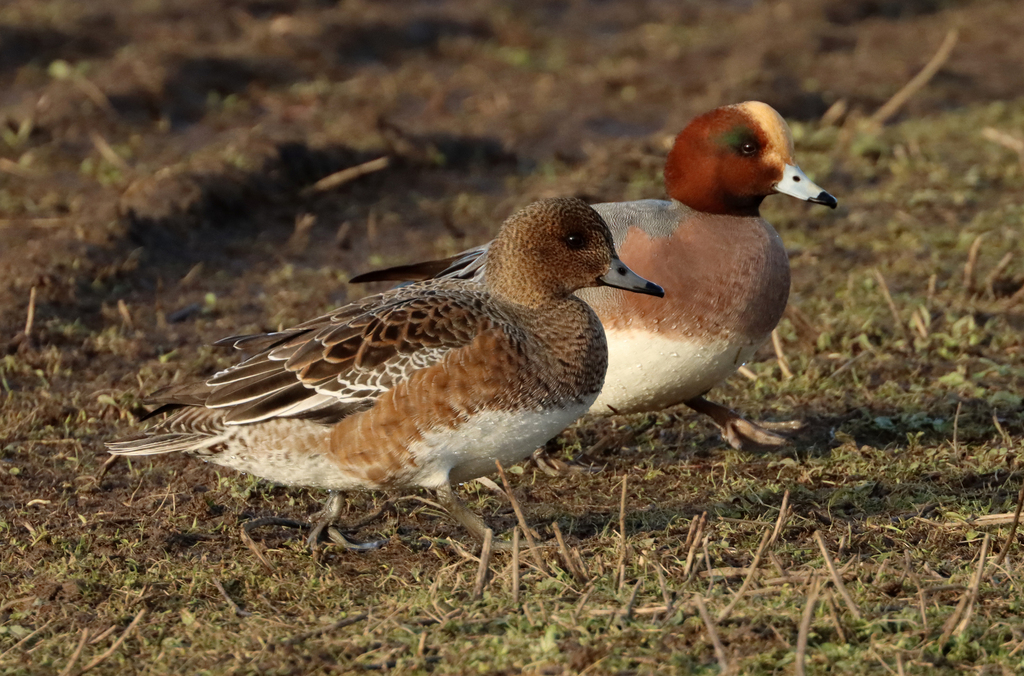
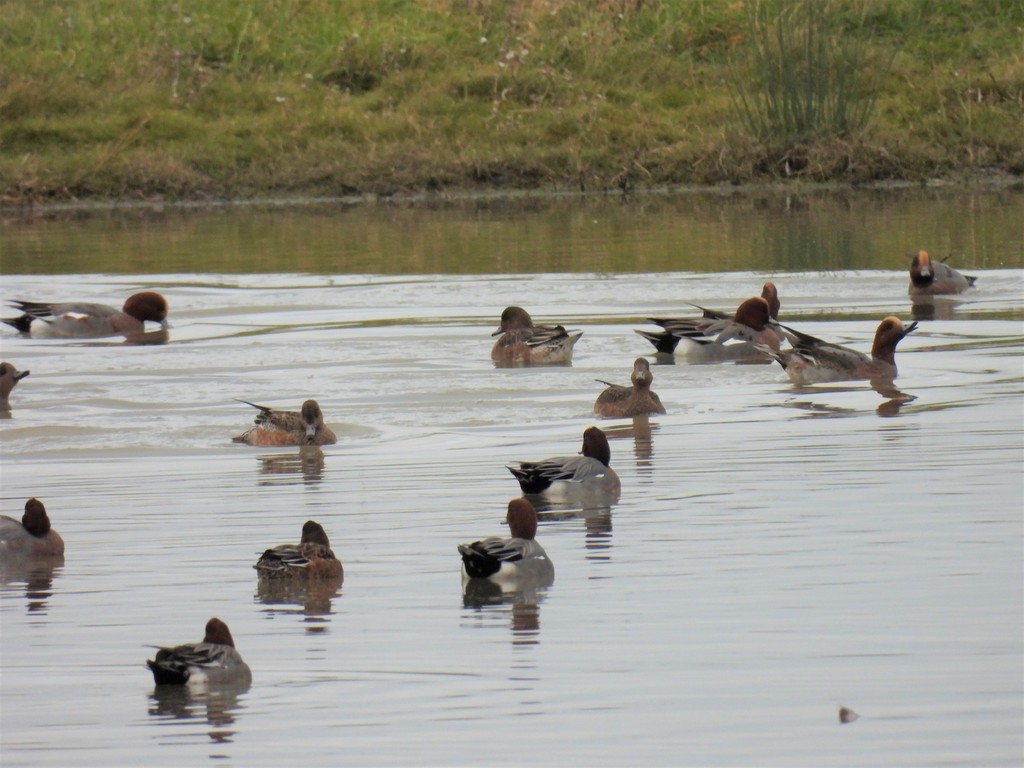

Its closest relatives
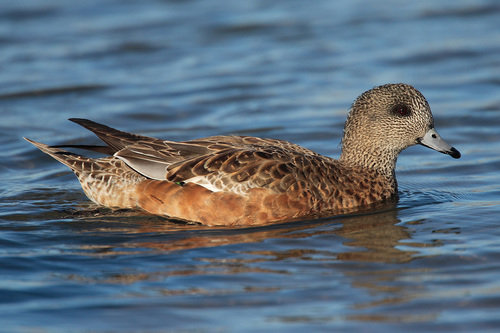
The other species of the genus Mareca.



Seen a Eurasian wigeon?
Share your photo on iNaturalist. Other naturalists help confirm it, and the record goes to GBIF, where scientists use it and where the maps on this page come from.
Questions people ask
What does the eurasian wigeon eat?
The eurasian wigeon has been recorded eating 10 different kinds of animals and plants, most of them plants. The ones recorded most often are common plantain, creeping buttercup, eelgrass, common sedge and beaked tasselweed; records include animals eaten as carrion. Source: GloBI.
What eats the eurasian wigeon?
Recorded predators include red fox, northern raven, golden eagle, peregrine falcon and golden jackal. Source: GloBI.
Where does the eurasian wigeon live?
People have recorded it in 128 countries; the most records come from United Kingdom, United States, Canada, Japan and Spain. Records show where people have seen it, not its full range.
When is the eurasian wigeon seen most?
In the northern hemisphere, the most records are made in January and the fewest in July. More people outdoors also means more records.
What are the eurasian wigeon's closest relatives?
It shares the genus Mareca with gadwall, american wigeon, falcated duck, chiloe wigeon and anas marecula.
Sources and photo credits
- GBIF · Mareca penelope, 972,993 human observations
- GloBI · recorded interactions of Mareca penelope
- Wikidata · Eurasian wigeon (Q28106837)
- Eurasian wigeon (Mareca penelope): Christoph Moning, CC BY 4.0
- Eurasian wigeon (Mareca penelope), WWT Slimbridge Wetland Centre Gloucestershire England UK: allan5519, CC BY 4.0
- Eurasian wigeon (Mareca penelope), Otley CP, Leeds, England, GB: Morgan Caygill, CC BY 4.0
- Eurasian wigeon (Mareca penelope), Topsham EX3, UK: Mathew Robinson, CC0
- Eurasian wigeon (Mareca penelope), RSPB Old Moor, Wombwell, Bolton upon Dearne, Barnsley S73 0YF, UK: Dave, CC BY 4.0
- Eurasian wigeon (Mareca penelope), Newport, UK: Phil James, CC BY 4.0
- Eurasian wigeon (Mareca penelope), Oulu, Finland: uusijani, CC0
- Eurasian wigeon (Mareca penelope), Chikhli, Gujarat, India: Tejas M, CC BY 4.0
- Eurasian wigeon (Mareca penelope), West Side, Vancouver, BC, Canada: Marcel_Pepin, CC BY 4.0
- Common plantain: lemonsnapp, CC BY 4.0
- Creeping buttercup: Frank Vincentz, CC BY-SA 4.0
- Common sedge: Thomas Gyselinck, CC BY 4.0
- Beaked tasselweed: Forest and Kim Starr, CC BY 4.0
- Common spike-rush: Matt Lavin, CC BY 4.0
- False fox-sedge: Thomas Gyselinck, CC BY 4.0
- Sago pondweed: Igor Balashov, CC BY 4.0
- Red fox: Morten Ross, CC BY 4.0
- Northern raven: xulescu_g, CC BY-SA 4.0
- Golden eagle: Anne Parsons, CC0
- Peregrine falcon: Nicolás Villaseca Merino, CC BY-SA 4.0
- Golden jackal: Jan Ebr & Ivana Ebrová, CC BY 4.0
- Black-headed gull: Alexis Lours, CC BY 4.0
- Gadwall: Luke, CC BY-SA 4.0
- American wigeon: Mdf, CC BY-SA 4.0
- Falcated duck: Timur Kalininsky, CC BY 4.0
- Chiloe wigeon: Luciano Massa, CC BY 4.0
Records show where people have seen and shared the eurasian wigeon, not its full range, and some countries and months are recorded far more than others. The food web lists interactions that studies have recorded somewhere in the world (GloBI), not everything it eats in one place.
Checked 2026-11-21.