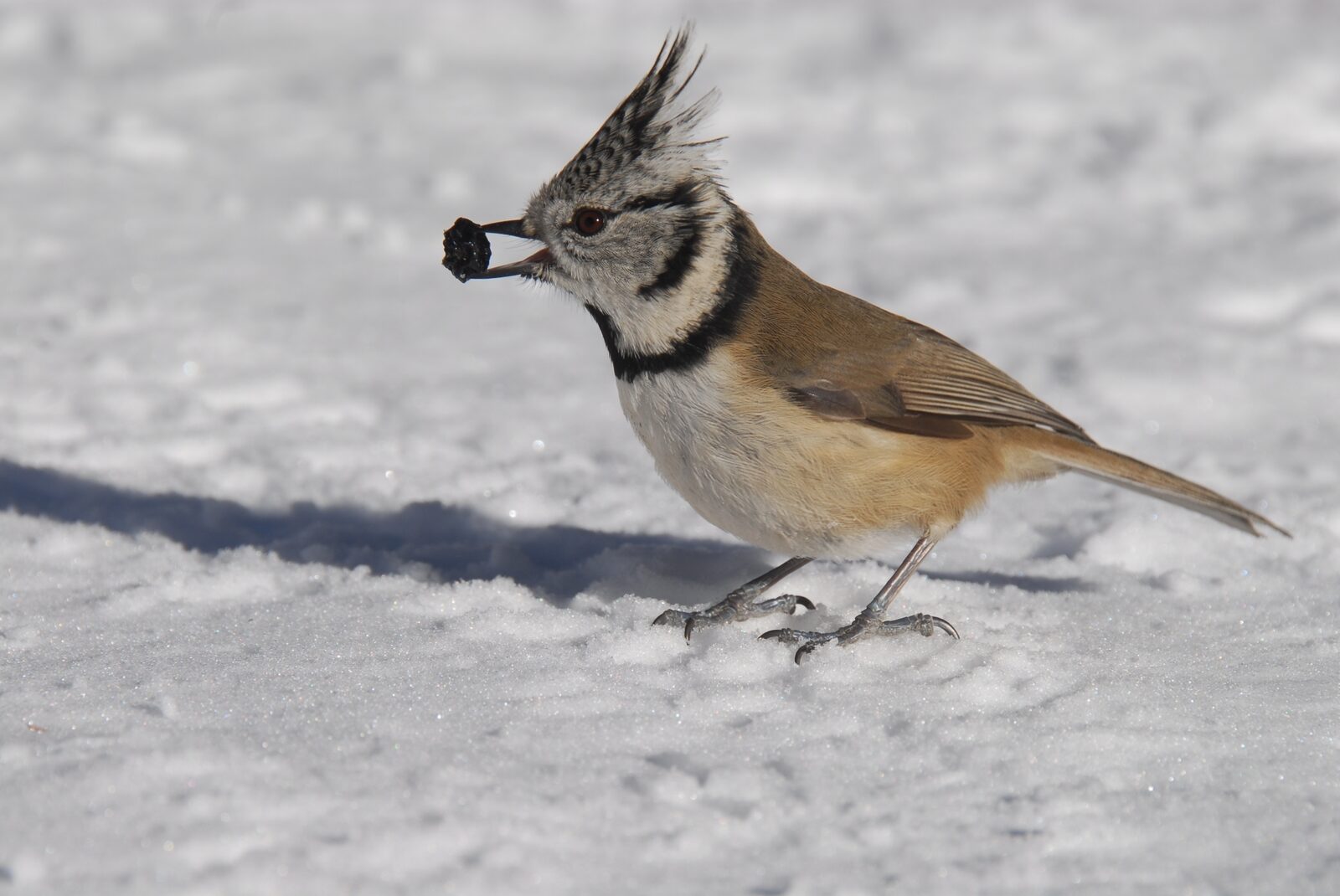
European crested tit
Lophophanes cristatus
- Status
- Least Concern IUCN Red List
- Eats
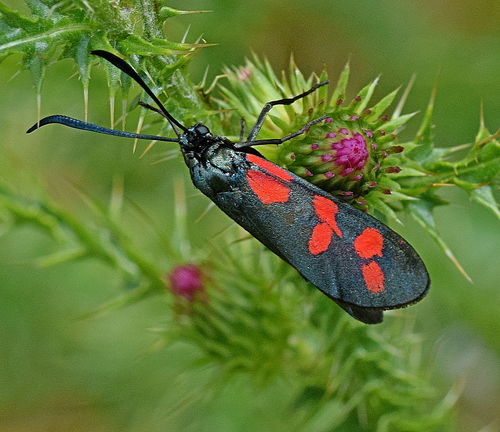
- six-spot burnet, wood bluegrass, tasteless water-pepper and 3,496 more
- Eaten by
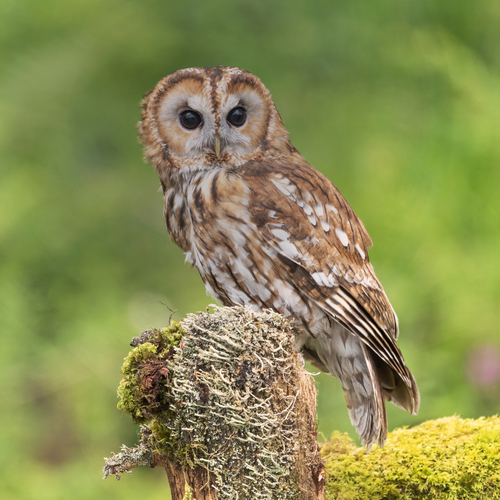
- Eurasian sparrowhawk, tawny owl, grey wolf
- Where
- 41 countries
On 4Planet Atlas it is among the wildlife people record most around Andorra la Vella, Bergen and Berlin, and 19 more of the cities we cover.
People have shared 283,478 records of the European crested tit with GBIF, from 41 countries, most of them from Spain, Portugal and France. Records collected by GloBI show it eating 3,499 different kinds of animals and plants, and being eaten by 36.
What the European crested tit eats, and what eats it
Studies have recorded it eating 3,499 kinds of animals and plants, and 36 kinds of animals eating it. Tap any of them to follow the food chain.
- Plants 1,859
- Insects 1,205
- Snails and slugs 3
Eaten by




 European crested tit




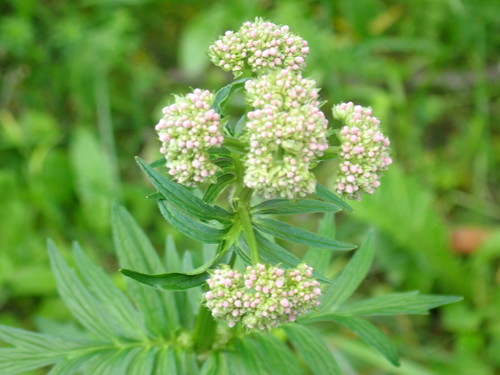



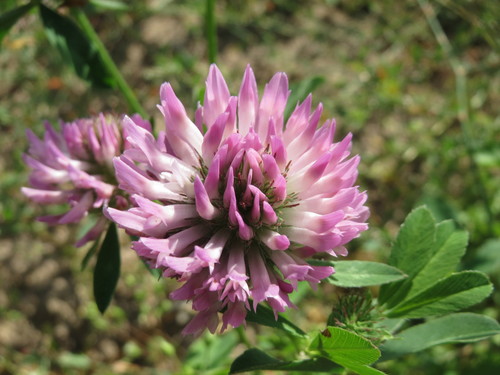


Records from studies worldwide, collected by GloBI. They include animals eaten as carrion, and they are not everything it eats in one place.
Where people see the European crested tit
People have shared 283,478 records from 41 countries.
Near a city: Andorra la Vella, Bergen, Berlin, Bern, Helsinki, Kyiv, Lisbon, Ljubljana, Luxembourg City, Madrid, Minsk, Oslo, Paris, Prague, Riga, Sarajevo, Sofia, Stockholm, Tallinn, Vaduz, Vilnius, Warsaw.
Records show where people have seen it and shared it, not its full range. Country names open their page in Atlas.
When it is seen
Records per month in the northern hemisphere. More people outdoors also means more records.
Watch and listen
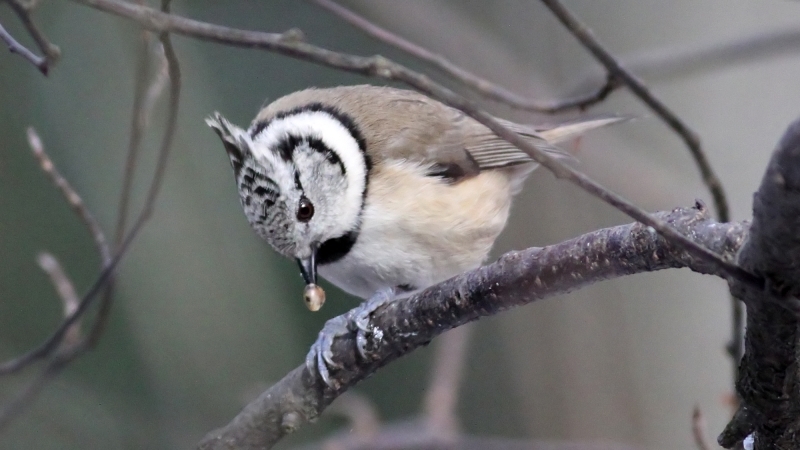
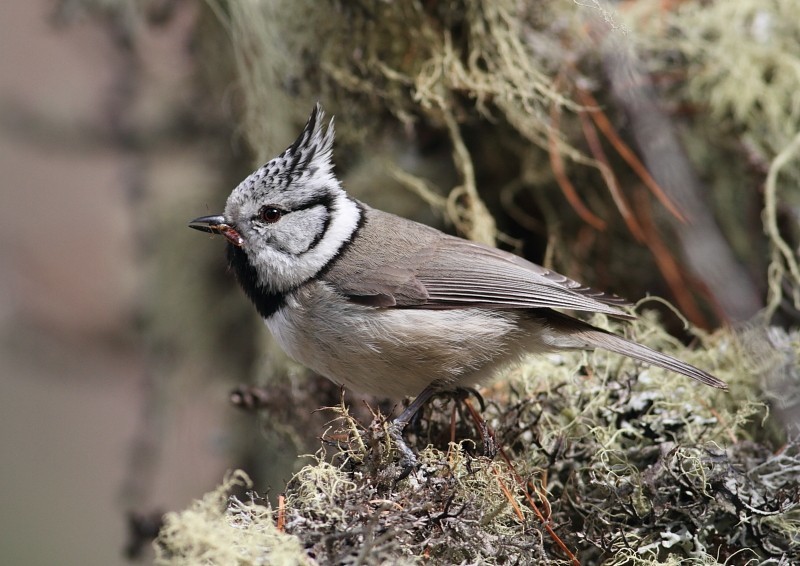
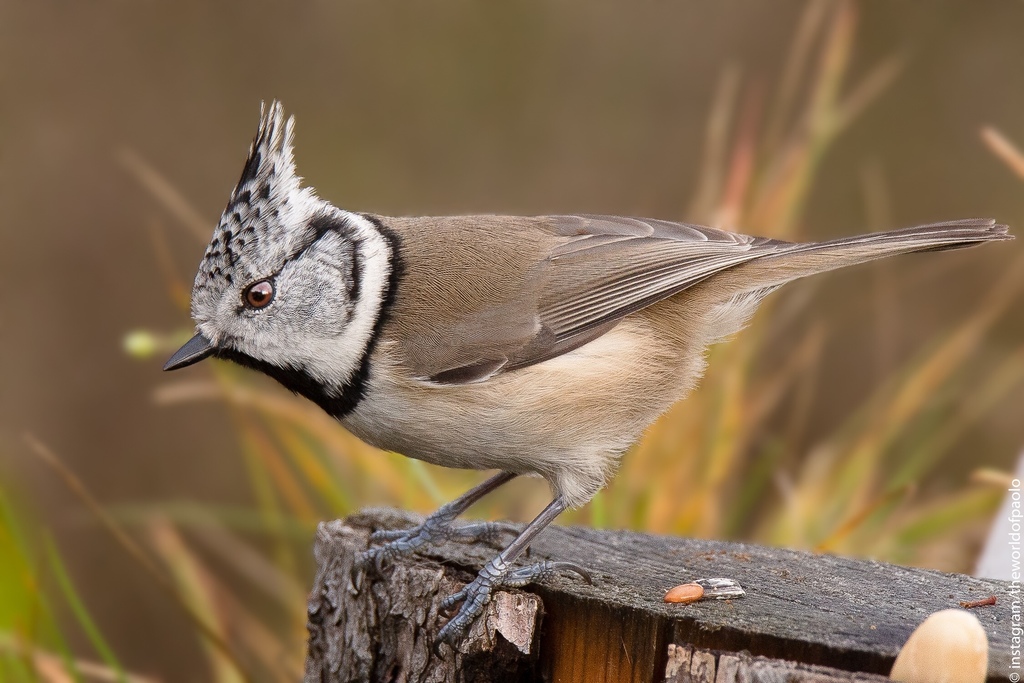
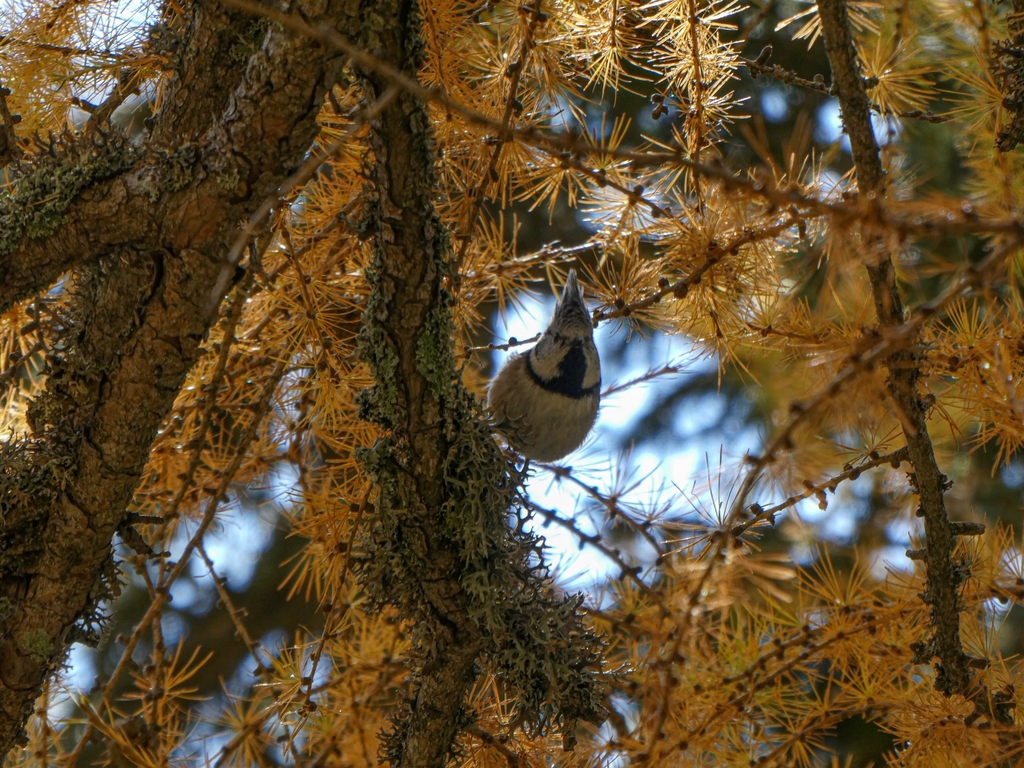
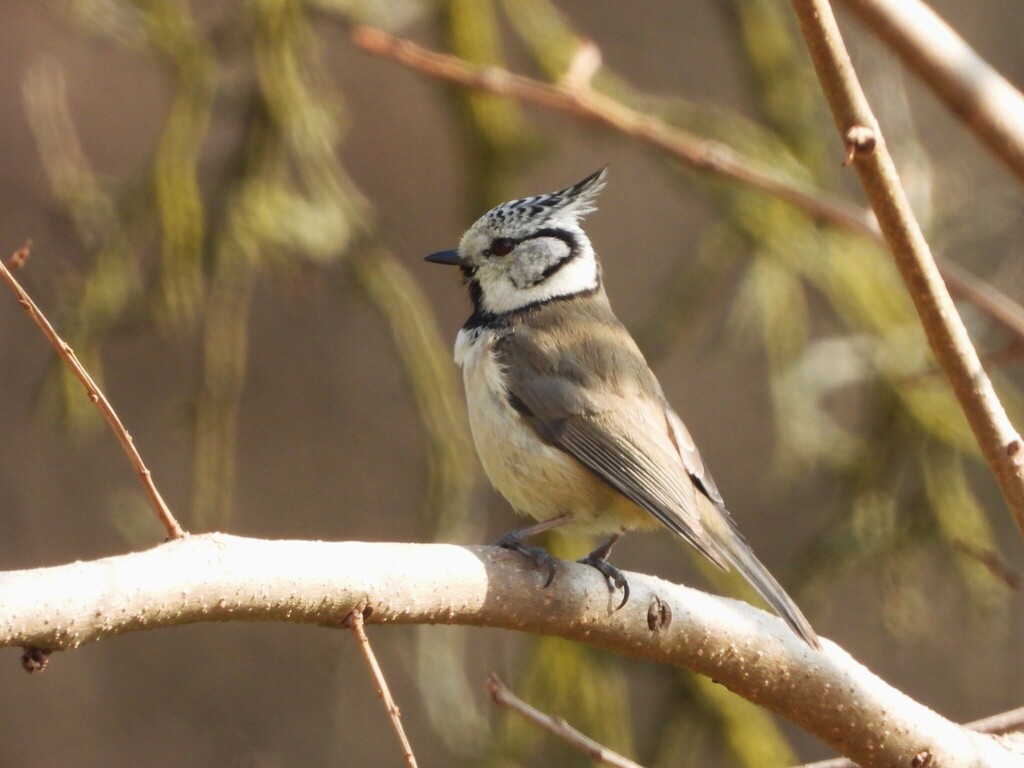
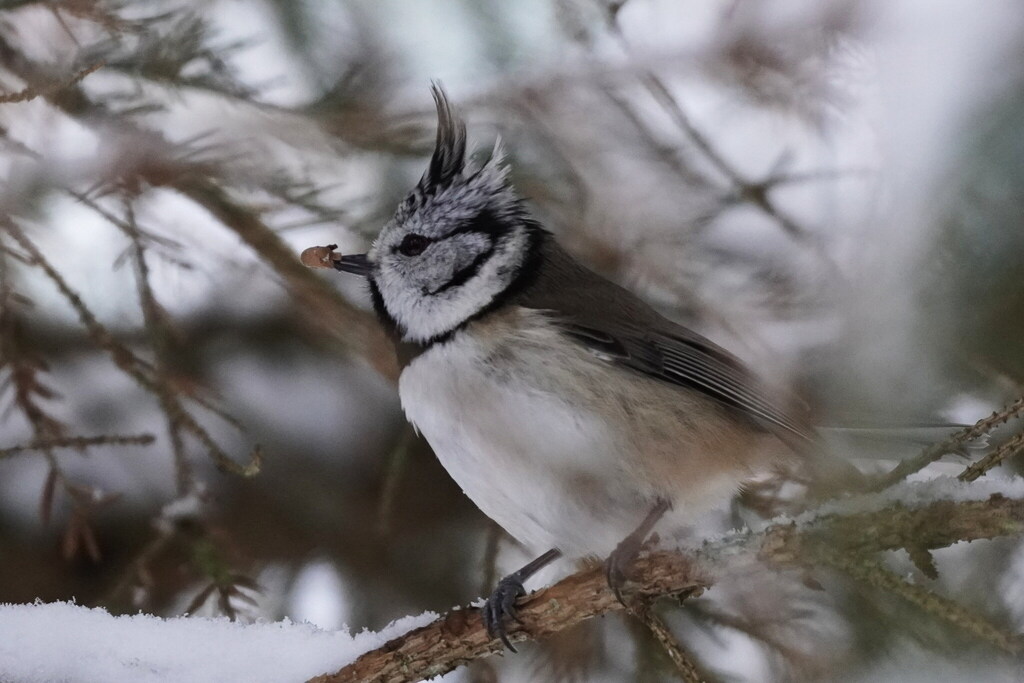
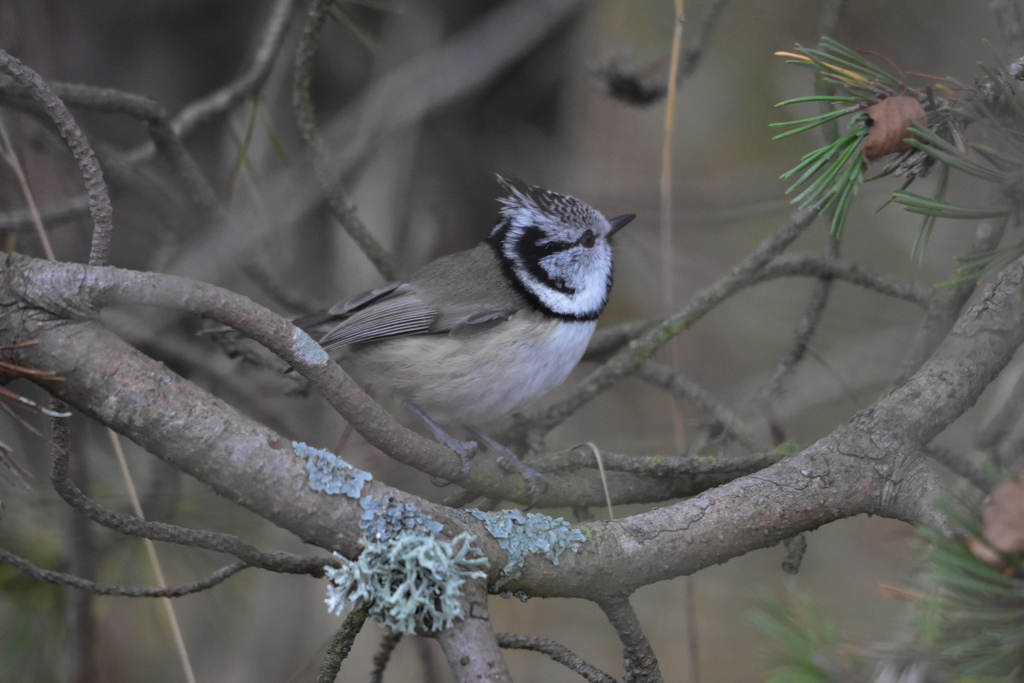
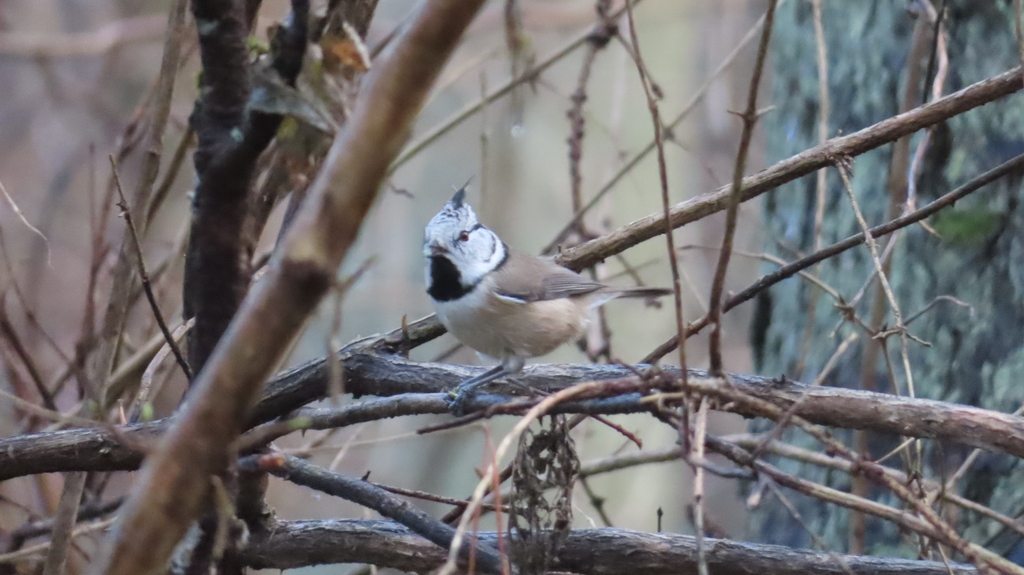
Its closest relatives
The other species of the genus Lophophanes.
Seen an European crested tit?
Share your photo on iNaturalist. Other naturalists help confirm it, and the record goes to GBIF, where scientists use it and where the maps on this page come from.
Put this species on your site
The card names every source and links back here.
<iframe src="https://4planetatlas.com/place/embed/species/european-crested-tit" title="European crested tit (Lophophanes cristatus), 4PLANET Species" width="100%" height="600" style="border:0;max-width:640px" loading="lazy"></iframe>
<p><a href="https://4species.com/european-crested-tit">European crested tit on 4PLANET Species</a></p>Questions people ask
What does the European crested tit eat?
The European crested tit has been recorded eating 3,499 different kinds of animals and plants, most of them plants, insects and snails and slugs. The ones recorded most often are six-spot burnet, wood bluegrass, tasteless water-pepper, apricot and common dandelion; records include animals eaten as carrion. Source: GloBI.
What eats the European crested tit?
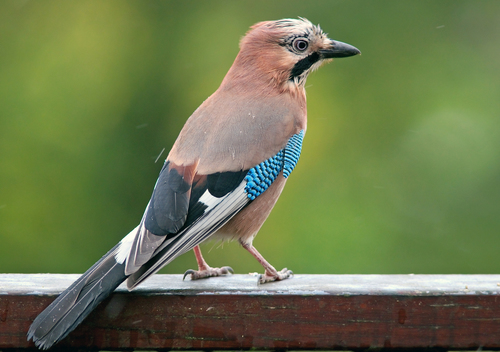
Recorded predators include eurasian sparrowhawk, tawny owl, grey wolf, red fox and northern raven. Source: GloBI.
Where does the European crested tit live?
People have recorded it in 41 countries; the most records come from Spain, Portugal, France, Germany and Poland. Records show where people have seen it, not its full range.
When is the European crested tit seen most?
In the northern hemisphere, the most records are made in October and the fewest in February. More people outdoors also means more records.
What are the European crested tit's closest relatives?
It shares the genus Lophophanes with grey crested tit.
Sources and photo credits
- GBIF · Lophophanes cristatus, 283,478 human observations
- GloBI · recorded interactions of Lophophanes cristatus
- Wikidata · European crested tit (Q207831)
- European crested tit (Lophophanes cristatus): no rights reserved, uploaded by Philipp, CC0
- European crested tit (Lophophanes cristatus): Ken Billington, CC BY-SA 4.0
- European crested tit (Lophophanes cristatus): anonymous, CC BY 4.0
- European crested tit (Lophophanes cristatus): Paolo Zucca, CC BY 4.0
- European crested tit (Lophophanes cristatus), Kapellen, Österreich: Philipp Pavelka, CC BY 4.0
- European crested tit (Lophophanes cristatus), 13867 Flecchia BI, Italia: Gabriele Vaudano, CC BY 4.0
- European crested tit (Lophophanes cristatus), Taevaskoja, Põlva County, Estonia: Yehor Yatsiuk, CC0
- European crested tit (Lophophanes cristatus), Зеленоградский р-н, Калининградская обл., Россия: Лариса Артемьева, CC0
- European crested tit (Lophophanes cristatus), Vissi, 61621 Tartu County, Estonia: Yehor Yatsiuk, CC0
- Six-spot burnet: Kostas Zontanos, CC BY 4.0
- Wood bluegrass: Douglas Goldman, CC BY-SA 4.0
- Tasteless water-pepper: Paul Cook, CC BY 4.0
- Apricot: Юрий Данилевский (Yuriy Danilevsky), CC BY 4.0
- Common dandelion: Jason Grant, CC BY 4.0
- Common valerian: Lynn Harper, CC0
- Kitchen sage: Jörg Hempel, CC BY-SA 4.0
- Bog bilberry: Andrey Zharkikh, CC BY 4.0
- Guelder rose: Tom Norton, CC BY 4.0
- Red clover: Andreas Rockstein, CC BY-SA 4.0
- European mistletoe: Patrick Hacker, CC BY 4.0
- Littleleaf linden: Alreadyexist, CC BY-SA 4.0
- Eurasian sparrowhawk: Stanislav Murashkin, CC BY 4.0
- Tawny owl: caroline legg, CC BY 4.0
- Grey wolf: Andrew Simon, CC BY 4.0
- Red fox: Алина Урусова, CC BY 4.0
- Northern raven: xulescu_g, CC BY-SA 4.0
- Eurasian jay: Luc Viatour, CC BY-SA 4.0
- Eurasian red squirrel: Rhododendrites, CC BY-SA 4.0
- Grey crested tit: lunarjade, CC BY 4.0
Records show where people have seen and shared the European crested tit, not its full range, and some countries and months are recorded far more than others. The food web lists interactions that studies have recorded somewhere in the world (GloBI), not everything it eats in one place.
Checked 2026-11-23.