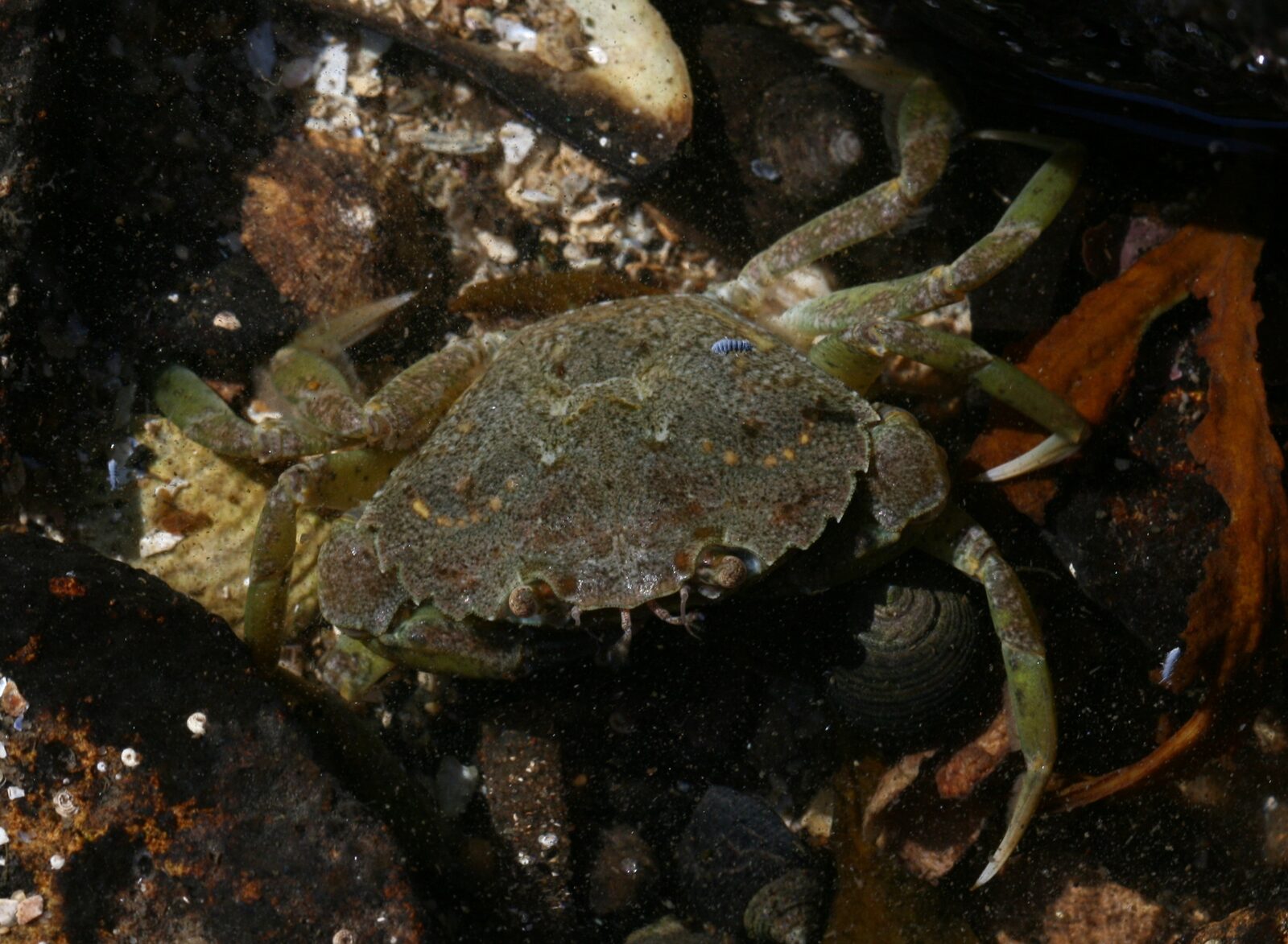
European green crab
Carcinus maenas
- Status
- IUCN Red List
- Eats
- common periwinkle, hard clam, Atlantic jackknife clam and 162 more
- Eaten by
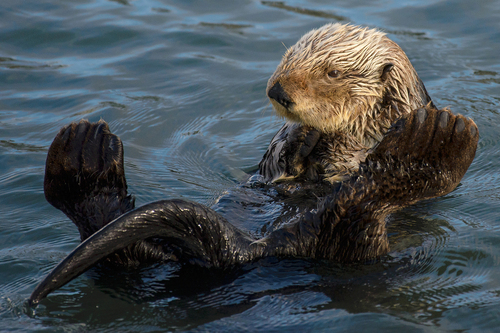
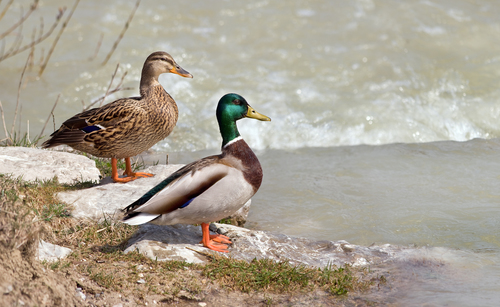
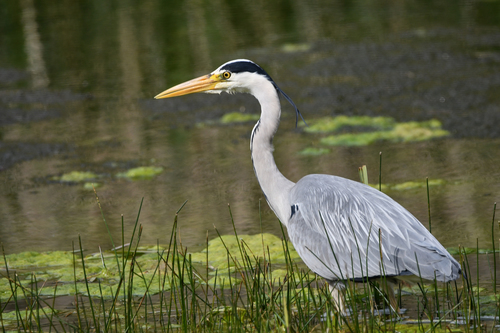
- sea otter, mallard, grey heron
- Where
- 24 countries · wadden Sea
On 4Planet Atlas it is among the wildlife people record most around Reykjavík.
People have shared 33,817 records of the European green crab with GBIF, from 24 countries, most of them from United States, United Kingdom and Canada. Records collected by GloBI show it eating 165 different kinds of animals and plants, and being eaten by 78.
Habitats
What the European green crab eats, and what eats it
Studies have recorded it eating 165 kinds of animals and plants, and 78 kinds of animals eating it. Tap any of them to follow the food chain.
- Worms 26
- Shellfish 16
- Crustaceans 15
- Snails and slugs 13
- Plants 13
- Fish 9
- Earthworms 2
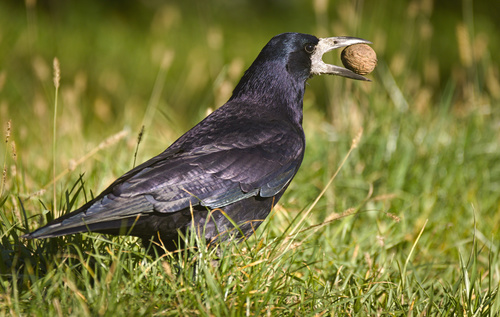
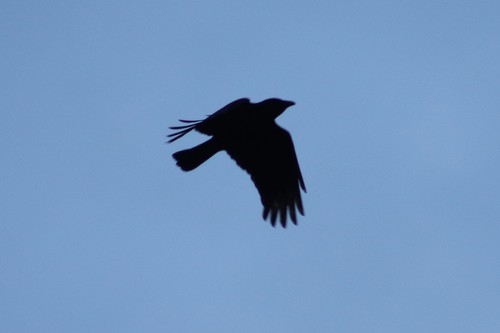
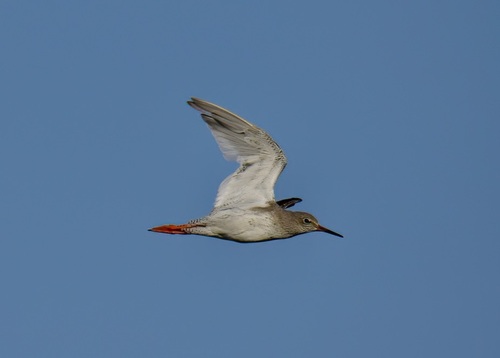
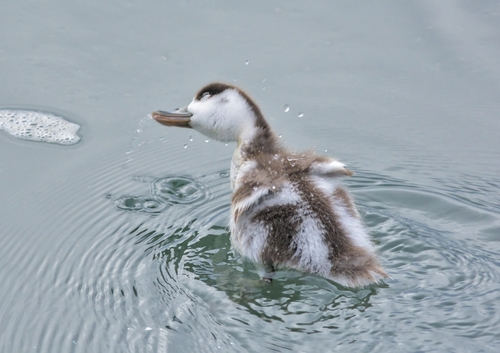
 European green crab
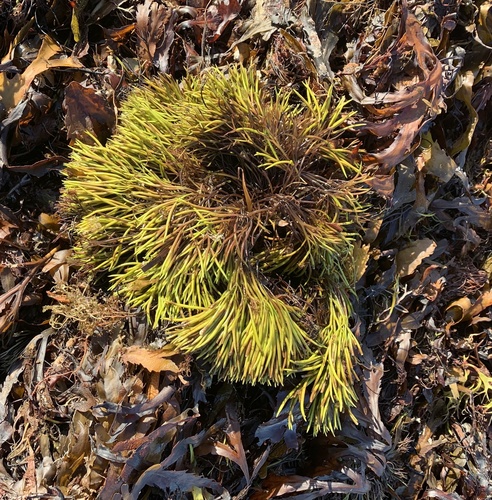
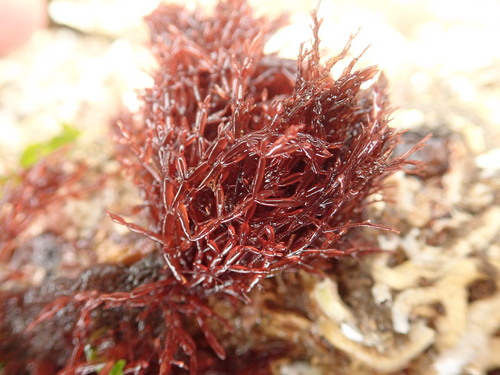
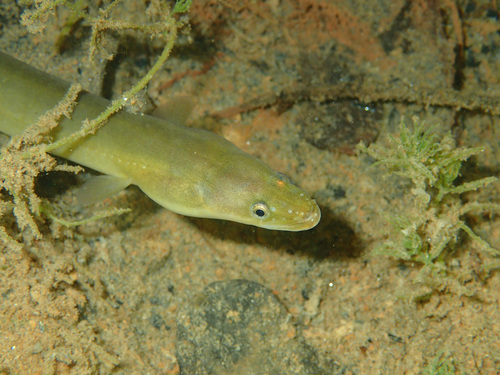
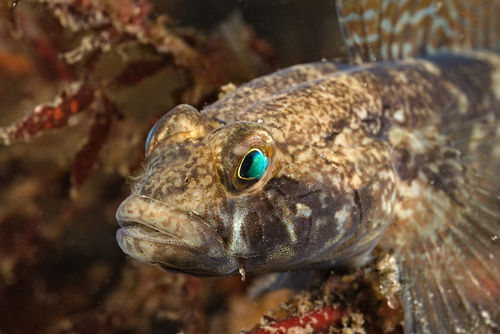

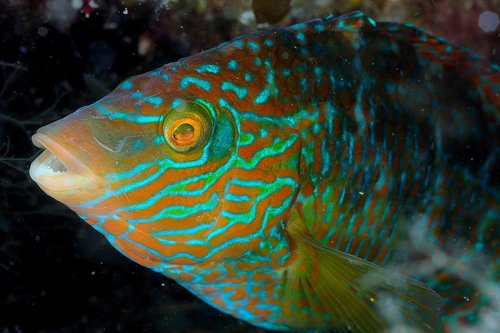
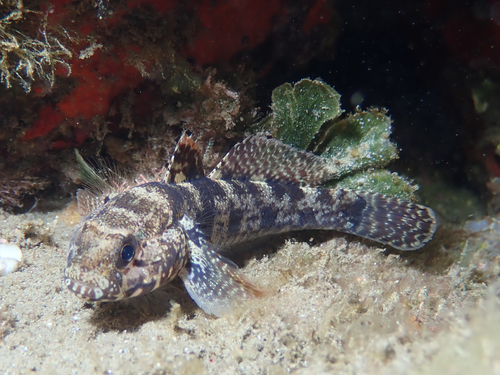
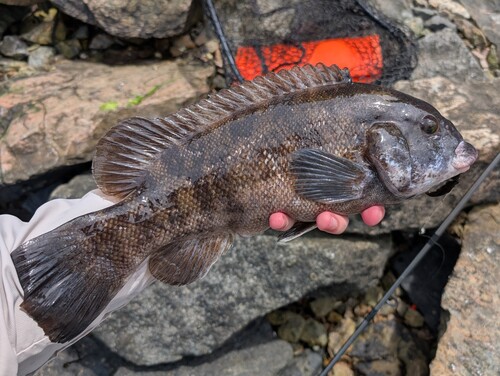
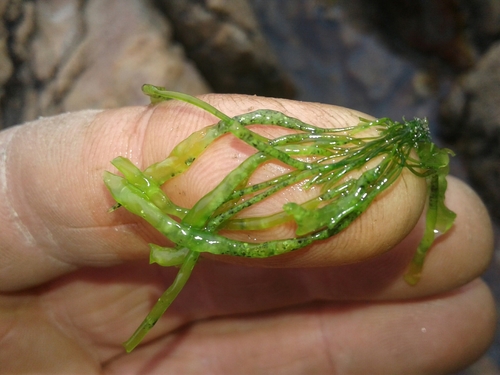
Records from studies worldwide, collected by GloBI. They include animals eaten as carrion, and they are not everything it eats in one place.
Where people see the European green crab
People have shared 33,817 records from 24 countries.
Near a city: Reykjavík.
Records show where people have seen it and shared it, not its full range. Country names open their page in Atlas.
When it is seen
Records per month in the northern hemisphere. More people outdoors also means more records.
Watch and listen
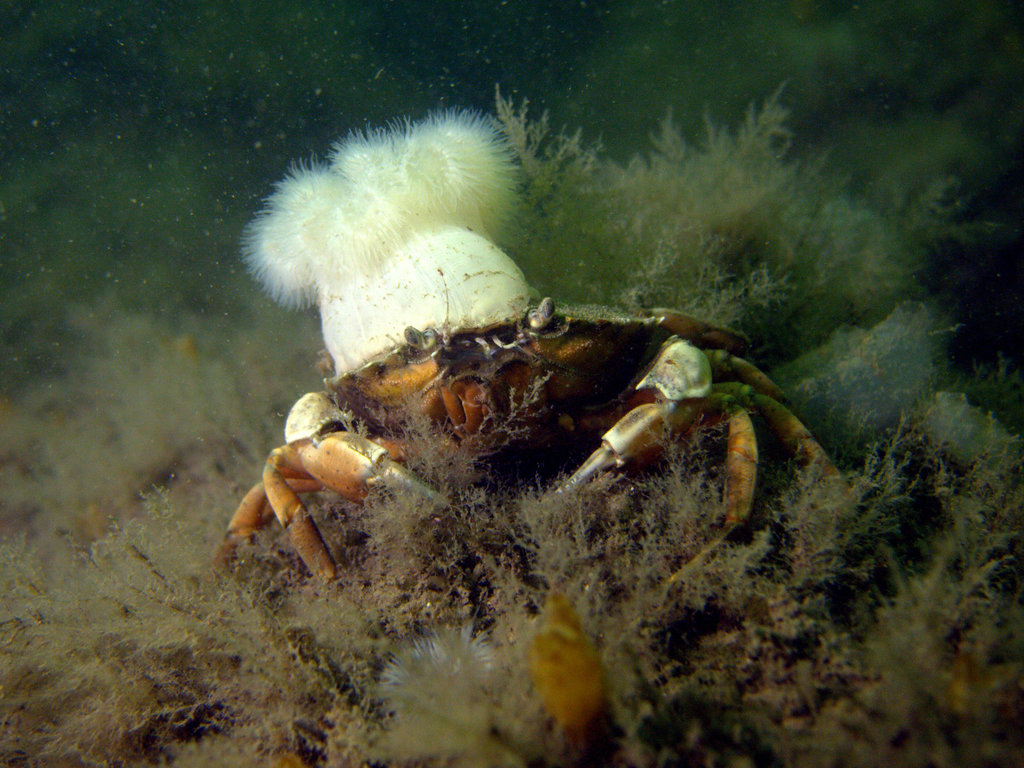
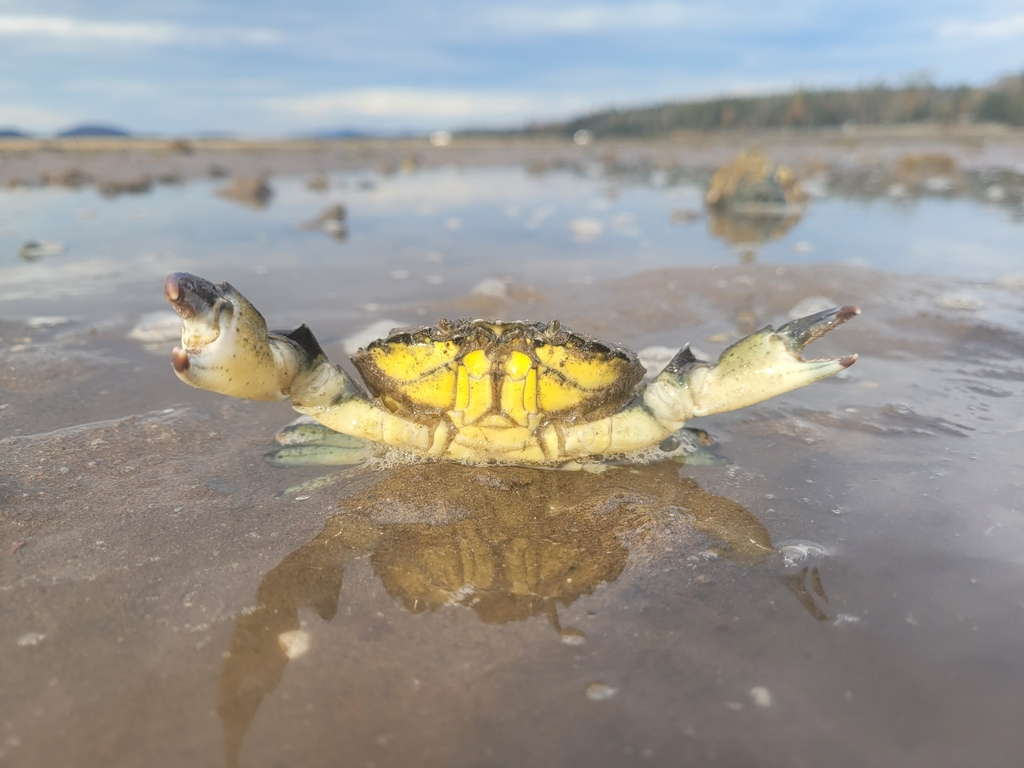
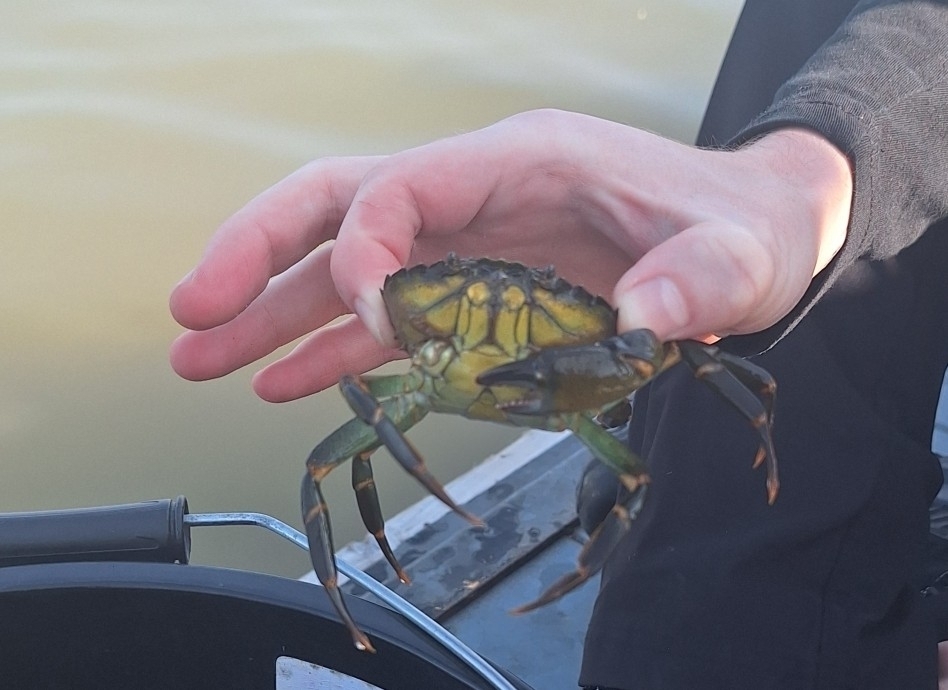
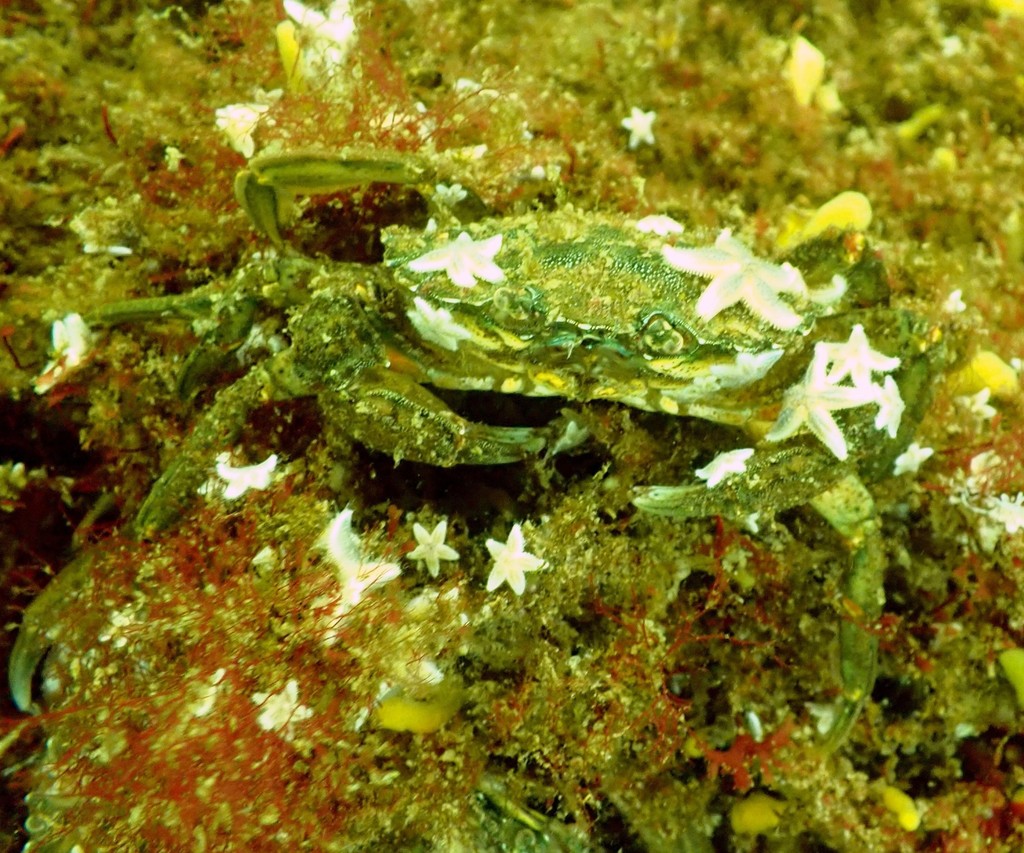
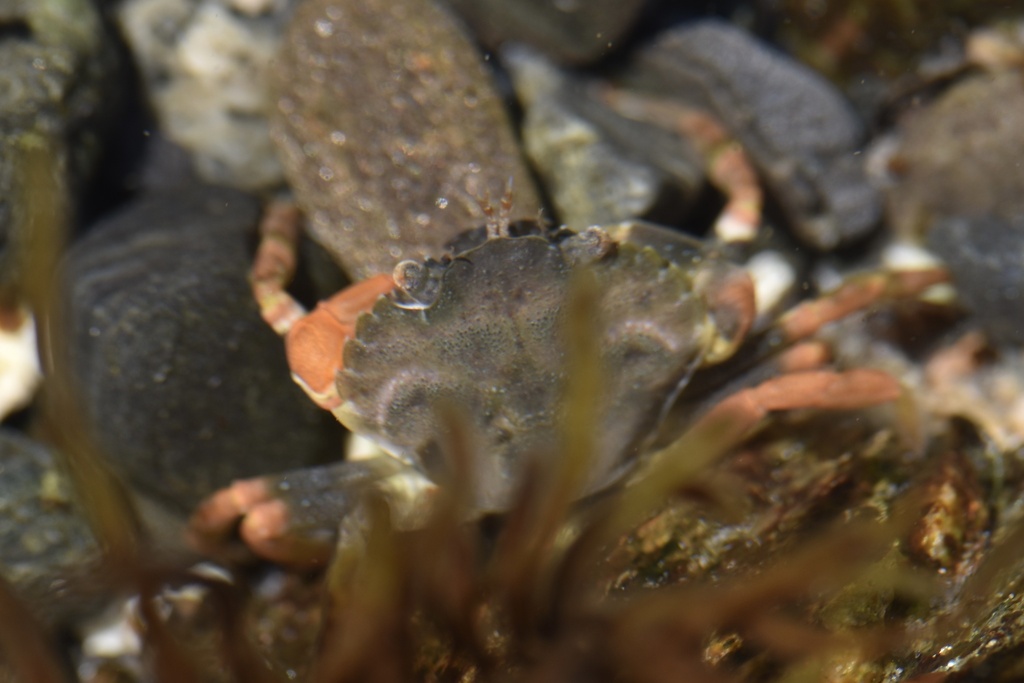
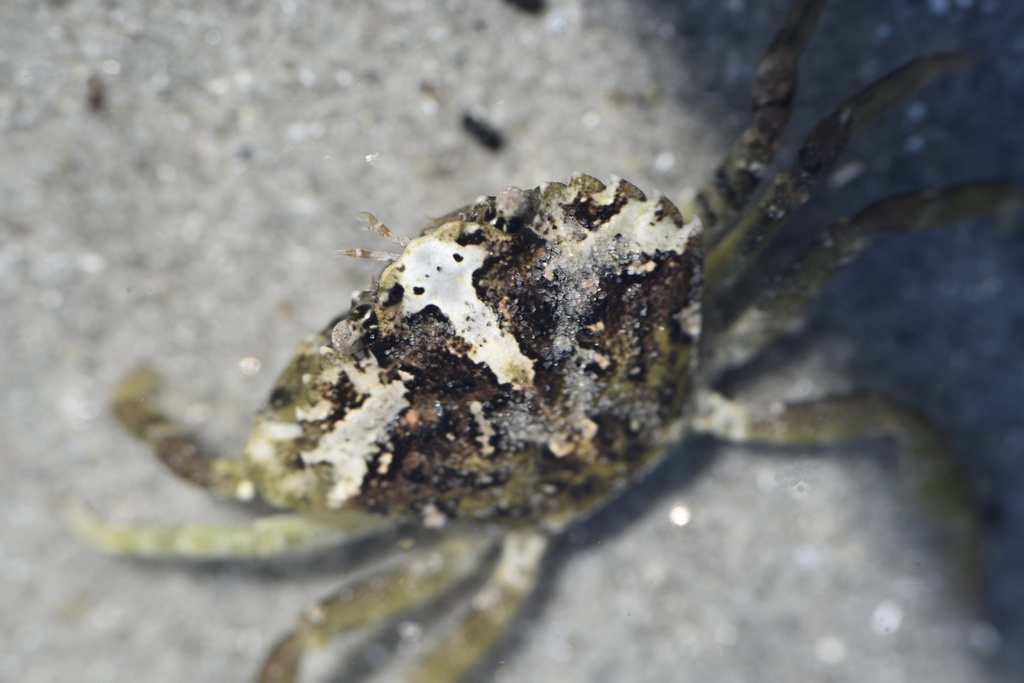
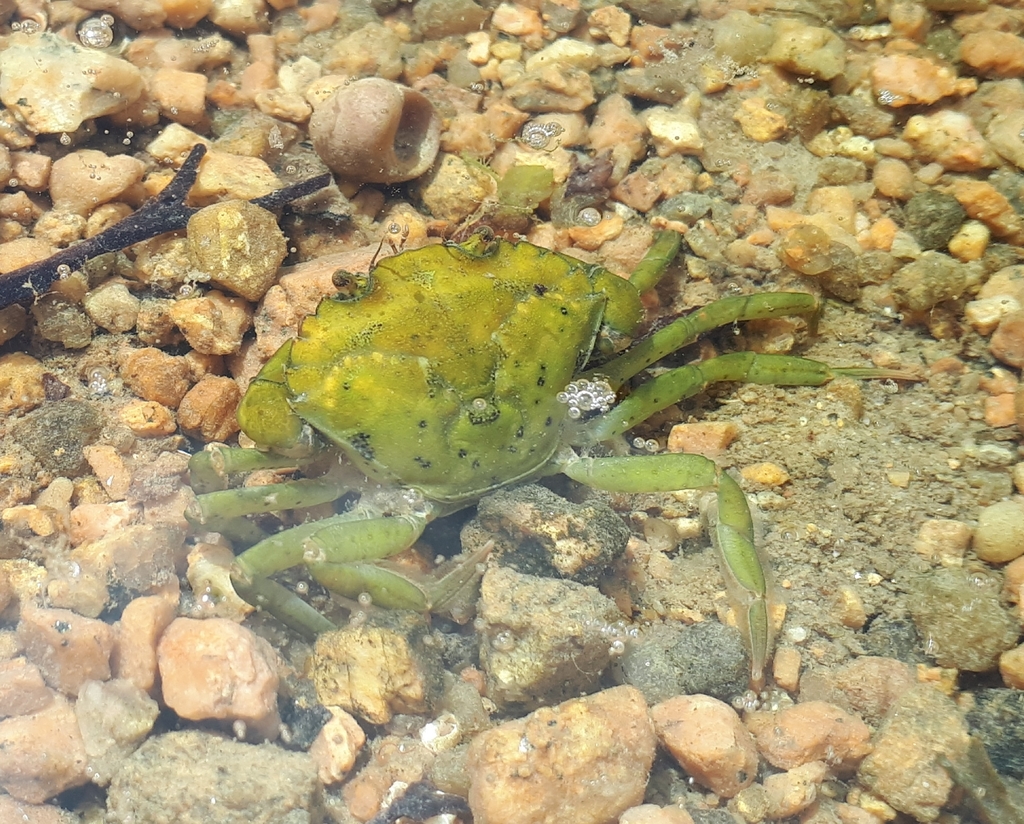
Seen an European green crab?
Share your photo on iNaturalist. Other naturalists help confirm it, and the record goes to GBIF, where scientists use it and where the maps on this page come from.
Put this species on your site
The card names every source and links back here.
<iframe src="https://4planetatlas.com/place/embed/species/european-green-crab" title="European green crab (Carcinus maenas), 4PLANET Species" width="100%" height="600" style="border:0;max-width:640px" loading="lazy"></iframe>
<p><a href="https://4species.com/european-green-crab">European green crab on 4PLANET Species</a></p>Explore next
What puts the European green crab under pressure, what helps, and who works on it.
Questions people ask
What does the European green crab eat?
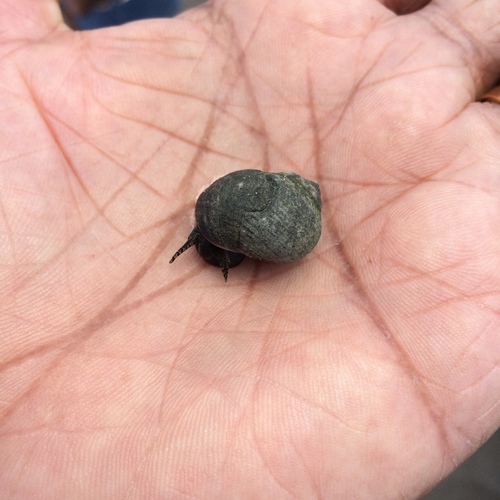
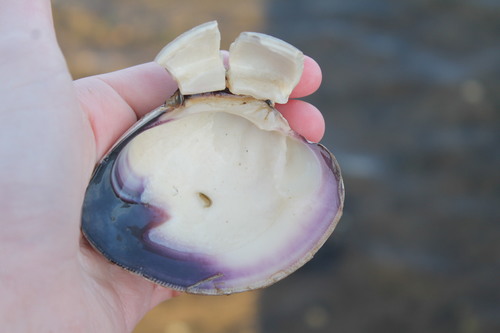
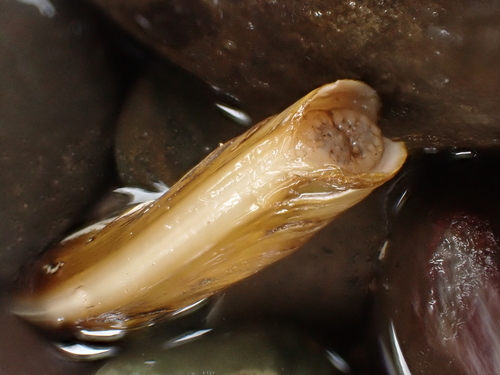
The European green crab has been recorded eating 165 different kinds of animals and plants, most of them worms, shellfish, crustaceans and snails and slugs. The ones recorded most often are common periwinkle, hard clam, atlantic jackknife clam, clawed forked weed and bunny ears; records include animals eaten as carrion. Source: GloBI.
What eats the European green crab?
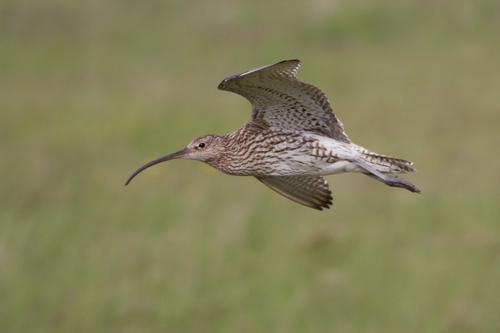
Recorded predators include sea otter, mallard, grey heron, rook and carrion crow. Source: GloBI.
Where does the European green crab live?
People have recorded it in 24 countries; the most records come from United States, United Kingdom, Canada, France and Netherlands. Records show where people have seen it, not its full range.
When is the European green crab seen most?
In the northern hemisphere, the most records are made in August and the fewest in December. More people outdoors also means more records.
Sources and photo credits
- GBIF · Carcinus maenas, 33,817 human observations
- GloBI · recorded interactions of Carcinus maenas
- Wikidata · European green crab (Q27779)
- European green crab (Carcinus maenas): Sandy Rae, CC BY 4.0
- European green crab (Carcinus maenas): Klaus Kevin Kristensen, CC BY 4.0
- European green crab (Carcinus maenas): Bex Goreham, CC BY 4.0
- European green crab (Carcinus maenas), Dale, Haverfordwest SA62 3RB, UK: PencilVoid, CC BY 4.0
- European green crab (Carcinus maenas), Surendorf, 24229 Schwedeneck, Deutschland: Micha Baum, CC BY-SA 4.0
- European green crab (Carcinus maenas), Gulf of Maine, York, ME, US: northerly, CC BY 4.0
- European green crab (Carcinus maenas), Gulf of Maine, York, ME, US: northerly, CC BY 4.0
- European green crab (Carcinus maenas), Chemin du Toeno, 22343 Trébeurden, France: Céline, CC BY 4.0
- Common periwinkle: Dilrukshan Priyantha Wijesinghe, CC BY 4.0
- Hard clam: Violet T., CC BY 4.0
- Atlantic jackknife clam: Ian Manning, CC BY 4.0
- Clawed forked weed: scaup, CC BY 4.0
- Bunny ears: Ben Holt, CC0
- European eel: Julien Renoult, CC BY 4.0
- Black goby: Klaus Kevin Kristensen, CC BY 4.0
- Sea lettuce: Kyle Van Houtan, CC BY 4.0
- Corkwing wrasse: Tony Gilbert, CC BY-SA 4.0
- Rock goby: Julien Renoult, CC BY 4.0
- Tautog: Brighton Lee, CC0
- Gutweed: Brett Sandford, CC BY 4.0
- Sea otter: Marshal Hedin, CC BY-SA 4.0
- Mallard: anonymous, CC BY-SA 4.0
- Grey heron: Frank Sengpiel, CC BY 4.0
- Rook: hedera.baltica, CC BY-SA 4.0
- Carrion crow: no rights reserved, uploaded by Charlie Farrell, CC0
- Common redshank: Luiz Lapa, CC BY 4.0
- Common shelduck: Daniel Seth Jackson, CC BY 4.0
- Eurasian curlew: Joanne Goldby, CC BY-SA 4.0
Records show where people have seen and shared the European green crab, not its full range, and some countries and months are recorded far more than others. The food web lists interactions that studies have recorded somewhere in the world (GloBI), not everything it eats in one place.
Checked 2026-11-26.