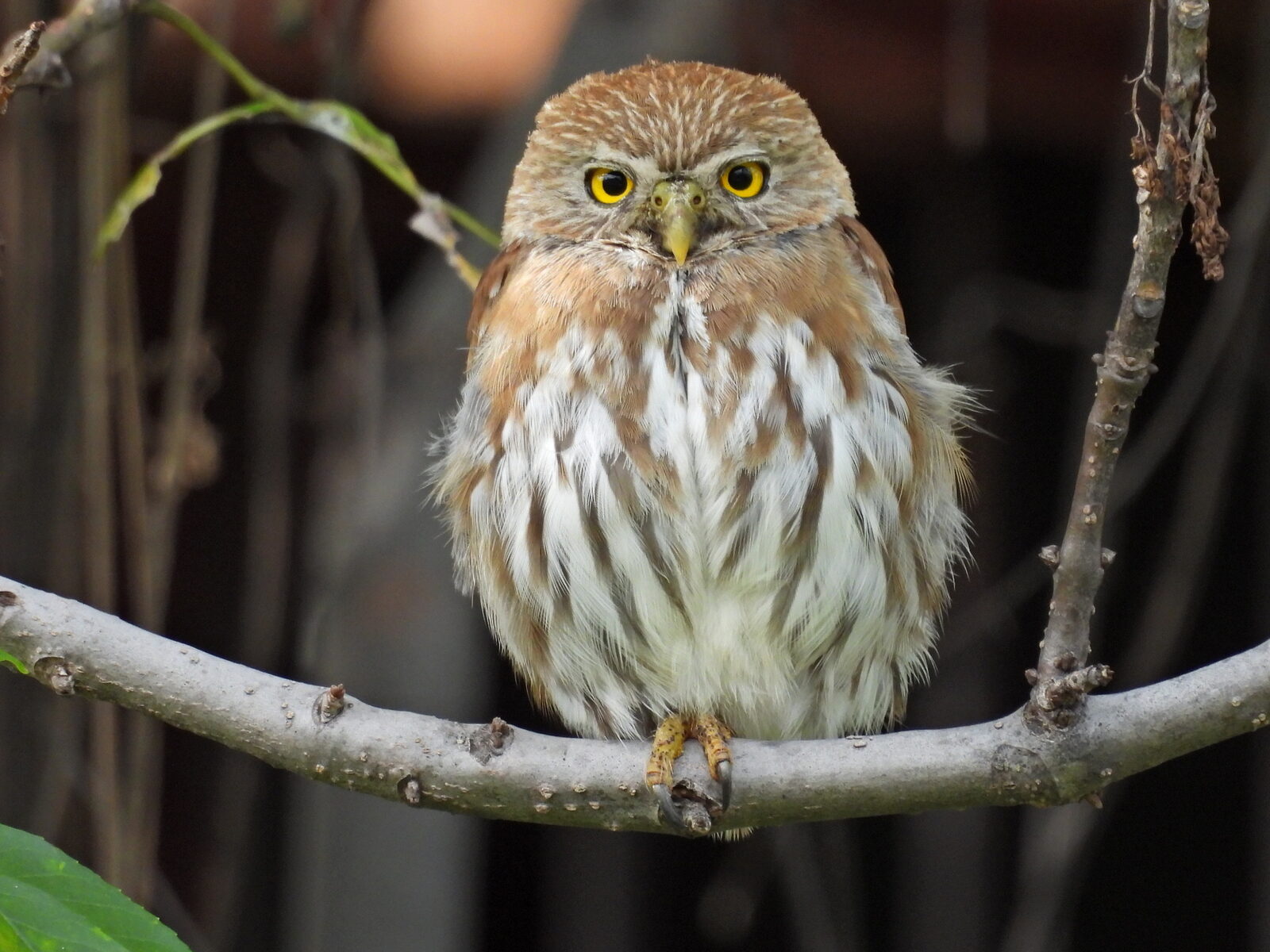
Ferruginous Pygmy-Owl
Glaucidium brasilianum
- Status
- Least Concern IUCN Red List
- Eats
- house sparrow, ruddy ground dove, house mouse and 40 more
- Eaten by
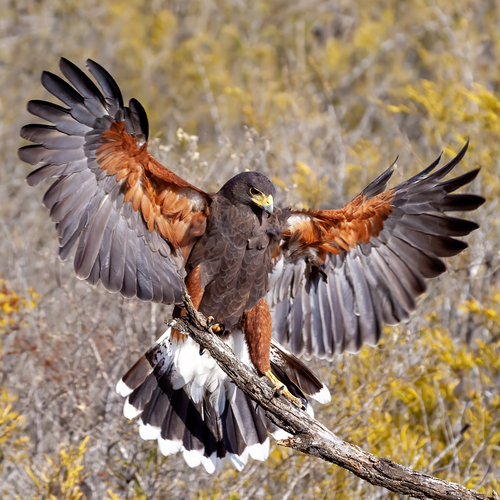
- Harris's hawk
- Where
- 21 countries
On 4Planet Atlas it is among the wildlife people record most around Belmopan, Brasília and Buenos Aires, and 7 more of the cities we cover.
People have shared 215,745 records of the Ferruginous Pygmy-Owl with GBIF, from 21 countries, most of them from Mexico, Brazil and Costa Rica. Records collected by GloBI show it eating 43 different kinds of animals and plants, and being eaten by 1.
What the ferruginous Pygmy-Owl eats, and what eats it
Studies have recorded it eating 43 kinds of animals and plants, and 1 kinds of animals eating it. Tap any of them to follow the food chain.
- Birds 18
- Reptiles 15
- Mammals 7
- Amphibians 2
- Insects 1
Eaten by
 Ferruginous Pygmy-Owl
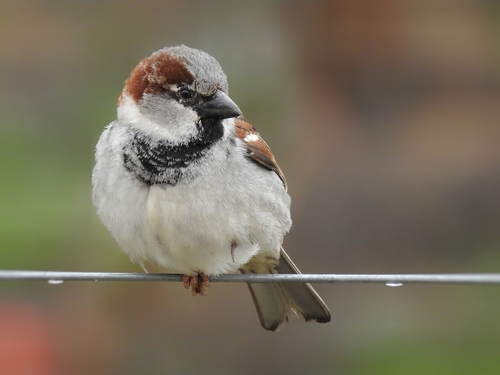

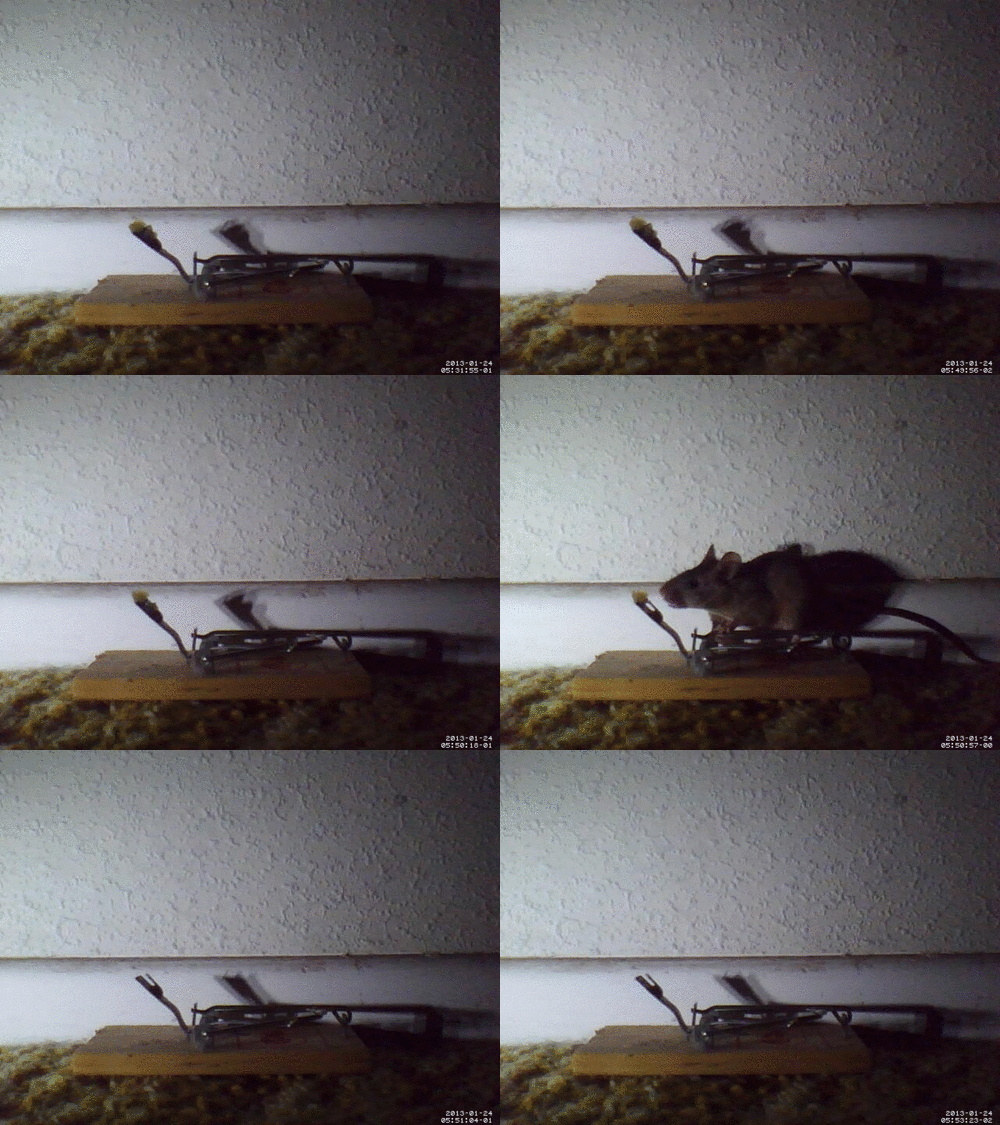
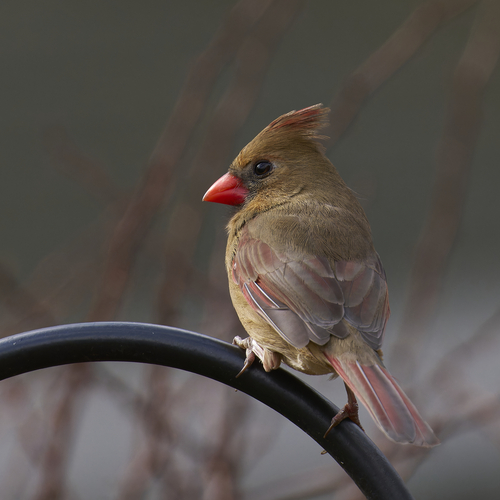
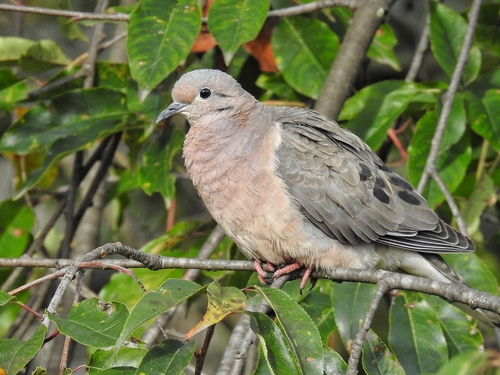
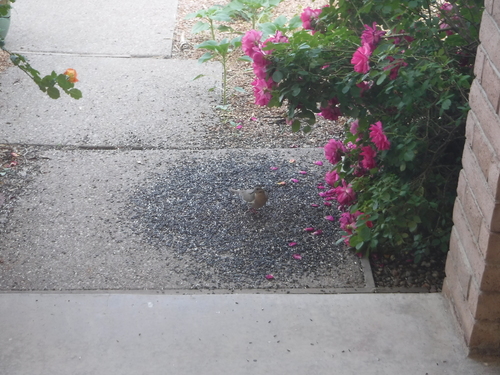

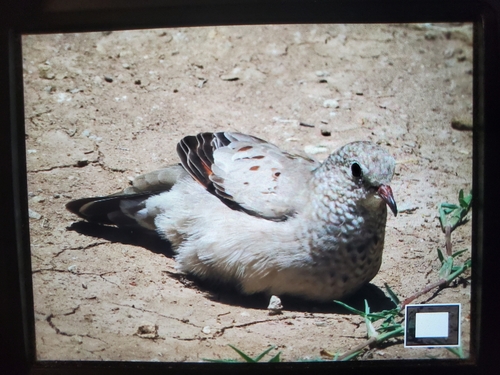
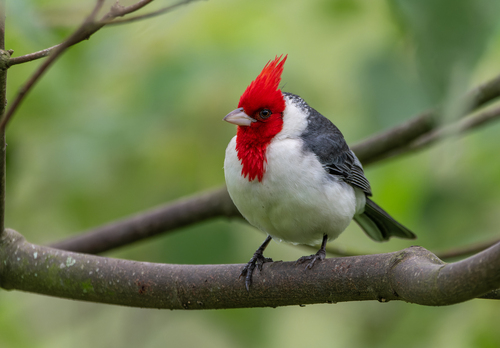
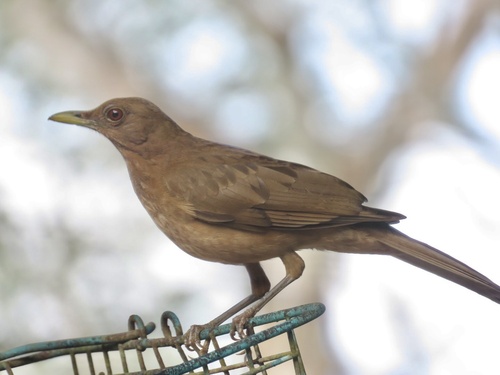
Records from studies worldwide, collected by GloBI. They include animals eaten as carrion, and they are not everything it eats in one place.
Where people see the ferruginous Pygmy-Owl
People have shared 215,745 records from 21 countries.
Near a city: Belmopan, Brasília, Buenos Aires, Guadalajara, Guatemala City, Managua, Port of Spain, San José, San Salvador, Tegucigalpa.
Records show where people have seen it and shared it, not its full range. Country names open their page in Atlas.
When it is seen
Records per month in the northern hemisphere. More people outdoors also means more records.
Watch and listen
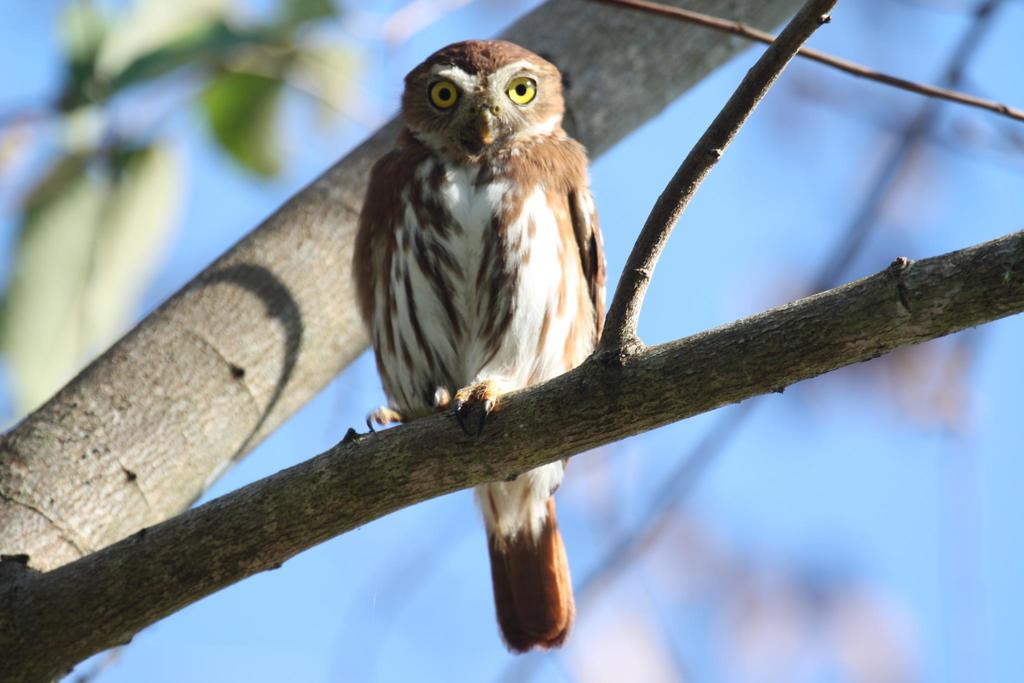
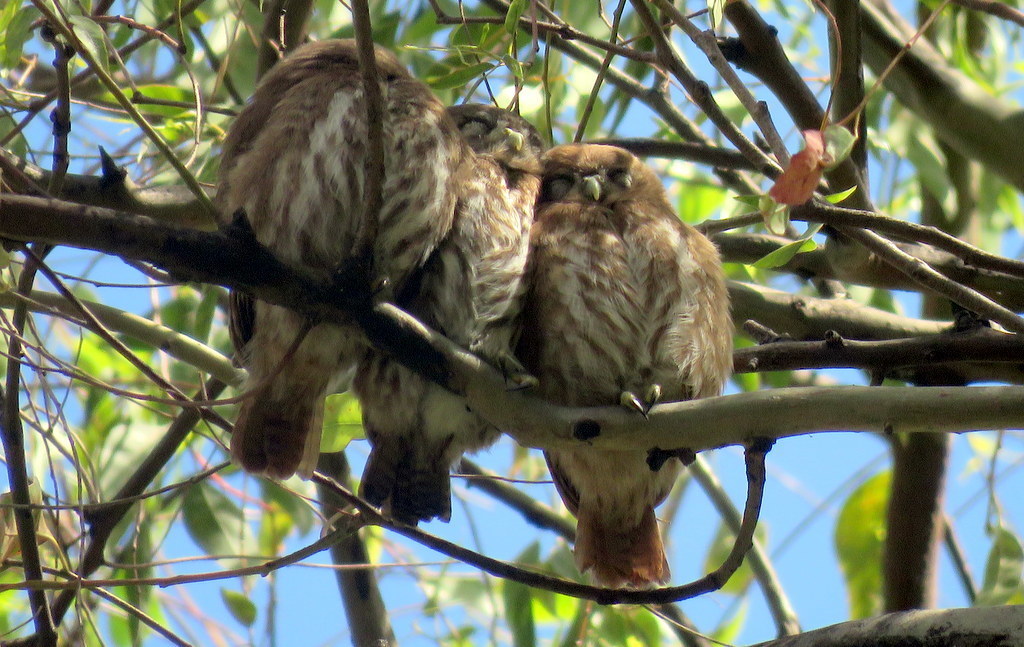
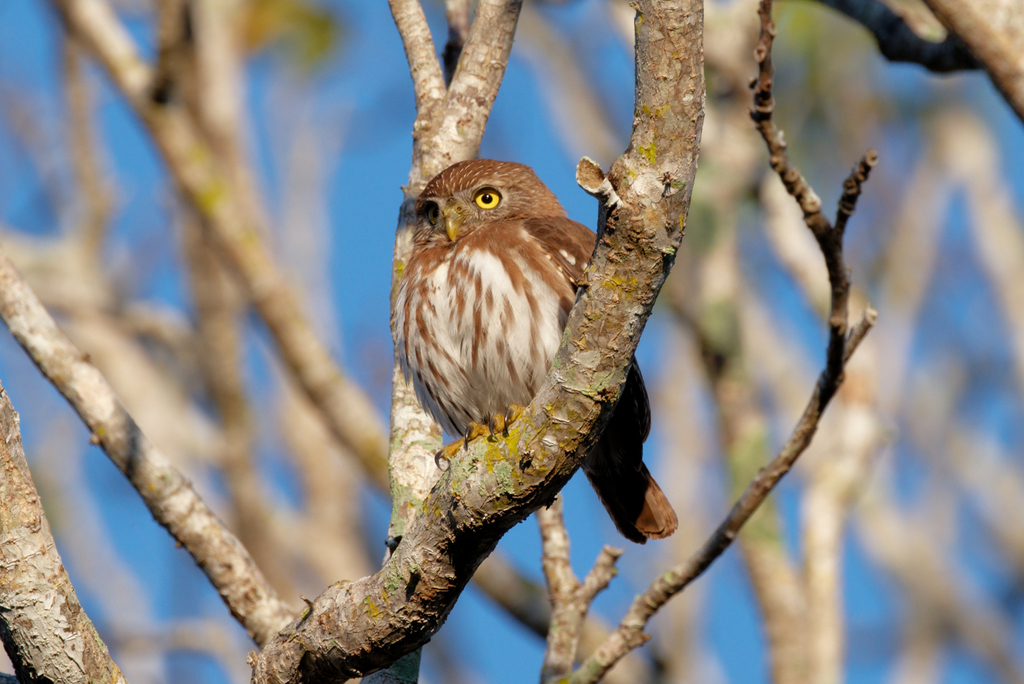
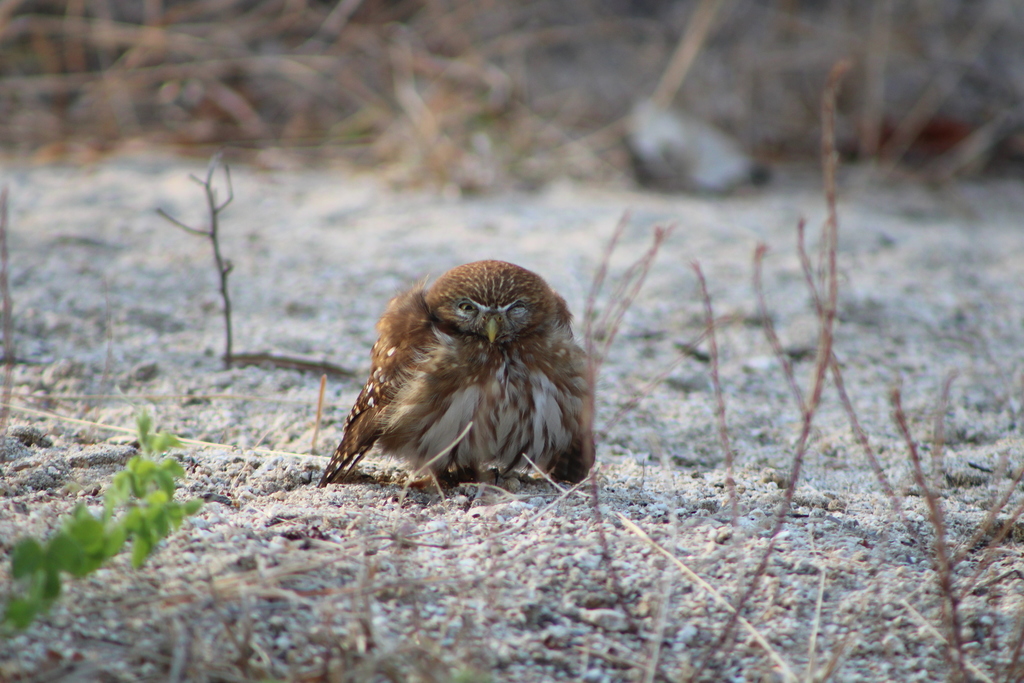
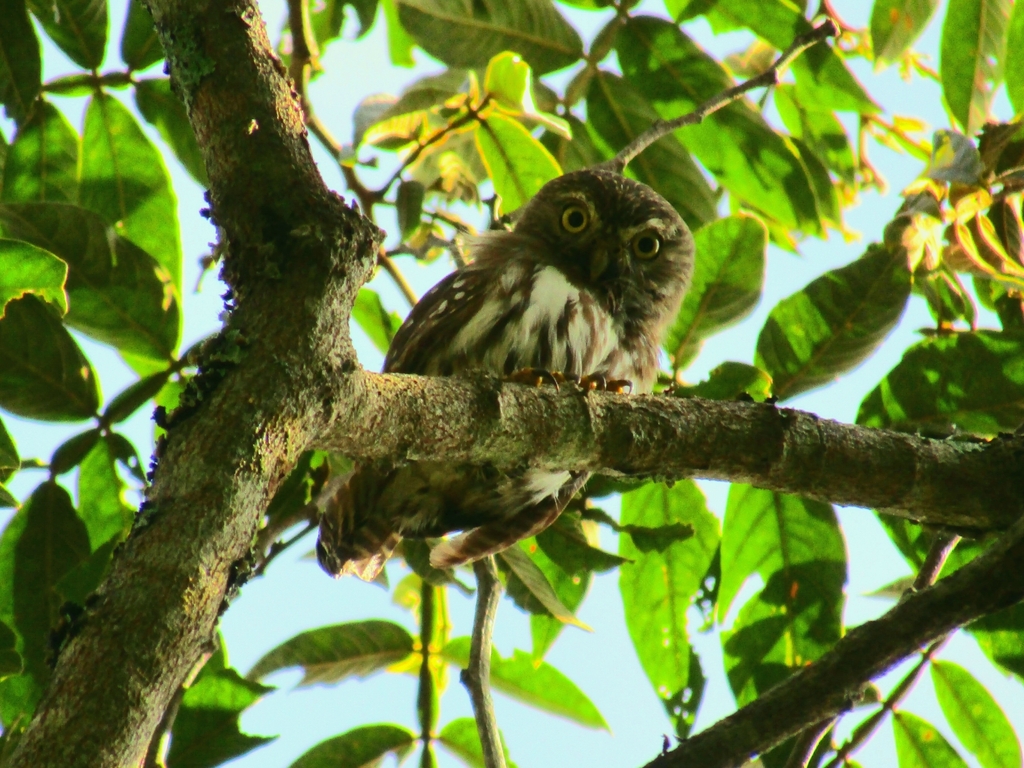
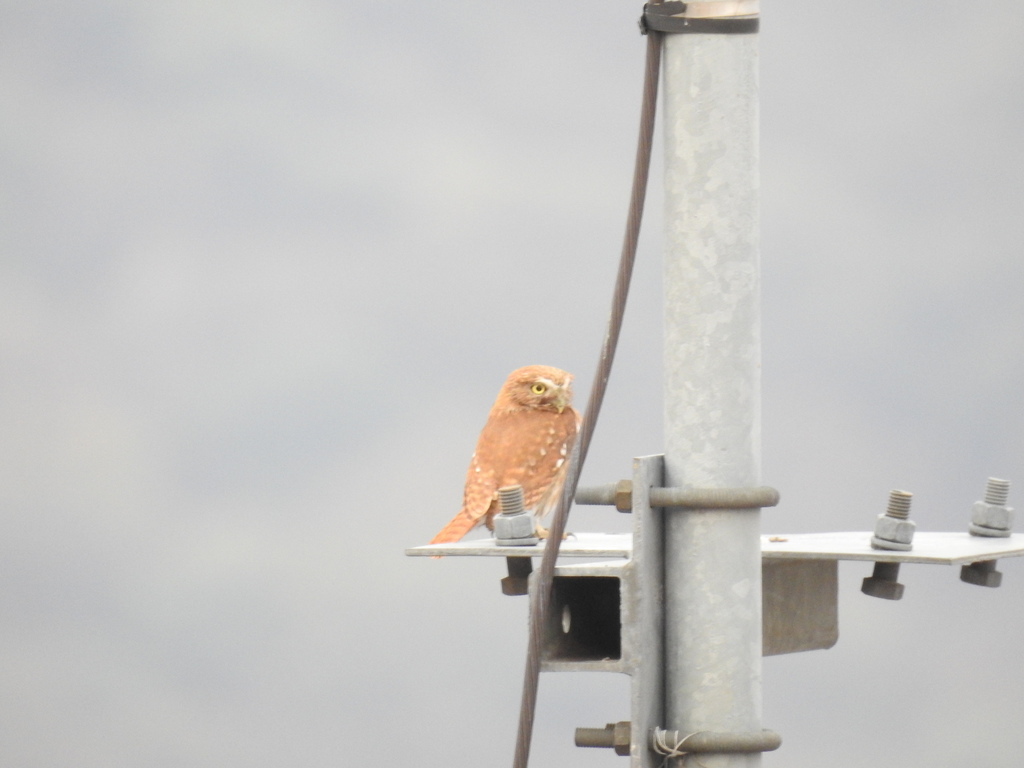
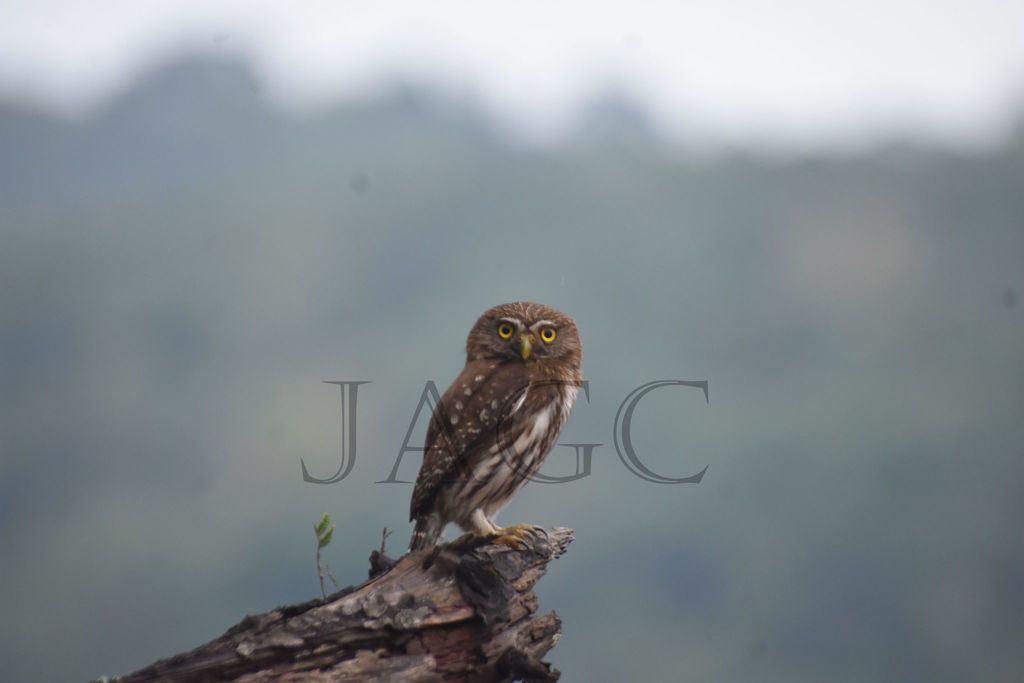
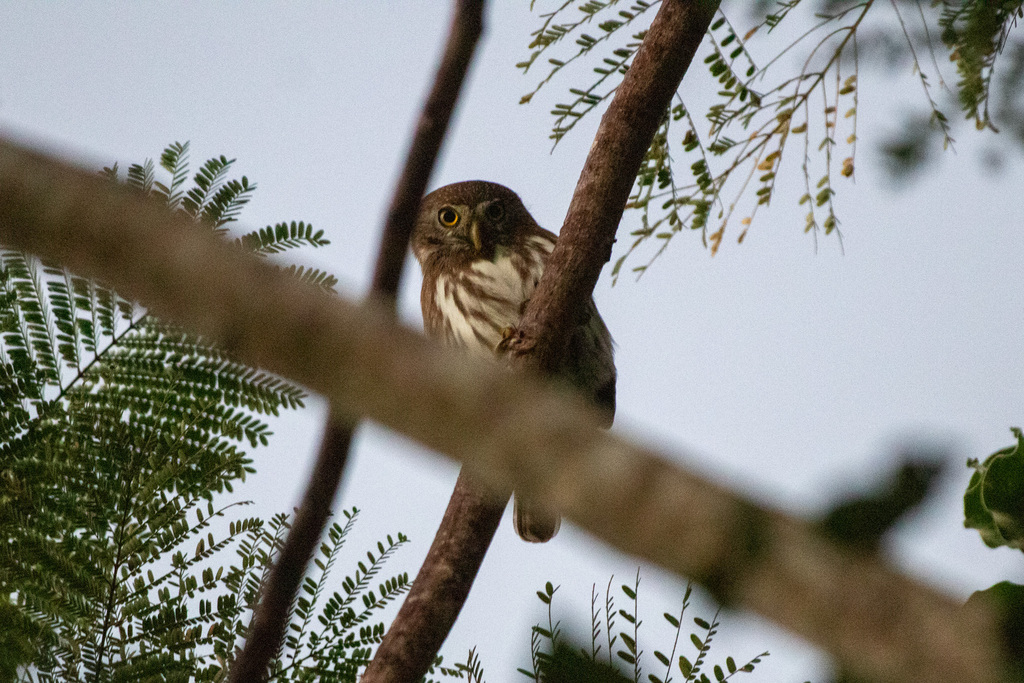
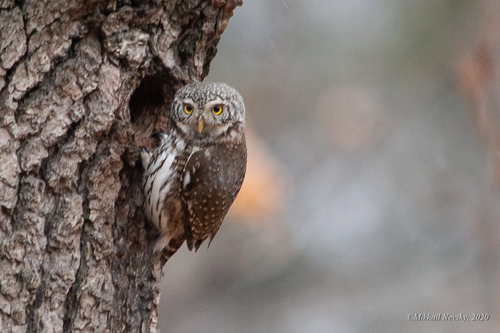
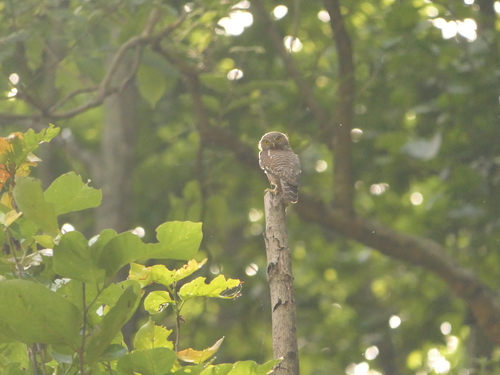
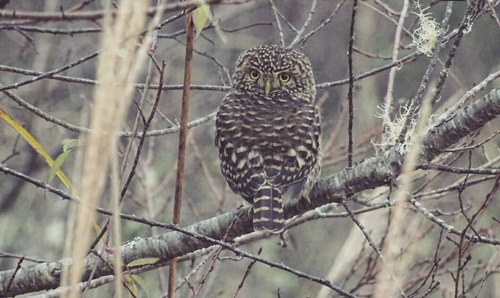
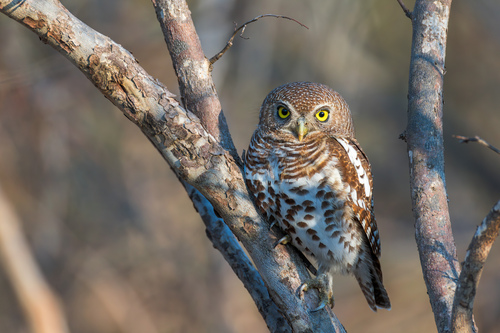
Its closest relatives
The other species of the genus Glaucidium.

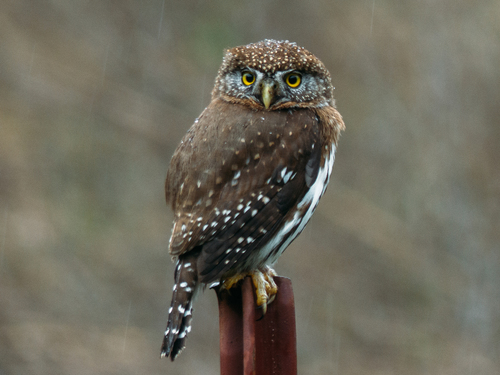
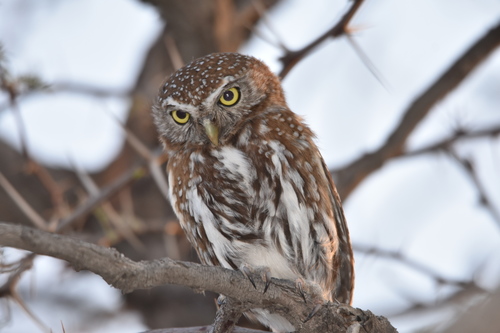
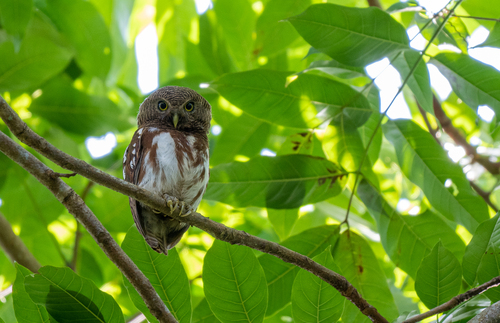
Seen a ferruginous Pygmy-Owl?
Share your photo on iNaturalist. Other naturalists help confirm it, and the record goes to GBIF, where scientists use it and where the maps on this page come from.
Put this species on your site
The card names every source and links back here.
<iframe src="https://4planetatlas.com/place/embed/species/ferruginous-pygmy-owl" title="Ferruginous Pygmy-Owl (Glaucidium brasilianum), 4PLANET Species" width="100%" height="600" style="border:0;max-width:640px" loading="lazy"></iframe>
<p><a href="https://4species.com/ferruginous-pygmy-owl">Ferruginous Pygmy-Owl on 4PLANET Species</a></p>Questions people ask
What does the Ferruginous Pygmy-Owl eat?
The Ferruginous Pygmy-Owl has been recorded eating 43 different kinds of animals and plants, most of them birds, reptiles, mammals and amphibians. The ones recorded most often are house sparrow, ruddy ground dove, house mouse, northern cardinal and eared dove; records include animals eaten as carrion. Source: GloBI.
What eats the Ferruginous Pygmy-Owl?
Recorded predators include harris's hawk. Source: GloBI.
Where does the Ferruginous Pygmy-Owl live?
People have recorded it in 21 countries; the most records come from Mexico, Brazil, Costa Rica, Honduras and Belize. Records show where people have seen it, not its full range.
When is the Ferruginous Pygmy-Owl seen most?
In the northern hemisphere, the most records are made in March and the fewest in June. More people outdoors also means more records.
What are the Ferruginous Pygmy-Owl's closest relatives?
It shares the genus Glaucidium with eurasian pygmy owlet, asian barred owlet, collared owlet, jungle owlet and african barred owlet.
Sources and photo credits
- GBIF · Glaucidium brasilianum, 215,745 human observations
- GloBI · recorded interactions of Glaucidium brasilianum
- Wikidata · Ferruginous Pygmy-Owl (Q518608)
- Ferruginous Pygmy-Owl (Glaucidium brasilianum): Oscar Alejandro Morales Juárez, CC BY-SA 4.0
- Ferruginous Pygmy-Owl (Glaucidium brasilianum): Alastair Rae, CC BY-SA 4.0
- Ferruginous Pygmy-Owl (Glaucidium brasilianum), Lago de Regatas, Buenos Aires, Argentina: Diego Carús, CC0
- Ferruginous Pygmy-Owl (Glaucidium brasilianum), Mérida Municipality, Yucatan, Mexico: Corey Farwell, CC BY 4.0
- Ferruginous Pygmy-Owl (Glaucidium brasilianum), Santa María Huatulco, Oax., México: Carlos Domínguez-Rodríguez, CC BY 4.0
- Ferruginous Pygmy-Owl (Glaucidium brasilianum), Corquiín, Honduras: Sobeida Morales, CC0
- Ferruginous Pygmy-Owl (Glaucidium brasilianum), Taxco de Alarcón, MX-GR, MX: Sandino Guerrero, CC BY 4.0
- Ferruginous Pygmy-Owl (Glaucidium brasilianum), Xilitla, S.L.P., México: J Alejandro González Castillo, CC BY-SA 4.0
- Ferruginous Pygmy-Owl (Glaucidium brasilianum), Felipe Carrillo Puerto, Quintana Roo, Mexico: DiegoH, CC BY 4.0
- House sparrow: Esteban Poveda, CC BY 4.0
- Ruddy ground dove: Dario Sanches, CC BY-SA 4.0
- House mouse: Tony Wills, CC BY-SA 4.0
- Northern cardinal: Paul Danese, CC BY-SA 4.0
- Eared dove: Esteban Poveda, CC BY 4.0
- White-winged dove: Elliott Gordon, CC BY 4.0
- Swainson's thrush: Alejandro Bayer Tamayo, CC BY-SA 4.0
- Common ground dove: Bob Miller, CC BY 4.0
- Red-crested cardinal: David F. Belmonte, CC BY 4.0
- Clay-colored thrush: no rights reserved, uploaded by Irene, CC0
- Inca dove: Gonzalo Zepeda Martínez, CC BY-SA 4.0
- Desert cardinal: Luis F. Ramírez, CC BY 4.0
- Harris's hawk: Dan Vickers, CC BY 4.0
- Eurasian pygmy owlet: Mikhail Nevsky, CC BY 4.0
- Asian barred owlet: Sagnik Dutta Roy, CC BY 4.0
- Collared owlet: Hazel Chang, CC BY 4.0
- Jungle owlet: Sandeep, CC BY 4.0
- African barred owlet: William Stephens, CC BY 4.0
- Mountain pygmy owl: no rights reserved, uploaded by Kyle Nessen, CC0
- Pearl-spotted owlet: Justin Ponder, CC BY 4.0
- Javan owlet: Forest Botial-Jarvis, CC BY 4.0
Records show where people have seen and shared the Ferruginous Pygmy-Owl, not its full range, and some countries and months are recorded far more than others. The food web lists interactions that studies have recorded somewhere in the world (GloBI), not everything it eats in one place.
Checked 2026-11-28.