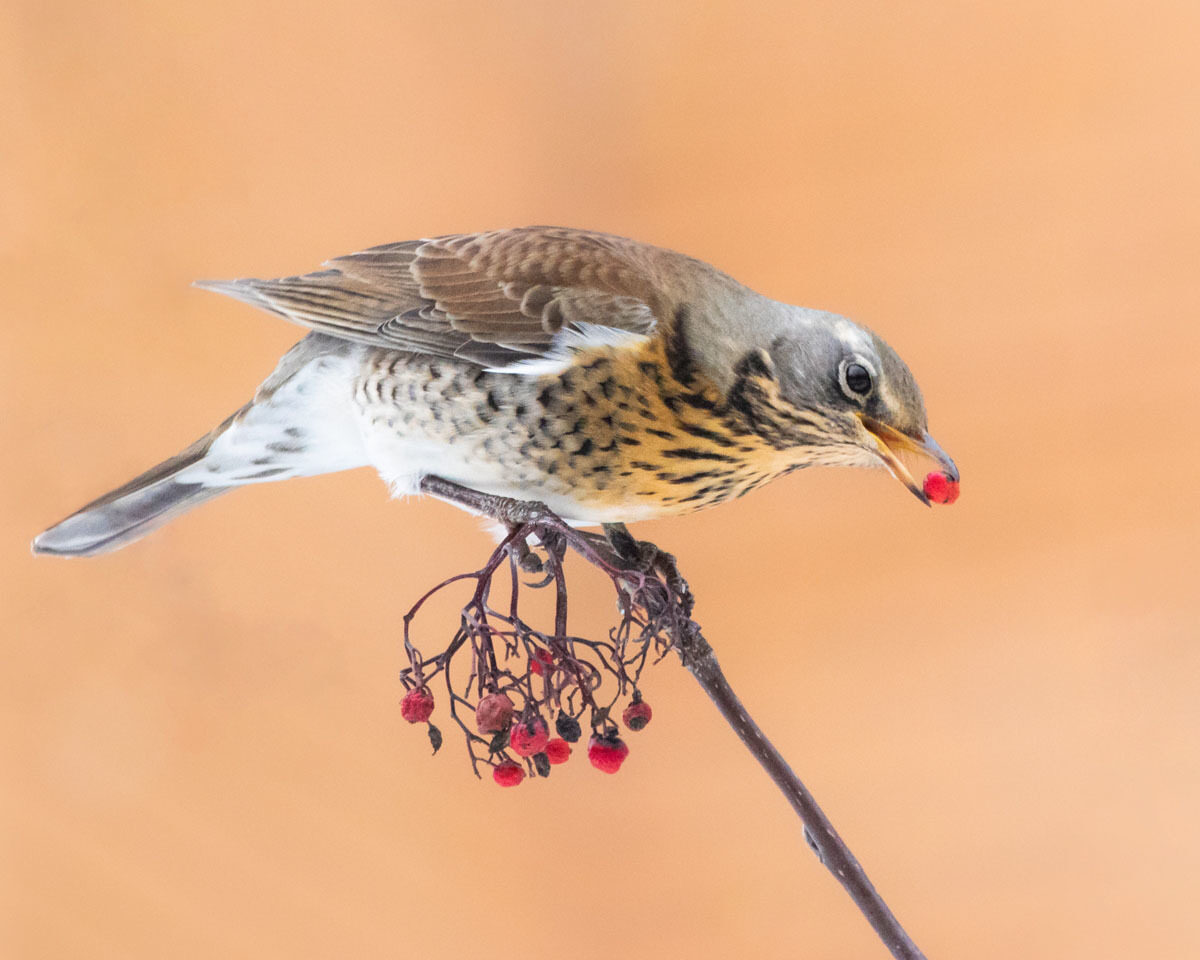
Fieldfare
Turdus pilaris
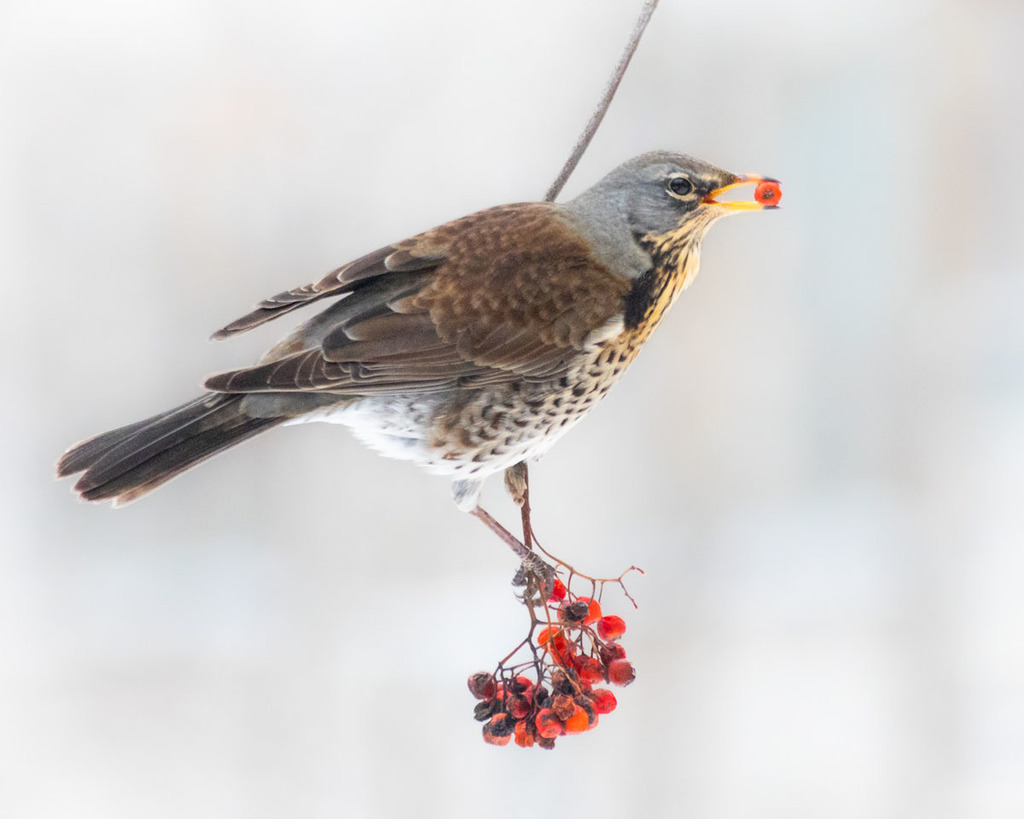
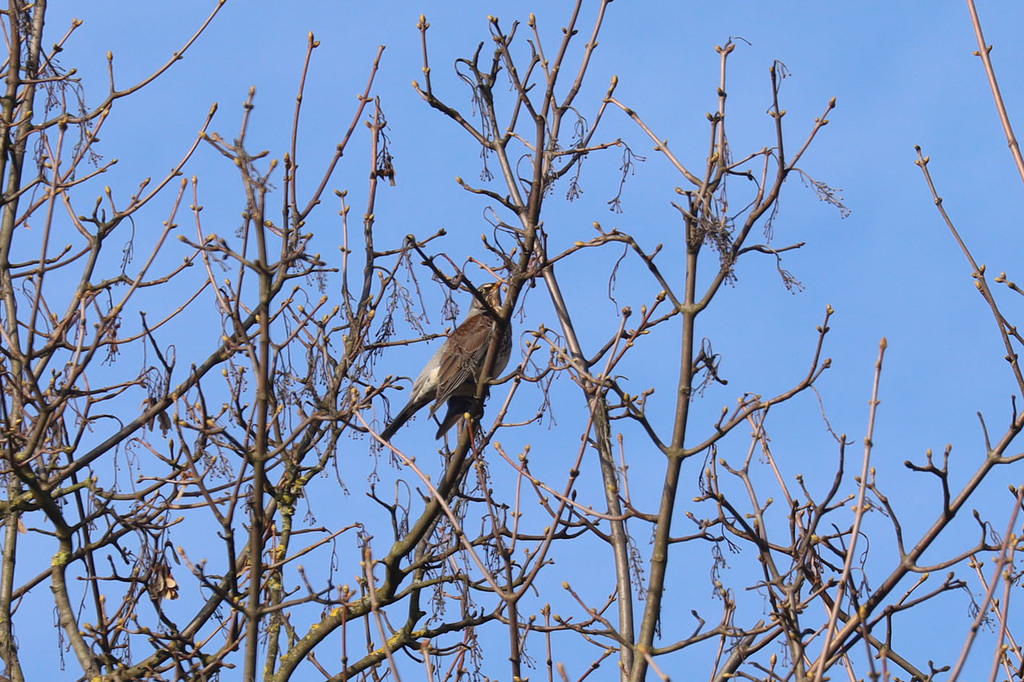
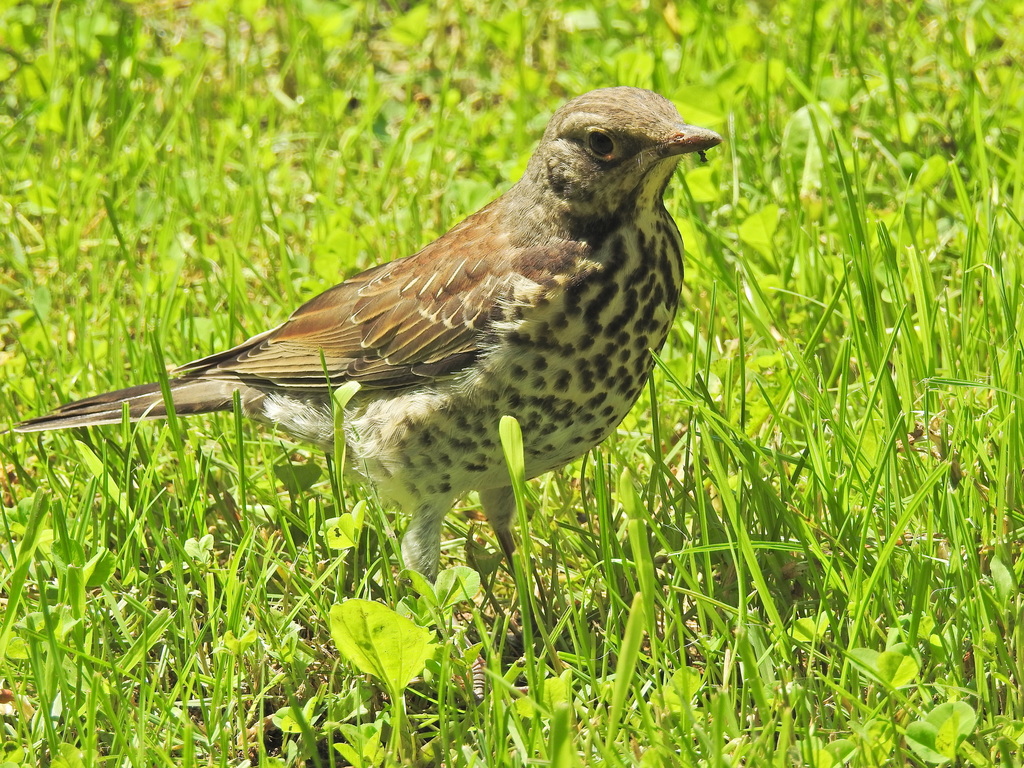
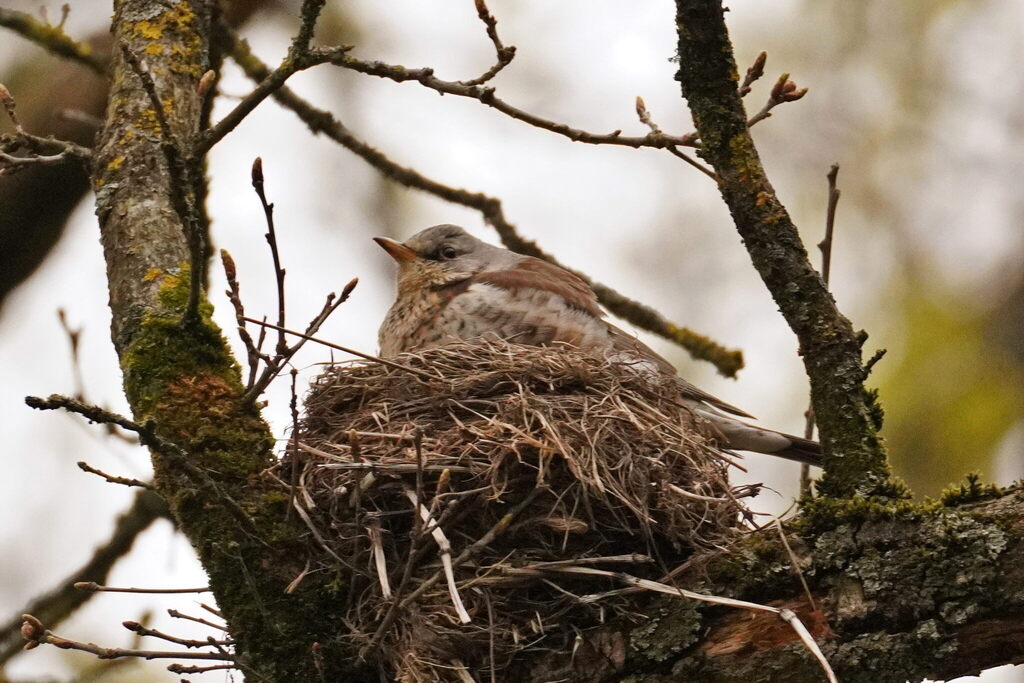
A large, colourful thrush with a grey head and rump that arrives in noisy flocks in autumn and winter.
- Status
- Least Concern IUCN Red List
- Eats
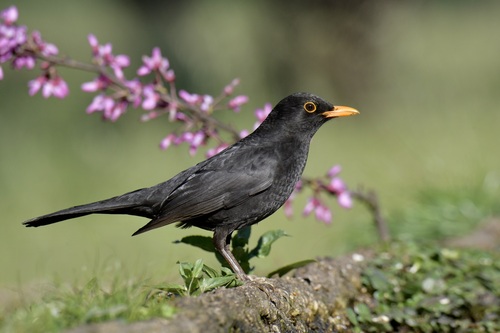
- common blackbird, European robin, white wagtail and 3,761 more
- Eaten by
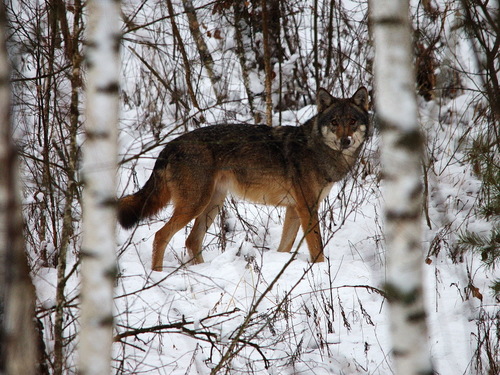
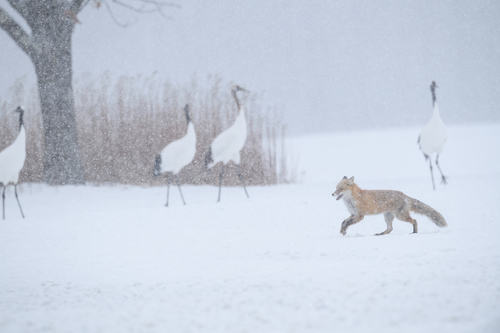
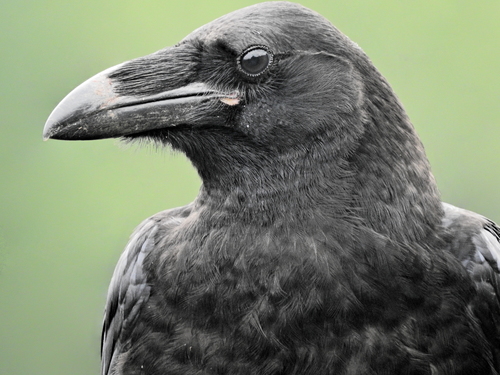
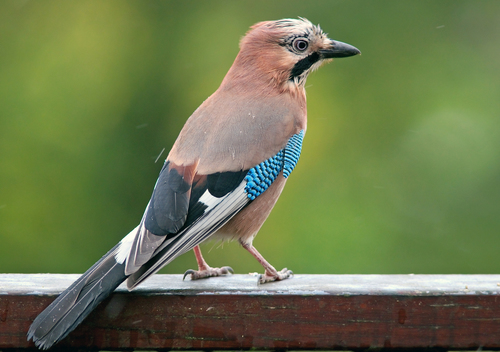
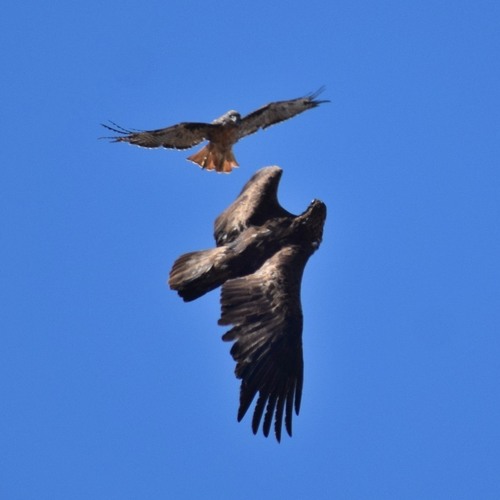
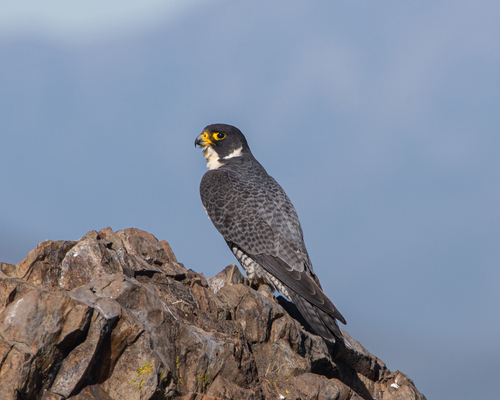
- grey wolf, red fox, northern raven
- Where
- 75 countries
On 4Planet Atlas it is among the wildlife people record most around Ankara, Astana and Bergen, and 28 more of the cities we cover.
People have shared 635,850 records of the fieldfare with GBIF, from 75 countries, most of them from United Kingdom, Russia and Germany. Records collected by GloBI show it eating 3,764 different kinds of animals and plants, and being eaten by 53.
What the fieldfare eats, and what eats it
Studies have recorded it eating 3,764 kinds of animals and plants, and 53 kinds of animals eating it. Tap any of them to follow the food chain.
- Plants 1,869
- Insects 1,299
- Birds 40
- Snails and slugs 4
- Earthworms 1
- Fish 1
Eaten by

 Fieldfare
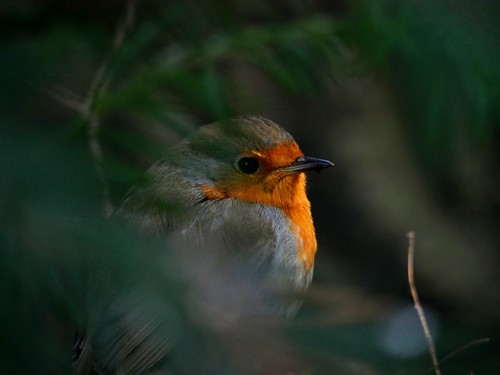
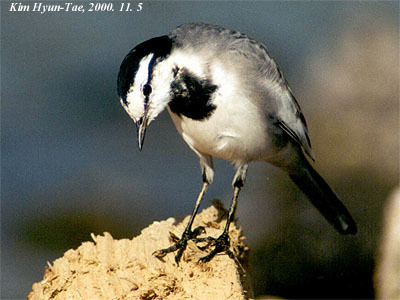
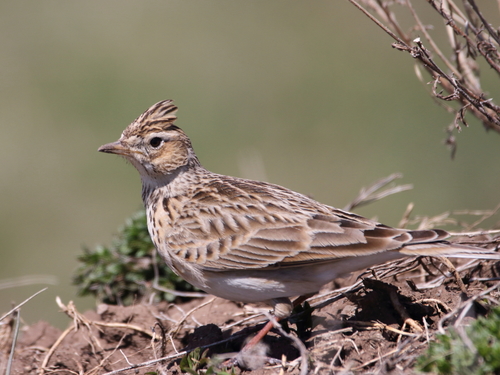
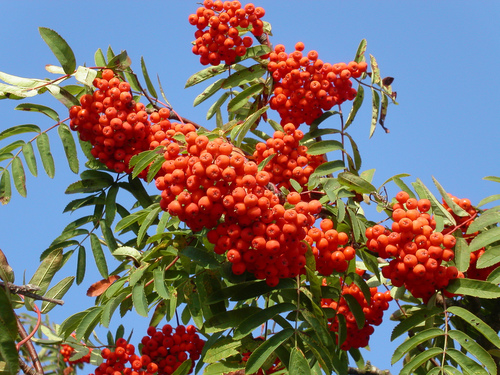

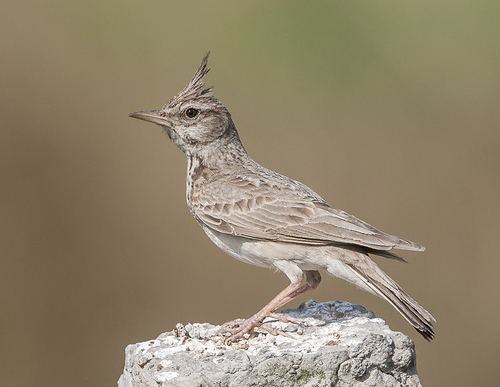
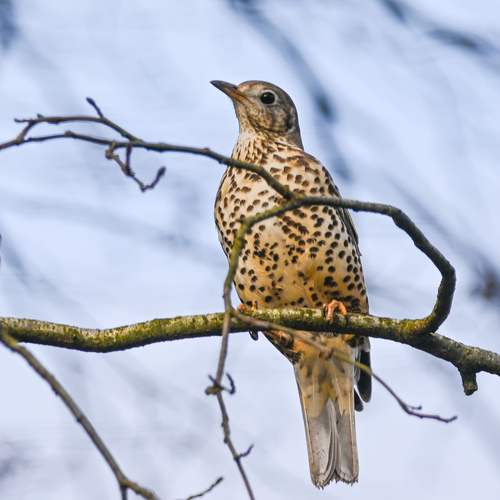
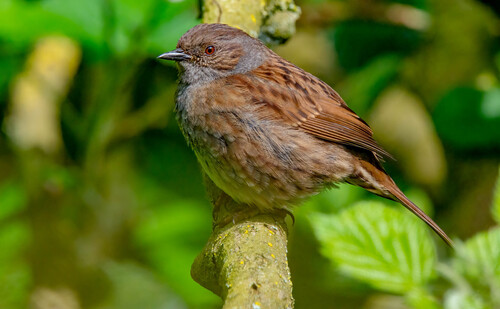


Records from studies worldwide, collected by GloBI. They include animals eaten as carrion, and they are not everything it eats in one place.
Where people see the fieldfare
People have shared 635,850 records from 75 countries.
Near a city: Ankara, Astana, Bergen, Berlin, Bern, Bratislava, Brussels, Bucharest, Budapest, Chișinău, Copenhagen, Helsinki, Kyiv, Ljubljana, London, Luxembourg City, Minsk, Moscow, Oslo, Paris, Prague, Reykjavík, Riga, Sarajevo, Sofia, Stockholm, Tallinn, Vienna, Vilnius, Warsaw, Zagreb.
Records show where people have seen it and shared it, not its full range. Country names open their page in Atlas.
When it is seen
Records per month in the northern hemisphere. More people outdoors also means more records.
Watch and listen
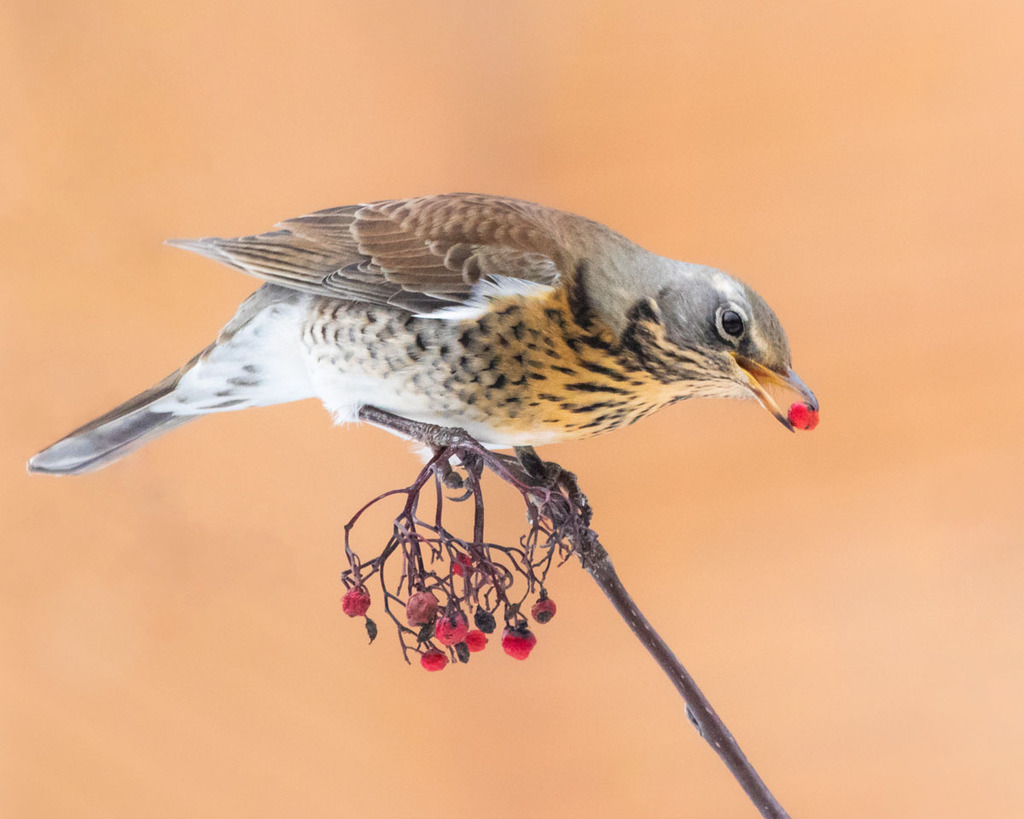
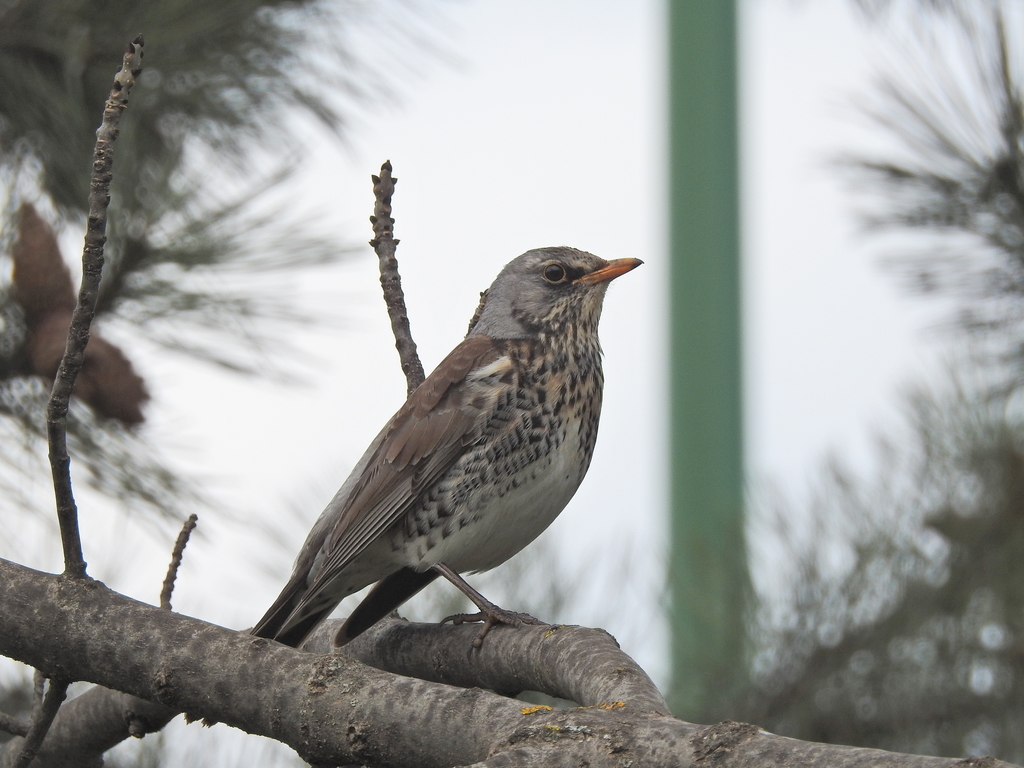
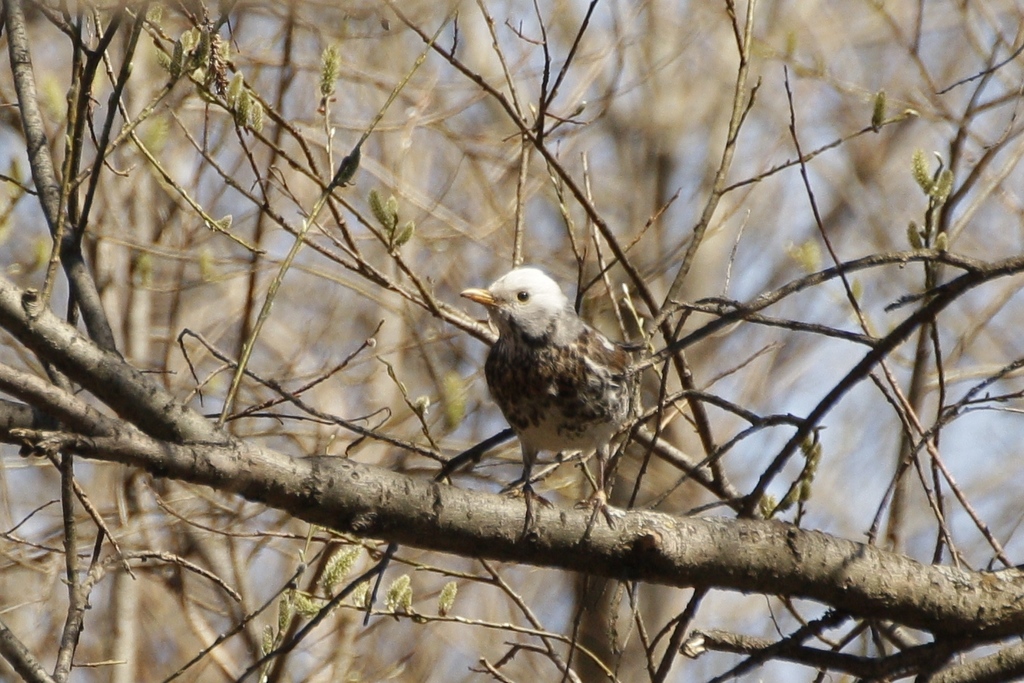
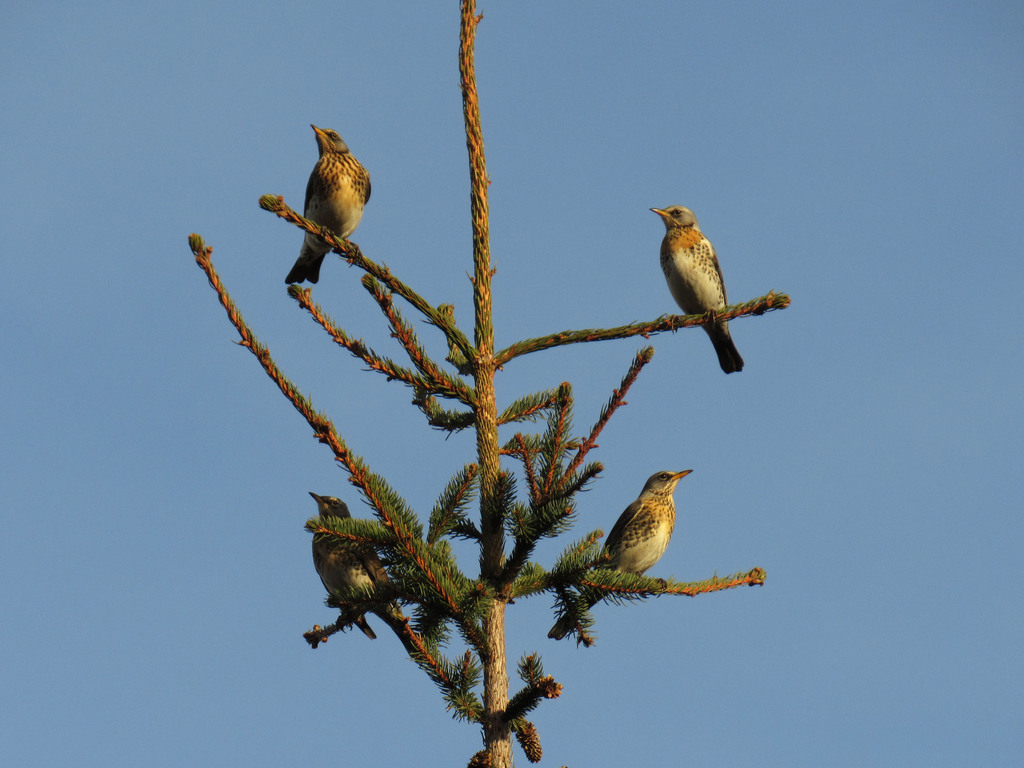
Its closest relatives
The other species of the genus Turdus.




Seen a fieldfare?
Share your photo on iNaturalist. Other naturalists help confirm it, and the record goes to GBIF, where scientists use it and where the maps on this page come from.
Questions people ask
What does the fieldfare eat?
The fieldfare has been recorded eating 3,764 different kinds of animals and plants, most of them plants, insects, birds and snails and slugs. The ones recorded most often are common blackbird, european robin, white wagtail, eurasian skylark and rowan; records include animals eaten as carrion. Source: GloBI.
What eats the fieldfare?
Recorded predators include grey wolf, red fox, northern raven, common blackbird and eurasian jay. Source: GloBI.
Where does the fieldfare live?
People have recorded it in 75 countries; the most records come from United Kingdom, Russia, Germany, Finland and Sweden. Records show where people have seen it, not its full range.
When is the fieldfare seen most?
In the northern hemisphere, the most records are made in January and the fewest in August. More people outdoors also means more records.
What are the fieldfare's closest relatives?
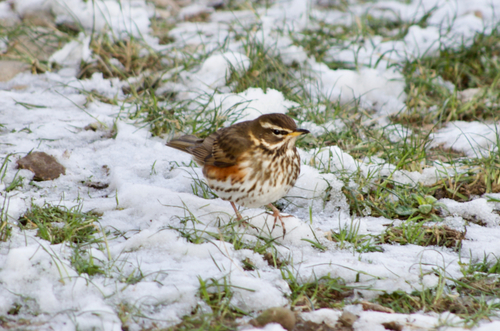
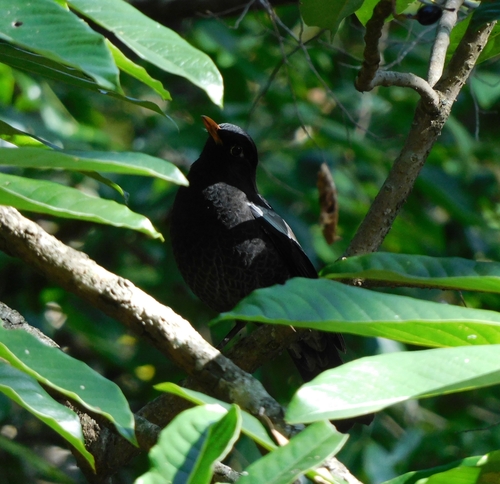
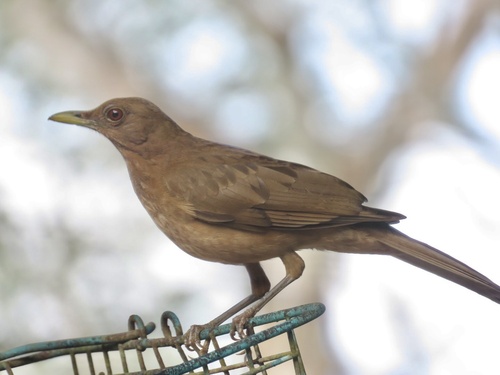
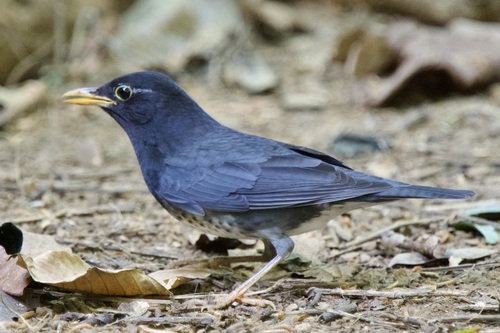
It shares the genus Turdus with redwing, black-throated thrush, dusky thrush, grey-winged blackbird and clay-colored thrush.
Sources and photo credits
- GBIF · Turdus pilaris, 635,850 human observations
- GloBI · recorded interactions of Turdus pilaris
- Wikidata · Fieldfare (Q25777)
- Fieldfare (Turdus pilaris): Михаил Голомысов, CC BY 4.0
- Fieldfare (Turdus pilaris): Михаил Голомысов, CC BY 4.0
- Fieldfare (Turdus pilaris), Юго-Западный административный округ, Москва, Россия: Михаил Голомысов, CC BY 4.0
- Fieldfare (Turdus pilaris), Tractorul, Brașov, Romania: xulescu_g, CC BY-SA 4.0
- Fieldfare (Turdus pilaris), Глазовский р-н, республика Удмуртия, Россия: Константин Селивёрстов, CC BY 4.0
- Fieldfare (Turdus pilaris), Бородянський район, Київська область, Україна: Igor Balashov, CC BY 4.0
- Fieldfare (Turdus pilaris), 74246 Eberstadt, Alemania: Holger Braun, CC BY 4.0
- Fieldfare (Turdus pilaris), Sfîntu Gheorghe, Covasna, România: xulescu_g, CC BY-SA 4.0
- Fieldfare (Turdus pilaris), Tartu, Estonia: Patrick Lam, CC BY 4.0
- Common blackbird: Luiz Lapa, CC BY 4.0
- European robin: Alexis Tinker-Tsavalas, CC BY 4.0
- White wagtail: Kim, Hyun-tae, CC BY 4.0
- Eurasian skylark: Ani Sarkisyan, CC BY 4.0
- Rowan: Hans Kylberg, CC BY 4.0
- Song thrush: Sid Mosdell, CC BY 4.0
- Crested lark: Koshy Koshy, CC BY 4.0
- Mistle thrush: Frank Sengpiel, CC BY 4.0
- Dunnock: peterichman, CC BY-SA 4.0
- Ring ouzel: William Stephens, CC BY 4.0
- Woodlark: Ani Sarkisyan, CC BY 4.0
- Bearded reeding: Tomas Broucek, CC BY 4.0
- Grey wolf: Andrew Simon, CC BY 4.0
- Red fox: Morten Ross, CC BY 4.0
- Northern raven: xulescu_g, CC BY-SA 4.0
- Eurasian jay: Luc Viatour, CC BY-SA 4.0
- Eurasian red squirrel: Rhododendrites, CC BY-SA 4.0
- Golden eagle: Anne Parsons, CC0
- Peregrine falcon: Nicolás Villaseca Merino, CC BY-SA 4.0
- Redwing: Codrin Bucur, CC BY 4.0
- Black-throated thrush: Kudaibergen Amirekul, CC BY-SA 4.0
- Dusky thrush: Lip Kee, CC BY-SA 4.0
- Grey-winged blackbird: Jagdish Singh Negi, CC BY 4.0
- Clay-colored thrush: no rights reserved, uploaded by Irene, CC0
- Japanese thrush: Jiro Iguchi, CC BY 4.0
- Brown-headed thrush: Kim, Hyun-tae, CC BY 4.0
- Black-breasted thrush: JJ Harrison, CC BY-SA 4.0
Records show where people have seen and shared the fieldfare, not its full range, and some countries and months are recorded far more than others. The food web lists interactions that studies have recorded somewhere in the world (GloBI), not everything it eats in one place.
Checked 2026-11-21.