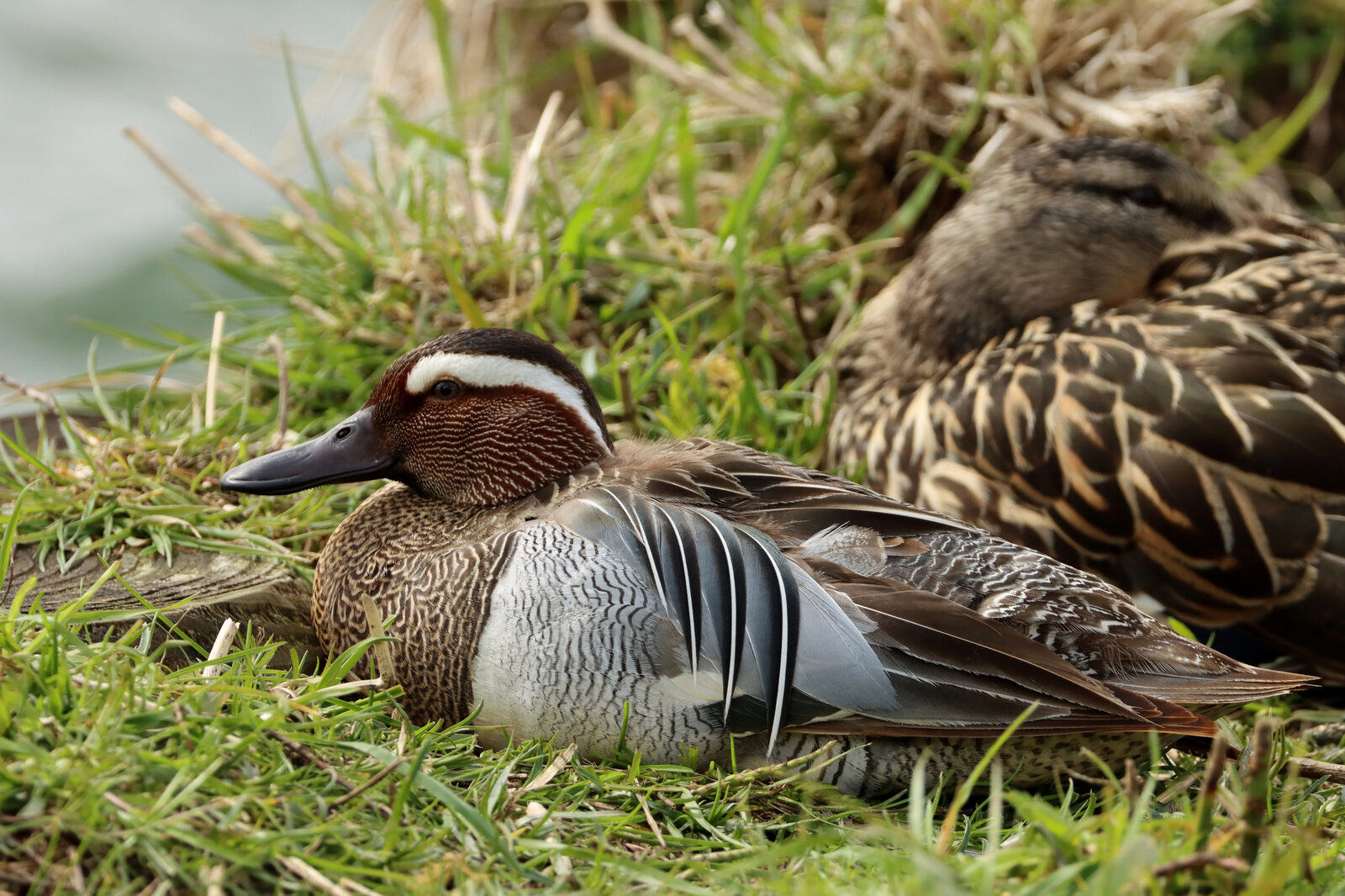
Garganey
Spatula querquedula
A small dabbling duck; the drake has a bold white stripe curving back from the eye.
- Status
- Least Concern IUCN Red List
- Eats
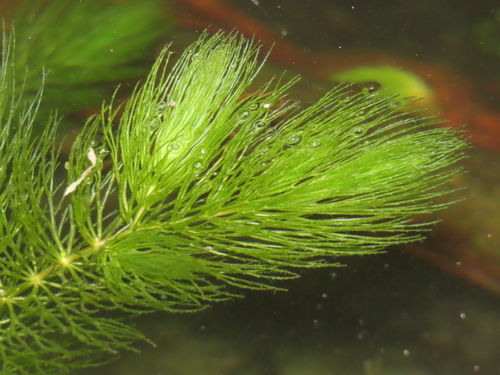
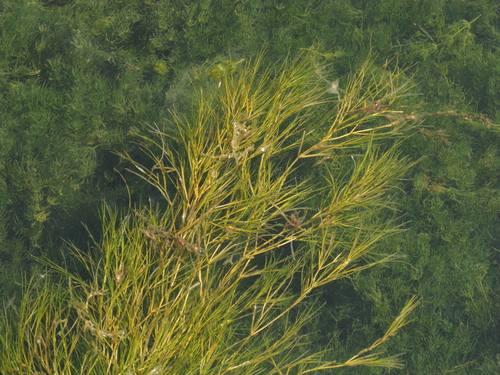
- rigid hornwort, sago pondweed and 0 more
- Eaten by
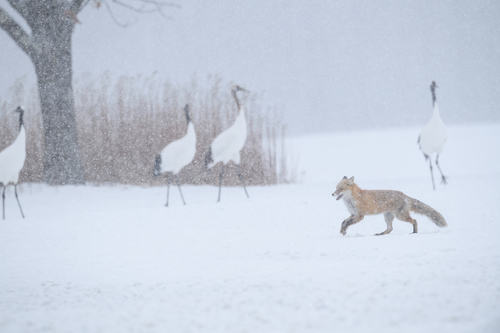
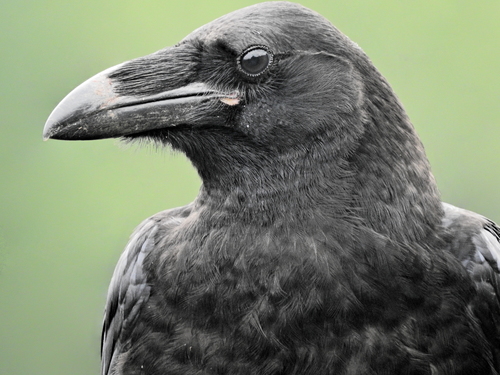
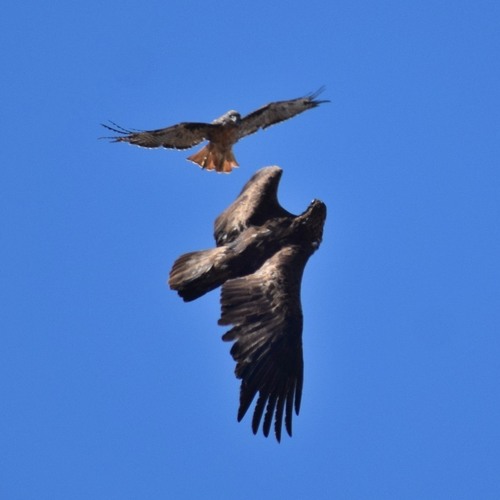
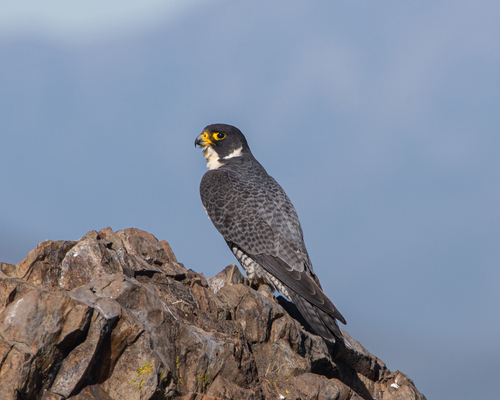
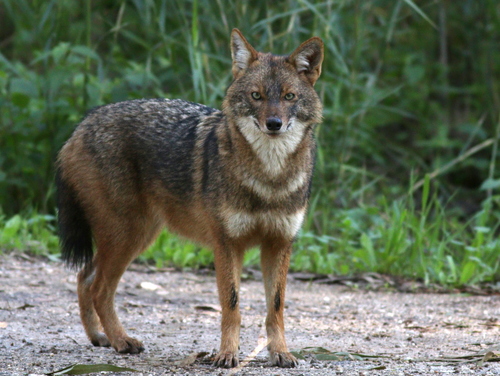
- red fox, northern raven, golden eagle
- Where
- 143 countries
On 4Planet Atlas it is among the wildlife people record most around Amsterdam, Ankara and Athens, and 6 more of the cities we cover.
People have shared 272,825 records of the garganey with GBIF, from 143 countries, most of them from India, United Kingdom and Spain. Records collected by GloBI show it eating 2 different kinds of animals and plants, and being eaten by 6.
What the garganey eats, and what eats it
Studies have recorded it eating 2 kinds of animals and plants, and 6 kinds of animals eating it. Tap any of them to follow the food chain.
- Plants 2
 Garganey
Records from studies worldwide, collected by GloBI. They include animals eaten as carrion, and they are not everything it eats in one place.
Where people see the garganey
People have shared 272,825 records from 143 countries.
Near a city: Amsterdam, Ankara, Athens, Beijing, Delhi, Mumbai, Reykjavík, Stockholm, Warsaw.
Records show where people have seen it and shared it, not its full range. Country names open their page in Atlas.
When it is seen
Records per month in the northern hemisphere. More people outdoors also means more records.
Watch and listen
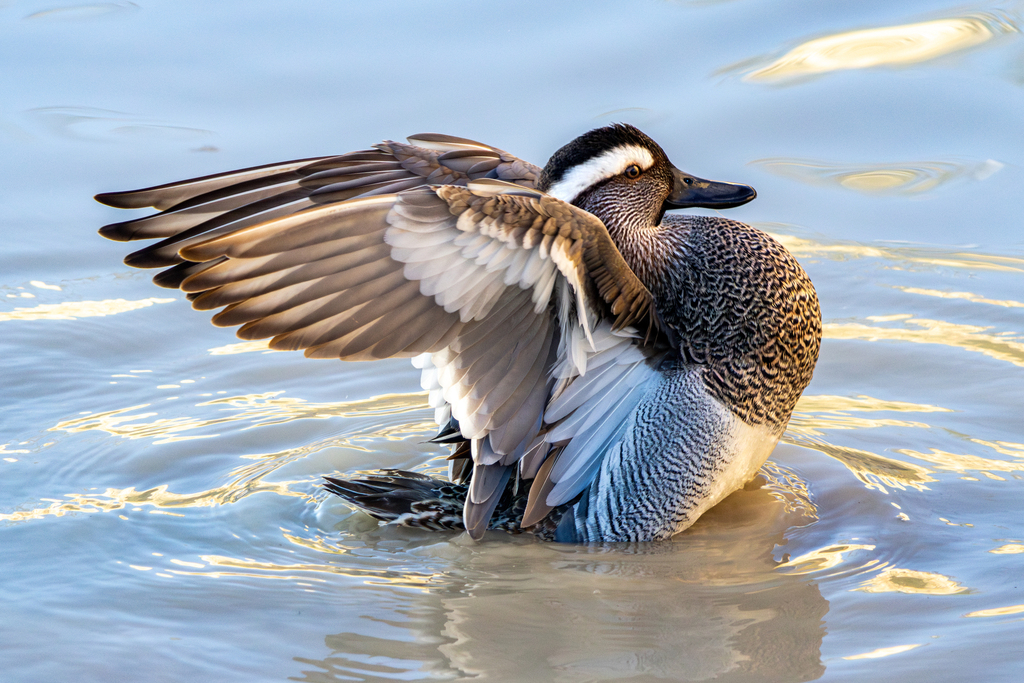
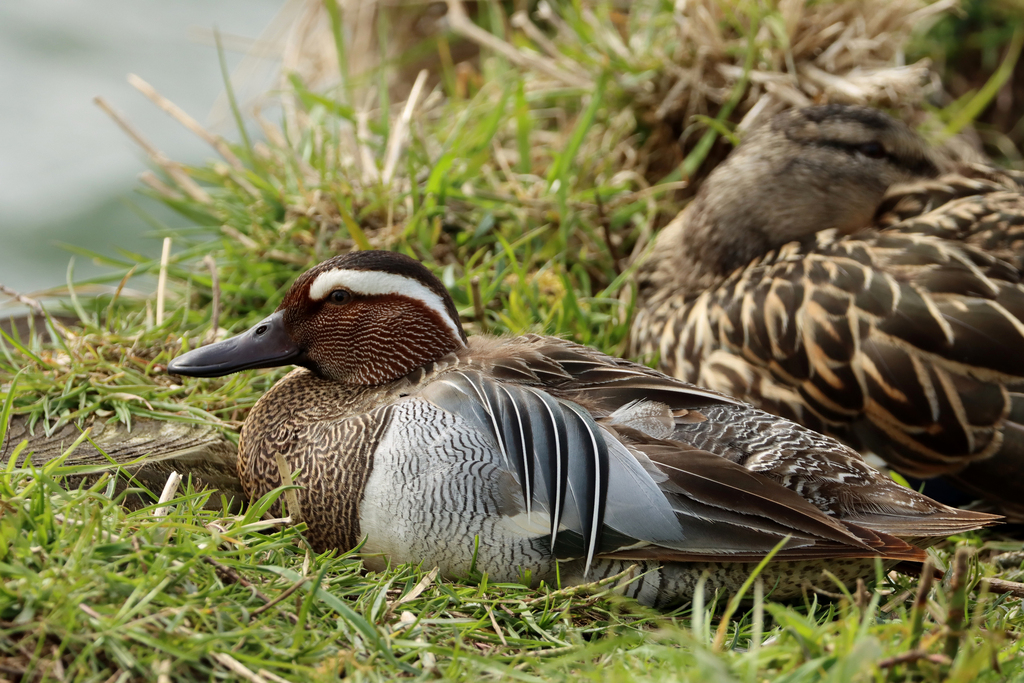
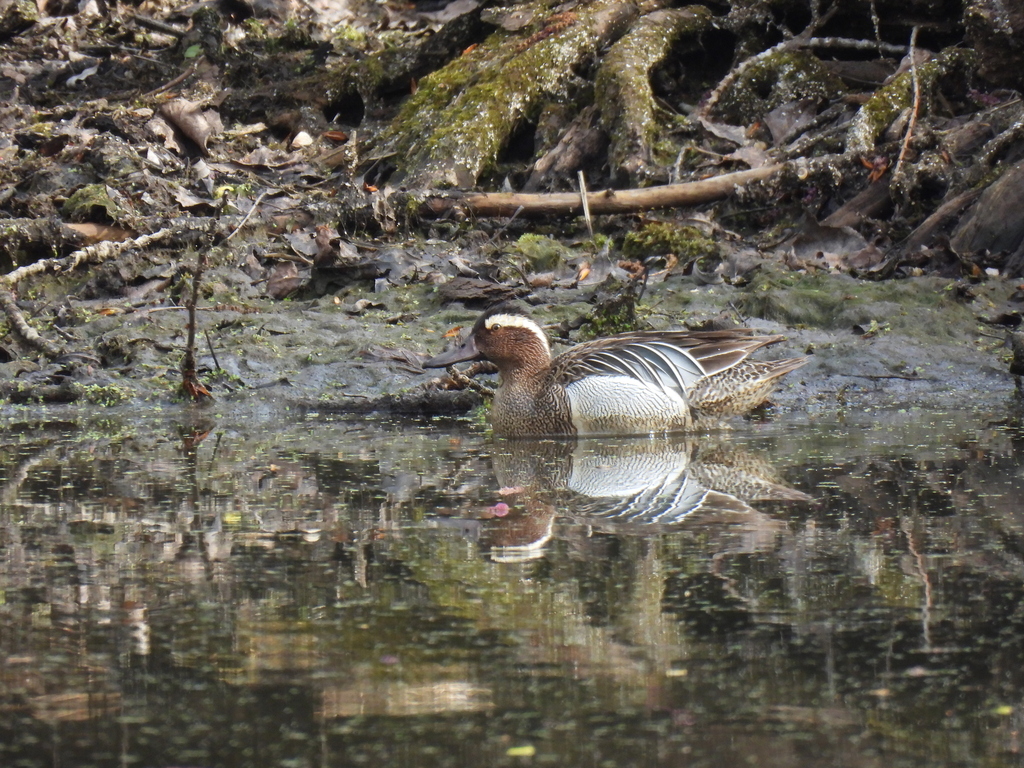
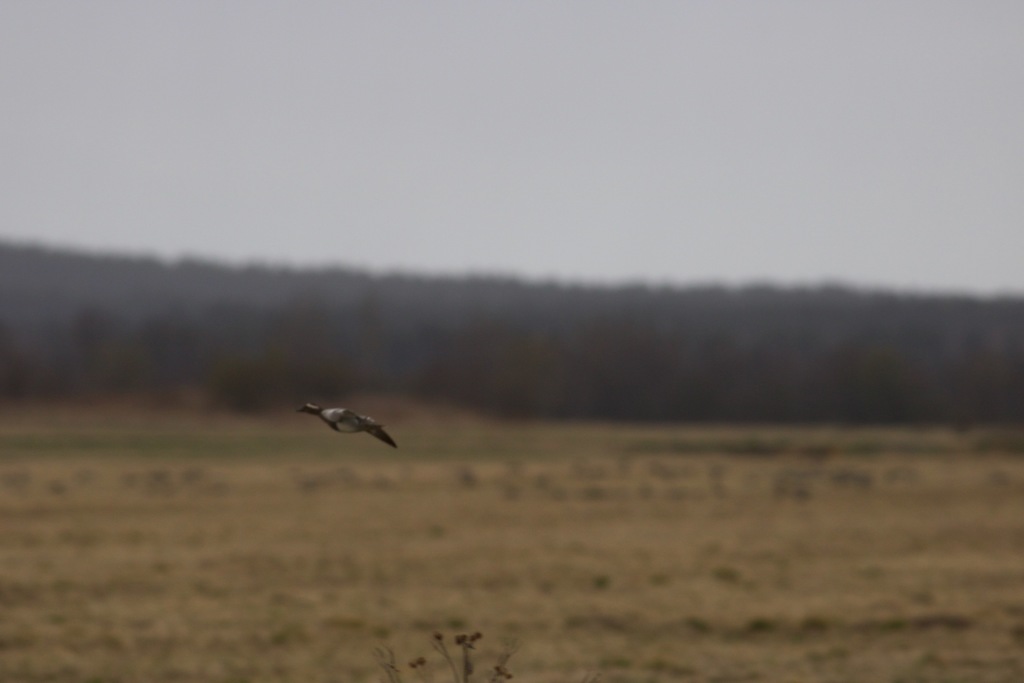
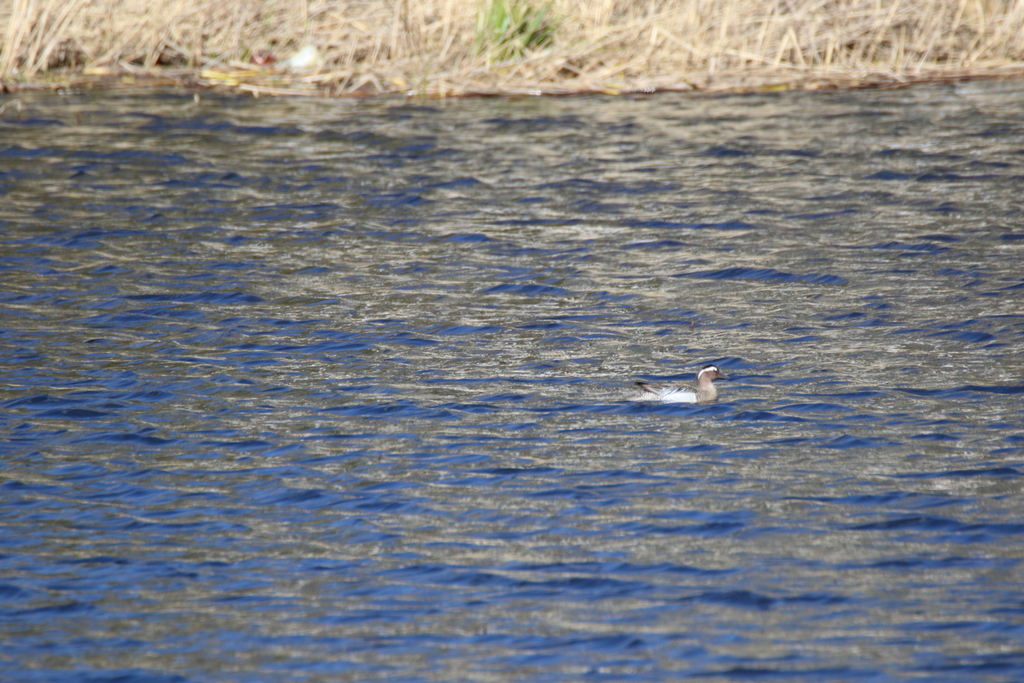
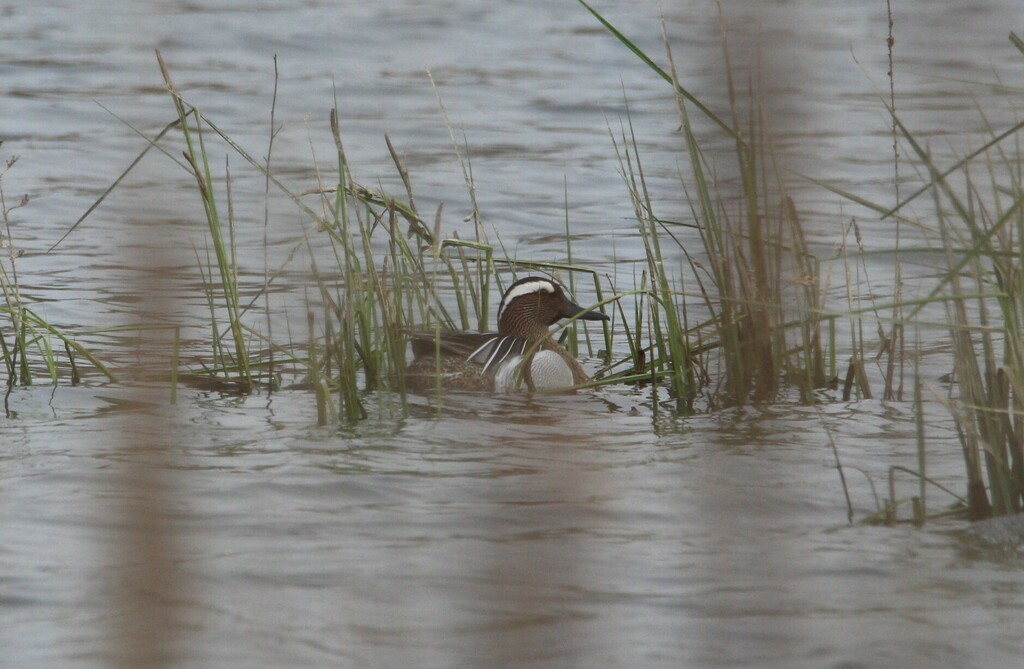
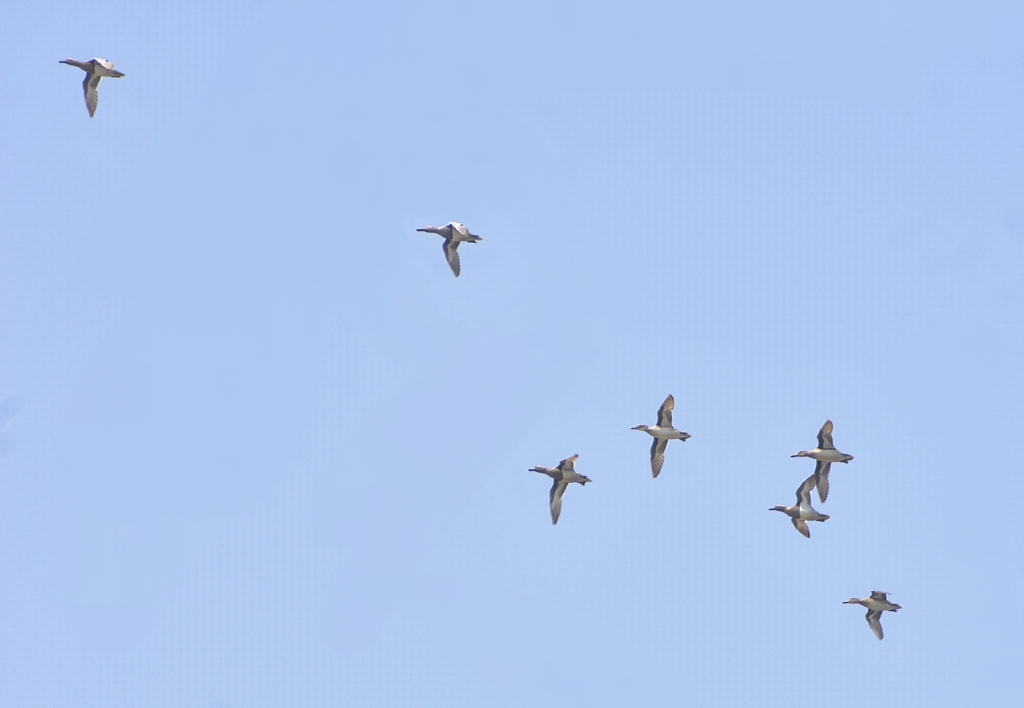
Its closest relatives
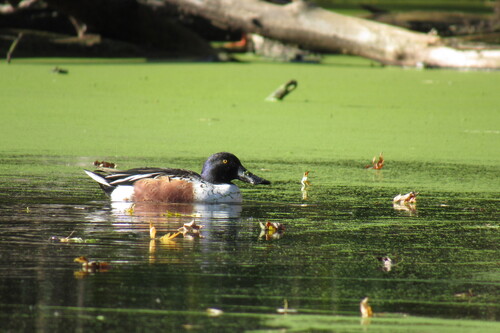
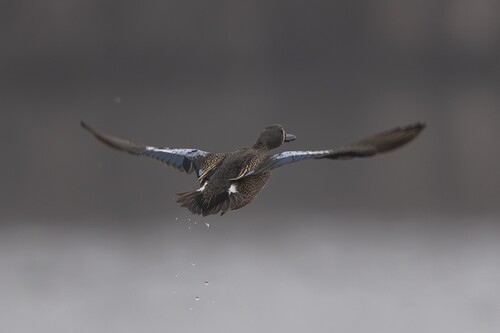
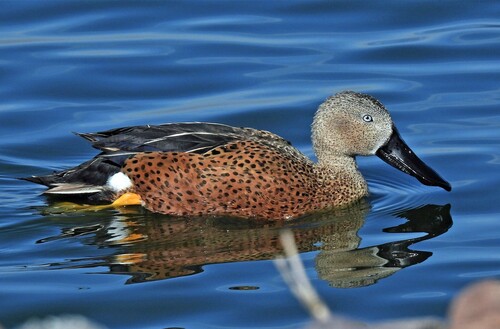
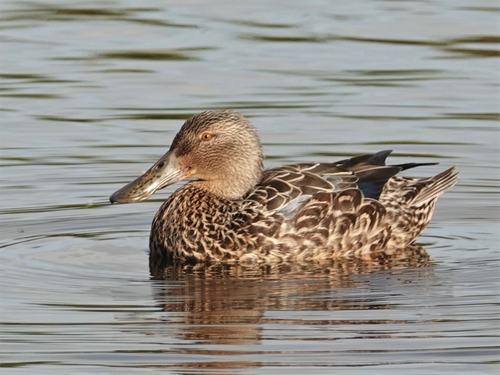
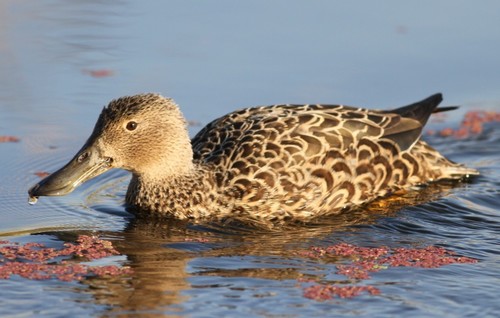
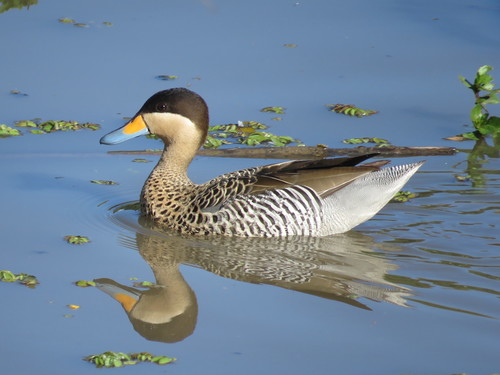
The other species of the genus Spatula.


Seen a garganey?
Share your photo on iNaturalist. Other naturalists help confirm it, and the record goes to GBIF, where scientists use it and where the maps on this page come from.
Questions people ask
What does the garganey eat?
The garganey has been recorded eating 2 different kinds of animals and plants, most of them plants. The ones recorded most often are rigid hornwort and sago pondweed; records include animals eaten as carrion. Source: GloBI.
What eats the garganey?
Recorded predators include red fox, northern raven, golden eagle, peregrine falcon and golden jackal. Source: GloBI.
Where does the garganey live?
People have recorded it in 143 countries; the most records come from India, United Kingdom, Spain, Russia and Germany. Records show where people have seen it, not its full range.
When is the garganey seen most?
In the northern hemisphere, the most records are made in April and the fewest in July. More people outdoors also means more records.
What are the garganey's closest relatives?
It shares the genus Spatula with northern shoveler, blue-winged teal, cinnamon teal, red shoveler and blue-billed teal.
Sources and photo credits
- GBIF · Spatula querquedula, 272,825 human observations
- GloBI · recorded interactions of Spatula querquedula
- Wikidata · Garganey (Q28106902)
- Garganey (Spatula querquedula): Dave, CC BY 4.0
- Garganey (Spatula querquedula), Fray Albino, Sur, 14009 Córdoba, España: Diego González Dopico, CC BY 4.0
- Garganey (Spatula querquedula), Manvers, Wath upon Dearne, Rotherham S63 7GH,: Dave, CC BY 4.0
- Garganey (Spatula querquedula), Ольский р-н, Магаданская обл., Россия: Лариса Артемьева, CC0
- Garganey (Spatula querquedula), Leibnitz, Österreich: Lukas Zangl, CC BY 4.0
- Garganey (Spatula querquedula), Прионежский р-н, Респ. Карелия, Россия: Vsevolod Rudyi, CC BY 4.0
- Garganey (Spatula querquedula), Учалинский р-н, Респ. Башкортостан, Россия: Полина Полежанкина, CC BY 4.0
- Garganey (Spatula querquedula), 83130 La Garde, France: Bastien Le Mort, CC BY 4.0
- Garganey (Spatula querquedula), Kumharo Ki Dhani, Rajasthan, India: Tejas M, CC BY 4.0
- Rigid hornwort: chiuluan, CC BY 4.0
- Sago pondweed: Igor Balashov, CC BY 4.0
- Red fox: Morten Ross, CC BY 4.0
- Northern raven: xulescu_g, CC BY-SA 4.0
- Golden eagle: Anne Parsons, CC0
- Peregrine falcon: Nicolás Villaseca Merino, CC BY-SA 4.0
- Golden jackal: Jan Ebr & Ivana Ebrová, CC BY 4.0
- Northern shoveler: Hal, CC BY-SA 4.0
- Blue-winged teal: Brandon Johnson, CC BY 4.0
- Cinnamon teal: Peter Chen 2.0, CC BY 4.0
- Red shoveler: no rights reserved, uploaded by Hugo Hulsberg, CC0
- Blue-billed teal: nmoorhatch, CC BY 4.0
- Australasian shoveler: Jacqui Geux, CC BY 4.0
- Cape shoveler: Derek Keats, CC BY 4.0
- Silver teal: no rights reserved, uploaded by Diego Carús, CC0
Records show where people have seen and shared the garganey, not its full range, and some countries and months are recorded far more than others. The food web lists interactions that studies have recorded somewhere in the world (GloBI), not everything it eats in one place.
Checked 2026-11-20.