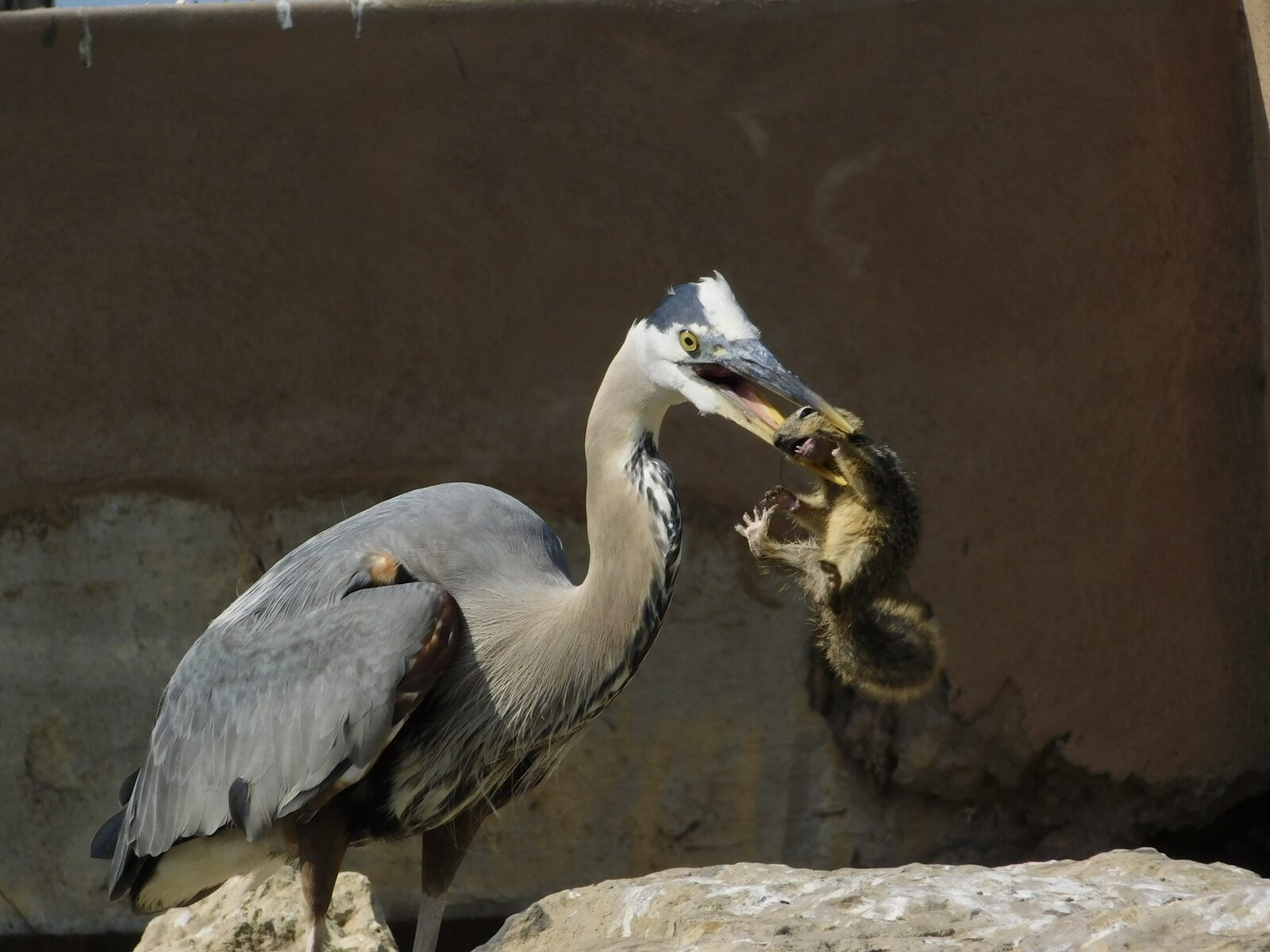
Great blue heron
Ardea herodias
- Status
- Least Concern IUCN Red List
- Eats
- muskrat, brown bullhead, meadow vole and 254 more
- Eaten by
- bald eagle, American alligator, red-tailed hawk
- Where
- 48 countries · everglades
On 4Planet Atlas it is among the wildlife people record most around Basseterre, Bridgetown and Castries, and 16 more of the cities we cover.
People have shared 13,083,566 records of the great blue heron with GBIF, from 48 countries, most of them from United States, Canada and Mexico. Records collected by GloBI show it eating 257 different kinds of animals and plants, and being eaten by 5.
Habitats
What the great blue heron eats, and what eats it
Studies have recorded it eating 257 kinds of animals and plants, and 5 kinds of animals eating it. Tap any of them to follow the food chain.
- Fish 128
- Reptiles 31
- Amphibians 20
- Mammals 19
- Birds 18
- Insects 5
- Crustaceans 5
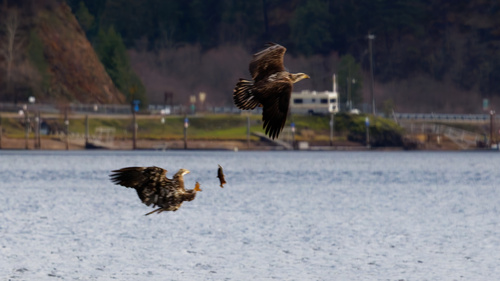
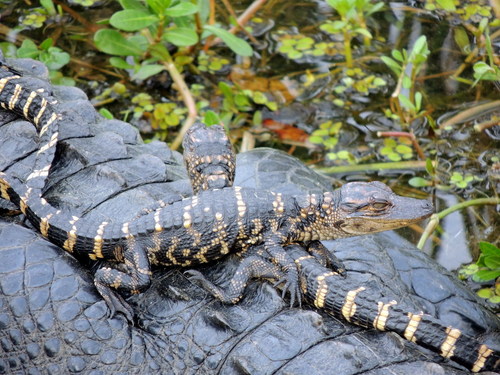
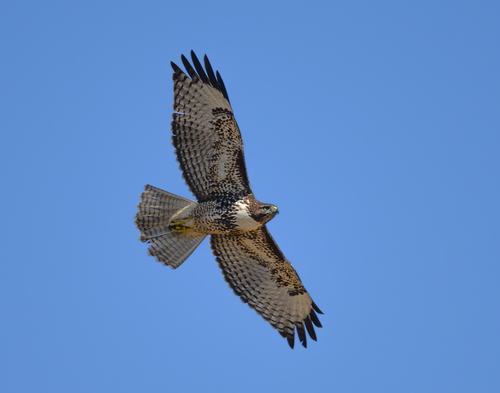
 Great blue heron



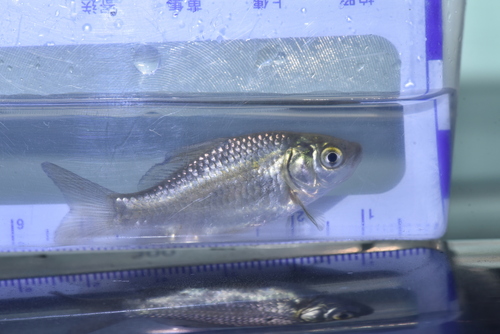

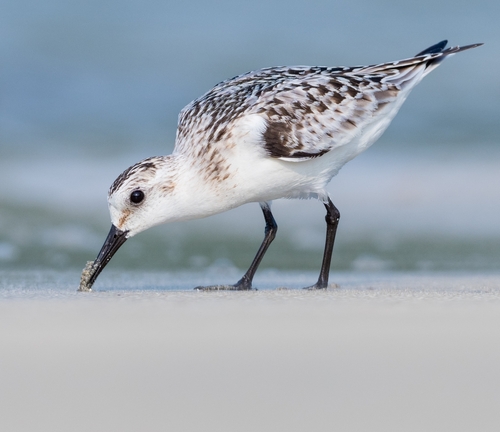

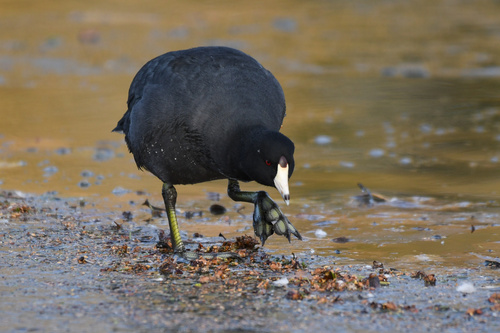
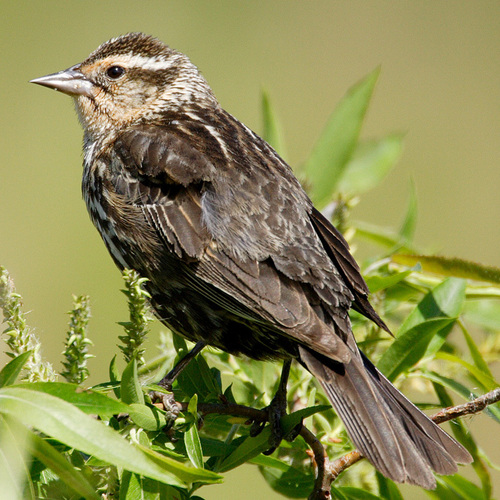
Records from studies worldwide, collected by GloBI. They include animals eaten as carrion, and they are not everything it eats in one place.
Where people see the great blue heron
People have shared 13,083,566 records from 48 countries.
Near a city: Basseterre, Bridgetown, Castries, Havana, Kingston, Kingstown, Managua, Mexico City, Nassau, New York, Ottawa, Port-au-Prince, Roseau, San Salvador, Santo Domingo, St. George's, Toronto, Vancouver, Washington, D.C..
Records show where people have seen it and shared it, not its full range. Country names open their page in Atlas.
When it is seen
Records per month in the northern hemisphere. More people outdoors also means more records.
Watch and listen
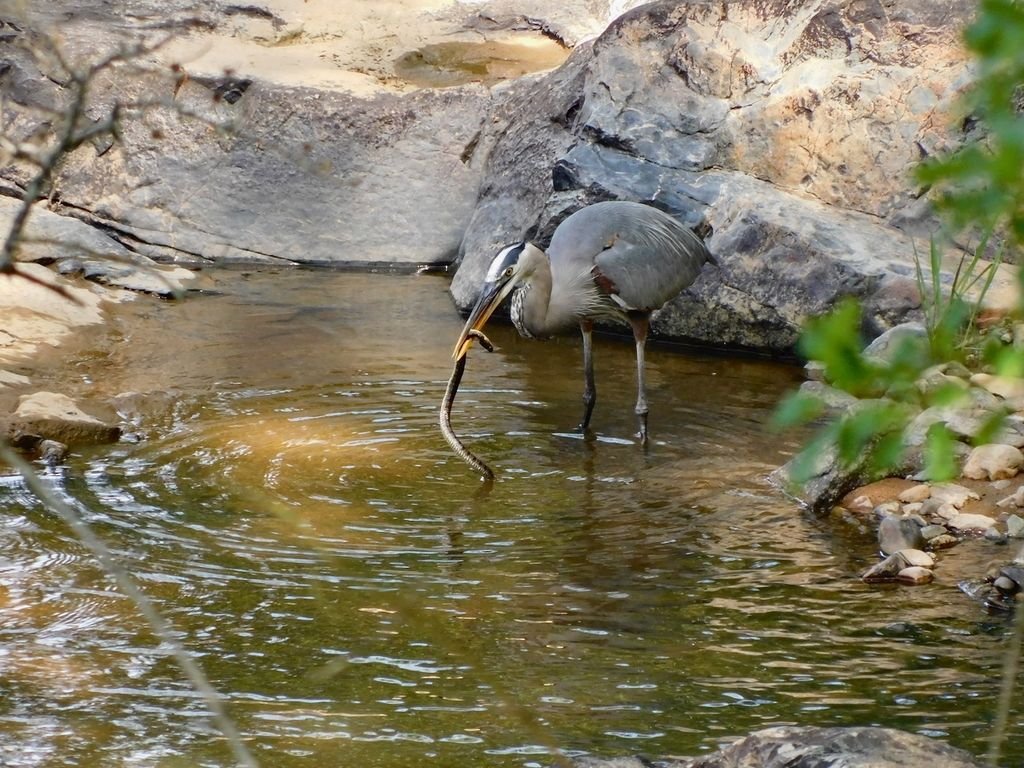
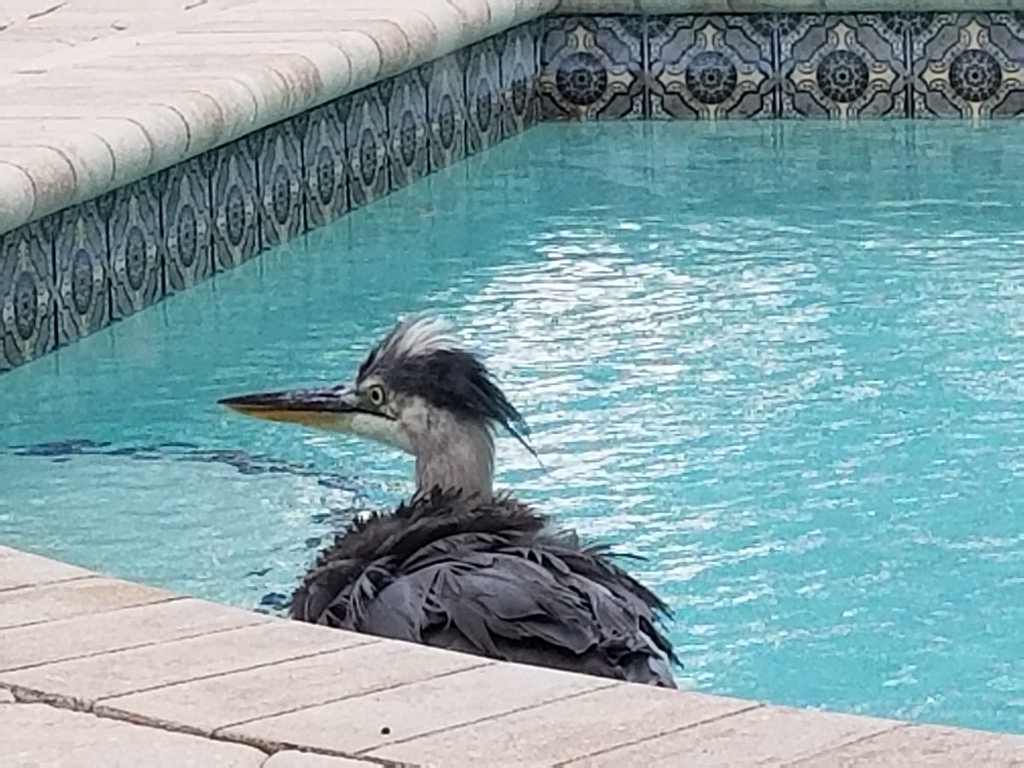
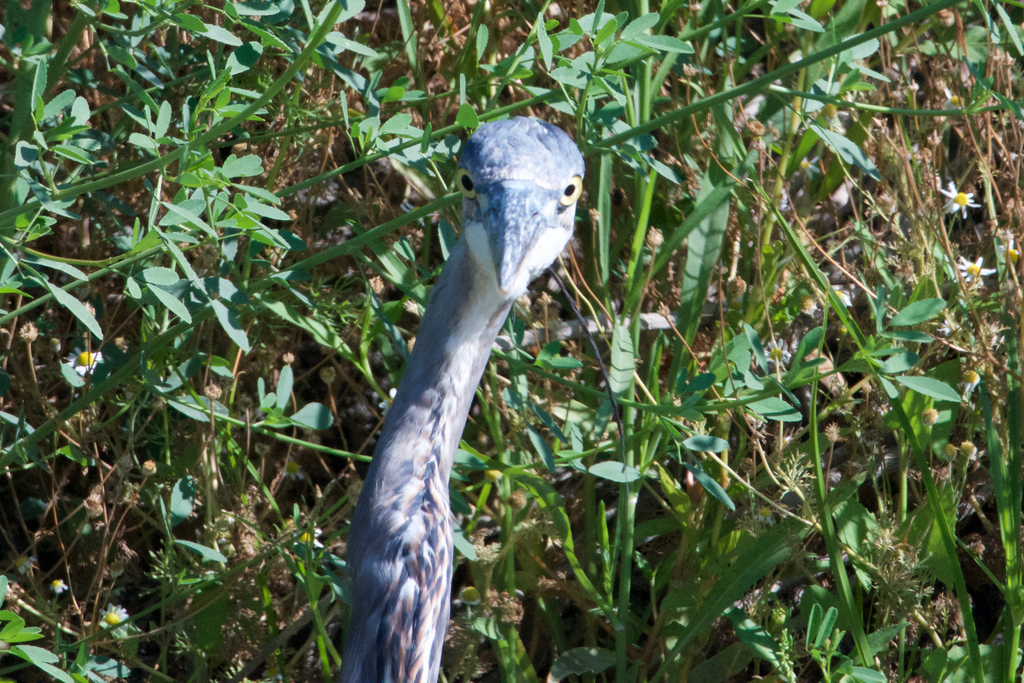
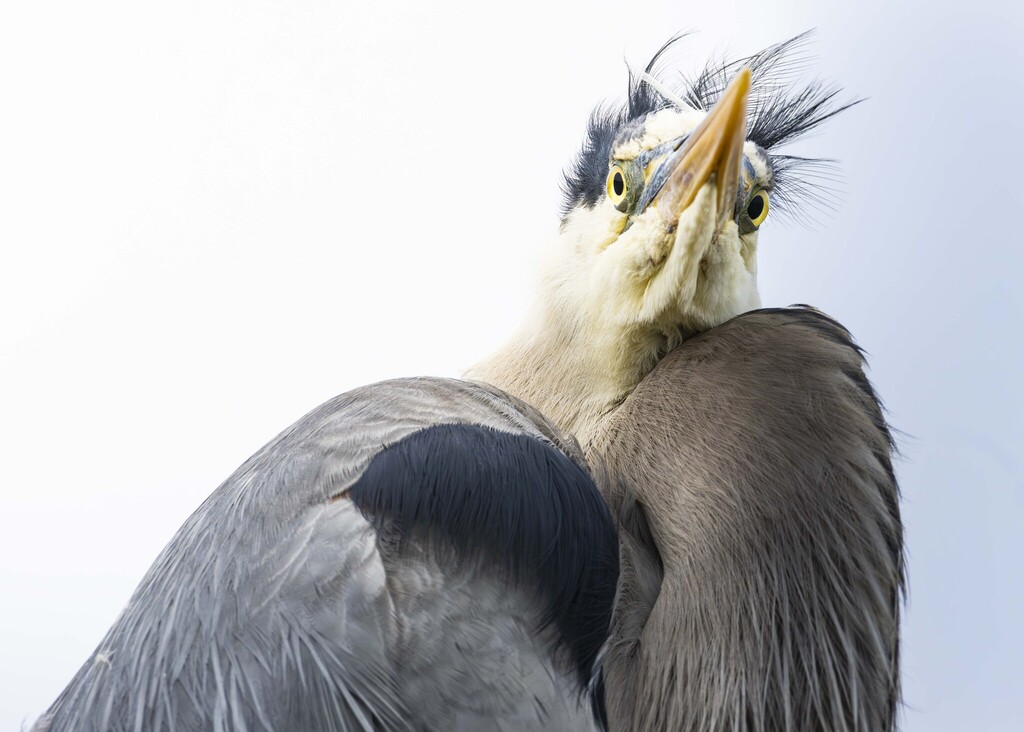
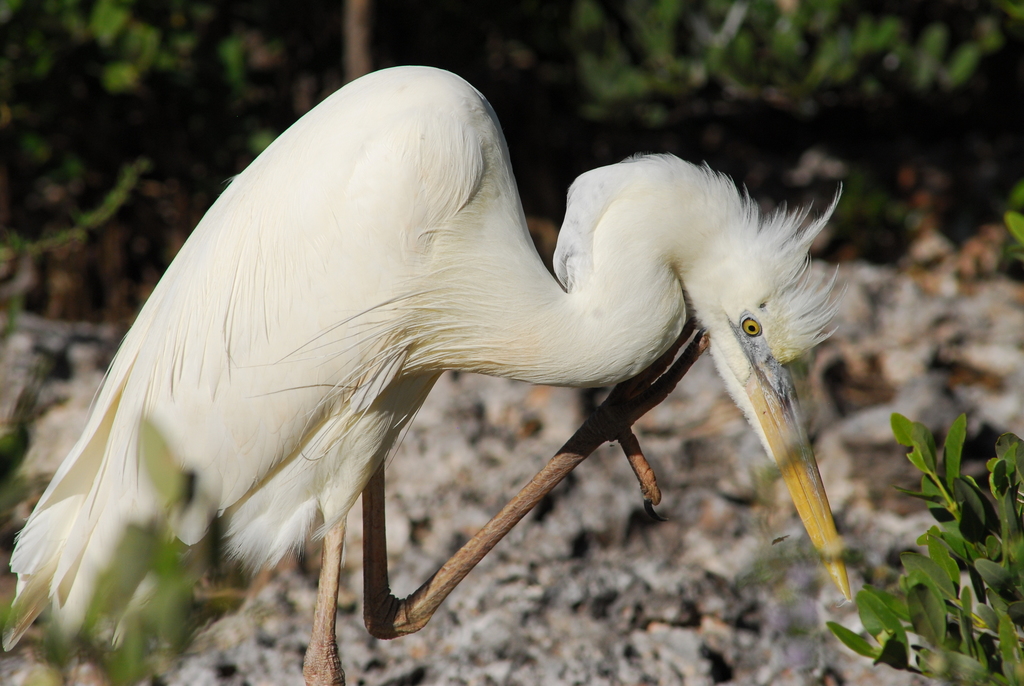
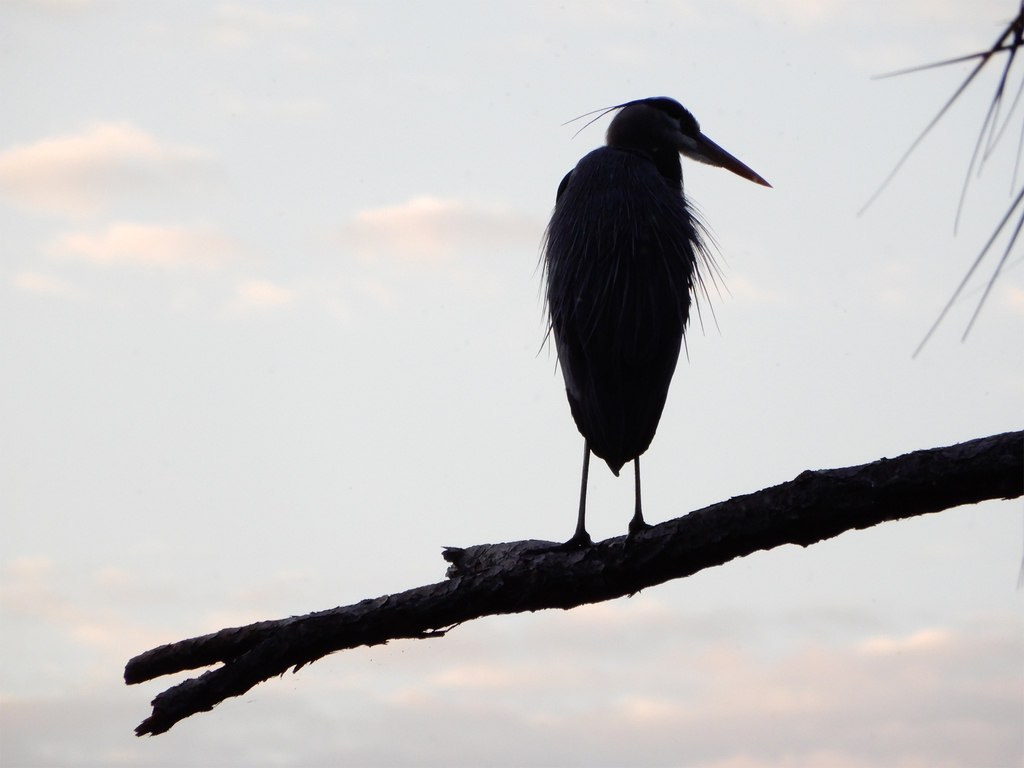
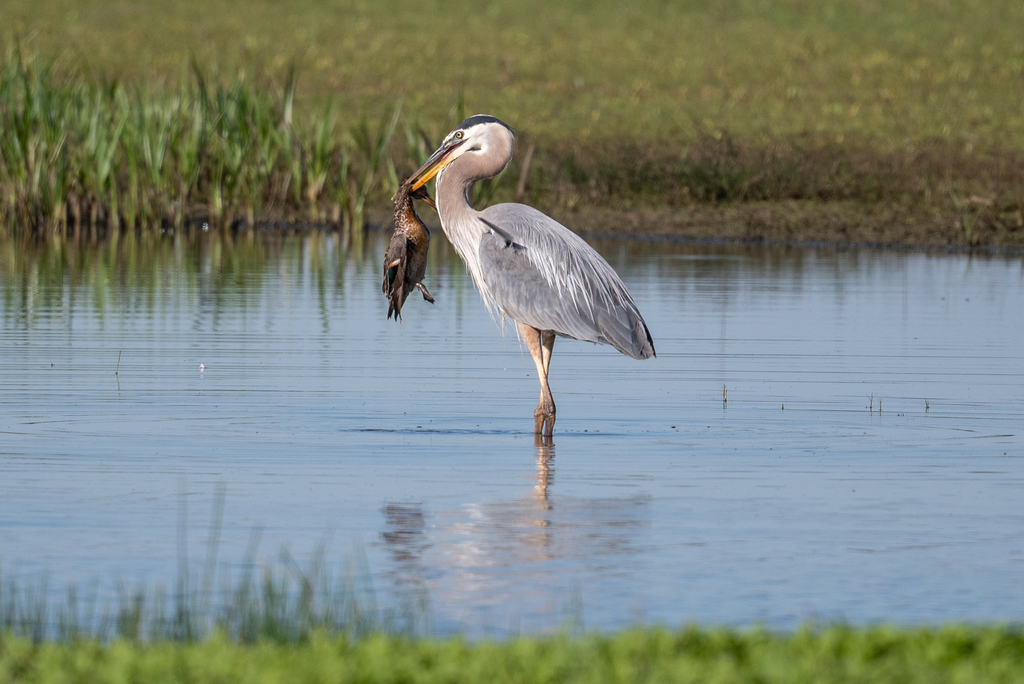
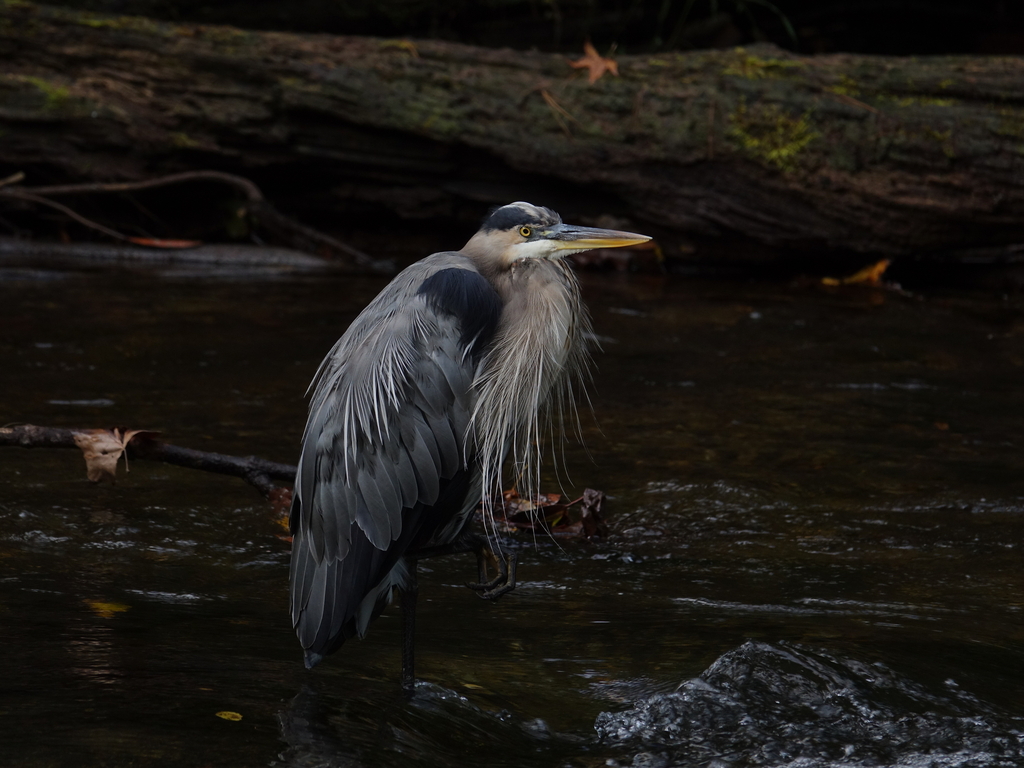
Its closest relatives
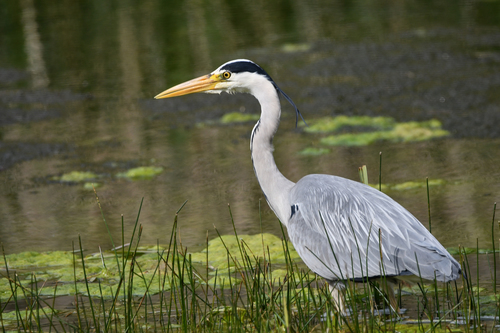
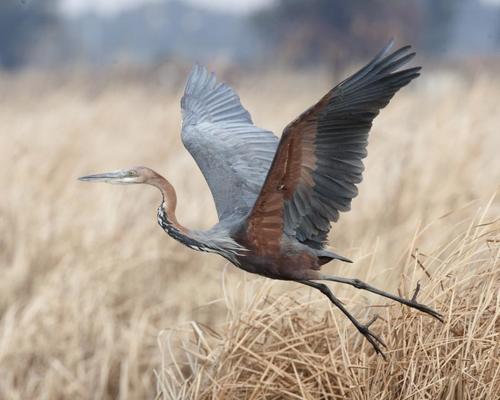
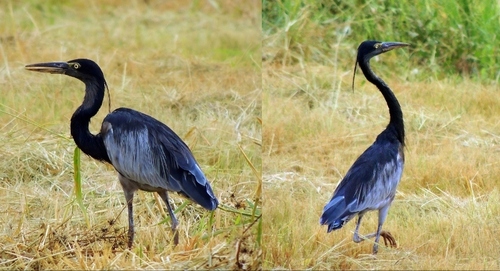
The other species of the genus Ardea.


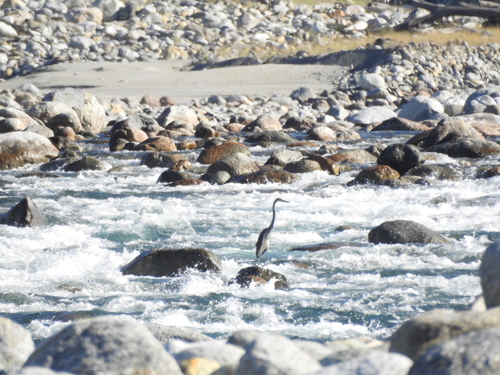
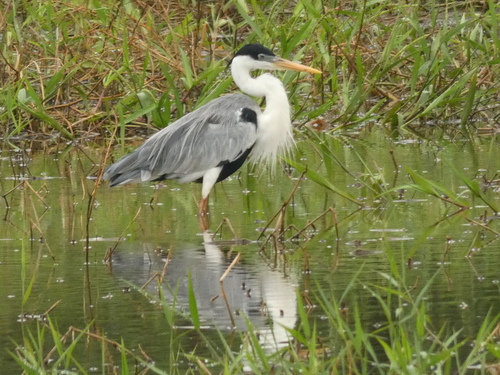
Seen a great blue heron?
Share your photo on iNaturalist. Other naturalists help confirm it, and the record goes to GBIF, where scientists use it and where the maps on this page come from.
Put this species on your site
The card names every source and links back here.
<iframe src="https://4planetatlas.com/place/embed/species/great-blue-heron" title="Great blue heron (Ardea herodias), 4PLANET Species" width="100%" height="600" style="border:0;max-width:640px" loading="lazy"></iframe>
<p><a href="https://4species.com/great-blue-heron">Great blue heron on 4PLANET Species</a></p>Explore next
What puts the great blue heron under pressure, what helps, and who works on it.
Questions people ask
What does the great blue heron eat?
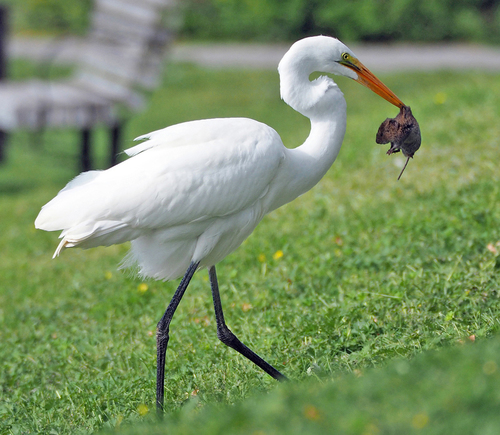
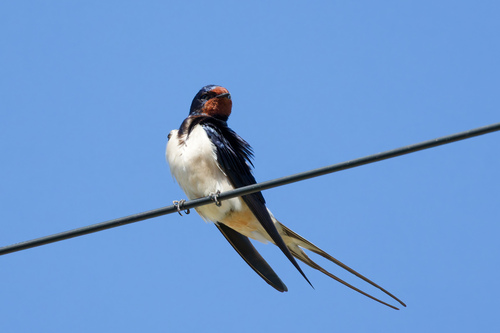
The great blue heron has been recorded eating 257 different kinds of animals and plants, most of them fish, reptiles, amphibians and mammals. The ones recorded most often are muskrat, brown bullhead, meadow vole, longjaw mudsucker and barn swallow; records include animals eaten as carrion. Source: GloBI.
What eats the great blue heron?
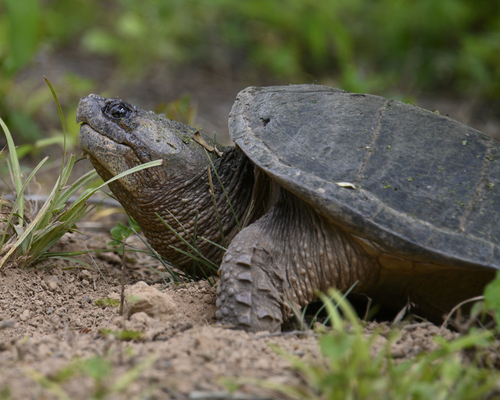
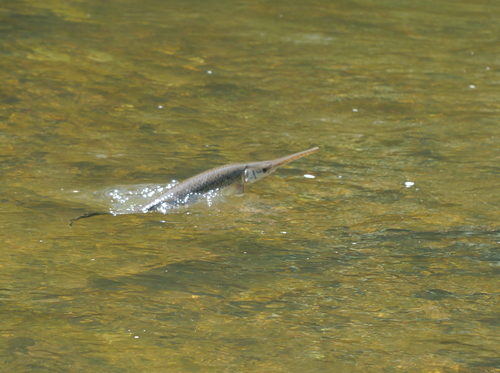
Recorded predators include bald eagle, american alligator, red-tailed hawk, common snapping turtle and longnose gar. Source: GloBI.
Where does the great blue heron live?
People have recorded it in 48 countries; the most records come from United States, Canada, Mexico, Costa Rica and Belize. Records show where people have seen it, not its full range.
When is the great blue heron seen most?
In the northern hemisphere, the most records are made in May and the fewest in February. More people outdoors also means more records.
What are the great blue heron's closest relatives?
It shares the genus Ardea with grey heron, great egret, purple heron, goliath heron and black-headed heron.
Sources and photo credits
- GBIF · Ardea herodias, 13,083,566 human observations
- GloBI · recorded interactions of Ardea herodias
- Wikidata · Great blue heron (Q333796)
- Great blue heron (Ardea herodias): mostbittern, CC BY 4.0
- Great blue heron (Ardea herodias), Old Bynum Bridge, North Carolina 27312, USA: Michael J. Papay, CC BY 4.0
- Great blue heron (Ardea herodias), 312 Iris St, Anna Maria, FL 34216, USA: Morgan Hay, CC BY 4.0
- Great blue heron (Ardea herodias), Yolo County, CA, USA: Jonathan Eisen, CC BY 4.0
- Great blue heron (Ardea herodias), Marin County, CA, USA: Brooke J., CC BY 4.0
- Great blue heron (Ardea herodias), Monroe County, FL, USA: Tom Kennedy, CC BY 4.0
- Great blue heron (Ardea herodias), Sebastian, FL, USA: Lyndsey, CC BY 4.0
- Great blue heron (Ardea herodias), Yolo County, CA, USA: Jonathan Eisen, CC BY 4.0
- Great blue heron (Ardea herodias), Blount County, TN, USA: Brighton Lee, CC0
- Muskrat: Owen Strickland, CC BY 4.0
- Brown bullhead: Ken-ichi Ueda, CC BY 4.0
- Meadow vole: Gordon Johnston, CC BY-SA 4.0
- Longjaw mudsucker: Zack Abbey, CC BY 4.0
- Barn swallow: Donald Davesne, CC BY 4.0
- Goldfish: Yung-Lun Lin, CC BY 4.0
- Pike: Dirk Godlinski, CC BY-SA 4.0
- Sanderling: Marco Chan, CC BY 4.0
- American alligator: no rights reserved, uploaded by Vijay Barve, CC0
- Three-spined stickleback: Kasper Malmberg, CC BY 4.0
- American coot: Justin Flint, CC BY 4.0
- Red-winged blackbird: anonymous, CC BY-SA 4.0
- Bald eagle: Daughter Dad, CC BY 4.0
- Red-tailed hawk: no rights reserved, uploaded by Claude Lyneis, CC0
- Common snapping turtle: lwolfartist, CC BY 4.0
- Longnose gar: Matt Muir, CC BY 4.0
- Grey heron: Frank Sengpiel, CC BY 4.0
- Great egret: Shiva Shenoy, CC BY 4.0
- Purple heron: Imran Shah, CC BY-SA 4.0
- Goliath heron: Lip Kee, bazı hakları saklıdır (CC BY-SA), CC BY-SA 4.0
- Black-headed heron: i_c_riddell, CC BY 4.0
- Great-billed heron: Christoph Moning, CC BY 4.0
- White-bellied heron: Rohit Naniwadekar, CC BY 4.0
- Cocoi heron: Luis G Restrepo, CC BY 4.0
Records show where people have seen and shared the great blue heron, not its full range, and some countries and months are recorded far more than others. The food web lists interactions that studies have recorded somewhere in the world (GloBI), not everything it eats in one place.
Checked 2026-11-23.