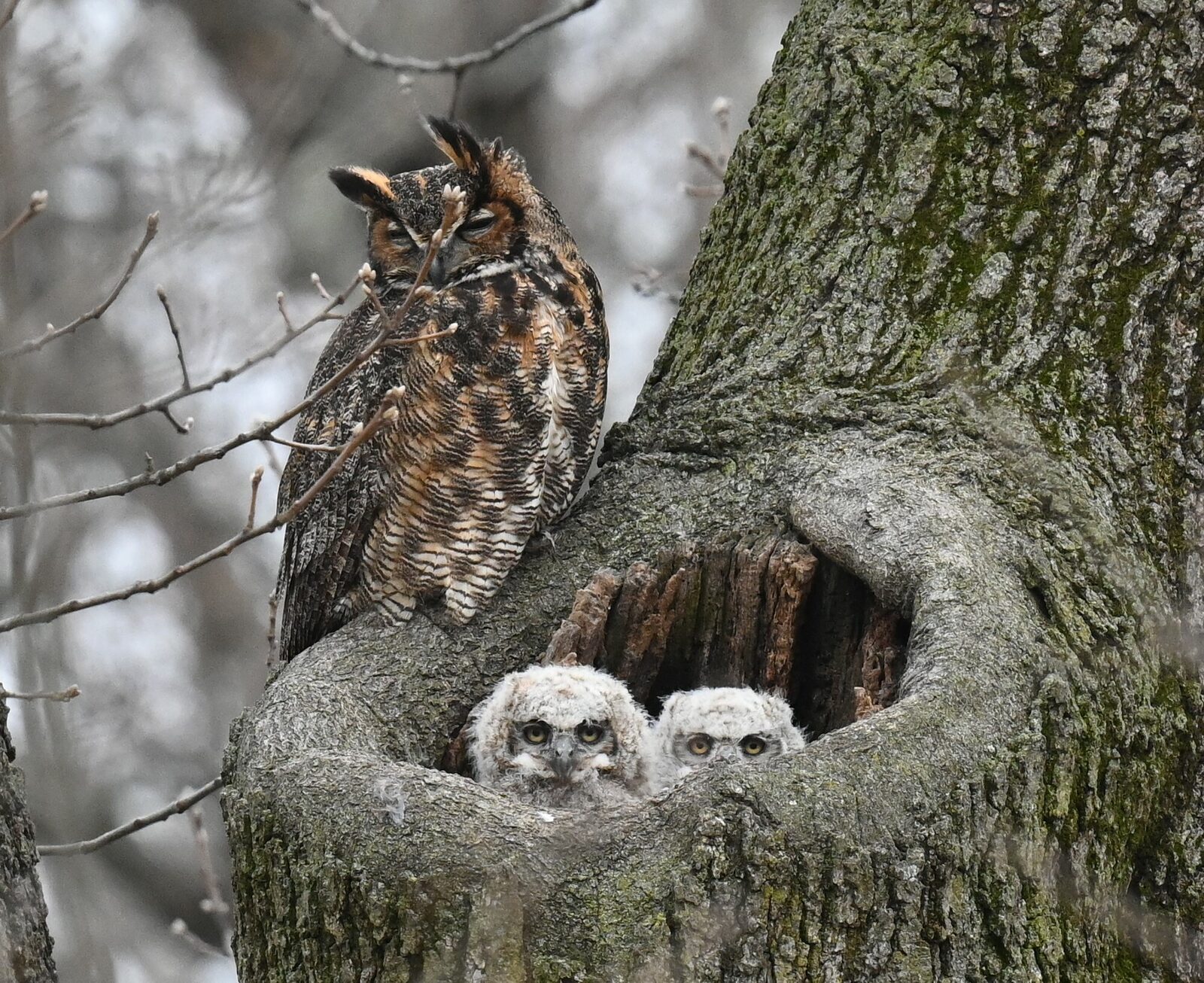
Great Horned Owl
Bubo virginianus
- Status
- Least Concern IUCN Red List
- Eats
- snowshoe hare, American red squirrel, muskrat and 277 more
- Eaten by
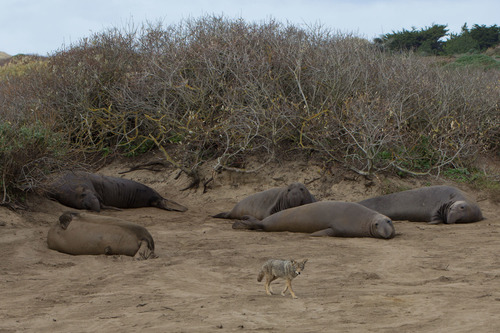
- coyote
- Where
- 22 countries
On 4Planet Atlas it is among the wildlife people record most around Atlanta, Boston and Chicago, and 2 more of the cities we cover.
People have shared 1,522,688 records of the Great Horned Owl with GBIF, from 22 countries, most of them from United States, Canada and Mexico. Records collected by GloBI show it eating 280 different kinds of animals and plants, and being eaten by 1.
What the great Horned Owl eats, and what eats it
Studies have recorded it eating 280 kinds of animals and plants, and 1 kinds of animals eating it. Tap any of them to follow the food chain.
- Mammals 127
- Birds 125
- Reptiles 15
- Amphibians 4
- Fish 3
- Plants 1
Eaten by
 Great Horned Owl
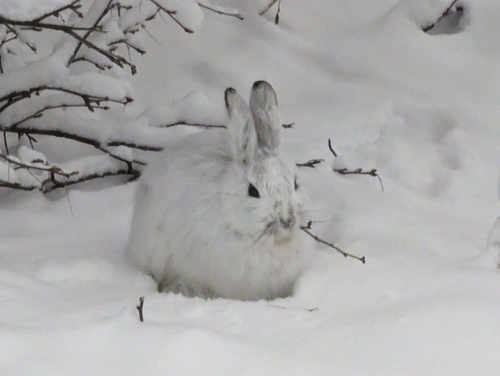
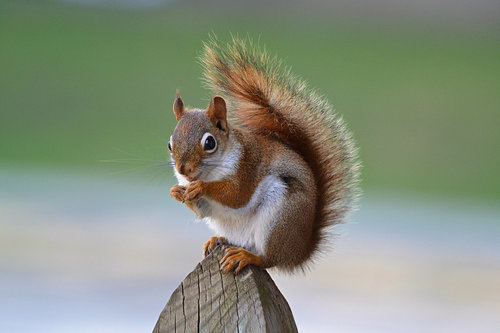

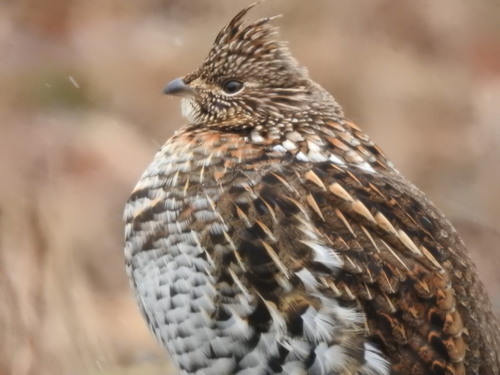

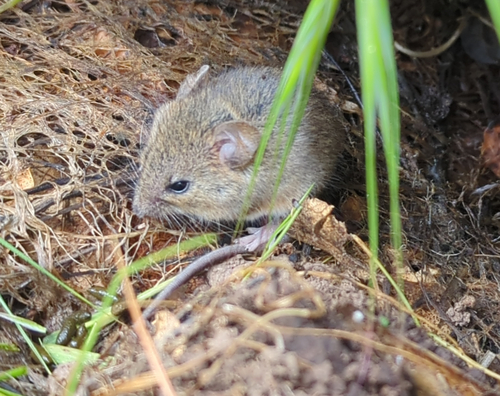
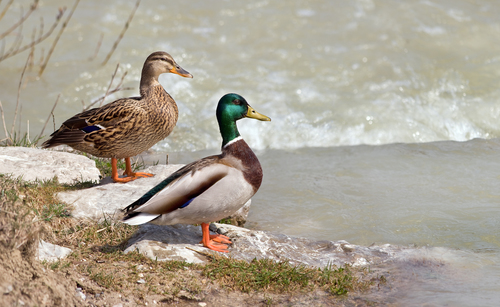
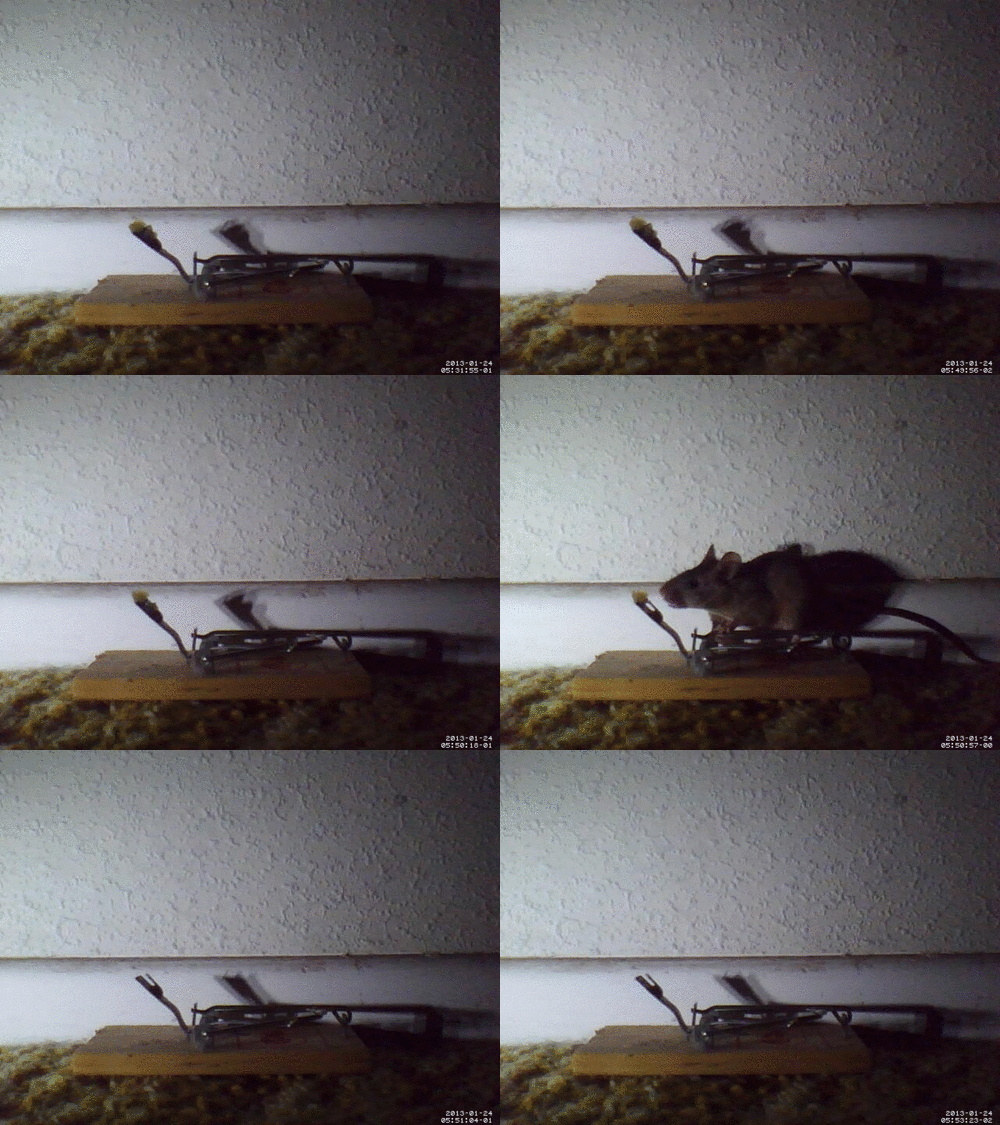
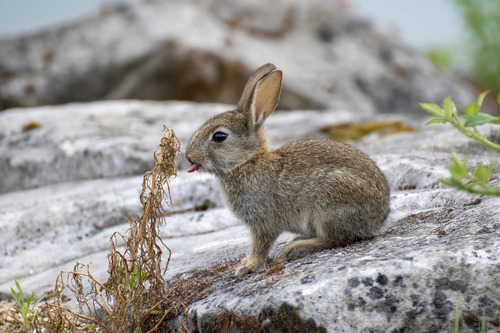
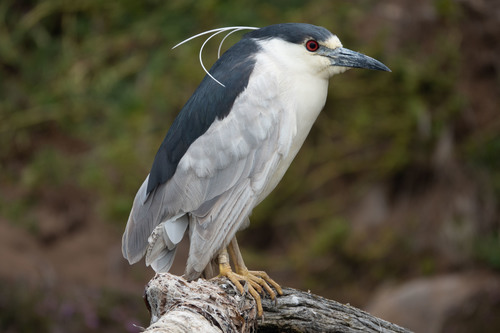
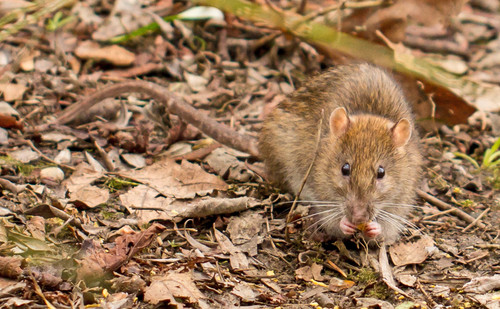
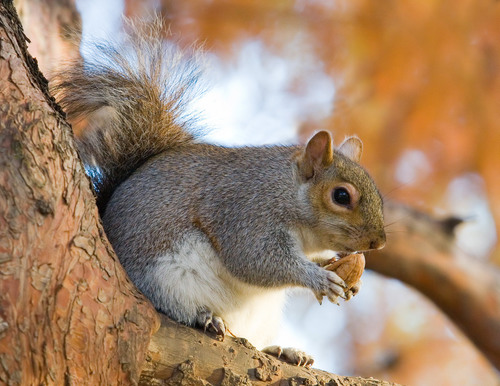
Records from studies worldwide, collected by GloBI. They include animals eaten as carrion, and they are not everything it eats in one place.
Where people see the great Horned Owl
People have shared 1,522,688 records from 22 countries.
Near a city: Atlanta, Boston, Chicago, Georgetown, San Francisco.
Records show where people have seen it and shared it, not its full range. Country names open their page in Atlas.
When it is seen
Records per month in the northern hemisphere. More people outdoors also means more records.
Watch and listen
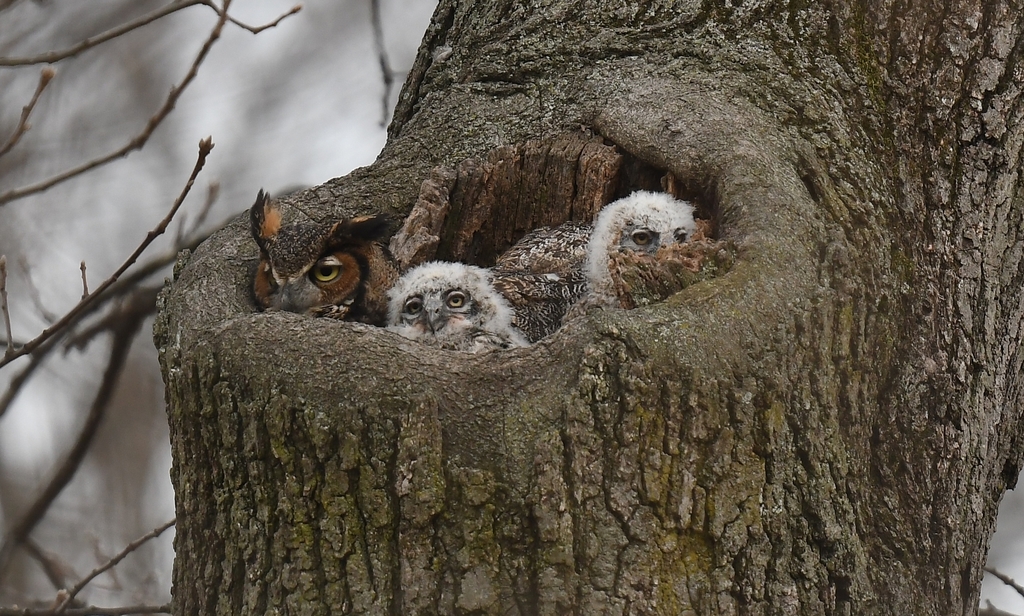
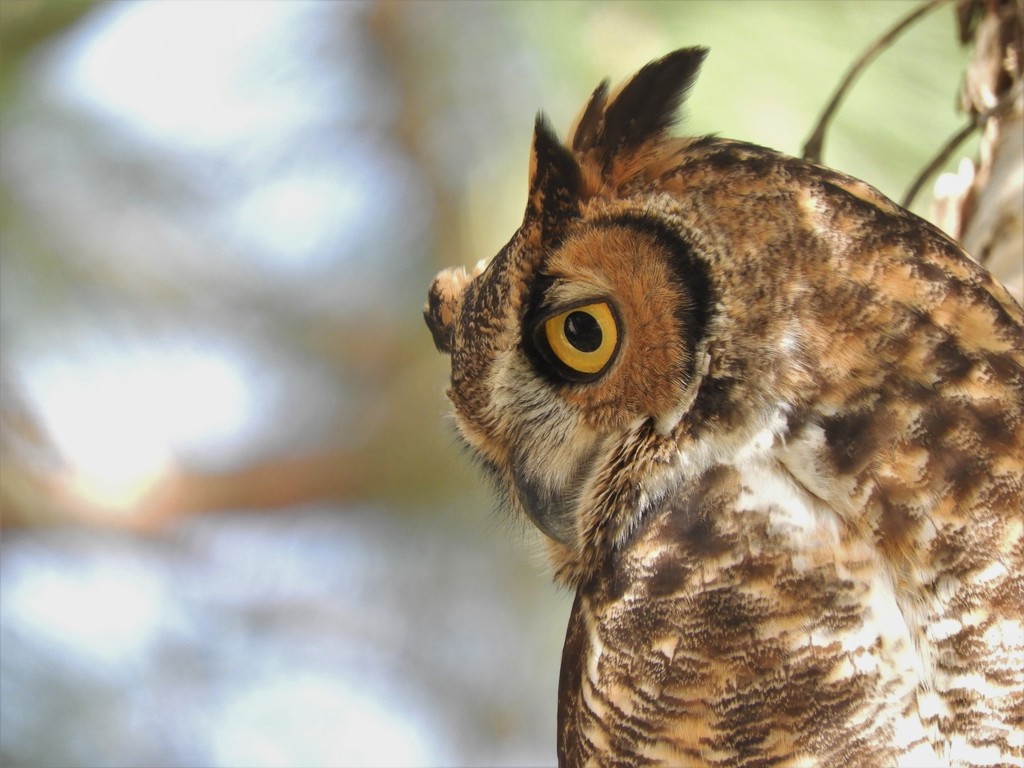
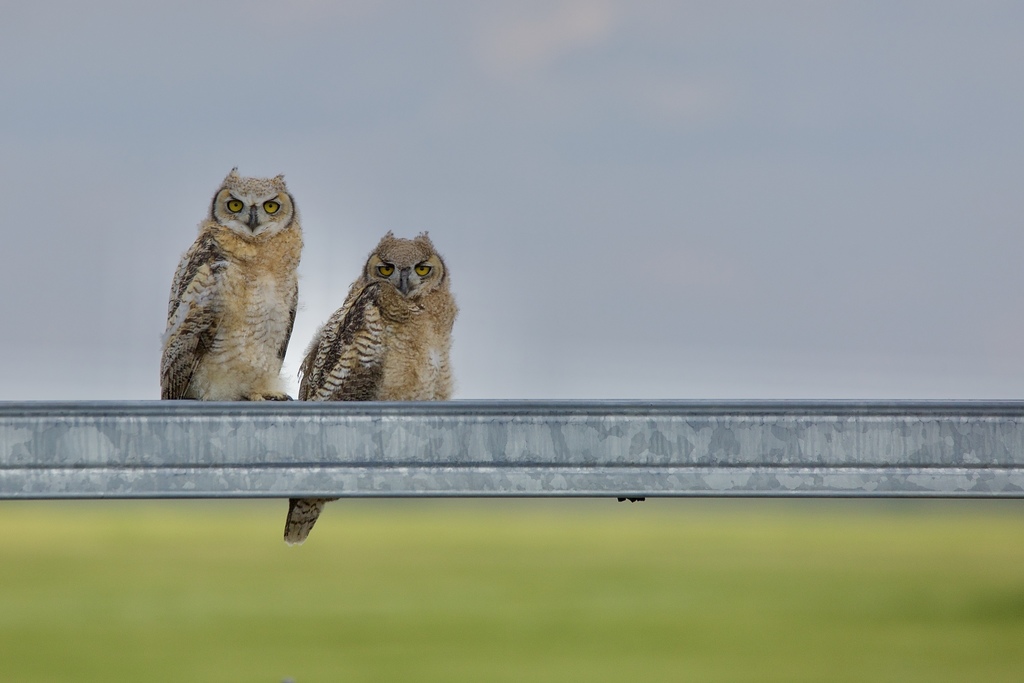
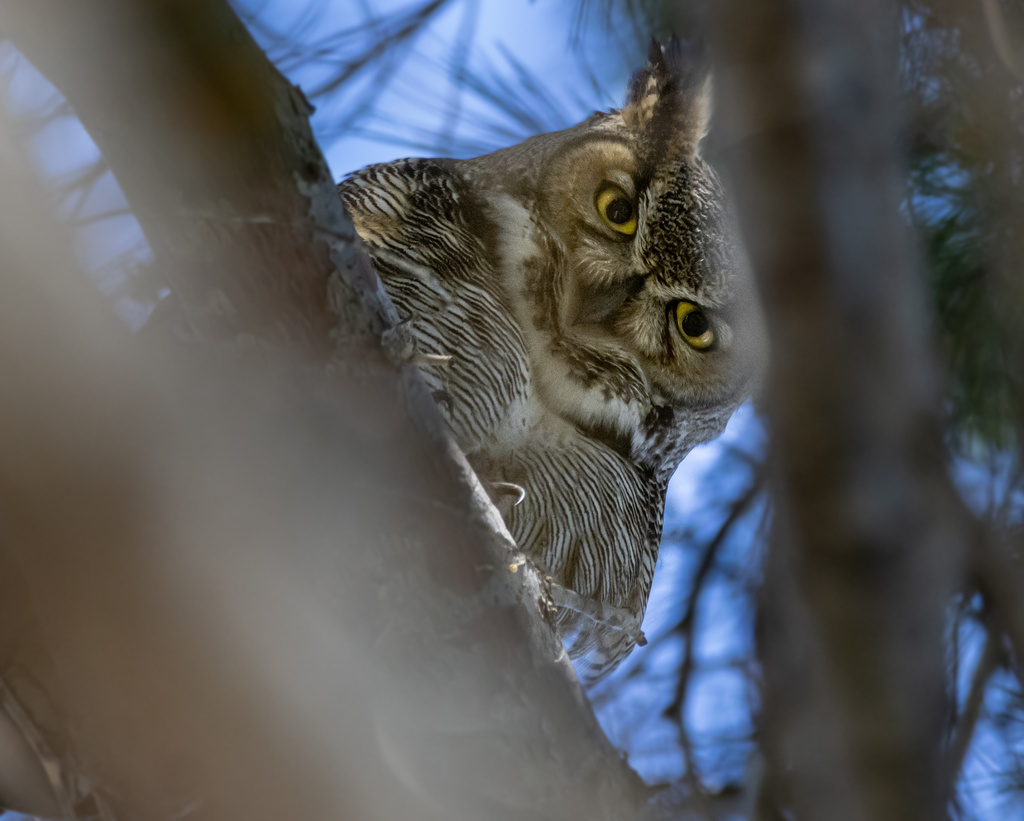
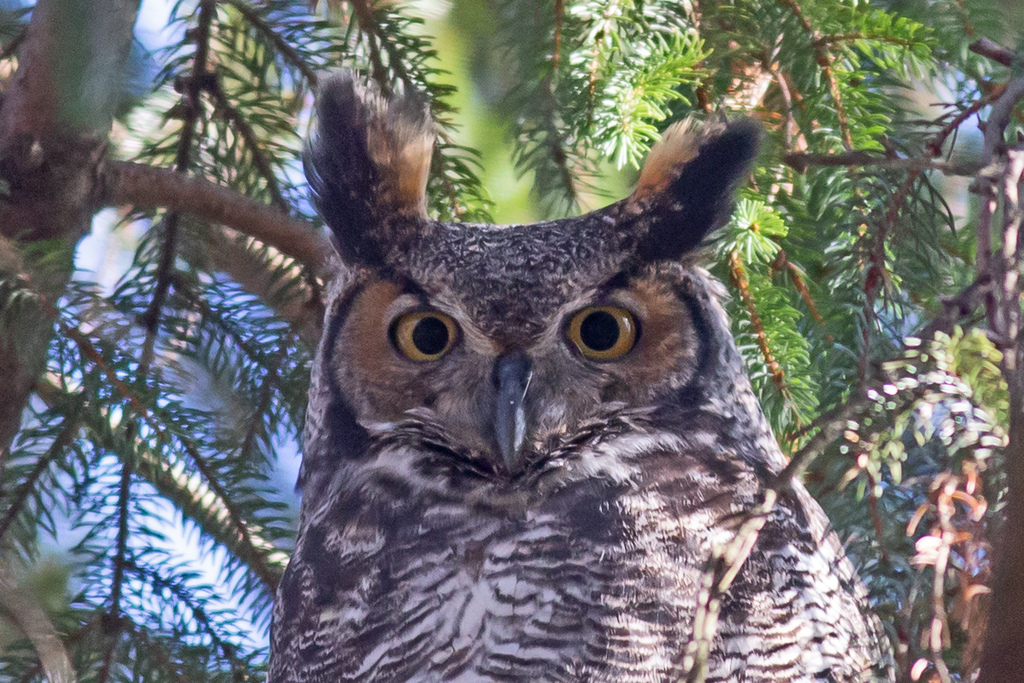
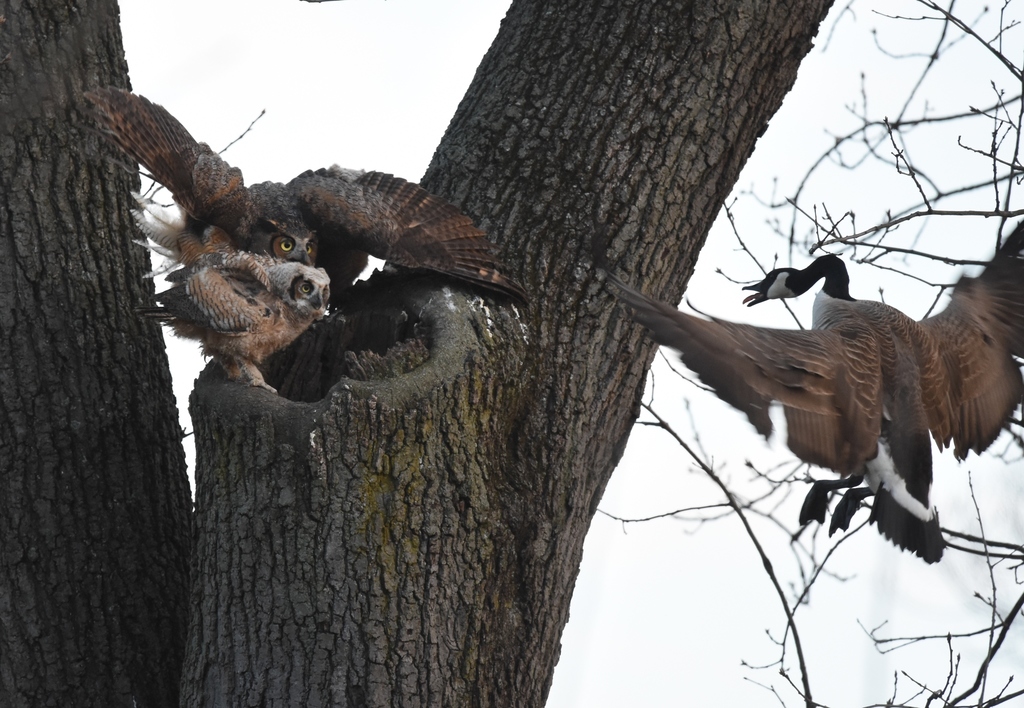
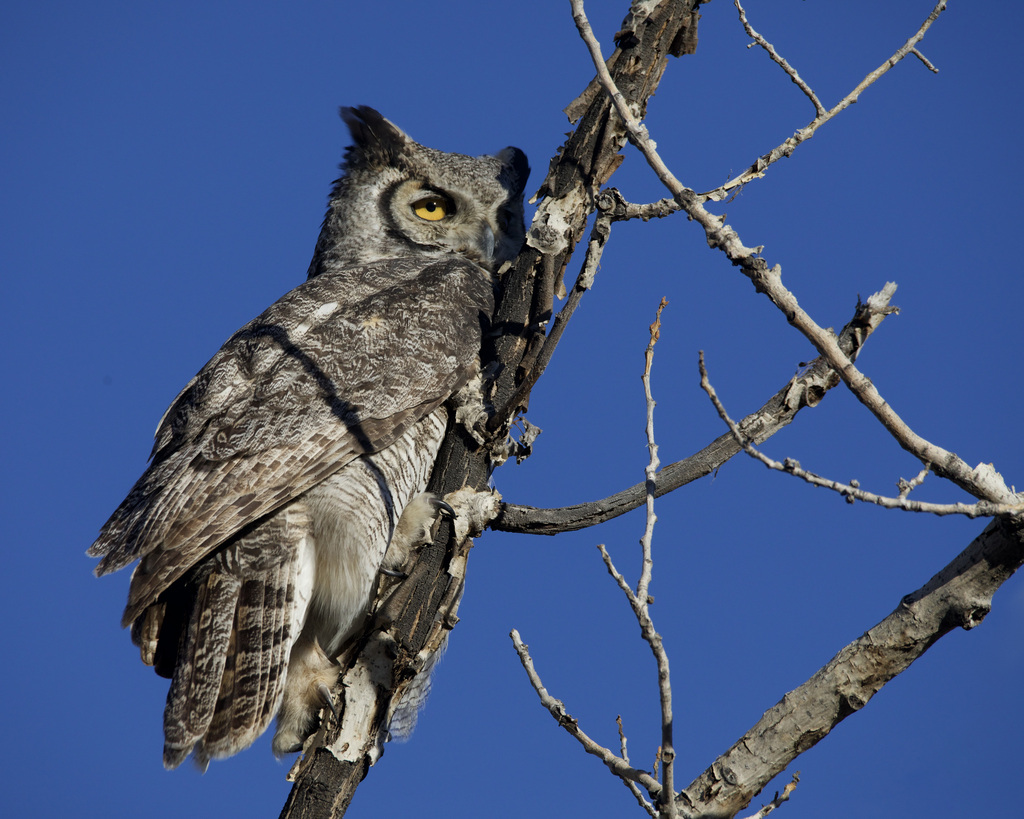
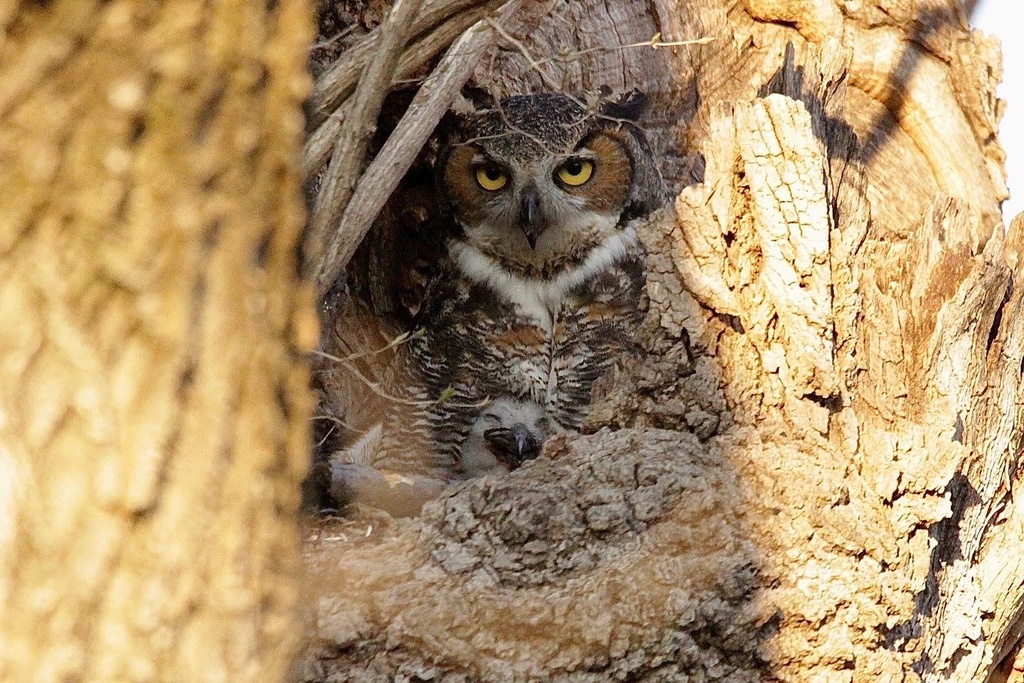
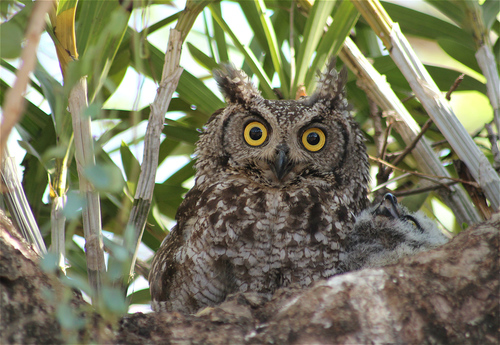
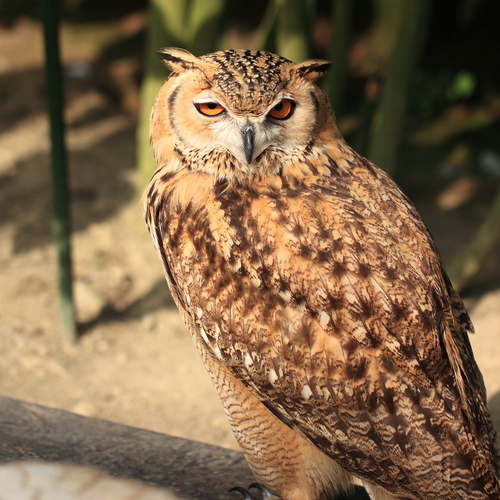
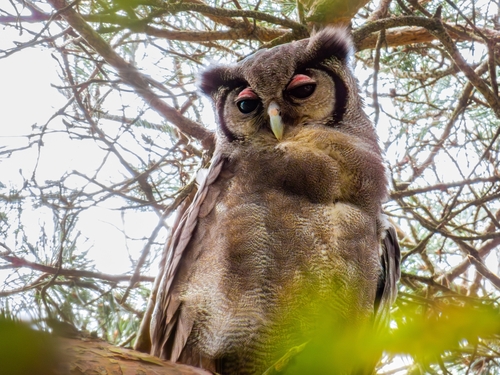
Its closest relatives
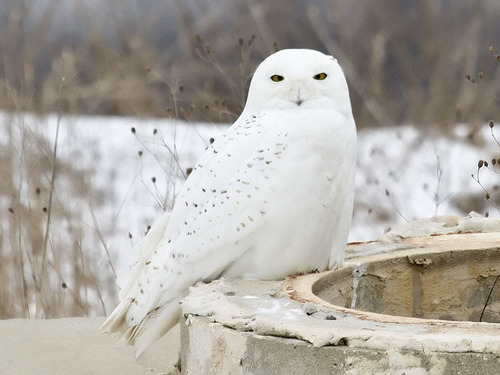
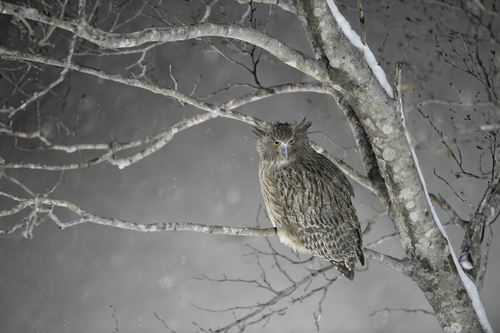
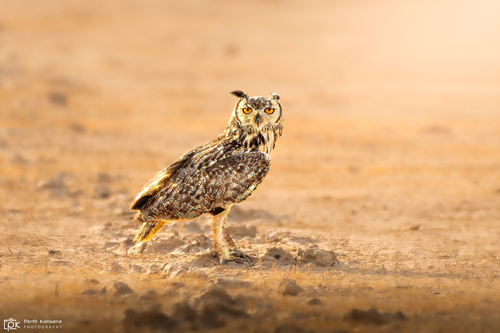
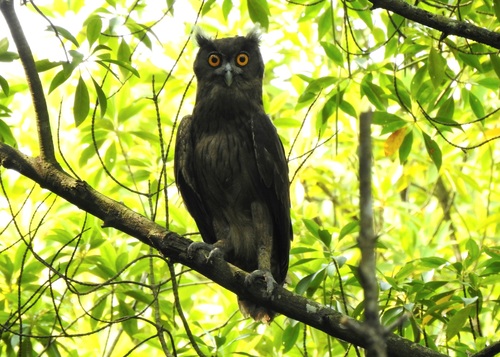
The other species of the genus Bubo.
Seen a great Horned Owl?
Share your photo on iNaturalist. Other naturalists help confirm it, and the record goes to GBIF, where scientists use it and where the maps on this page come from.
Put this species on your site
The card names every source and links back here.
<iframe src="https://4planetatlas.com/place/embed/species/great-horned-owl" title="Great Horned Owl (Bubo virginianus), 4PLANET Species" width="100%" height="600" style="border:0;max-width:640px" loading="lazy"></iframe>
<p><a href="https://4species.com/great-horned-owl">Great Horned Owl on 4PLANET Species</a></p>Questions people ask
What does the Great Horned Owl eat?
The Great Horned Owl has been recorded eating 280 different kinds of animals and plants, most of them mammals, birds, reptiles and amphibians. The ones recorded most often are snowshoe hare, american red squirrel, muskrat, ruffed grouse and mexican free-tailed bat; records include animals eaten as carrion. Source: GloBI.
What eats the Great Horned Owl?
Recorded predators include coyote. Source: GloBI.
Where does the Great Horned Owl live?
People have recorded it in 22 countries; the most records come from United States, Canada, Mexico, Brazil and Argentina. Records show where people have seen it, not its full range.
When is the Great Horned Owl seen most?
In the northern hemisphere, the most records are made in April and the fewest in July. More people outdoors also means more records.
What are the Great Horned Owl's closest relatives?
It shares the genus Bubo with eurasian eagle-owl, snowy owl, blakiston`s eagle owl, indian eagle-owl and dusky eagle-owl.
Sources and photo credits
- GBIF · Bubo virginianus, 1,522,688 human observations
- GloBI · recorded interactions of Bubo virginianus
- Wikidata · Great Horned Owl (Q81515)
- Great Horned Owl (Bubo virginianus): Chrissy McClarren and Andy Reago, CC0
- Great Horned Owl (Bubo virginianus), St. Louis, MO, USA: Chrissy McClarren and Andy Reago, CC0
- Great Horned Owl (Bubo virginianus), 22876 Cattail Ln, Moreno Valley, CA 92557, USA: David Rankin, CC BY 4.0
- Great Horned Owl (Bubo virginianus), Division No. 3, AB, Canada: John Krampl, CC BY 4.0
- Great Horned Owl (Bubo virginianus), California, US: Brooke J., CC BY 4.0
- Great Horned Owl (Bubo virginianus), Northampton, Pennsylvania, United States: Bill Keim, CC BY 4.0
- Great Horned Owl (Bubo virginianus), Carondelet Park, 3900 Holly Hills Blvd, St. Louis, MO 63116, USA: Chrissy McClarren and Andy Reago, CC0
- Great Horned Owl (Bubo virginianus), North Lethbridge, Lethbridge, AB, Canada: John Krampl, CC BY 4.0
- Great Horned Owl (Bubo virginianus), Joe Creason Park, Louisville, KY, US: Rev. Lee A. Payne, Jr., CC BY 4.0
- Snowshoe hare: Matt Muir, CC BY 4.0
- American red squirrel: DaPuglet, CC BY-SA 4.0
- Muskrat: Owen Strickland, CC BY 4.0
- Ruffed grouse: Alexis Godin, CC BY 4.0
- Mexican free-tailed bat: Bureau of Land Management, CC BY 4.0
- Western harvest mouse: Trevor Van Loon, CC BY 4.0
- Mallard: anonymous, CC BY-SA 4.0
- House mouse: Tony Wills, CC BY-SA 4.0
- European rabbit: Alexis Lours, CC BY 4.0
- Black-crowned night heron: no rights reserved, uploaded by Kyle Nessen, CC0
- Brown rat: Martin Cooper, CC BY 4.0
- Eastern gray squirrel: Diliff, CC BY-SA 4.0
- Coyote: avocat, CC BY 4.0
- Snowy owl: Bill Bouton, CC BY-SA 4.0
- Blakiston`s eagle owl: Morten Ross, CC BY 4.0
- Indian eagle-owl: Parth Kansara, CC BY 4.0
- Dusky eagle-owl: lunarjade, CC BY 4.0
- Spotted eagle-owl: Anja J., CC BY 4.0
- Pharaoh eagle-owl: TANAKA Juuyoh (ç”°ä¸åæ´‹), CC BY 4.0
- Verreaux's eagle-owl: Rhys, CC BY 4.0
Records show where people have seen and shared the Great Horned Owl, not its full range, and some countries and months are recorded far more than others. The food web lists interactions that studies have recorded somewhere in the world (GloBI), not everything it eats in one place.
Checked 2026-11-25.