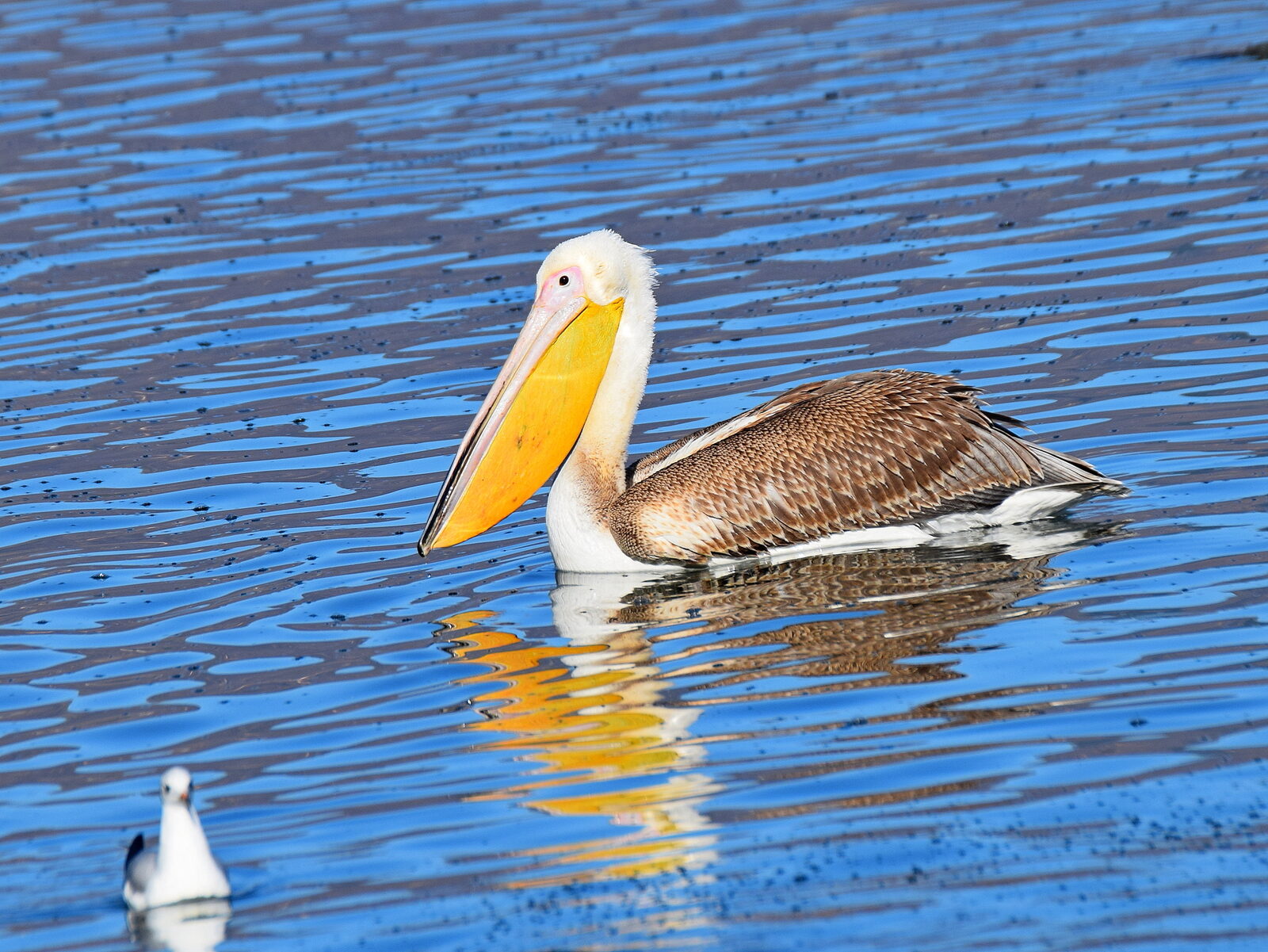
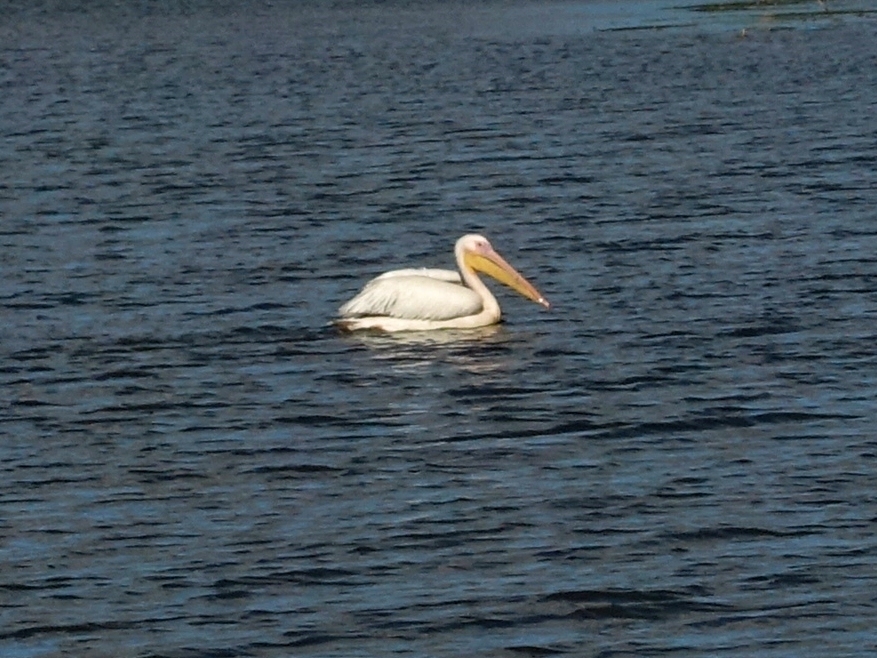
Great White Pelican
Pelecanus onocrotalus
- Status
- Least Concern IUCN Red List
- Eats
- common bream, rudd, spined loach and 5 more
- Where
- 97 countries · danube Delta
On 4Planet Atlas it is among the wildlife people record most around Addis Ababa, Ankara and Baghdad, and 8 more of the cities we cover.
People have shared 85,668 records of the Great White Pelican with GBIF, from 97 countries, most of them from Israel, India and Kenya. Records collected by GloBI show it eating 8 different kinds of animals and plants, and being eaten by 8.
Habitats
What the great White Pelican eats, and what eats it
Studies have recorded it eating 8 kinds of animals and plants, and 8 kinds of animals eating it. Tap any of them to follow the food chain.
- Fish 8
Eaten by

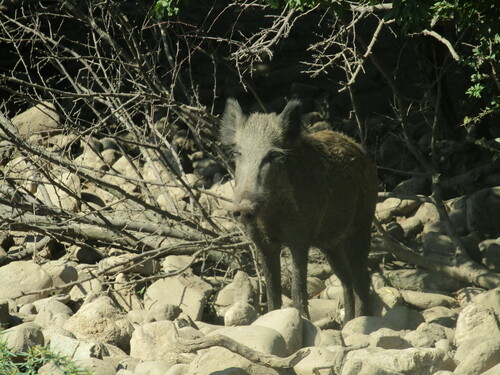


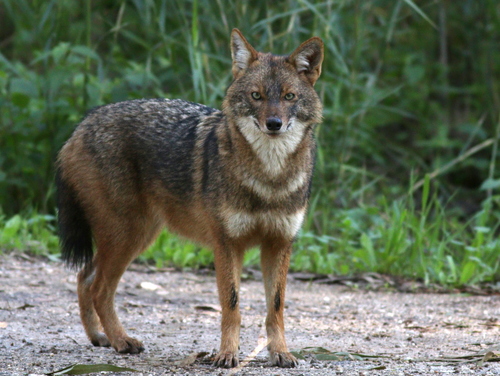
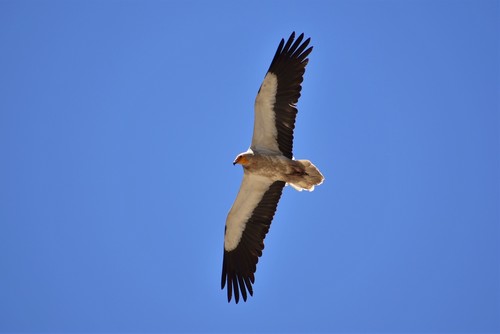
 Great White Pelican



Records from studies worldwide, collected by GloBI. They include animals eaten as carrion, and they are not everything it eats in one place.
Where people see the great White Pelican
People have shared 85,668 records from 97 countries.
Near a city: Addis Ababa, Ankara, Baghdad, Banjul, Cairo, Cape Town, Dakar, Khartoum, Luanda, Maputo, Windhoek.
Records show where people have seen it and shared it, not its full range. Country names open their page in Atlas.
When it is seen
Records per month in the northern hemisphere. More people outdoors also means more records.
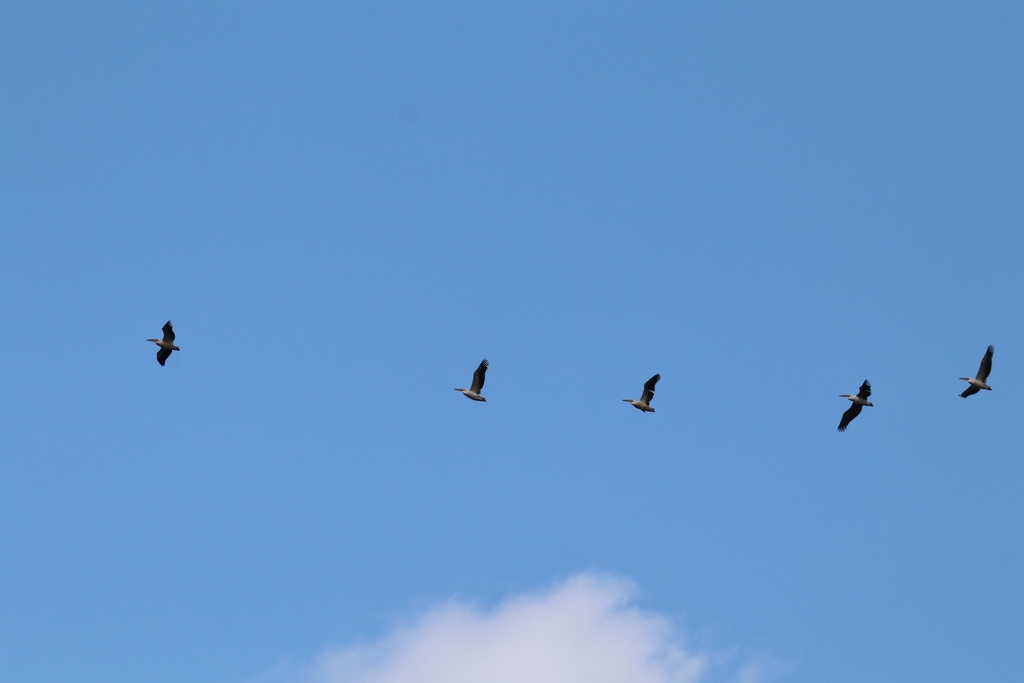
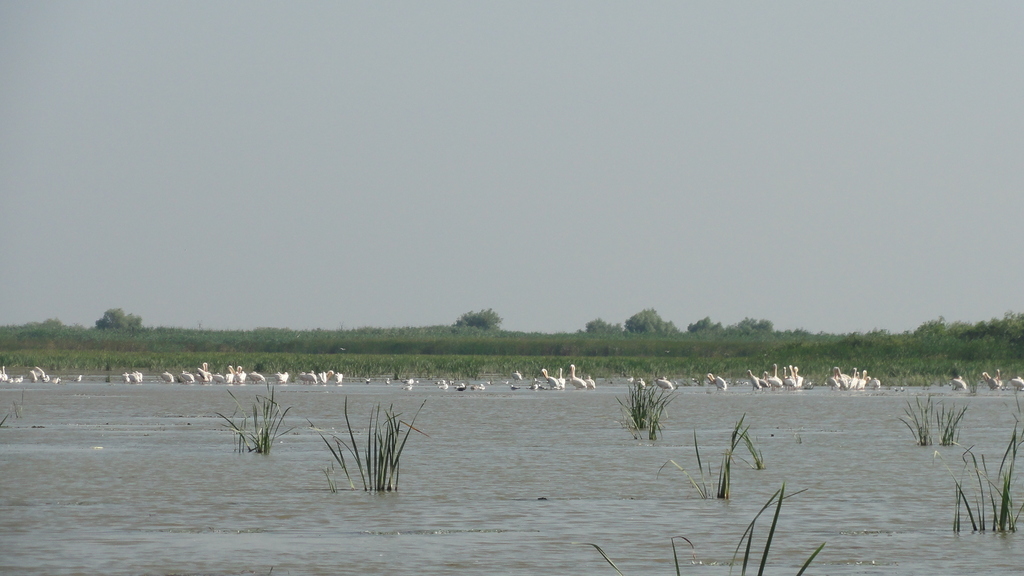
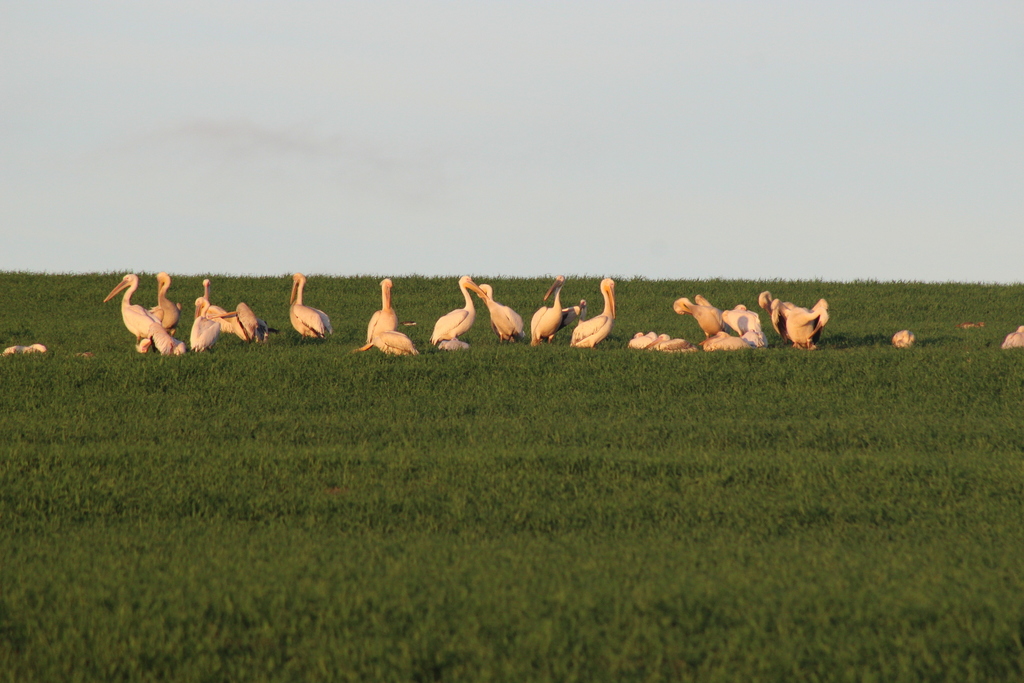
Watch and listen
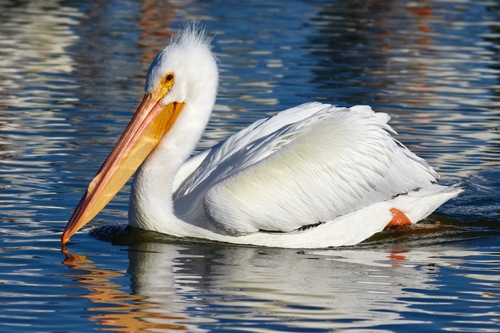
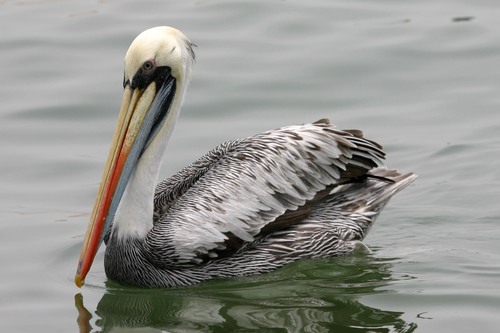
Its closest relatives
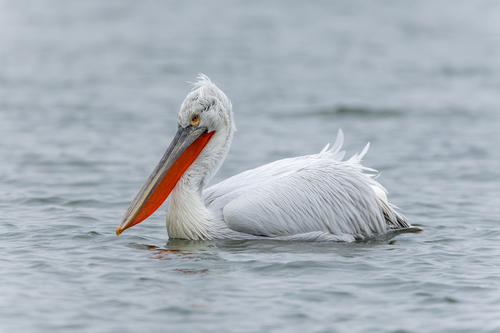
The other species of the genus Pelecanus.
Seen a great White Pelican?
Share your photo on iNaturalist. Other naturalists help confirm it, and the record goes to GBIF, where scientists use it and where the maps on this page come from.
Put this species on your site
The card names every source and links back here.
<iframe src="https://4planetatlas.com/place/embed/species/great-white-pelican" title="Great White Pelican (Pelecanus onocrotalus), 4PLANET Species" width="100%" height="600" style="border:0;max-width:640px" loading="lazy"></iframe>
<p><a href="https://4species.com/great-white-pelican">Great White Pelican on 4PLANET Species</a></p>Explore next
What puts the great White Pelican under pressure, what helps, and who works on it.

Questions people ask
What does the Great White Pelican eat?
The Great White Pelican has been recorded eating 8 different kinds of animals and plants, most of them fish. The ones recorded most often are common bream, rudd, spined loach and amur bitterling; records include animals eaten as carrion. Source: GloBI.
What eats the Great White Pelican?
Recorded predators include grey wolf, wild boar, red fox, northern raven and golden jackal. Source: GloBI.
Where does the Great White Pelican live?
People have recorded it in 97 countries; the most records come from Israel, India, Kenya, South Africa and Turkey. Records show where people have seen it, not its full range.
When is the Great White Pelican seen most?
In the northern hemisphere, the most records are made in January and the fewest in July. More people outdoors also means more records.
What are the Great White Pelican's closest relatives?
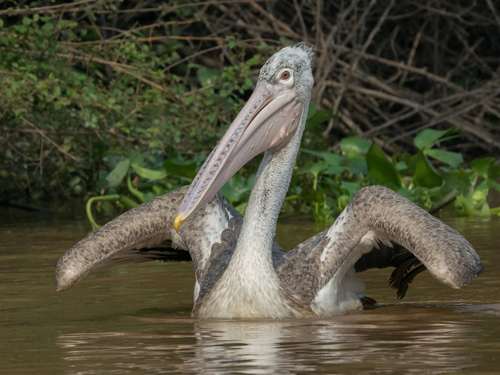
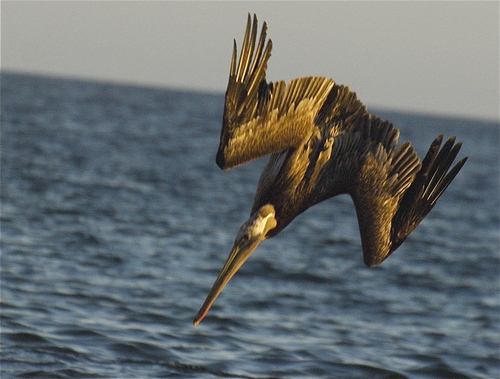
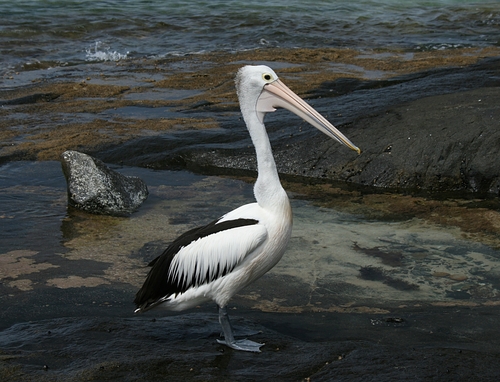
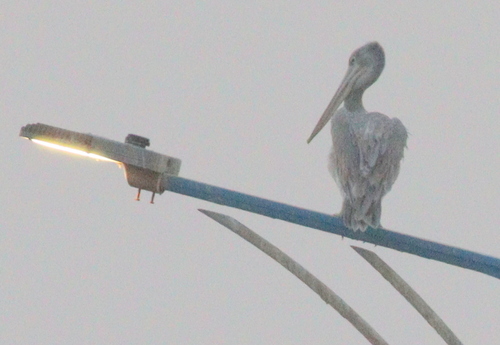
It shares the genus Pelecanus with dalmatian pelican, spot-billed pelican, brown pelican, australian pelican and pink-backed pelican.
Sources and photo credits
- GBIF · Pelecanus onocrotalus, 85,668 human observations
- GloBI · recorded interactions of Pelecanus onocrotalus
- Wikidata · Great White Pelican (Q199427)
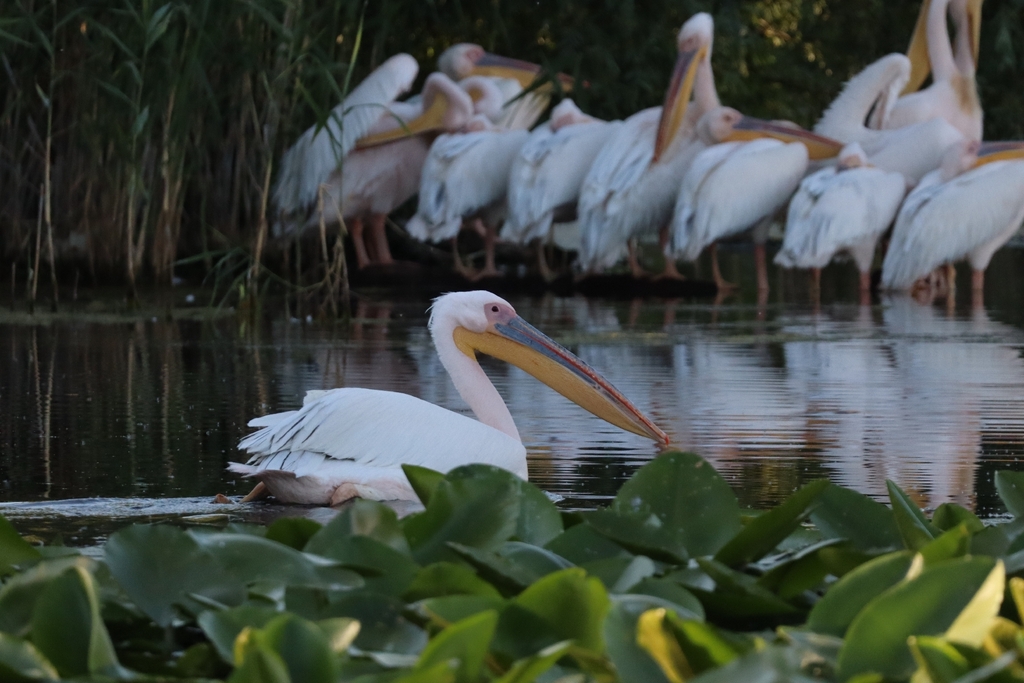
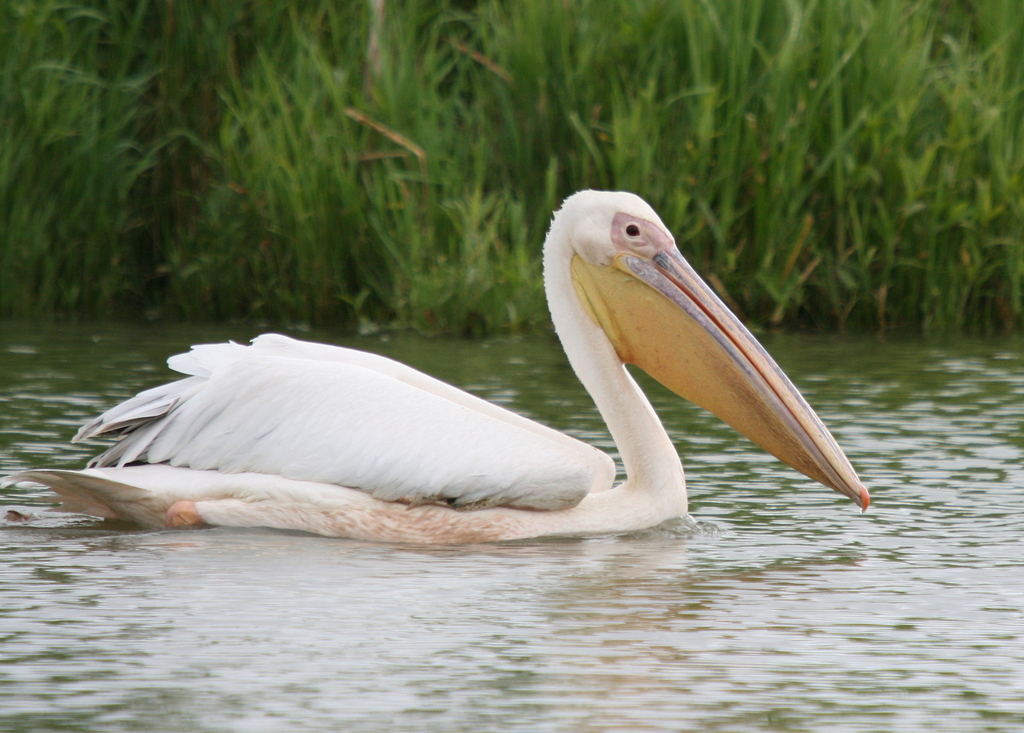
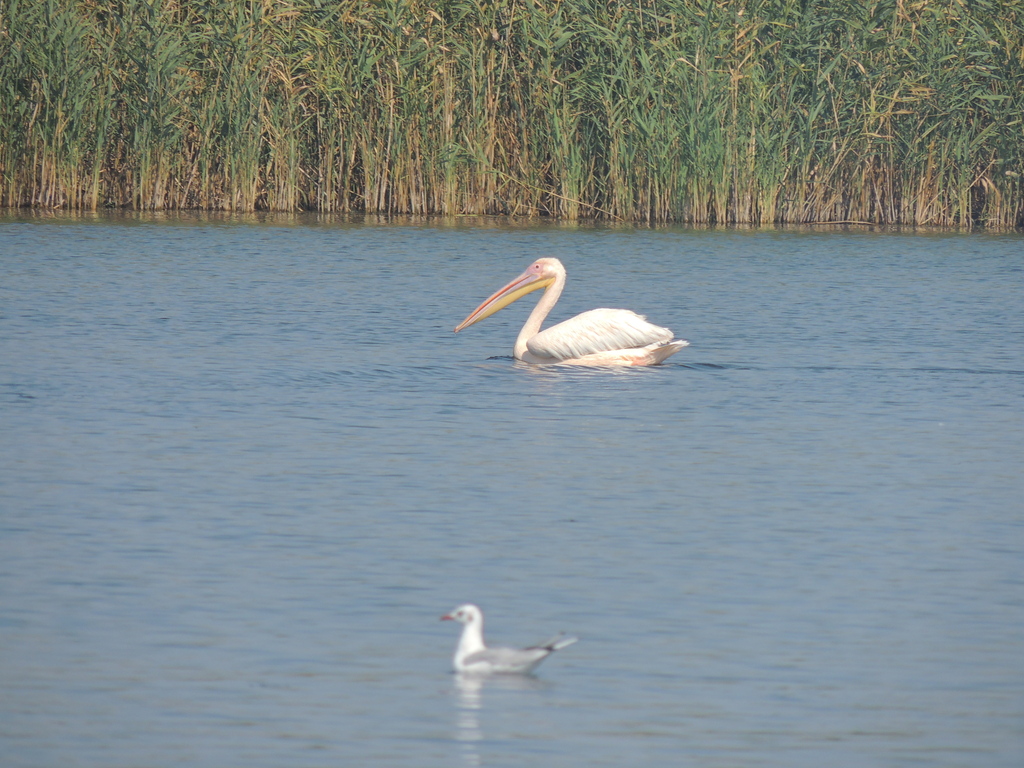
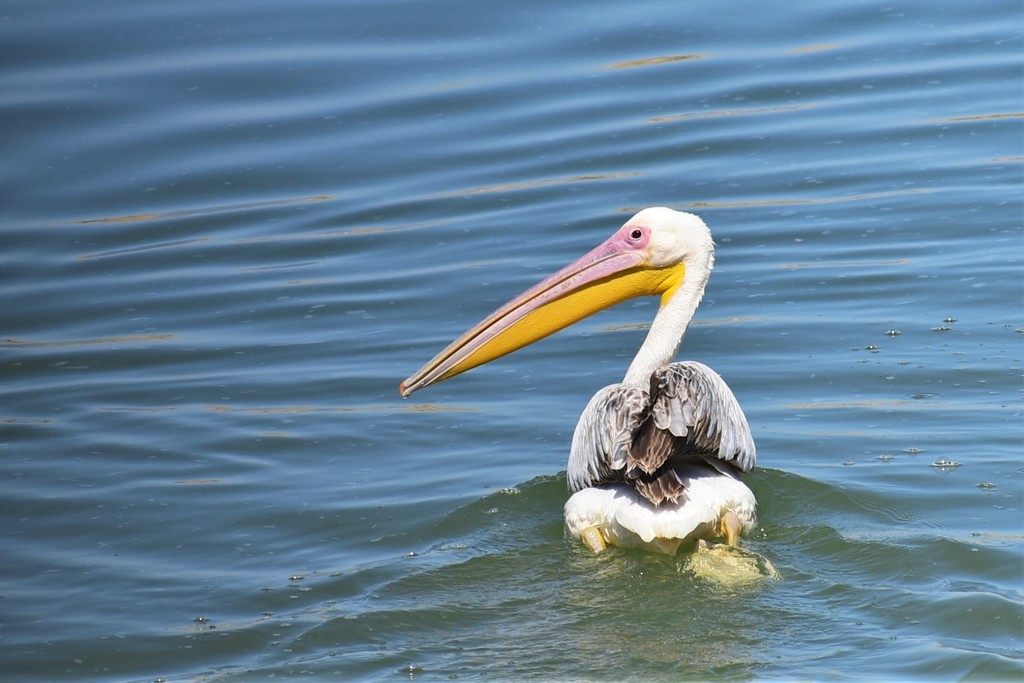
- Great White Pelican (Pelecanus onocrotalus): Kostas Zontanos, CC BY 4.0
- Great White Pelican (Pelecanus onocrotalus), Harpers Island, Cork, Ireland: Jamie O'Neill, CC BY 4.0
- Great White Pelican (Pelecanus onocrotalus), Tulcea, RO: Radu Teodoreanu, CC BY 4.0
- Great White Pelican (Pelecanus onocrotalus), Aholfing, Deutschland: Christoph Moning, CC BY 4.0
- Great White Pelican (Pelecanus onocrotalus), Tulcea, RO: xulescu_g, CC BY-SA 4.0
- Great White Pelican (Pelecanus onocrotalus), Южно-Казахстанская область, Казахстан: Kudaibergen Amirekul, CC BY-SA 4.0
- Great White Pelican (Pelecanus onocrotalus), Argeș, RO: Radu Teodoreanu, CC BY 4.0
- Great White Pelican (Pelecanus onocrotalus): Patrascu Lucian-Marius, CC0
- Great White Pelican (Pelecanus onocrotalus), City of Cape Town, ZA-WC, ZA: o2k, CC0
- Common bream: Jason Grant, CC BY 4.0
- Rudd: Iidkk, CC BY-SA 4.0
- Spined loach: Wiki-Harfus, CC BY-SA 4.0
- Amur bitterling: Gilles San Martin, CC BY-SA 4.0
- Grey wolf: Andrew Simon, CC BY 4.0
- Wild boar: SteveM4560, CC BY 4.0
- Red fox: Алина Урусова, CC BY 4.0
- Northern raven: xulescu_g, CC BY-SA 4.0
- Golden jackal: Jan Ebr & Ivana Ebrová, CC BY 4.0
- Egyptian vulture: Kudaibergen Amirekul, CC BY-SA 4.0
- Carrion crow: no rights reserved, uploaded by Charlie Farrell, CC0
- European herring gull: Stu's Images, CC BY-SA 4.0
- Dalmatian pelican: David F. Belmonte, CC BY 4.0
- Spot-billed pelican: William Stephens, CC BY 4.0
- Brown pelican: Jay Pruett, CC BY 4.0
- Australian pelican: Toby Hudson, CC BY-SA 4.0
- Pink-backed pelican: Jan Ebr & Ivana Ebrová, CC BY 4.0
- American white pelican: Frank Schulenburg, CC BY-SA 4.0
- Peruvian pelican: Dan Harville, CC BY-SA 4.0
Records show where people have seen and shared the Great White Pelican, not its full range, and some countries and months are recorded far more than others. The food web lists interactions that studies have recorded somewhere in the world (GloBI), not everything it eats in one place.
Checked 2026-11-24.