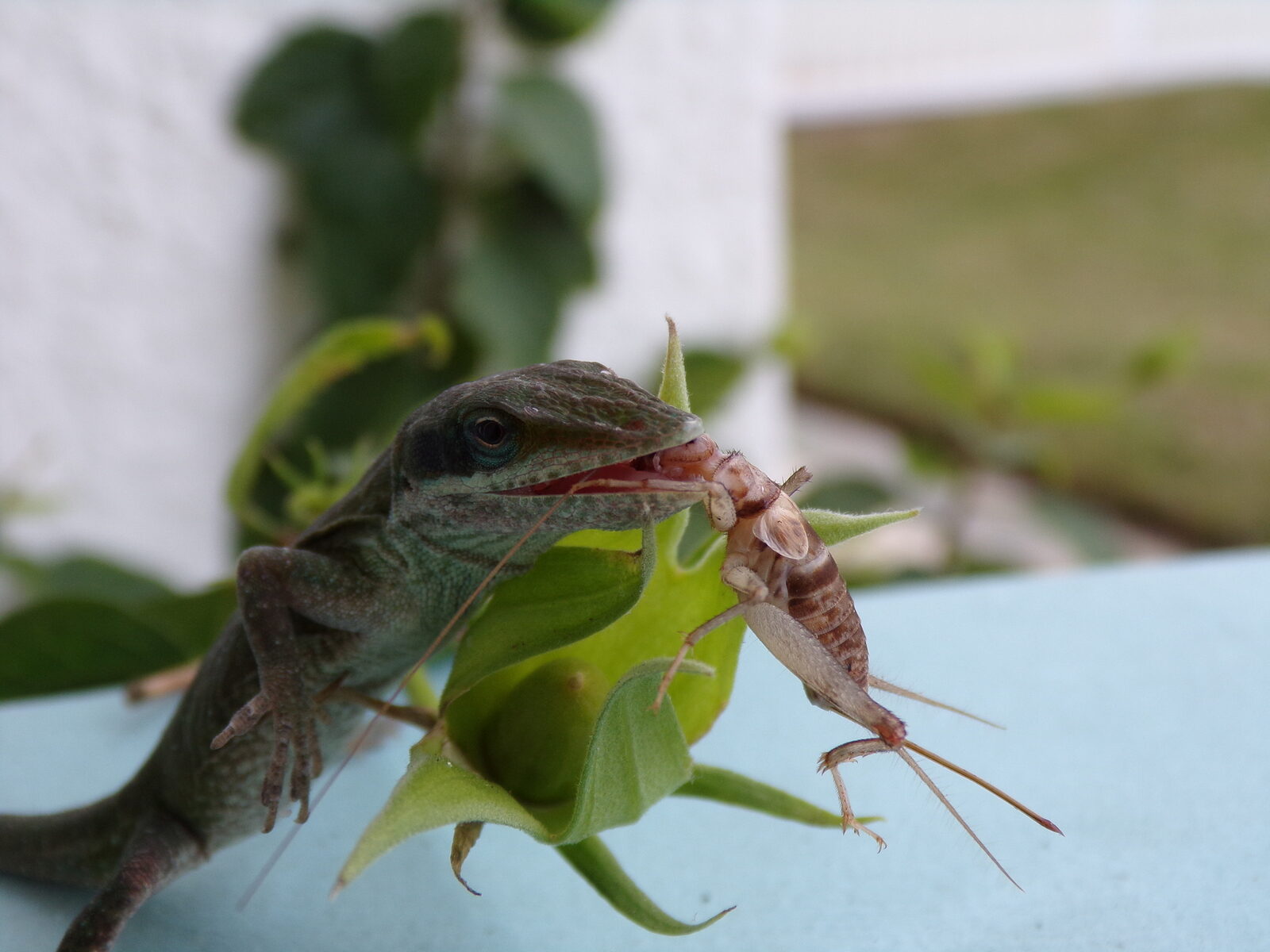
Green anole
Anolis carolinensis
- Status
- Least Concern IUCN Red List
- Eats
- blue dasher, bastard guelder, false stinger and 37 more
- Eaten by
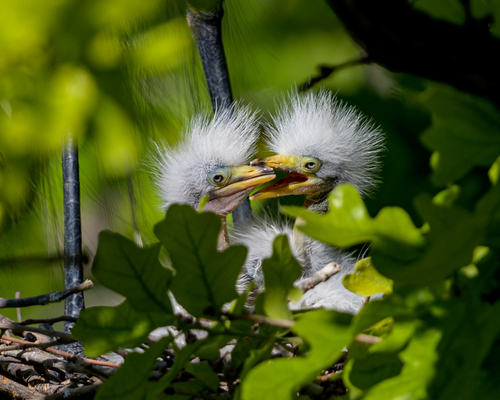
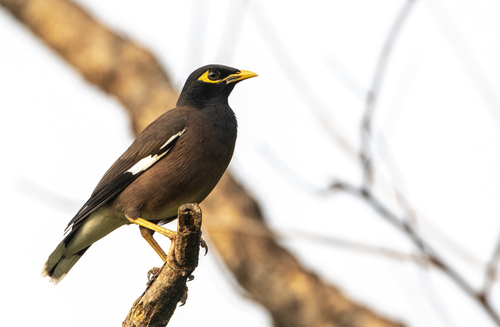
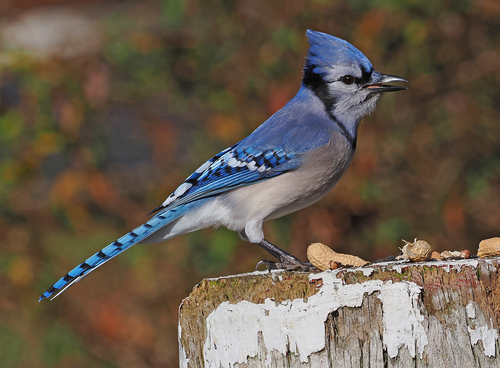
- great egret, common myna, blue jay
- Where
- 9 countries · mangroves, everglades
On 4Planet Atlas it is among the wildlife people record most around Atlanta, Austin and Dallas, and 5 more of the cities we cover.
People have shared 113,677 records of the green anole with GBIF, from 9 countries, most of them from United States, Japan and Guam. Records collected by GloBI show it eating 40 different kinds of animals and plants, and being eaten by 25.
Habitats
What the green anole eats, and what eats it
Studies have recorded it eating 40 kinds of animals and plants, and 25 kinds of animals eating it. Tap any of them to follow the food chain.
- Insects 32
- Plants 6
- Spiders and mites 1
- Reptiles 1
Eaten by
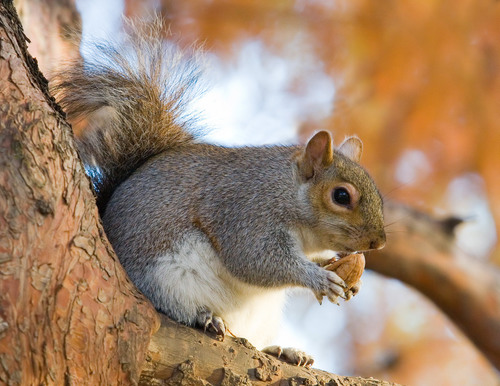
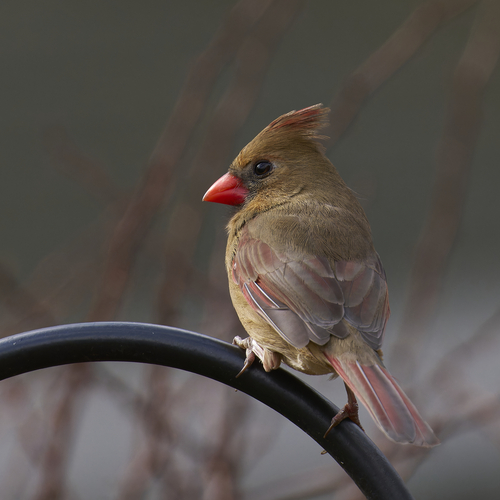
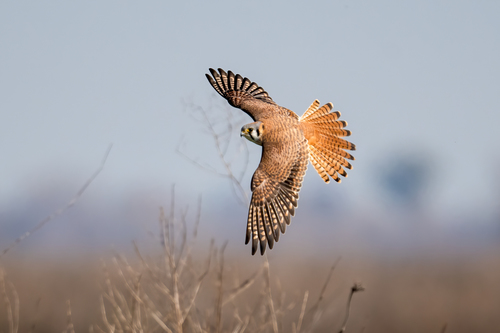
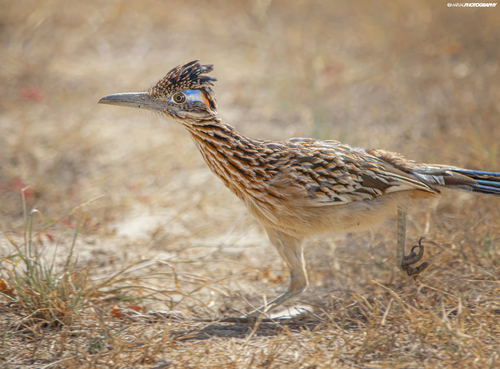
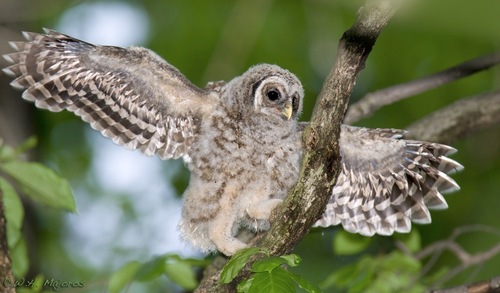 Green anole
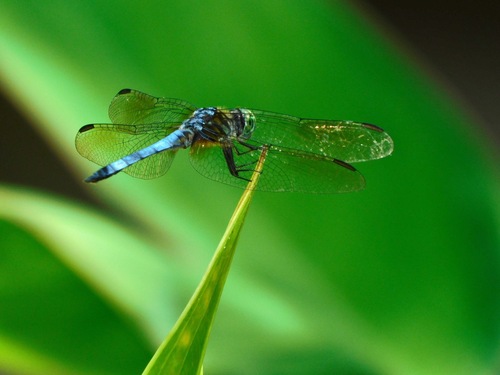
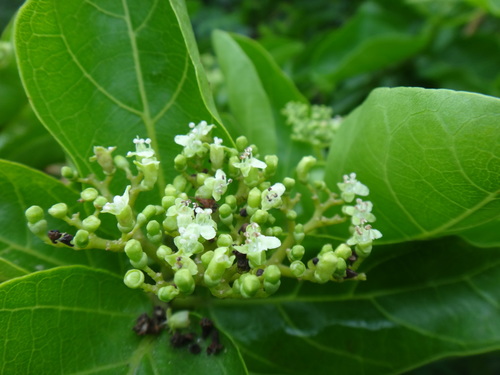
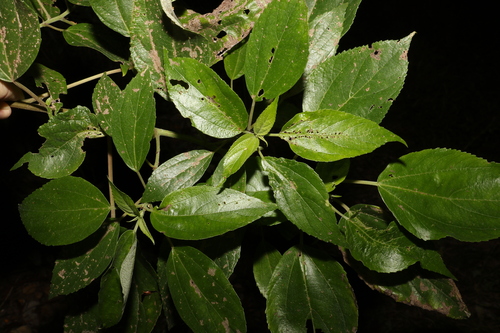
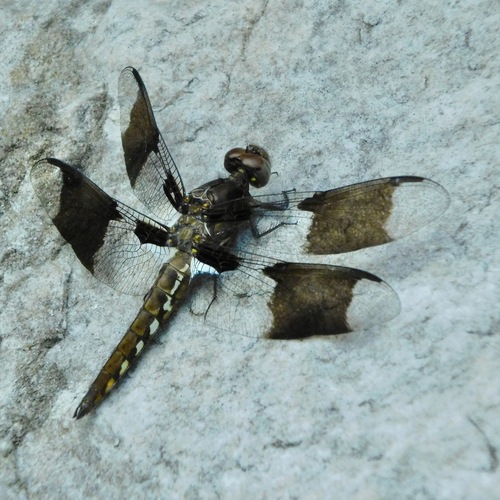
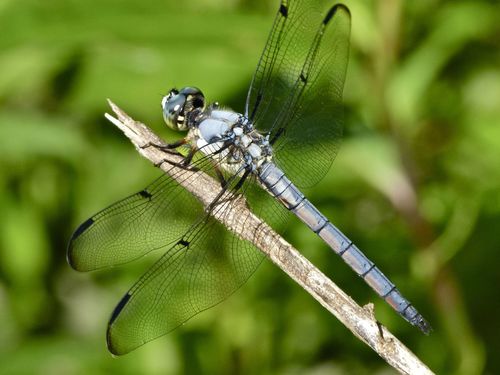
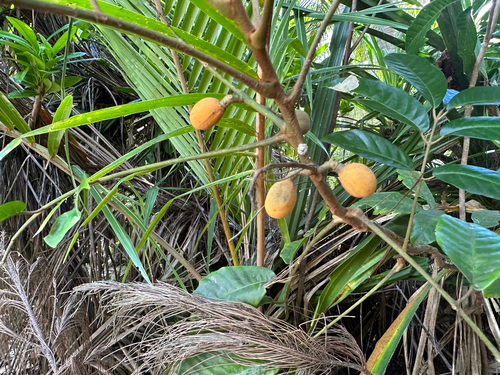
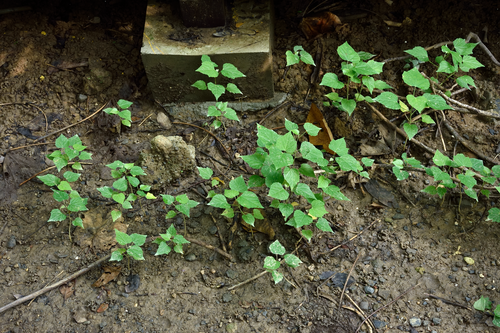

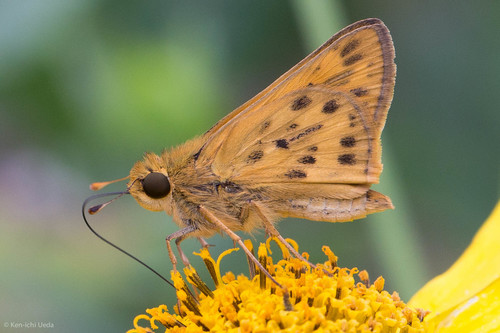
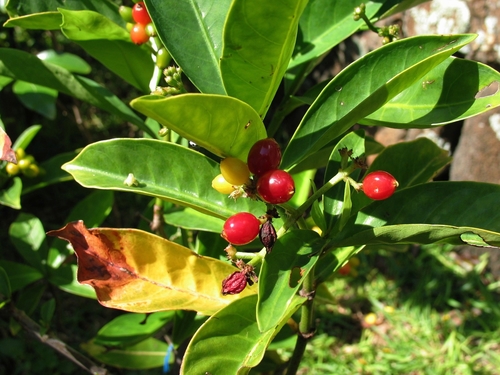
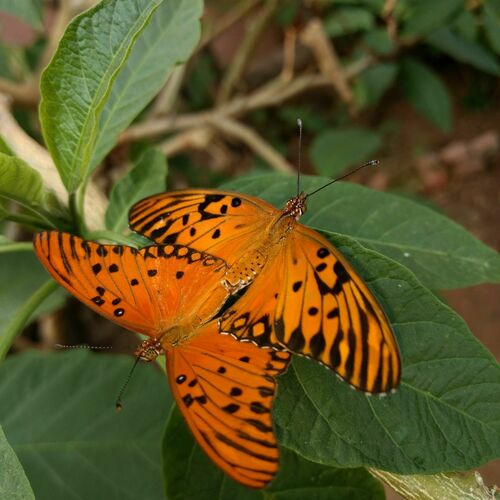
Records from studies worldwide, collected by GloBI. They include animals eaten as carrion, and they are not everything it eats in one place.
Where people see the green anole
People have shared 113,677 records from 9 countries.
Near a city: Atlanta, Austin, Dallas, Honolulu, Houston, Majuro, New Orleans, Raleigh.
Records show where people have seen it and shared it, not its full range. Country names open their page in Atlas.
When it is seen
Records per month in the northern hemisphere. More people outdoors also means more records.
Watch and listen
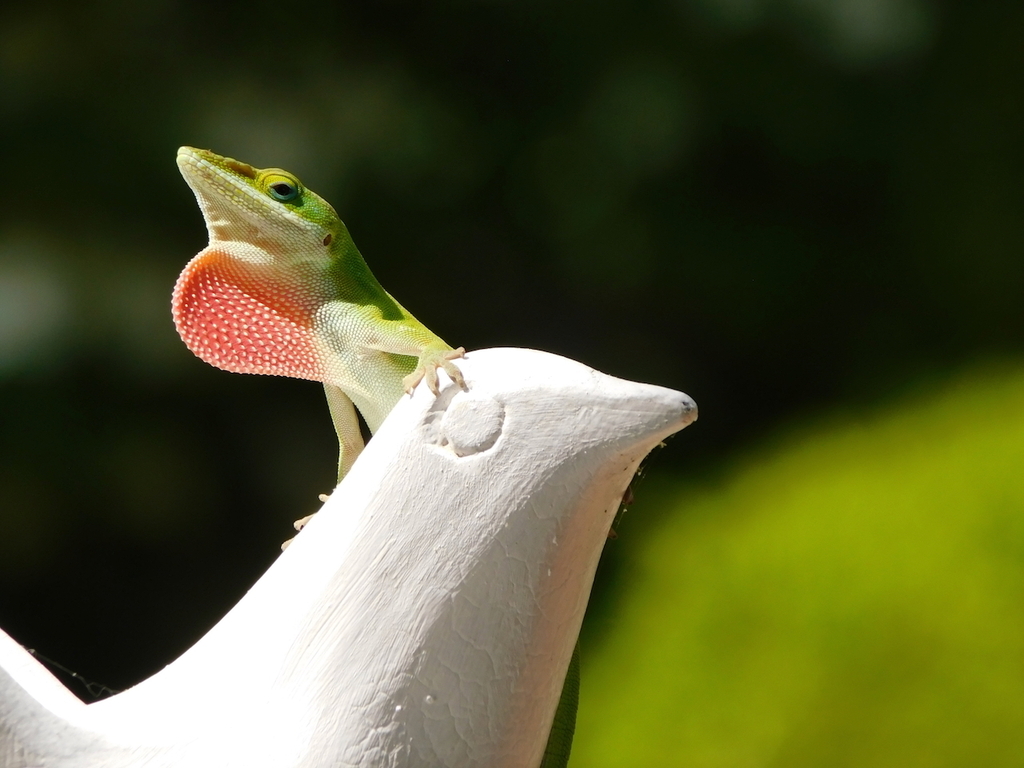
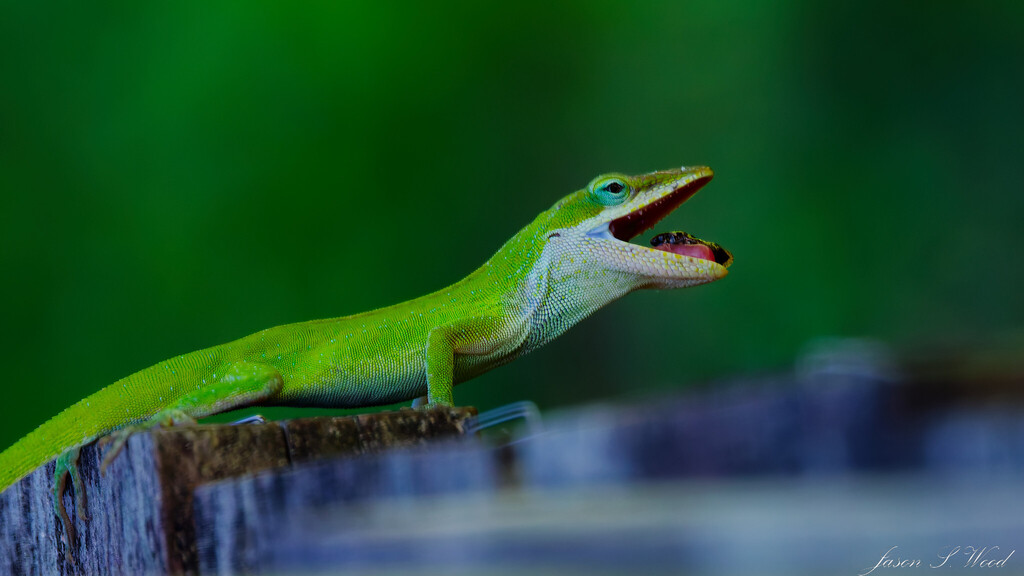
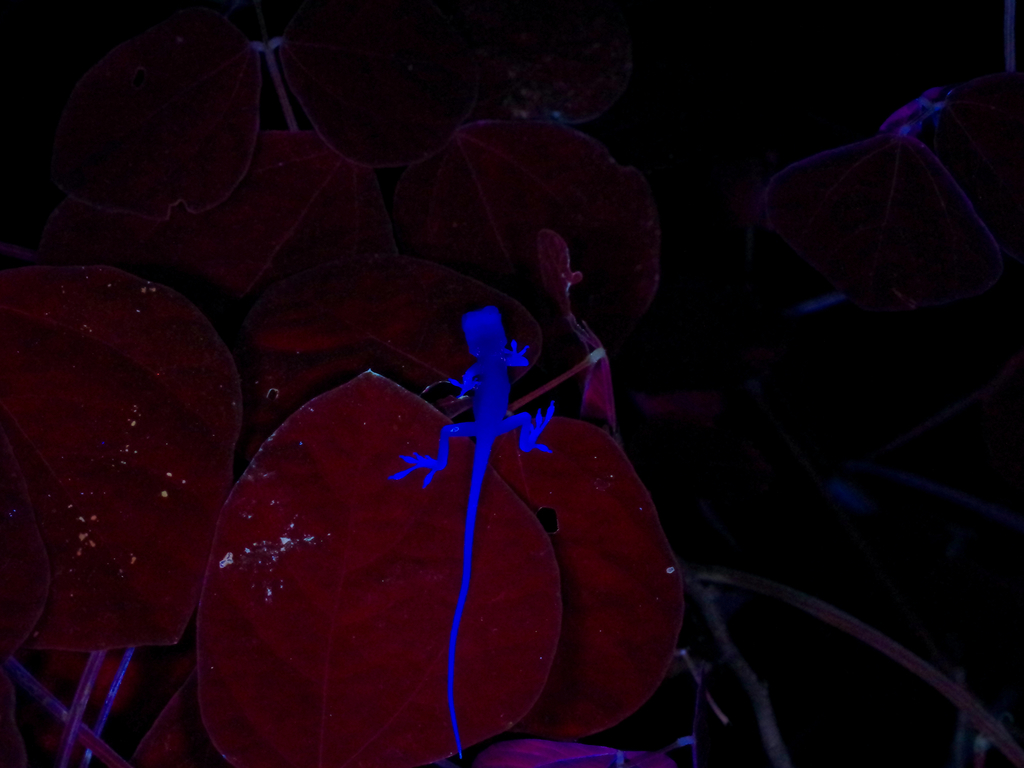
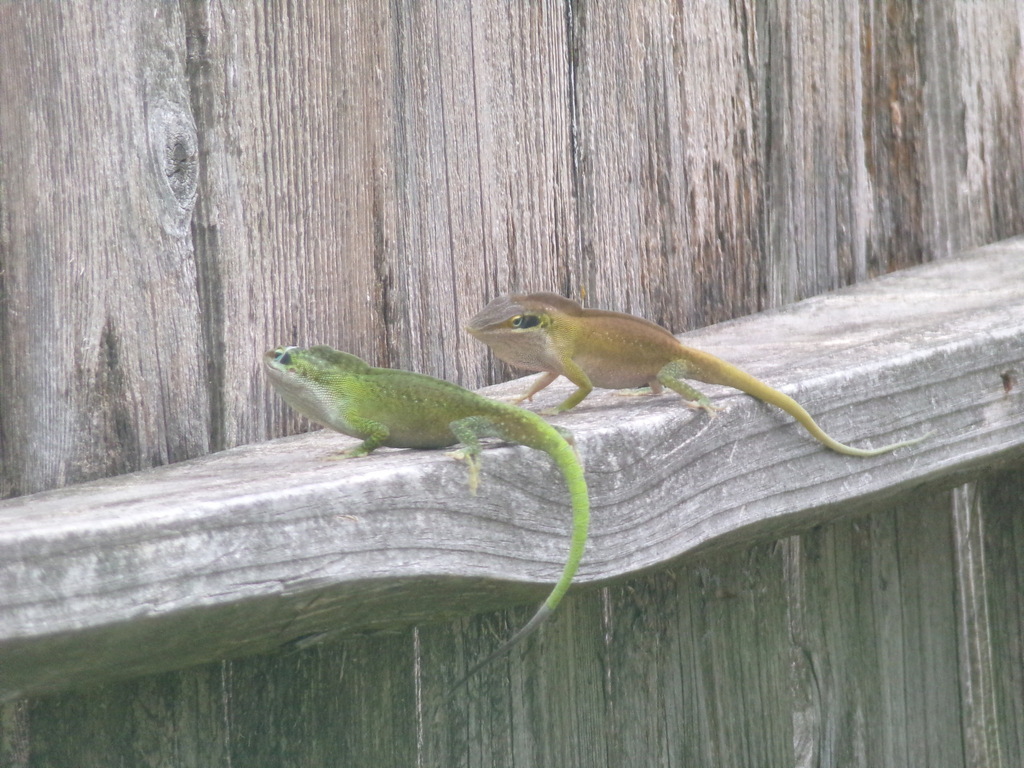
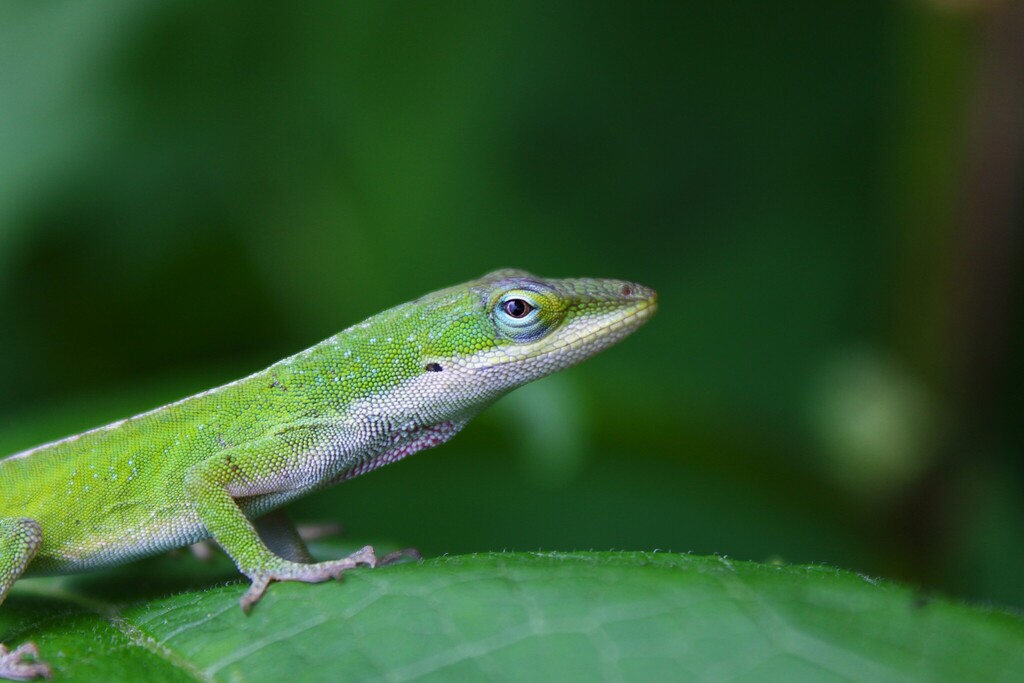
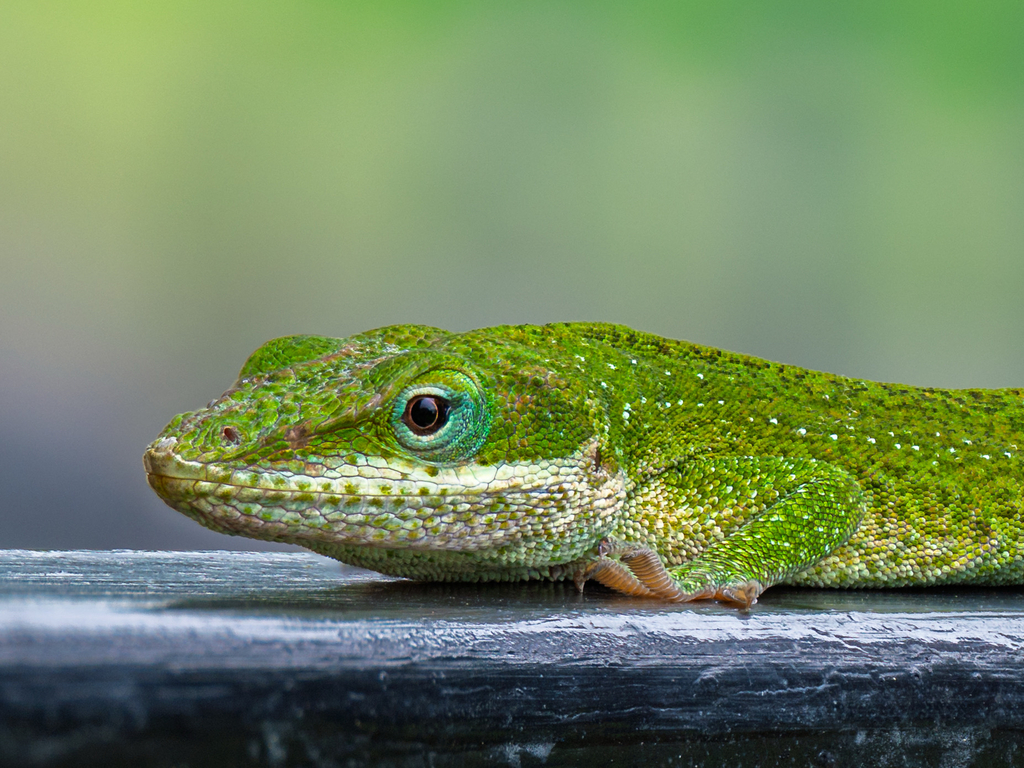
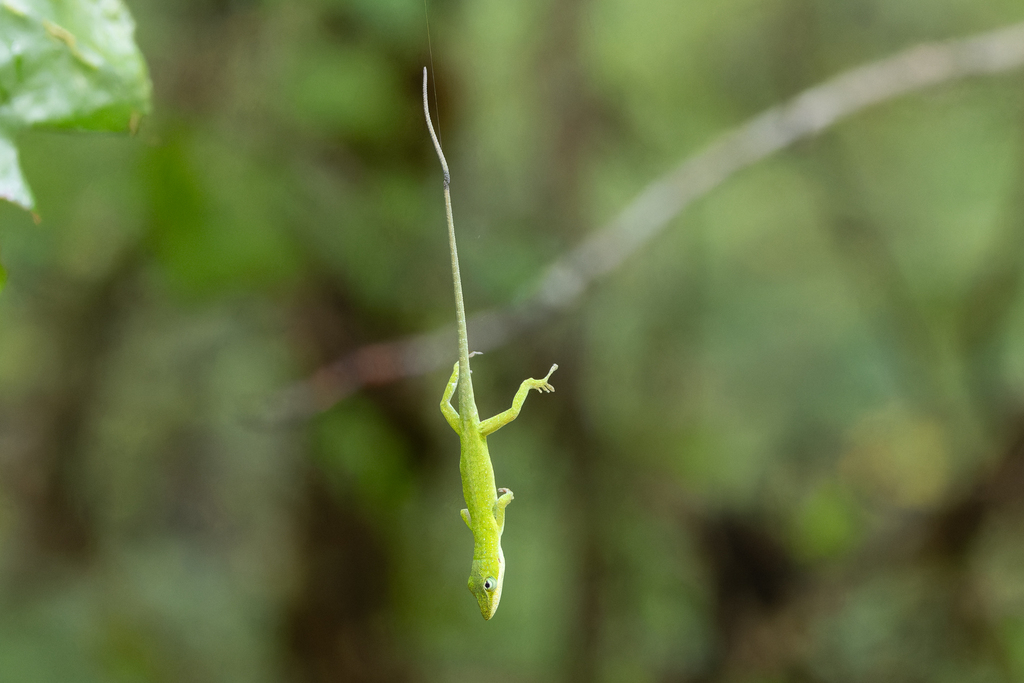
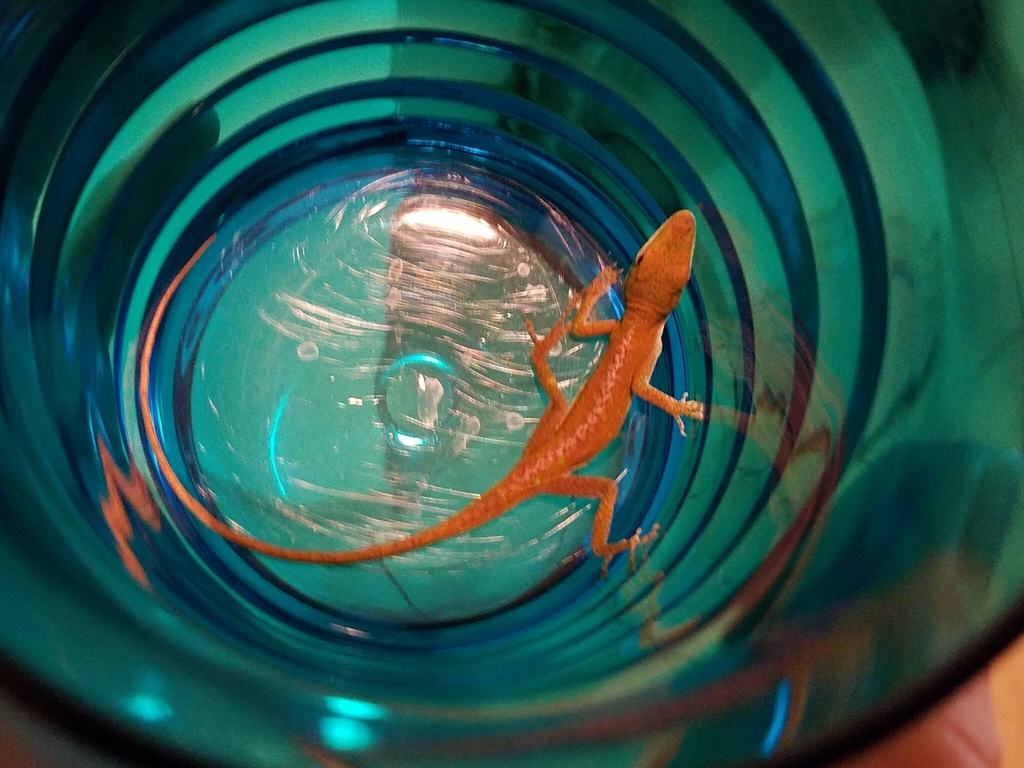
Its closest relatives
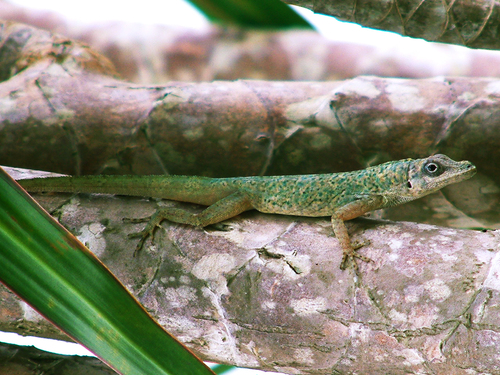
The other species of the genus Anolis.

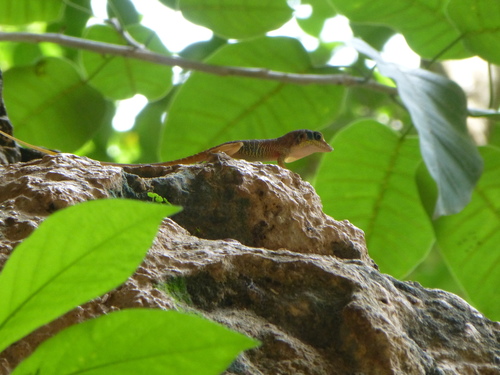
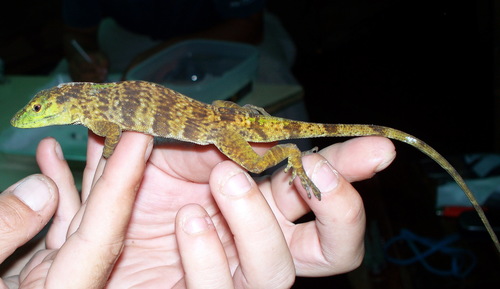
Seen a green anole?
Share your photo on iNaturalist. Other naturalists help confirm it, and the record goes to GBIF, where scientists use it and where the maps on this page come from.
Put this species on your site
The card names every source and links back here.
<iframe src="https://4planetatlas.com/place/embed/species/green-anole" title="Green anole (Anolis carolinensis), 4PLANET Species" width="100%" height="600" style="border:0;max-width:640px" loading="lazy"></iframe>
<p><a href="https://4species.com/green-anole">Green anole on 4PLANET Species</a></p>Explore next
What puts the green anole under pressure, what helps, and who works on it.
Questions people ask
What does the green anole eat?
The green anole has been recorded eating 40 different kinds of animals and plants, most of them insects, plants, spiders and mites and reptiles. The ones recorded most often are blue dasher, bastard guelder, false stinger, common whitetail and great blue skimmer; records include animals eaten as carrion. Source: GloBI.
What eats the green anole?
Recorded predators include great egret, common myna, blue jay, eastern gray squirrel and northern cardinal. Source: GloBI.
Where does the green anole live?
People have recorded it in 9 countries; the most records come from United States, Japan, Guam, Mexico and Northern Mariana Islands. Records show where people have seen it, not its full range.
When is the green anole seen most?
In the northern hemisphere, the most records are made in April and the fewest in January. More people outdoors also means more records.
What are the green anole's closest relatives?
It shares the genus Anolis with western bearded anole, panther anole, bronze anole, west cuban anole and neotropical green anole.
Sources and photo credits
- GBIF · Anolis carolinensis, 113,677 human observations
- GloBI · recorded interactions of Anolis carolinensis
- Wikidata · Green anole (Q930252)
- Green anole (Anolis carolinensis): chloe ⋆˚꩜。, CC BY-SA 4.0
- Green anole (Anolis carolinensis), North Carolina, US: Michael J. Papay, CC BY 4.0
- Green anole (Anolis carolinensis), Village De L'Est, New Orleans, LA 70129, USA: Daughter Dad, CC BY 4.0
- Green anole (Anolis carolinensis), Texas, US: Michelle W. (鍾偉瑋), CC BY 4.0
- Green anole (Anolis carolinensis), Villages Of Bear Creek, TX 77449, USA: Texas Bird Family, CC BY 4.0
- Green anole (Anolis carolinensis), Tennessee, US: Dominic, CC BY 4.0
- Green anole (Anolis carolinensis), Texas, US: cesar stastny, CC BY 4.0
- Green anole (Anolis carolinensis), Chatham County, NC, USA: Callisto, CC BY 4.0
- Green anole (Anolis carolinensis), 751 Montgomery St, Mandeville, LA 70448, USA: Tyler Bishop, CC BY 4.0
- Blue dasher: Michael J. Papay, CC BY 4.0
- Bastard guelder: 呂一起(Lyu yi-chi), CC BY 4.0
- False stinger: Greg Tasney, CC BY-SA 4.0
- Common whitetail: Michael J. Papay, CC BY 4.0
- Great blue skimmer: Steve Kerr, CC BY 4.0
- Aglaia mariannensis: Rachael Kaiser, CC BY 4.0
- Alim: 楊富鈞, CC BY 4.0
- American snout: Judy Gallagher, CC BY 4.0
- Fiery skipper: Ken-ichi Ueda, CC BY 4.0
- Psychotria mariana: David Eickhoff, CC BY 4.0
- Gulf fritillary: ISAAC FELIPE 8425, CC BY-SA 4.0
- Great egret: Shiva Shenoy, CC BY 4.0
- Common myna: David F. Belmonte, CC BY 4.0
- Blue jay: Judy Gallagher, CC BY 4.0
- Eastern gray squirrel: Diliff, CC BY-SA 4.0
- Northern cardinal: Paul Danese, CC BY-SA 4.0
- American kestrel: Jonathan Eisen, CC BY 4.0
- Greater roadrunner: MarvalPhotography19, CC BY 4.0
- Barred owl: Bill Majoros, CC BY-SA 4.0
- Western bearded anole: anonymous, CC BY-SA 4.0
- Bronze anole: shanelkalicharan, CC BY-SA 4.0
- West cuban anole: Kai Squires, CC BY 4.0
- Neotropical green anole: John G. Phillips, CC BY 4.0
Records show where people have seen and shared the green anole, not its full range, and some countries and months are recorded far more than others. The food web lists interactions that studies have recorded somewhere in the world (GloBI), not everything it eats in one place.
Checked 2026-11-28.