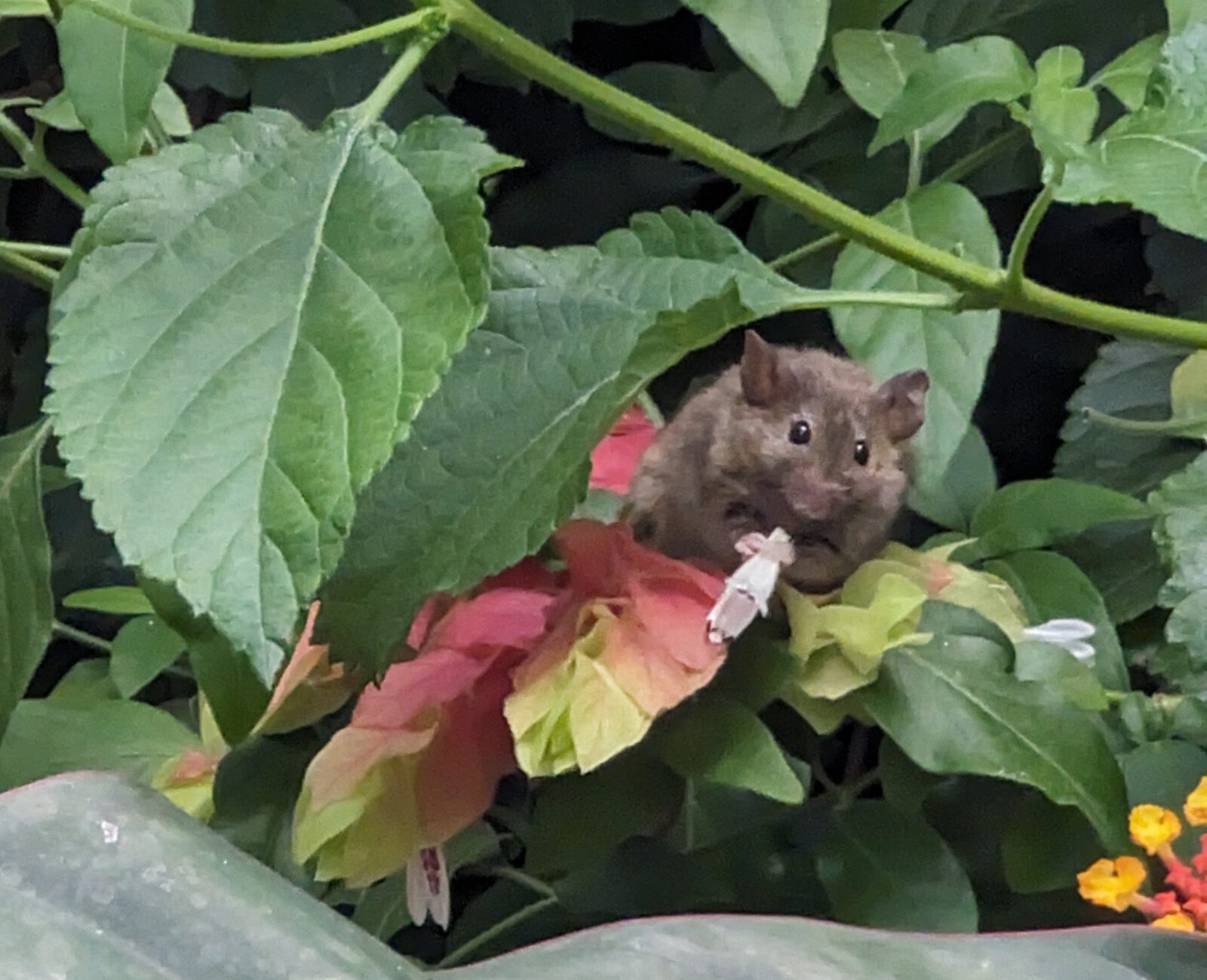
House Mouse
Mus musculus
- Status
- IUCN Red List
- Eats
- broad-billed prion, johnson grass, common yellowthroat and 22 more
- Eaten by
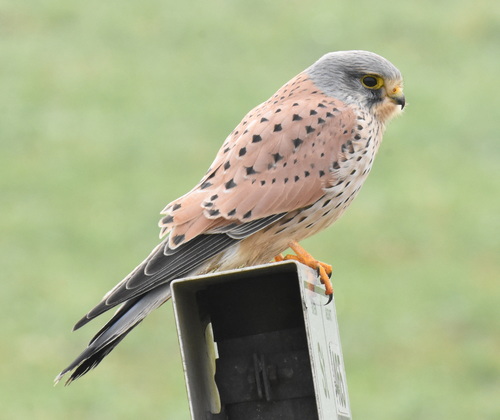
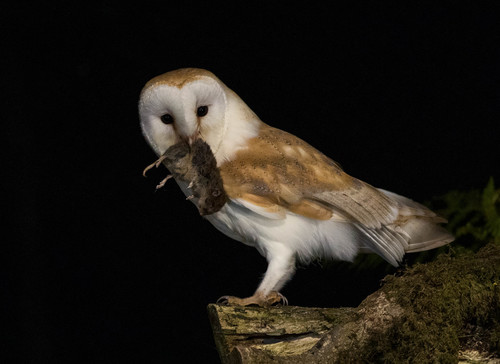
- red fox, common kestrel, western barn owl
- Where
- 97 countries · galápagos Islands
On 4Planet Atlas it is among the wildlife people record most around Wellington.
People have shared 8,216 records of the House Mouse with GBIF, from 97 countries, most of them from United States, New Zealand and Australia. Records collected by GloBI show it eating 25 different kinds of animals and plants, and being eaten by 97.
Habitats
What the house Mouse eats, and what eats it
Studies have recorded it eating 25 kinds of animals and plants, and 97 kinds of animals eating it. Tap any of them to follow the food chain.
- Plants 7
- Birds 3
- Bacteria 3
- Spiders and mites 1
Eaten by

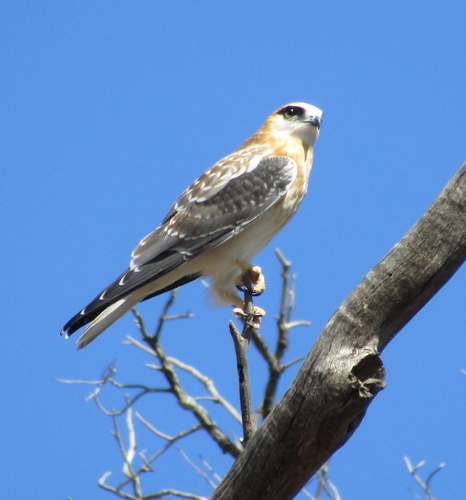


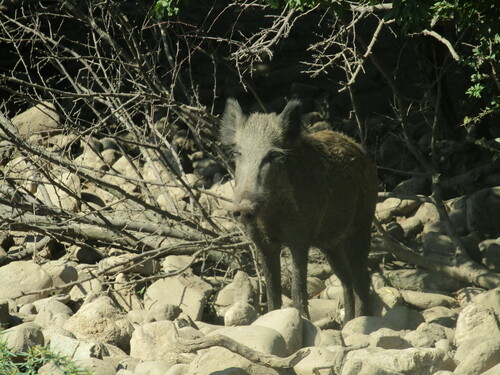 House Mouse
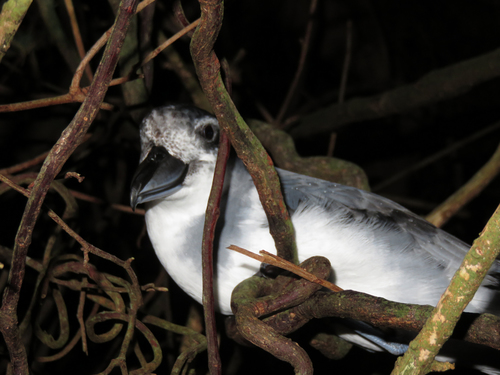

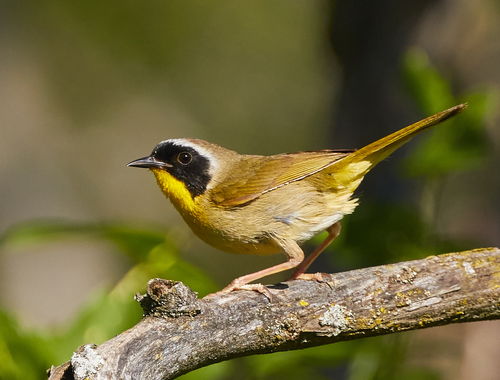


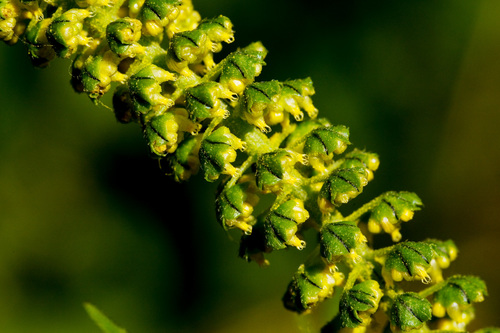
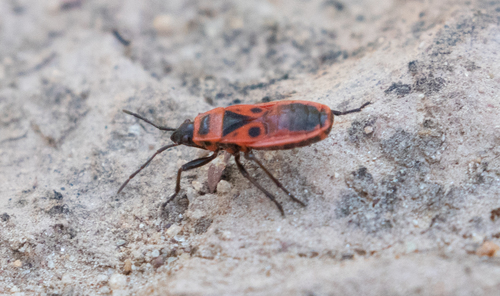
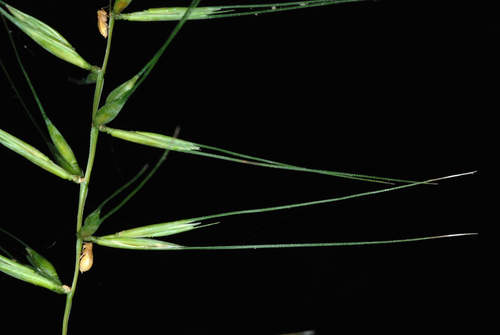
Records from studies worldwide, collected by GloBI. They include animals eaten as carrion, and they are not everything it eats in one place.
Where people see the house Mouse
People have shared 8,216 records from 97 countries.
Near a city: Wellington.
Records show where people have seen it and shared it, not its full range. Country names open their page in Atlas.
When it is seen
Records per month in the northern hemisphere. More people outdoors also means more records.
Watch and listen
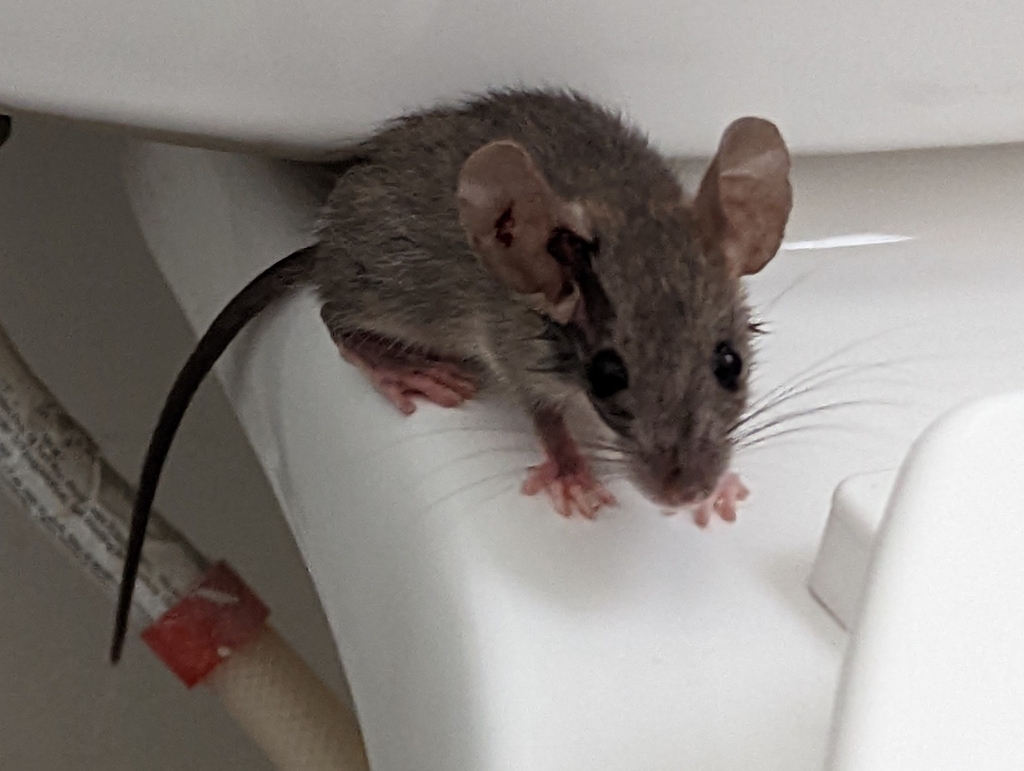
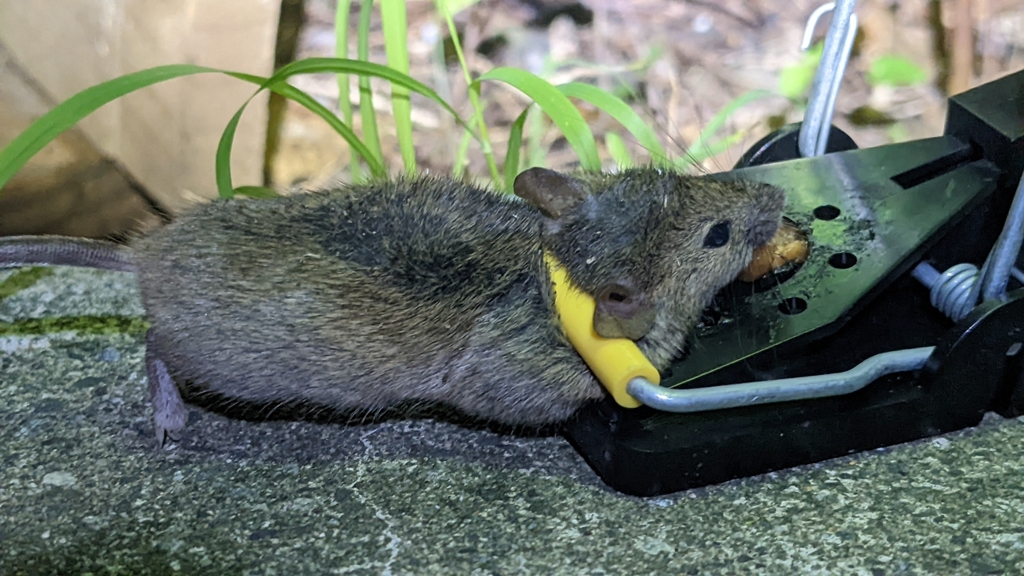

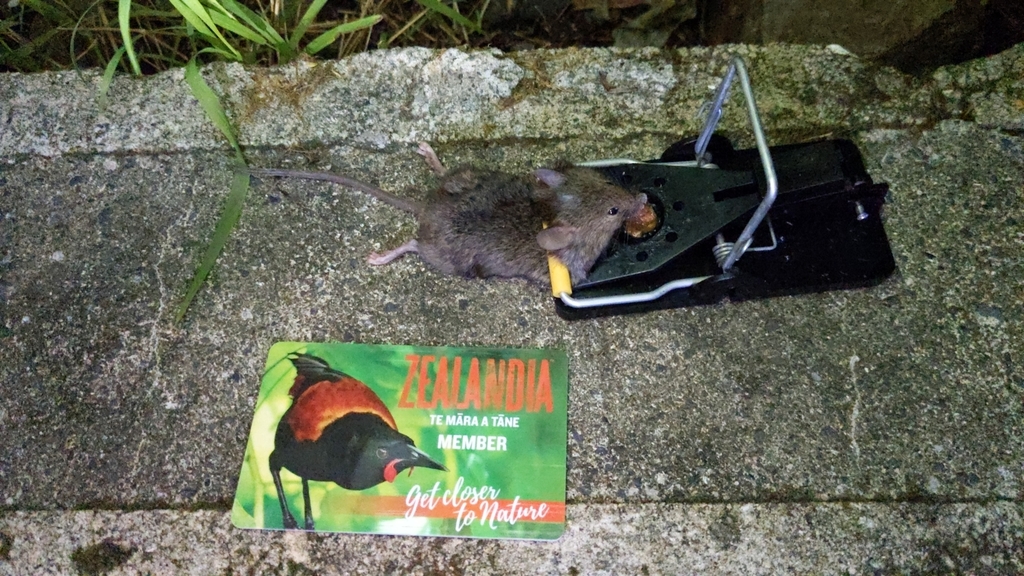
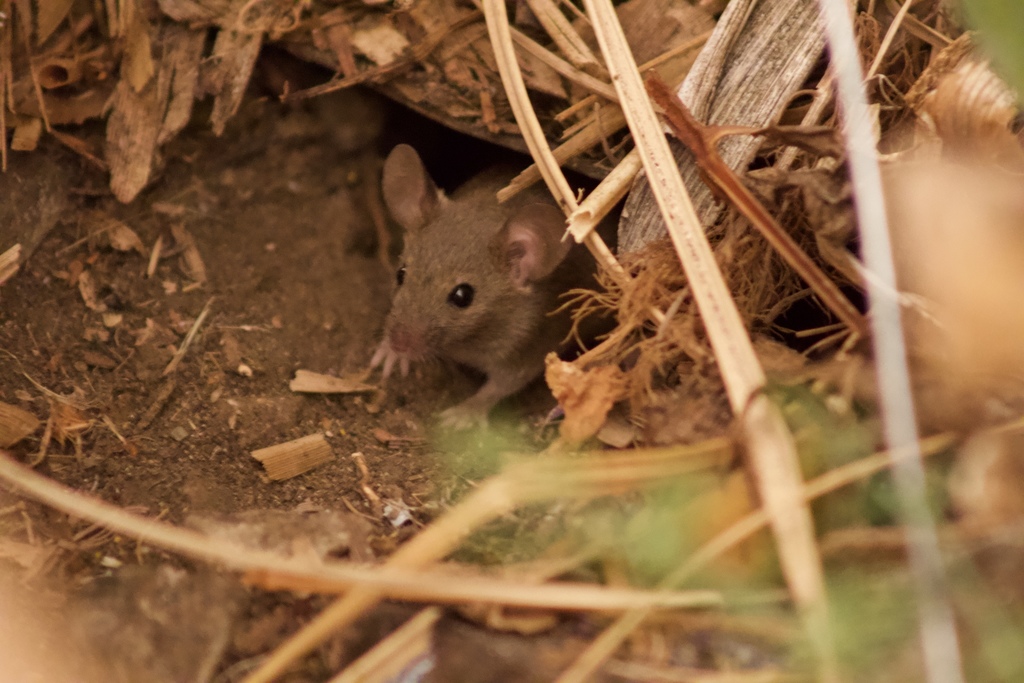
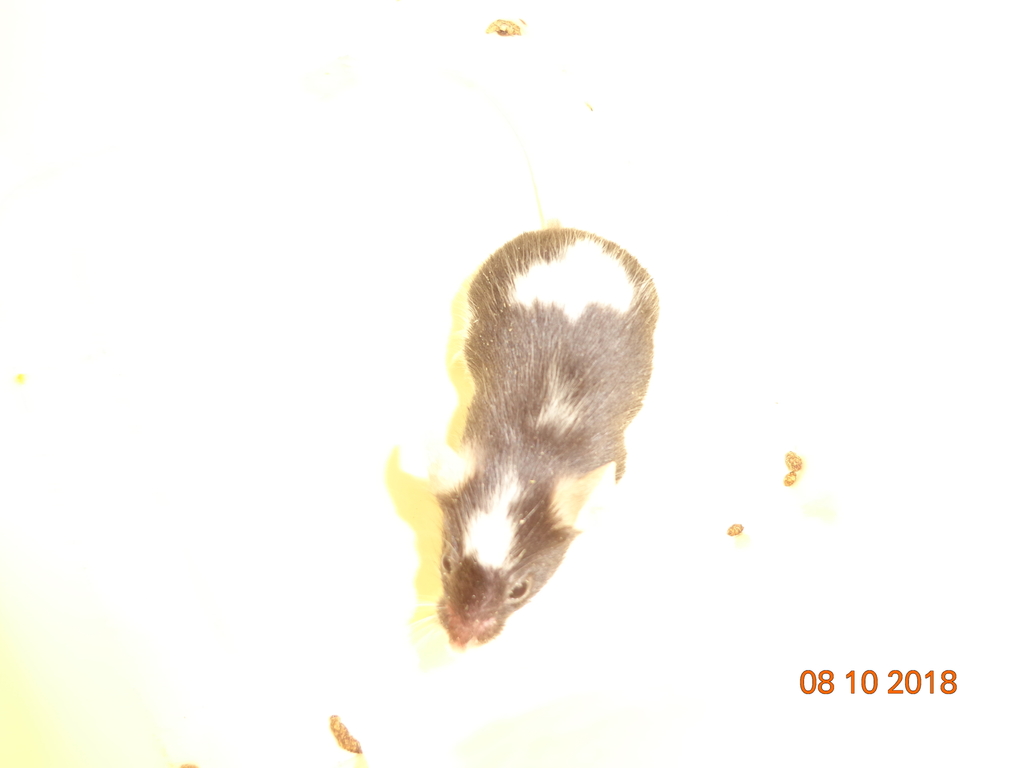
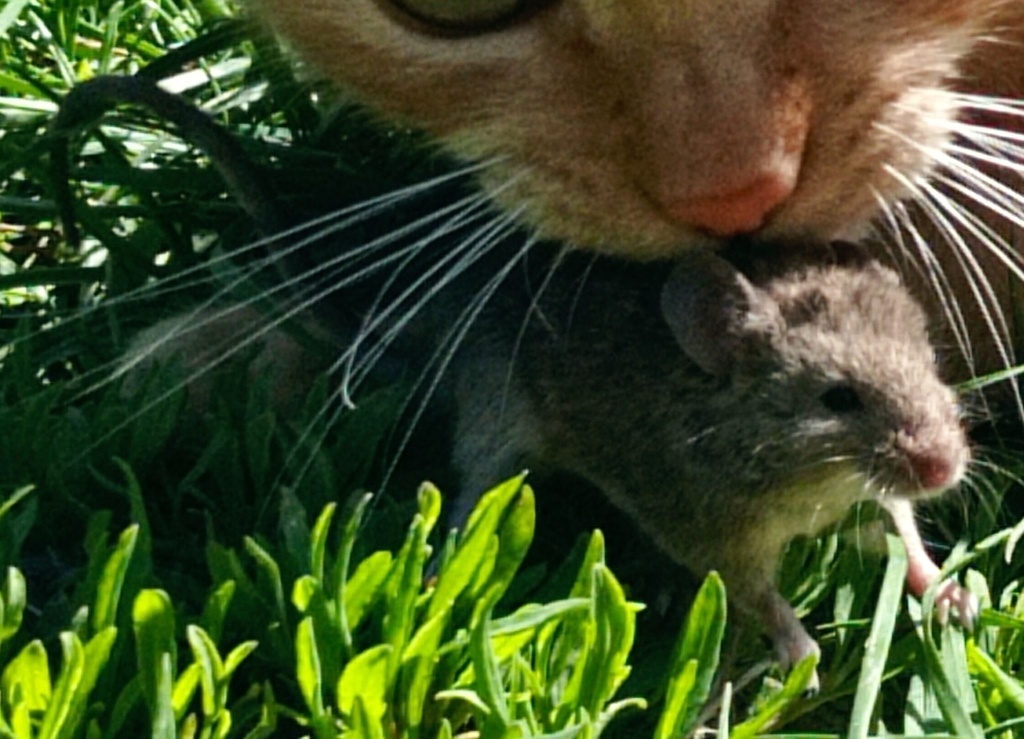
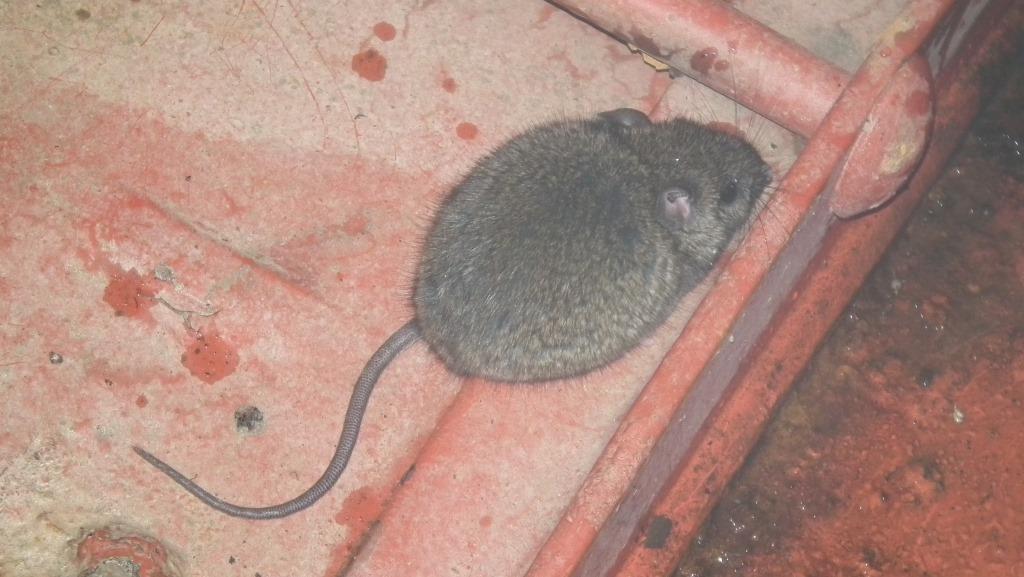
Its closest relatives
The other species of the genus Mus.

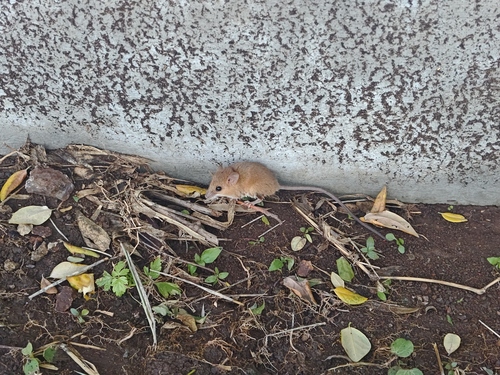
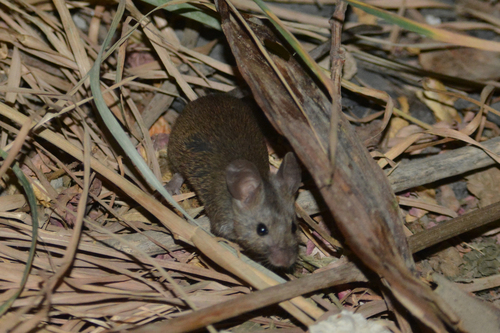
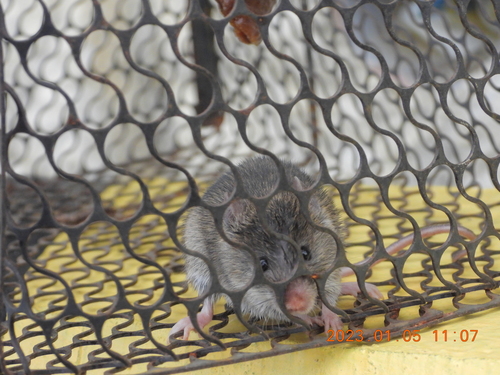
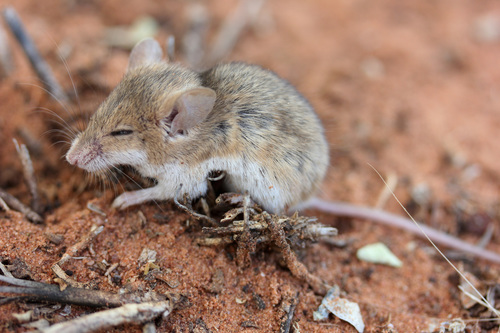
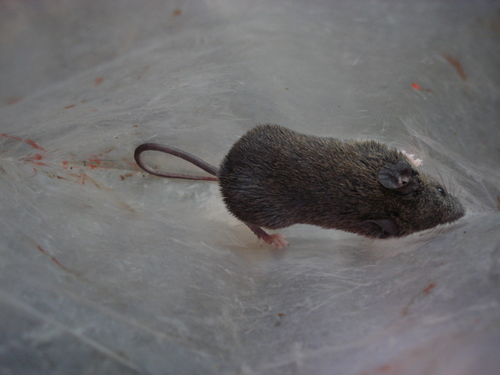
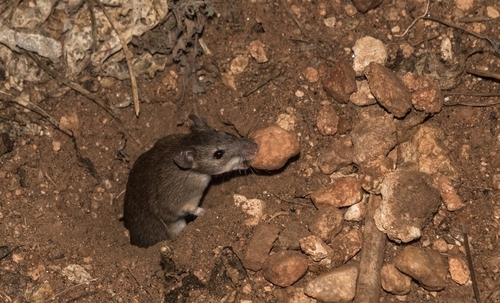
Seen a house Mouse?
Share your photo on iNaturalist. Other naturalists help confirm it, and the record goes to GBIF, where scientists use it and where the maps on this page come from.
Put this species on your site
The card names every source and links back here.
<iframe src="https://4planetatlas.com/place/embed/species/house-mouse" title="House Mouse (Mus musculus), 4PLANET Species" width="100%" height="600" style="border:0;max-width:640px" loading="lazy"></iframe>
<p><a href="https://4species.com/house-mouse">House Mouse on 4PLANET Species</a></p>Explore next
What puts the house Mouse under pressure, what helps, and who works on it.




Questions people ask
What does the House Mouse eat?
The House Mouse has been recorded eating 25 different kinds of animals and plants, most of them plants, birds, bacteria and spiders and mites. The ones recorded most often are broad-billed prion, johnson grass, common yellowthroat, dacrydium cupressinum and kikuyo grass; records include animals eaten as carrion. Source: GloBI.
What eats the House Mouse?
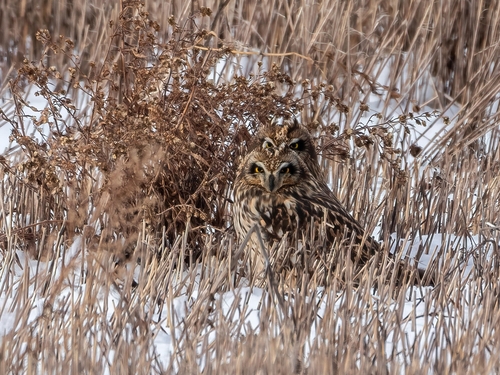
Recorded predators include red fox, common kestrel, western barn owl, short-eared owl and black-shouldered kite. Source: GloBI.
Where does the House Mouse live?
People have recorded it in 97 countries; the most records come from United States, New Zealand, Australia, Canada and United Kingdom. Records show where people have seen it, not its full range.
When is the House Mouse seen most?
In the northern hemisphere, the most records are made in October and the fewest in March. More people outdoors also means more records.
What are the House Mouse's closest relatives?
It shares the genus Mus with african pygmy mouse, little indian field mouse, macedonian mouse, ryukyu mouse and fawn-colored mouse.
Sources and photo credits
- House Mouse (Mus musculus): Guerric Haché, CC0
- House Mouse (Mus musculus), Land Park: Justin, CC BY 4.0
- House Mouse (Mus musculus), Onslow Alms - Onslow Road (opposite), Khandallah, Wellington 6035, New Zealand: Svend Hansen, CC BY 4.0
- House Mouse (Mus musculus), Lansdowne, Masterton, New Zealand: Christopher Stephens, CC BY-SA 4.0
- House Mouse (Mus musculus), Onslow Alms - Onslow Road (opposite), Khandallah, Wellington 6035, New Zealand: Svend Hansen, CC BY 4.0
- House Mouse (Mus musculus), Mission District, San Francisco, CA, USA: Arvel Hernandez, CC BY-SA 4.0
- House Mouse (Mus musculus), South Cape DC, South Africa: Ludwig Muller, CC0
- House Mouse (Mus musculus), Хобултова, Волинська область, Україна, 44760: Maksymilian Bobko, CC BY 4.0
- House Mouse (Mus musculus), Pretoria - Voortrekker Rd: Shaun Swanepoel, CC BY 4.0
- Broad-billed prion: no rights reserved, uploaded by Peter de Lange, CC0
- Johnson grass: Harry Rose, CC BY 4.0
- Common yellowthroat: no rights reserved, uploaded by David Bird, CC0
- Dacrydium cupressinum: Ben, CC BY 4.0
- Kikuyo grass: Harry Rose, CC BY 4.0
- Giant ragweed: no rights reserved, CC0
- Tree mallow: avocat, CC BY 4.0
- Bottlebrush grass: Douglas Goldman, CC BY-SA 4.0
- Red fox: Алина Урусова, CC BY 4.0
- Common kestrel: Thorsten Hackbarth, CC BY 4.0
- Western barn owl: john.purvis, CC BY 4.0
- Short-eared owl: Derek Spencer, CC BY 4.0
- Black-shouldered kite: Heath Hunter, CC BY 4.0
- Grey wolf: Andrew Simon, CC BY 4.0
- Leopard: Raja bandi, CC BY 4.0
- Wild boar: SteveM4560, CC BY 4.0
- African pygmy mouse: no rights reserved, uploaded by Andrew Deacon, CC0
- Little Indian field mouse: vedant mhatre, CC BY 4.0
- Macedonian mouse: Mohammad Amin Ghaffari, CC BY 4.0
- Ryukyu mouse: Heng Chian Li, CC BY 4.0
- Desert pygmy mouse: Ryan van Huyssteen, CC BY 4.0
- Gairdner's shrewmouse: Priya.tamma, CC BY-SA 4.0
- Flat-haired mouse: awayk3n, CC BY 4.0
Records show where people have seen and shared the House Mouse, not its full range, and some countries and months are recorded far more than others. The food web lists interactions that studies have recorded somewhere in the world (GloBI), not everything it eats in one place.
Checked 2026-11-24.