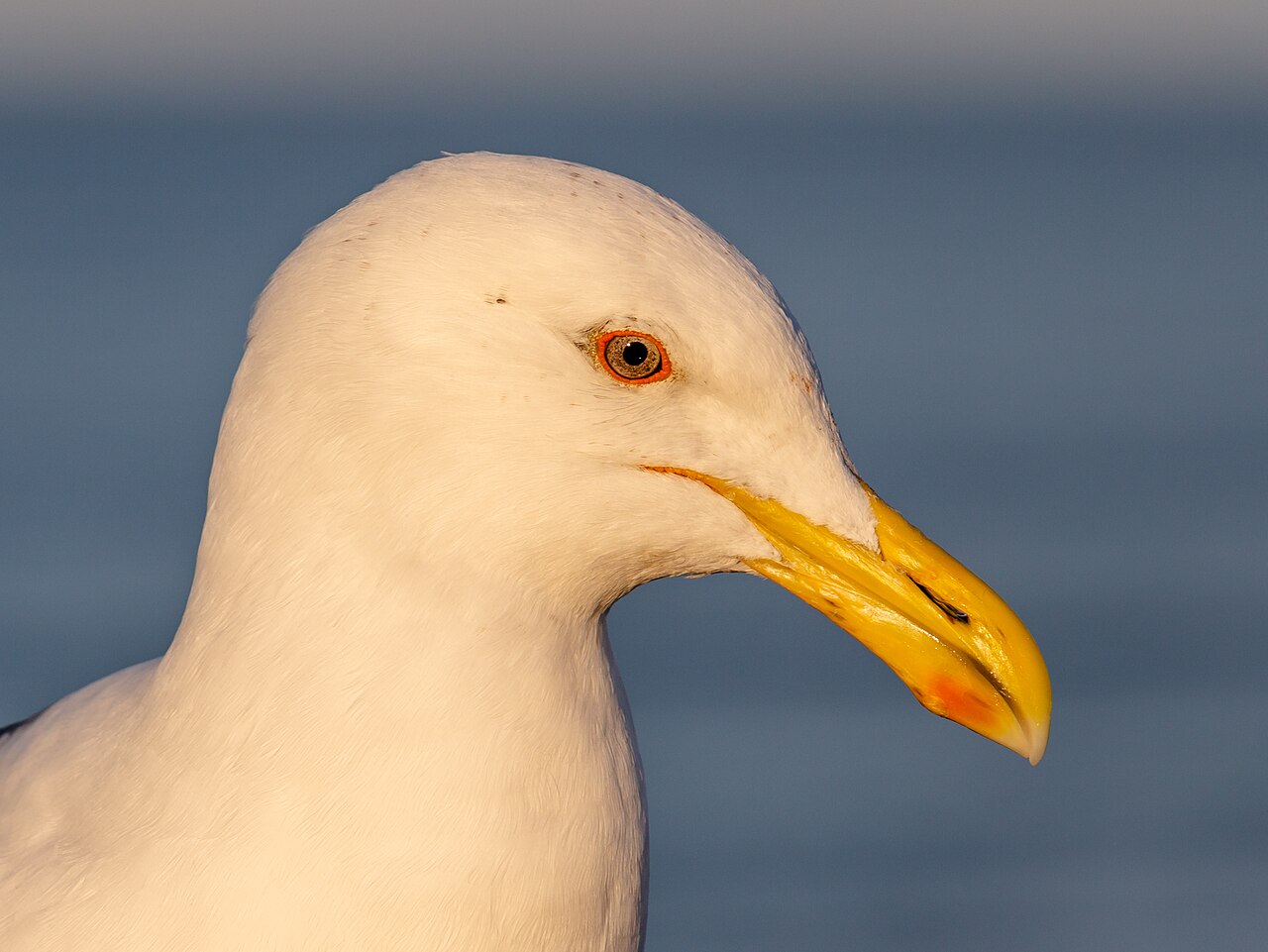
Kelp gull
Larus dominicanus
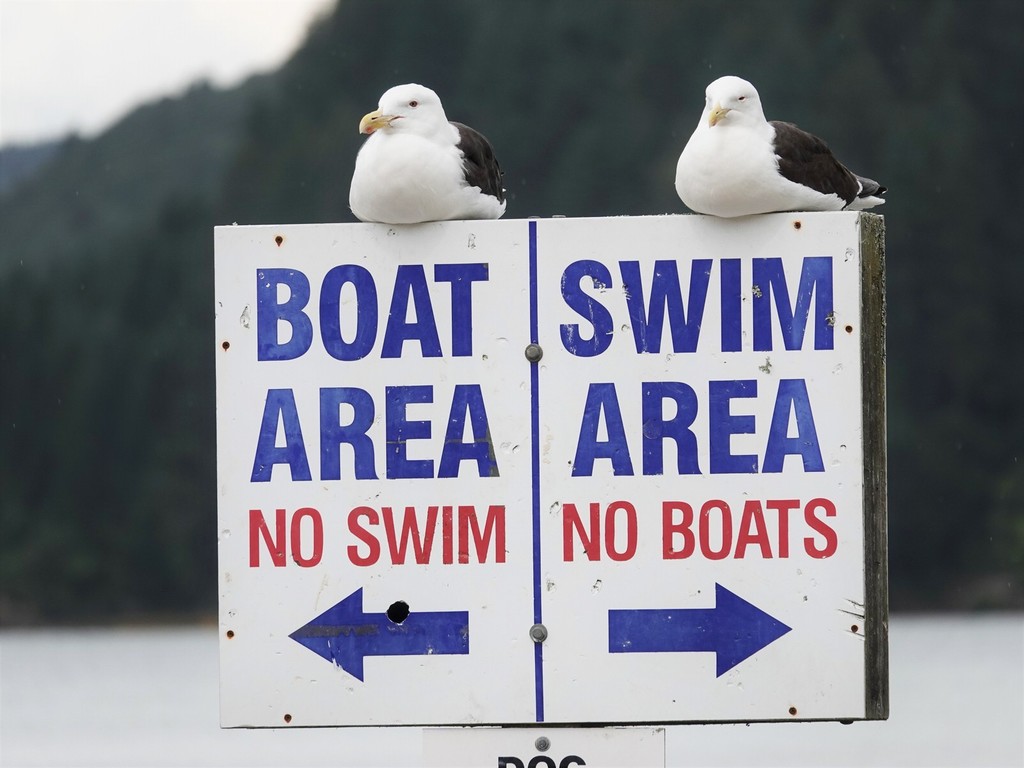
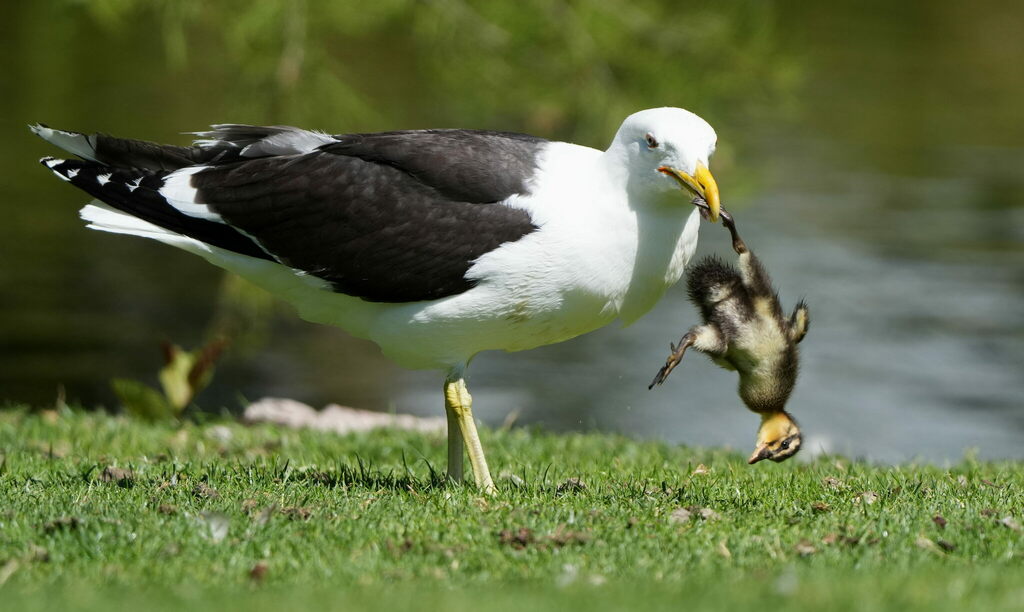
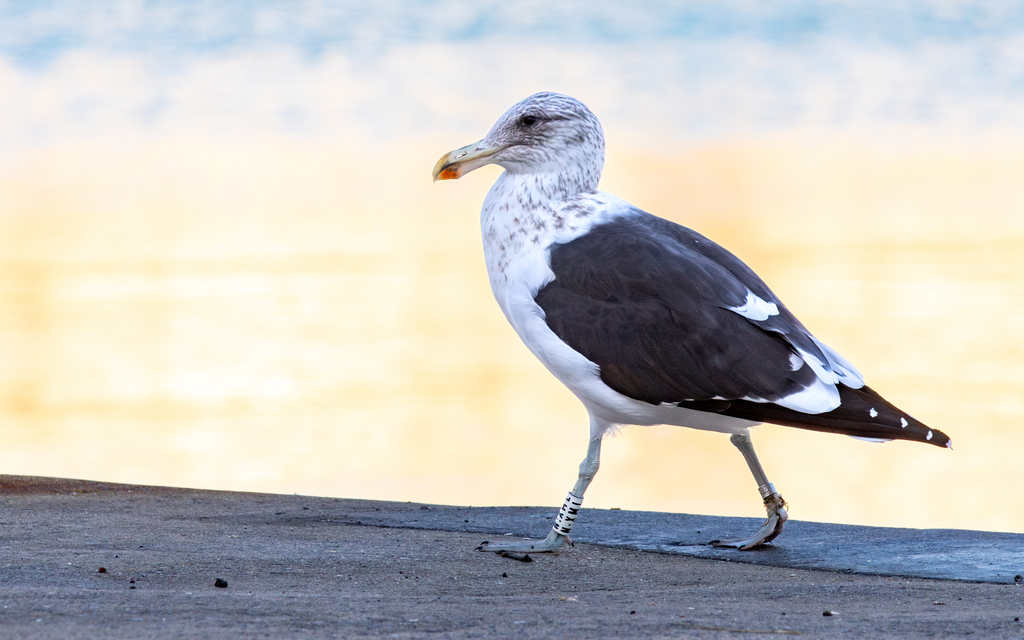
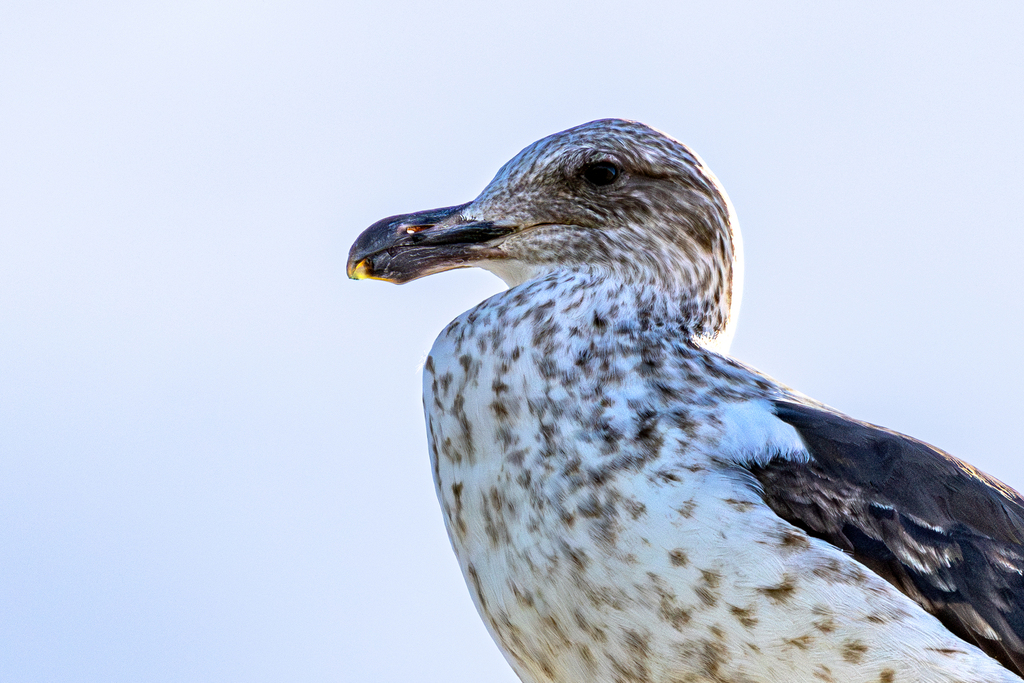
A big gull with a black back, common on southern coasts.
- Status
- Least Concern IUCN Red List
- Eats
- brown rat, chilean round ray, large kelpfish and 115 more
- Eaten by
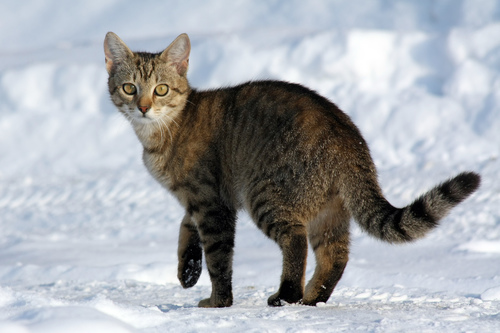
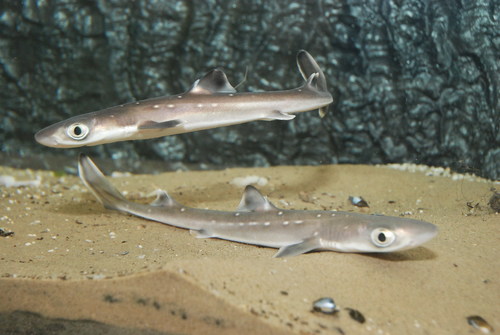
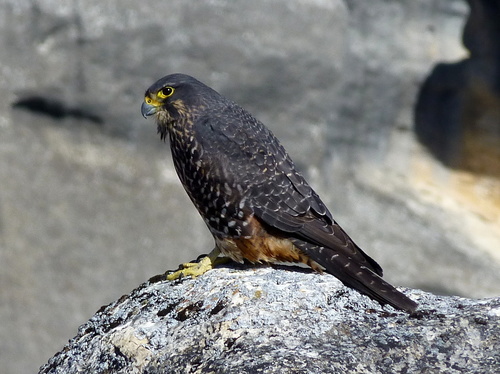
- cat, spurdog, new zealand falcon
- Where
- 46 countries
On 4Planet Atlas it is among the wildlife people record most around Auckland, Buenos Aires and Cape Town, and 7 more of the cities we cover.
People have shared 702,445 records of the kelp gull with GBIF, from 46 countries, most of them from New Zealand, Chile and Argentina. Records collected by GloBI show it eating 118 different kinds of animals and plants, and being eaten by 6.
What the kelp gull eats, and what eats it
Studies have recorded it eating 118 kinds of animals and plants, and 6 kinds of animals eating it. Tap any of them to follow the food chain.
- Snails and slugs 23
- Fish 23
- Crustaceans 18
- Shellfish 11
- Mammals 10
- Birds 6
- Sharks and rays 3
 Kelp gull
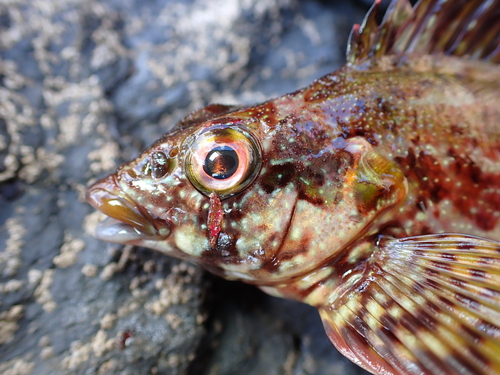
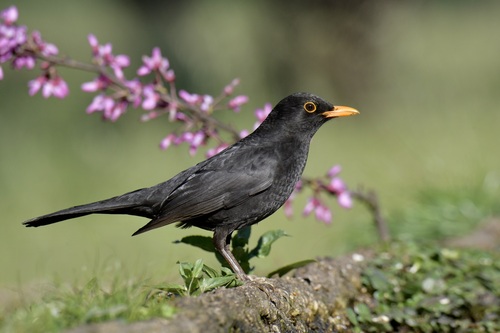
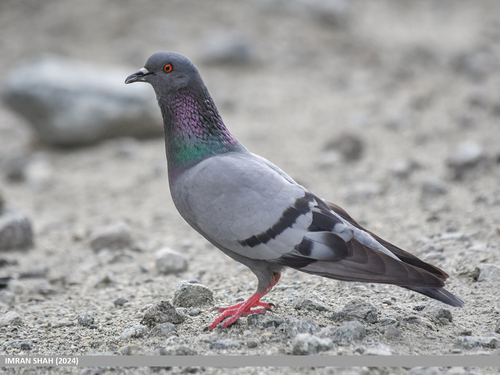
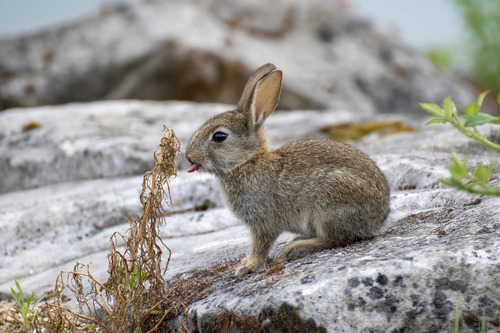
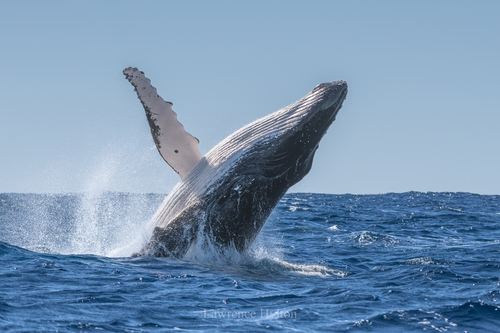
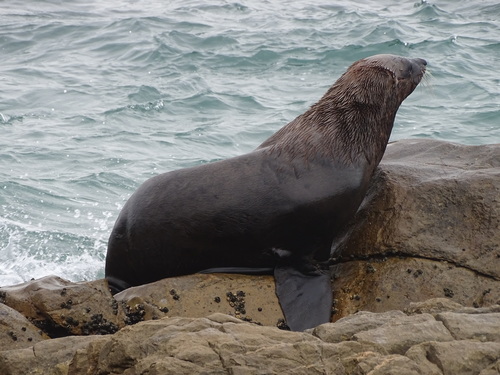
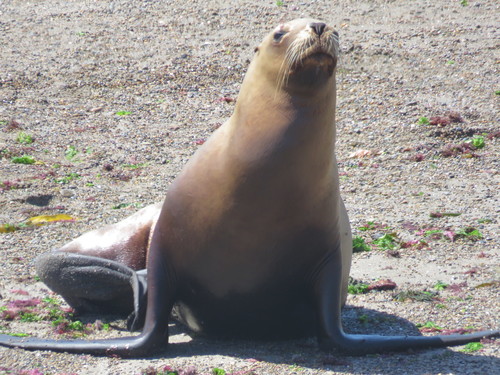
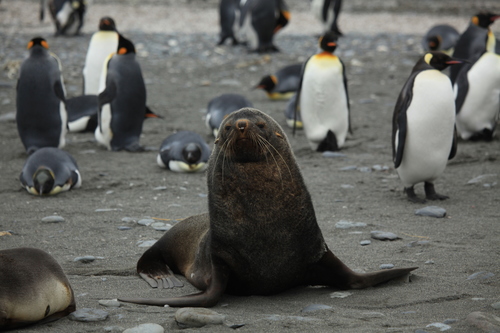
Records from studies worldwide, collected by GloBI. They include animals eaten as carrion, and they are not everything it eats in one place.
Where people see the kelp gull
People have shared 702,445 records from 46 countries.
Near a city: Auckland, Buenos Aires, Cape Town, Lima, Luanda, Maputo, Montevideo, Rio de Janeiro, Santiago, Wellington.
Records show where people have seen it and shared it, not its full range. Country names open their page in Atlas.
When it is seen
Records per month in the southern hemisphere. More people outdoors also means more records.
Watch and listen
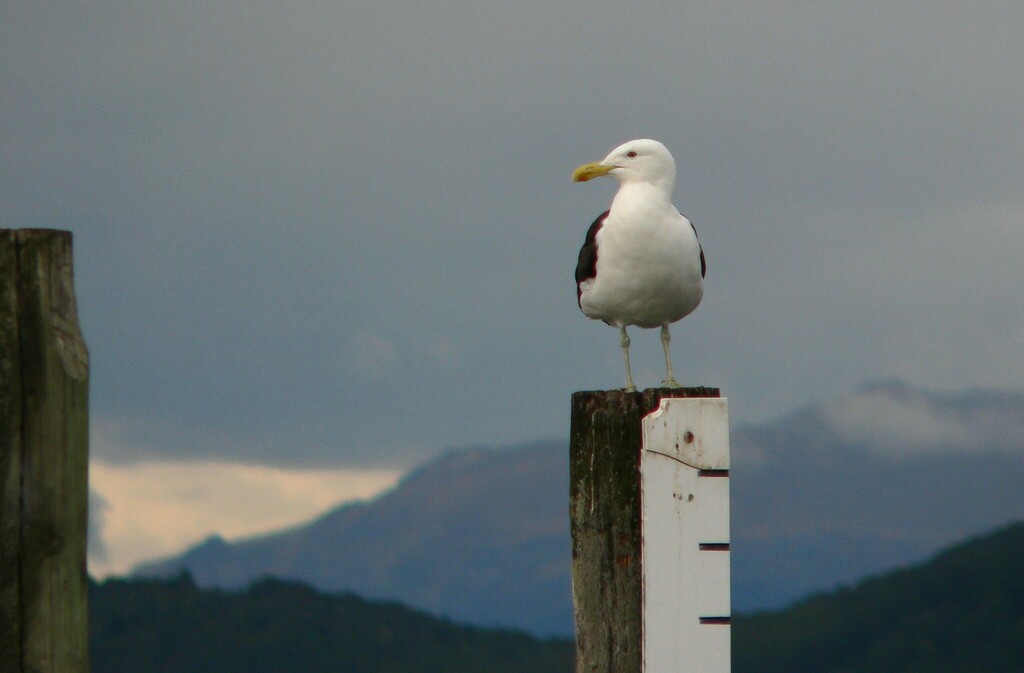
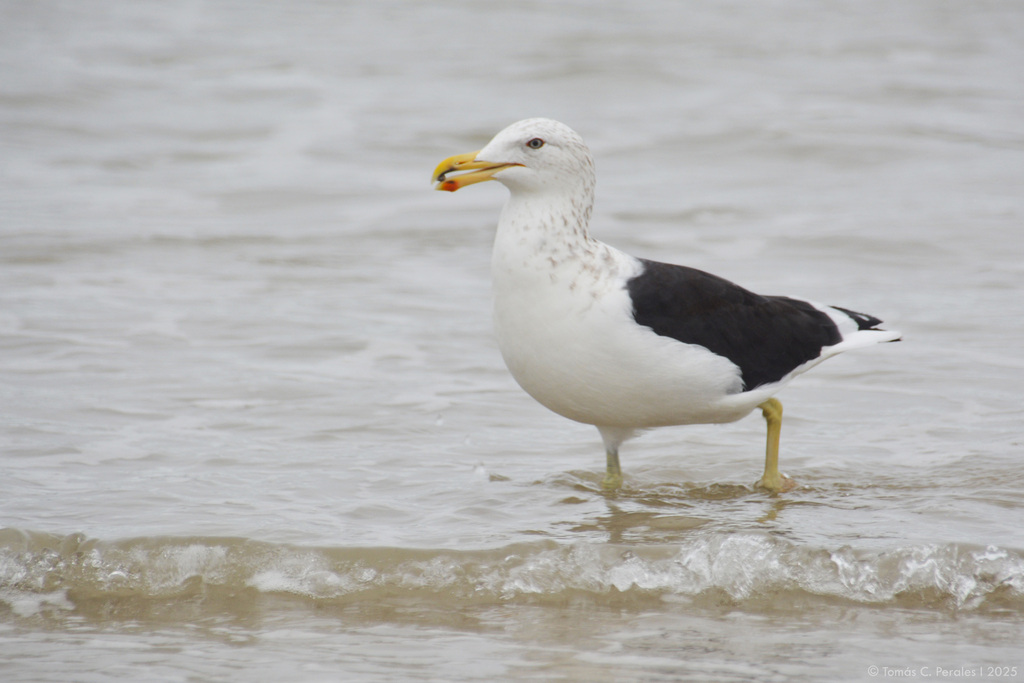
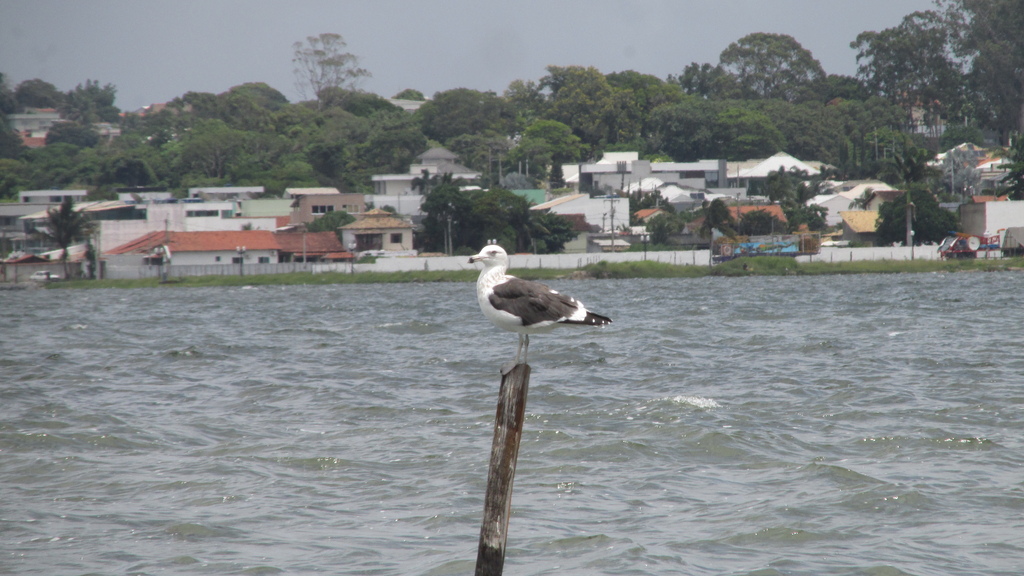
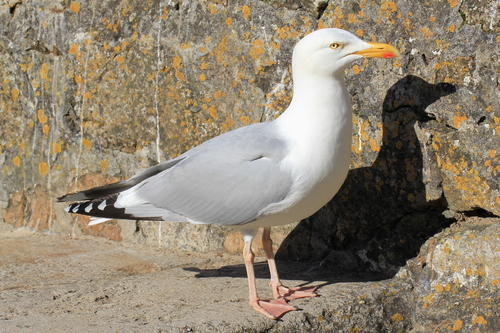
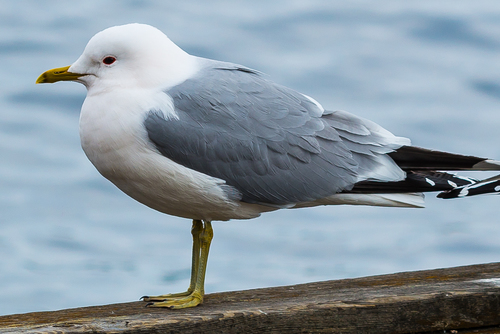
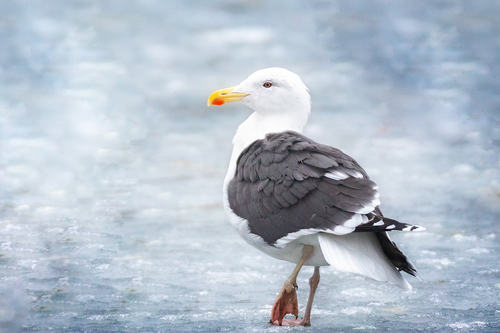
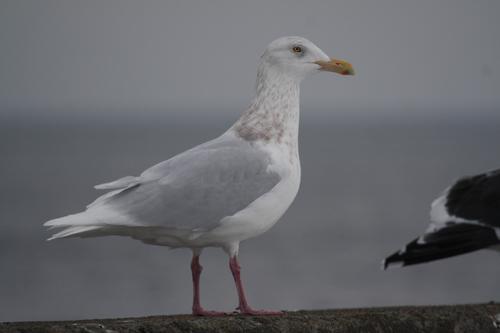
Its closest relatives
The other species of the genus Larus.

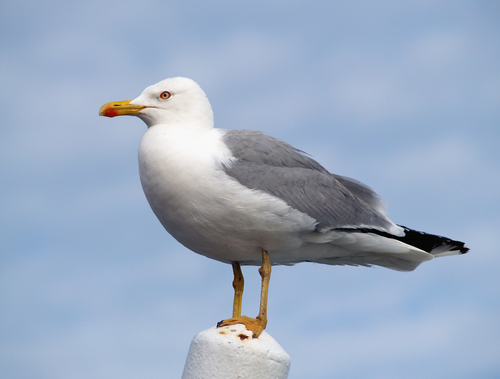
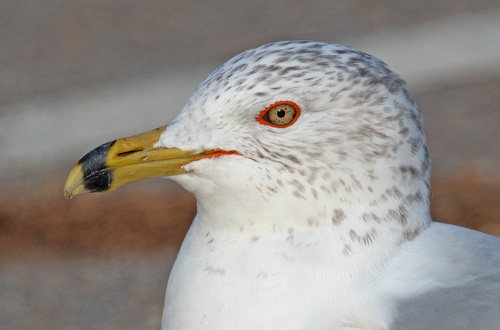
Seen a kelp gull?
Share your photo on iNaturalist. Other naturalists help confirm it, and the record goes to GBIF, where scientists use it and where the maps on this page come from.
Put this species on your site
The card names every source and links back here.
<iframe src="https://4planetatlas.com/place/embed/species/kelp-gull" title="Kelp gull (Larus dominicanus), 4PLANET Species" width="100%" height="600" style="border:0;max-width:640px" loading="lazy"></iframe>
<p><a href="https://4species.com/kelp-gull">Kelp gull on 4PLANET Species</a></p>Questions people ask
What does the kelp gull eat?
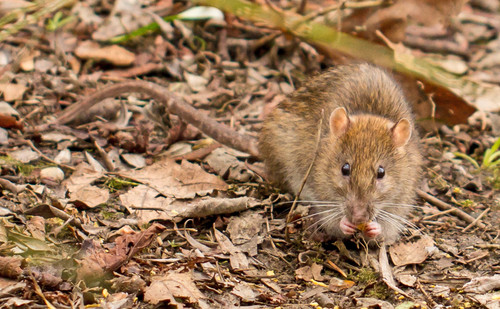
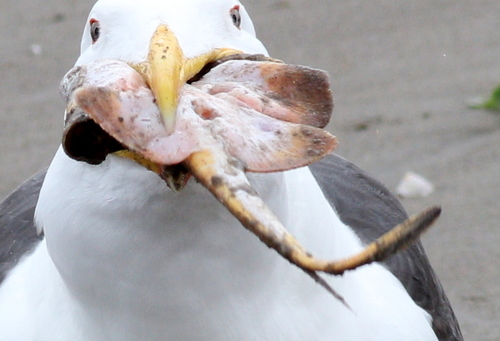
The kelp gull has been recorded eating 118 different kinds of animals and plants, most of them snails and slugs, fish, crustaceans and shellfish. The ones recorded most often are brown rat, chilean round ray, large kelpfish, cat and common blackbird; records include animals eaten as carrion. Source: GloBI.
What eats the kelp gull?
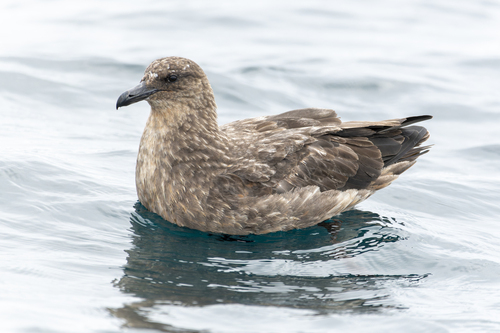
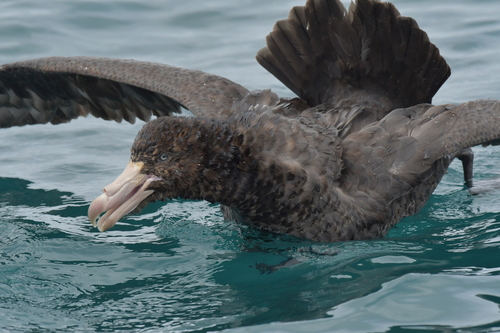
Recorded predators include cat, spurdog, new zealand falcon, chilean skua and northern giant petrel. Source: GloBI.
Where does the kelp gull live?
People have recorded it in 46 countries; the most records come from New Zealand, Chile, Argentina, South Africa and Australia. Records show where people have seen it, not its full range.
When is the kelp gull seen most?
In the southern hemisphere, the most records are made in January and the fewest in June. More people outdoors also means more records.
What are the kelp gull's closest relatives?
It shares the genus Larus with european herring gull, common gull, great black-backed gull, caspian gull and glaucous gull.
Sources and photo credits
- GBIF · Larus dominicanus, 702,445 human observations
- GloBI · recorded interactions of Larus dominicanus
- Wikidata · Kelp gull (Q1127687)
- Kelp gull (Larus dominicanus): Michal Klajban, CC BY-SA 4.0
- Kelp gull (Larus dominicanus), Lake Tikitapu, Whakarewarewa, Rotorua, New Zealand: Jacqui Geux, CC BY 4.0
- Kelp gull (Larus dominicanus), Christchurch Central City, Christchurch, New Zealand: William Harland, CC BY 4.0
- Kelp gull (Larus dominicanus), Laredo, Cantabria, España: Diego González Dopico, CC BY 4.0
- Kelp gull (Larus dominicanus), Cantabria, ES-CB, ES: Diego González Dopico, CC BY 4.0
- Kelp gull (Larus dominicanus), Southland District, Southland, New Zealand: Ian Rainbow, CC BY 4.0
- Kelp gull (Larus dominicanus), La Lucila, Provincia de Buenos Aires, Argentina: Mariano Cosentino, CC BY 4.0
- Kelp gull (Larus dominicanus), Acores, Florianópolis - State of Santa Catarina, Brasil: Tomás Carranza Perales, CC BY 4.0
- Kelp gull (Larus dominicanus), Araruama - State of Rio de Janeiro, Brazil: David Dias, CC BY 4.0
- Brown rat: Martin Cooper, CC BY 4.0
- Chilean round ray: Jan Ebr & Ivana Ebrová, CC BY 4.0
- Large kelpfish: Saryu Mae 前 朝琉, CC BY 4.0
- Cat: Von.grzanka, CC BY-SA 4.0
- Common blackbird: Luiz Lapa, CC BY 4.0
- Rock dove: Birds of Gilgit-Baltistan, CC BY-SA 4.0
- European rabbit: Alexis Lours, CC BY 4.0
- Humpback whale: Lawrence Hylton, CC BY 4.0
- Brown fur seal: Shaun Swanepoel, CC BY 4.0
- Spurdog: Ecomare/Salko de Wolf, CC BY-SA 4.0
- South American sea lion: no rights reserved, uploaded by Diego Carús, CC0
- Antarctic fur seal: Liam Quinn, CC BY-SA 4.0
- New zealand falcon: Murray Dawson, CC BY 4.0
- Chilean skua: David F. Belmonte, CC BY 4.0
- Northern giant petrel: Christopher Stephens, CC BY-SA 4.0
- European herring gull: Stu's Images, CC BY-SA 4.0
- Common gull: Bengt Nyman, CC BY 4.0
- Great black-backed gull: egorbirder, CC BY 4.0
- Caspian gull: Katya, CC BY 4.0
- Glaucous gull: Alastair Rae, CC BY-SA 4.0
- Yellow-legged gull: Jörg Hempel, CC BY-SA 4.0
- Iceland gull: Elizabeth Axley, CC BY 4.0
- Ring-billed gull: Judy Gallagher, CC BY-SA 4.0

Records show where people have seen and shared the kelp gull, not its full range, and some countries and months are recorded far more than others. The food web lists interactions that studies have recorded somewhere in the world (GloBI), not everything it eats in one place.
Checked 2026-11-22.