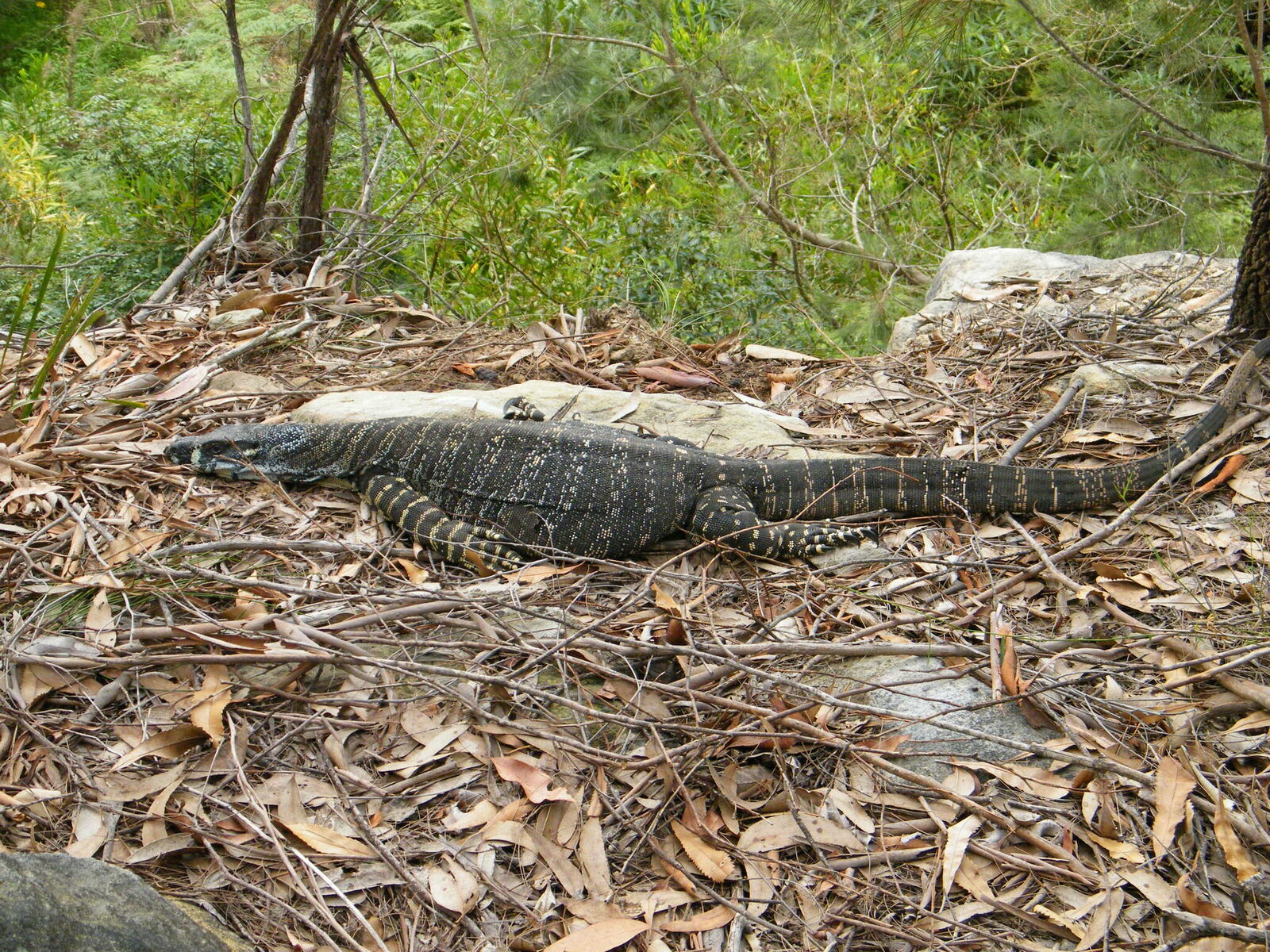
Lace monitor
Varanus varius
- Status
- Least Concern IUCN Red List
- Eats
- red fox, Australian brushturkey, swamp wallaby and 16 more
- Eaten by
- grey wolf
- Where
- 1 countries · great Barrier Reef
People have shared 14,342 records of the lace monitor with GBIF, from 1 countries, most of them from Australia. Records collected by GloBI show it eating 19 different kinds of animals and plants, and being eaten by 1.
In the southern hemisphere, people record it most in October and least in June. It belongs to the genus Varanus in the family Varanidae.
Habitats
What the lace monitor eats, and what eats it
Studies have recorded it eating 19 kinds of animals and plants, and 1 kinds of animals eating it. Tap any of them to follow the food chain.
- Mammals 8
- Birds 6
- Fish 2
- Reptiles 2
- Amphibians 1
Eaten by
 Lace monitor

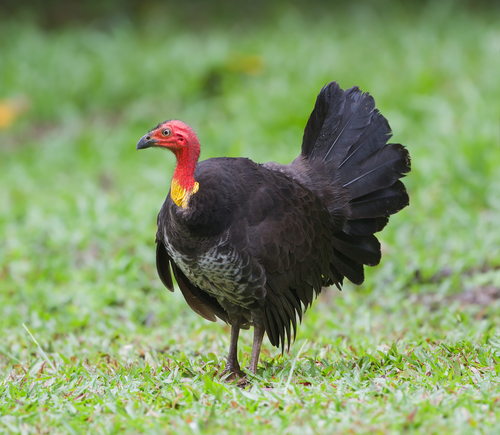
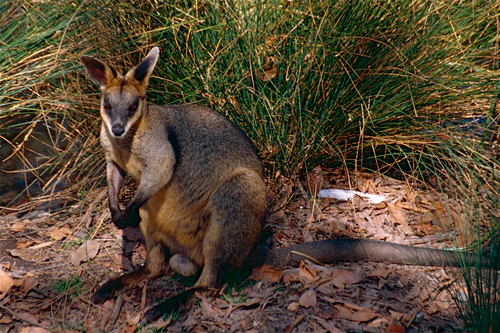
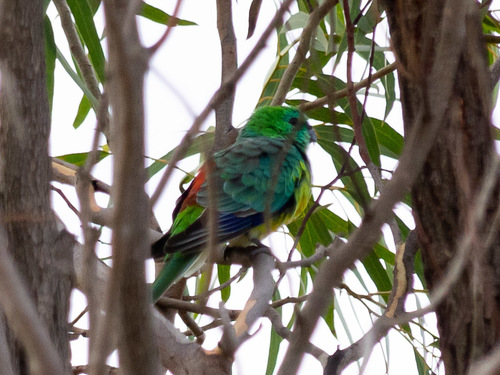
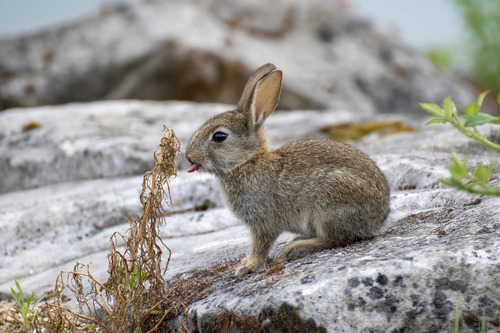
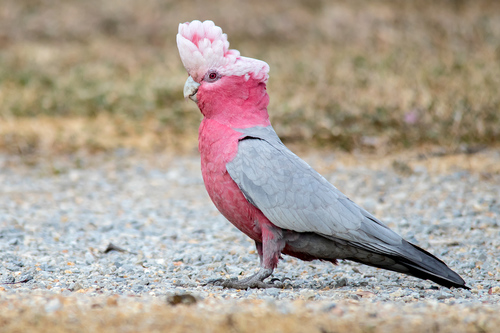
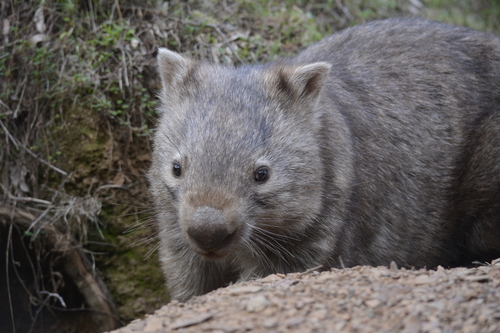
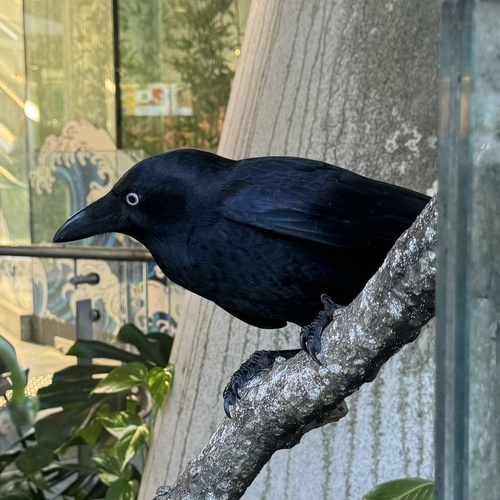

Records from studies worldwide, collected by GloBI. They include animals eaten as carrion, and they are not everything it eats in one place.
Where people see the lace monitor
People have shared 14,342 records from 1 countries.
Records show where people have seen it and shared it, not its full range. Country names open their page in Atlas.
When it is seen
Records per month in the southern hemisphere. More people outdoors also means more records.
Watch and listen
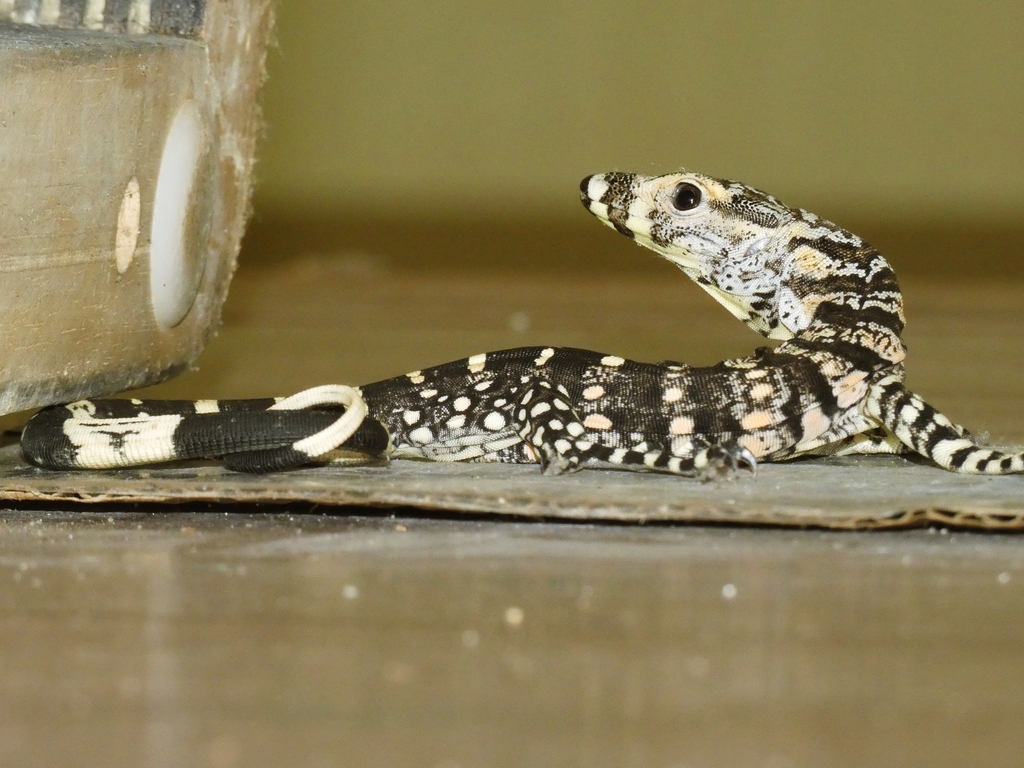
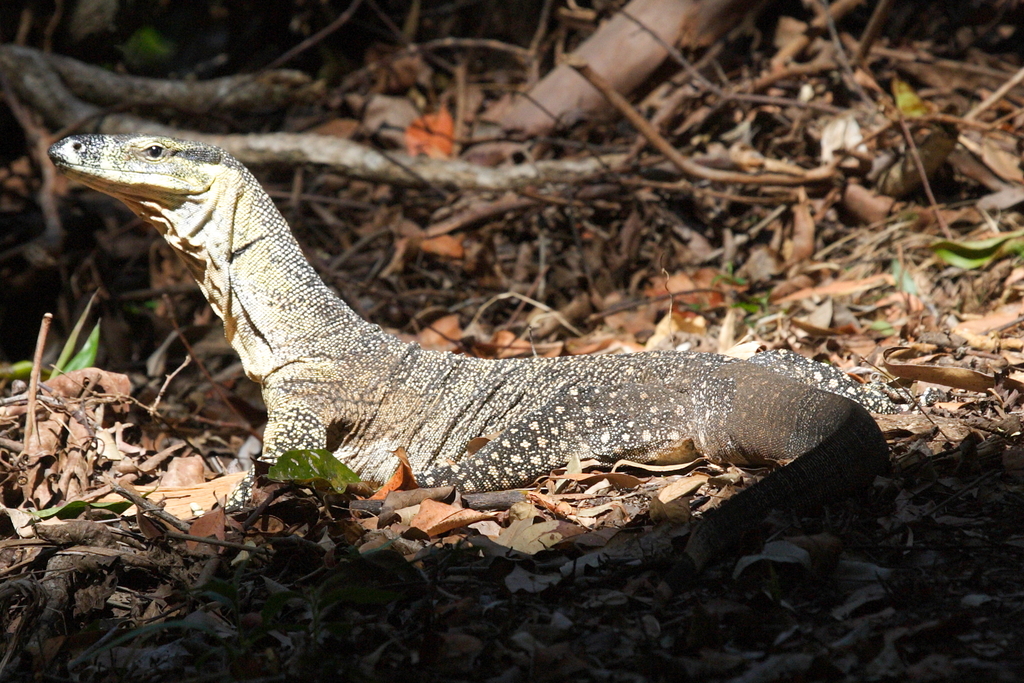
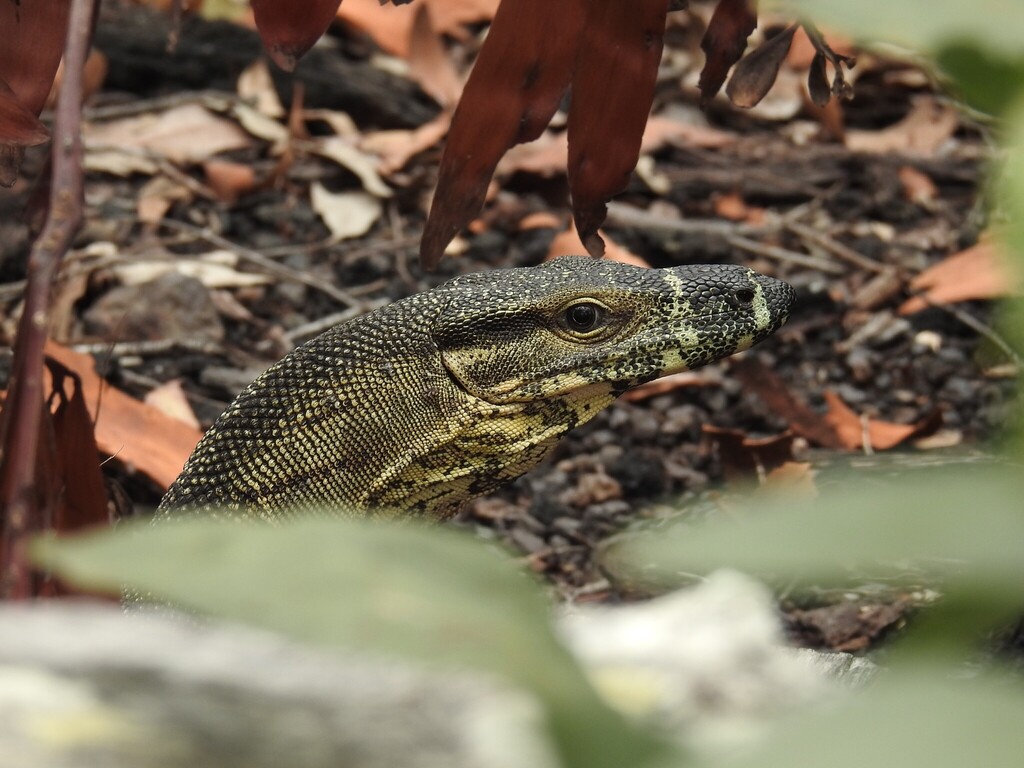
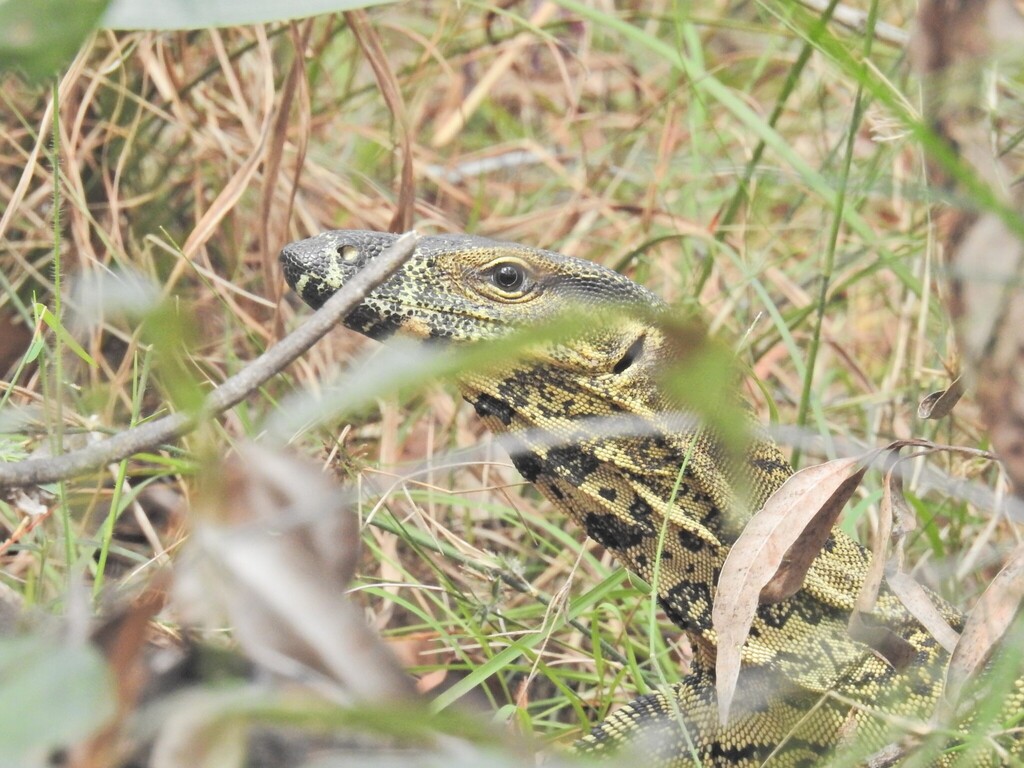
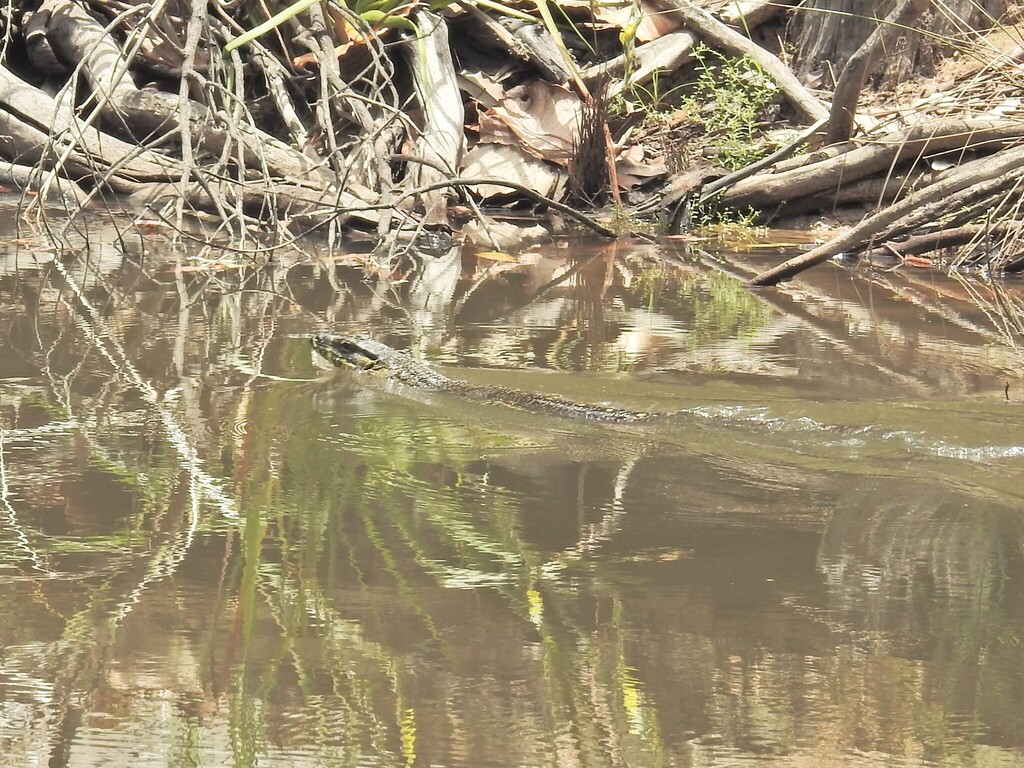
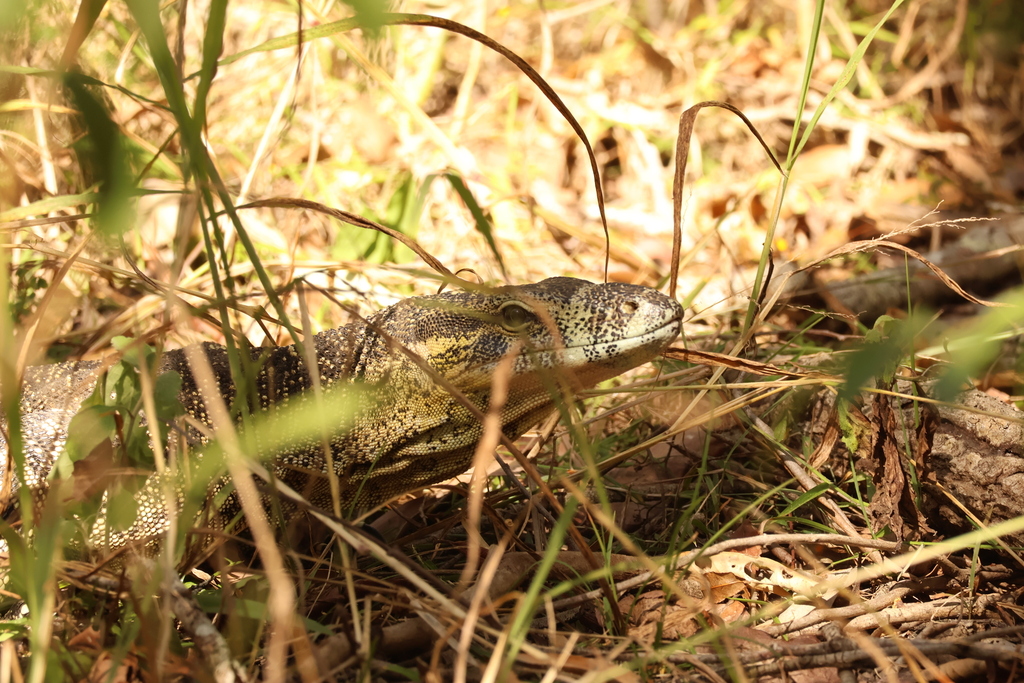
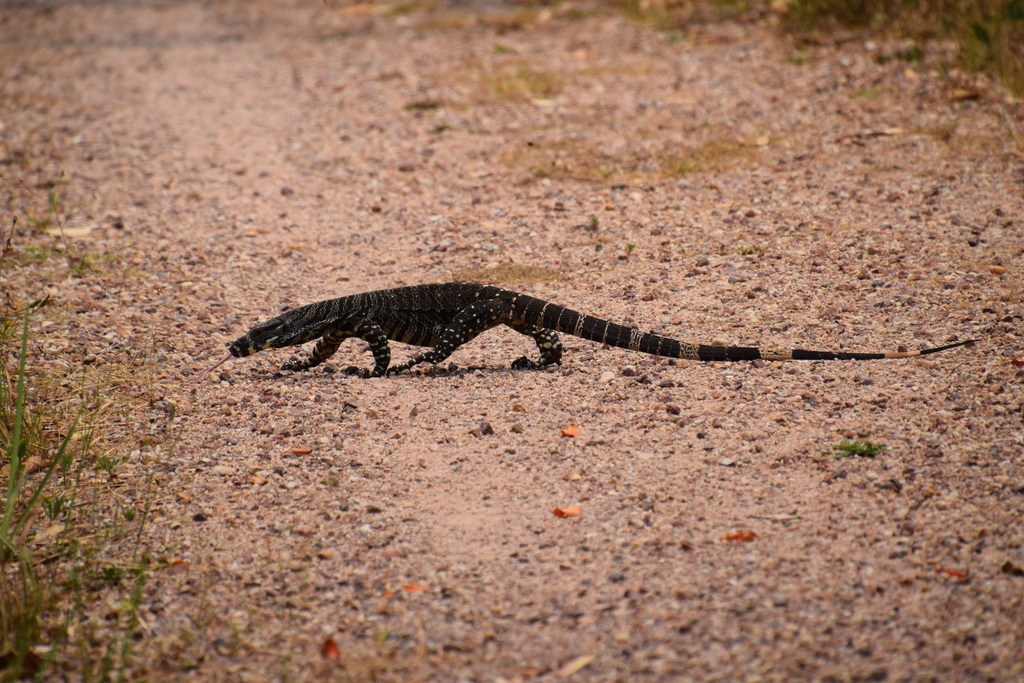
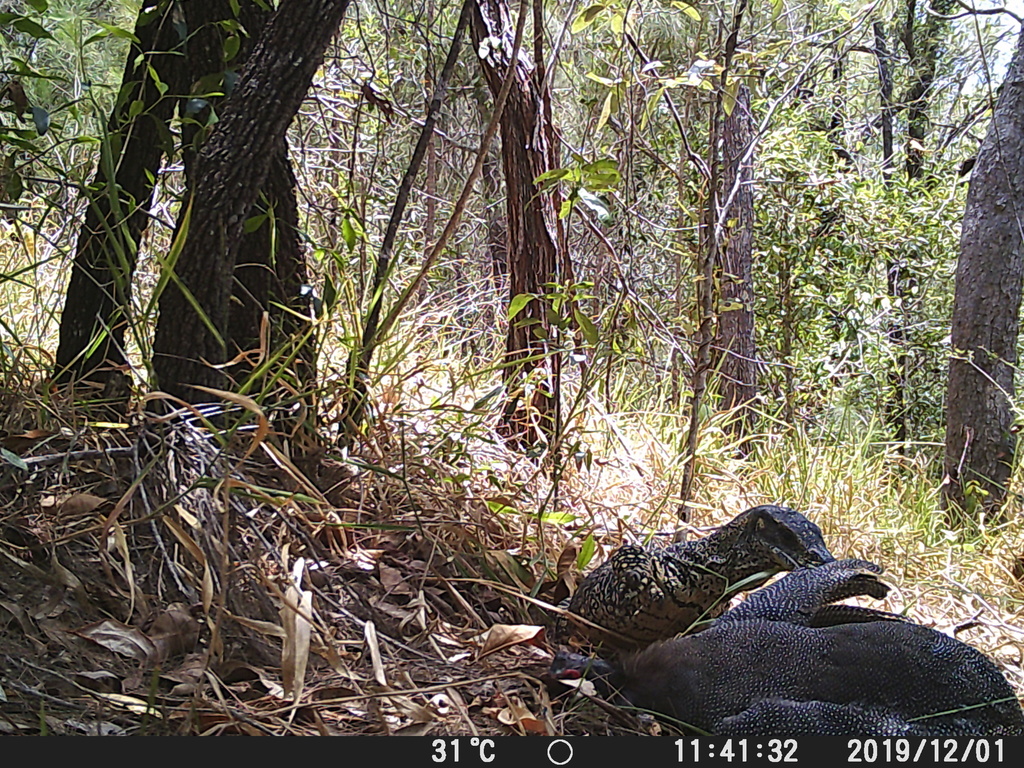
Its closest relatives
The other species of the genus Varanus.
Seen a lace monitor?
Share your photo on iNaturalist. Other naturalists help confirm it, and the record goes to GBIF, where scientists use it and where the maps on this page come from.
Put this species on your site
The card names every source and links back here.
<iframe src="https://4planetatlas.com/place/embed/species/lace-monitor" title="Lace monitor (Varanus varius), 4PLANET Species" width="100%" height="600" style="border:0;max-width:640px" loading="lazy"></iframe>
<p><a href="https://4species.com/lace-monitor">Lace monitor on 4PLANET Species</a></p>Explore next
What puts the lace monitor under pressure, what helps, and who works on it.




Questions people ask
What does the lace monitor eat?
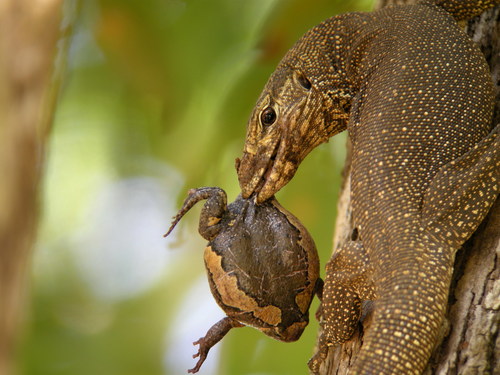
The lace monitor has been recorded eating 19 different kinds of animals and plants, most of them mammals, birds, fish and reptiles. The ones recorded most often are red fox, australian brushturkey, swamp wallaby, red-rumped parrot and european rabbit; records include animals eaten as carrion. Source: GloBI.
What eats the lace monitor?
Recorded predators include grey wolf. Source: GloBI.
Where does the lace monitor live?
People have recorded it in 1 countries; the most records come from Australia. Records show where people have seen it, not its full range.
When is the lace monitor seen most?
In the southern hemisphere, the most records are made in October and the fewest in June. More people outdoors also means more records.
What are the lace monitor's closest relatives?
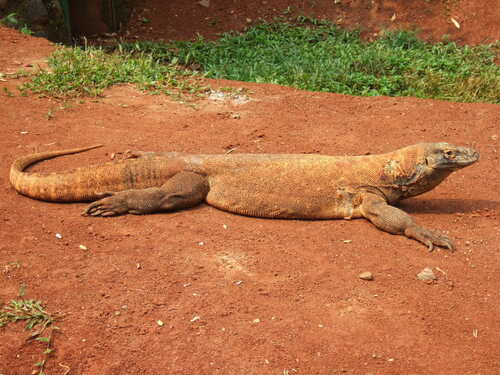
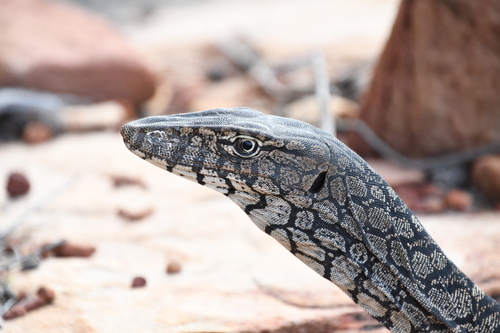
It shares the genus Varanus with komodo dragon, perentie, savannah monitor and clouded monitor.
Sources and photo credits
- GBIF · Varanus varius, 14,342 human observations
- GloBI · recorded interactions of Varanus varius
- Wikidata · Lace monitor (Q924941)
- Lace monitor (Varanus varius): Michael Zimmer, CC BY-SA 4.0
- Lace monitor (Varanus varius), Candlenut: Kai Squires, CC BY 4.0
- Lace monitor (Varanus varius), Queensland, Australia: Richard Fuller, CC0
- Lace monitor (Varanus varius), Talegalla Weir QLD 4650, Australia: Scott W. Gavins, CC BY 4.0
- Lace monitor (Varanus varius), Talegalla Weir QLD 4650, Australia: Scott W. Gavins, CC BY 4.0
- Lace monitor (Varanus varius), Talegalla Weir QLD 4650, Australia: Scott W. Gavins, CC BY 4.0
- Lace monitor (Varanus varius), Enoggera Reservoir QLD 4520, Australia: Patrick Connolly, CC BY 4.0
- Lace monitor (Varanus varius), Grants Beach Walking Trail and surrounding reserve behind Grants Beach, North Haven, New South Wales: Thomas Mesaglio, CC BY 4.0
- Lace monitor (Varanus varius), Kuranda, QLD, AU: Edward Bell, CC BY 4.0
- Red fox: Алина Урусова, CC BY 4.0
- Australian brushturkey: JJ Harrison, CC BY 4.0
- Swamp wallaby: Bernard DUPONT, CC BY-SA 4.0
- Red-rumped parrot: Terra Occ, CC BY 4.0
- European rabbit: Alexis Lours, CC BY 4.0
- Galah: Andrew Allen, CC BY 4.0
- Common wombat: Nathan Ruser, CC BY 4.0
- Torresian crow: Sockrosma, CC BY 4.0
- Buff-breasted paradise kingfisher: Kym Nicolson, CC BY 4.0
- Grey wolf: Andrew Simon, CC BY 4.0
- Komodo dragon: Midori, CC BY-SA 4.0
- Perentie: Thomas Mesaglio, CC BY 4.0
- Clouded monitor: Ian Dugdale, CC BY 4.0
Records show where people have seen and shared the lace monitor, not its full range, and some countries and months are recorded far more than others. The food web lists interactions that studies have recorded somewhere in the world (GloBI), not everything it eats in one place.
Checked 2026-11-27.