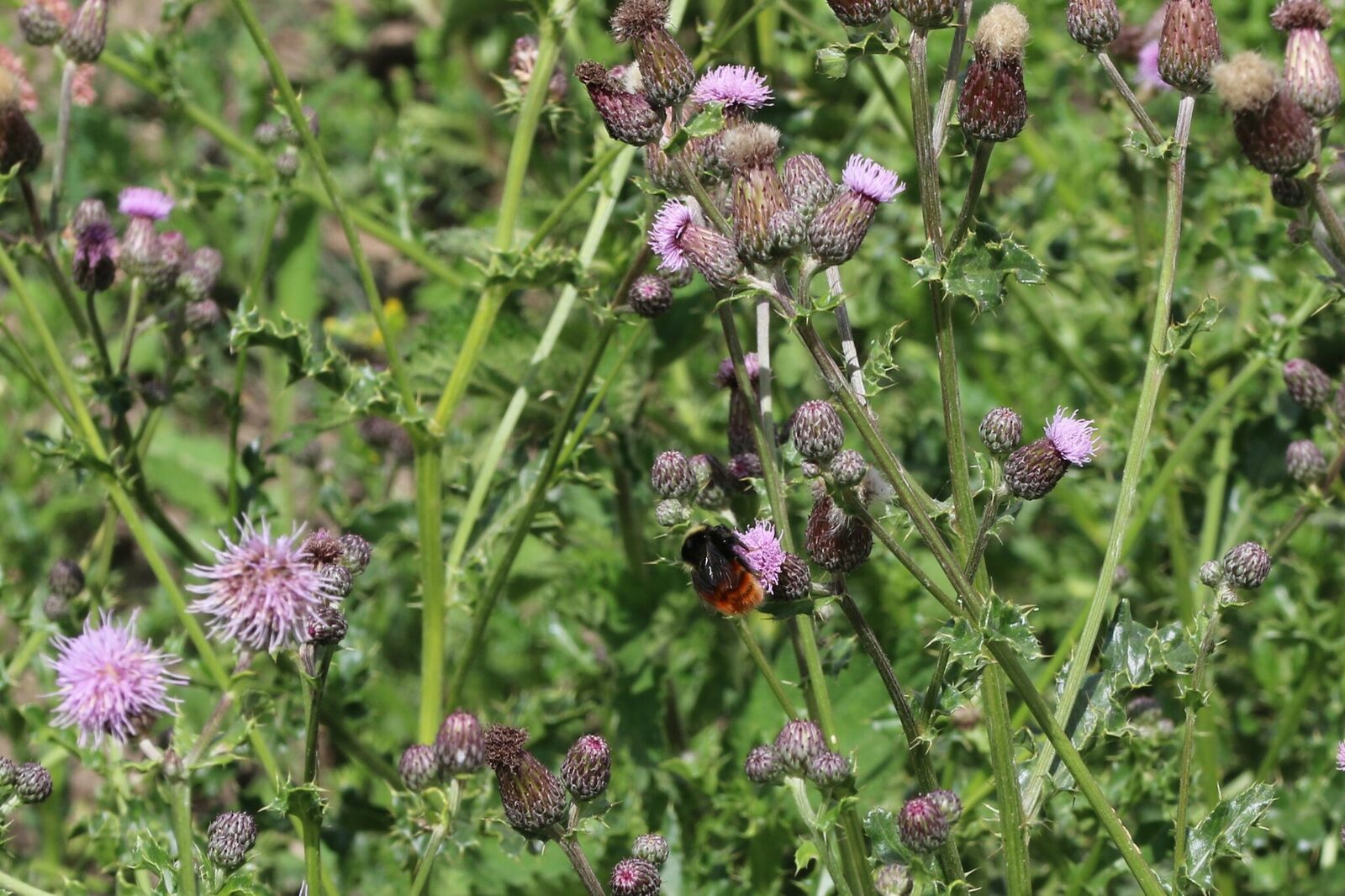
Large red-tailed humble-bee
Bombus lapidarius
- Status
- IUCN Red List
- Eats
- wild marjoram, chives, corn poppy and 28 more
- Where
- 41 countries
On 4Planet Atlas it is among the wildlife people record most around Berlin, Brussels and Dublin, and 1 more of the cities we cover.
People have shared 20,751 records of the large red-tailed humble-bee with GBIF, from 41 countries, most of them from United Kingdom, Germany and Russia. Records collected by GloBI show it eating 31 different kinds of animals and plants, and being eaten by 5.
What the large red-tailed humble-bee eats, and what eats it
Studies have recorded it eating 31 kinds of animals and plants, and 5 kinds of animals eating it. Tap any of them to follow the food chain.
- Plants 30
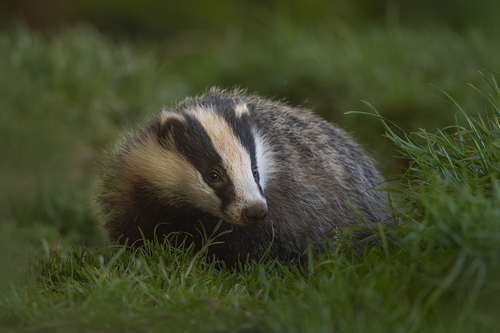
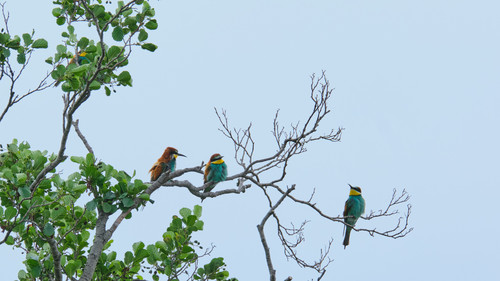
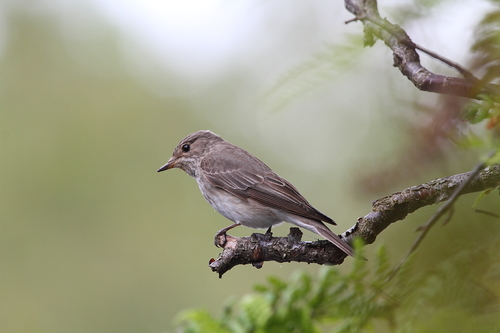
 Large red-tailed humble-bee

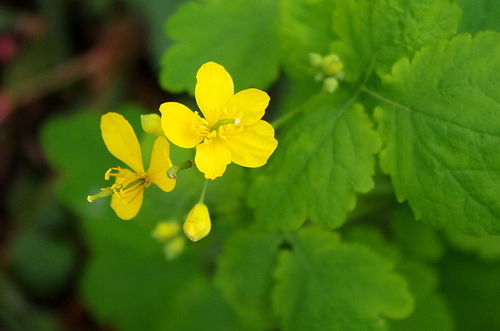
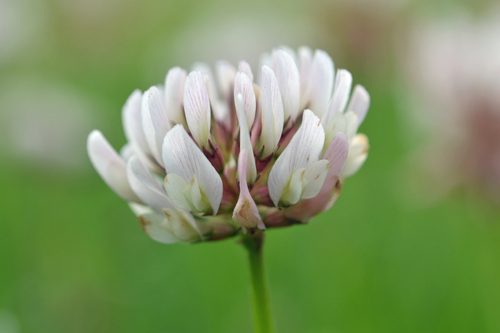
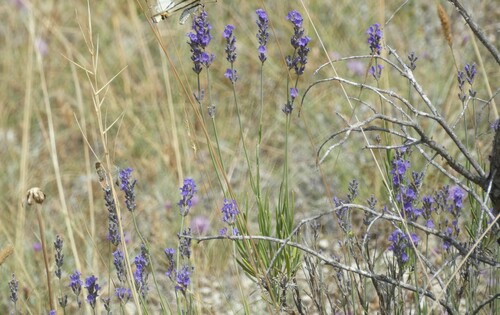
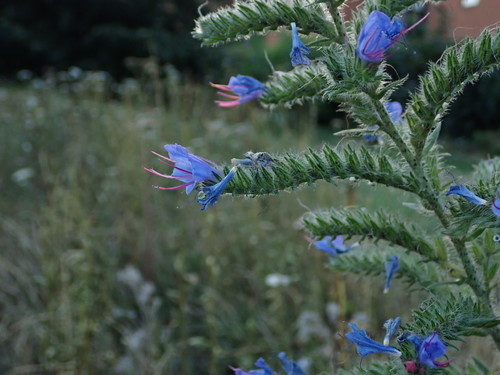
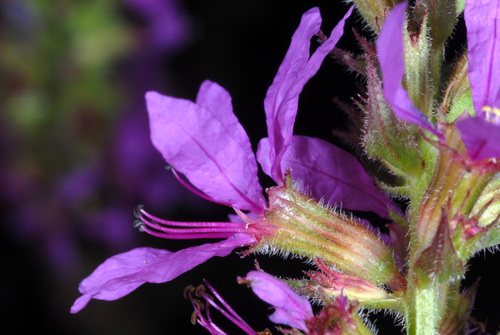

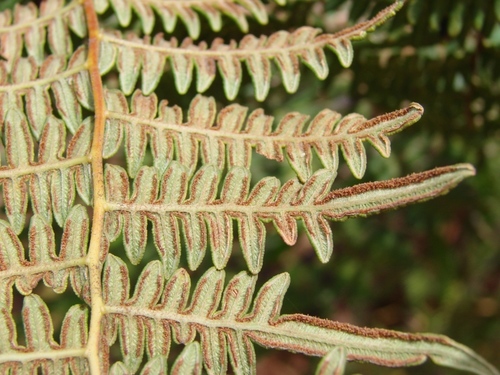
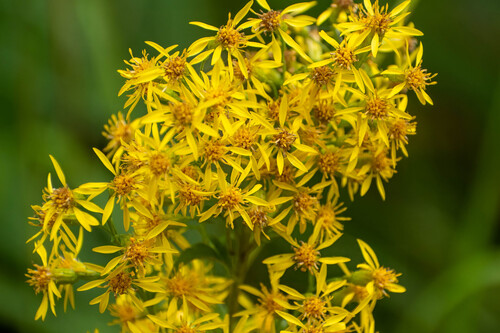
Records from studies worldwide, collected by GloBI. They include animals eaten as carrion, and they are not everything it eats in one place.
Where people see the large red-tailed humble-bee
People have shared 20,751 records from 41 countries.
Near a city: Berlin, Brussels, Dublin, Helsinki.
Records show where people have seen it and shared it, not its full range. Country names open their page in Atlas.
When it is seen
Records per month in the northern hemisphere. More people outdoors also means more records.
Watch and listen
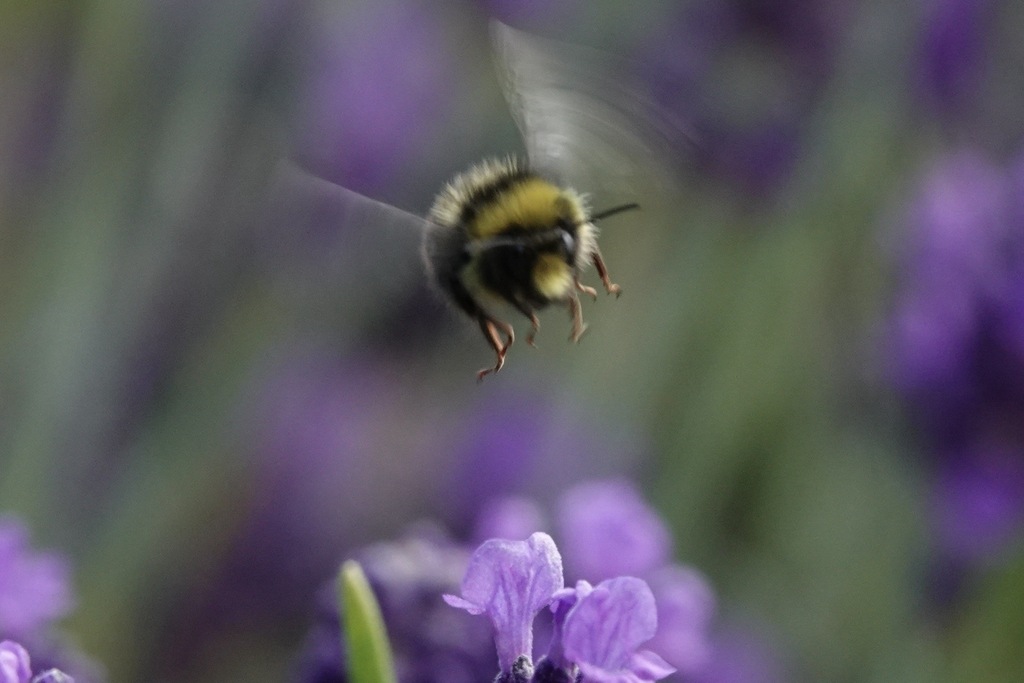
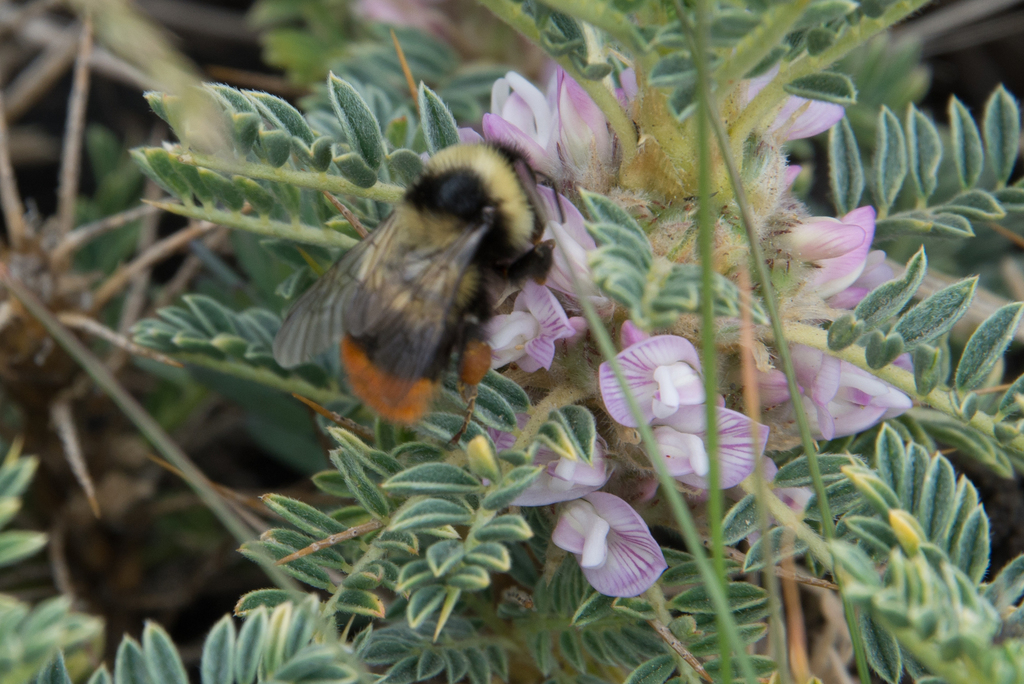
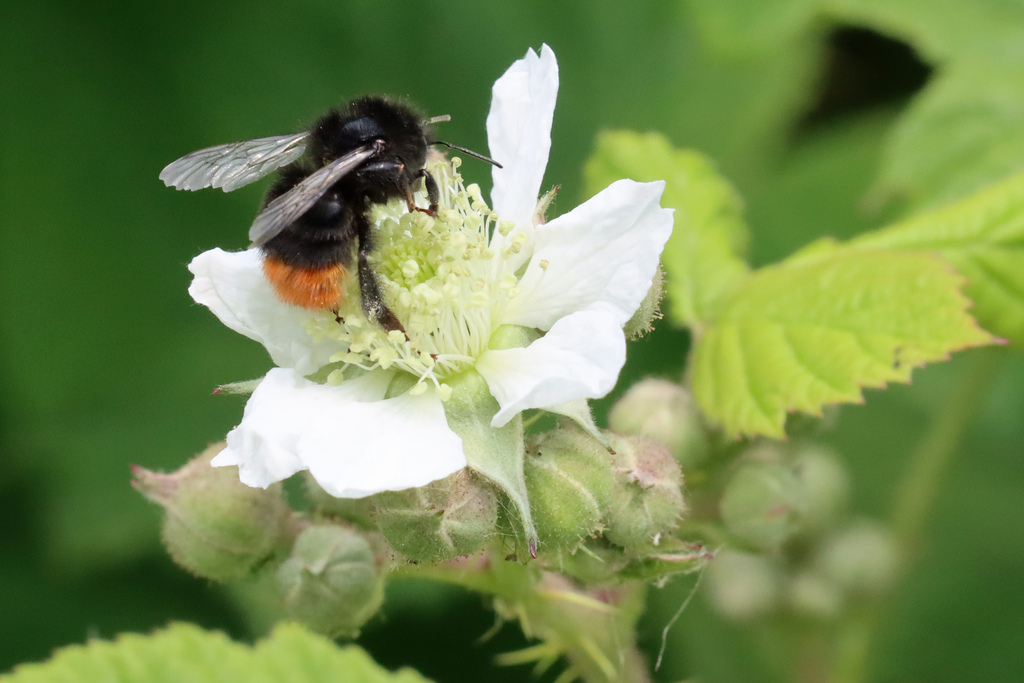
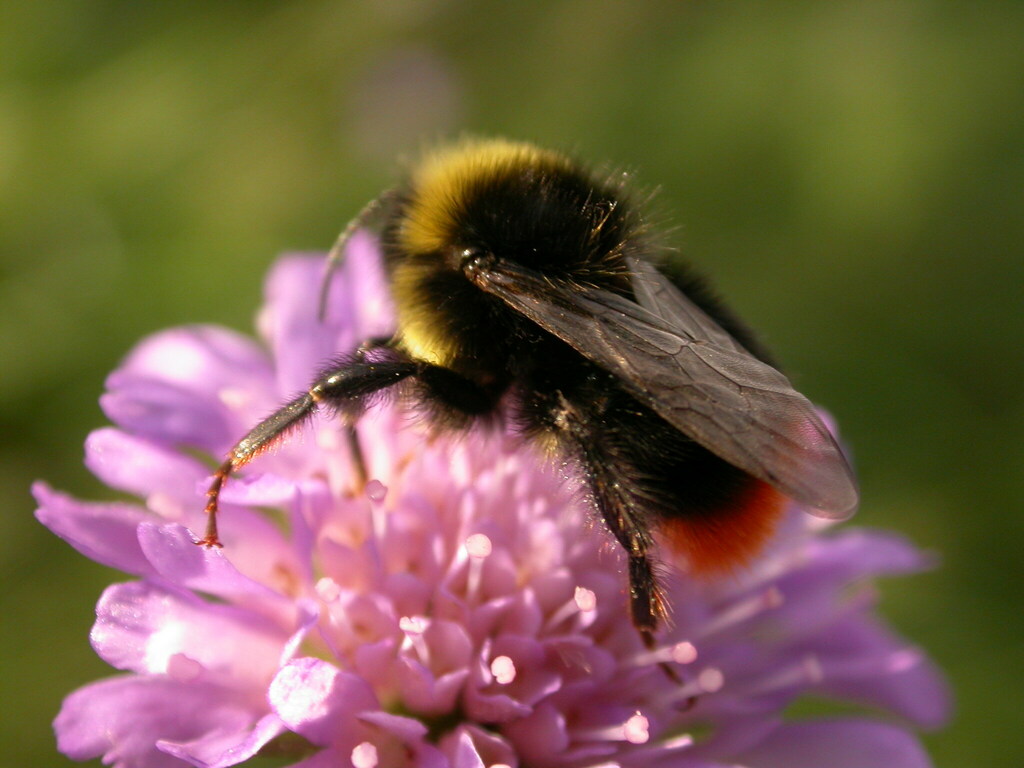
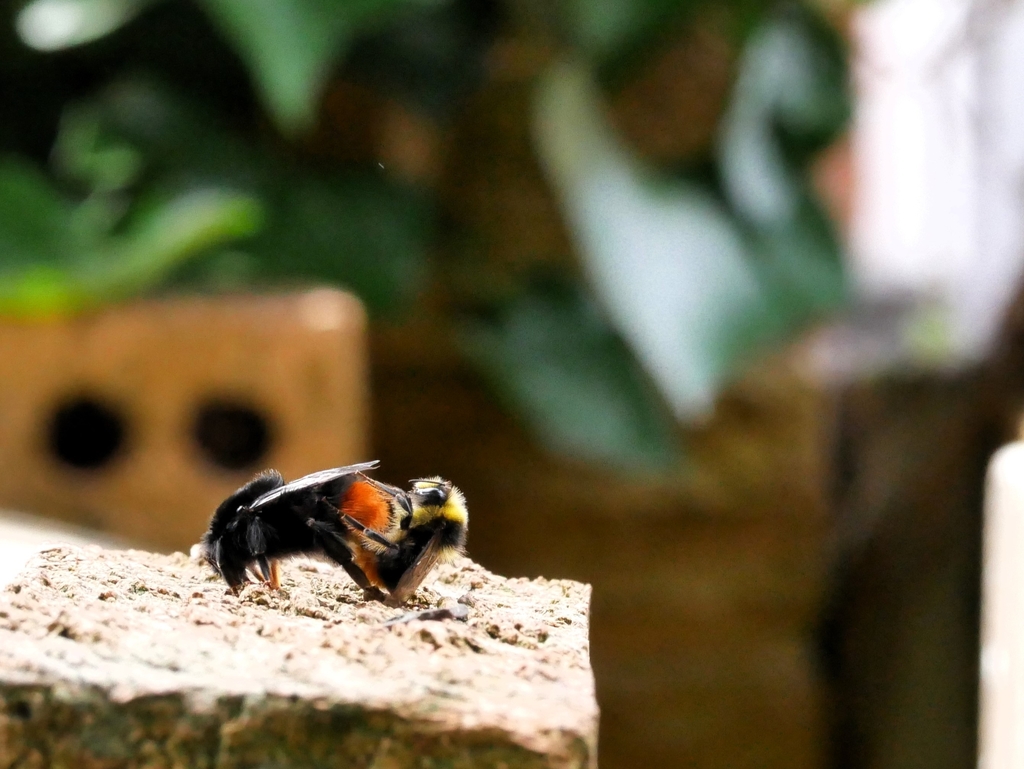
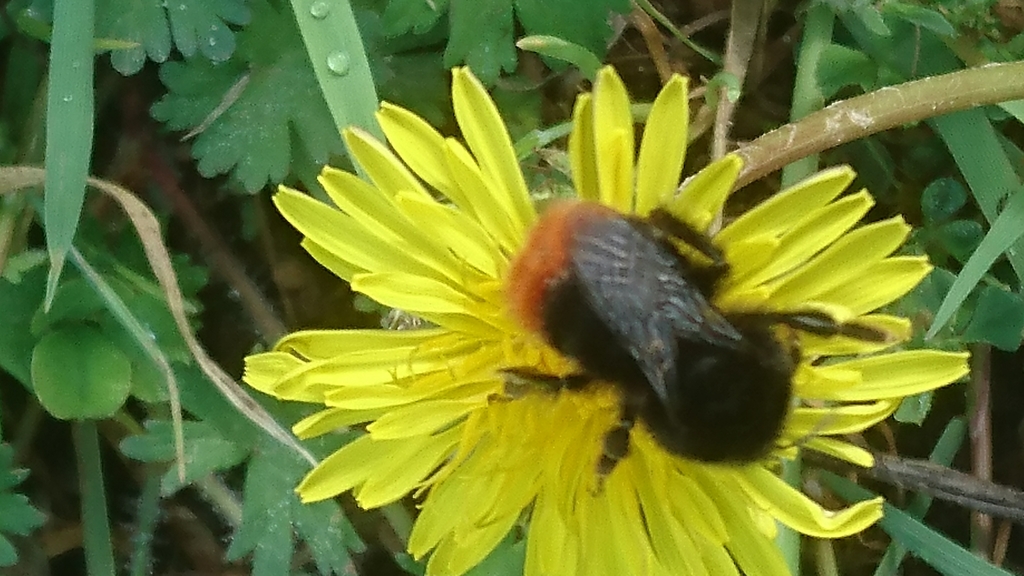
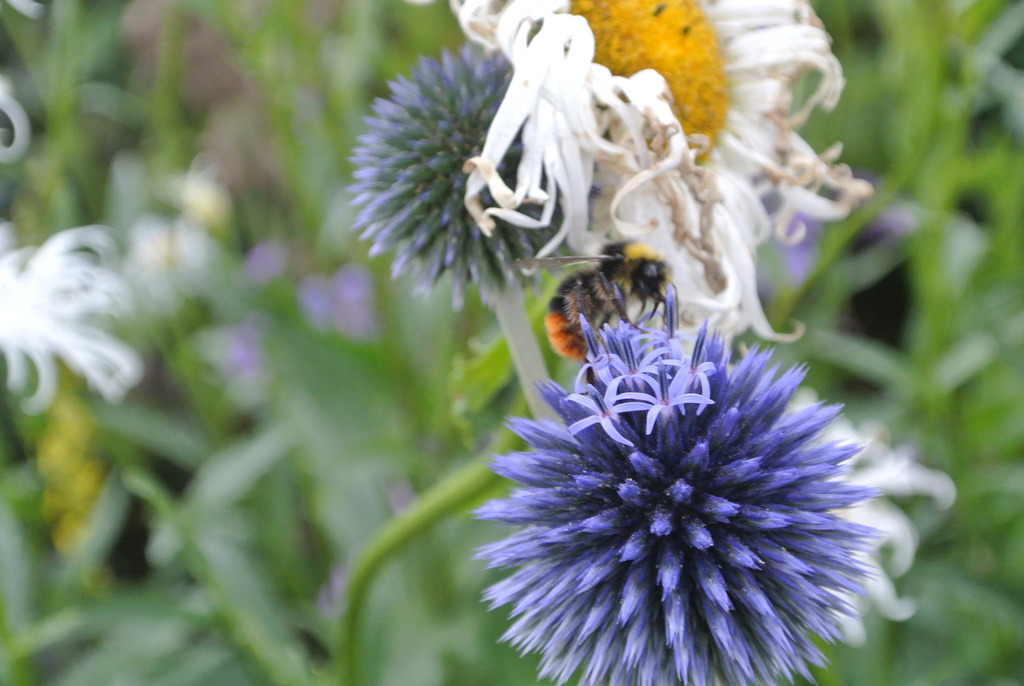
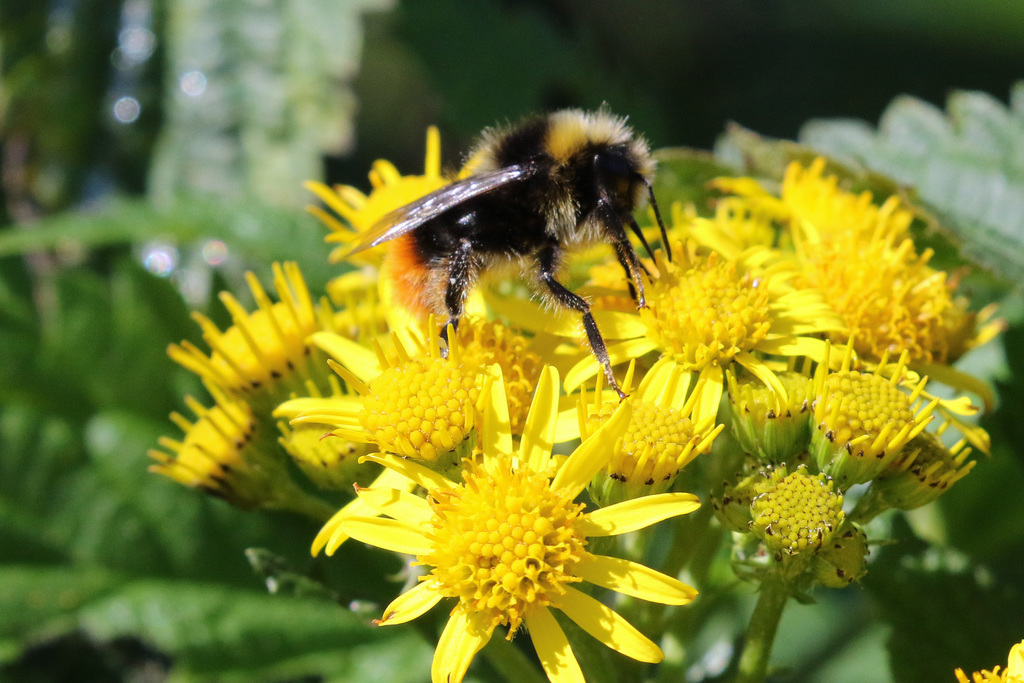
Its closest relatives
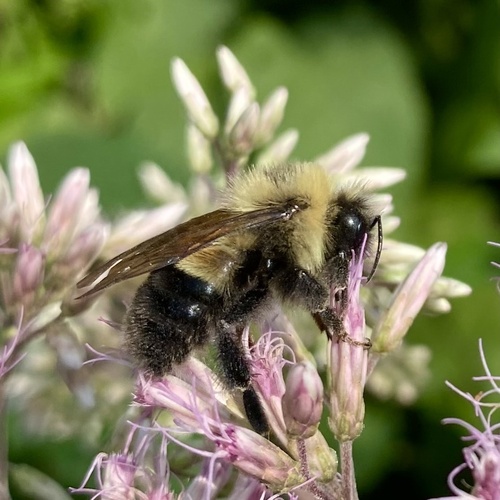
The other species of the genus Bombus.
Seen a large red-tailed humble-bee?
Share your photo on iNaturalist. Other naturalists help confirm it, and the record goes to GBIF, where scientists use it and where the maps on this page come from.
Put this species on your site
The card names every source and links back here.
<iframe src="https://4planetatlas.com/place/embed/species/large-red-tailed-humble-bee" title="Large red-tailed humble-bee (Bombus lapidarius), 4PLANET Species" width="100%" height="600" style="border:0;max-width:640px" loading="lazy"></iframe>
<p><a href="https://4species.com/large-red-tailed-humble-bee">Large red-tailed humble-bee on 4PLANET Species</a></p>Questions people ask
What does the large red-tailed humble-bee eat?
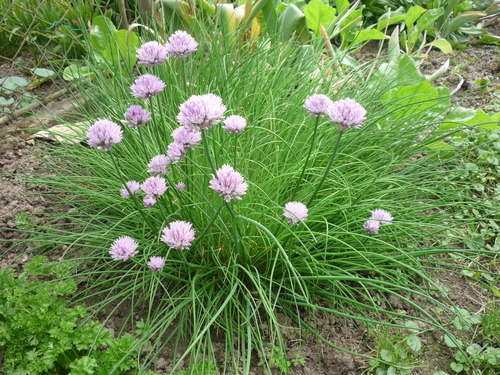
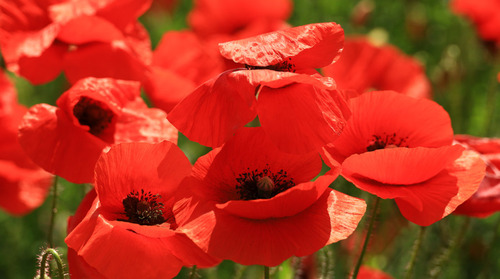
The large red-tailed humble-bee has been recorded eating 31 different kinds of animals and plants, most of them plants. The ones recorded most often are wild marjoram, chives, corn poppy, klamath weed and celandine; records include animals eaten as carrion. Source: GloBI.
What eats the large red-tailed humble-bee?
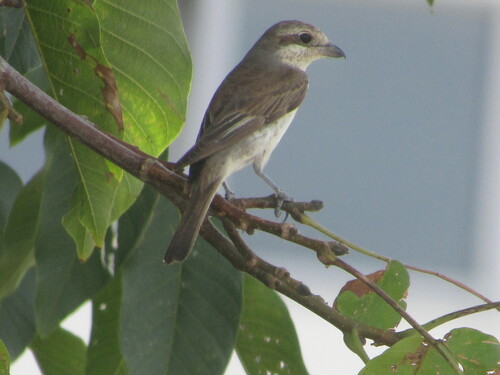
Recorded predators include eurasian badger, european bee-eater, spotted flycatcher and red-backed shrike. Source: GloBI.
Where does the large red-tailed humble-bee live?
People have recorded it in 41 countries; the most records come from United Kingdom, Germany, Russia, France and Denmark. Records show where people have seen it, not its full range.
When is the large red-tailed humble-bee seen most?
In the northern hemisphere, the most records are made in July and the fewest in January. More people outdoors also means more records.
What are the large red-tailed humble-bee's closest relatives?
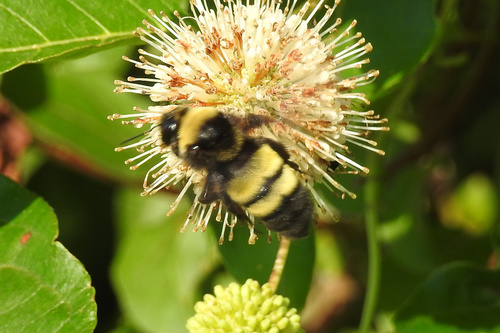
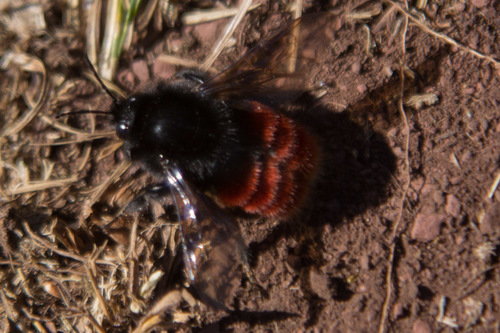
It shares the genus Bombus with rusty patched bumble bee, black and gold bumblebee, scarlet-tailed bumble bee and bombus bbombus bahiensisahiensis.
Sources and photo credits
- GBIF · Bombus lapidarius, 20,751 human observations
- GloBI · recorded interactions of Bombus lapidarius
- Wikidata · Large red-tailed humble-bee (Q1950127)
- Large red-tailed humble-bee (Bombus lapidarius): Charlie Farrell, CC0
- Large red-tailed humble-bee (Bombus lapidarius), Corbett Road Allotments, Penarth CF64 2QX, UK: Katherine King, CC BY 4.0
- Large red-tailed humble-bee (Bombus lapidarius), Catania, Sicily, Italy: William Stephens, CC BY 4.0
- Large red-tailed humble-bee (Bombus lapidarius), Mayer Park: Roy Lowry, CC BY 4.0
- Large red-tailed humble-bee (Bombus lapidarius), 88416 Ochsenhausen, Germany: Philip Precey, CC0
- Large red-tailed humble-bee (Bombus lapidarius), Halton, Runcorn WA7, UK: Nick Carey, CC BY 4.0
- Large red-tailed humble-bee (Bombus lapidarius), Martham, Great Yarmouth NR29 4RE, UK: oddwhitefly, CC BY 4.0
- Large red-tailed humble-bee (Bombus lapidarius), Chenies, Rickmansworth WD3, UK: Anne Taylor, CC0
- Large red-tailed humble-bee (Bombus lapidarius), Chester Zoo Nature Reserve: Roy Lowry, CC BY 4.0
- Wild marjoram: Drepanostoma, CC BY 4.0
- Chives: Pohled 111, CC BY-SA 4.0
- Corn poppy: Radek Walkowiak, CC BY 4.0
- Klamath weed: Thomas Gyselinck, CC BY 4.0
- Celandine: Георгий Виноградов (Georgy Vinogradov), CC BY 4.0
- White clover: Conall, CC BY 4.0
- Garden lavender: luluchouette, CC BY 4.0
- Blueweed: Daniel Cahen, CC BY 4.0
- Purple loosestrife: Douglas Goldman, CC BY-SA 4.0
- Bull thistle: Don Loarie, CC BY 4.0
- Bracken: João Medeiros, CC BY 4.0
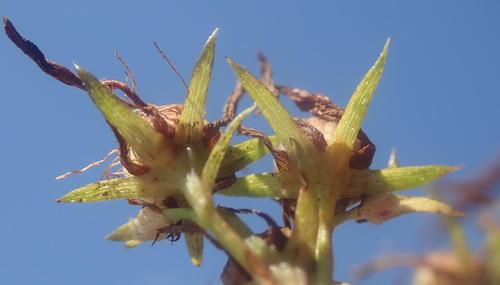
- Goldenrod: Михаил Малышев, CC BY 4.0
- Eurasian badger: caroline legg, CC BY 4.0
- European bee-eater: Sem Khatov, CC BY 4.0
- Spotted flycatcher: Marton Berntsen, CC BY-SA 4.0
- Red-backed shrike: SteveM4560, CC BY 4.0
- Rusty patched bumble bee: Michelle Orcutt, CC BY 4.0
- Black and gold bumblebee: Navin Sasikumar, CC BY 4.0
- Scarlet-tailed bumble bee: avocat, CC BY 4.0
Records show where people have seen and shared the large red-tailed humble-bee, not its full range, and some countries and months are recorded far more than others. The food web lists interactions that studies have recorded somewhere in the world (GloBI), not everything it eats in one place.
Checked 2026-11-24.