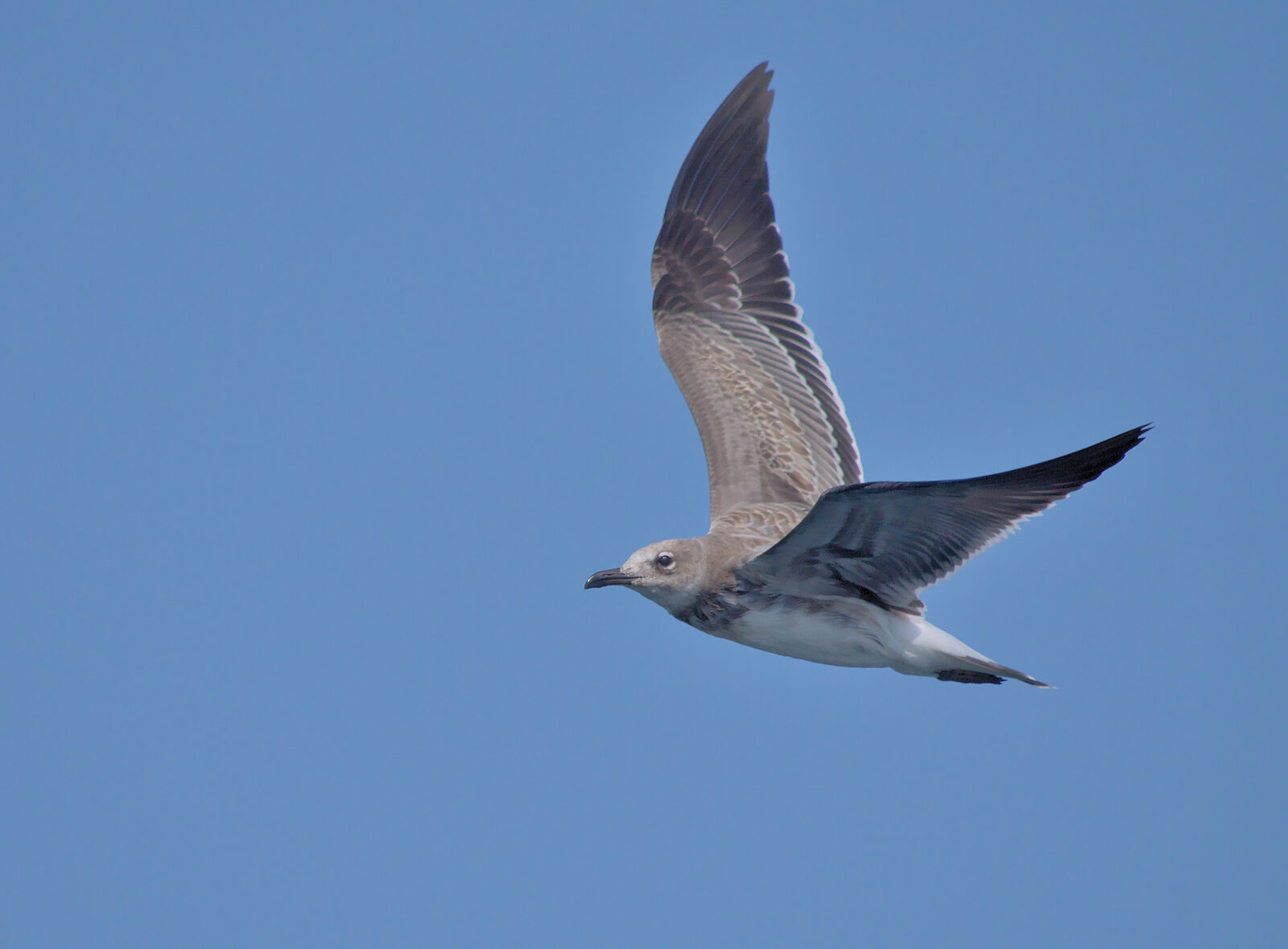
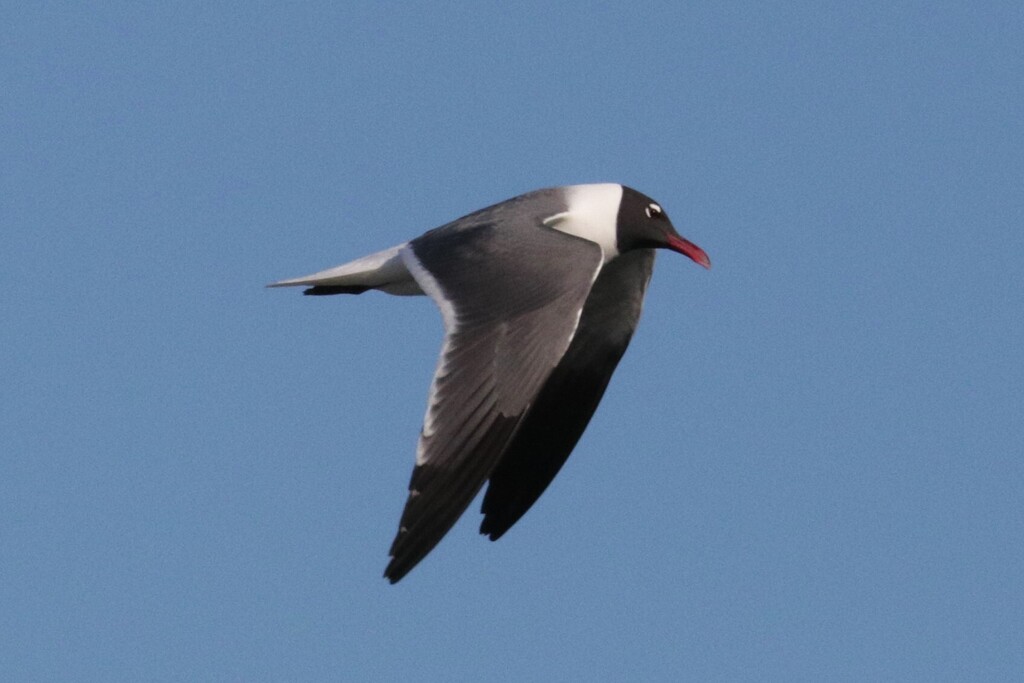
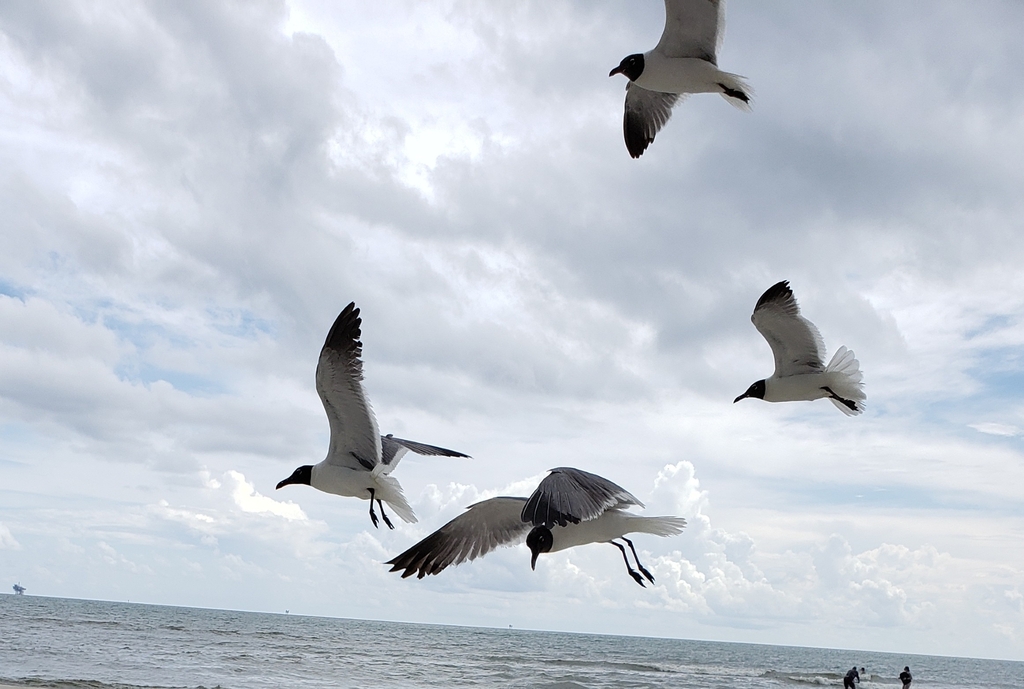
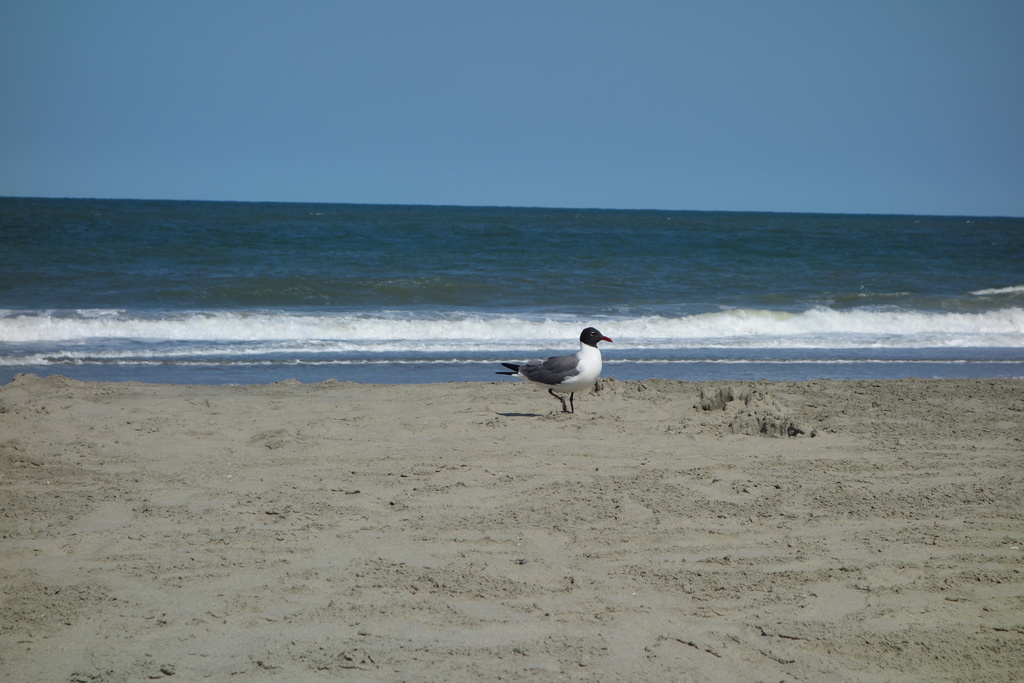
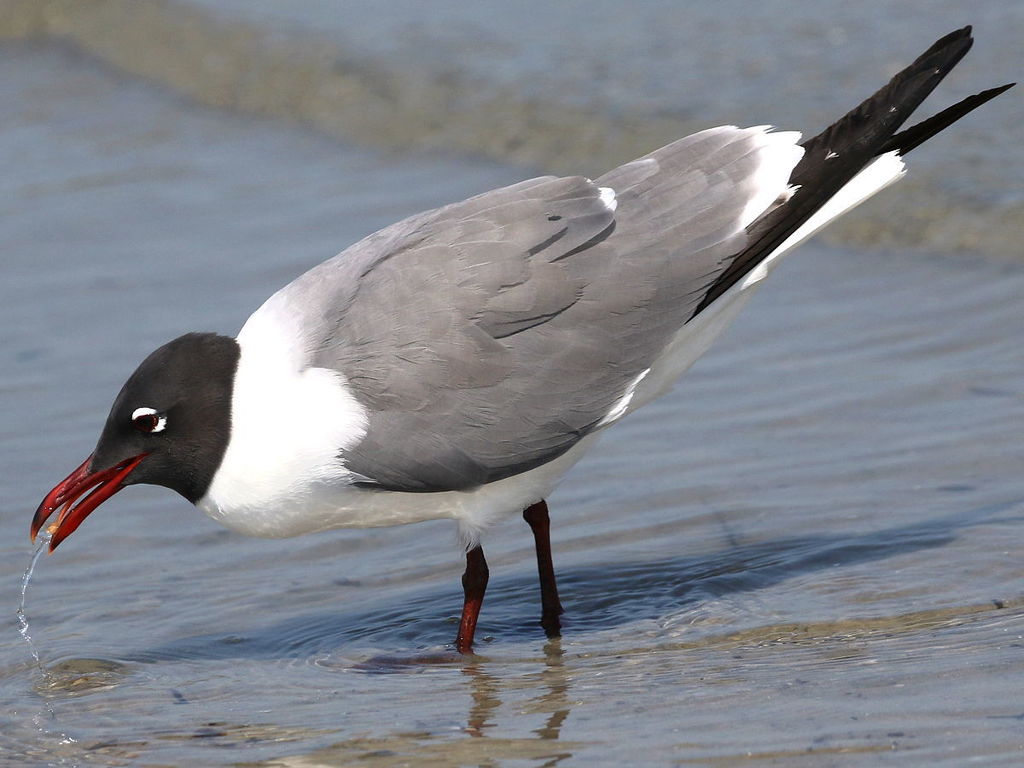
Laughing gull
Leucophaeus atricilla
- Status
- IUCN Red List
- Eats
- European pilchard, European anchovy, European sprat and 16 more
- Eaten by
- red fox, northern raven, peregrine falcon
- Where
- 92 countries
On 4Planet Atlas it is among the wildlife people record most around Basseterre, Bridgetown and Castries, and 18 more of the cities we cover.
People have shared 2,830,632 records of the laughing gull with GBIF, from 92 countries, most of them from United States, Mexico and Bahamas. Records collected by GloBI show it eating 19 different kinds of animals and plants, and being eaten by 5.
What the laughing gull eats, and what eats it
Studies have recorded it eating 19 kinds of animals and plants, and 5 kinds of animals eating it. Tap any of them to follow the food chain.
- Fish 18
- Octopus and squid 1


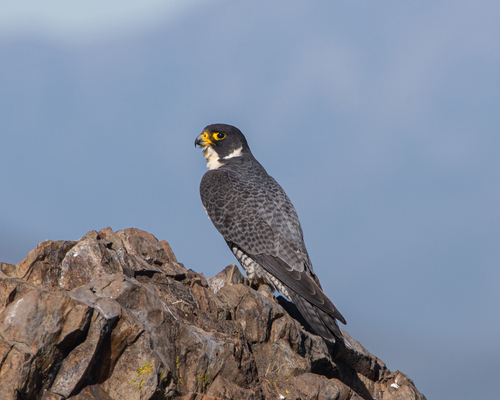
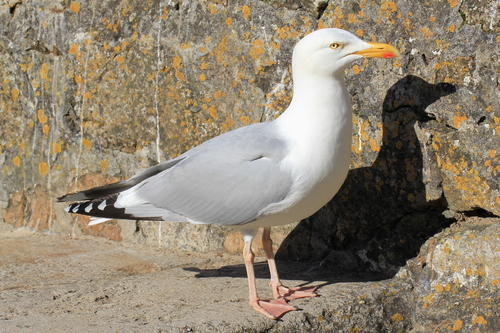
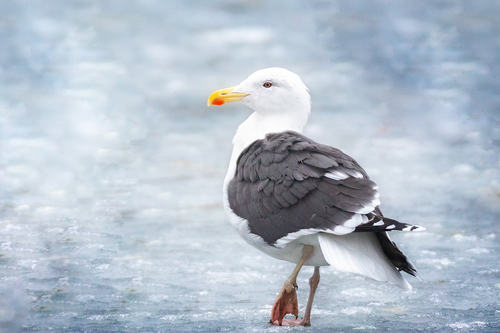 Laughing gull
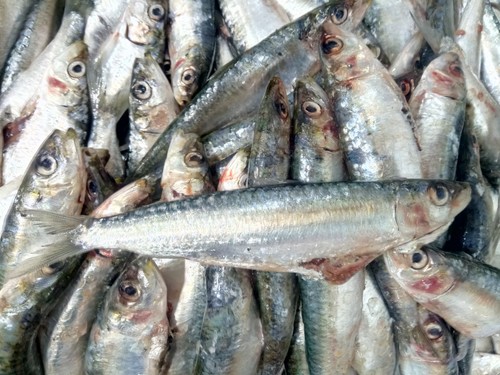
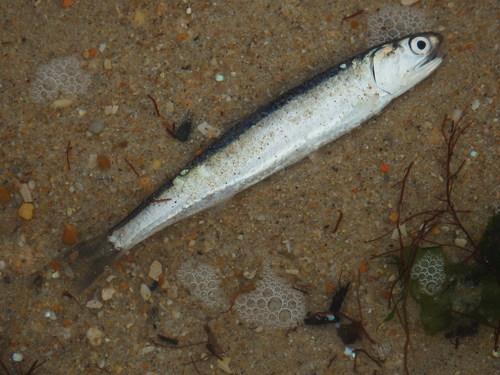
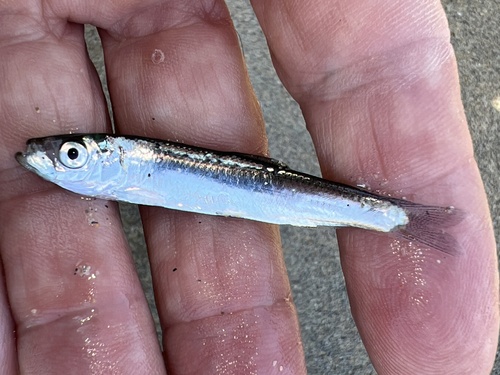
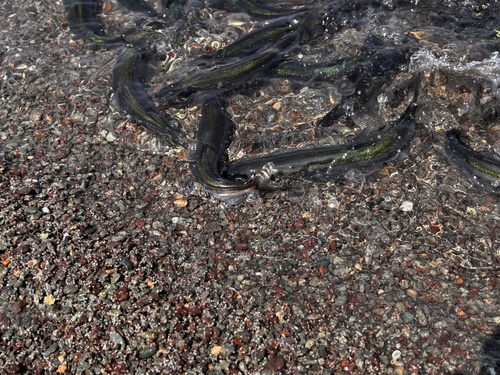

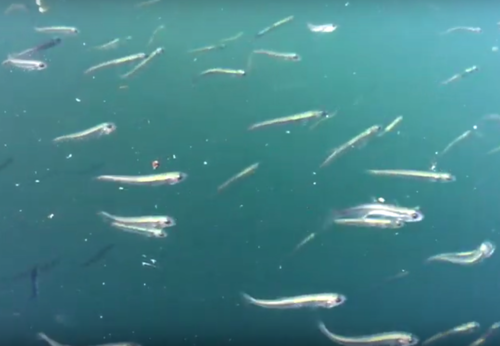
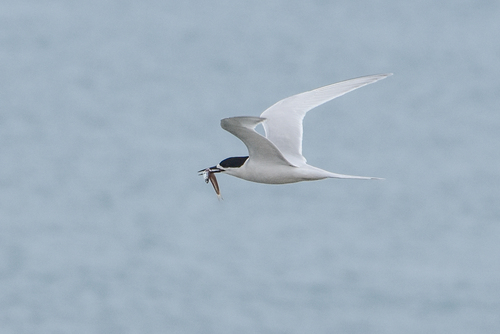
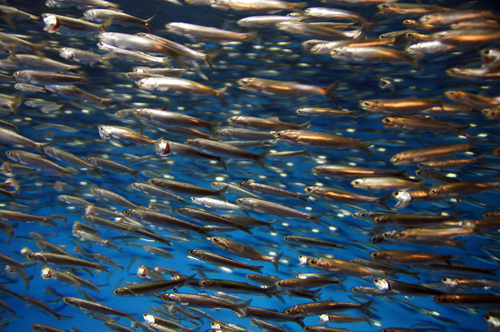
Records from studies worldwide, collected by GloBI. They include animals eaten as carrion, and they are not everything it eats in one place.
Where people see the laughing gull
People have shared 2,830,632 records from 92 countries.
Near a city: Basseterre, Bridgetown, Castries, Georgetown, Havana, Kingston, Kingstown, Lima, Managua, Nassau, New York, Panama City, Paramaribo, Port-au-Prince, Port of Spain, Praia, Roseau, San Salvador, Santo Domingo, St. George's, Washington, D.C..
Records show where people have seen it and shared it, not its full range. Country names open their page in Atlas.
When it is seen
Records per month in the northern hemisphere. More people outdoors also means more records.
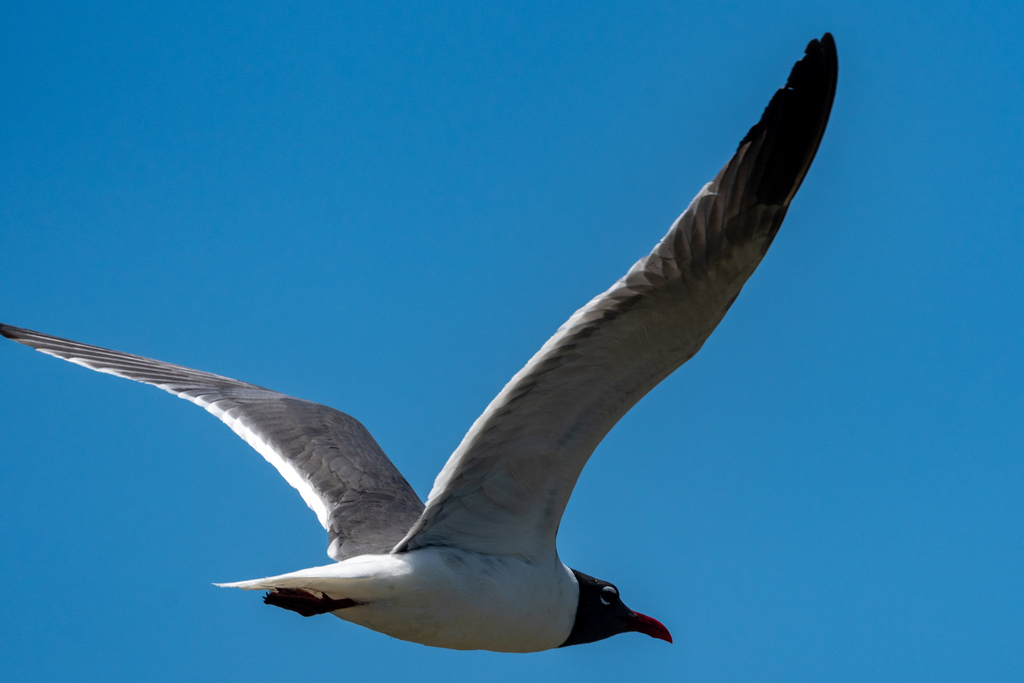
Watch and listen
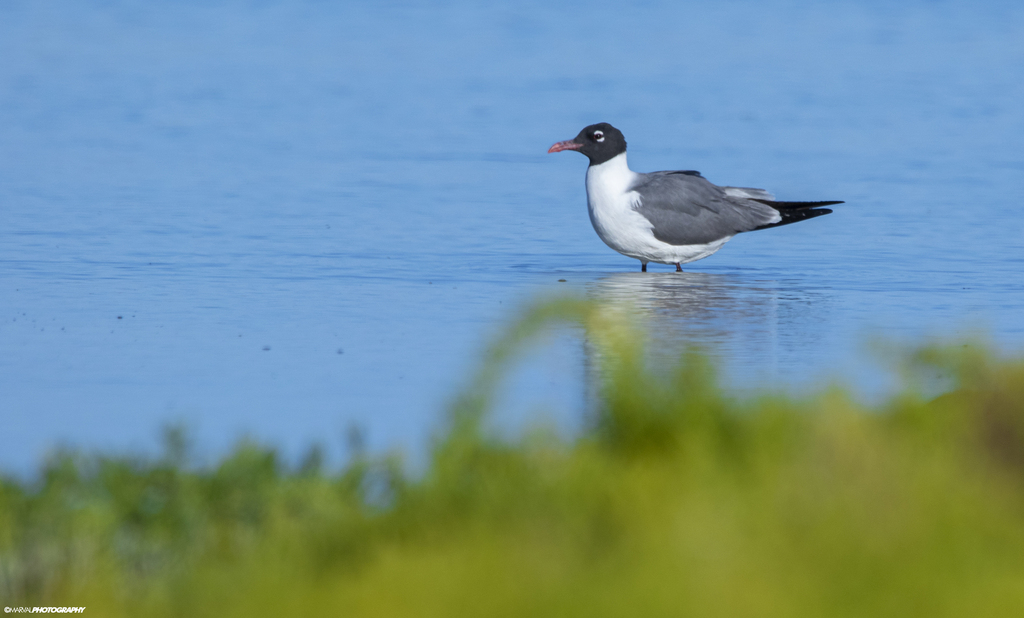
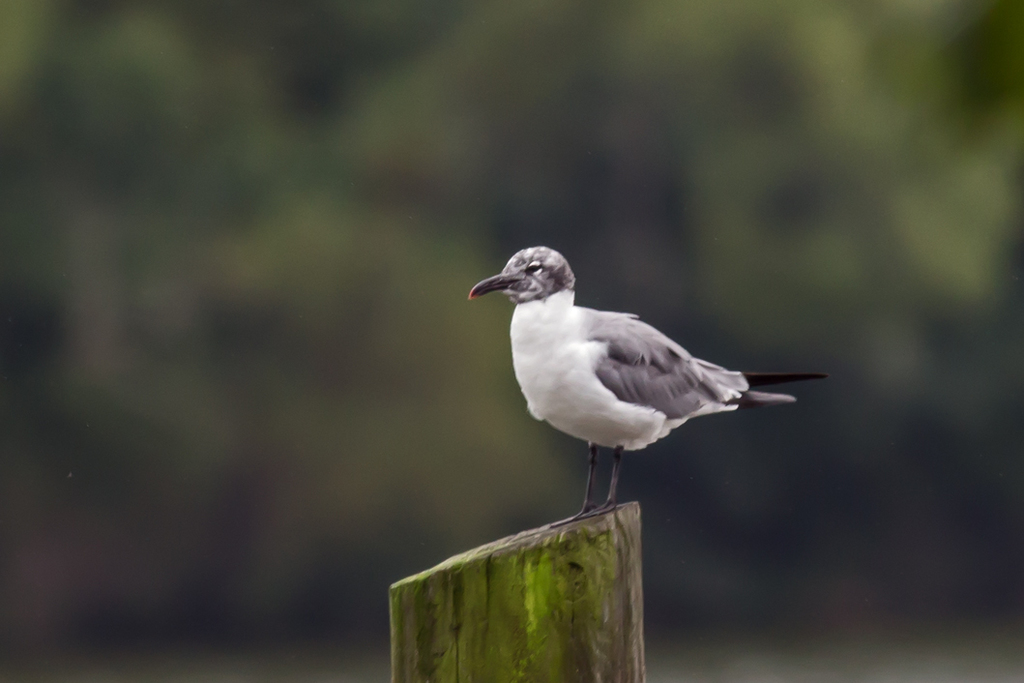
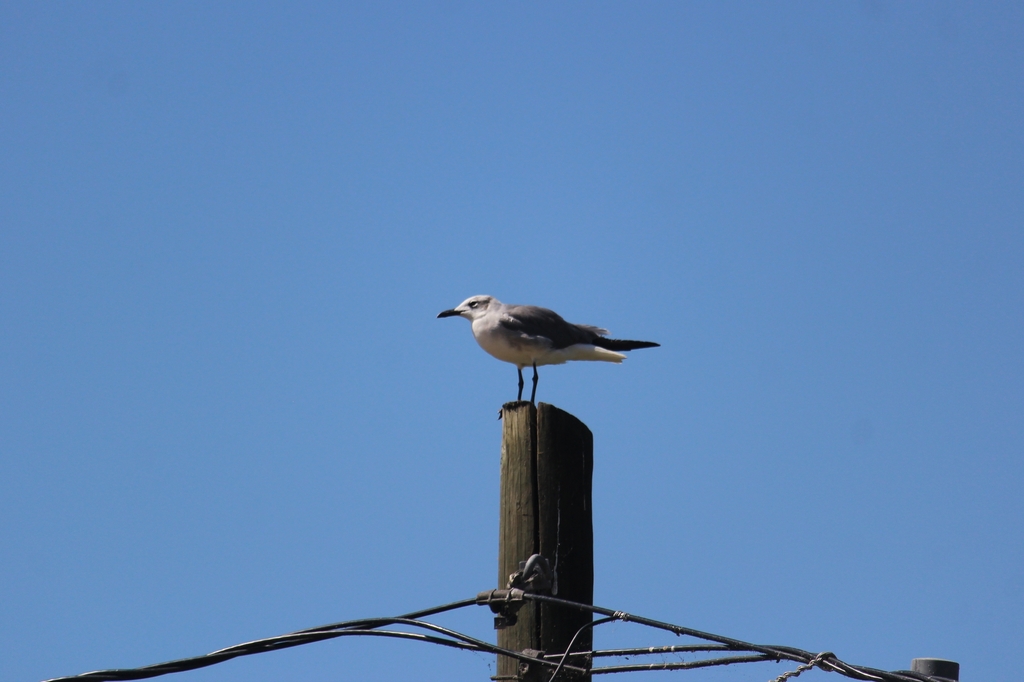
Its closest relatives
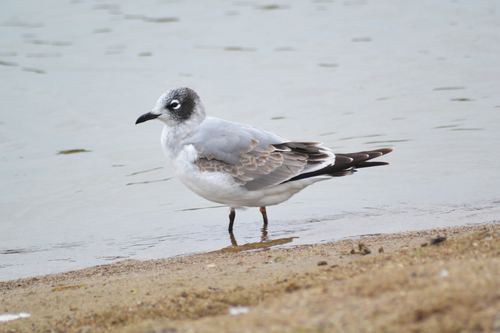
The other species of the genus Leucophaeus.
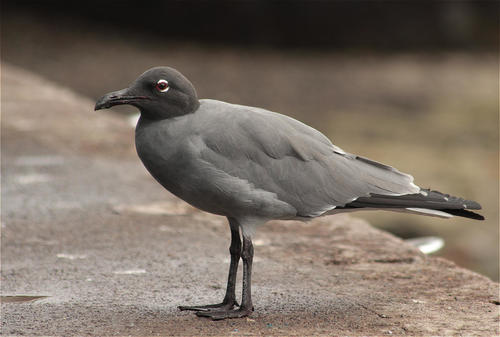
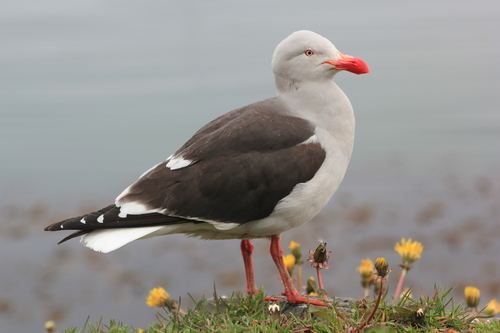
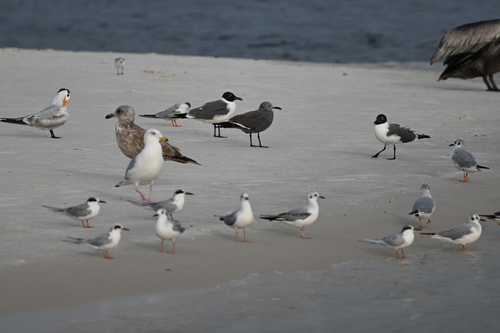
Seen a laughing gull?
Share your photo on iNaturalist. Other naturalists help confirm it, and the record goes to GBIF, where scientists use it and where the maps on this page come from.
Put this species on your site
The card names every source and links back here.
<iframe src="https://4planetatlas.com/place/embed/species/laughing-gull" title="Laughing gull (Leucophaeus atricilla), 4PLANET Species" width="100%" height="600" style="border:0;max-width:640px" loading="lazy"></iframe>
<p><a href="https://4species.com/laughing-gull">Laughing gull on 4PLANET Species</a></p>Questions people ask
What does the laughing gull eat?
The laughing gull has been recorded eating 19 different kinds of animals and plants, most of them fish and octopus and squid. The ones recorded most often are european pilchard, european anchovy, european sprat, capelin and peruvian anchoveta; records include animals eaten as carrion. Source: GloBI.
What eats the laughing gull?
Recorded predators include red fox, northern raven, peregrine falcon, european herring gull and great black-backed gull. Source: GloBI.
Where does the laughing gull live?
People have recorded it in 92 countries; the most records come from United States, Mexico, Bahamas, Costa Rica and Panama. Records show where people have seen it, not its full range.
When is the laughing gull seen most?
In the northern hemisphere, the most records are made in April and the fewest in December. More people outdoors also means more records.
What are the laughing gull's closest relatives?
It shares the genus Leucophaeus with franklin's gull, lava gull, dolphin gull and grey gull.
Sources and photo credits
- GBIF · Leucophaeus atricilla, 2,830,632 human observations
- GloBI · recorded interactions of Leucophaeus atricilla
- Wikidata · Laughing gull (Q528764)
- Laughing gull (Leucophaeus atricilla): Blake Ross, CC BY 4.0
- Laughing gull (Leucophaeus atricilla), Yolo County, CA, USA: Jonathan Eisen, CC BY 4.0
- Laughing gull (Leucophaeus atricilla), Esterito, 23020 La Paz, B.C.S., México: Xochitl Zambrano, CC BY 4.0
- Laughing gull (Leucophaeus atricilla), Dauphin Island, AL 36528, USA: Lily B., CC BY 4.0
- Laughing gull (Leucophaeus atricilla), Rehoboth Beach, DE, USA: Dixy, CC BY-SA 4.0
- Laughing gull (Leucophaeus atricilla), Cape May Point, NJ, USA: Peter Chen 2.0, CC BY 4.0
- Laughing gull (Leucophaeus atricilla), La Paz, B.C.S., México: MarvalPhotography19, CC BY 4.0
- Laughing gull (Leucophaeus atricilla), Middletown, Pennsylvania, United States: Bill Keim, CC BY 4.0
- Laughing gull (Leucophaeus atricilla), Flores, Guatemala: Ricard Busquets Reverte, CC BY 4.0
- European pilchard: Karim Haddad, CC BY 4.0
- European anchovy: Duarte Frade, CC BY 4.0
- European sprat: Andy Jordan, CC BY 4.0
- Capelin: Scott Edmunds, CC0
- Peruvian anchoveta: cstobie, CC BY 4.0
- Californian anchovy: Rudyard, CC BY 4.0
- Australian anchovy: Jay Pruett, CC BY 4.0
- Argentine anchoita: Allie_Caulfield, CC BY 4.0
- Red fox: Алина Урусова, CC BY 4.0
- Northern raven: xulescu_g, CC BY-SA 4.0
- Peregrine falcon: Nicolás Villaseca Merino, CC BY-SA 4.0
- European herring gull: Stu's Images, CC BY-SA 4.0
- Great black-backed gull: egorbirder, CC BY 4.0
- Franklin's gull: Andrew Cannizzaro, CC BY 4.0
- Lava gull: ajott, CC BY 4.0
- Dolphin gull: Romi Galeota Lencina, CC BY 4.0
- Grey gull: Jody Shugart, CC BY 4.0
Records show where people have seen and shared the laughing gull, not its full range, and some countries and months are recorded far more than others. The food web lists interactions that studies have recorded somewhere in the world (GloBI), not everything it eats in one place.
Checked 2026-11-23.