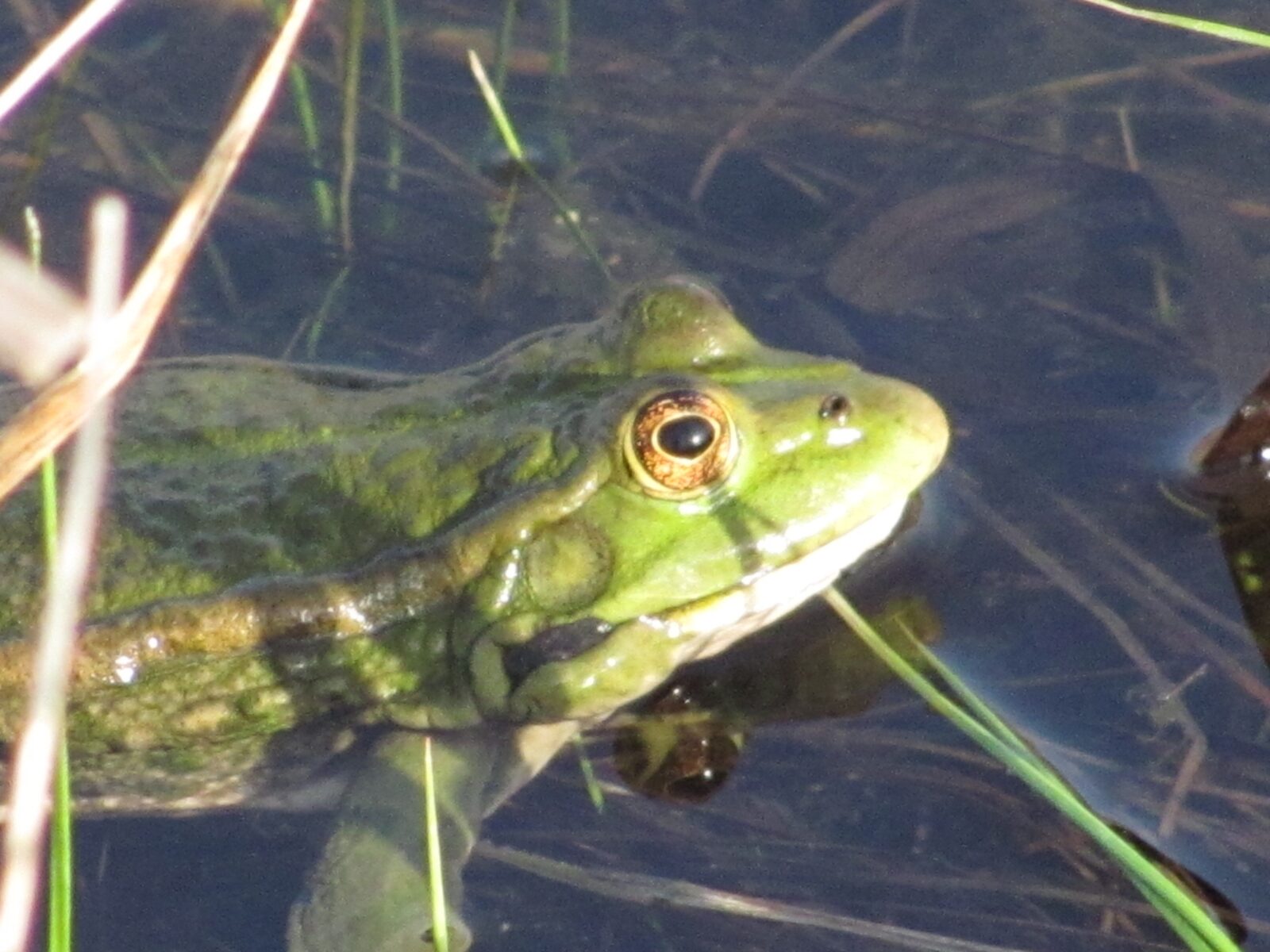
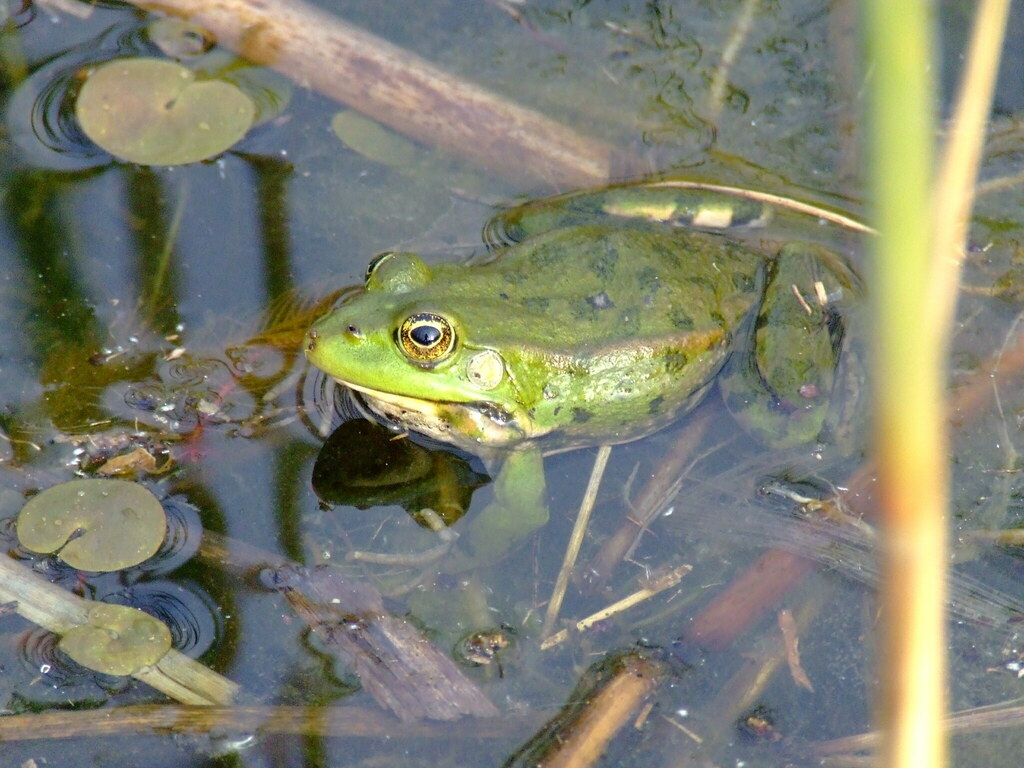
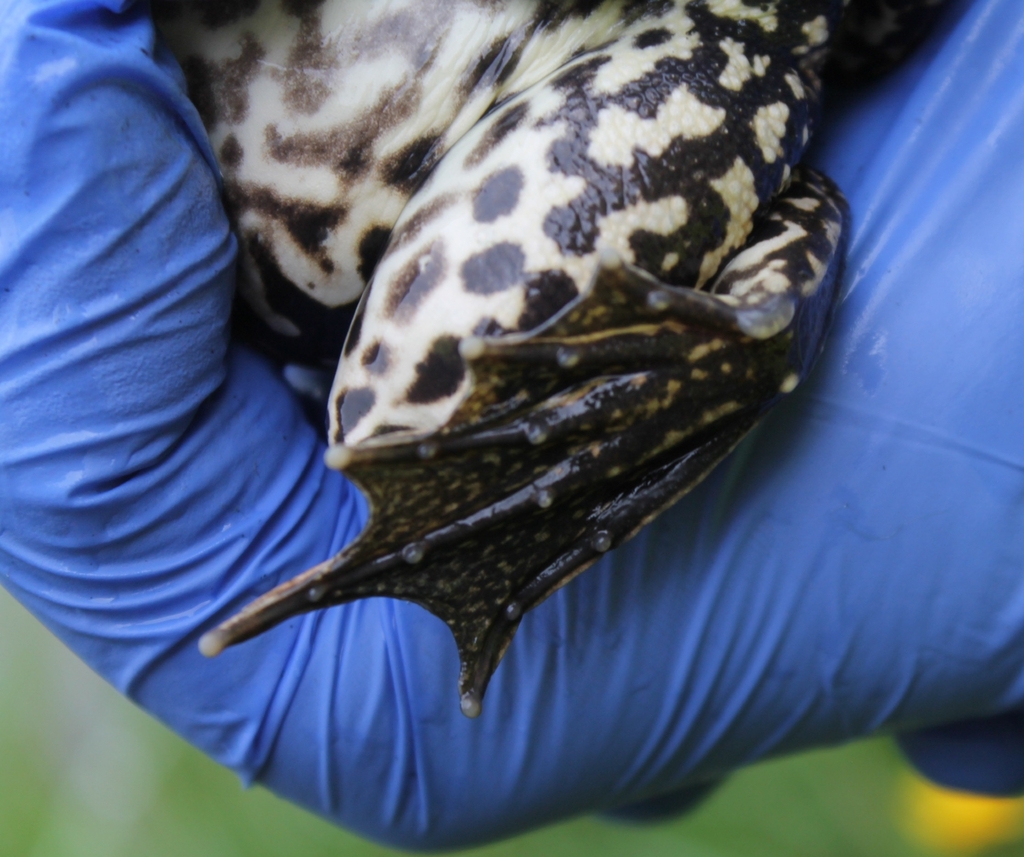
Marsh frog
Pelophylax ridibundus
- Status
- Least Concern IUCN Red List
- Eats
- western yellow wagtail, fire salamander, common frog and 78 more
- Eaten by
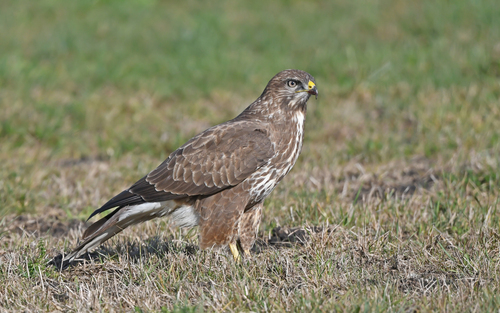
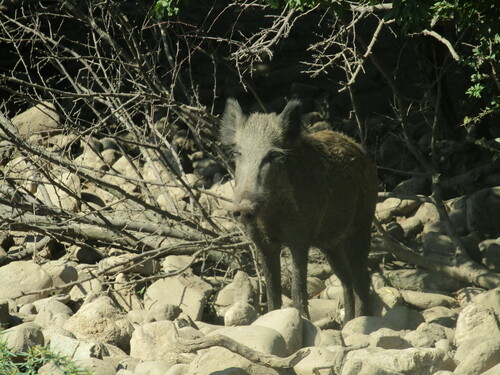
- common buzzard, wild boar, red fox
- Where
- 52 countries · danube Delta
On 4Planet Atlas it is among the wildlife people record most around Astana, Brussels and Chișinău, and 3 more of the cities we cover.
People have shared 18,287 records of the marsh frog with GBIF, from 52 countries, most of them from Russia, Ukraine and Turkey. Records collected by GloBI show it eating 81 different kinds of animals and plants, and being eaten by 116.
Habitats
What the marsh frog eats, and what eats it
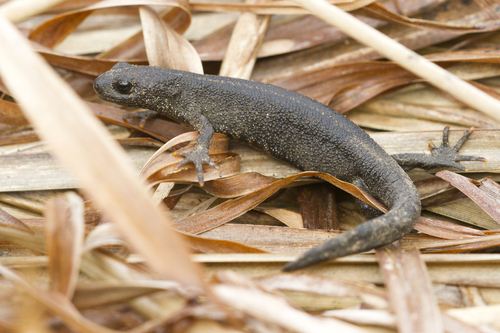
Studies have recorded it eating 81 kinds of animals and plants, and 116 kinds of animals eating it. Tap any of them to follow the food chain.
- Amphibians 59
- Birds 5
- Insects 2
- Reptiles 1
Eaten by

 Marsh frog
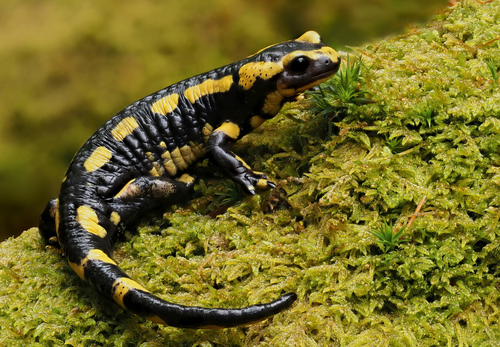
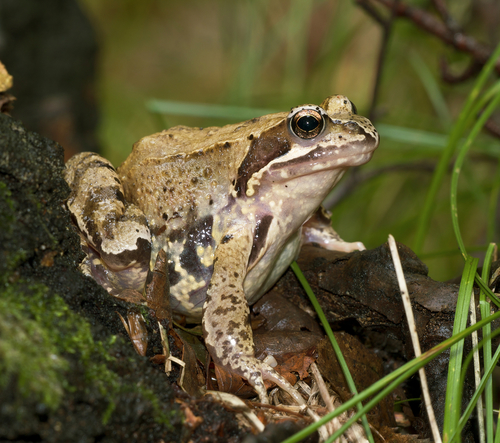
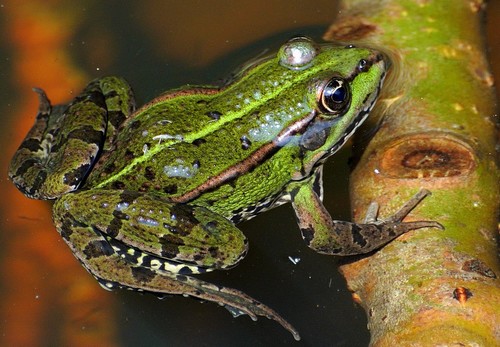
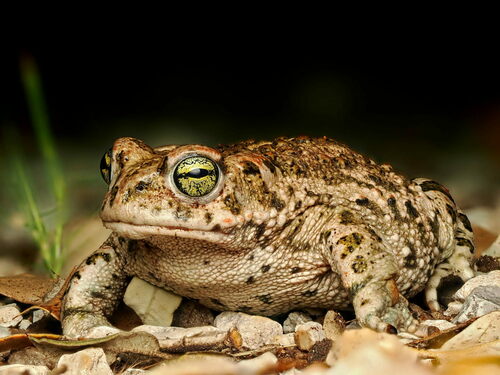
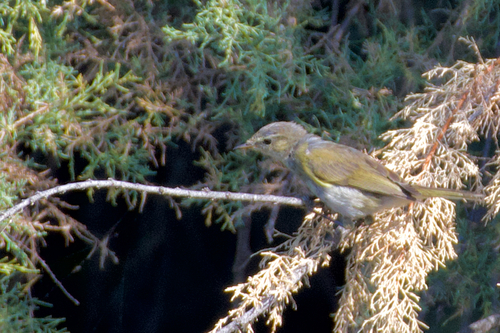
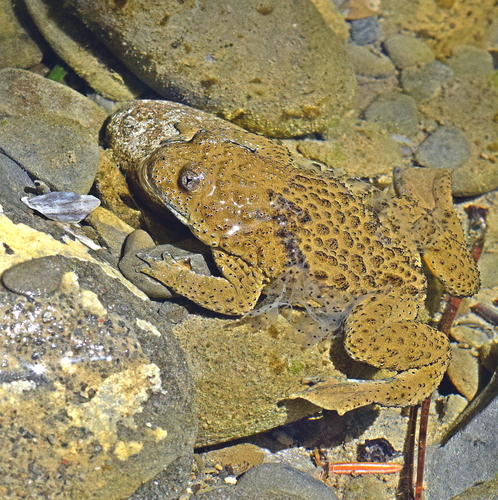

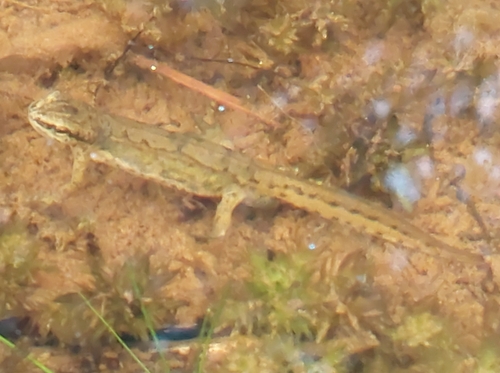
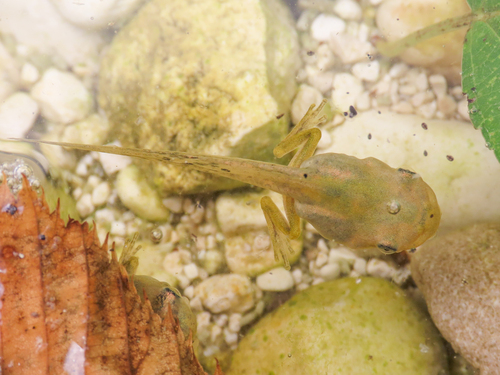
Records from studies worldwide, collected by GloBI. They include animals eaten as carrion, and they are not everything it eats in one place.
Where people see the marsh frog
People have shared 18,287 records from 52 countries.
Near a city: Astana, Brussels, Chișinău, Moscow, Tashkent, Yerevan.
Records show where people have seen it and shared it, not its full range. Country names open their page in Atlas.
When it is seen
Records per month in the northern hemisphere. More people outdoors also means more records.
Watch and listen
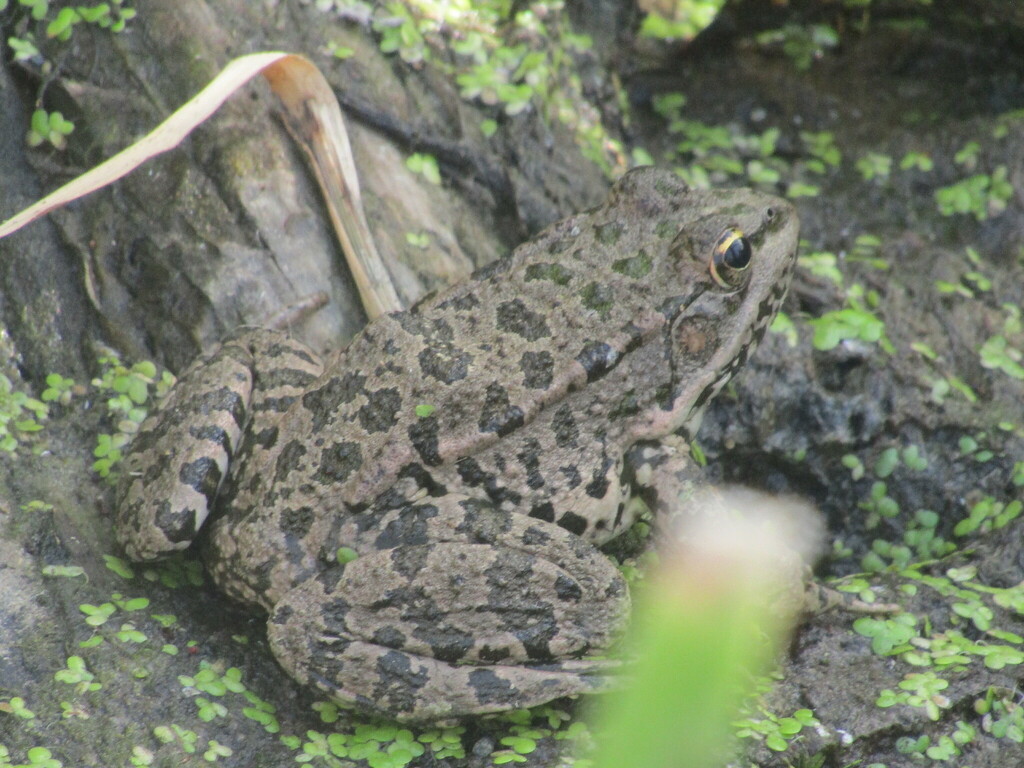
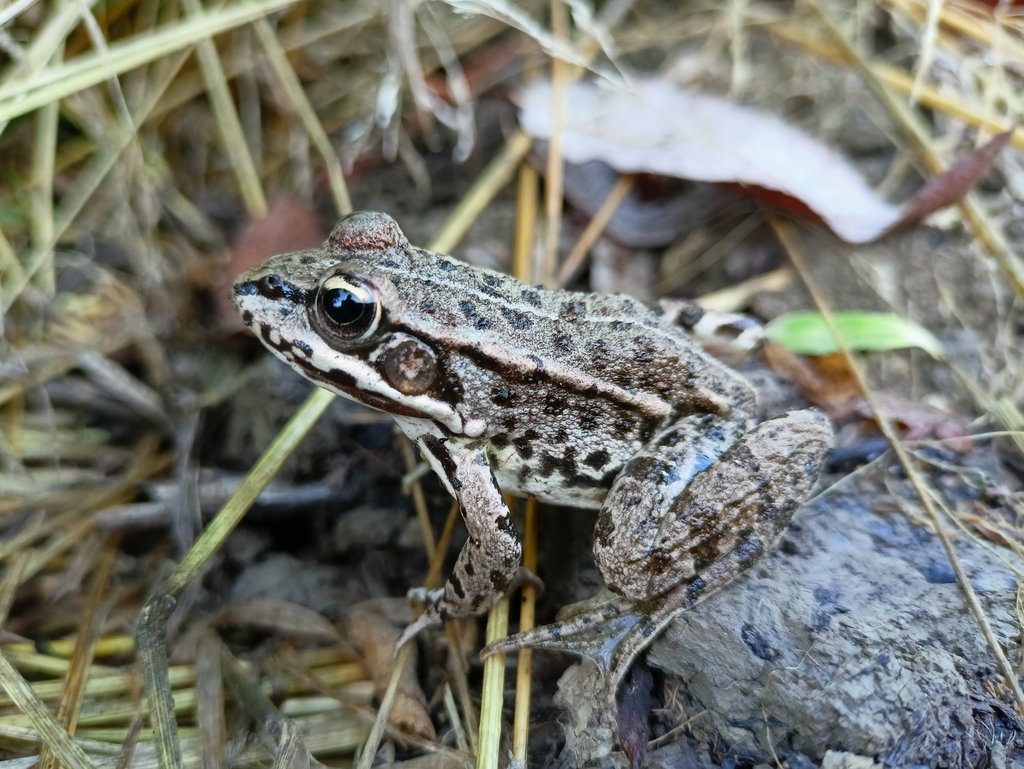
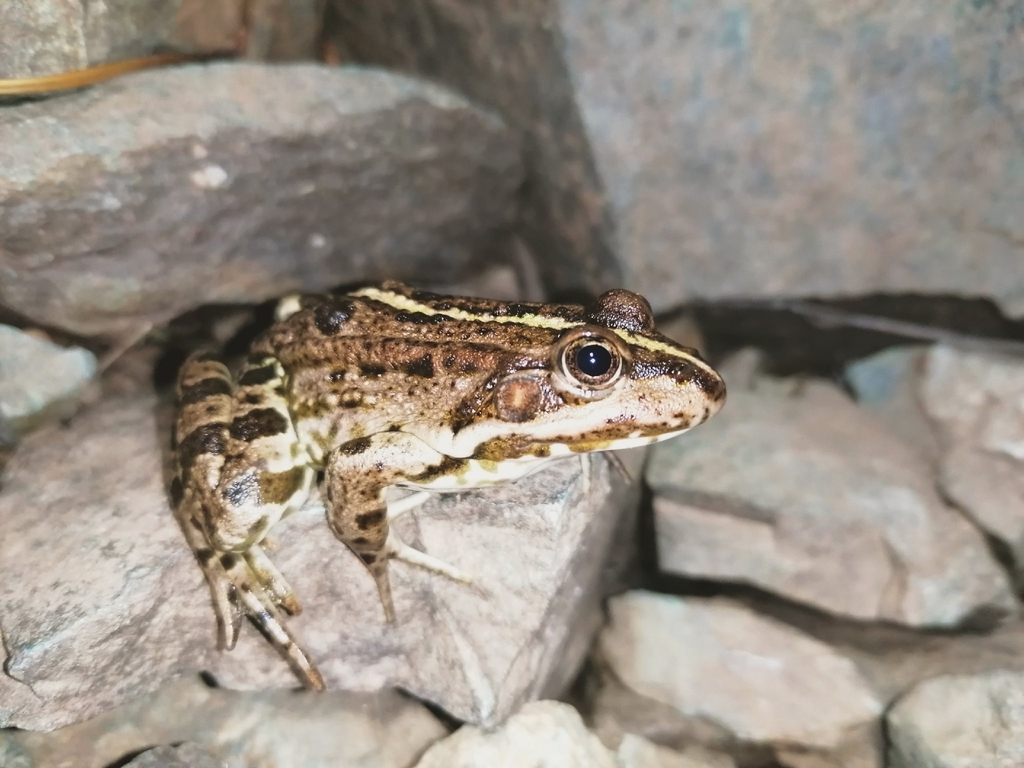
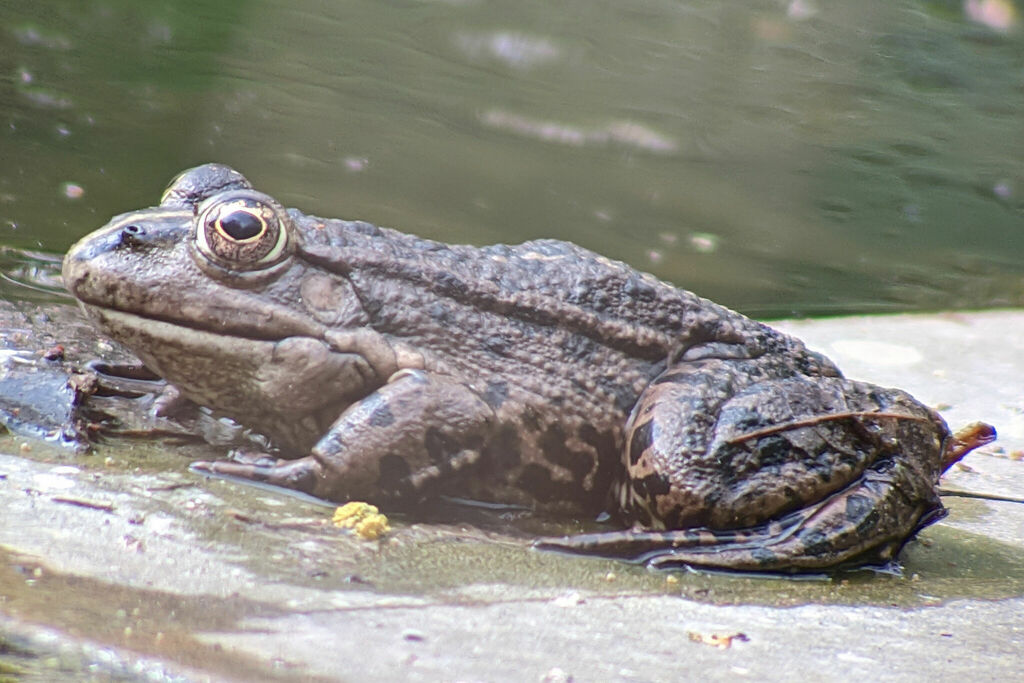
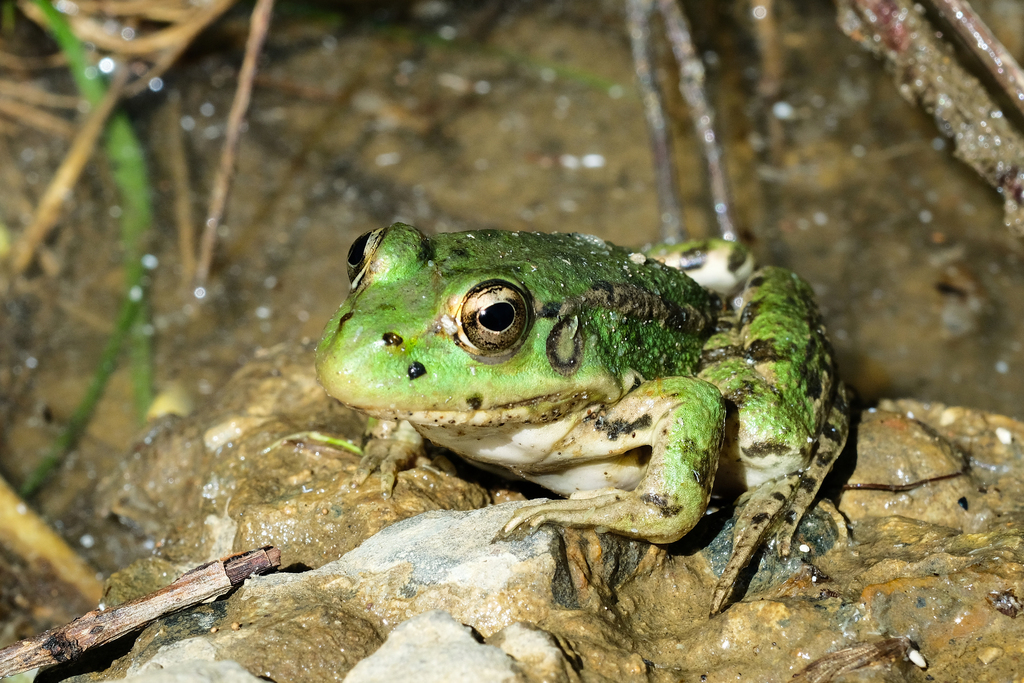
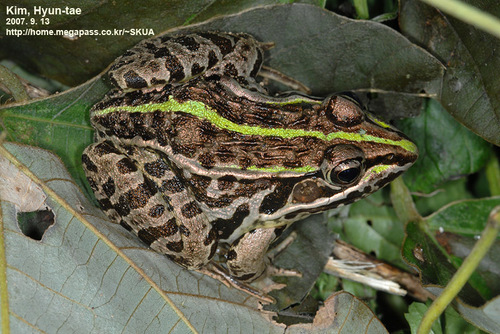
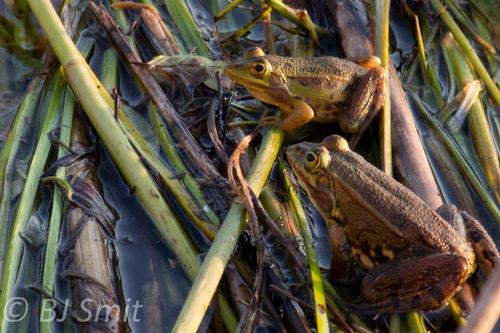
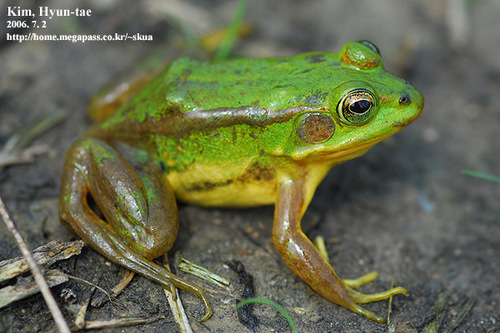
Its closest relatives
The other species of the genus Pelophylax.
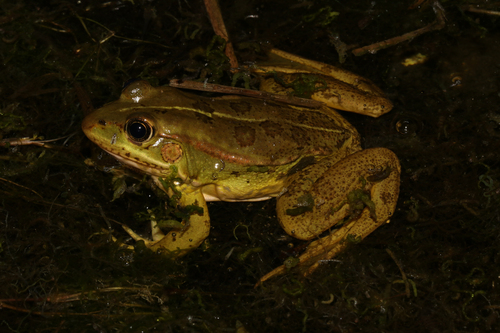
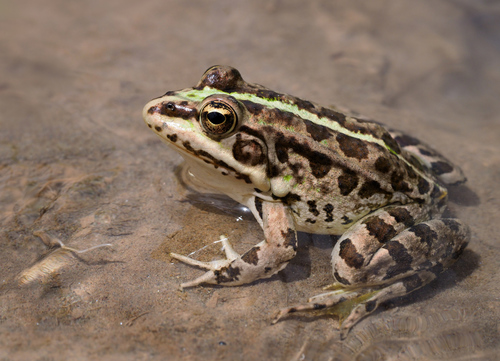
Seen a marsh frog?
Share your photo on iNaturalist. Other naturalists help confirm it, and the record goes to GBIF, where scientists use it and where the maps on this page come from.
Put this species on your site
The card names every source and links back here.
<iframe src="https://4planetatlas.com/place/embed/species/marsh-frog" title="Marsh frog (Pelophylax ridibundus), 4PLANET Species" width="100%" height="600" style="border:0;max-width:640px" loading="lazy"></iframe>
<p><a href="https://4species.com/marsh-frog">Marsh frog on 4PLANET Species</a></p>Explore next
What puts the marsh frog under pressure, what helps, and who works on it.
Questions people ask
What does the marsh frog eat?
The marsh frog has been recorded eating 81 different kinds of animals and plants, most of them amphibians, birds, insects and reptiles. The ones recorded most often are western yellow wagtail, fire salamander, common frog, edible frog and alpine newt; records include animals eaten as carrion. Source: GloBI.
What eats the marsh frog?
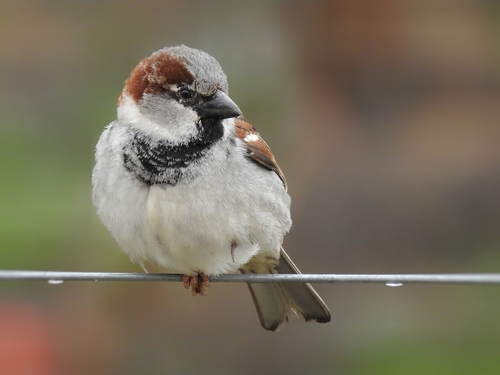
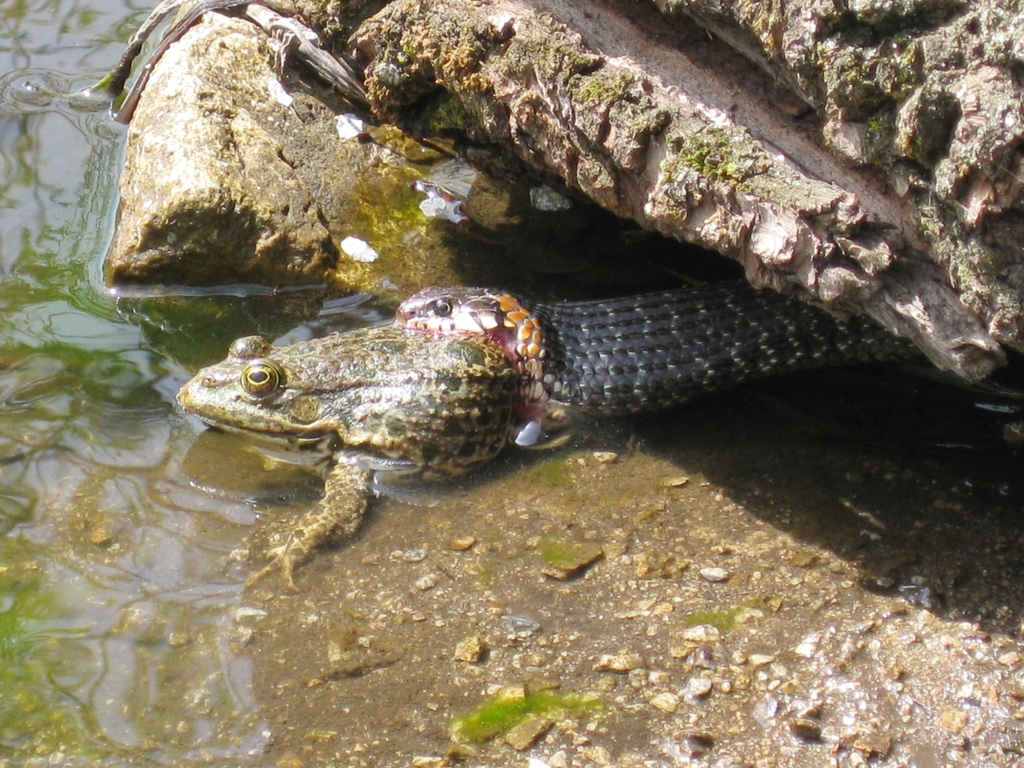
Recorded predators include common buzzard, wild boar, red fox, house sparrow and eurasian magpie. Source: GloBI.
Where does the marsh frog live?
People have recorded it in 52 countries; the most records come from Russia, Ukraine, Turkey, Greece and Georgia. Records show where people have seen it, not its full range.
When is the marsh frog seen most?
In the northern hemisphere, the most records are made in May and the fewest in January. More people outdoors also means more records.
What are the marsh frog's closest relatives?
It shares the genus Pelophylax with levant water frog, perez's frog, epirus water frog, sahara frog and dark-spotted frog.
Sources and photo credits
- GBIF · Pelophylax ridibundus, 18,287 human observations
- GloBI · recorded interactions of Pelophylax ridibundus
- Wikidata · Marsh frog (Q319393)
- Marsh frog (Pelophylax ridibundus): Константин, CC BY 4.0
- Marsh frog (Pelophylax ridibundus), Монастырское Озеро, оз. Монастырское,, Ставропольский край, Россия, 357340: Nikita Gerasin, CC BY 4.0
- Marsh frog (Pelophylax ridibundus), Голопристанський район, Херсонська область, Україна: Galyna Mykytynets, CC BY 4.0
- Marsh frog (Pelophylax ridibundus), 7534 Mittermühle, Österreich: Philip Schaffer, CC BY 4.0
- Marsh frog (Pelophylax ridibundus), Mineralni bani, Bulgaria: SteveM4560, CC BY 4.0
- Marsh frog (Pelophylax ridibundus), RJ87+PF, Велико село, Сербия: Evgenij Samarin, CC BY 4.0
- Marsh frog (Pelophylax ridibundus), Челябинская обл., Россия, 456142: Евгений Маринкин, CC BY 4.0
- Marsh frog (Pelophylax ridibundus), 31 Hildesheim, Germany: Stephan Mende, CC BY 4.0
- Marsh frog (Pelophylax ridibundus), Западный округ, Краснодар, Краснодарский край, Россия: lugachev_vitaly, CC BY 4.0
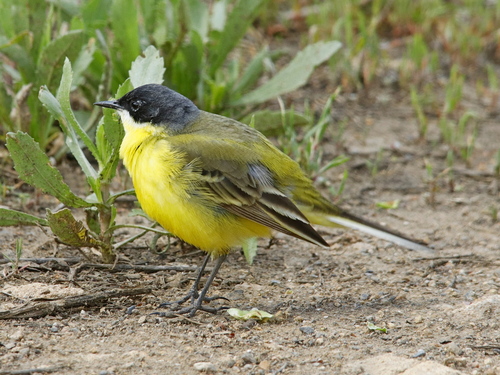
- Western yellow wagtail: Andrew Simon, CC BY 4.0
- Fire salamander: Frank Vassen, CC BY 4.0
- Common frog: Jörg Hempel, CC BY-SA 4.0
- Edible frog: Luciano 95, CC BY 4.0
- Natterjack toad: Gilles San Martin, CC BY-SA 4.0
- Western Bonelli's warbler: Codrin Bucur, CC BY 4.0
- Yellow-bellied toad: Kostas Zontanos, CC BY 4.0
- Agile frog: Laurent Lebois, CC BY 4.0
- Palmate newt: Dr. Alan Inman, CC0
- Italian tree frog: Emanuele Santarelli, CC BY-SA 4.0
- Italian crested newt: Andrea Battisti, CC BY 4.0
- Common buzzard: Christoph Moning, CC BY 4.0
- Wild boar: SteveM4560, CC BY 4.0
- Red fox: Алина Урусова, CC BY 4.0
- House sparrow: Esteban Poveda, CC BY 4.0
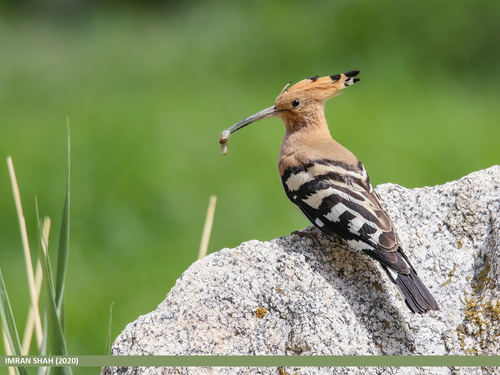
- Eurasian hoopoe: Birds of Gilgit-Baltistan, CC BY-SA 4.0
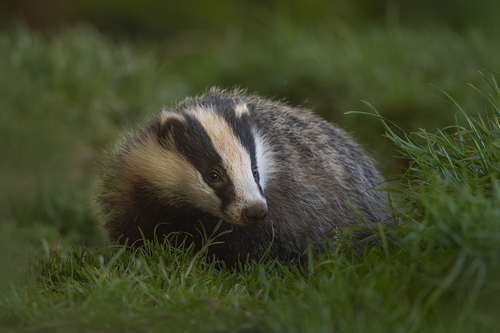
- Eurasian badger: caroline legg, CC BY 4.0
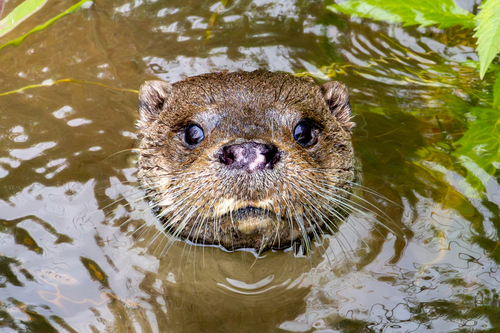
- Eurasian otter: Diego González Dopico, CC BY 4.0
- Perez's frog: Dietmar K. L. Moser, CC BY 4.0
- Epirus water frog: Ryan van Huyssteen, CC BY 4.0
- Sahara frog: Frank Vassen, CC BY 4.0
- Dark-spotted frog: Kim, Hyun-tae, CC BY 4.0
- Albanian water frog: Bart, CC BY 4.0
- Seoul frog: Kim, Hyun-tae, CC BY 4.0
- Cretan frog: Philip Schaffer, CC BY 4.0
Records show where people have seen and shared the marsh frog, not its full range, and some countries and months are recorded far more than others. The food web lists interactions that studies have recorded somewhere in the world (GloBI), not everything it eats in one place.
Checked 2026-11-24.