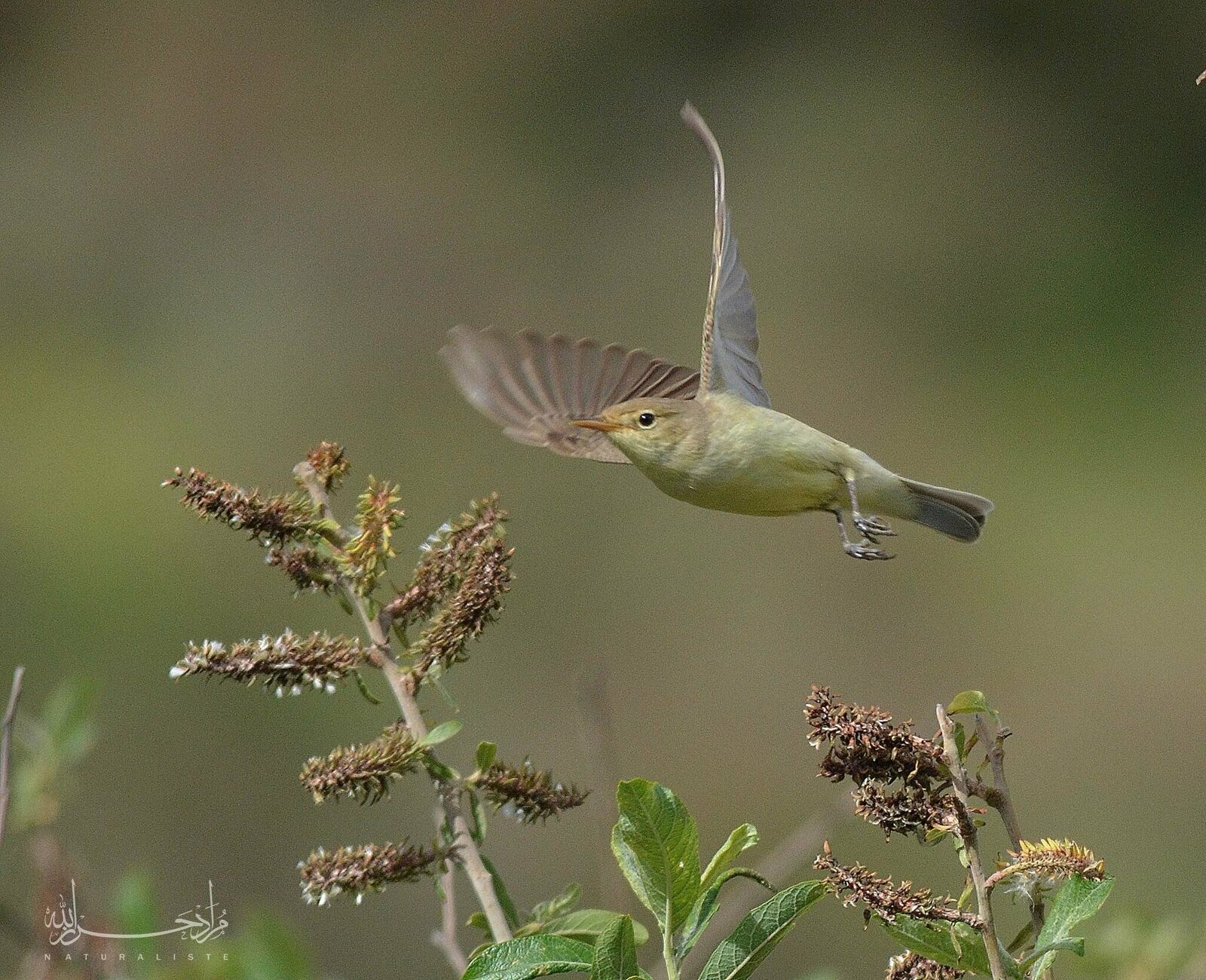
Melodious warbler
Hippolais polyglotta
- Status
- Least Concern IUCN Red List
- Eats
- six-spot burnet, elder, American pokeweed and 1,624 more
- Eaten by
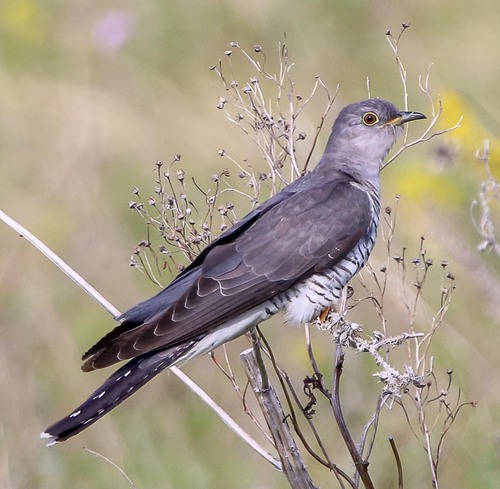
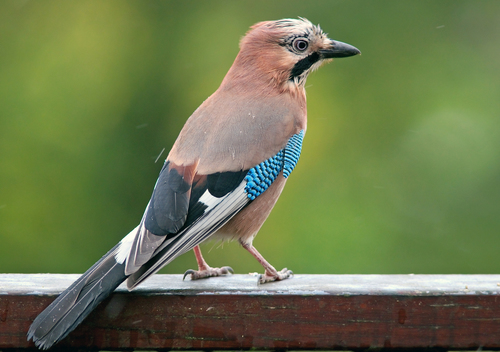
- northern raven, common cuckoo, Eurasian jay
- Where
- 46 countries
On 4Planet Atlas it is among the wildlife people record most around Lisbon, Madrid and Paris.
People have shared 123,497 records of the melodious warbler with GBIF, from 46 countries, most of them from Spain, Portugal and France. Records collected by GloBI show it eating 1,627 different kinds of animals and plants, and being eaten by 34.
What the melodious warbler eats, and what eats it
Studies have recorded it eating 1,627 kinds of animals and plants, and 34 kinds of animals eating it. Tap any of them to follow the food chain.
- Insects 1,172
- Plants 6
- Snails and slugs 3
Eaten by


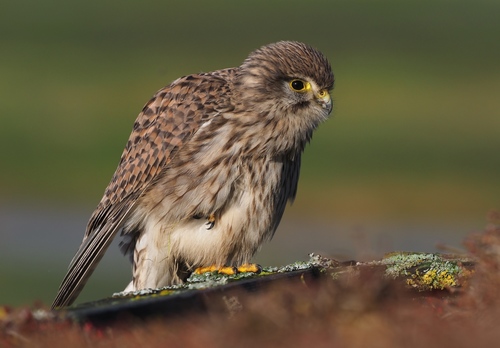
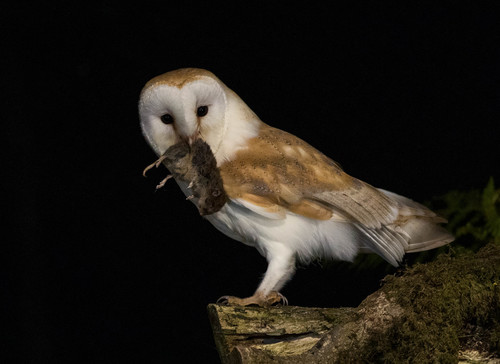 Melodious warbler
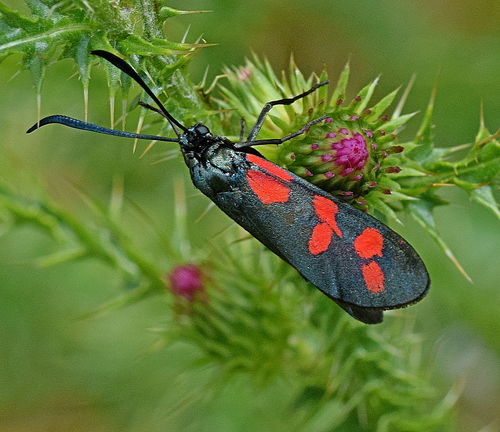
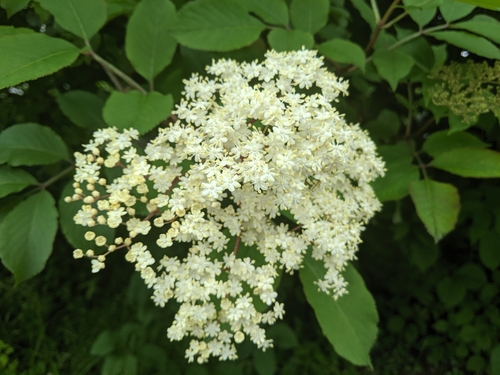
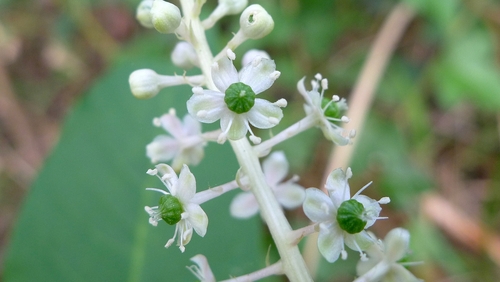

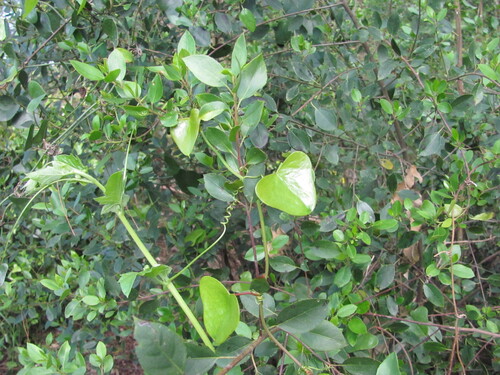

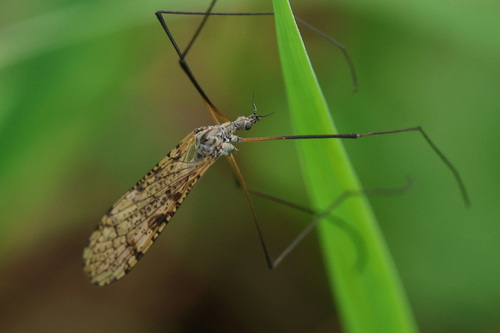
Records from studies worldwide, collected by GloBI. They include animals eaten as carrion, and they are not everything it eats in one place.
Where people see the melodious warbler
People have shared 123,497 records from 46 countries.
Near a city: Lisbon, Madrid, Paris.
Records show where people have seen it and shared it, not its full range. Country names open their page in Atlas.
When it is seen
Records per month in the northern hemisphere. More people outdoors also means more records.
Watch and listen
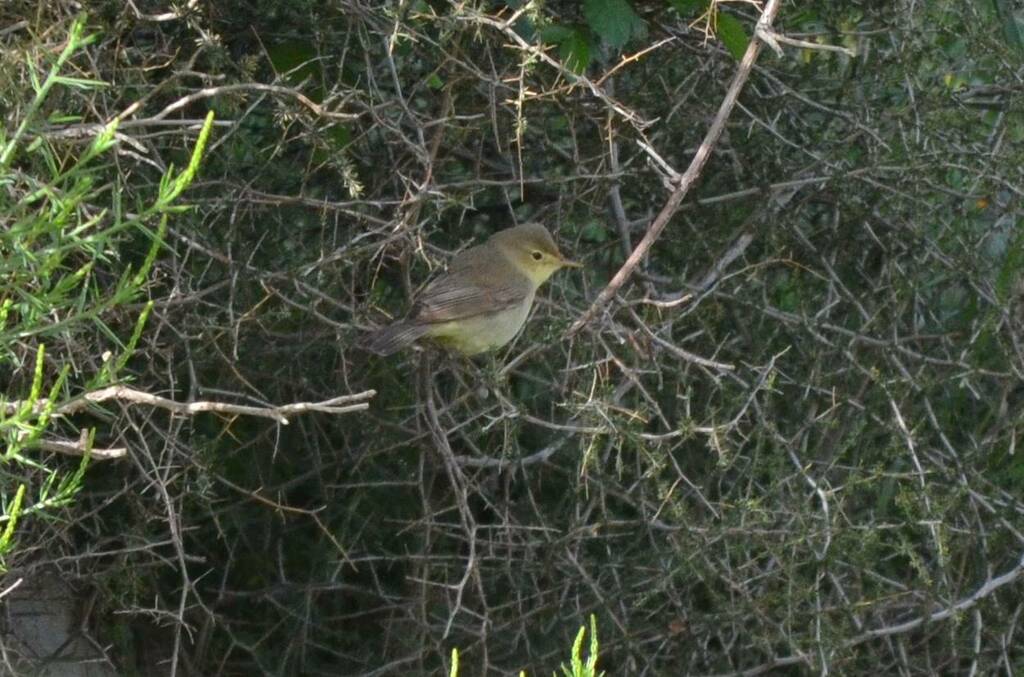
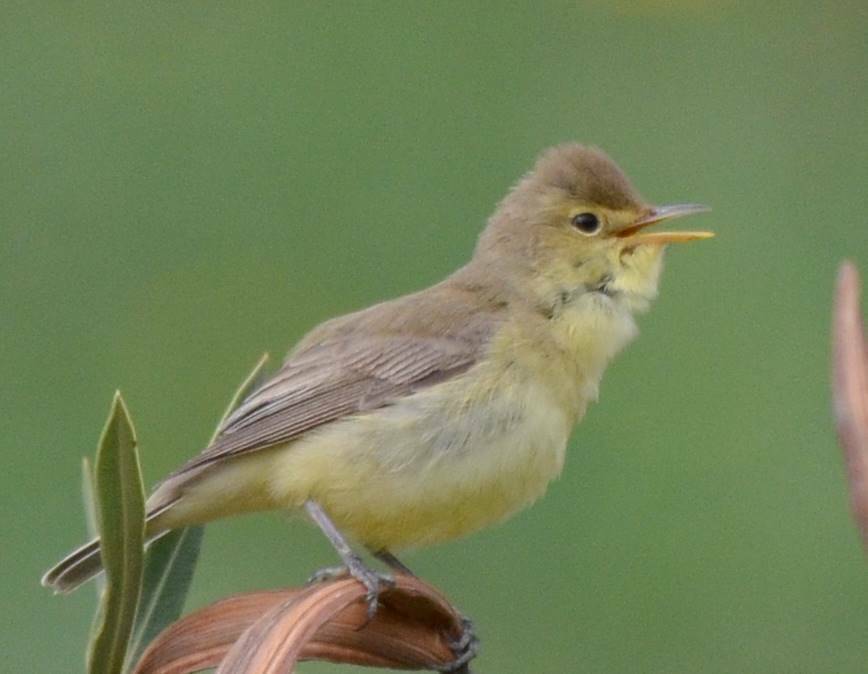
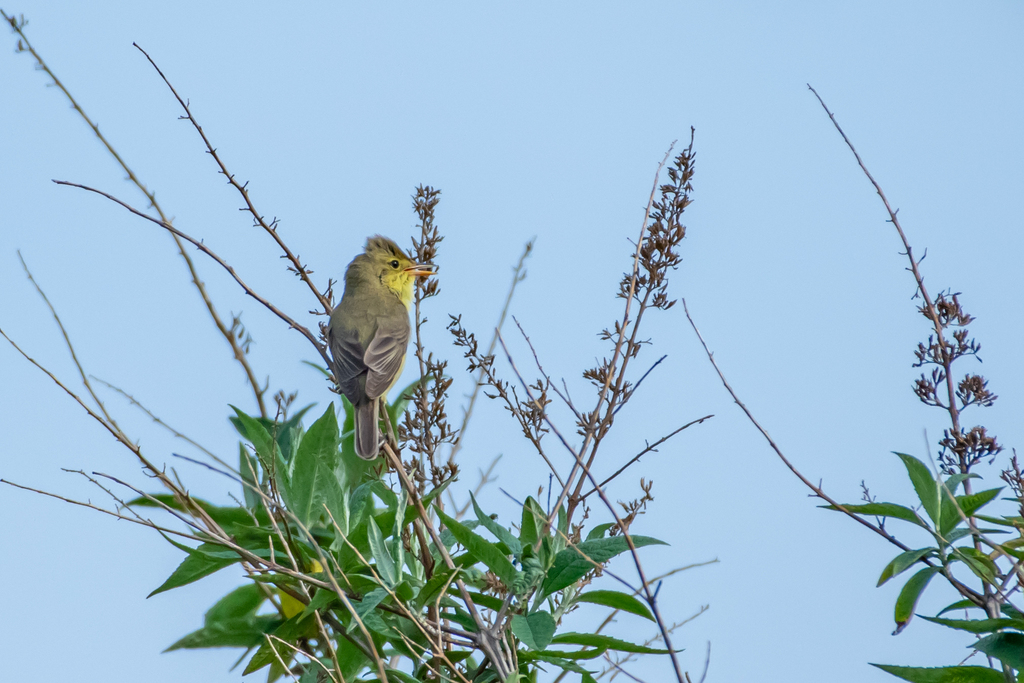
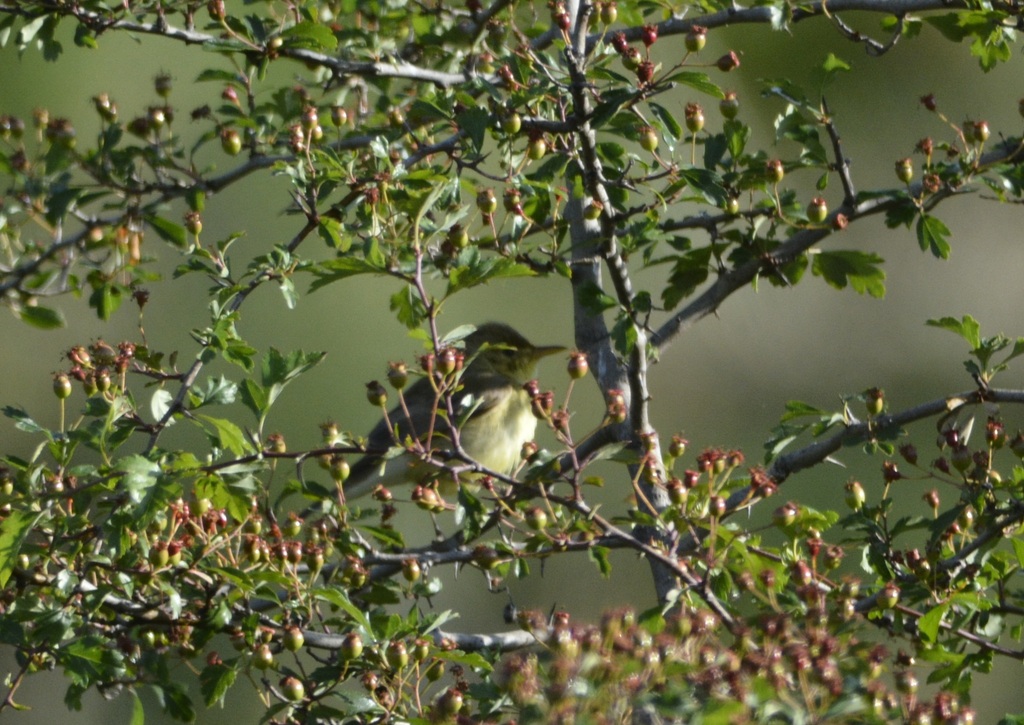
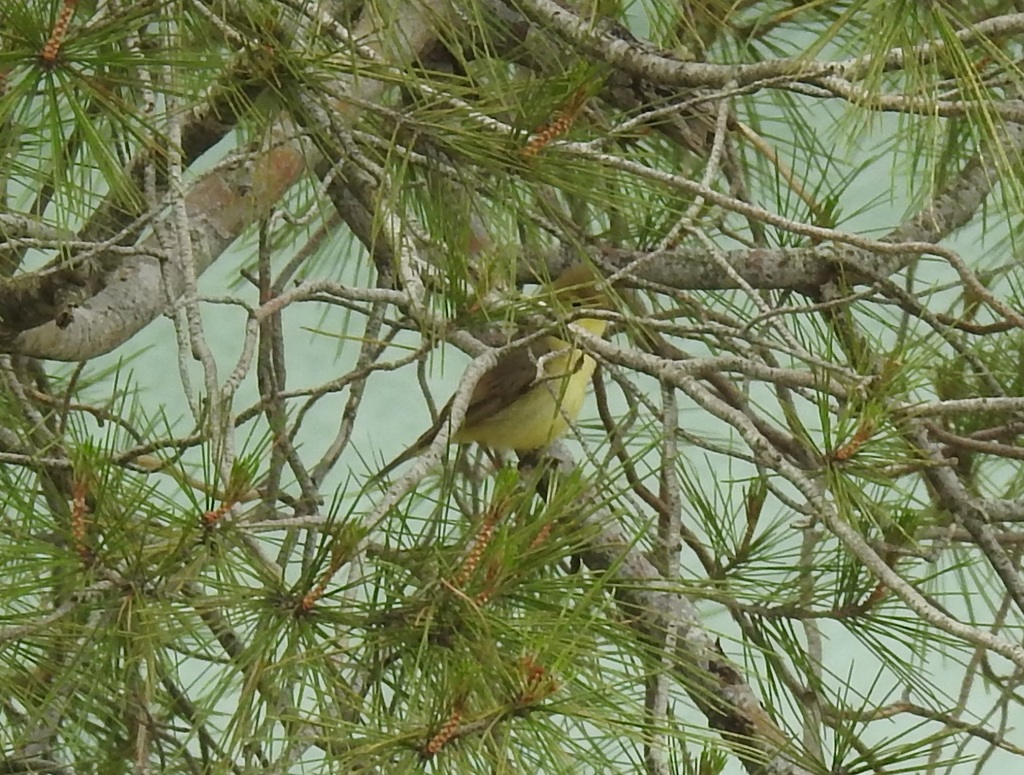
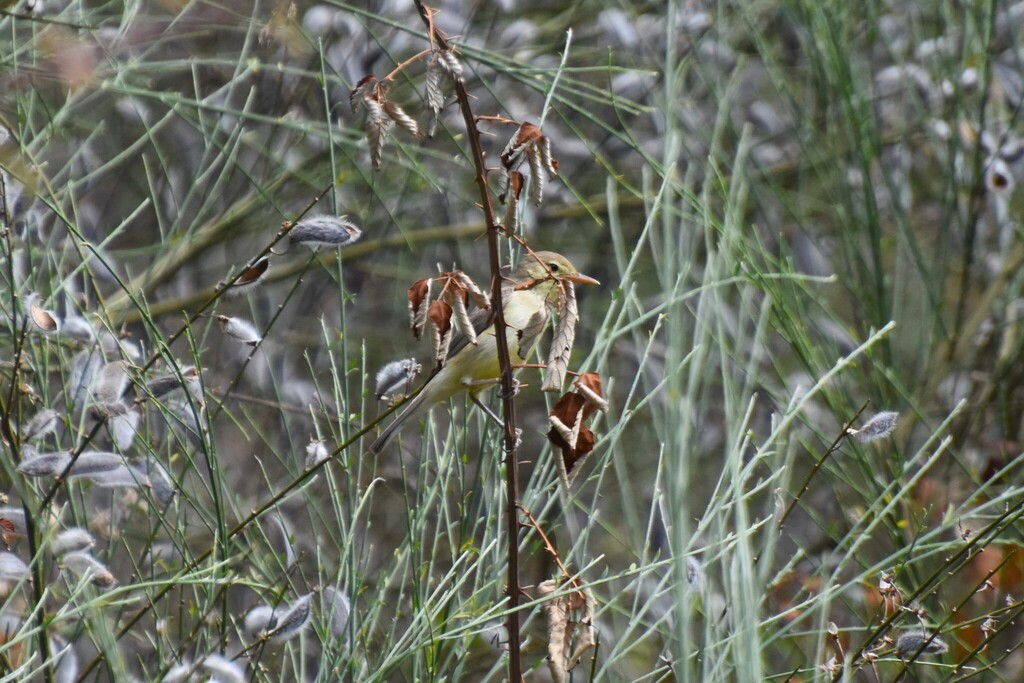
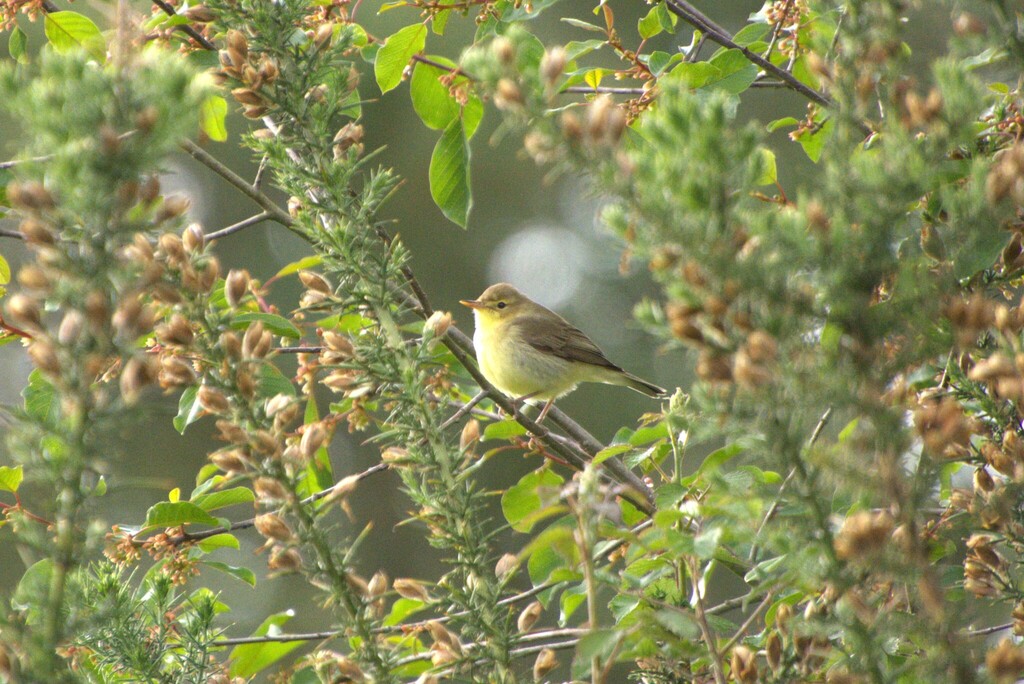
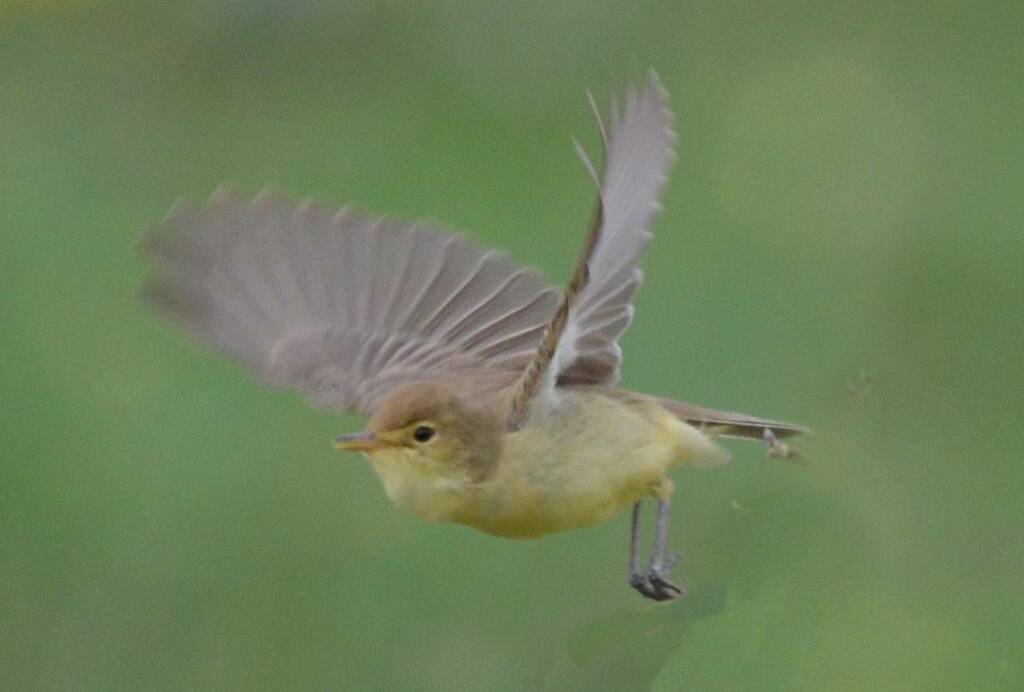
Its closest relatives
The other species of the genus Hippolais.

Seen a melodious warbler?
Share your photo on iNaturalist. Other naturalists help confirm it, and the record goes to GBIF, where scientists use it and where the maps on this page come from.
Put this species on your site
The card names every source and links back here.
<iframe src="https://4planetatlas.com/place/embed/species/melodious-warbler" title="Melodious warbler (Hippolais polyglotta), 4PLANET Species" width="100%" height="600" style="border:0;max-width:640px" loading="lazy"></iframe>
<p><a href="https://4species.com/melodious-warbler">Melodious warbler on 4PLANET Species</a></p>Questions people ask
What does the melodious warbler eat?
The melodious warbler has been recorded eating 1,627 different kinds of animals and plants, most of them insects, plants and snails and slugs. The ones recorded most often are six-spot burnet, elder, american pokeweed, elmleaf blackberry and common smilax; records include animals eaten as carrion. Source: GloBI.
What eats the melodious warbler?
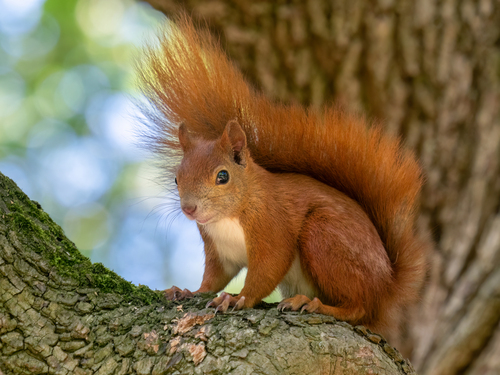
Recorded predators include northern raven, common cuckoo, eurasian jay, eurasian red squirrel and eurasian eagle-owl. Source: GloBI.
Where does the melodious warbler live?
People have recorded it in 46 countries; the most records come from Spain, Portugal, France, Italy and Morocco. Records show where people have seen it, not its full range.
When is the melodious warbler seen most?
In the northern hemisphere, the most records are made in May and the fewest in February. More people outdoors also means more records.
What are the melodious warbler's closest relatives?
It shares the genus Hippolais with olive-tree warbler.
Sources and photo credits
- GBIF · Hippolais polyglotta, 123,497 human observations
- GloBI · recorded interactions of Hippolais polyglotta
- Wikidata · Melodious warbler (Q752539)
- Melodious warbler (Hippolais polyglotta): Mourad Harzallah, CC BY 4.0
- Melodious warbler (Hippolais polyglotta), Tikjda, Algérie: Mourad Harzallah, CC BY 4.0
- Melodious warbler (Hippolais polyglotta), El Achir, Algérie: Mourad Harzallah, CC BY 4.0
- Melodious warbler (Hippolais polyglotta), 68220 Hégenheim, France: Codrin Bucur, CC BY 4.0
- Melodious warbler (Hippolais polyglotta), Constantine, DZ: Karim Haddad, CC BY 4.0
- Melodious warbler (Hippolais polyglotta), Erraguen, Algérie: Karim Haddad, CC BY 4.0
- Melodious warbler (Hippolais polyglotta), La Coruña, España: Tristo, CC BY 4.0
- Melodious warbler (Hippolais polyglotta), La Coruña, España: Tristo, CC BY 4.0
- Melodious warbler (Hippolais polyglotta), El Achir, Algérie: Mourad Harzallah, CC BY 4.0
- Six-spot burnet: Kostas Zontanos, CC BY 4.0
- Elder: Attila Oláh, CC BY 4.0
- American pokeweed: John Tann, CC BY 4.0
- Elmleaf blackberry: Joan Simon, CC BY-SA 4.0
- Common smilax: zebedeugalinha, CC BY 4.0
- American black nightshade: Cricket Raspet, CC BY 4.0
- Limnophila punctata: Вячеслав Юсупов, CC BY 4.0
- Northern raven: xulescu_g, CC BY-SA 4.0
- Common cuckoo: no rights reserved, uploaded by Юрий Носков, CC0
- Eurasian jay: Luc Viatour, CC BY-SA 4.0
- Eurasian red squirrel: Rhododendrites, CC BY-SA 4.0
- Eurasian sparrowhawk: Stanislav Murashkin, CC BY 4.0
- Common kestrel: Frank Vassen, CC BY 4.0
- Western barn owl: john.purvis, CC BY 4.0
- Olive-tree warbler: Derek Keats, CC BY 4.0
Records show where people have seen and shared the melodious warbler, not its full range, and some countries and months are recorded far more than others. The food web lists interactions that studies have recorded somewhere in the world (GloBI), not everything it eats in one place.
Checked 2026-11-22.