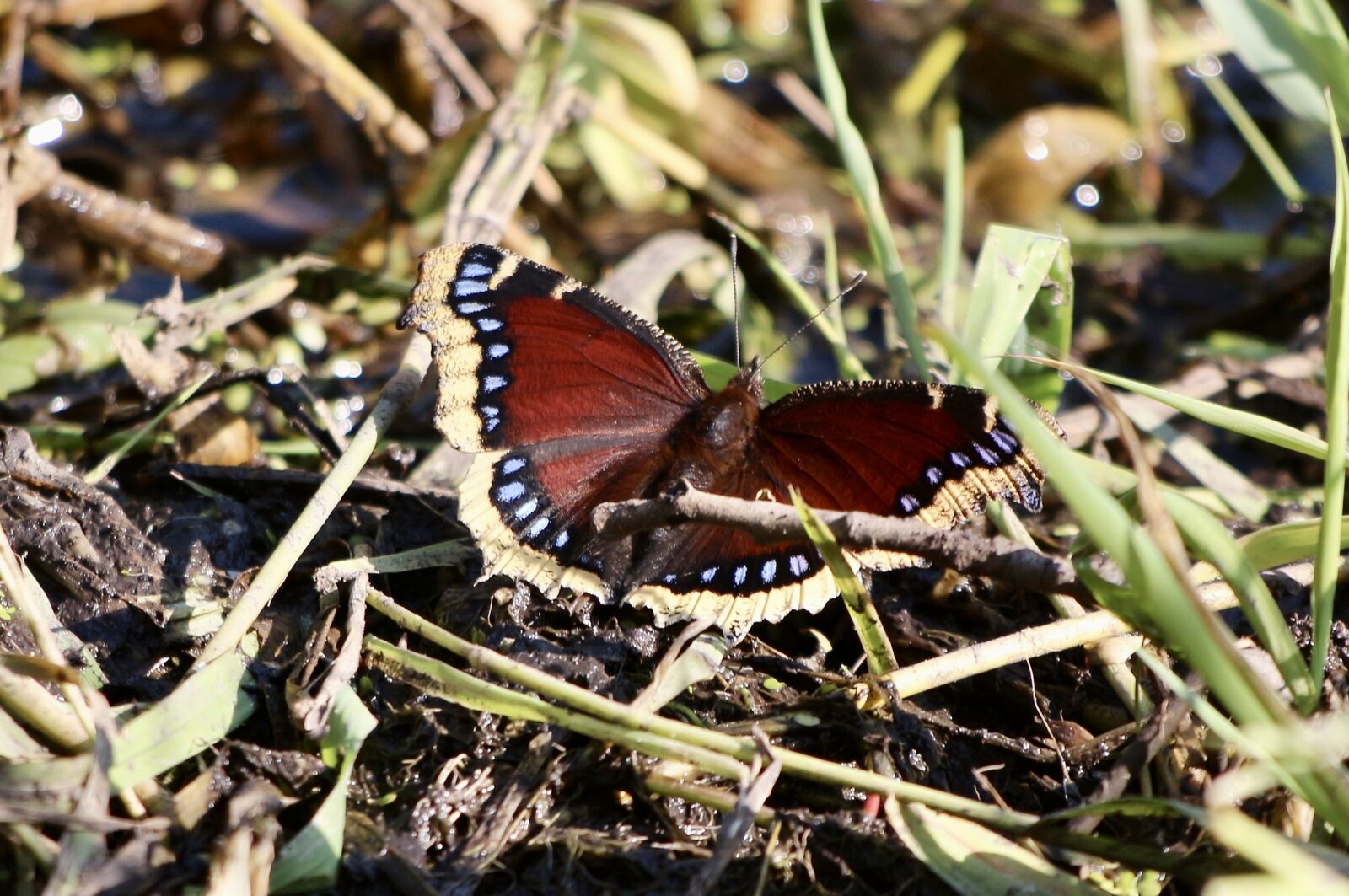
Mourning Cloak
Nymphalis antiopa
- Status
- Least Concern IUCN Red List
- Eats
- goat willow, apricot, fennel and 183 more
- Eaten by
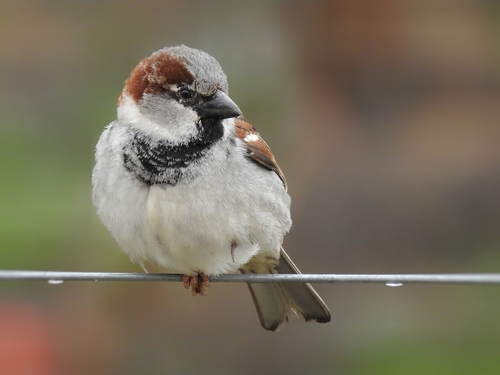
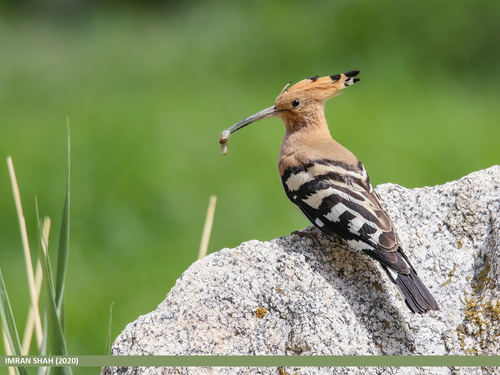
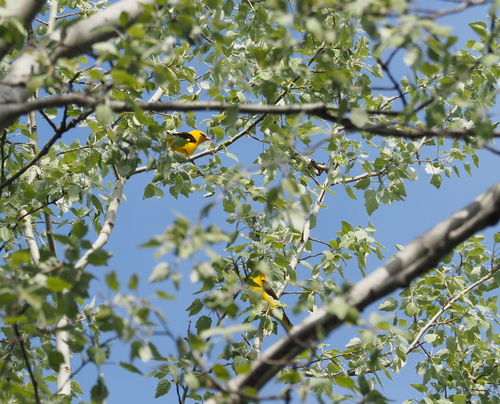
- house sparrow, Eurasian magpie, Eurasian hoopoe
- Where
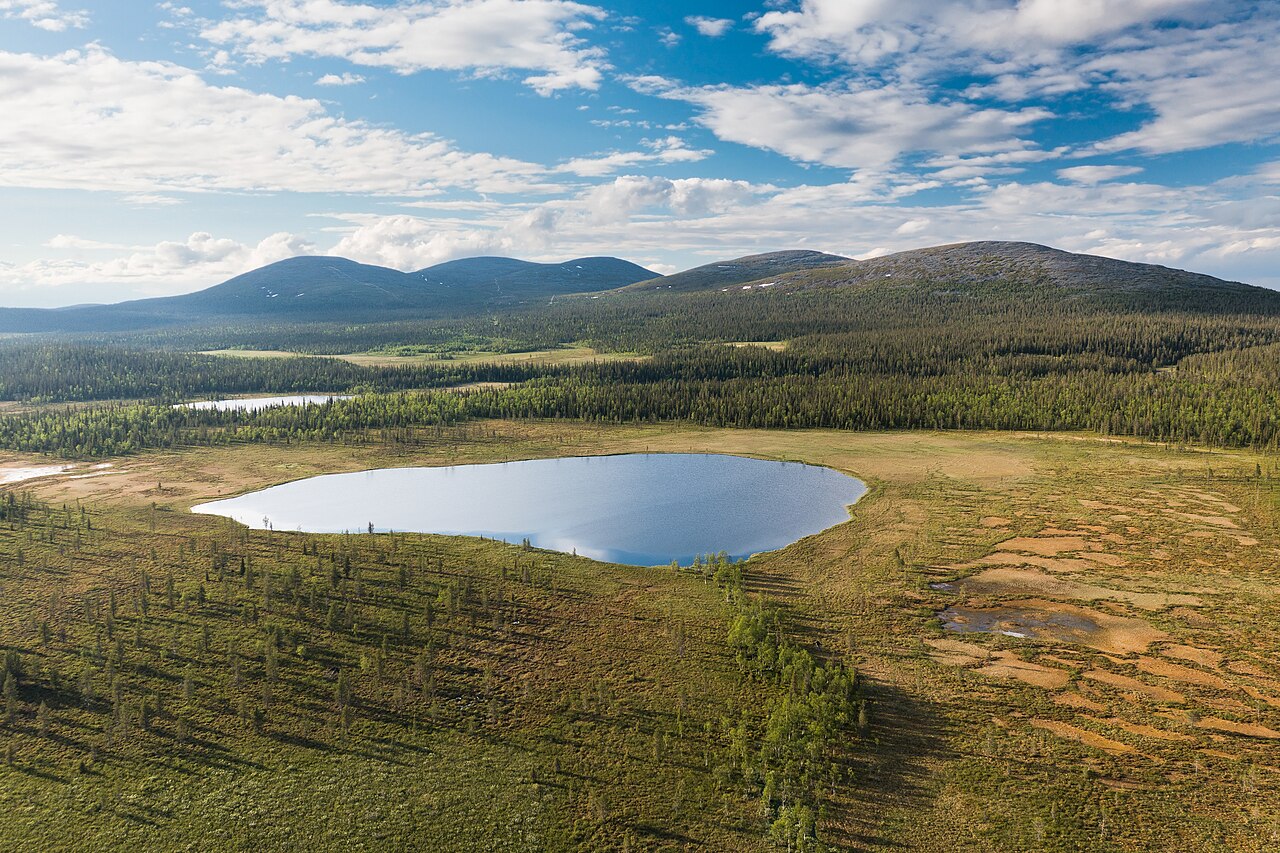
- 48 countries · boreal forest
People have shared 70,832 records of the Mourning Cloak with GBIF, from 48 countries, most of them from United States, Canada and Russia. Records collected by GloBI show it eating 186 different kinds of animals and plants, and being eaten by 102.
In the northern hemisphere, people record it most in April and least in December. It belongs to the genus Nymphalis in the family Nymphalidae.
Habitats
What the mourning Cloak eats, and what eats it
Studies have recorded it eating 186 kinds of animals and plants, and 102 kinds of animals eating it. Tap any of them to follow the food chain.
- Plants 182
- Mammals 1
Eaten by
 Mourning Cloak
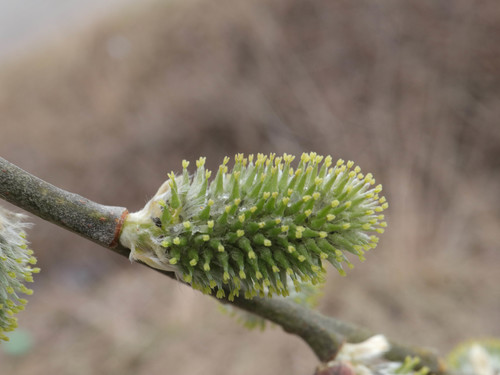
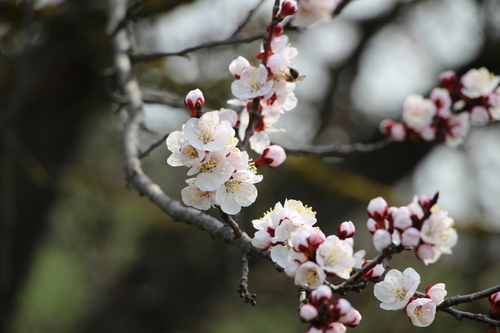
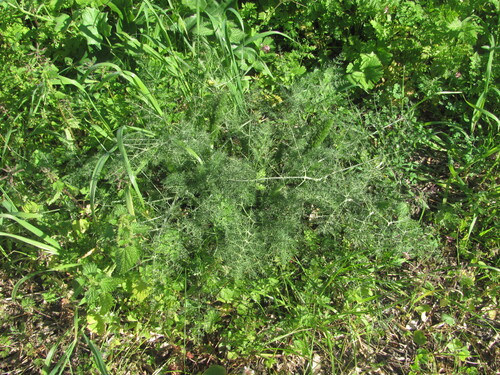
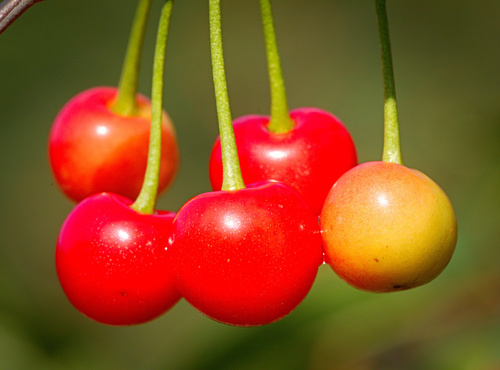
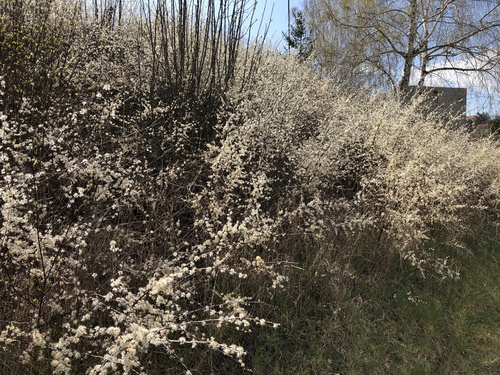

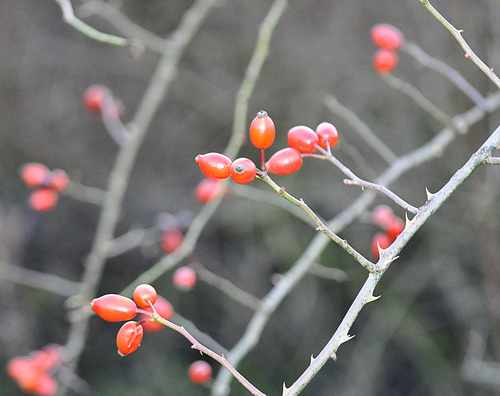
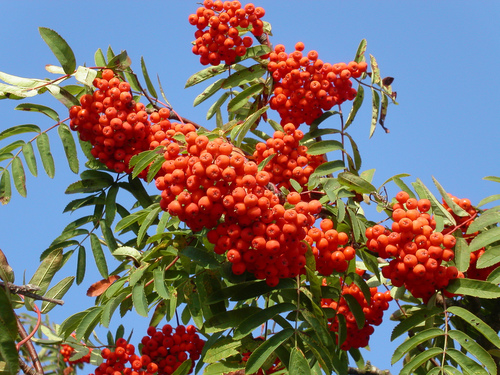
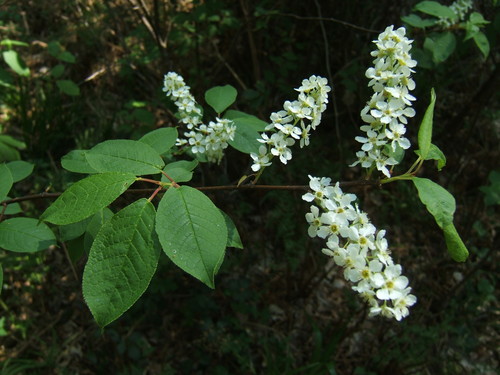
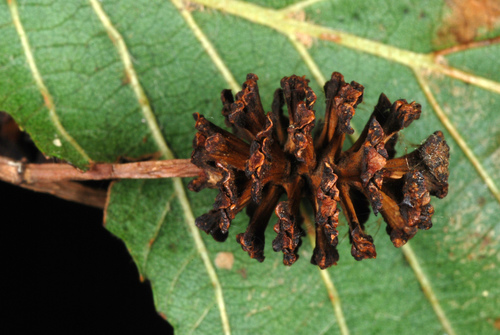

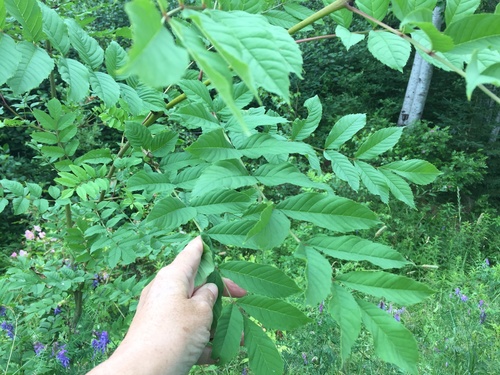
Records from studies worldwide, collected by GloBI. They include animals eaten as carrion, and they are not everything it eats in one place.
Where people see the mourning Cloak
People have shared 70,832 records from 48 countries.
Records show where people have seen it and shared it, not its full range. Country names open their page in Atlas.
When it is seen
Records per month in the northern hemisphere. More people outdoors also means more records.
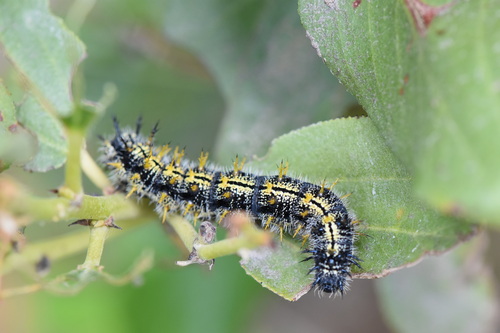
Watch and listen
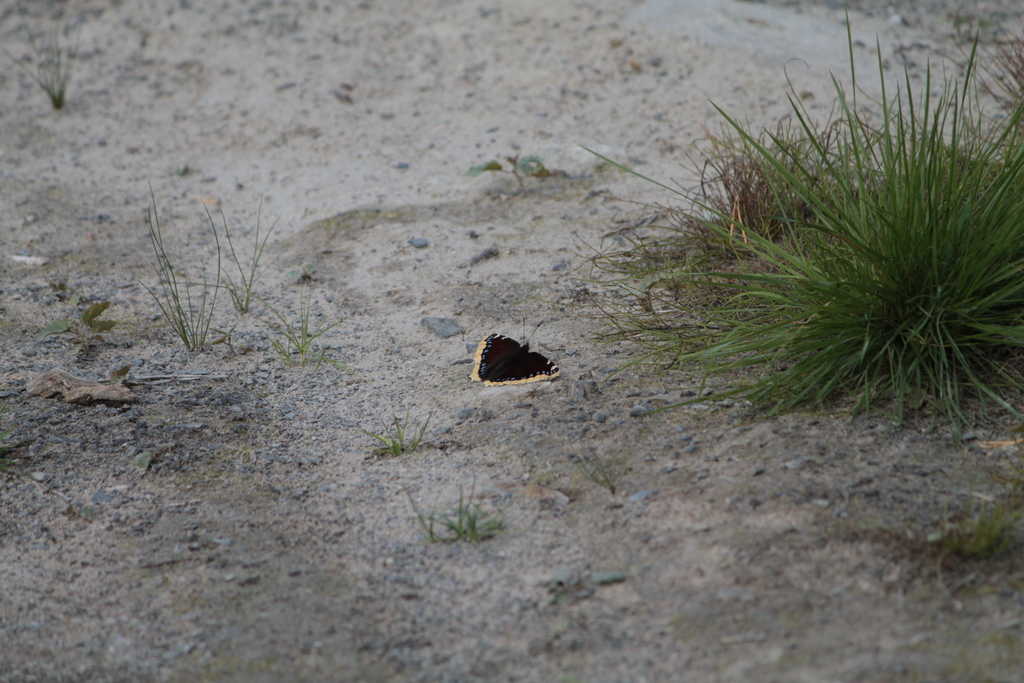
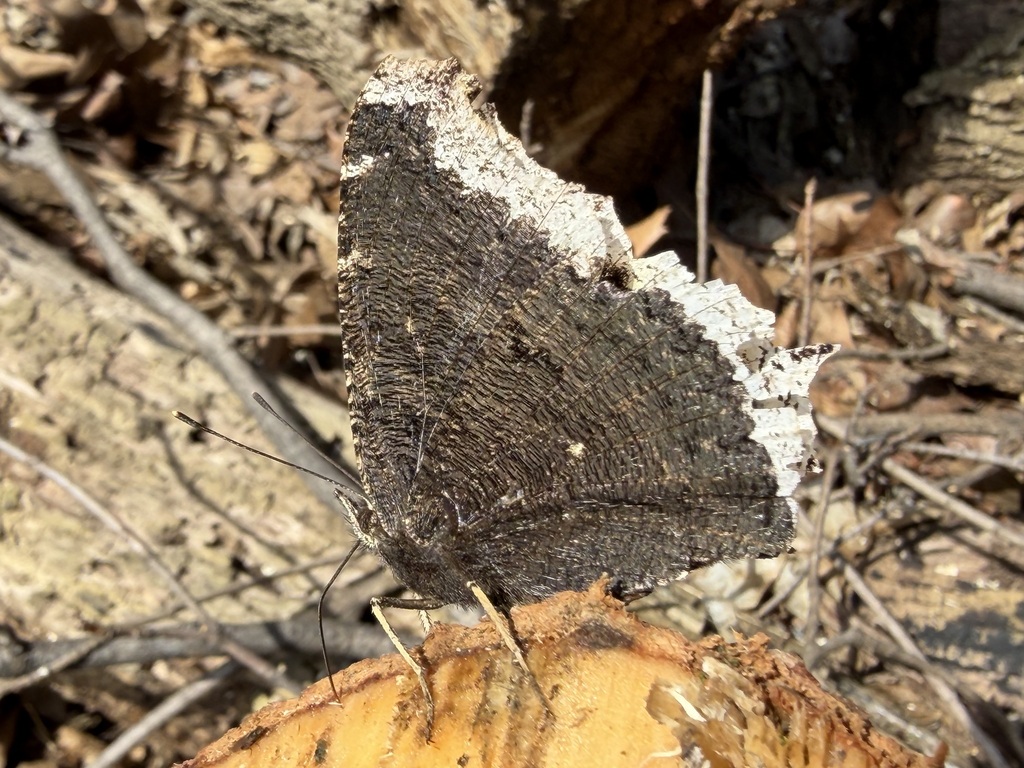
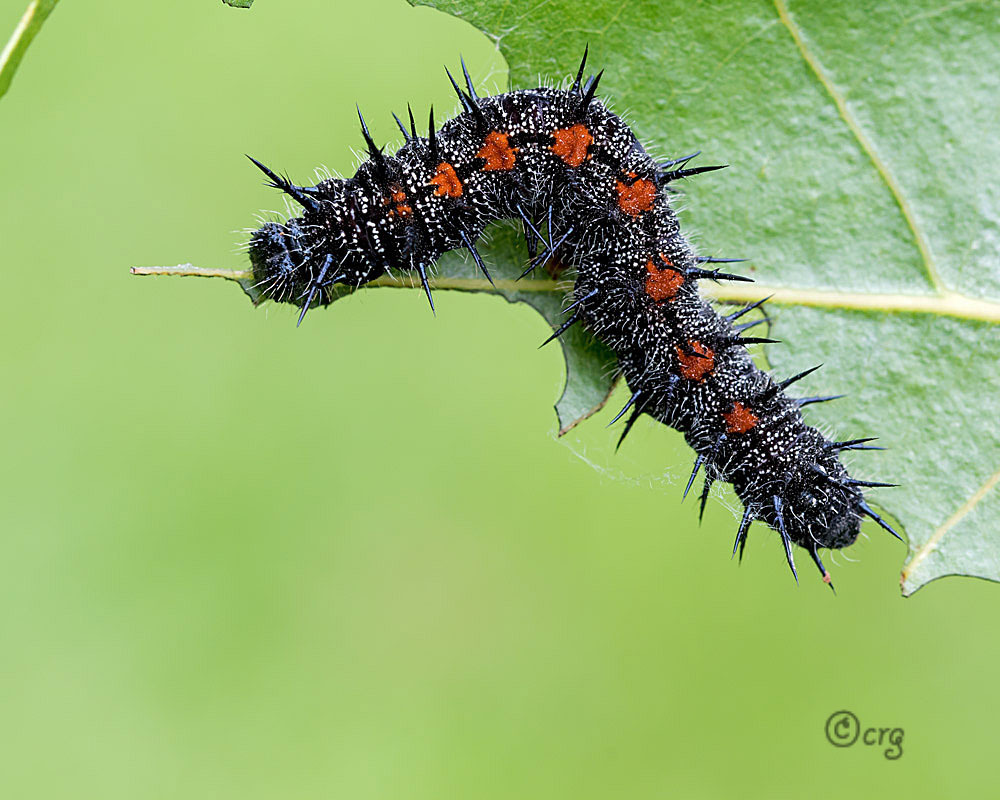
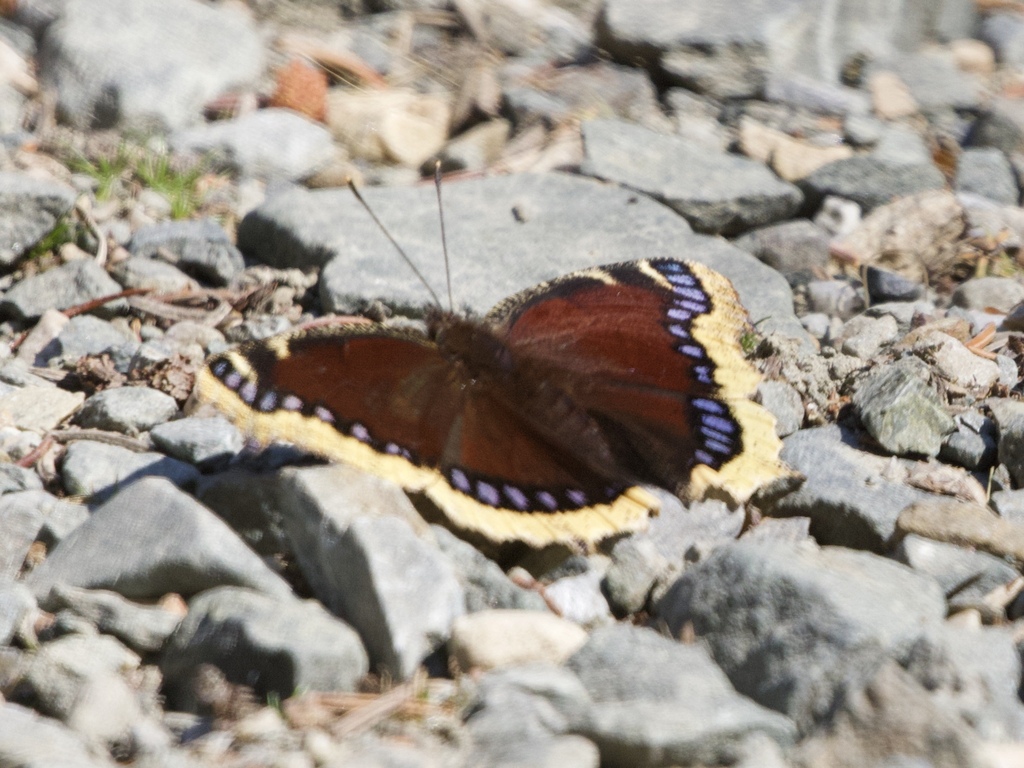
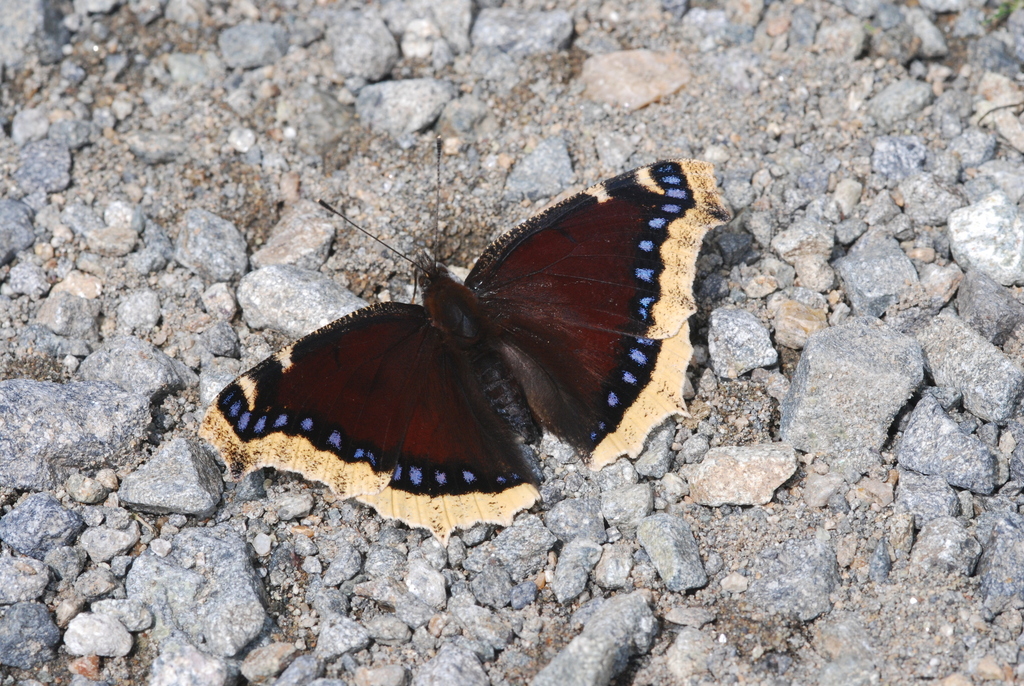
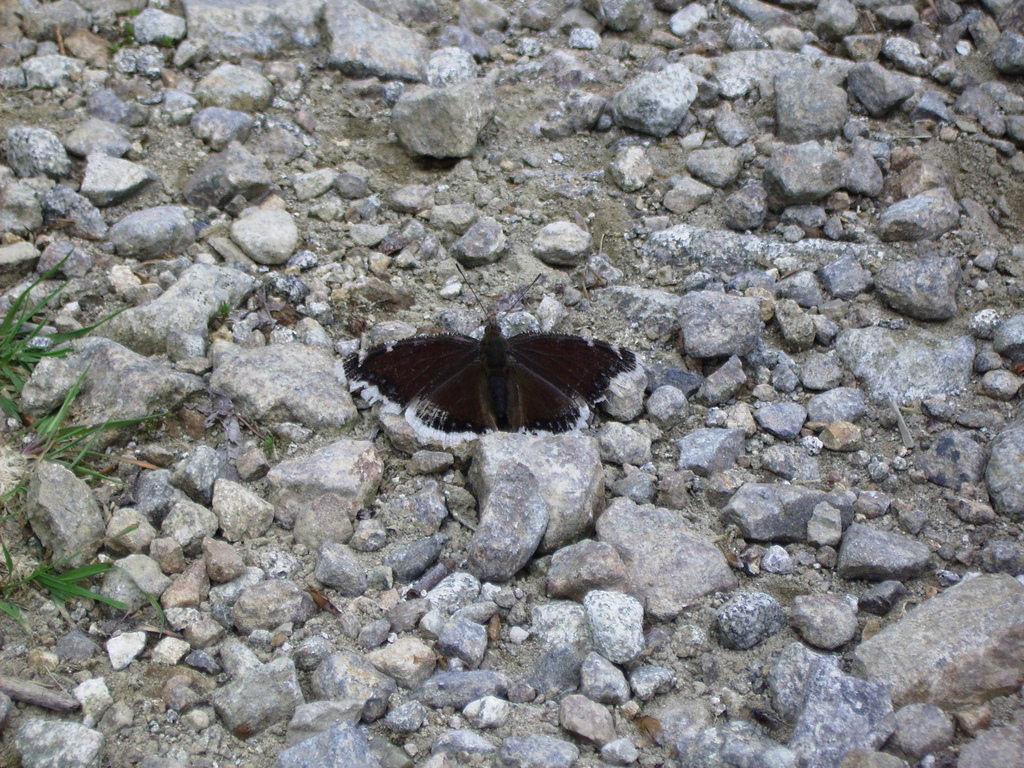
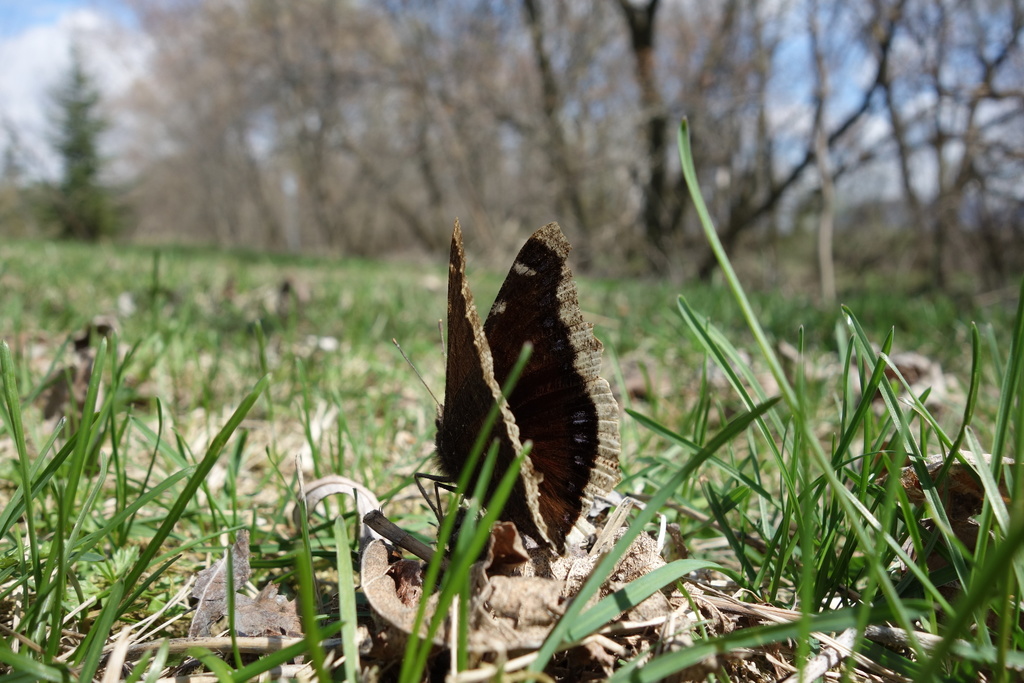
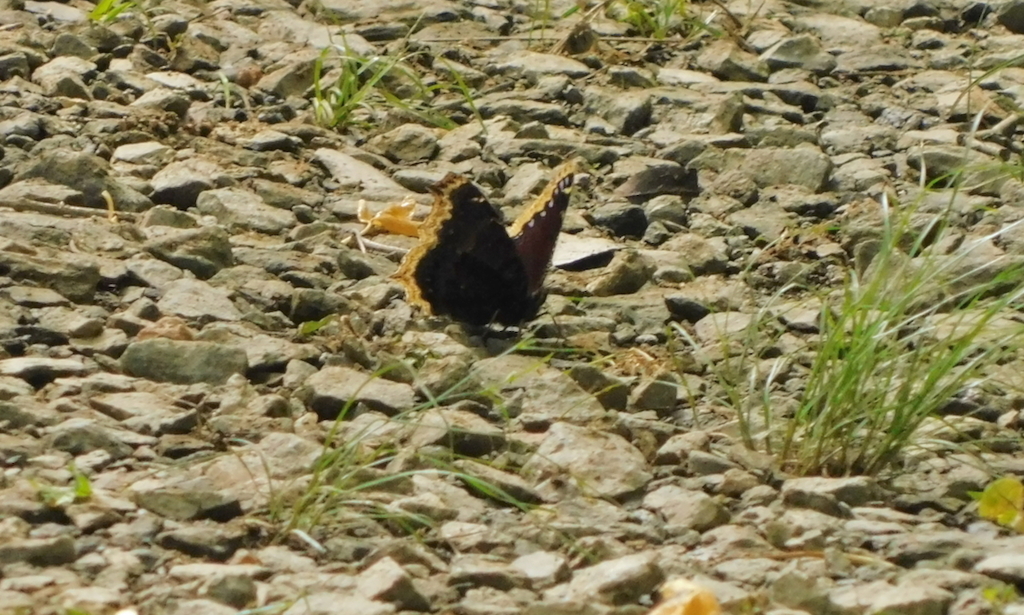
Its closest relatives
The other species of the genus Nymphalis.
Seen a mourning Cloak?
Share your photo on iNaturalist. Other naturalists help confirm it, and the record goes to GBIF, where scientists use it and where the maps on this page come from.
Put this species on your site
The card names every source and links back here.
<iframe src="https://4planetatlas.com/place/embed/species/mourning-cloak" title="Mourning Cloak (Nymphalis antiopa), 4PLANET Species" width="100%" height="600" style="border:0;max-width:640px" loading="lazy"></iframe>
<p><a href="https://4species.com/mourning-cloak">Mourning Cloak on 4PLANET Species</a></p>Explore next
What puts the mourning Cloak under pressure, what helps, and who works on it.


Questions people ask
What does the Mourning Cloak eat?
The Mourning Cloak has been recorded eating 186 different kinds of animals and plants, most of them plants and mammals. The ones recorded most often are goat willow, apricot, fennel, sweet cherry and blackthorn; records include animals eaten as carrion. Source: GloBI.
What eats the Mourning Cloak?
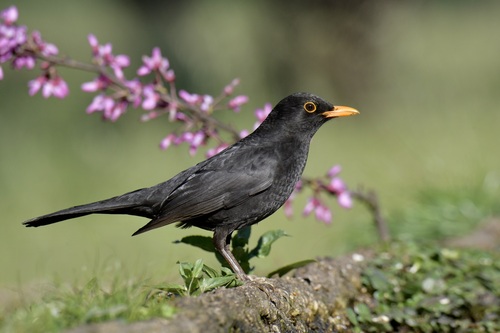
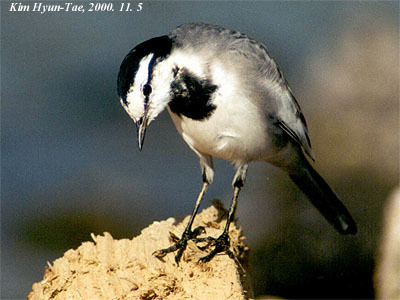
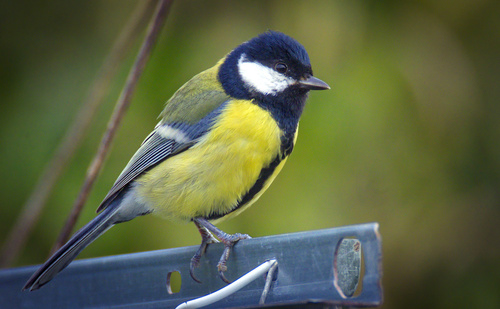
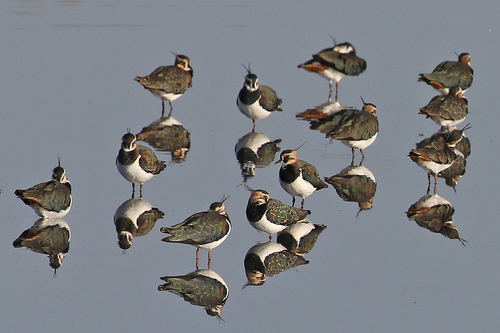
Recorded predators include house sparrow, eurasian magpie, eurasian hoopoe, common blackbird and eurasian golden oriole. Source: GloBI.
Where does the Mourning Cloak live?
People have recorded it in 48 countries; the most records come from United States, Canada, Russia, Mexico and Finland. Records show where people have seen it, not its full range.
When is the Mourning Cloak seen most?
In the northern hemisphere, the most records are made in April and the fewest in December. More people outdoors also means more records.
What are the Mourning Cloak's closest relatives?
It shares the genus Nymphalis with california tortoiseshell.
Sources and photo credits
- GBIF · Nymphalis antiopa, 70,832 human observations
- GloBI · recorded interactions of Nymphalis antiopa
- Wikidata · Mourning Cloak (Q503989)
- Mourning Cloak (Nymphalis antiopa): Sue Elwell, CC0
- Mourning Cloak (Nymphalis antiopa), Oulu, Finland: uusijani, CC0
- Mourning Cloak (Nymphalis antiopa), Park Drive Reservation Lands, Rosedale, Toronto, ON, Canadá: Drew Baxter, CC0
- Mourning Cloak (Nymphalis antiopa), Bradford County, PA, USA: crgillette, CC BY 4.0
- Mourning Cloak (Nymphalis antiopa), Pend Oreille County, WA, USA: RJ Baltierra, CC BY 4.0
- Mourning Cloak (Nymphalis antiopa), Provincia di Biella, Italia: Matteo Negro, CC BY-SA 4.0
- Mourning Cloak (Nymphalis antiopa), Provincia di Biella, Italia: Matteo Negro, CC BY-SA 4.0
- Mourning Cloak (Nymphalis antiopa), Saint-Mathieu-de-Beloeil, QC J0L, Canada: Loïc Mathieu, CC BY 4.0
- Mourning Cloak (Nymphalis antiopa), Mason Farm Biological Reserve, Chapel Hill, NC 27517, USA: Michael J. Papay, CC BY 4.0
- Goat willow: no rights reserved, uploaded by Tero Linjama, CC0
- Apricot: Юрий Данилевский (Yuriy Danilevsky), CC BY 4.0
- Fennel: zebedeugalinha, CC BY 4.0
- Sweet cherry: hedera.baltica, CC BY-SA 4.0
- Blackthorn: Pavel Kacl, CC BY 4.0
- Stinging nettle: Drepanostoma, CC BY 4.0
- Dog rose: no rights reserved, uploaded by gianluigi, CC0
- Rowan: Hans Kylberg, CC BY 4.0
- Bird cherry: Sciadopitys, CC BY-SA 4.0
- Black alder: Douglas Goldman, CC BY-SA 4.0
- Sycamore: Vedran Lastovčić, CC BY 4.0
- European ash: Mary E. Macaulay, P.Eng., CC BY 4.0
- House sparrow: Esteban Poveda, CC BY 4.0
- Eurasian hoopoe: Birds of Gilgit-Baltistan, CC BY-SA 4.0
- Common blackbird: Luiz Lapa, CC BY 4.0
- Eurasian golden oriole: carnifex, CC BY 4.0
- White wagtail: Kim, Hyun-tae, CC BY 4.0
- Great tit: hedera.baltica, CC BY-SA 4.0
- Northern lapwing: Roy Lowry, CC BY 4.0
- California tortoiseshell: no rights reserved, uploaded by Shirley Morrison, CC0
Records show where people have seen and shared the Mourning Cloak, not its full range, and some countries and months are recorded far more than others. The food web lists interactions that studies have recorded somewhere in the world (GloBI), not everything it eats in one place.
Checked 2026-11-25.