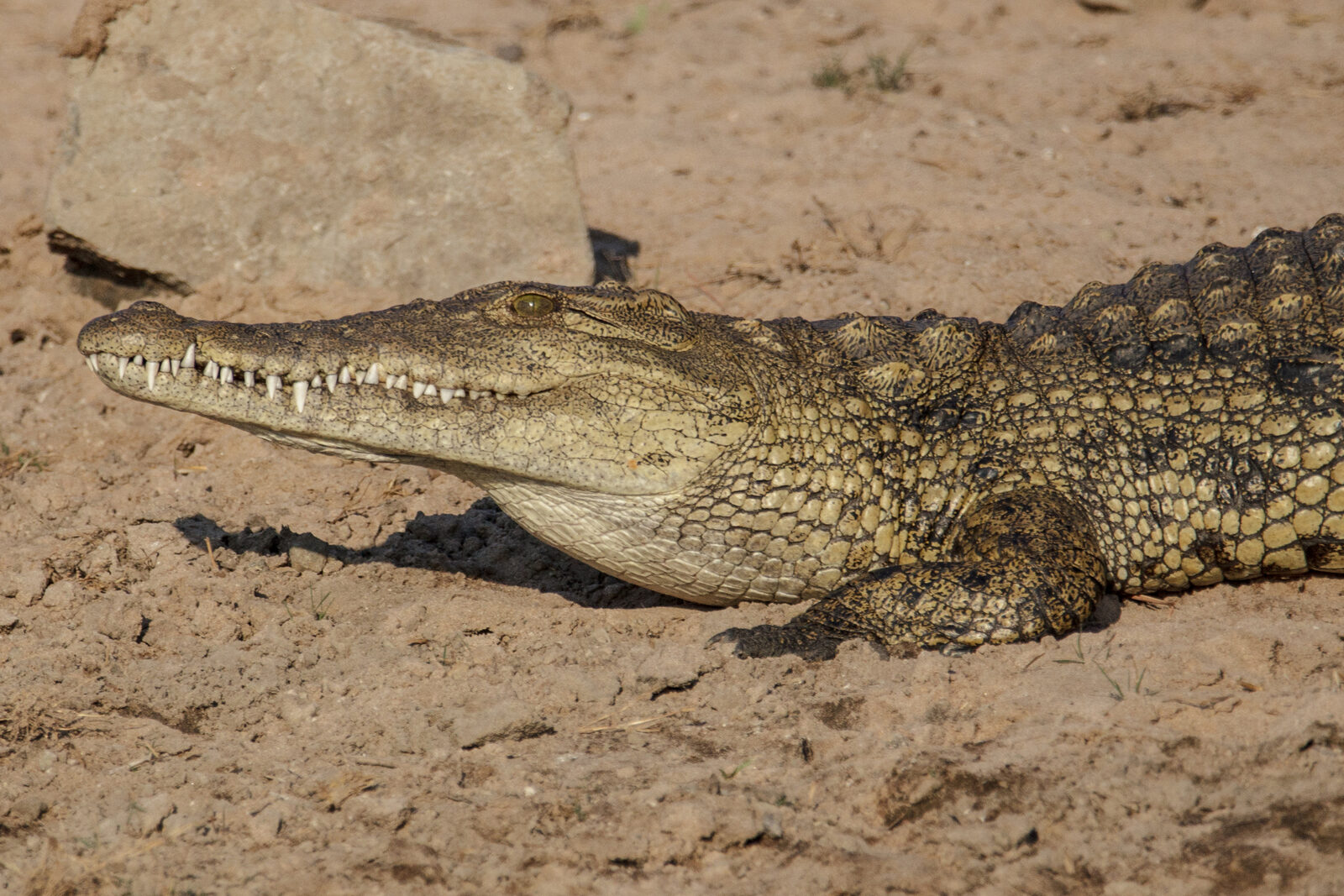
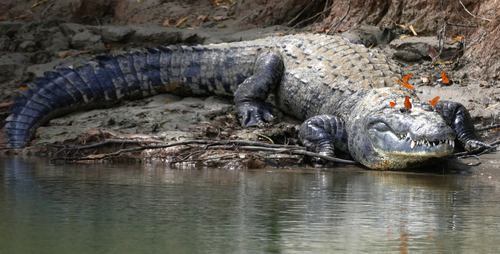
Nile Crocodile
Crocodylus niloticus
- Status
- Least Concern IUCN Red List
- Eats
- Nile hippopotamus, African buffalo, impala and 20 more
- Where
- 22 countries
People have shared 8,152 records of the Nile Crocodile with GBIF, from 22 countries, most of them from South Africa, Kenya and Botswana. Records collected by GloBI show it eating 23 different kinds of animals and plants.
In the southern hemisphere, people record it most in August and least in April. It belongs to the genus Crocodylus in the family Crocodylidae.
What the Nile Crocodile eats, and what eats it
Studies have recorded it eating 23 kinds of animals and plants. Tap any of them to follow the food chain.
- Mammals 15
- Fish 3
- Birds 2
- Reptiles 2
Nile Crocodile
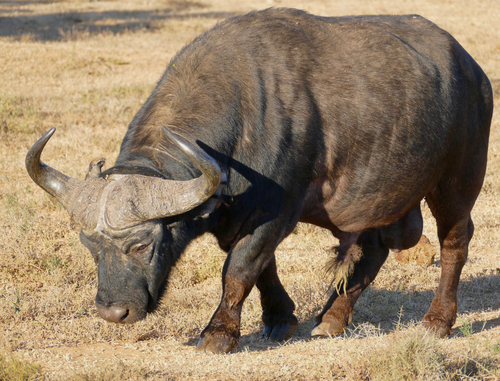
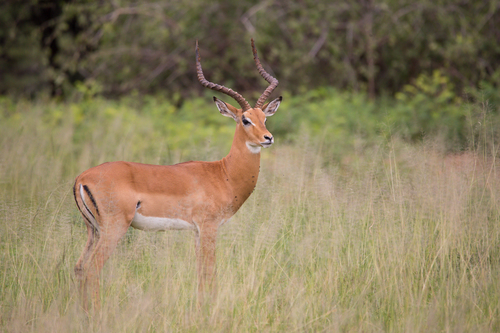
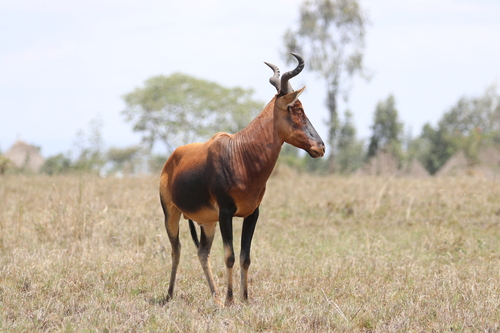
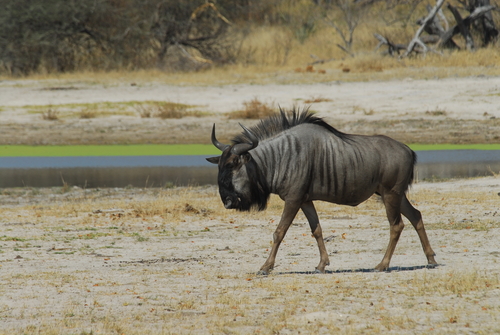
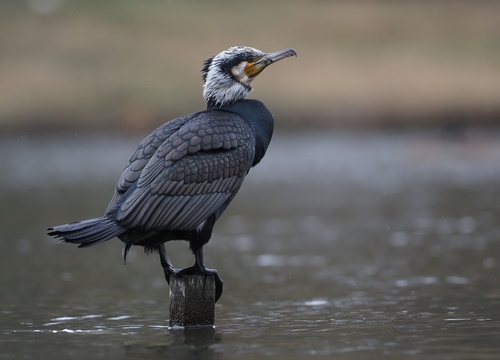
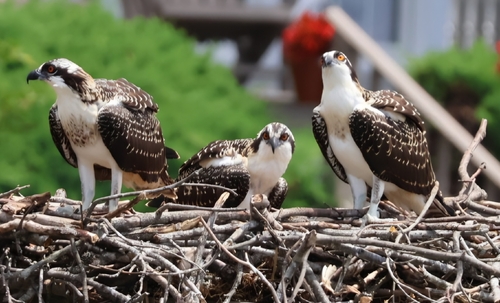
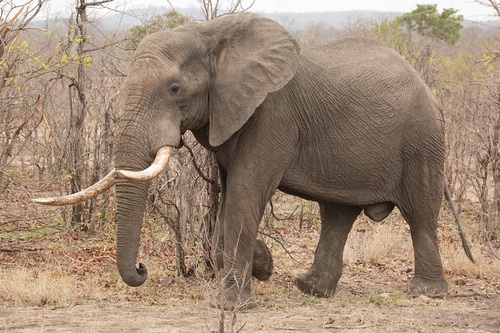
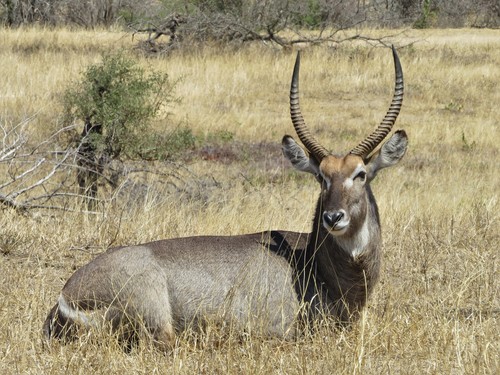
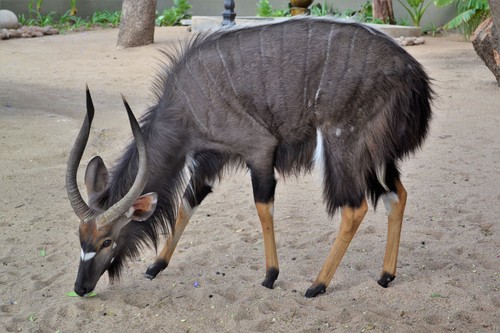
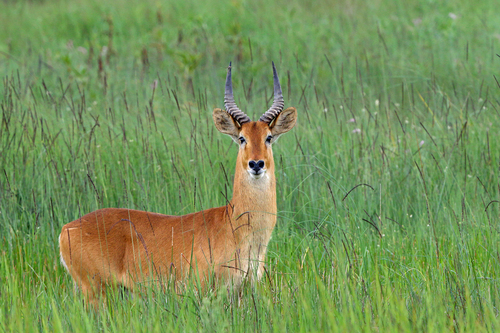
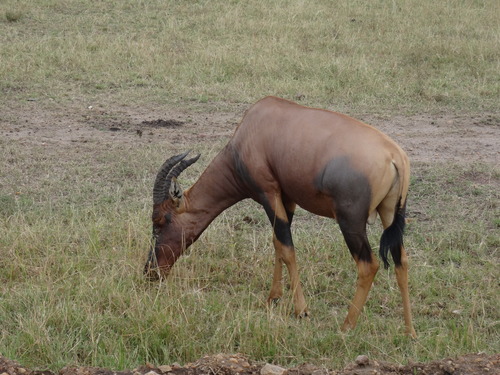
Records from studies worldwide, collected by GloBI. They include animals eaten as carrion, and they are not everything it eats in one place.
Where people see the Nile Crocodile
People have shared 8,152 records from 22 countries.
Records show where people have seen it and shared it, not its full range. Country names open their page in Atlas.
When it is seen
Records per month in the southern hemisphere. More people outdoors also means more records.
Watch and listen
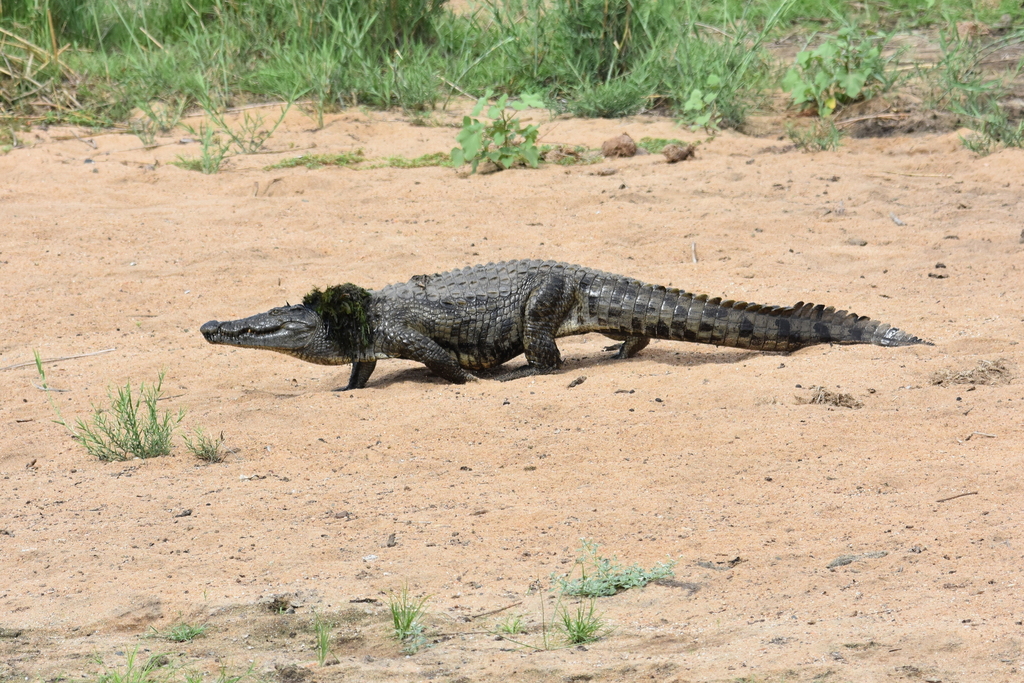
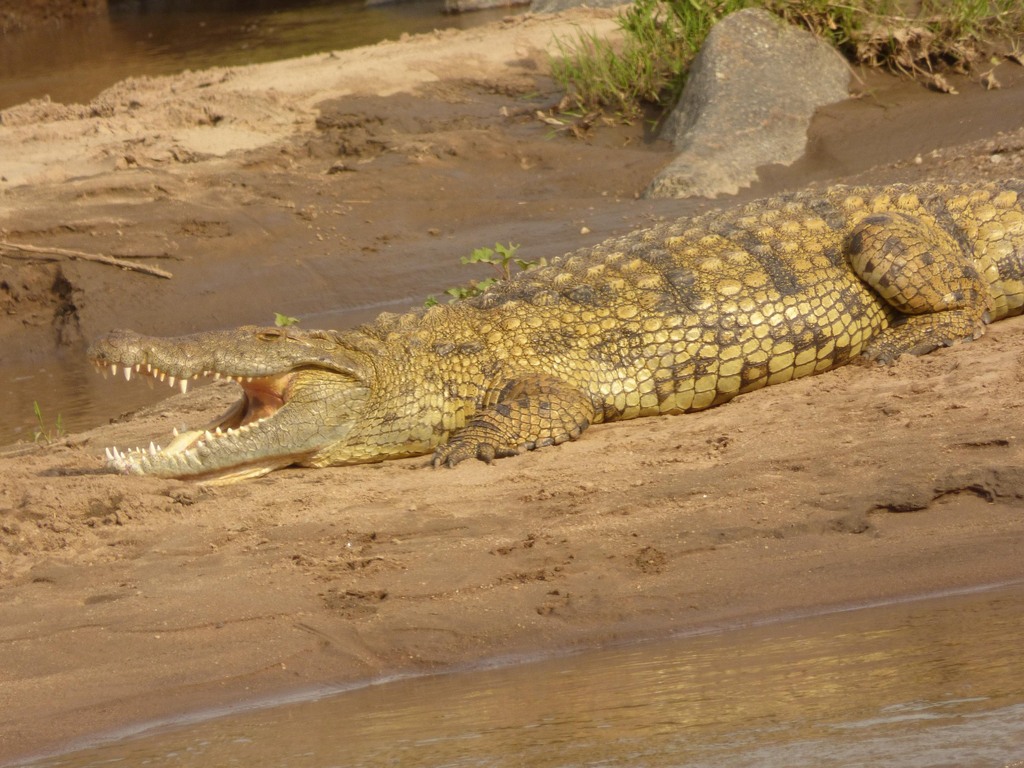
Its closest relatives
The other species of the genus Crocodylus.
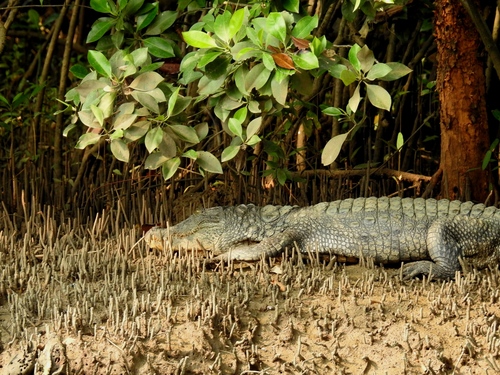

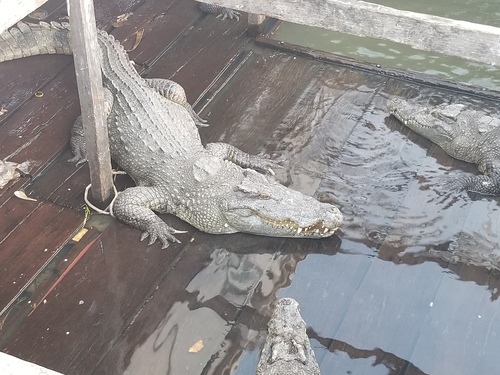

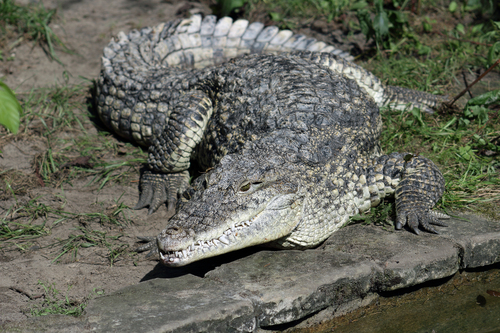

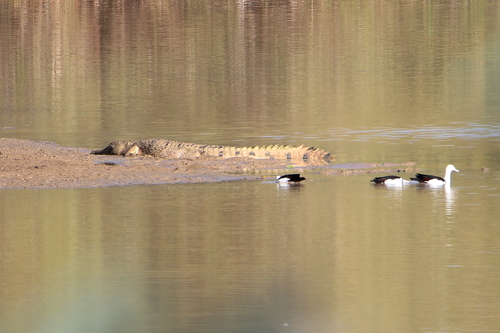
Seen a Nile Crocodile?
Share your photo on iNaturalist. Other naturalists help confirm it, and the record goes to GBIF, where scientists use it and where the maps on this page come from.
Put this species on your site
The card names every source and links back here.
<iframe src="https://4planetatlas.com/place/embed/species/nile-crocodile" title="Nile Crocodile (Crocodylus niloticus), 4PLANET Species" width="100%" height="600" style="border:0;max-width:640px" loading="lazy"></iframe>
<p><a href="https://4species.com/nile-crocodile">Nile Crocodile on 4PLANET Species</a></p>Questions people ask
What does the Nile Crocodile eat?
The Nile Crocodile has been recorded eating 23 different kinds of animals and plants, most of them mammals, fish, birds and reptiles. The ones recorded most often are nile hippopotamus, african buffalo, impala, hartebeest and blue wildebeest; records include animals eaten as carrion. Source: GloBI.
Where does the Nile Crocodile live?
People have recorded it in 22 countries; the most records come from South Africa, Kenya, Botswana, Tanzania and Zambia. Records show where people have seen it, not its full range.
When is the Nile Crocodile seen most?
In the southern hemisphere, the most records are made in August and the fewest in April. More people outdoors also means more records.
What are the Nile Crocodile's closest relatives?
It shares the genus Crocodylus with indus crocodile, american crocodile, siamese crocodile, philippine crocodile and cuban crocodile.
Sources and photo credits
- GBIF · Crocodylus niloticus, 8,152 human observations
- GloBI · recorded interactions of Crocodylus niloticus
- Wikidata · Nile Crocodile (Q168745)
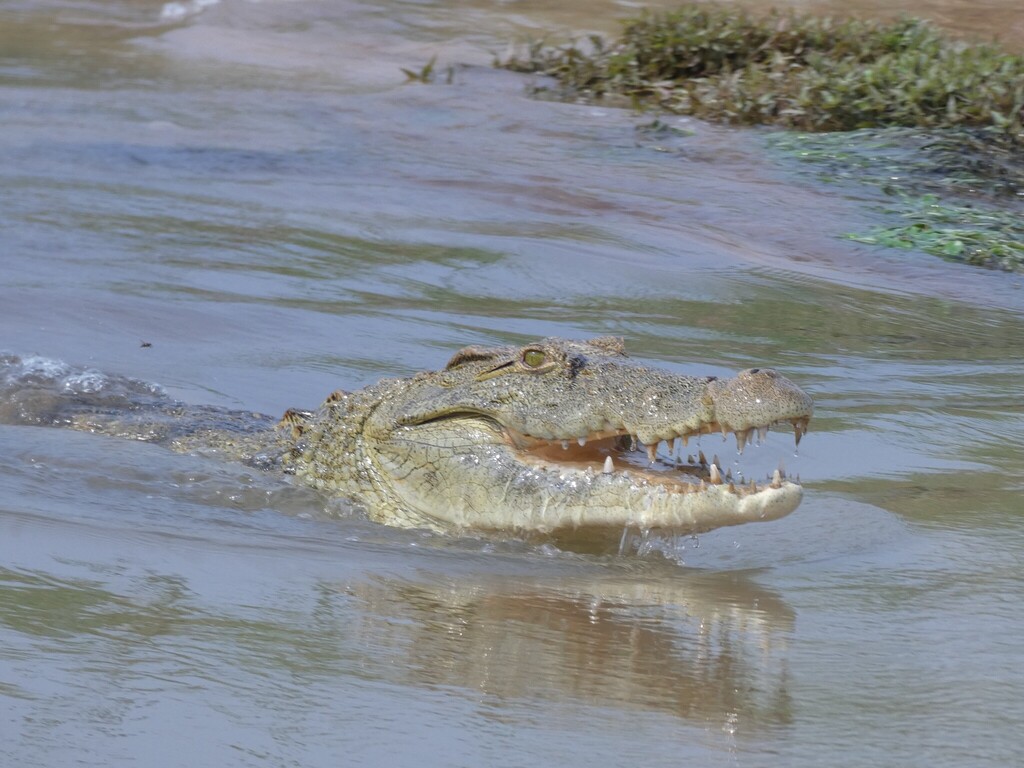
- Nile Crocodile (Crocodylus niloticus): Stephen Temple, CC BY-SA 4.0
- Nile Crocodile (Crocodylus niloticus), Lesio-Louna Reserve - Abio I, Republic of the Congo: Tony King, CC BY 4.0
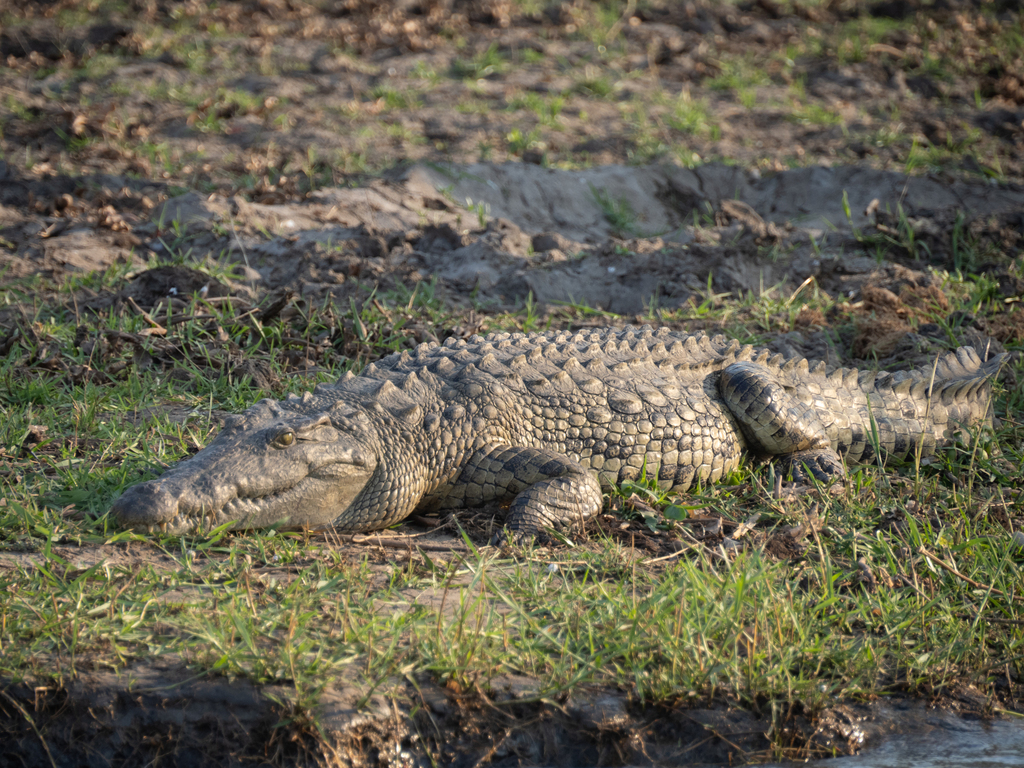
- Nile Crocodile (Crocodylus niloticus), Liwonda National Park old, Liwonda National Park, Machinga, Malawi: William Stephens, CC BY 4.0
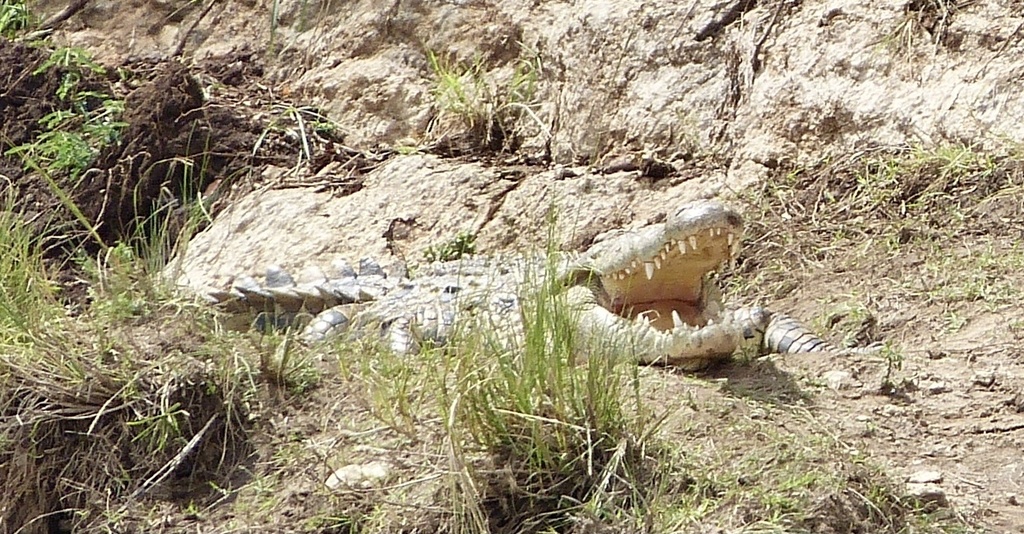
- Nile Crocodile (Crocodylus niloticus), Wildreservaat Masai Mara, Narok, Bonde la Ufa, KE: Jean-Paul Boerekamps, CC0
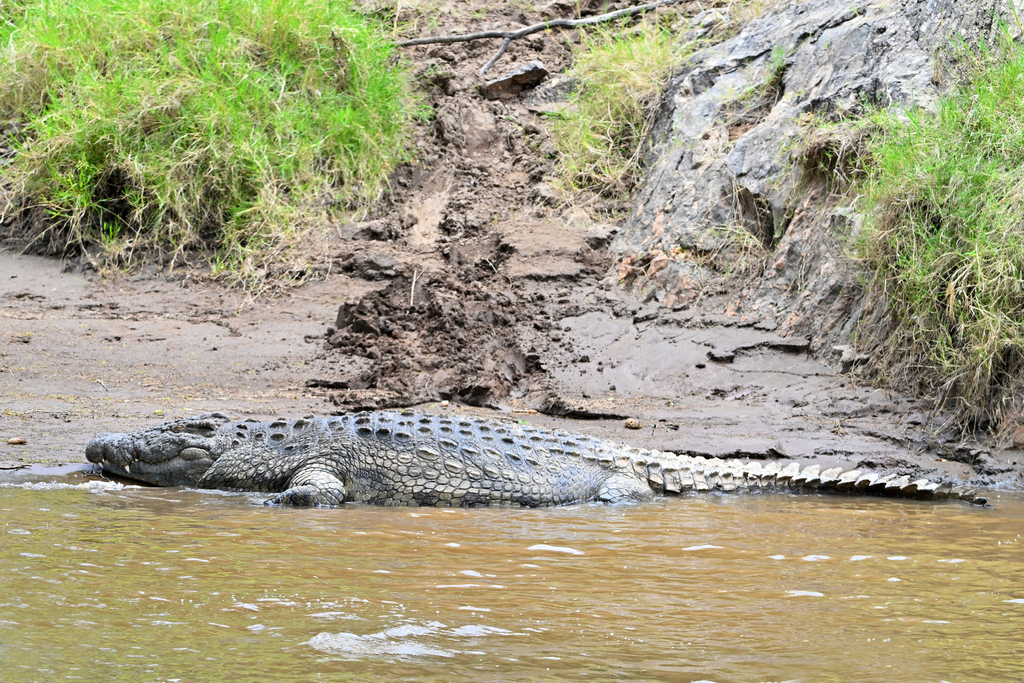
- Nile Crocodile (Crocodylus niloticus), Lolgorian, Kenya: Tom Heijnen, CC BY 4.0
- Nile Crocodile (Crocodylus niloticus), South Africa: Patrick Jackson, CC BY 4.0
- Nile Crocodile (Crocodylus niloticus), Lesio-Louna Reserve - Abio I, Republic of the Congo: Tony King, CC BY 4.0
- Nile Crocodile (Crocodylus niloticus), Debub Gondar, Éthiopie: geolas, CC BY-SA 4.0
- Nile Crocodile (Crocodylus niloticus), River Mara, Tanzania: Luis G Restrepo, CC BY 4.0
- Nile hippopotamus: Tommy Andriollo, CC BY 4.0
- African buffalo: Bernard DUPONT, CC BY-SA 4.0
- Impala: Diogo Luiz, CC BY 4.0
- Hartebeest: Manuel Schwarz, CC BY 4.0
- Blue wildebeest: Philipp, CC0
- Great cormorant: Frank Vassen, CC BY 4.0
- Osprey: froggymum, CC BY 4.0
- African bush elephant: dhfischer, CC BY 4.0
- Waterbuck: Rafael Tosi, CC BY 4.0
- Nyala: Rafael Tosi, CC BY 4.0
- Puku: Nigel Voaden, CC BY 4.0
- Common tsessebe: Stefan Haag, CC BY 4.0
- Indus crocodile: Dr. Raju Kasambe, CC BY-SA 4.0
- American crocodile: Dr. Alexey Yakovlev, CC BY-SA 4.0
- Siamese crocodile: no rights reserved, uploaded by Steven Smethurst, CC0
- Philippine crocodile: Gregg Yan, CC BY-SA 4.0
- Cuban crocodile: Lukas Plewnia, CC BY-SA 4.0
- Orinoco crocodile: anonymous, CC BY-SA 4.0
- Freshwater crocodile: Graham Winterflood, CC BY-SA 4.0
- Morelet's crocodile: Bernard DUPONT, CC BY 4.0
Records show where people have seen and shared the Nile Crocodile, not its full range, and some countries and months are recorded far more than others. The food web lists interactions that studies have recorded somewhere in the world (GloBI), not everything it eats in one place.
Checked 2026-11-24.