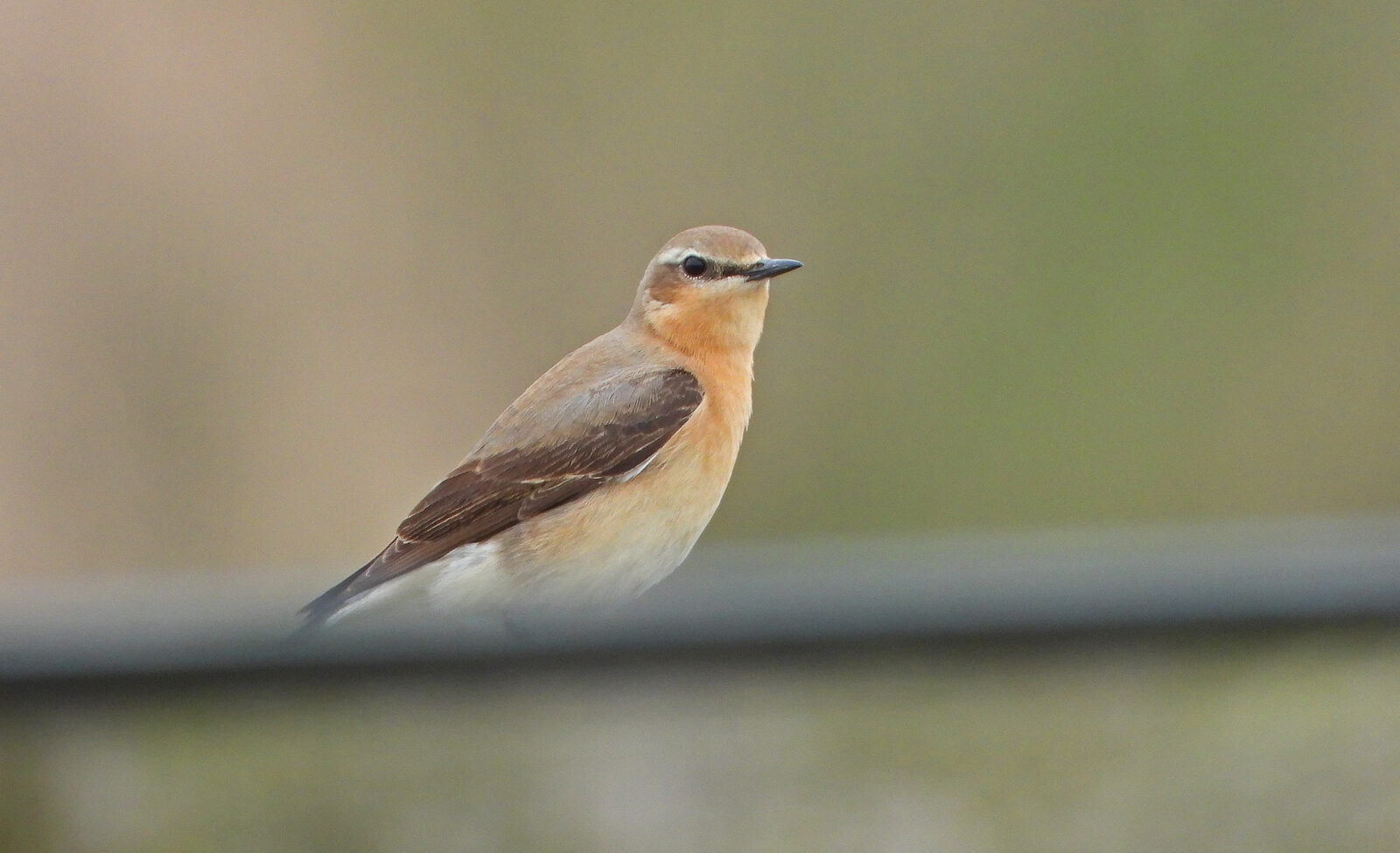
Northern wheatear
Oenanthe oenanthe
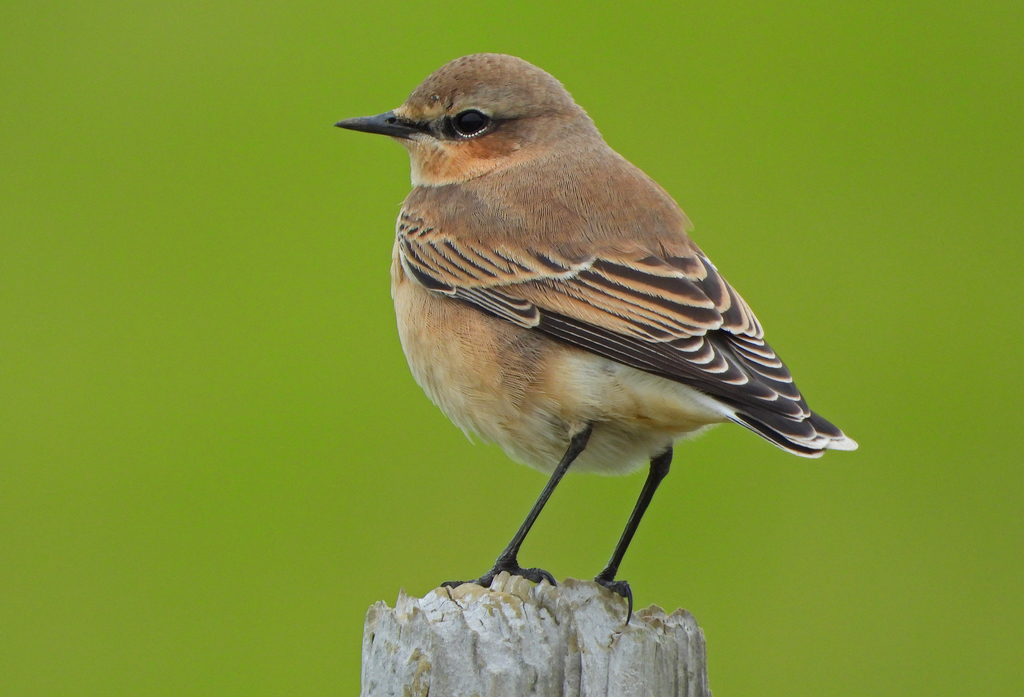
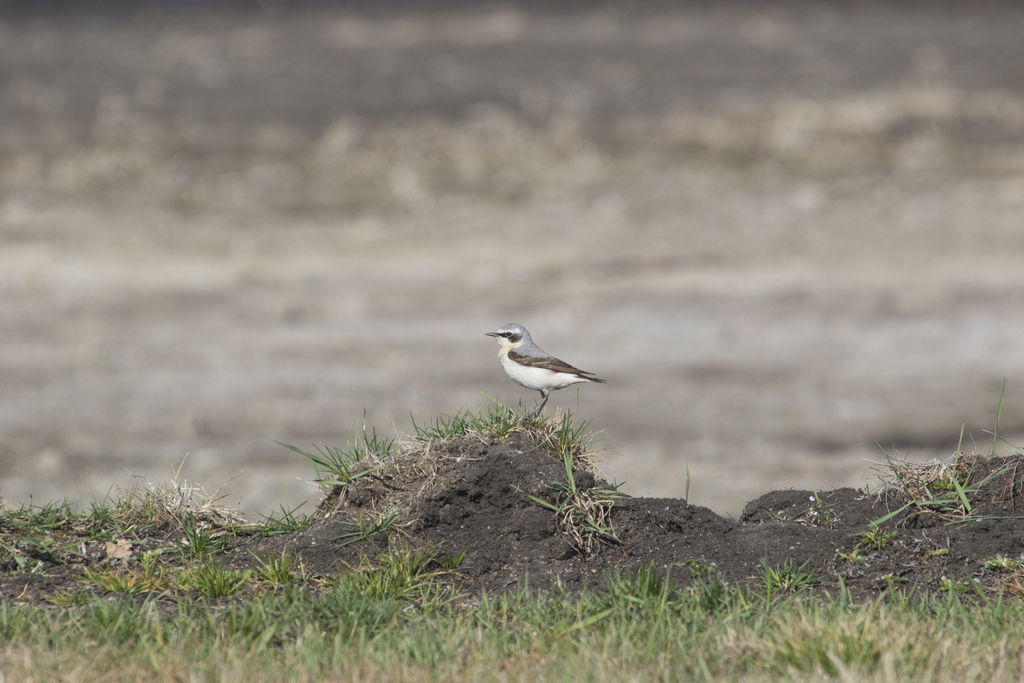
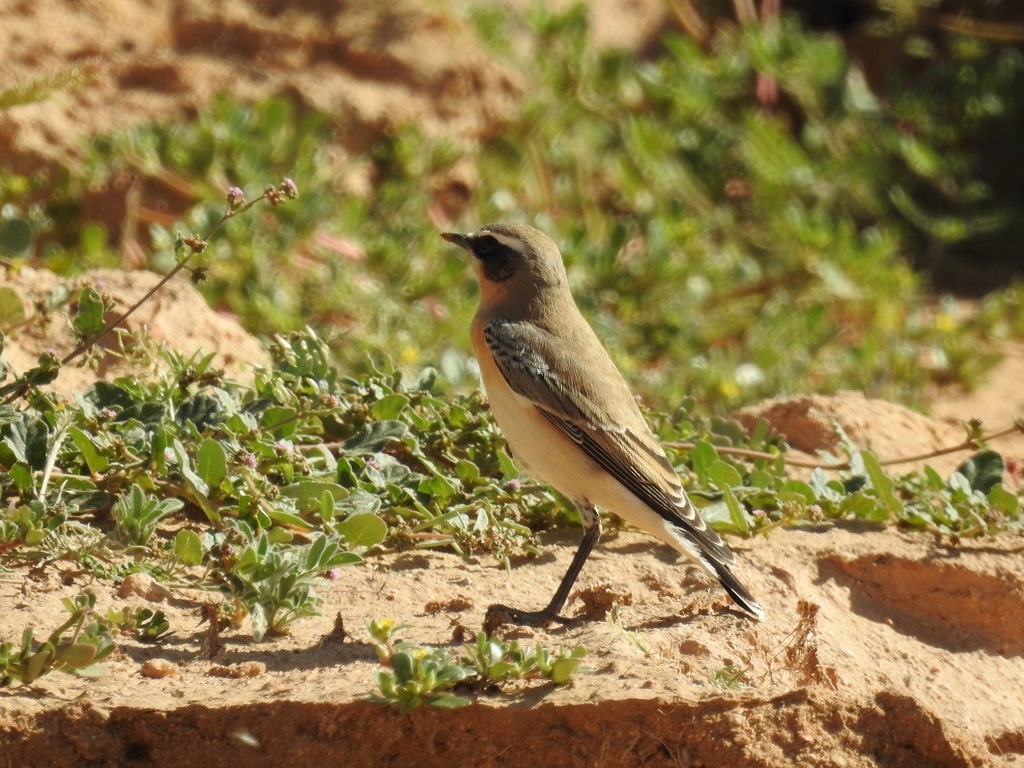
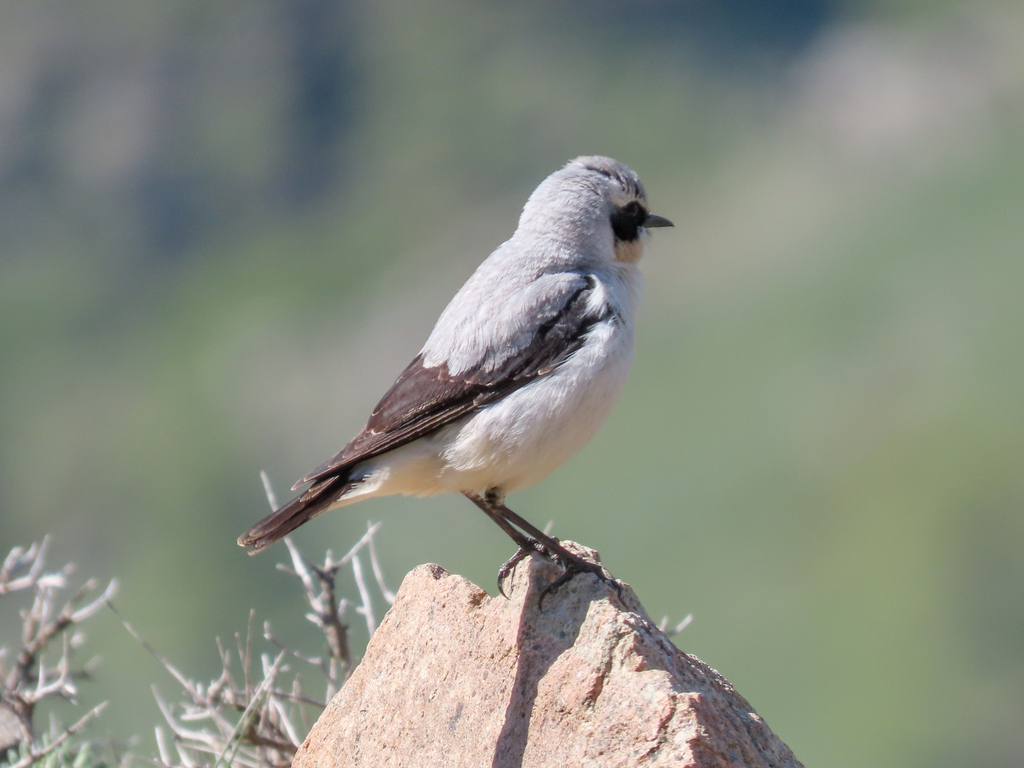
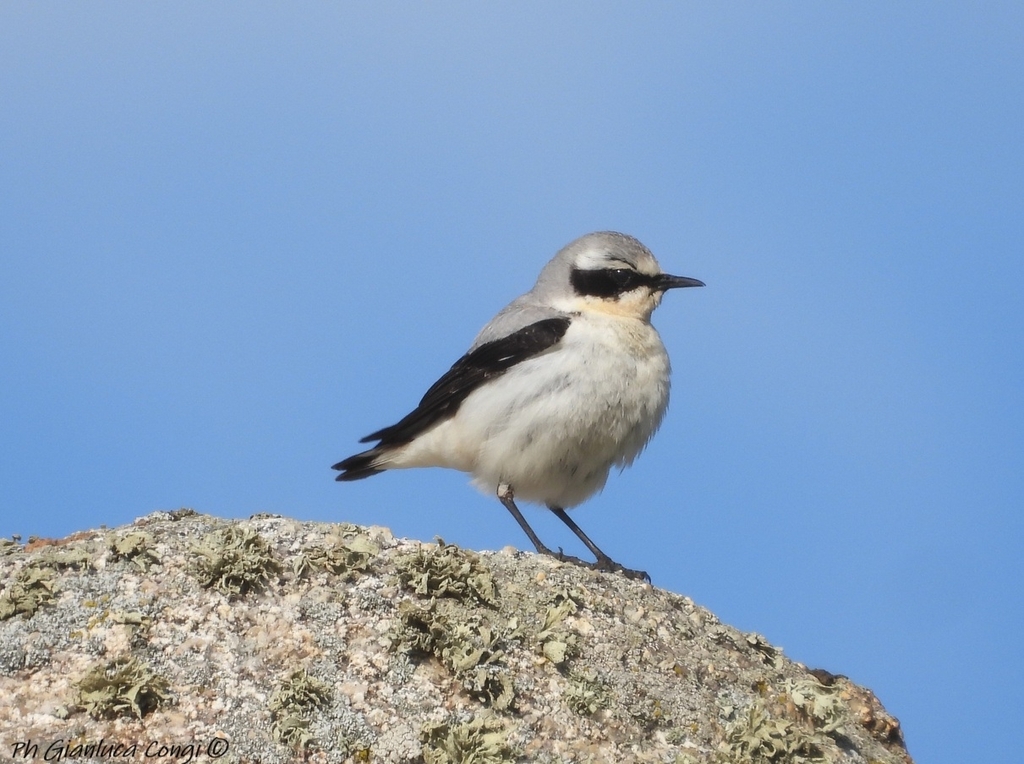
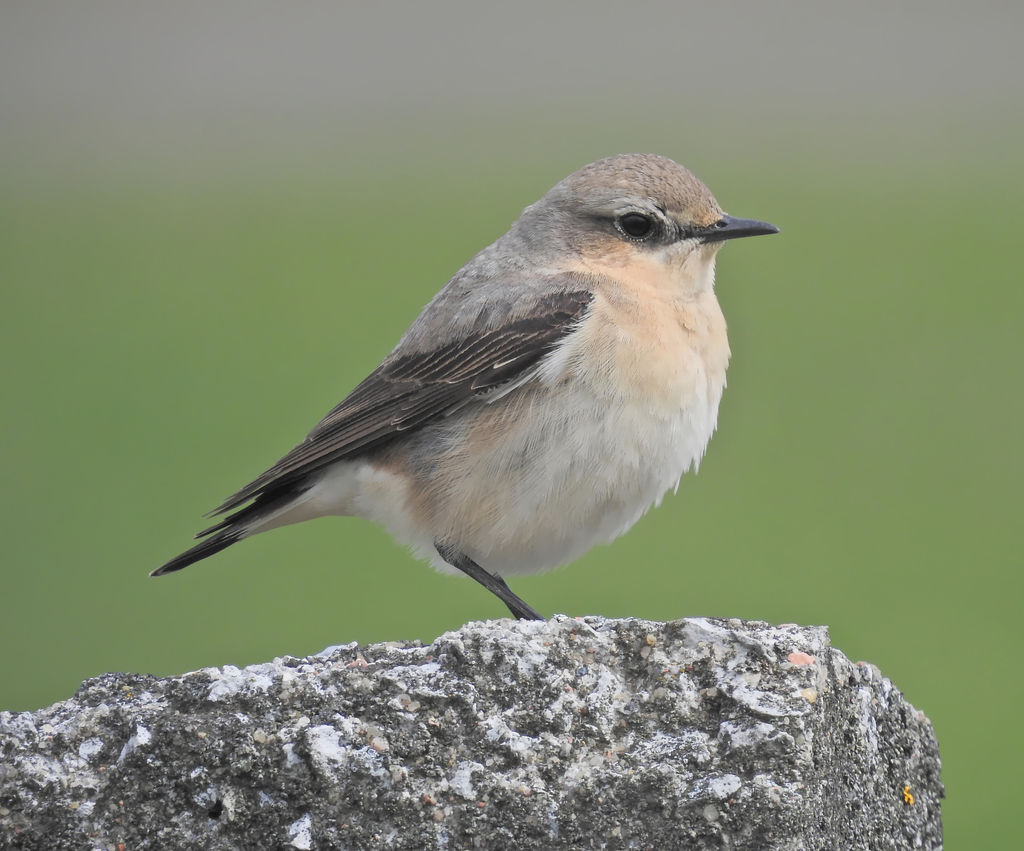
A ground-loving bird with a white rump that bobs and flicks its tail on open, stony ground.
- Status
- Least Concern IUCN Red List
- Eats
- sand lizard, six-spot burnet, common juniper and 1,595 more
- Eaten by
- grey wolf, red fox, northern raven
- Where
- 136 countries
On 4Planet Atlas it is among the wildlife people record most around Addis Ababa, Amsterdam and Andorra la Vella, and 33 more of the cities we cover.
People have shared 517,281 records of the northern wheatear with GBIF, from 136 countries, most of them from United Kingdom, Spain and Portugal. Records collected by GloBI show it eating 1,598 different kinds of animals and plants, and being eaten by 37.
What the northern wheatear eats, and what eats it
Studies have recorded it eating 1,598 kinds of animals and plants, and 37 kinds of animals eating it. Tap any of them to follow the food chain.
- Insects 1,214
- Reptiles 31
- Plants 3
- Snails and slugs 3
- Spiders and mites 1
Eaten by
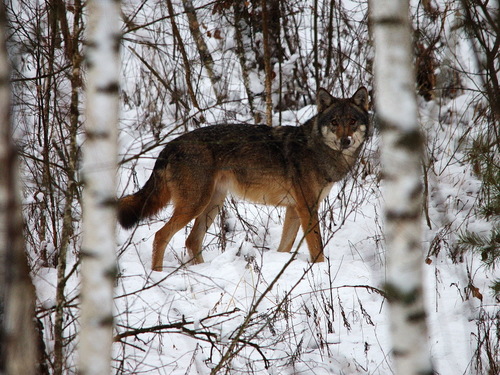
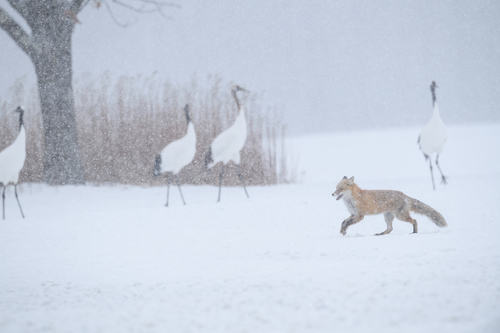
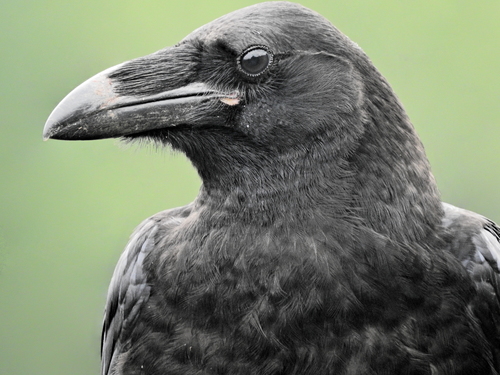
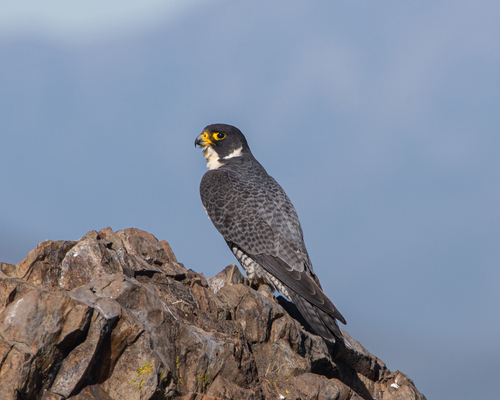

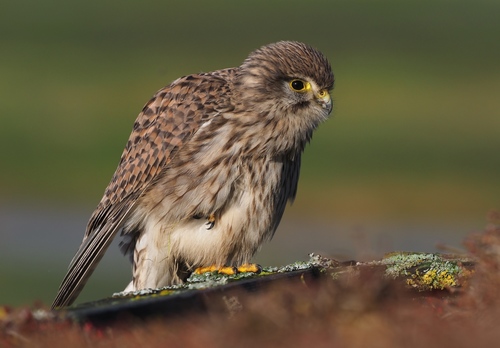 Northern wheatear

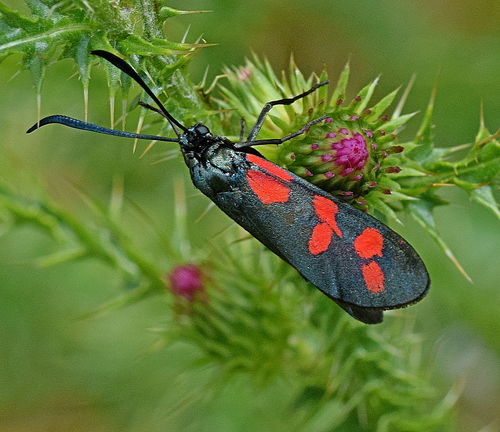
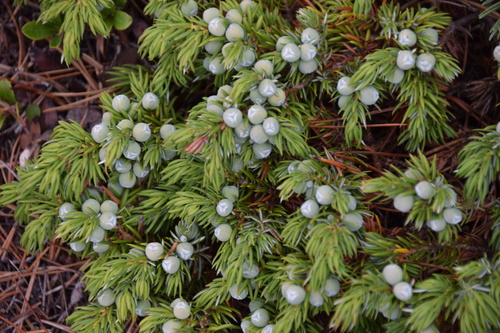

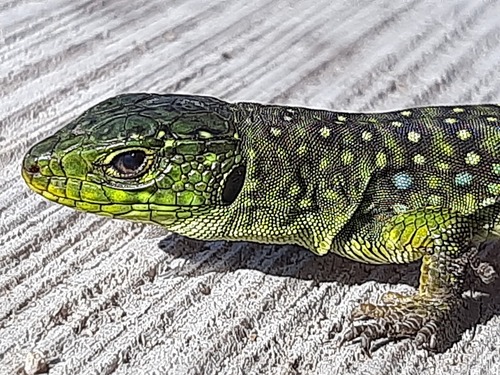
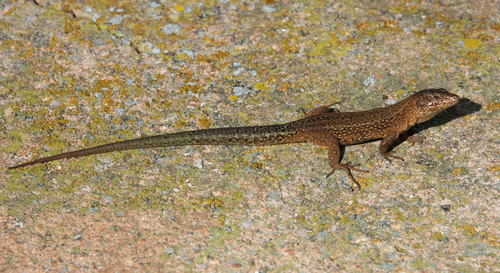
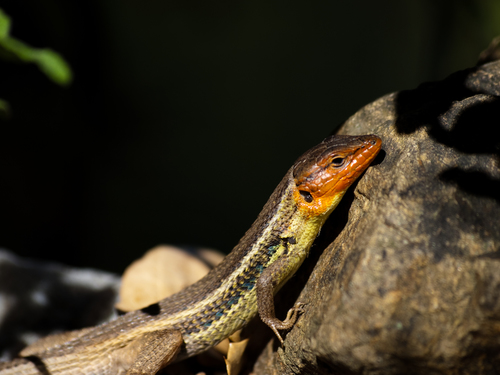
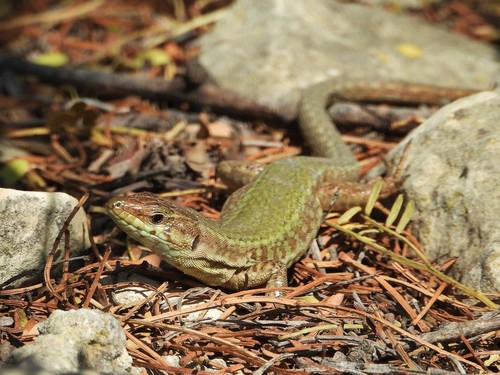
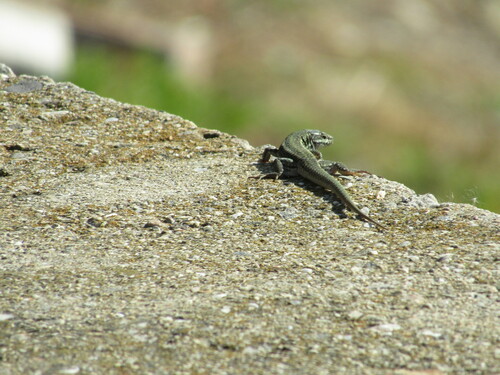
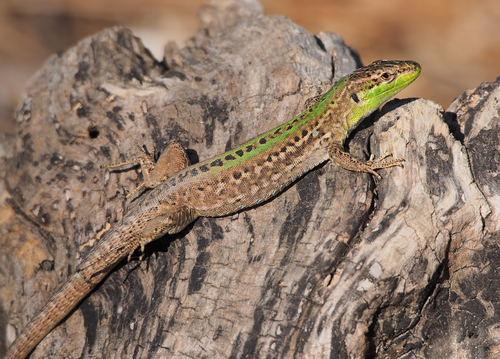

Records from studies worldwide, collected by GloBI. They include animals eaten as carrion, and they are not everything it eats in one place.
Where people see the northern wheatear
People have shared 517,281 records from 136 countries.
Near a city: Addis Ababa, Amsterdam, Andorra la Vella, Ankara, Astana, Athens, Baku, Bergen, Cairo, Chișinău, Copenhagen, Dublin, Helsinki, Kyiv, Lisbon, Ljubljana, Madrid, Manama, Minsk, Moscow, N'Djamena, Nicosia, Oslo, Podgorica, Reykjavík, Riga, Sarajevo, Skopje, Sofia, Stockholm, Tallinn, Tbilisi, Vaduz, Valletta, Yerevan, Zagreb.
Records show where people have seen it and shared it, not its full range. Country names open their page in Atlas.
When it is seen
Records per month in the northern hemisphere. More people outdoors also means more records.
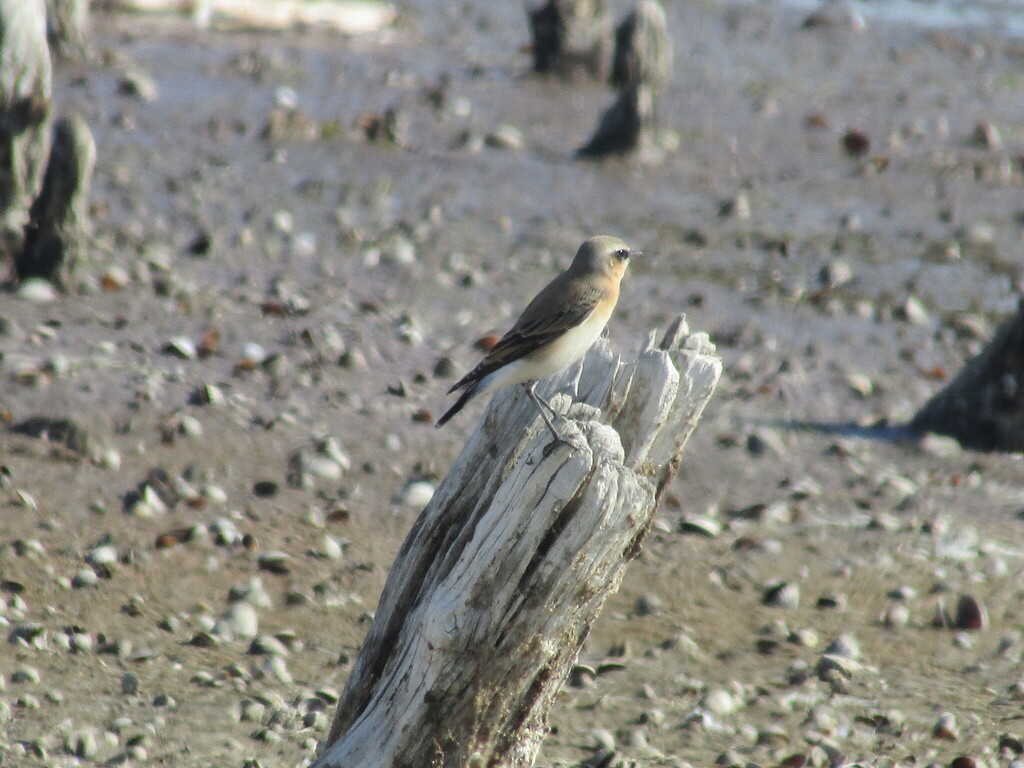
Watch and listen

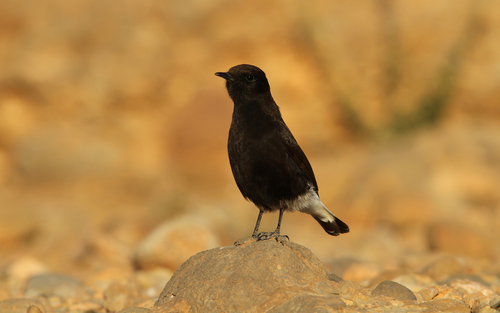
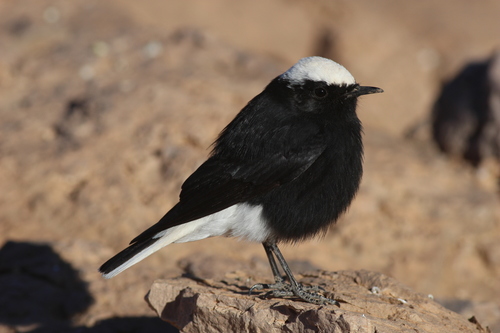
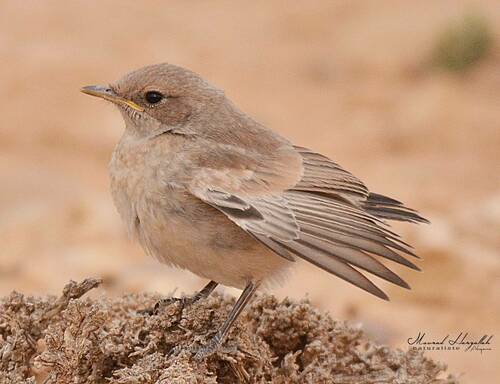
Its closest relatives
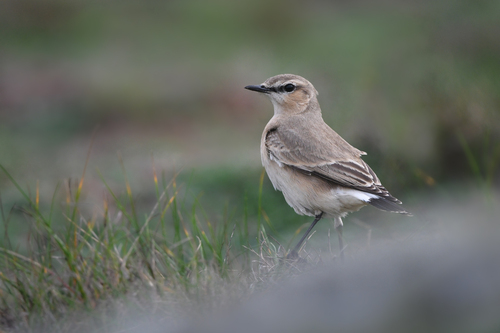
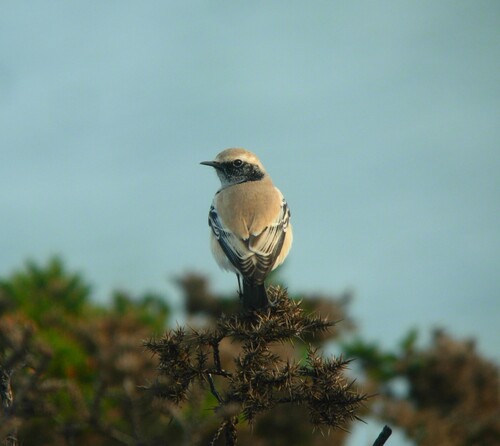
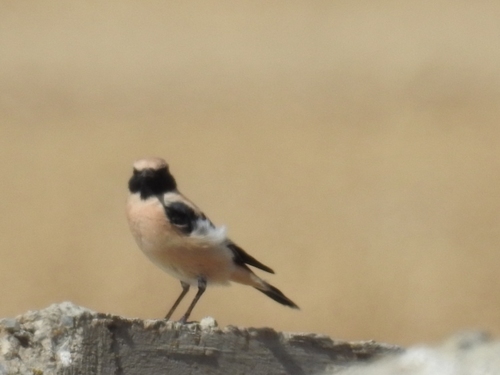
The other species of the genus Oenanthe.


Seen a northern wheatear?
Share your photo on iNaturalist. Other naturalists help confirm it, and the record goes to GBIF, where scientists use it and where the maps on this page come from.
Questions people ask
What does the northern wheatear eat?
The northern wheatear has been recorded eating 1,598 different kinds of animals and plants, most of them insects, reptiles, plants and snails and slugs. The ones recorded most often are sand lizard, six-spot burnet, common juniper, bog bilberry and ocellated lizard; records include animals eaten as carrion. Source: GloBI.
What eats the northern wheatear?
Recorded predators include grey wolf, red fox, northern raven, peregrine falcon and eurasian eagle-owl. Source: GloBI.
Where does the northern wheatear live?
People have recorded it in 136 countries; the most records come from United Kingdom, Spain, Portugal, France and Turkey. Records show where people have seen it, not its full range.
When is the northern wheatear seen most?
In the northern hemisphere, the most records are made in September and the fewest in December. More people outdoors also means more records.
What are the northern wheatear's closest relatives?
It shares the genus Oenanthe with isabelline wheatear, desert wheatear, western black-eared wheatear, pied wheatear and black wheatear.
Sources and photo credits
- GBIF · Oenanthe oenanthe, 517,281 human observations
- GloBI · recorded interactions of Oenanthe oenanthe
- Wikidata · Northern wheatear (Q26420)
- Northern wheatear (Oenanthe oenanthe): Paul Lewis, CC BY 4.0
- Northern wheatear (Oenanthe oenanthe): Paul Lewis, CC BY 4.0
- Northern wheatear (Oenanthe oenanthe), Provincia di Bergamo, Italia: Mario Bassini, CC BY 4.0
- Northern wheatear (Oenanthe oenanthe), Pomorie, Bulgaria: SteveM4560, CC BY 4.0
- Northern wheatear (Oenanthe oenanthe), Учалинский р-н, Респ. Башкортостан, Россия: Полина Полежанкина, CC BY 4.0
- Northern wheatear (Oenanthe oenanthe), Tamanrasset, Algérie: Karim Haddad, CC BY 4.0
- Northern wheatear (Oenanthe oenanthe), Province of Nuoro, Italy: Emanuele Santarelli, CC BY-SA 4.0
- Northern wheatear (Oenanthe oenanthe), Parco nazionale della Sila: Gianluca Congi🪶🦆🌲, CC BY-SA 4.0
- Northern wheatear (Oenanthe oenanthe), Tartu, Tartu, Estonia: Nicolás Tamargo, CC0
- Sand lizard: Lennart Hudel, CC BY 4.0
- Six-spot burnet: Kostas Zontanos, CC BY 4.0
- Common juniper: Syd Cannings, CC BY 4.0
- Bog bilberry: Andrey Zharkikh, CC BY 4.0
- Ocellated lizard: franciscodocampo, CC BY 4.0
- Lilford's wall lizard: Don Loarie, CC BY 4.0
- Large psammodromus: hhhalberto, CC BY 4.0
- Filfola lizard: amantedarmanin, CC BY 4.0
- Erhard's wall lizard: SteveM4560, CC BY 4.0
- Italian wall lizard: Petar Milošević, CC BY-SA 4.0
- Ibiza wall lizard: Stavros1, CC BY 4.0
- Grey wolf: Andrew Simon, CC BY 4.0
- Red fox: Morten Ross, CC BY 4.0
- Northern raven: xulescu_g, CC BY-SA 4.0
- Peregrine falcon: Nicolás Villaseca Merino, CC BY-SA 4.0
- Eurasian sparrowhawk: Stanislav Murashkin, CC BY 4.0
- Common kestrel: Frank Vassen, CC BY 4.0
- Isabelline wheatear: Julien Renoult, CC BY 4.0
- Desert wheatear: Stephen M., CC BY-SA 4.0
- Western black-eared wheatear: Karim Haddad, CC BY 4.0
- Pied wheatear: no rights reserved, uploaded by neotrigonia, CC0
- Black wheatear: Christoph Moning, CC BY 4.0
- White-crowned wheatear: Jan Ebr & Ivana Ebrová, CC BY 4.0
- Finsch's wheatear: Ani Sarkisyan, CC BY 4.0
- Red-rumped wheatear: Mourad Harzallah, CC BY 4.0
Records show where people have seen and shared the northern wheatear, not its full range, and some countries and months are recorded far more than others. The food web lists interactions that studies have recorded somewhere in the world (GloBI), not everything it eats in one place.
Checked 2026-11-21.