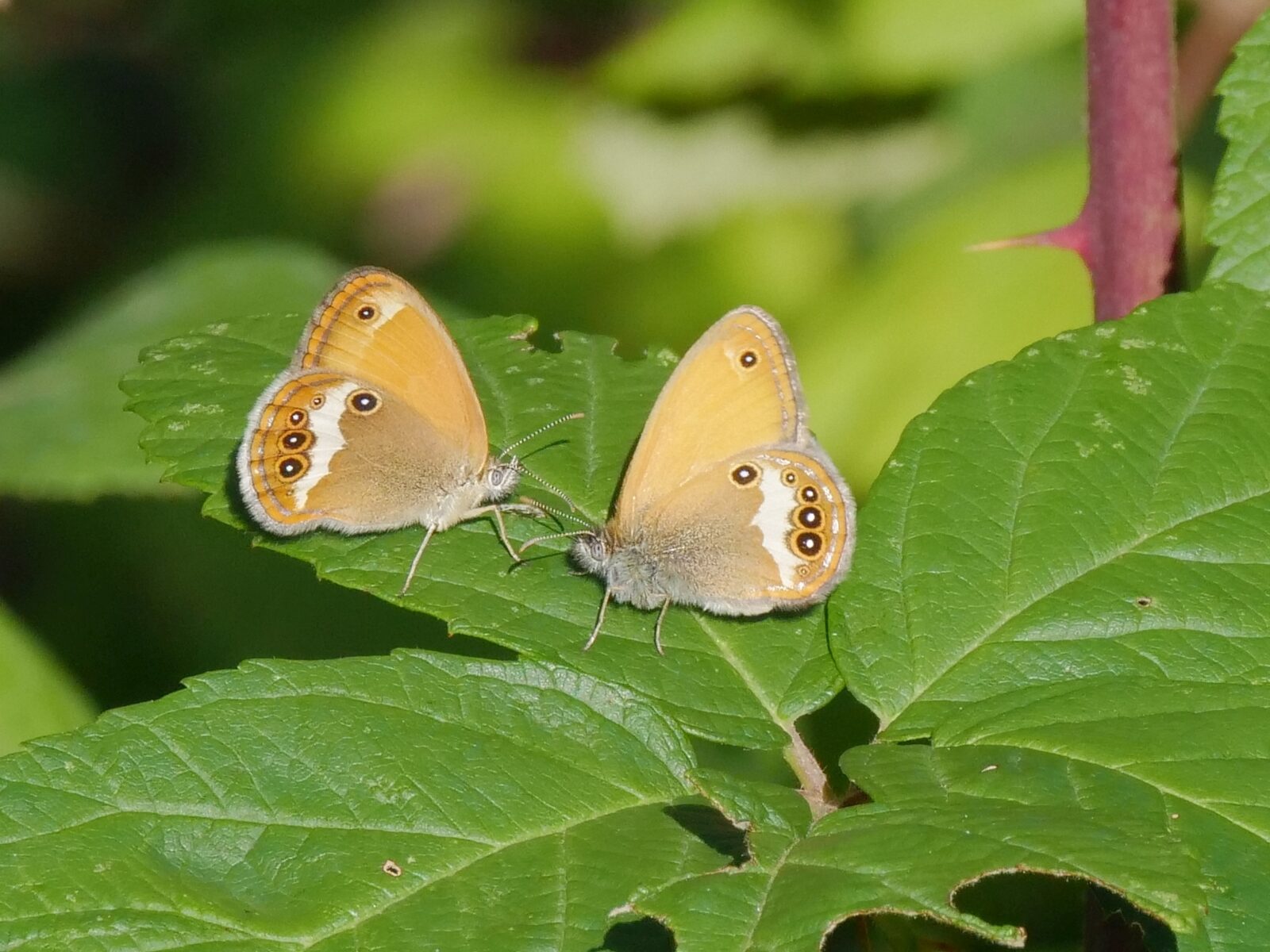
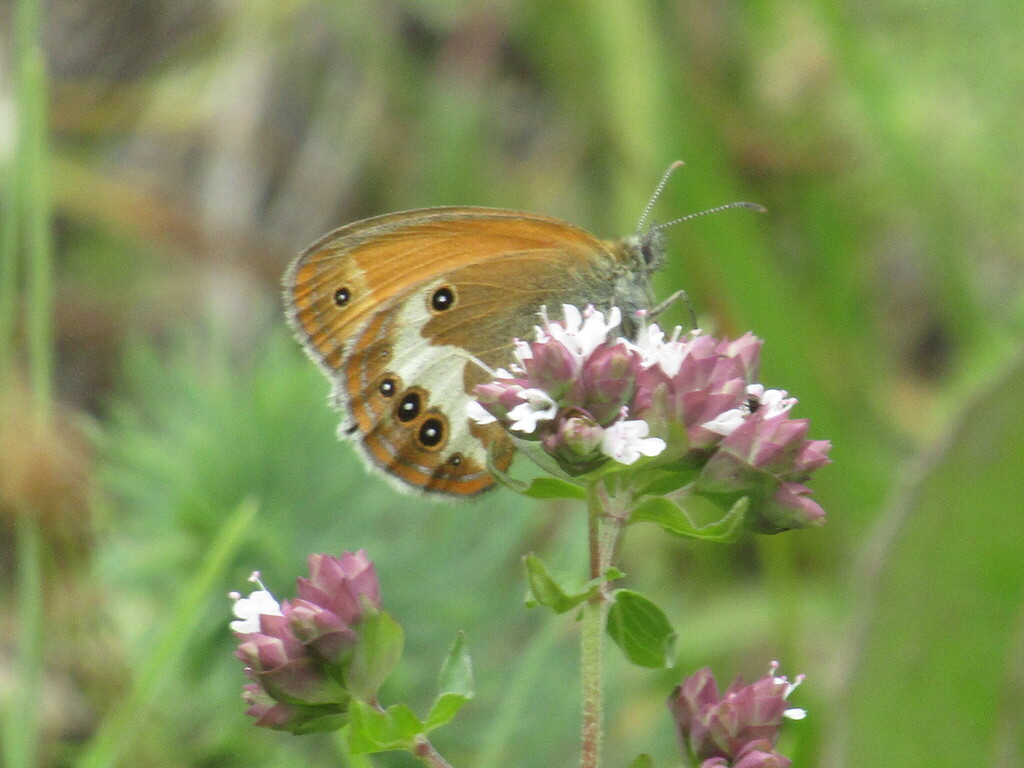
Pearly heath
Coenonympha arcania
- Status
- IUCN Red List
- Eats
- wood bluegrass, kentucky bluegrass, annual bluegrass and 125 more
- Where
- 37 countries
On 4Planet Atlas it is among the wildlife people record most around Andorra la Vella and Luxembourg City.
People have shared 11,317 records of the pearly heath with GBIF, from 37 countries, most of them from Italy, France and Spain. Records collected by GloBI show it eating 128 different kinds of animals and plants, and being eaten by 97.
What the pearly heath eats, and what eats it
Studies have recorded it eating 128 kinds of animals and plants, and 97 kinds of animals eating it. Tap any of them to follow the food chain.
- Plants 120
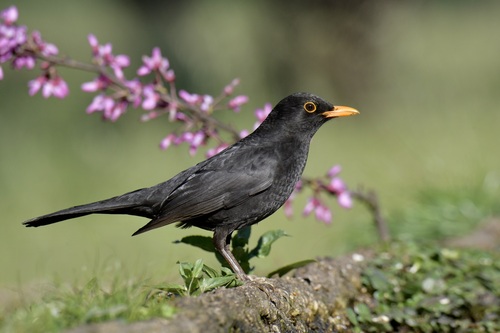
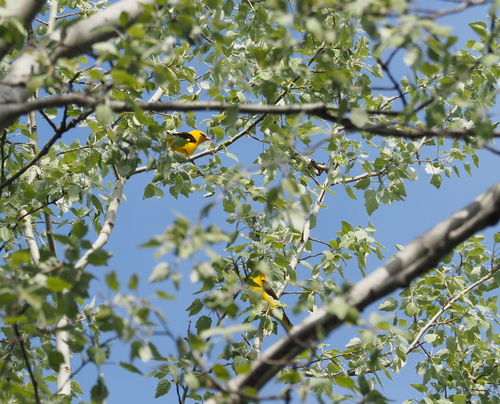
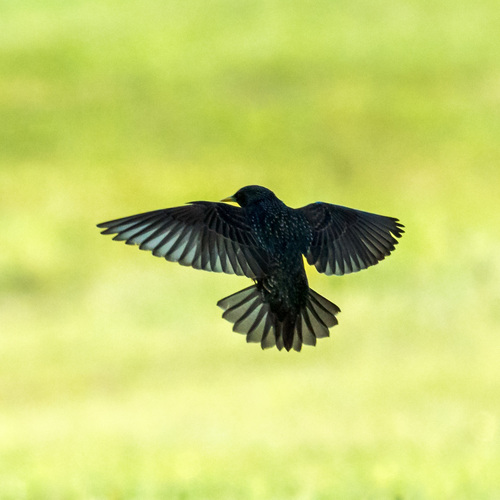
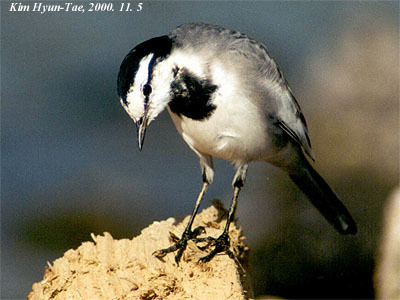
Eaten by
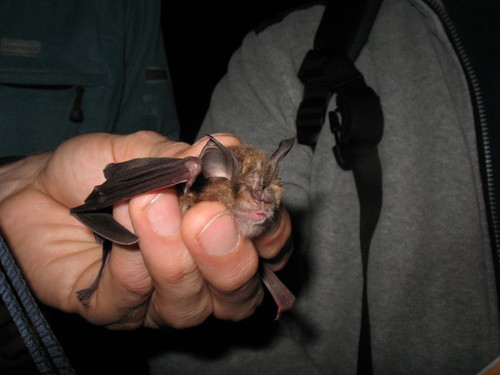
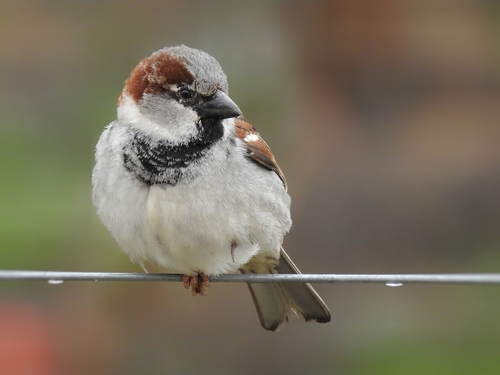
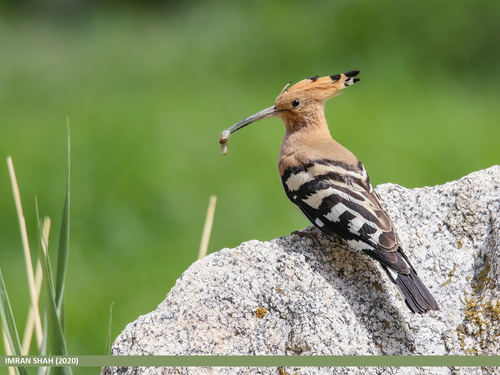
 Pearly heath

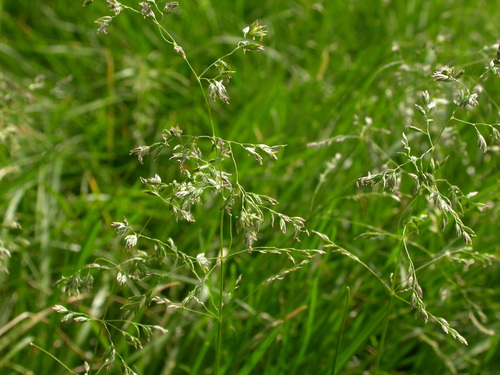
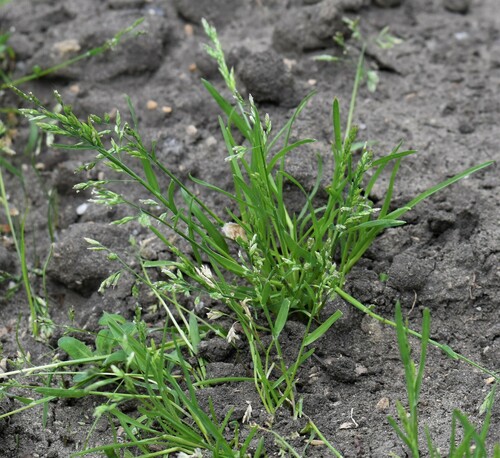

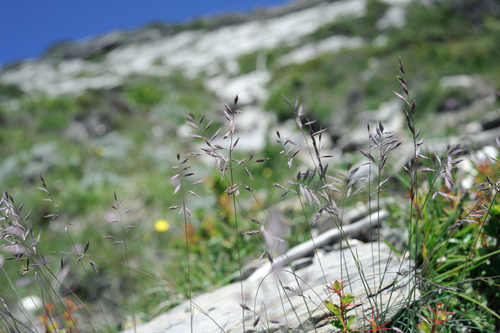
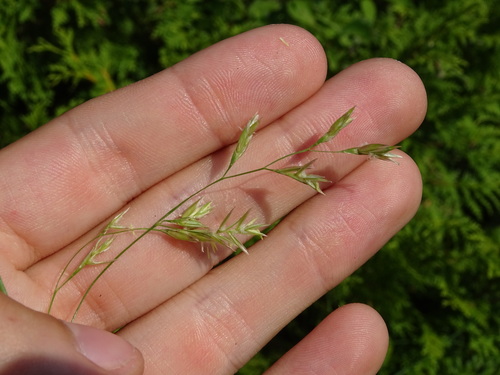
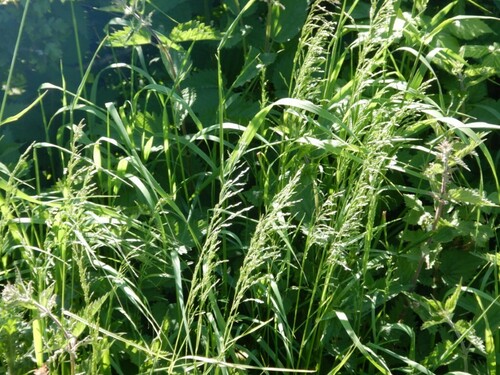
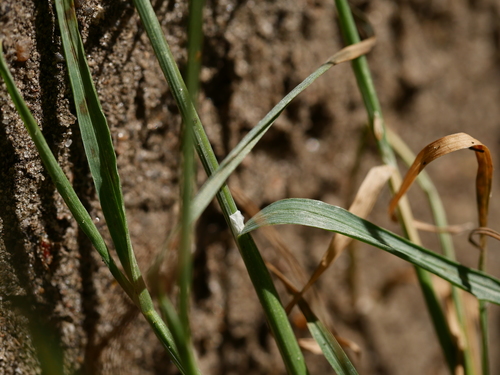

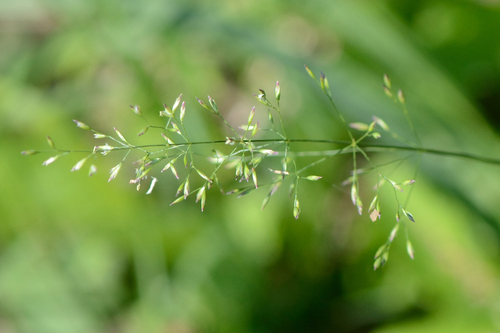
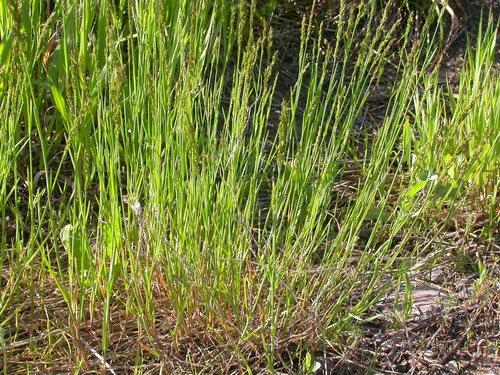
Records from studies worldwide, collected by GloBI. They include animals eaten as carrion, and they are not everything it eats in one place.
Where people see the pearly heath
People have shared 11,317 records from 37 countries.
Near a city: Andorra la Vella, Luxembourg City.
Records show where people have seen it and shared it, not its full range. Country names open their page in Atlas.
When it is seen
Records per month in the northern hemisphere. More people outdoors also means more records.
Watch and listen
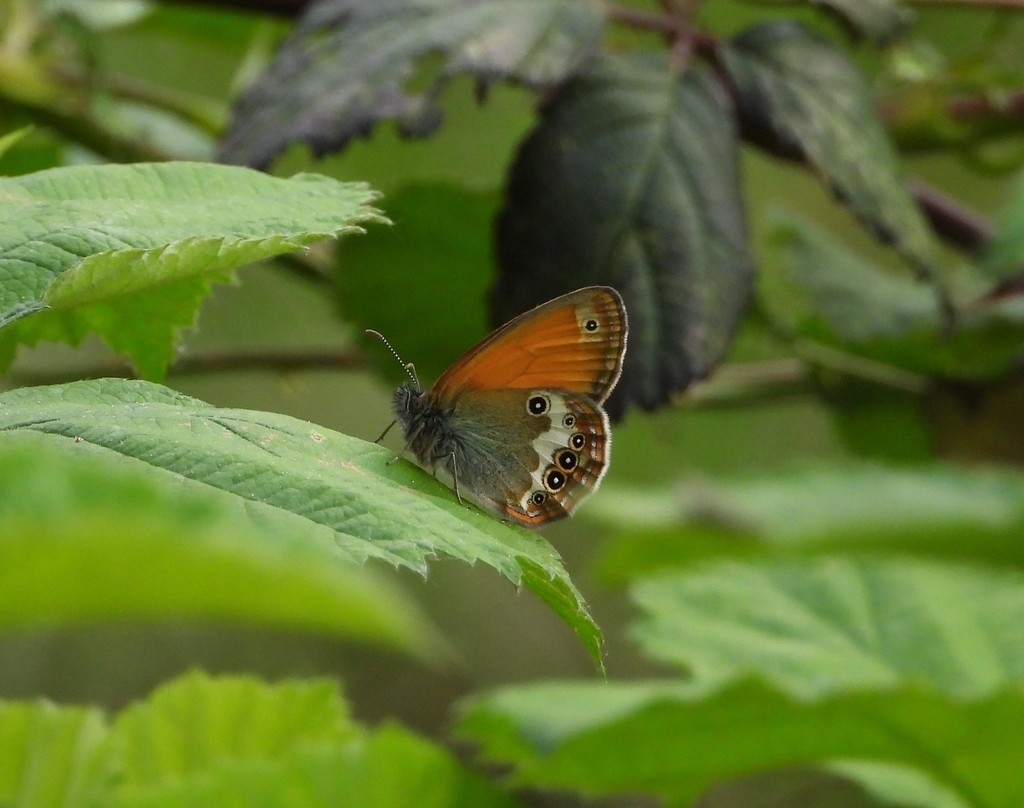
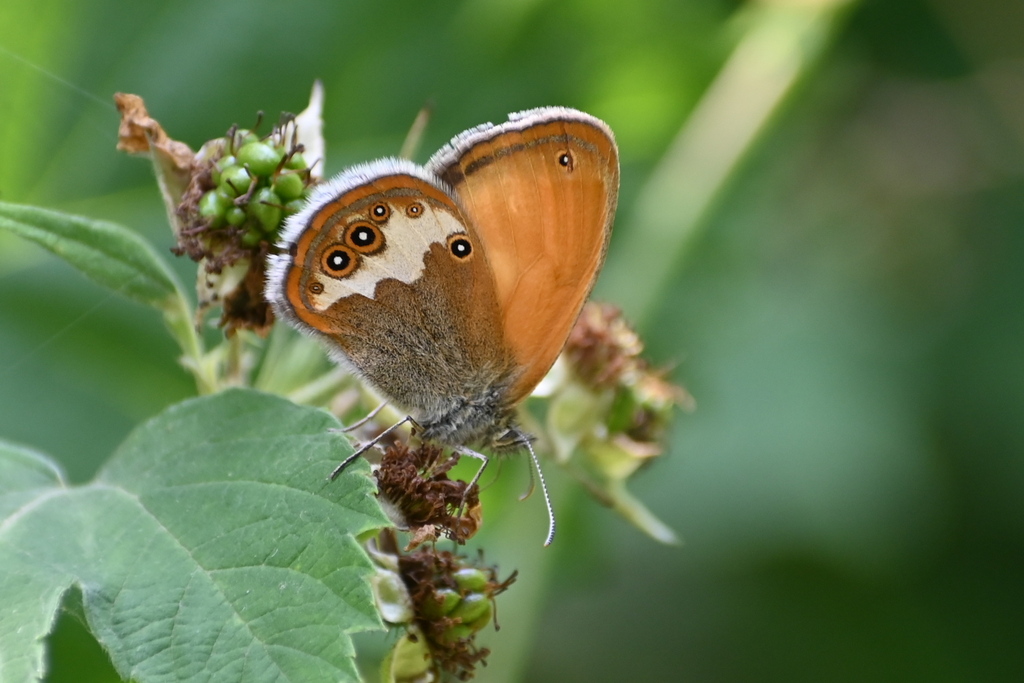
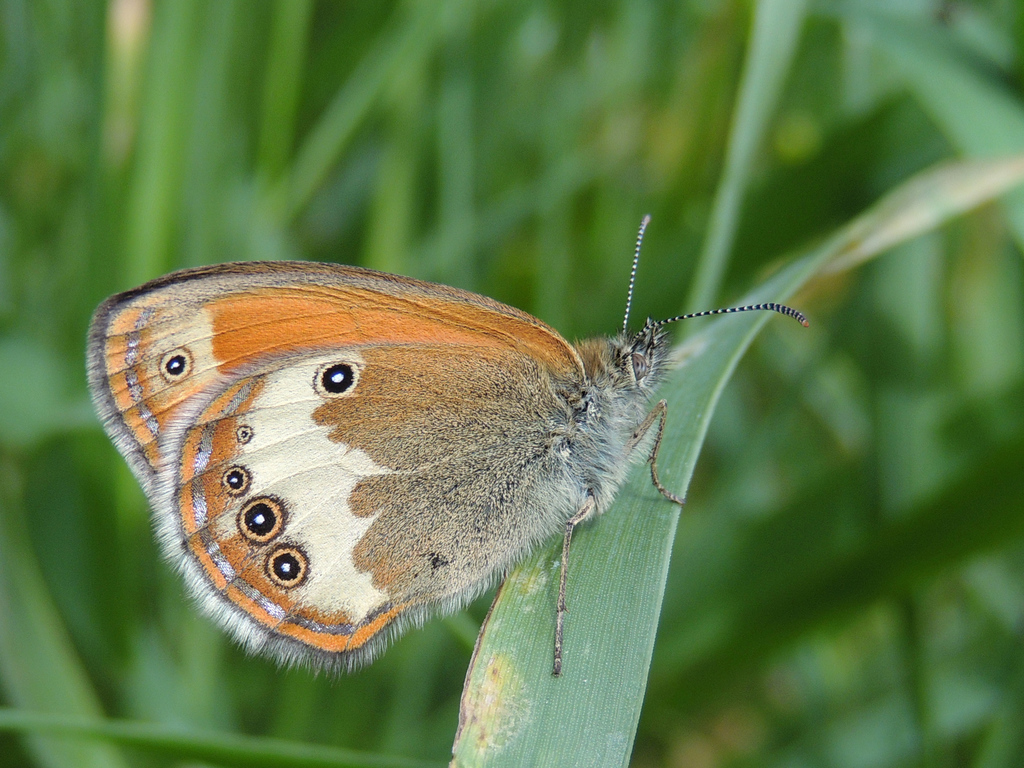
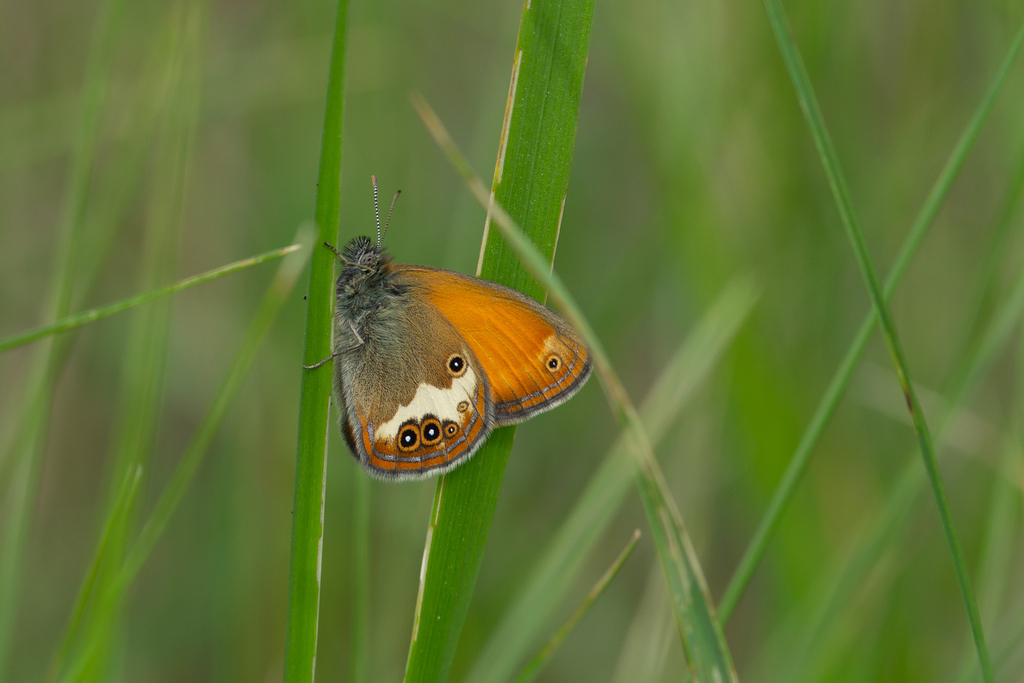
Its closest relatives
The other species of the genus Coenonympha.

Seen a pearly heath?
Share your photo on iNaturalist. Other naturalists help confirm it, and the record goes to GBIF, where scientists use it and where the maps on this page come from.
Put this species on your site
The card names every source and links back here.
<iframe src="https://4planetatlas.com/place/embed/species/pearly-heath" title="Pearly heath (Coenonympha arcania), 4PLANET Species" width="100%" height="600" style="border:0;max-width:640px" loading="lazy"></iframe>
<p><a href="https://4species.com/pearly-heath">Pearly heath on 4PLANET Species</a></p>Questions people ask
What does the pearly heath eat?
The pearly heath has been recorded eating 128 different kinds of animals and plants, most of them plants. The ones recorded most often are wood bluegrass, kentucky bluegrass, annual bluegrass, red fescue and sheep fescue; records include animals eaten as carrion. Source: GloBI.
What eats the pearly heath?
Recorded predators include greater horseshoe bat, house sparrow, eurasian magpie, eurasian hoopoe and common blackbird. Source: GloBI.
Where does the pearly heath live?
People have recorded it in 37 countries; the most records come from Italy, France, Spain, Germany and Austria. Records show where people have seen it, not its full range.
When is the pearly heath seen most?
In the northern hemisphere, the most records are made in June and the fewest in January. More people outdoors also means more records.
What are the pearly heath's closest relatives?
It shares the genus Coenonympha with small heath.
Sources and photo credits
- GBIF · Coenonympha arcania, 11,317 human observations
- GloBI · recorded interactions of Coenonympha arcania
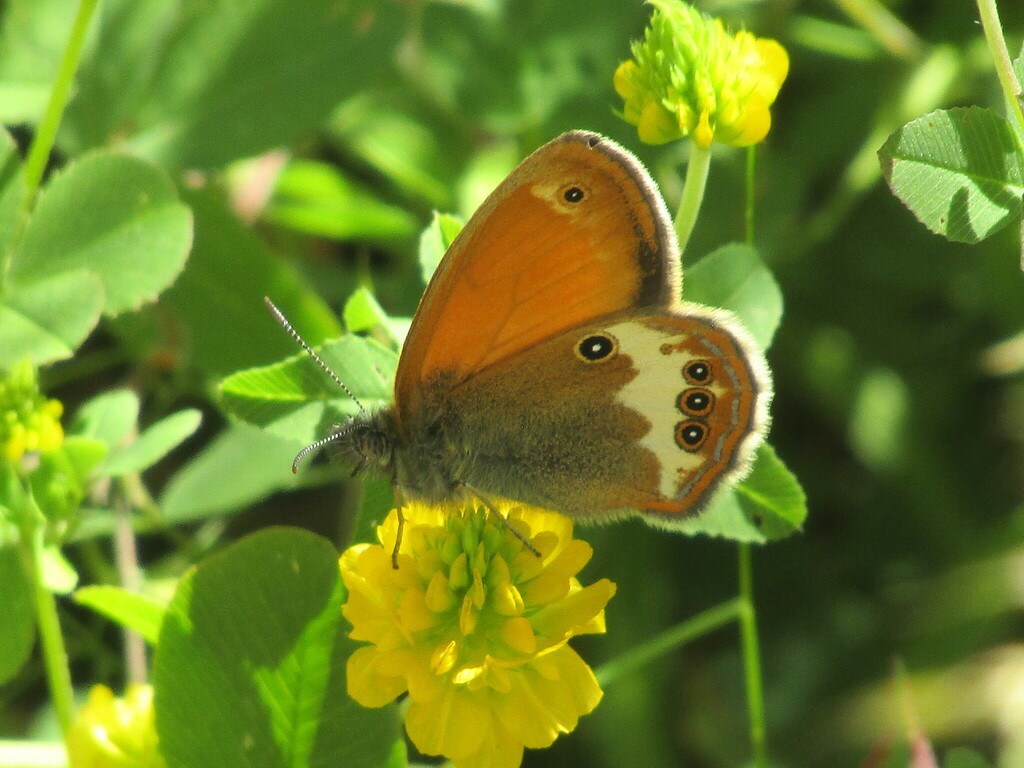
- Pearly heath (Coenonympha arcania): olrett, CC BY 4.0
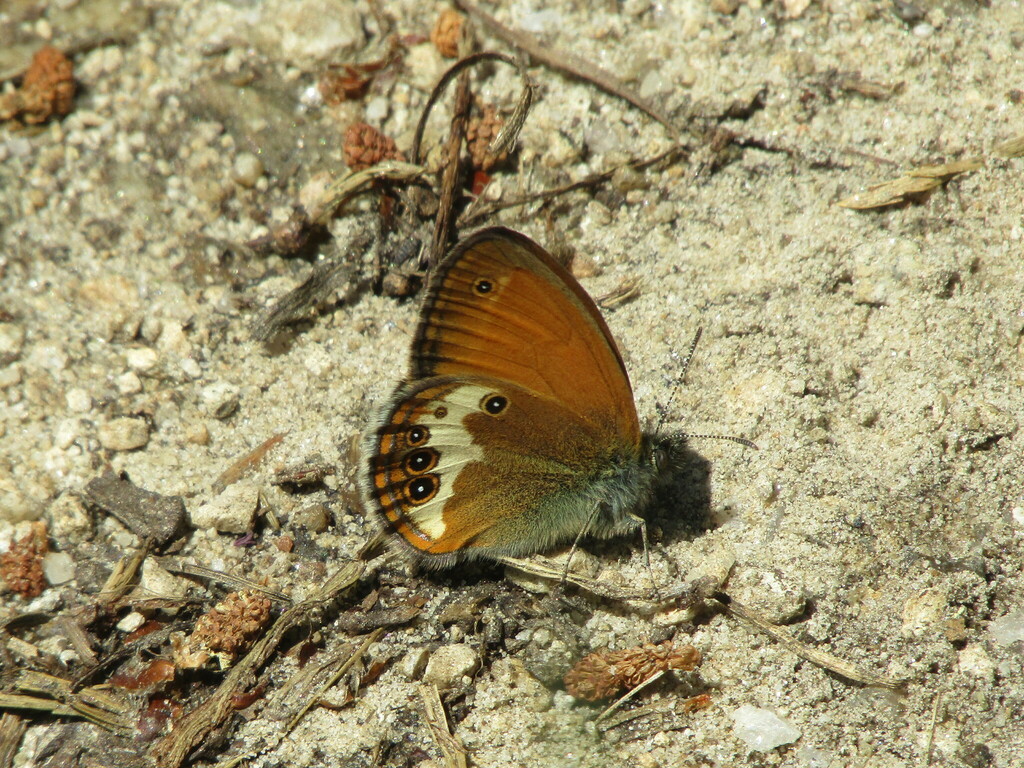
- Pearly heath (Coenonympha arcania), Rodopi Municipality, Bulgaria: SteveM4560, CC BY 4.0
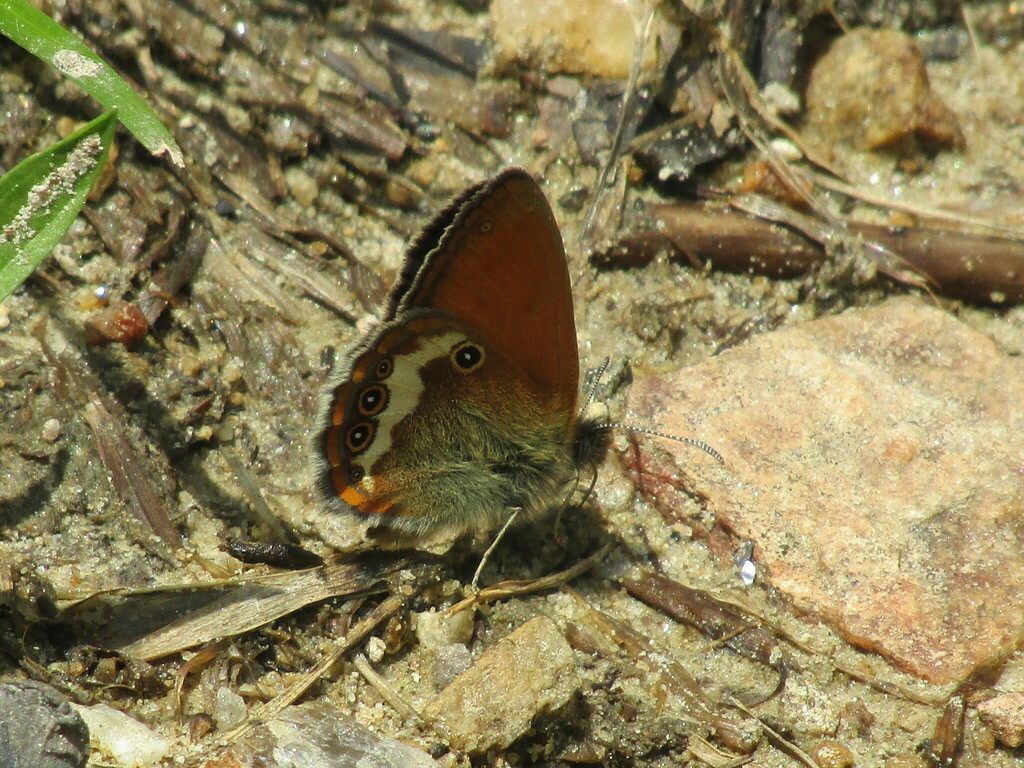
- Pearly heath (Coenonympha arcania), Rodopi Municipality, Bulgaria: SteveM4560, CC BY 4.0
- Pearly heath (Coenonympha arcania), Rodopi Municipality, Bulgaria: SteveM4560, CC BY 4.0
- Pearly heath (Coenonympha arcania), Provincia di Biella, Italia: Simone Bocca, CC BY-SA 4.0
- Pearly heath (Coenonympha arcania), 267 18 Srbsko, Česko: Pavel Kacl, CC BY 4.0
- Pearly heath (Coenonympha arcania), Brașov, Brasov, România: xulescu_g, CC BY-SA 4.0
- Pearly heath (Coenonympha arcania), Канівський район, Черкаська область, Україна: Mykola Borysenko, CC BY 4.0
- Pearly heath (Coenonympha arcania), Sliven municipality, Bulgaria: SteveM4560, CC BY 4.0
- Wood bluegrass: Douglas Goldman, CC BY-SA 4.0
- Kentucky bluegrass: Matt Lavin, CC BY-SA 4.0
- Annual bluegrass: Eric Lamb, CC BY 4.0
- Red fescue: Forest and Kim Starr, CC BY 4.0
- Sheep fescue: Cheng-Tao Lin, CC BY 4.0
- Grass: Reuven Martin, CC0
- Rough bluegrass: pete_gateley, CC0
- Bulbous meadow-grass: Alexis Tinker-Tsavalas, CC BY 4.0
- Alpine meadow-grass: Matt Lavin, CC BY-SA 4.0
- Fowl bluegrass: Fyodor Pudovikov, CC BY 4.0
- Canada bluegrass: Matt Lavin, CC BY 4.0
- Wood fescue: Dmitriy Bochkov, CC BY 4.0
- Greater horseshoe bat: Gilles San Martin, CC BY-SA 4.0
- House sparrow: Esteban Poveda, CC BY 4.0
- Eurasian hoopoe: Birds of Gilgit-Baltistan, CC BY-SA 4.0
- Common blackbird: Luiz Lapa, CC BY 4.0
- Eurasian golden oriole: carnifex, CC BY 4.0
- Common starling: Shiva Shenoy, CC BY 4.0
- White wagtail: Kim, Hyun-tae, CC BY 4.0
- Small heath: Kostas Zontanos, CC BY 4.0
Records show where people have seen and shared the pearly heath, not its full range, and some countries and months are recorded far more than others. The food web lists interactions that studies have recorded somewhere in the world (GloBI), not everything it eats in one place.
Checked 2026-11-27.