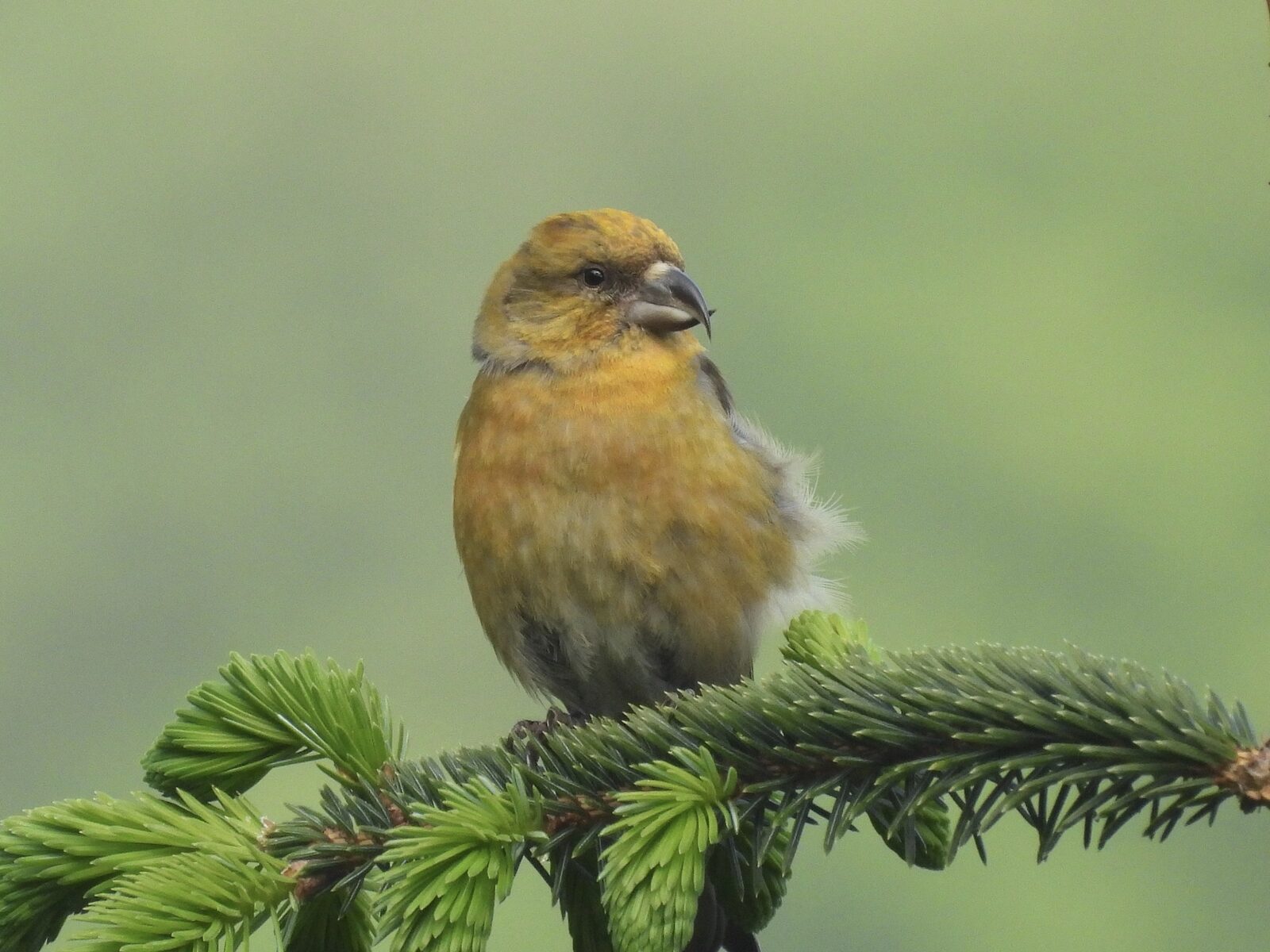
Red Crossbill
Loxia curvirostra
- Status
- Least Concern IUCN Red List
- Eats
- colorado spruce, weymouth pine, ragweed and 46 more
- Eaten by
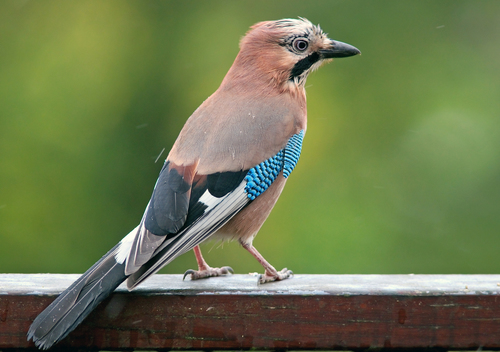
- northern raven, Eurasian magpie, Eurasian jay
- Where
- 82 countries
On 4Planet Atlas it is among the wildlife people record most around Andorra la Vella, Bergen and Copenhagen, and 17 more of the cities we cover.
People have shared 781,174 records of the Red Crossbill with GBIF, from 82 countries, most of them from United States, Canada and Spain. Records collected by GloBI show it eating 49 different kinds of animals and plants, and being eaten by 36.
What the red Crossbill eats, and what eats it
Studies have recorded it eating 49 kinds of animals and plants, and 36 kinds of animals eating it. Tap any of them to follow the food chain.
- Plants 48
Eaten by



 Red Crossbill
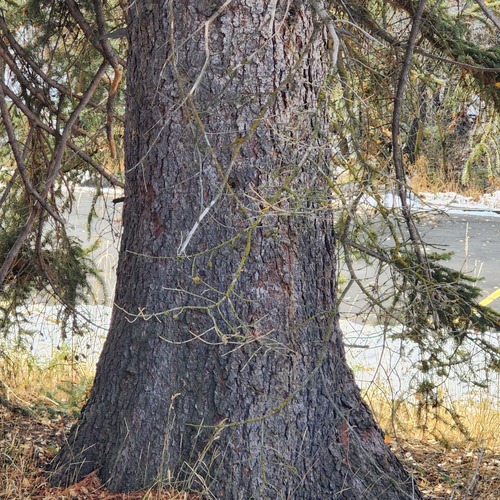
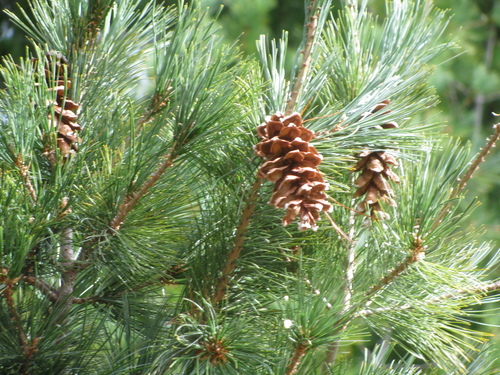
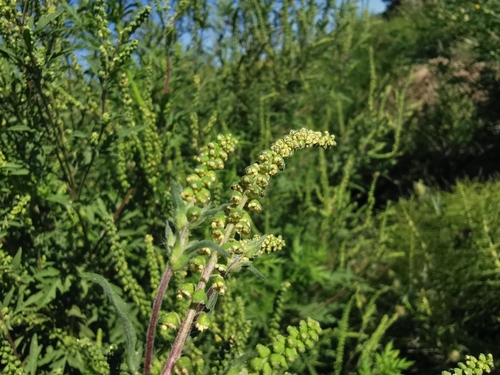
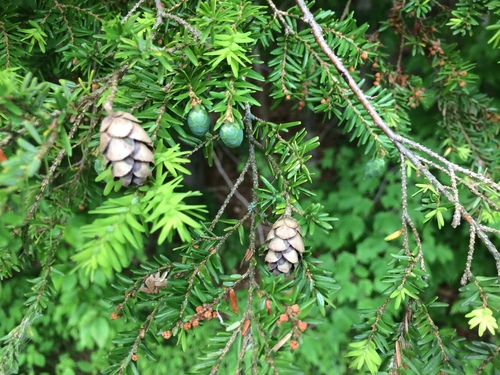
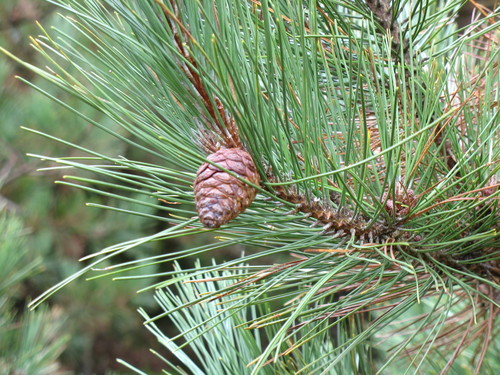
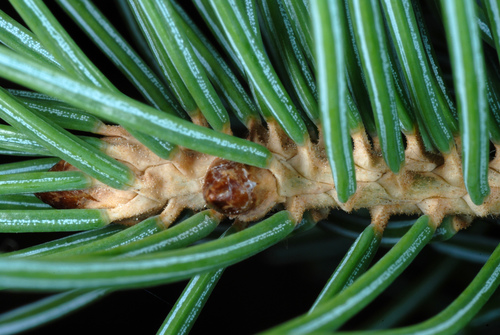
Records from studies worldwide, collected by GloBI. They include animals eaten as carrion, and they are not everything it eats in one place.
Where people see the red Crossbill
People have shared 781,174 records from 82 countries.
Near a city: Andorra la Vella, Bergen, Copenhagen, Helsinki, Ljubljana, Madrid, Minsk, Moscow, Oslo, Reykjavík, Riga, Sarajevo, Sofia, Stockholm, Tallinn, Thimphu, Tunis, Ulaanbaatar, Vancouver, Vilnius.
Records show where people have seen it and shared it, not its full range. Country names open their page in Atlas.
When it is seen
Records per month in the northern hemisphere. More people outdoors also means more records.
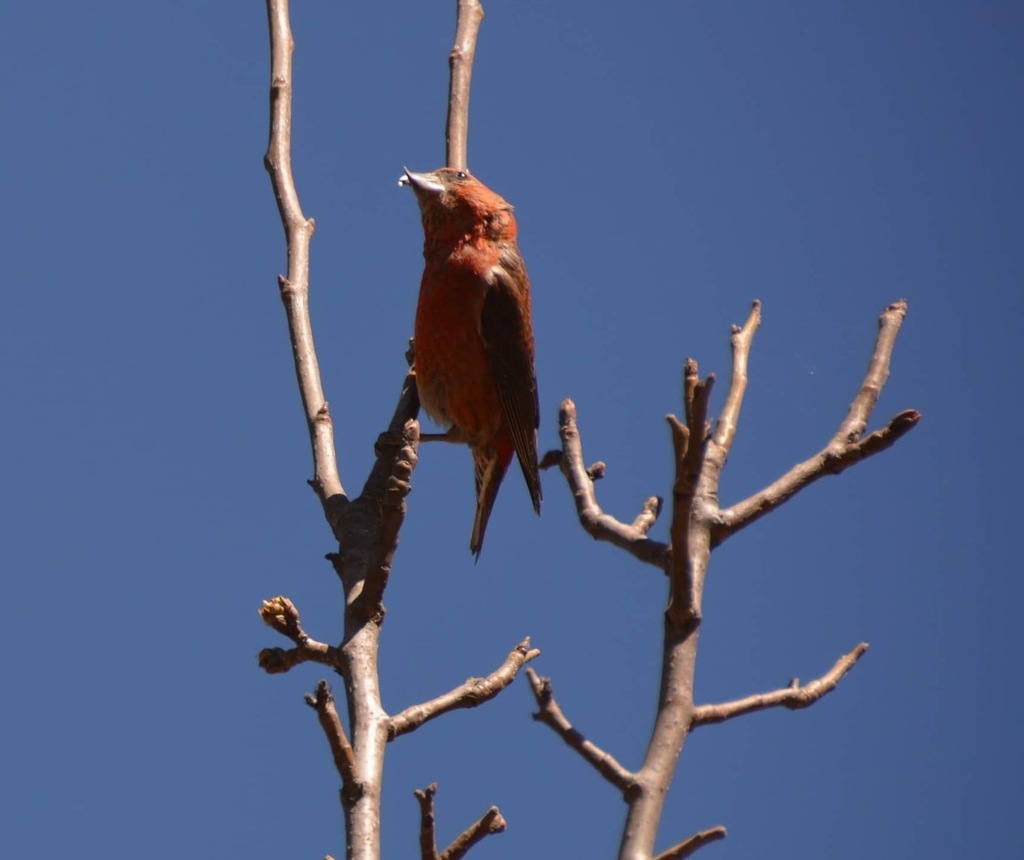
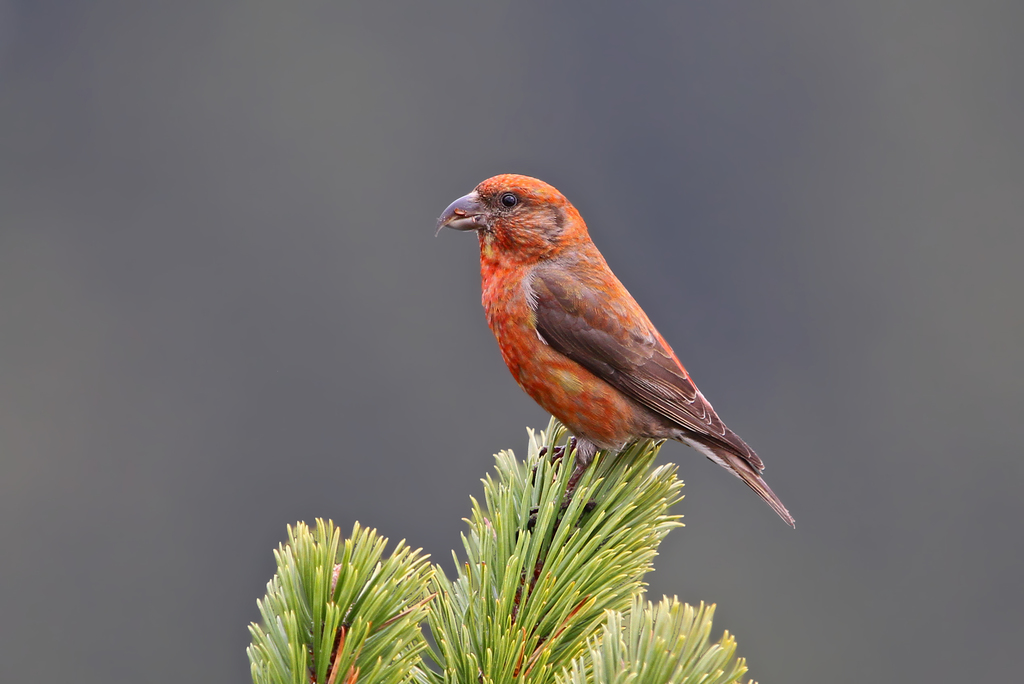
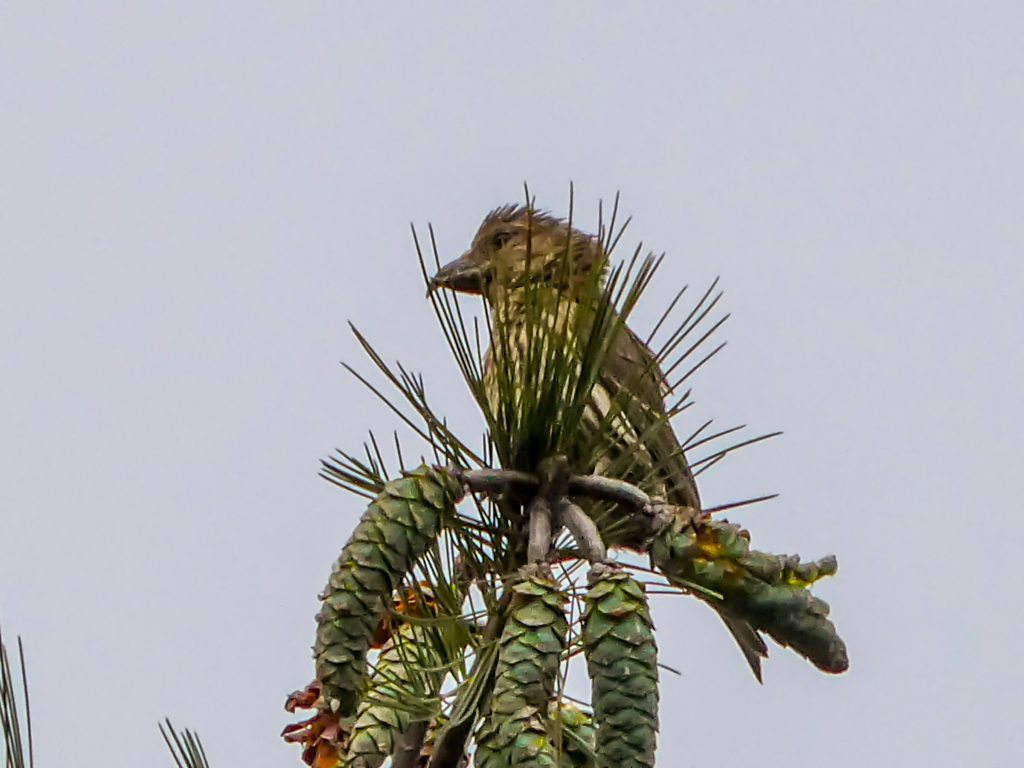
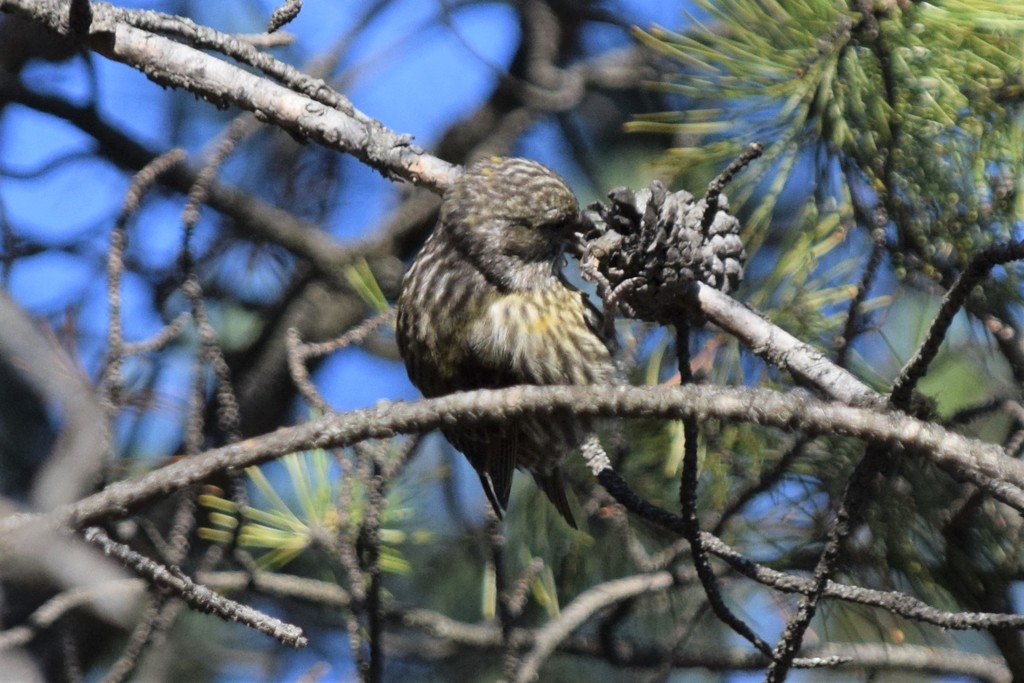
Watch and listen
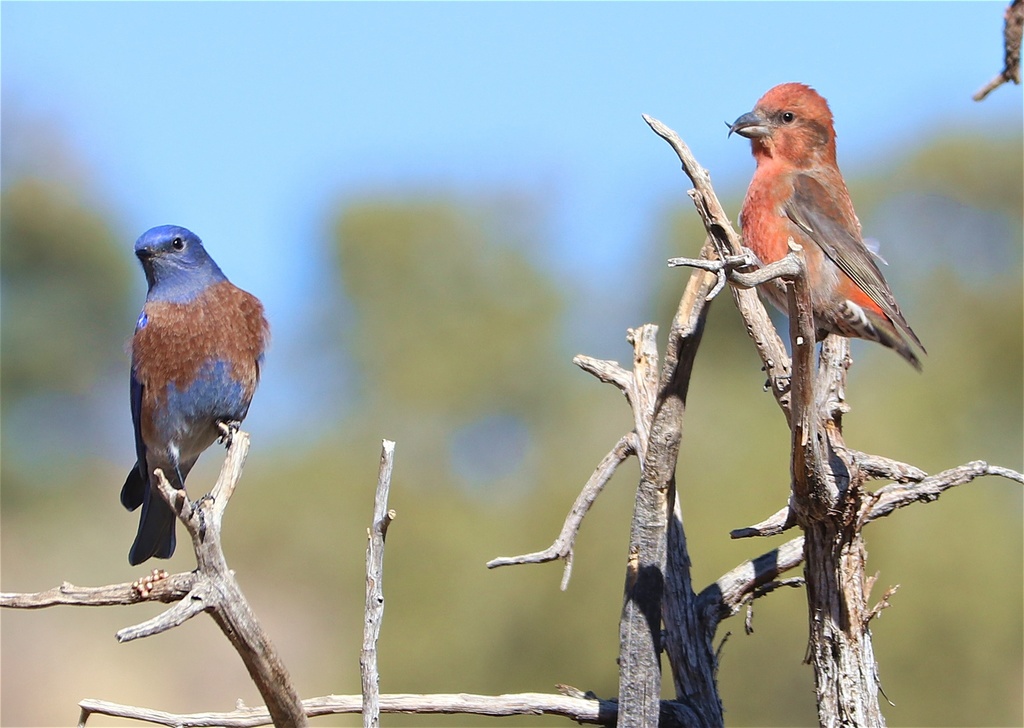
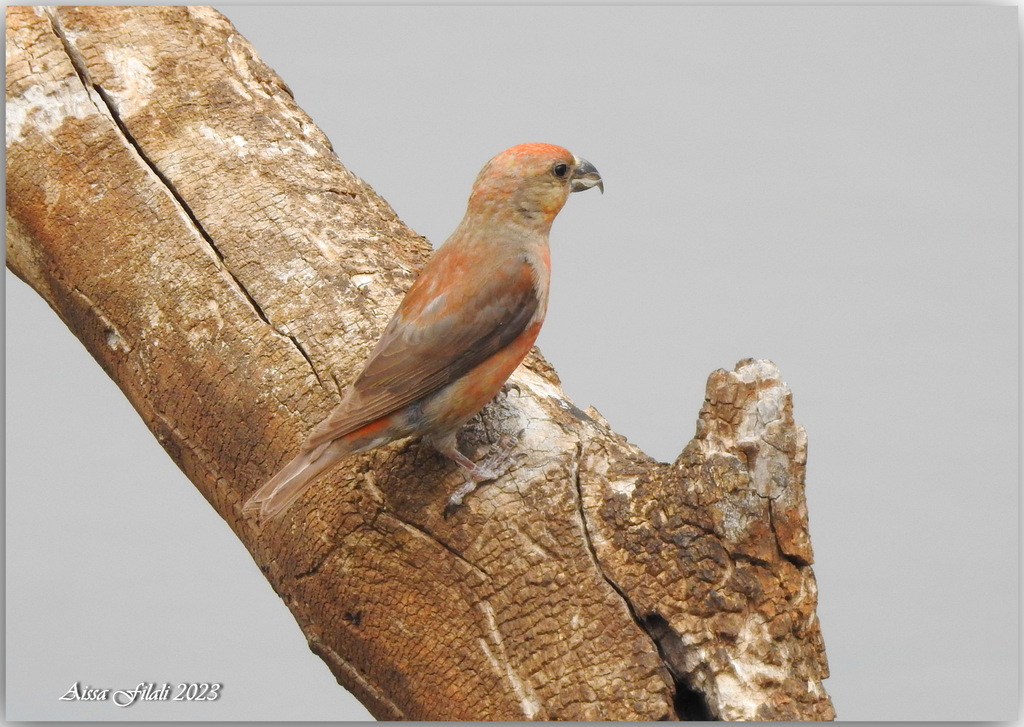
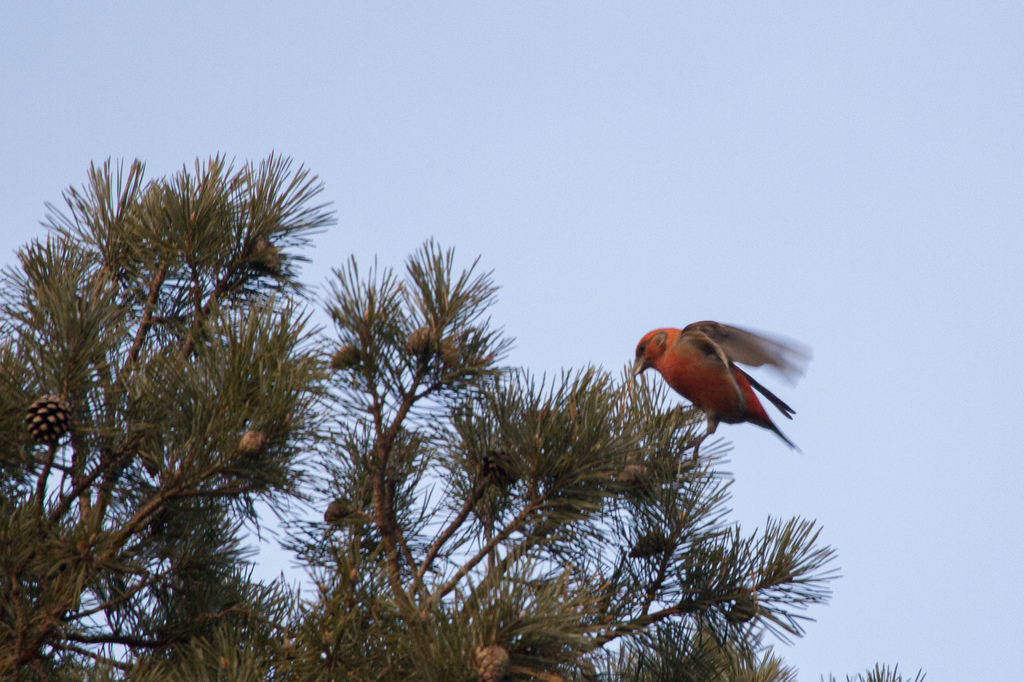
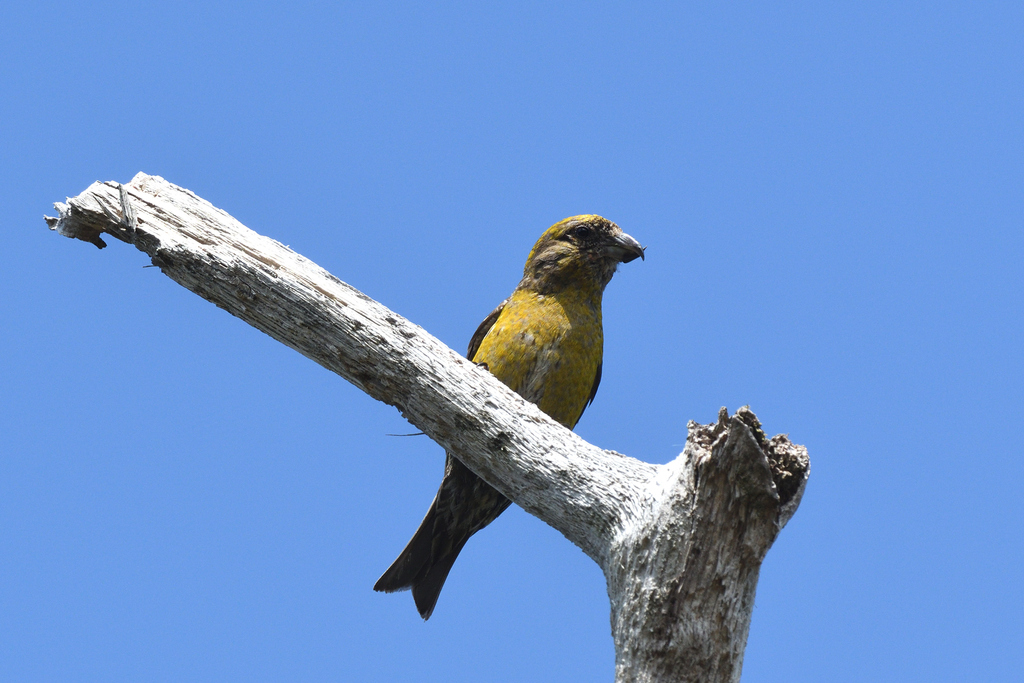
Its closest relatives
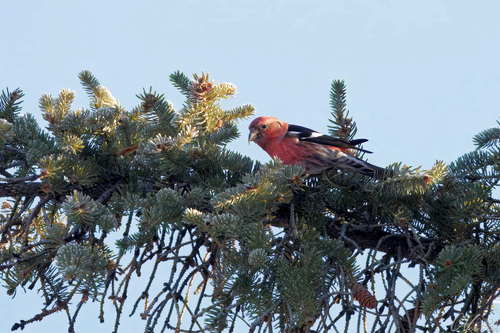
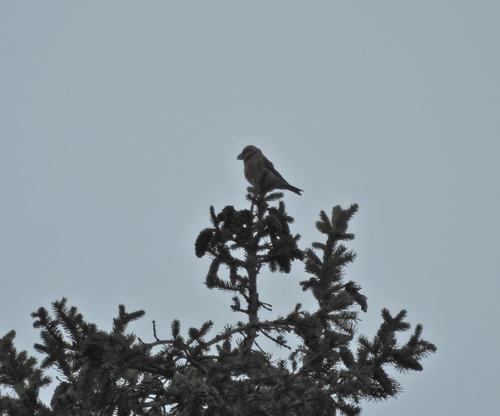
The other species of the genus Loxia.
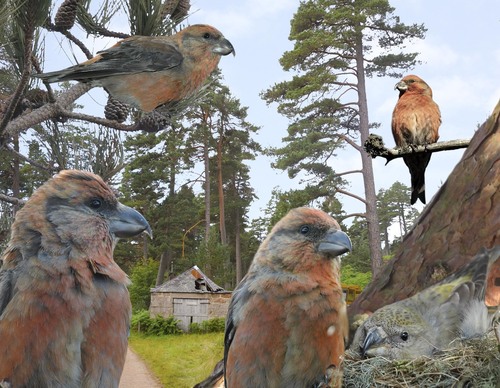
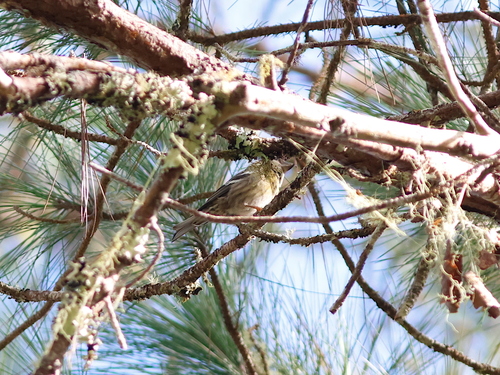
Seen a red Crossbill?
Share your photo on iNaturalist. Other naturalists help confirm it, and the record goes to GBIF, where scientists use it and where the maps on this page come from.
Put this species on your site
The card names every source and links back here.
<iframe src="https://4planetatlas.com/place/embed/species/red-crossbill" title="Red Crossbill (Loxia curvirostra), 4PLANET Species" width="100%" height="600" style="border:0;max-width:640px" loading="lazy"></iframe>
<p><a href="https://4species.com/red-crossbill">Red Crossbill on 4PLANET Species</a></p>Questions people ask
What does the Red Crossbill eat?
The Red Crossbill has been recorded eating 49 different kinds of animals and plants, most of them plants. The ones recorded most often are colorado spruce, weymouth pine, ragweed, eastern hemlock and norway pine; records include animals eaten as carrion. Source: GloBI.
What eats the Red Crossbill?
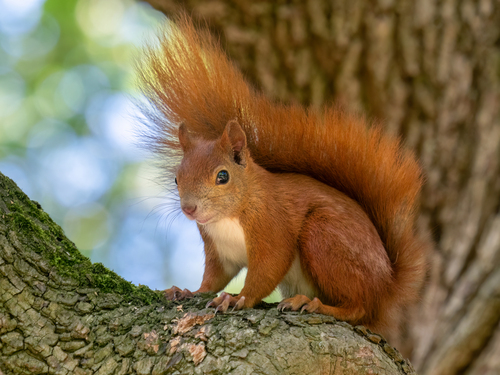
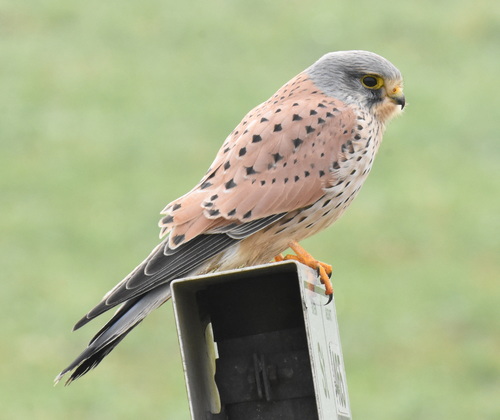
Recorded predators include northern raven, eurasian magpie, eurasian jay, eurasian red squirrel and peregrine falcon. Source: GloBI.
Where does the Red Crossbill live?
People have recorded it in 82 countries; the most records come from United States, Canada, Spain, United Kingdom and Sweden. Records show where people have seen it, not its full range.
When is the Red Crossbill seen most?
In the northern hemisphere, the most records are made in July and the fewest in December. More people outdoors also means more records.
What are the Red Crossbill's closest relatives?
It shares the genus Loxia with white-winged crossbill, parrot crossbill, scottish crossbill and hispaniolan crossbill.
Sources and photo credits
- GBIF · Loxia curvirostra, 781,174 human observations
- GloBI · recorded interactions of Loxia curvirostra
- Wikidata · Red Crossbill (Q26552)
- Red Crossbill (Loxia curvirostra): Stanley Davis, CC BY 4.0
- Red Crossbill (Loxia curvirostra), Cherán: Leslie Alanís, CC BY 4.0
- Red Crossbill (Loxia curvirostra), 82488 Ettaler Forst, Deutschland: Christoph Moning, CC BY 4.0
- Red Crossbill (Loxia curvirostra), Pine Spring, Clark County, NV, USA: David Batchelor, CC BY 4.0
- Red Crossbill (Loxia curvirostra), Djebel El Wahch, Constantine, Algeria: Aissa Djamel Filali, CC BY-SA 4.0
- Red Crossbill (Loxia curvirostra), Центральный р-н, Челябинск, Челябинская обл., Россия: Artem Kuznetsov, CC BY 4.0
- Red Crossbill (Loxia curvirostra), Pennsylvania, US: Court Harding, CC BY 4.0
- Red Crossbill (Loxia curvirostra), Wisconsin, US: sofi v, CC BY 4.0
- Red Crossbill (Loxia curvirostra), Squanga Avenue & Kusawa Road, Whitehorse, YT Y1A 3Y3, Canada: Syd Cannings, CC BY 4.0
- Colorado spruce: Lyrae, CC BY 4.0
- Weymouth pine: Forest and Kim Starr, CC BY 4.0
- Ragweed: u101125, CC BY 4.0
- Eastern hemlock: Ian Manning, CC BY 4.0
- Norway pine: timmenzies on Flickr, CC BY-SA 4.0
- Engelmann spruce: Douglas Goldman, CC BY-SA 4.0
- Northern raven: xulescu_g, CC BY-SA 4.0
- Eurasian jay: Luc Viatour, CC BY-SA 4.0
- Eurasian red squirrel: Rhododendrites, CC BY-SA 4.0
- Peregrine falcon: Shirley Zundell, CC BY 4.0
- Eurasian sparrowhawk: Stanislav Murashkin, CC BY 4.0
- Common kestrel: Thorsten Hackbarth, CC BY 4.0
- White-winged crossbill: Carol Ann Vermeer, CC BY 4.0
- Parrot crossbill: Nicolás Tamargo, CC0
- Scottish crossbill: Richard Crossley, CC BY-SA 4.0
- Hispaniolan crossbill: Dan Riley, CC BY 4.0
Records show where people have seen and shared the Red Crossbill, not its full range, and some countries and months are recorded far more than others. The food web lists interactions that studies have recorded somewhere in the world (GloBI), not everything it eats in one place.
Checked 2026-11-24.