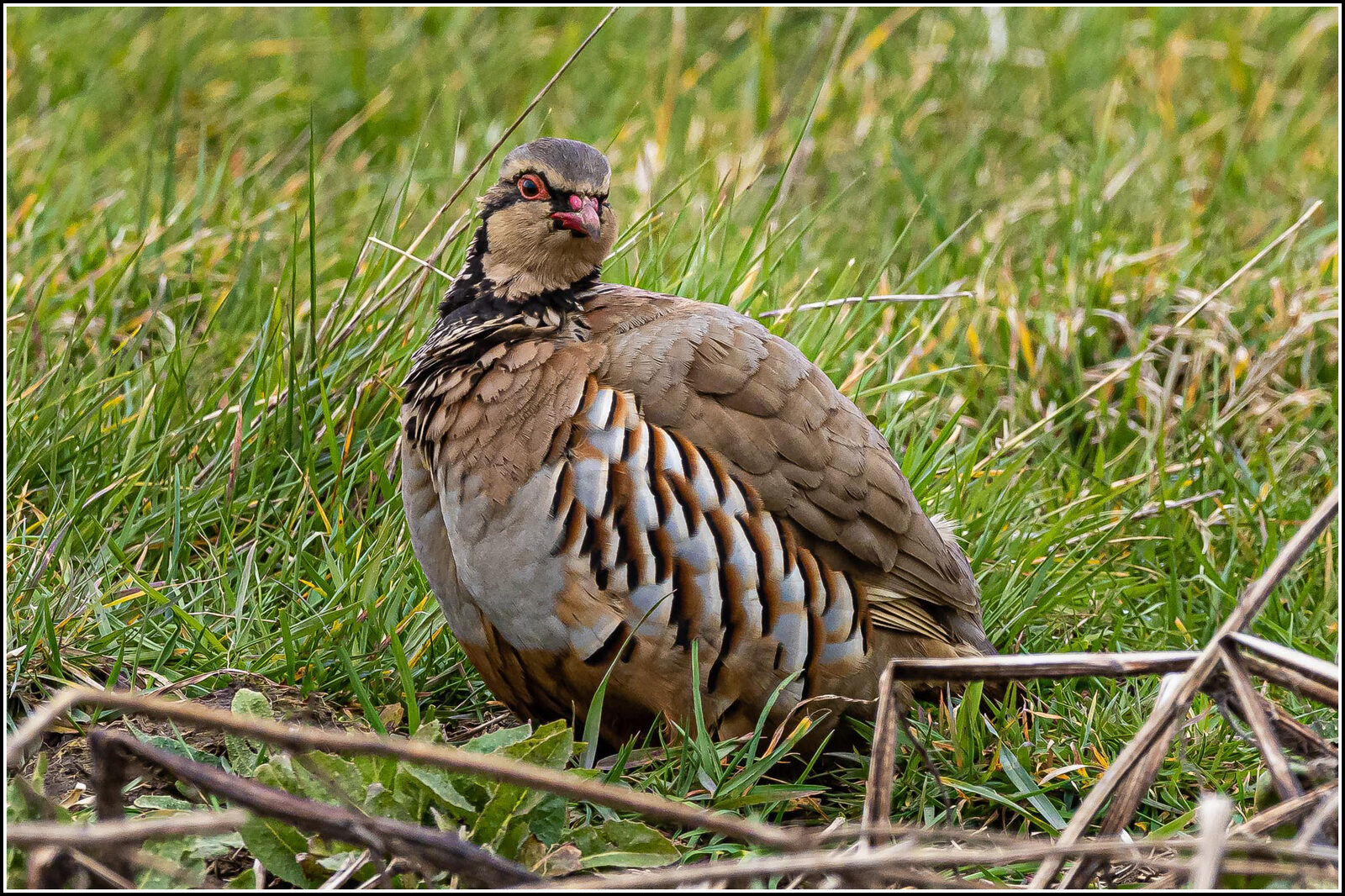
Red-legged Partridge
Alectoris rufa
- Status
- Near Threatened IUCN Red List
- Eats
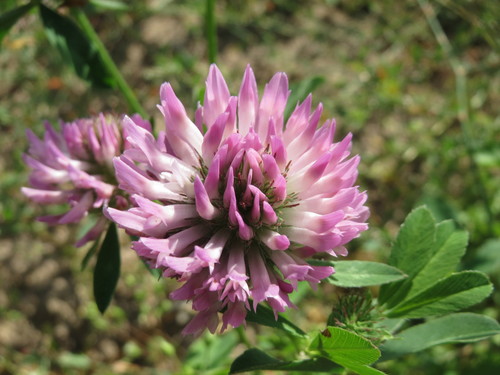
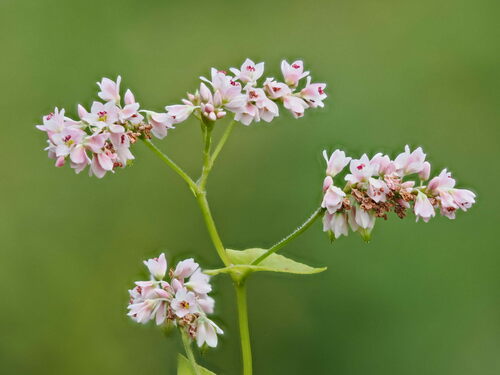
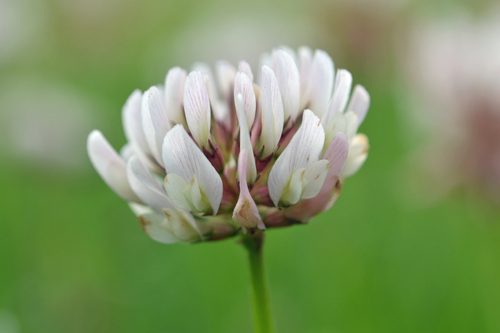
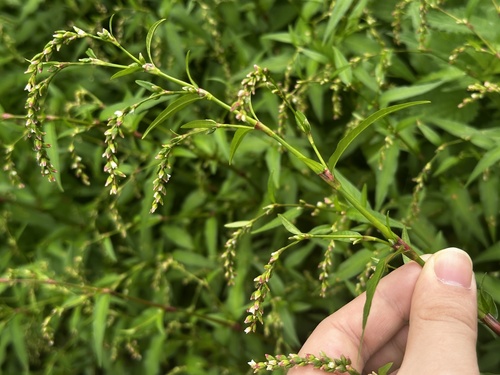
- red clover, tasteless water-pepper, buckwheat and 146 more
- Where
- 23 countries
On 4Planet Atlas it is among the wildlife people record most around Lisbon and Madrid.
People have shared 288,016 records of the Red-legged Partridge with GBIF, from 23 countries, most of them from Spain, United Kingdom and Portugal. Records collected by GloBI show it eating 149 different kinds of animals and plants, and being eaten by 34.
What the red-legged Partridge eats, and what eats it
Studies have recorded it eating 149 kinds of animals and plants, and 34 kinds of animals eating it. Tap any of them to follow the food chain.
- Plants 140



 Red-legged Partridge

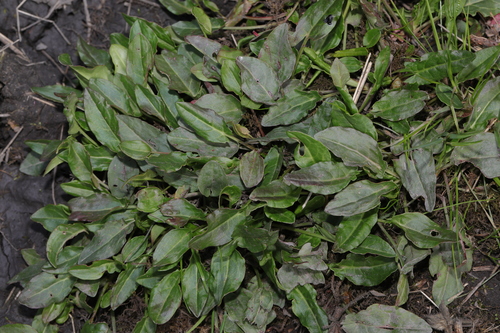
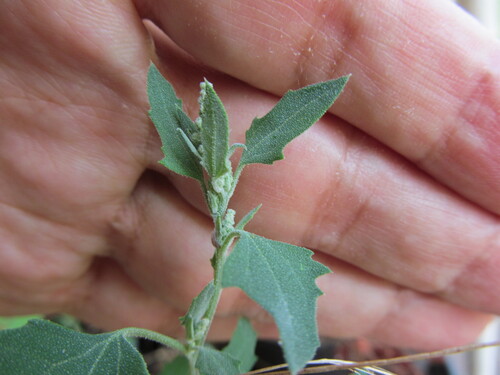
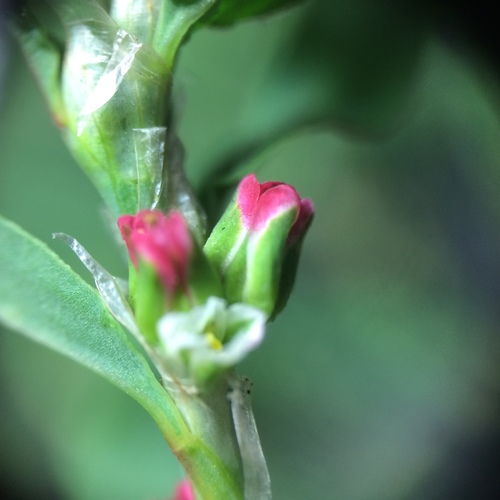
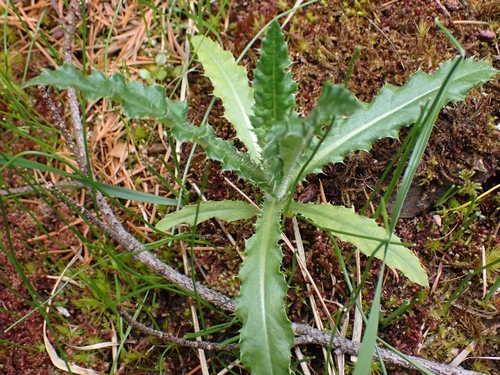
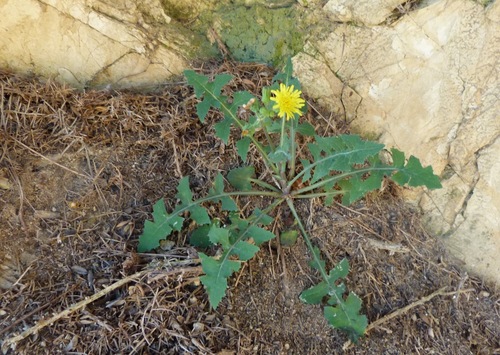
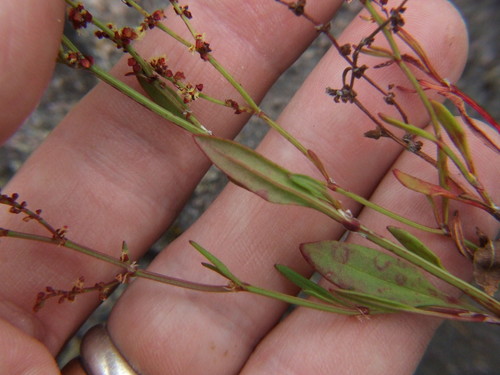
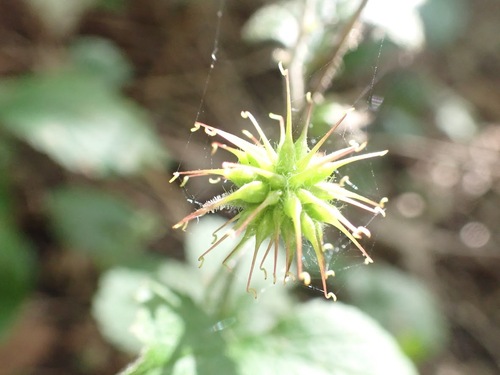
Records from studies worldwide, collected by GloBI. They include animals eaten as carrion, and they are not everything it eats in one place.
Where people see the red-legged Partridge
People have shared 288,016 records from 23 countries.
Records show where people have seen it and shared it, not its full range. Country names open their page in Atlas.
When it is seen
Records per month in the northern hemisphere. More people outdoors also means more records.
Watch and listen
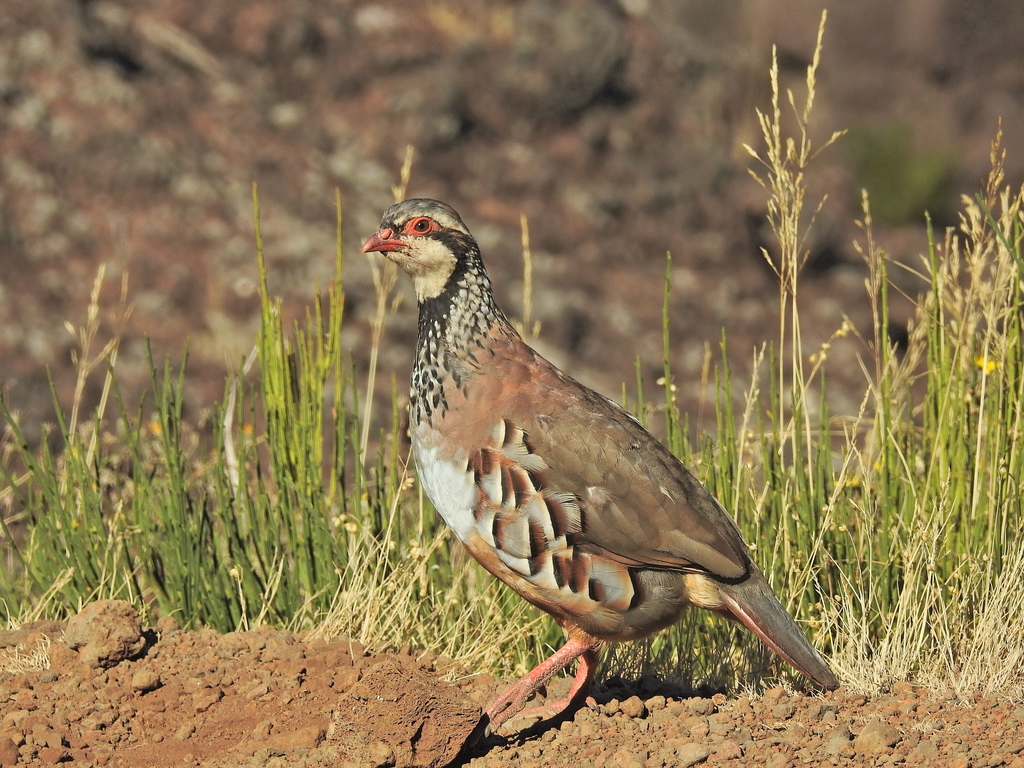
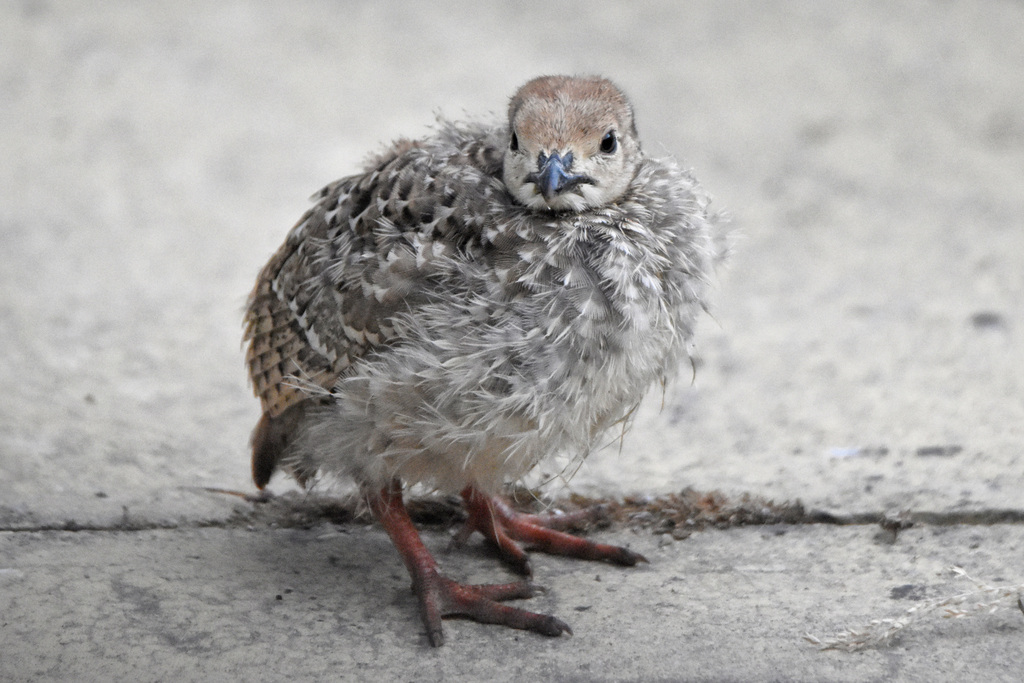
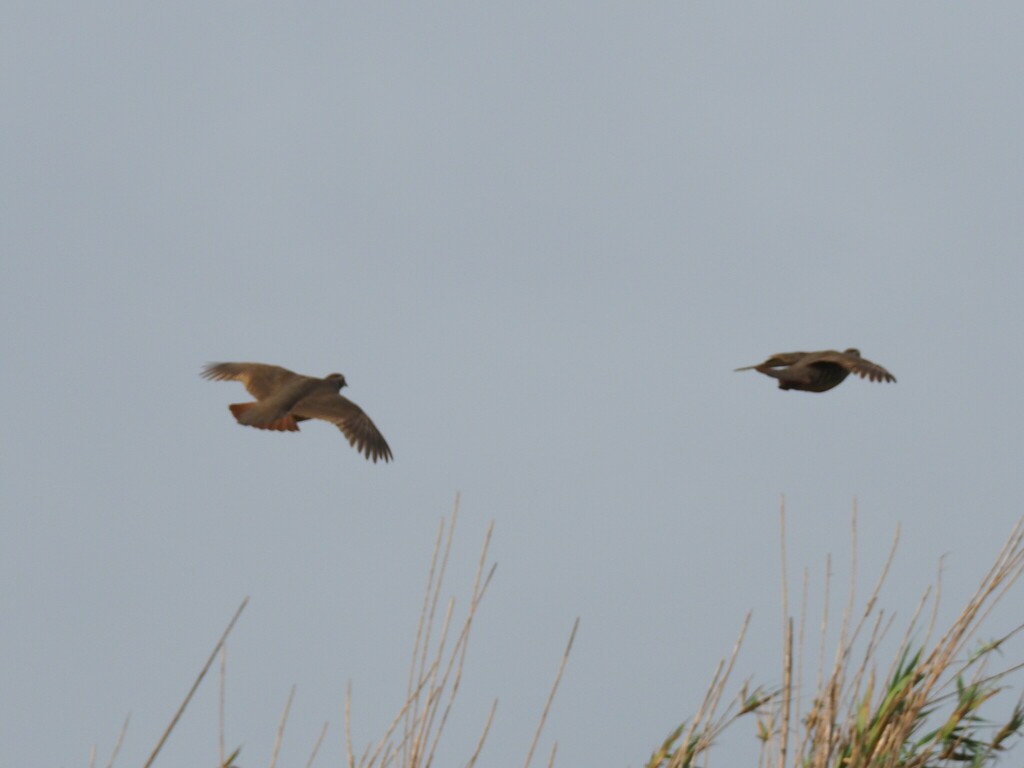
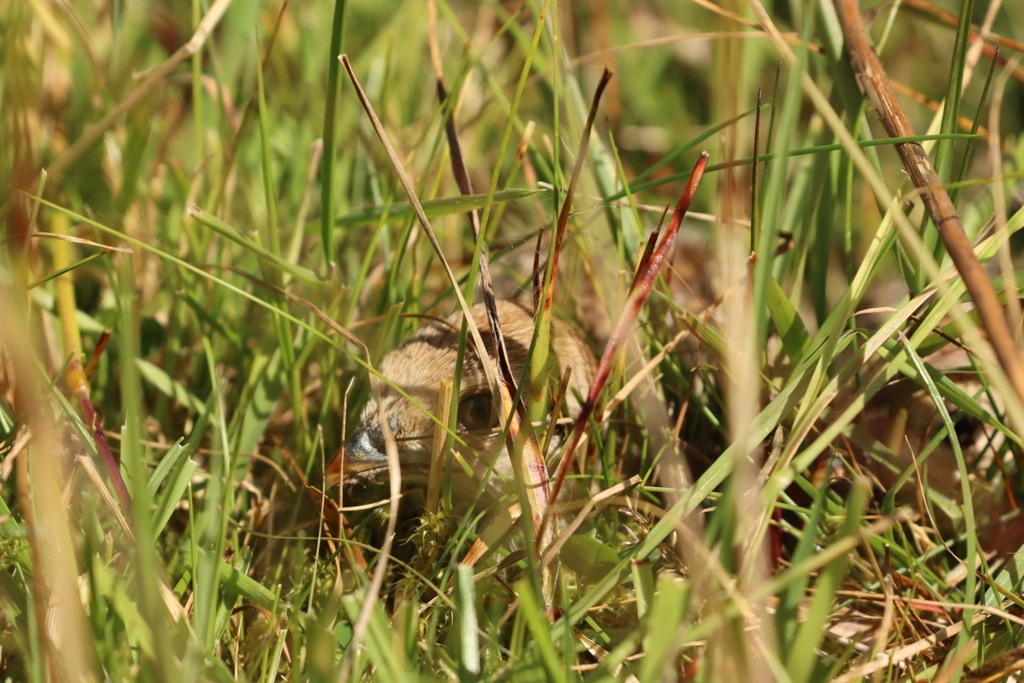
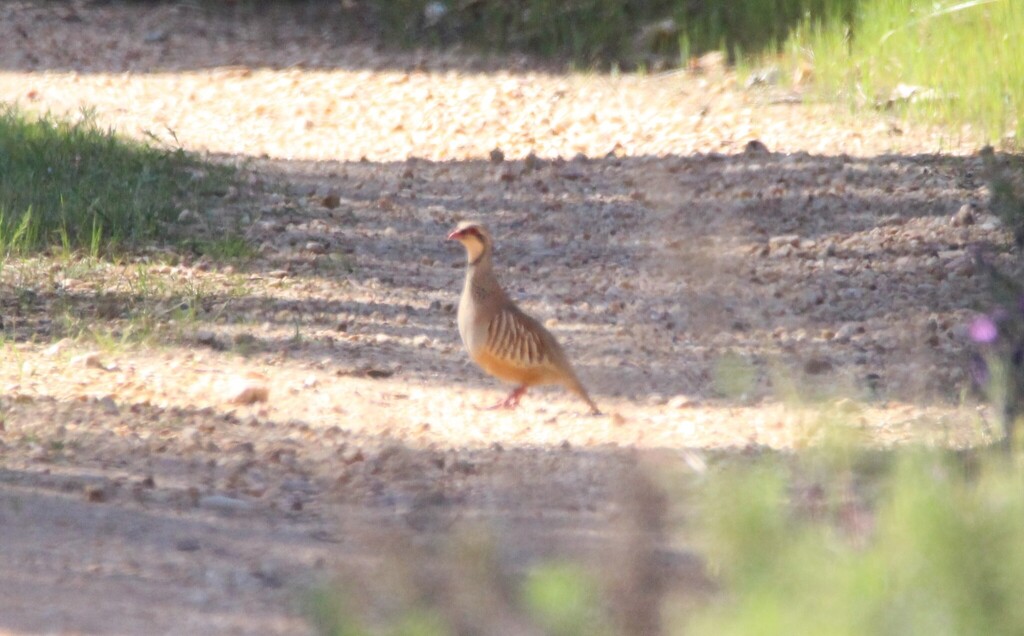
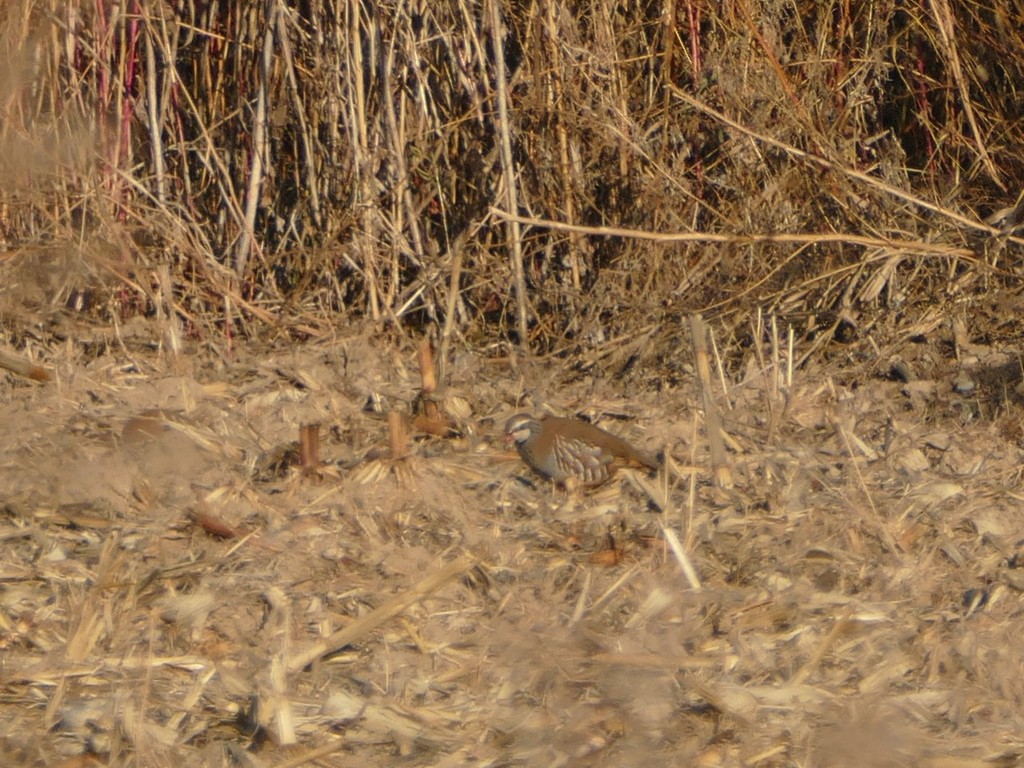
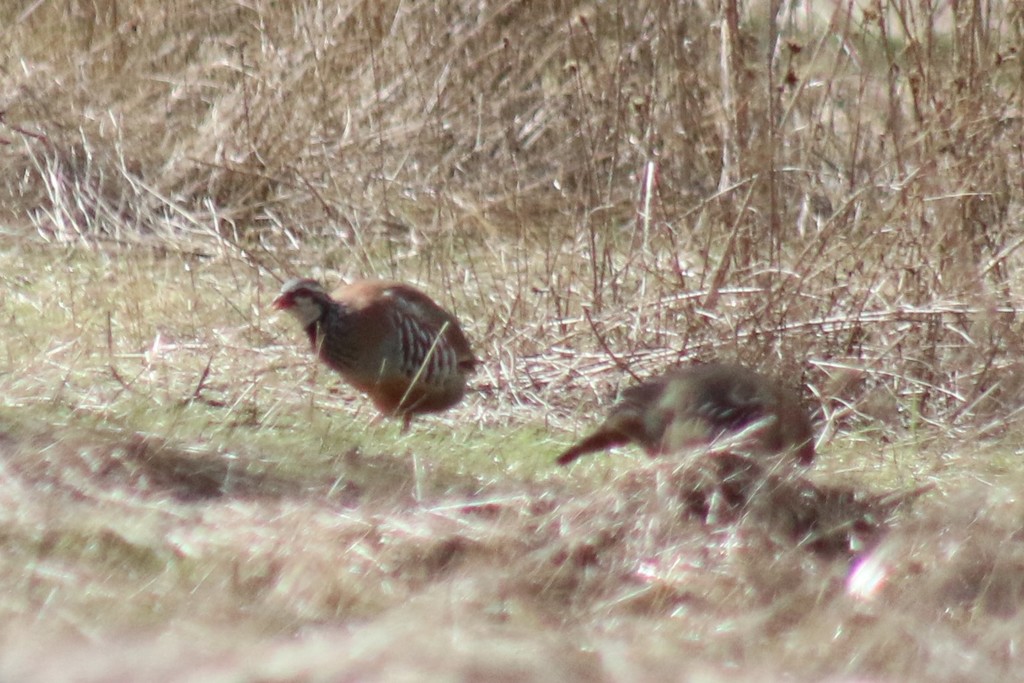
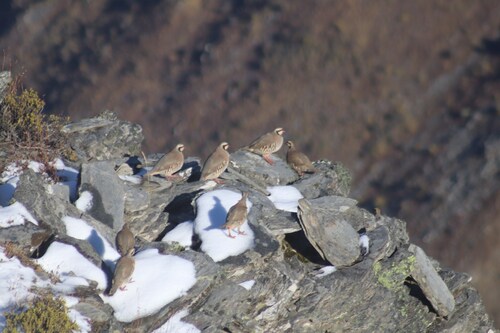
Its closest relatives
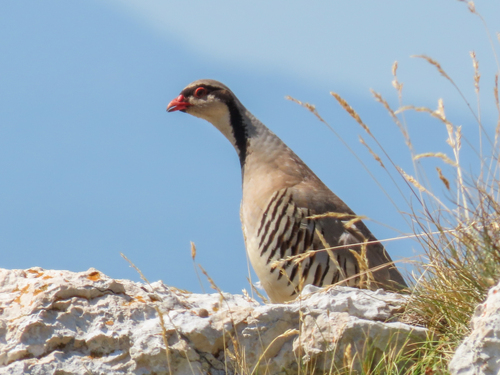
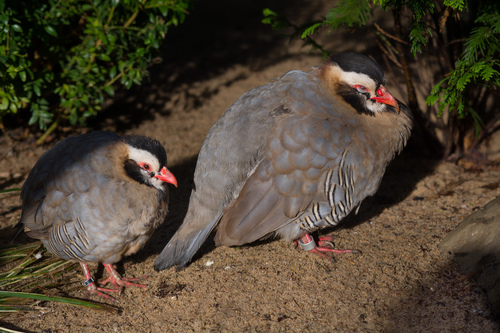
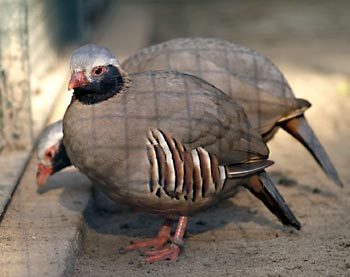
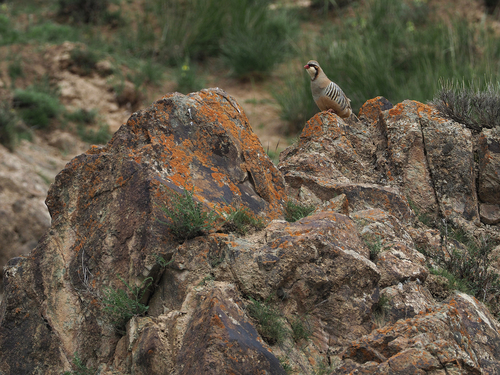
The other species of the genus Alectoris.

Seen a red-legged Partridge?
Share your photo on iNaturalist. Other naturalists help confirm it, and the record goes to GBIF, where scientists use it and where the maps on this page come from.
Put this species on your site
The card names every source and links back here.
<iframe src="https://4planetatlas.com/place/embed/species/red-legged-partridge" title="Red-legged Partridge (Alectoris rufa), 4PLANET Species" width="100%" height="600" style="border:0;max-width:640px" loading="lazy"></iframe>
<p><a href="https://4species.com/red-legged-partridge">Red-legged Partridge on 4PLANET Species</a></p>Questions people ask
What does the Red-legged Partridge eat?
The Red-legged Partridge has been recorded eating 149 different kinds of animals and plants, most of them plants. The ones recorded most often are red clover, tasteless water-pepper, buckwheat, garden sorrel and fat-hen; records include animals eaten as carrion. Source: GloBI.
What eats the Red-legged Partridge?
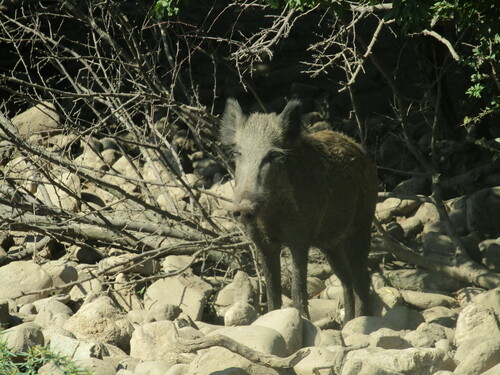
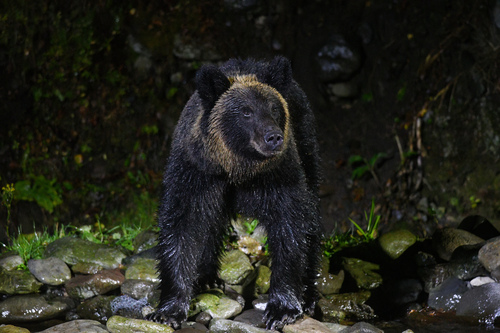
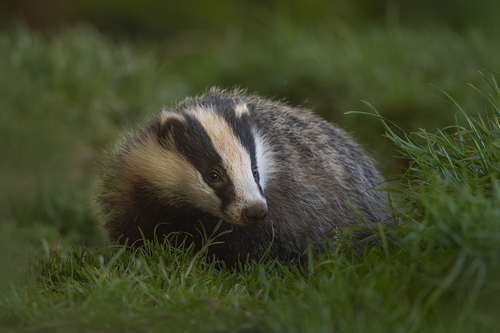
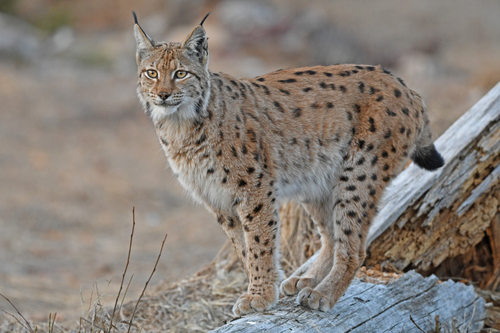
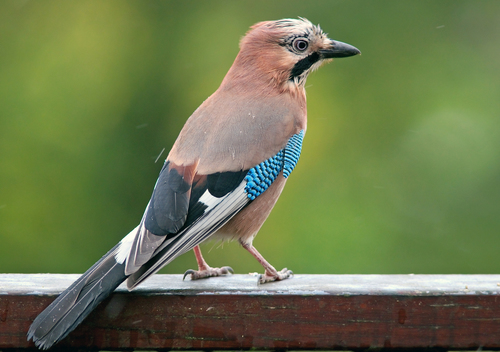
Recorded predators include grey wolf, wild boar, red fox, brown bear and northern raven. Source: GloBI.
Where does the Red-legged Partridge live?
People have recorded it in 23 countries; the most records come from Spain, United Kingdom, Portugal, France and Italy. Records show where people have seen it, not its full range.
When is the Red-legged Partridge seen most?
In the northern hemisphere, the most records are made in April and the fewest in July. More people outdoors also means more records.
What are the Red-legged Partridge's closest relatives?
It shares the genus Alectoris with chukar partridge, rock partridge, barbary partridge, arabian partridge and philby's partridge.
Sources and photo credits
- GBIF · Alectoris rufa, 288,016 human observations
- GloBI · recorded interactions of Alectoris rufa
- Wikidata · Red-legged Partridge (Q754863)
- Red-legged Partridge (Alectoris rufa): Smudge 9000, CC BY-SA 4.0
- Red-legged Partridge (Alectoris rufa): xulescu_g, CC BY-SA 4.0
- Red-legged Partridge (Alectoris rufa), Cambridgeshire, England, GB: J. Brucker, CC BY 4.0
- Red-legged Partridge (Alectoris rufa), Villeneuve-lès-Maguelone, France: Benoit NABHOLZ, CC BY-SA 4.0
- Red-legged Partridge (Alectoris rufa), Yorkshire Dales National Park, Leyburn, England, GB: Dave, CC BY 4.0
- Red-legged Partridge (Alectoris rufa), 83550 Vidauban, France: Bastien Le Mort, CC BY 4.0
- Red-legged Partridge (Alectoris rufa), Madrid, España: Sara Navarro, CC BY 4.0
- Red-legged Partridge (Alectoris rufa), Spain, Madrid, Casa de Campo: Charlie Farrell, CC0
- Red-legged Partridge (Alectoris rufa), Spain, Madrid, Casa de Campo: Charlie Farrell, CC0
- Red clover: Andreas Rockstein, CC BY-SA 4.0
- Tasteless water-pepper: Paul Cook, CC BY 4.0
- Buckwheat: Gilles San Martin, CC BY-SA 4.0
- Garden sorrel: Stephen James McWilliam, CC0
- Fat-hen: zebedeugalinha, CC BY 4.0
- Prostrate knotweed: Dilrukshan Priyantha Wijesinghe, CC BY 4.0
- Creeping thistle: no rights reserved, uploaded by Ellyne Geurts, CC0
- White clover: Conall, CC BY 4.0
- Common sowthistle: Colin Meurk, CC BY-SA 4.0
- Water-pepper: scallions, CC BY 4.0
- Sheep sorrel: cstobie, CC BY 4.0
- Wood avens: Sim Elliott, CC0
- Grey wolf: Andrew Simon, CC BY 4.0
- Wild boar: SteveM4560, CC BY 4.0
- Red fox: Алина Урусова, CC BY 4.0
- Brown bear: Nathan Ruser, CC BY 4.0
- Northern raven: xulescu_g, CC BY-SA 4.0
- Eurasian badger: caroline legg, CC BY 4.0
- Eurasian lynx: Julia Moning, CC BY 4.0
- Eurasian jay: Luc Viatour, CC BY-SA 4.0
- Chukar partridge: Nathan, CC BY 4.0
- Rock partridge: Emanuele Santarelli, CC BY-SA 4.0
- Barbary partridge: FritsM, CC BY 4.0
- Arabian partridge: Tuxyso, CC BY-SA 4.0
- Philby's partridge: de:Benutzer:Der Irbis, CC BY-SA 4.0
- Rusty-necklaced partridge: James Eaton, CC0
Records show where people have seen and shared the Red-legged Partridge, not its full range, and some countries and months are recorded far more than others. The food web lists interactions that studies have recorded somewhere in the world (GloBI), not everything it eats in one place.
Checked 2026-11-26.