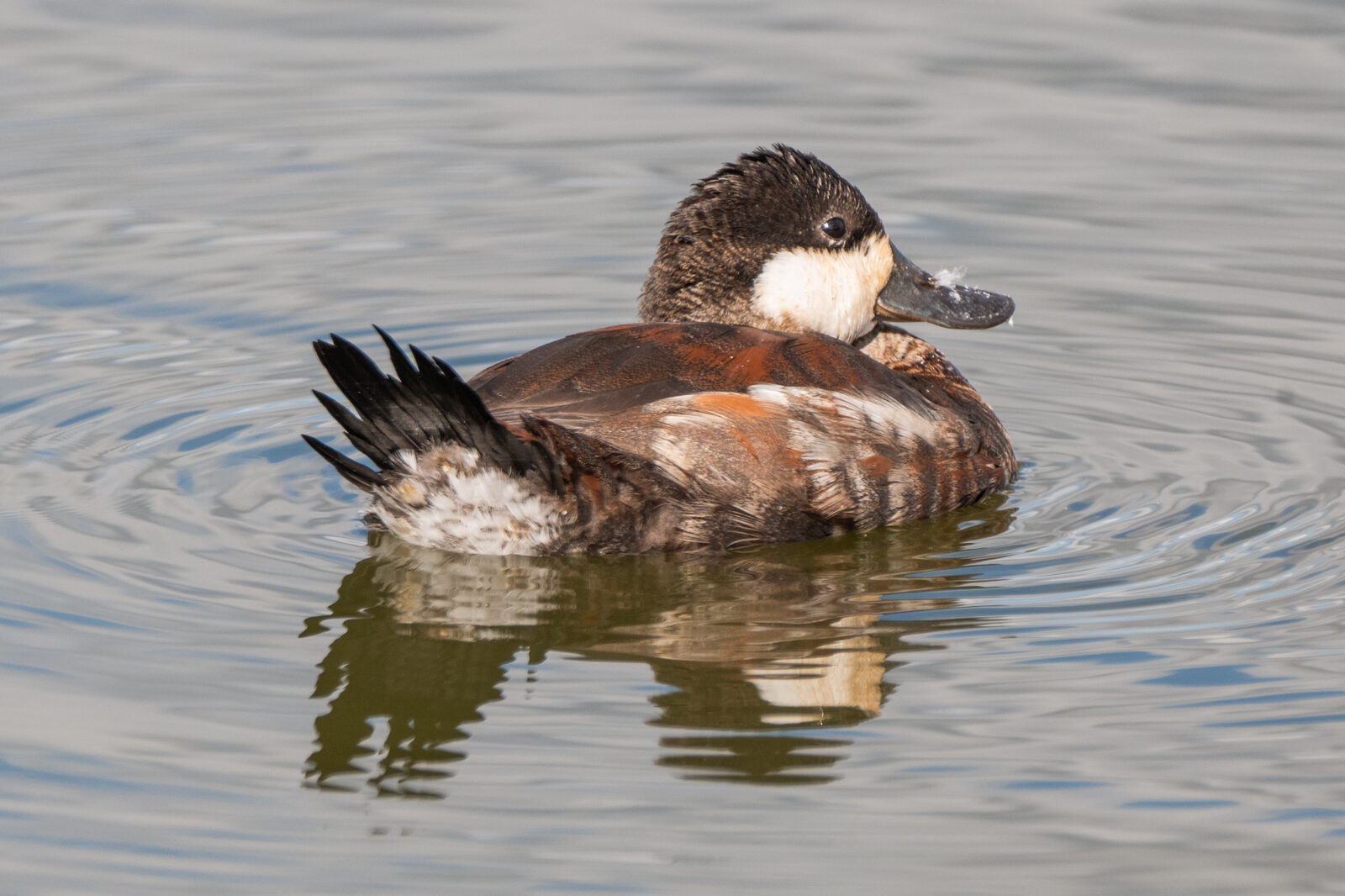
Ruddy duck
Oxyura jamaicensis
- Status
- Least Concern IUCN Red List
- Eats
- tasteless water-pepper, buckwheat, prostrate knotweed and 55 more
- Eaten by
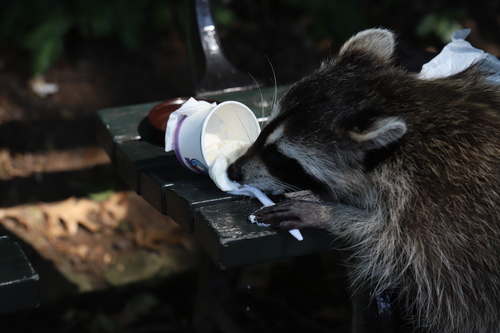
- red fox, northern raven, raccoon
- Where
- 57 countries
On 4Planet Atlas it is among the wildlife people record most around Atlanta, Basseterre and Boston, and 9 more of the cities we cover.
People have shared 2,631,968 records of the ruddy duck with GBIF, from 57 countries, most of them from United States, Canada and Mexico. Records collected by GloBI show it eating 58 different kinds of animals and plants, and being eaten by 9.
What the ruddy duck eats, and what eats it
Studies have recorded it eating 58 kinds of animals and plants, and 9 kinds of animals eating it. Tap any of them to follow the food chain.
- Plants 45
- Snails and slugs 3
- Shellfish 3
- Worms 2
- Insects 2
- Birds 1
Eaten by



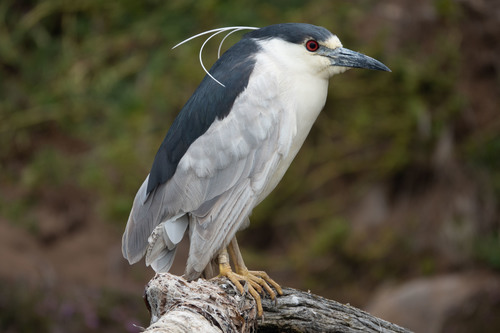
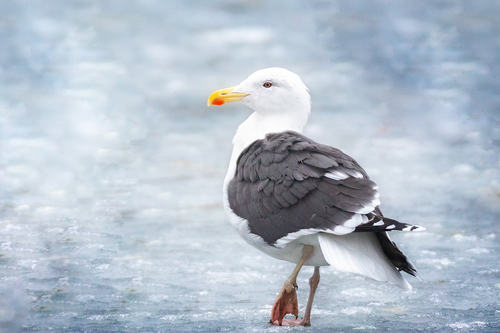 Ruddy duck

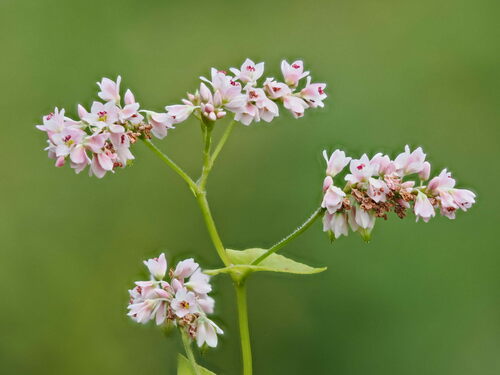
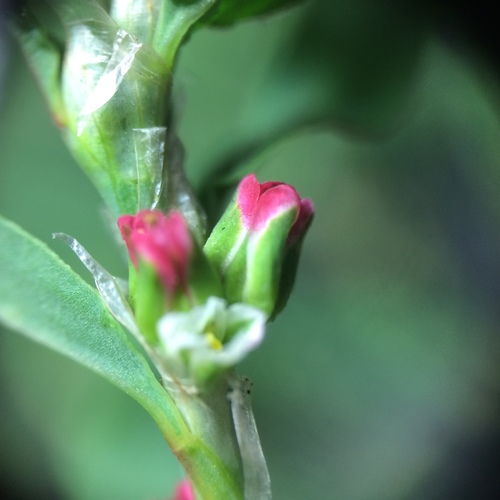
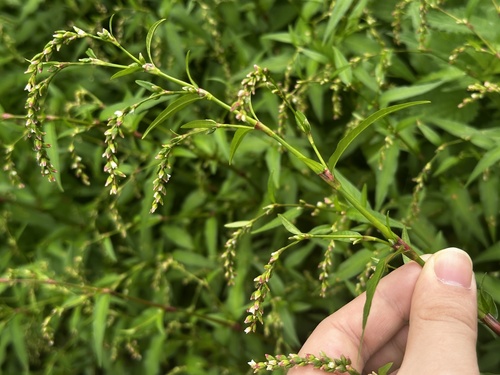
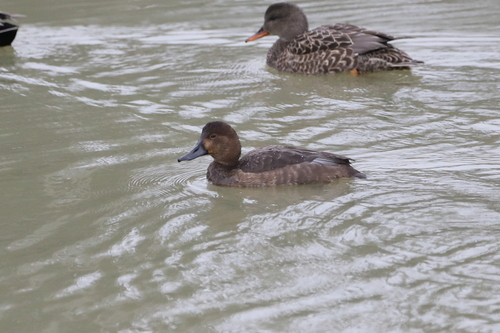
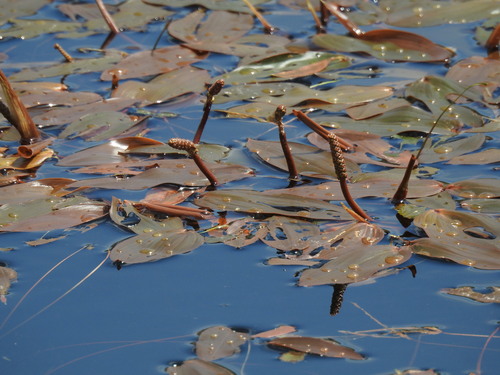
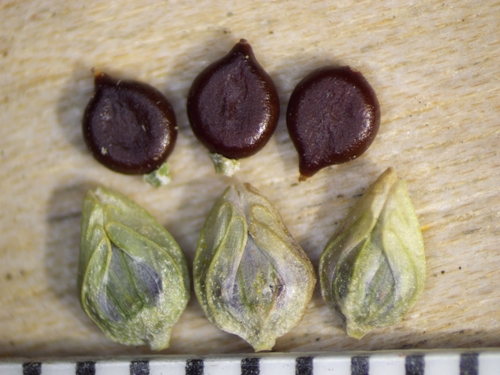

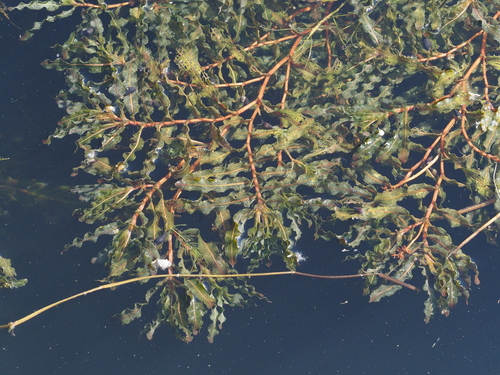

Records from studies worldwide, collected by GloBI. They include animals eaten as carrion, and they are not everything it eats in one place.
Where people see the ruddy duck
People have shared 2,631,968 records from 57 countries.
Near a city: Atlanta, Basseterre, Boston, Bridgetown, Havana, Kingston, Mexico City, Nassau, New York, San Francisco, St. George's, Washington, D.C..
Records show where people have seen it and shared it, not its full range. Country names open their page in Atlas.
When it is seen
Records per month in the northern hemisphere. More people outdoors also means more records.
Watch and listen
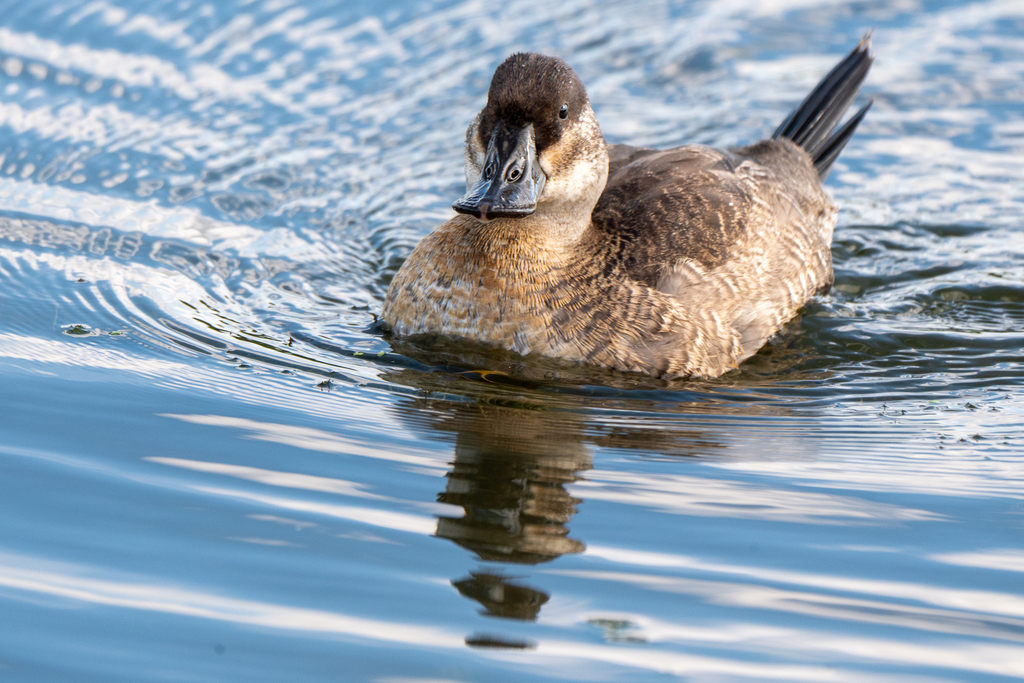
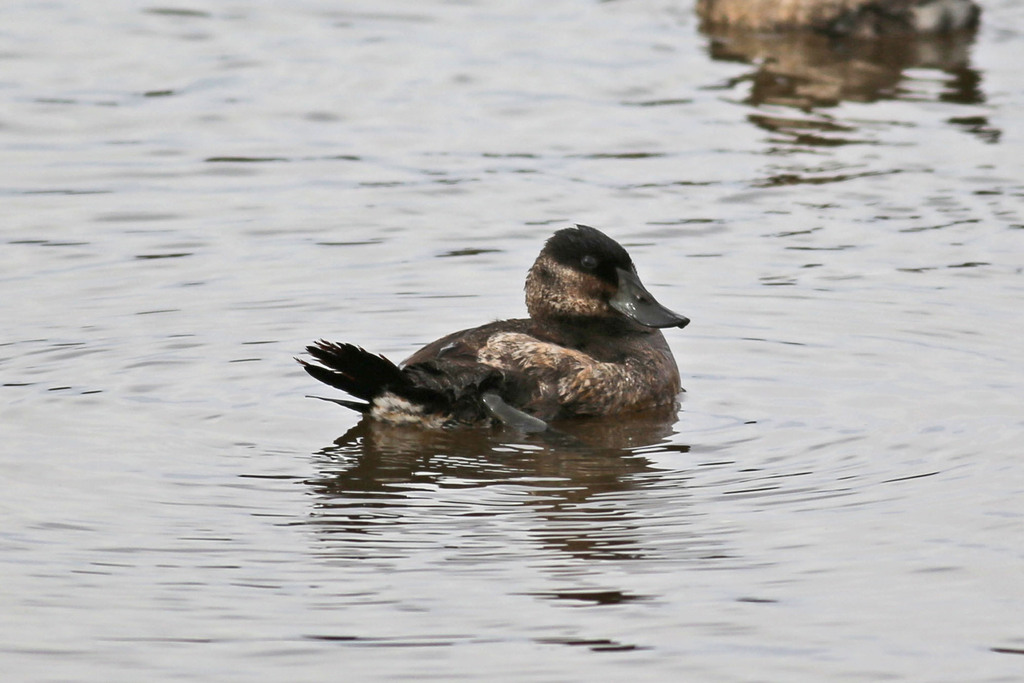
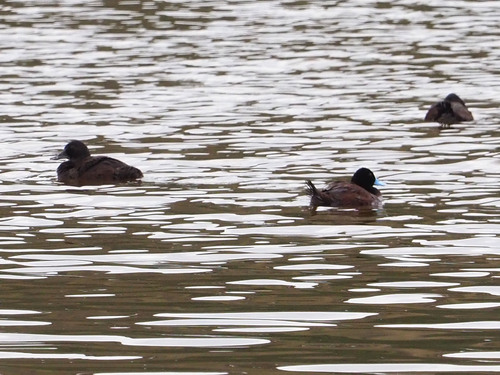
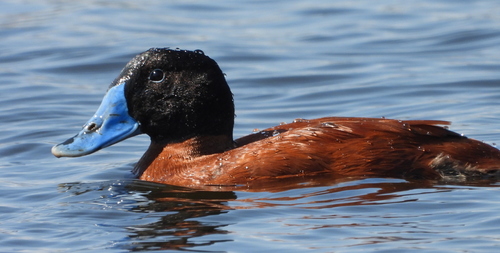
Its closest relatives
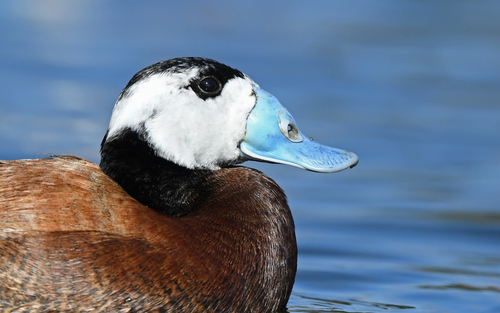
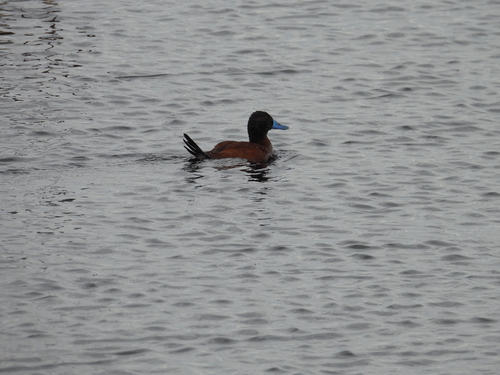
The other species of the genus Oxyura.
Seen a ruddy duck?
Share your photo on iNaturalist. Other naturalists help confirm it, and the record goes to GBIF, where scientists use it and where the maps on this page come from.
Put this species on your site
The card names every source and links back here.
<iframe src="https://4planetatlas.com/place/embed/species/ruddy-duck" title="Ruddy duck (Oxyura jamaicensis), 4PLANET Species" width="100%" height="600" style="border:0;max-width:640px" loading="lazy"></iframe>
<p><a href="https://4species.com/ruddy-duck">Ruddy duck on 4PLANET Species</a></p>Questions people ask
What does the ruddy duck eat?
The ruddy duck has been recorded eating 58 different kinds of animals and plants, most of them plants, snails and slugs, shellfish and worms. The ones recorded most often are tasteless water-pepper, buckwheat, prostrate knotweed, water-pepper and redhead; records include animals eaten as carrion. Source: GloBI.
What eats the ruddy duck?
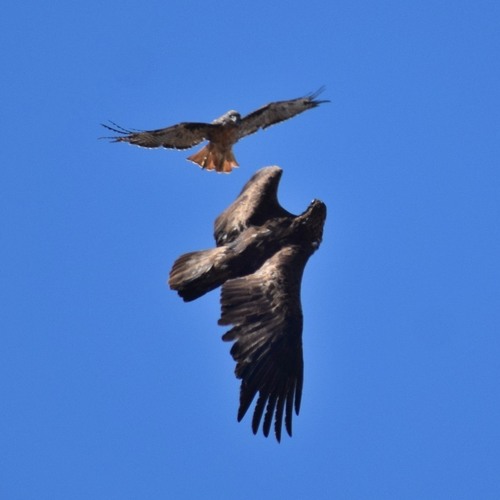
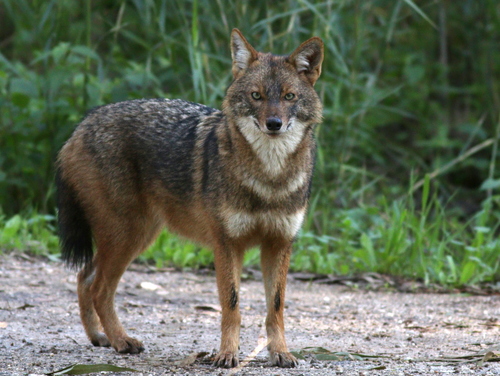
Recorded predators include red fox, northern raven, raccoon, golden eagle and peregrine falcon. Source: GloBI.
Where does the ruddy duck live?
People have recorded it in 57 countries; the most records come from United States, Canada, Mexico, United Kingdom and Puerto Rico. Records show where people have seen it, not its full range.
When is the ruddy duck seen most?
In the northern hemisphere, the most records are made in January and the fewest in August. More people outdoors also means more records.
What are the ruddy duck's closest relatives?
It shares the genus Oxyura with white-headed duck, lake duck, blue-billed duck and maccoa duck.
Sources and photo credits
- GBIF · Oxyura jamaicensis, 2,631,968 human observations
- GloBI · recorded interactions of Oxyura jamaicensis
- Wikidata · Ruddy duck (Q647461)
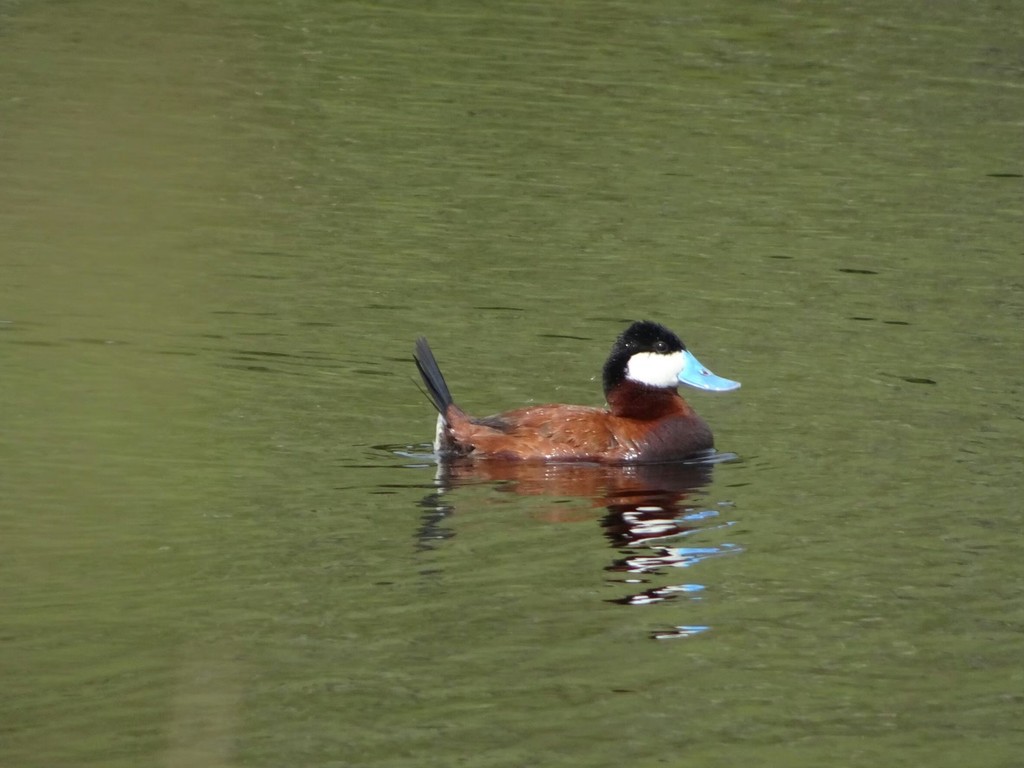
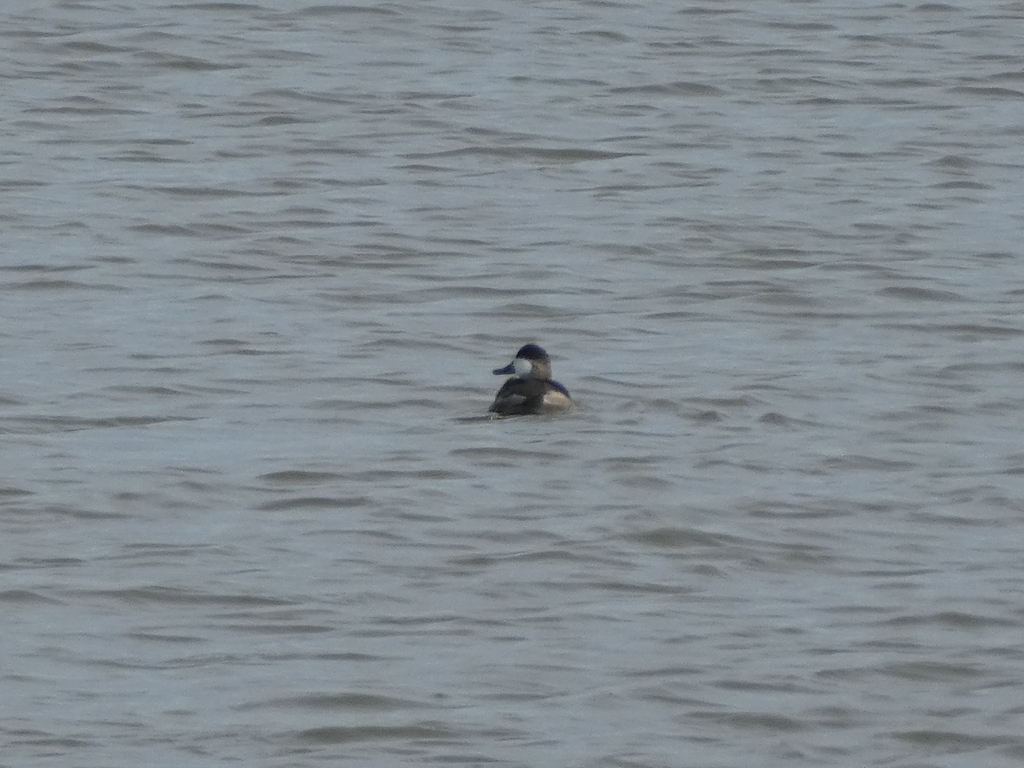
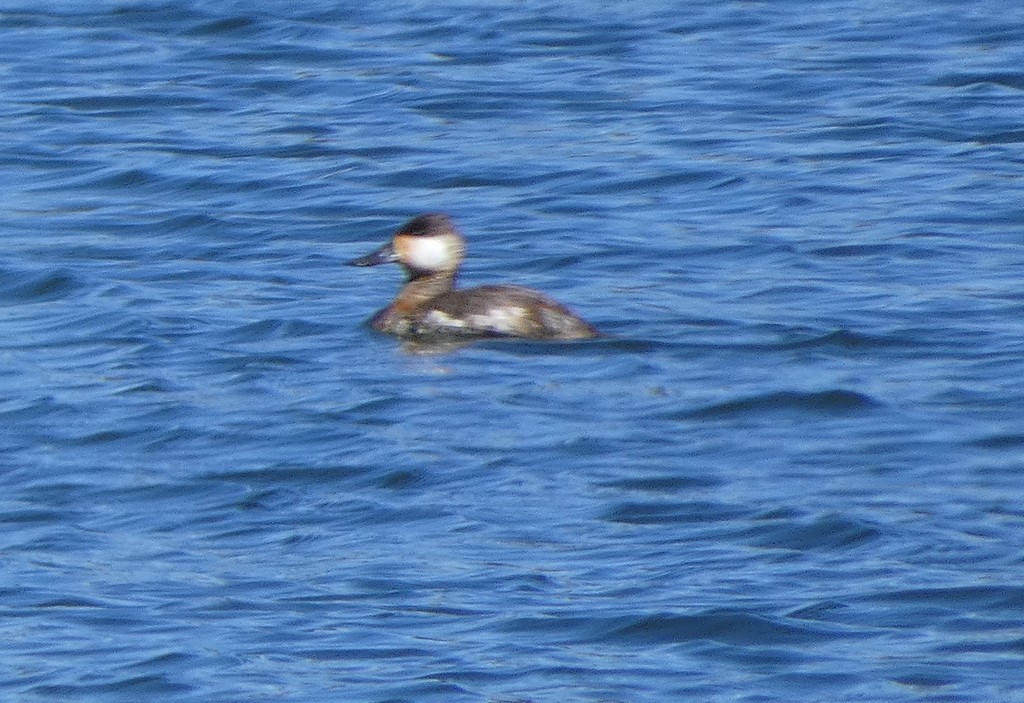
- Ruddy duck (Oxyura jamaicensis): Ron Bondy, CC BY-SA 4.0
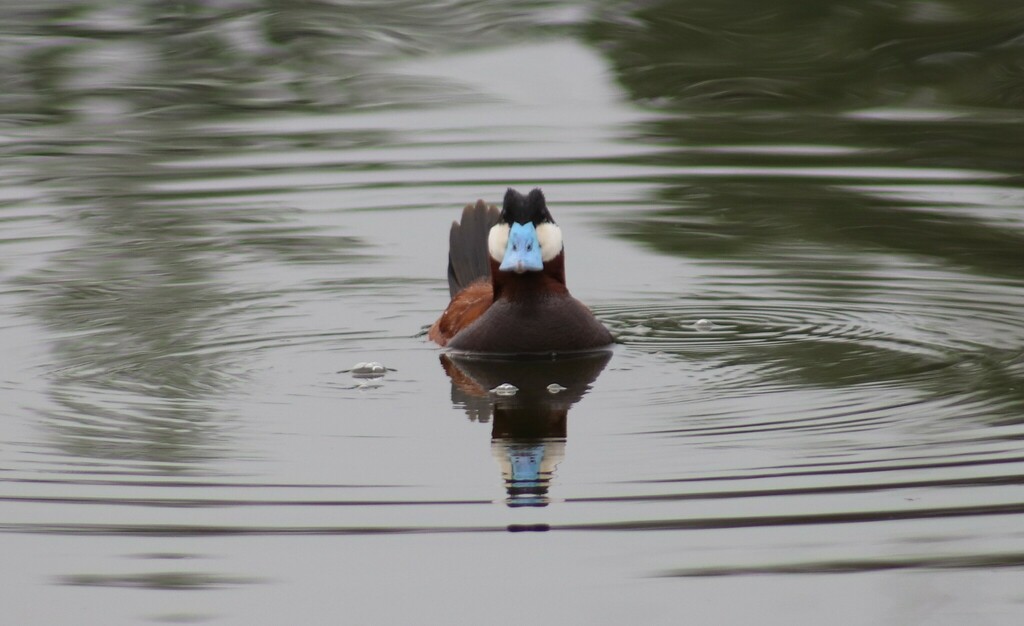
- Ruddy duck (Oxyura jamaicensis), Leduc, AB, Canada: Ron Bondy, CC BY-SA 4.0
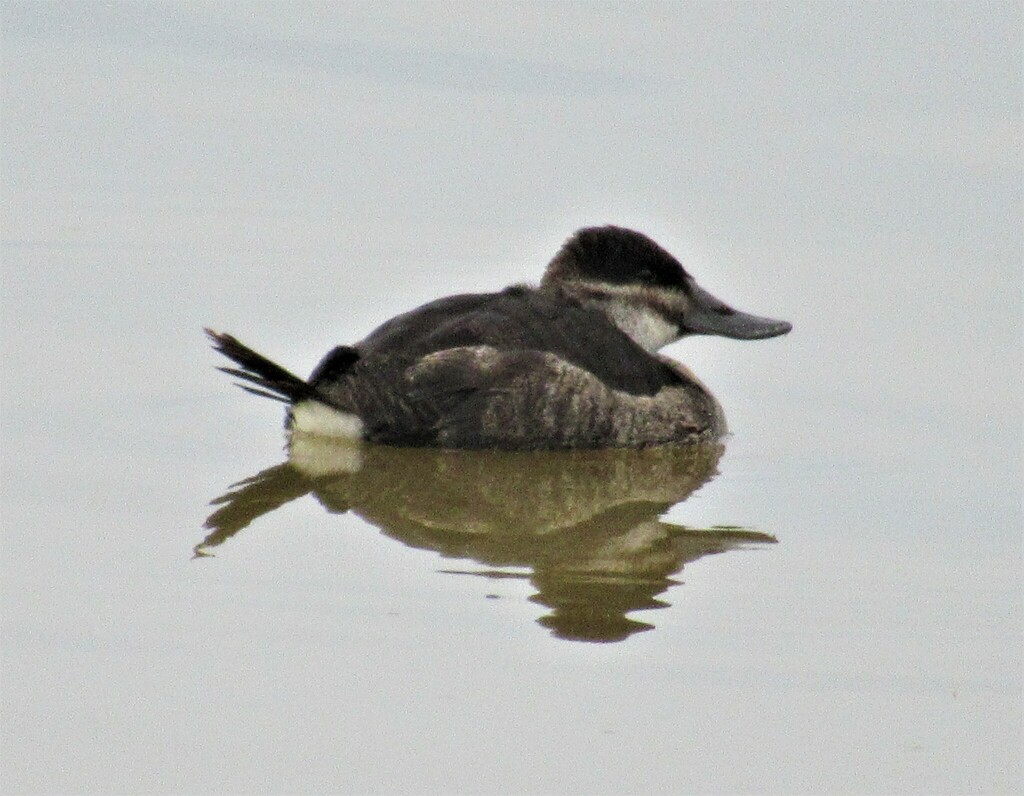
- Ruddy duck (Oxyura jamaicensis), West Cape May, New Jersey, United States: Bill Keim, CC BY 4.0
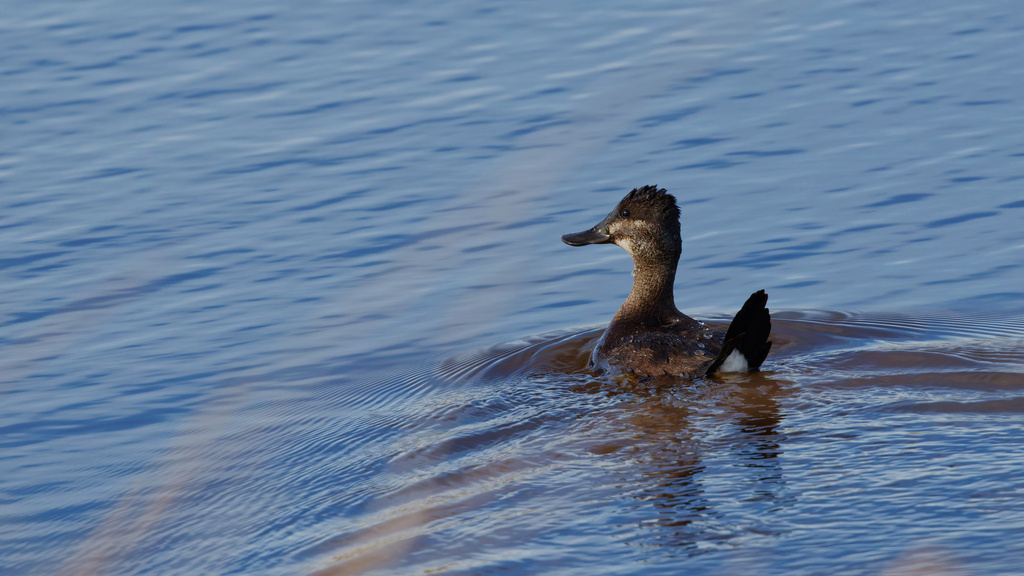
- Ruddy duck (Oxyura jamaicensis), Lac du Bois, Thompson-Nicola J, BC V0K 2J0加拿大: Hazel Chang, CC BY 4.0
- Ruddy duck (Oxyura jamaicensis), Grande Prairie, AB, Canada: Sean Frey, CC BY 4.0
- Ruddy duck (Oxyura jamaicensis), Marysville Sewage Lagoon, Marysville, WA 98270, USA: sprcrkwild, CC BY 4.0
- Ruddy duck (Oxyura jamaicensis), Bear Lake County, ID, USA: Daughter Dad, CC BY 4.0
- Ruddy duck (Oxyura jamaicensis), Solano County, CA, USA: datadan, CC BY 4.0
- Ruddy duck (Oxyura jamaicensis), Crestline, CA, USA: David Rankin, CC BY 4.0
- Tasteless water-pepper: Paul Cook, CC BY 4.0
- Buckwheat: Gilles San Martin, CC BY-SA 4.0
- Prostrate knotweed: Dilrukshan Priyantha Wijesinghe, CC BY 4.0
- Water-pepper: scallions, CC BY 4.0
- Redhead: Eric Habisch, CC BY 4.0
- Floating pondweed: Yves Bas, CC BY 4.0
- Amphibious bistort: Ryan Sorrells, CC BY 4.0
- Curlytop knotweed: Daniel Atha, CC0
- Alpine bistort: Alastair Rae, CC BY-SA 4.0
- Curly pondweed: gwynmwilliams, CC BY 4.0
- Perfoliate pondweed: Екатерина Войнова, CC BY 4.0
- Red fox: Алина Урусова, CC BY 4.0
- Northern raven: xulescu_g, CC BY-SA 4.0
- Raccoon: Steven Bodzin, CC BY 4.0
- Golden eagle: Anne Parsons, CC0
- Peregrine falcon: Shirley Zundell, CC BY 4.0
- Golden jackal: Jan Ebr & Ivana Ebrová, CC BY 4.0
- Black-crowned night heron: no rights reserved, uploaded by Kyle Nessen, CC0
- Great black-backed gull: egorbirder, CC BY 4.0
- White-headed duck: Christoph Moning, CC BY 4.0
- Lake duck: ferferrari, CC0
- Blue-billed duck: gwynmwilliams, CC BY 4.0
- Maccoa duck: Timothy Whitehead, CC BY 4.0
Records show where people have seen and shared the ruddy duck, not its full range, and some countries and months are recorded far more than others. The food web lists interactions that studies have recorded somewhere in the world (GloBI), not everything it eats in one place.
Checked 2026-11-25.