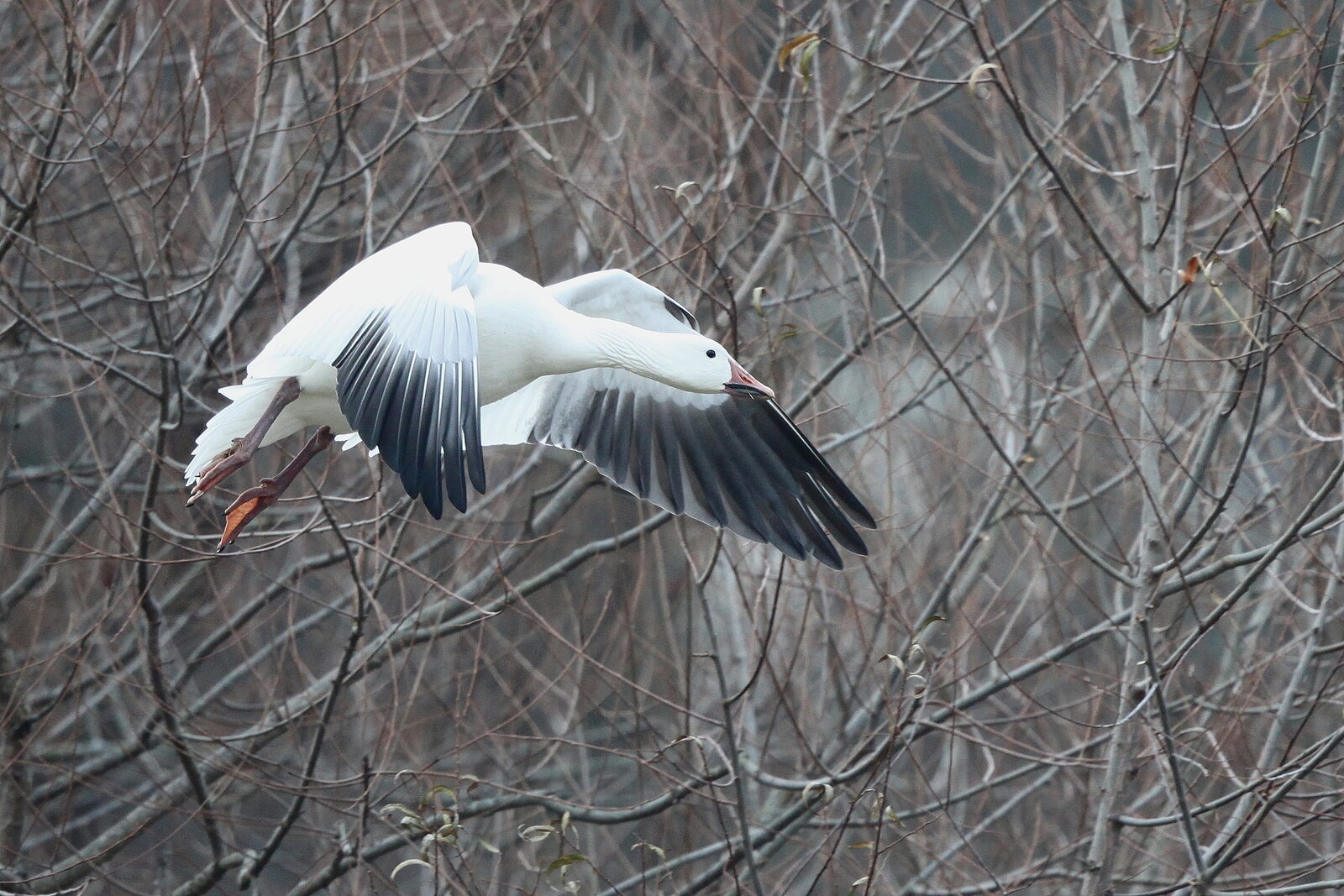
Snow goose
Anser caerulescens
- Status
- Least Concern IUCN Red List
- Eats
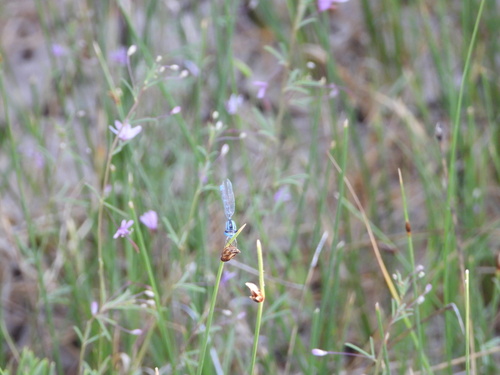
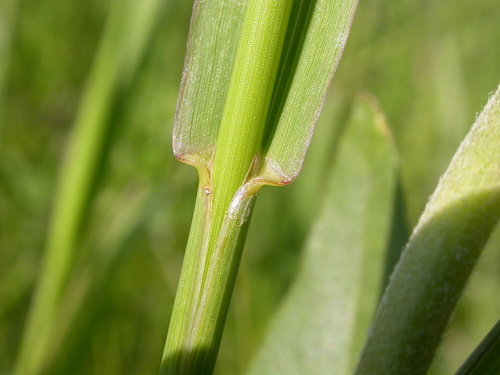
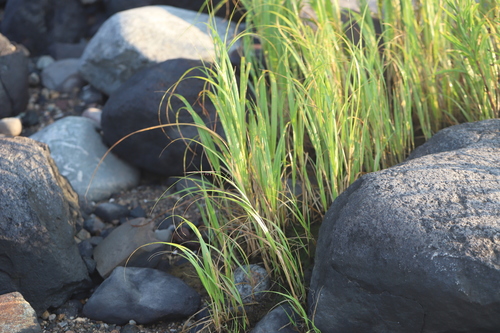
- Chairmaker's bulrush, timothy, Atlantic cordgrass and 26 more
- Eaten by
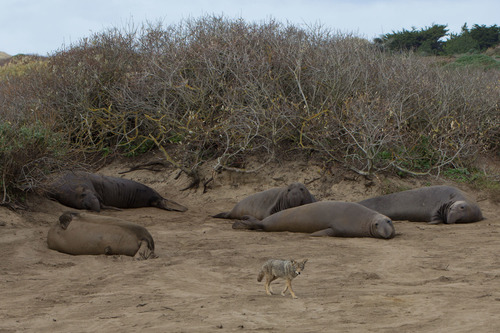
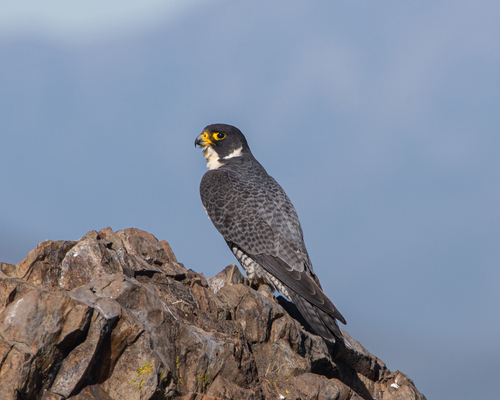
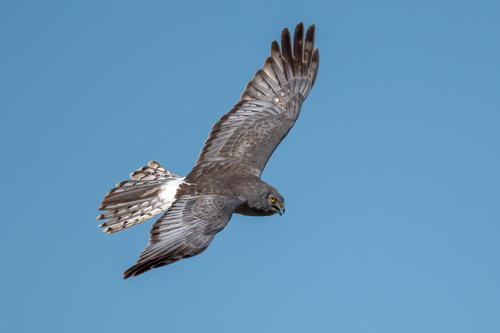
- Arctic fox, coyote, peregrine falcon
- Where
- 49 countries
On 4Planet Atlas it is among the wildlife people record most around Ottawa, Reykjavík and Vancouver.
People have shared 1,127,924 records of the snow goose with GBIF, from 49 countries, most of them from United States, Canada and United Kingdom. Records collected by GloBI show it eating 29 different kinds of animals and plants, and being eaten by 6.
What the snow goose eats, and what eats it
Studies have recorded it eating 29 kinds of animals and plants, and 6 kinds of animals eating it. Tap any of them to follow the food chain.
- Plants 29

 Snow goose
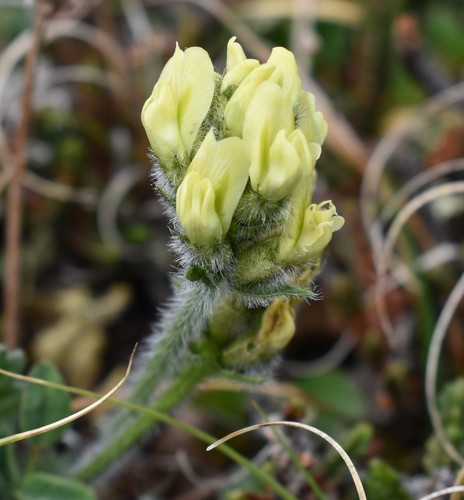
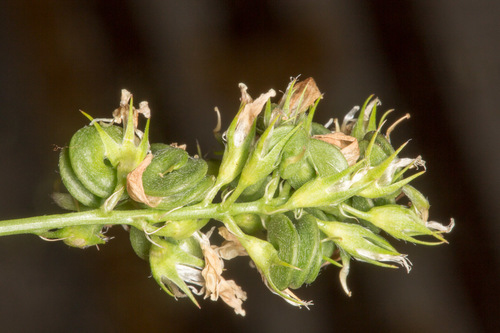
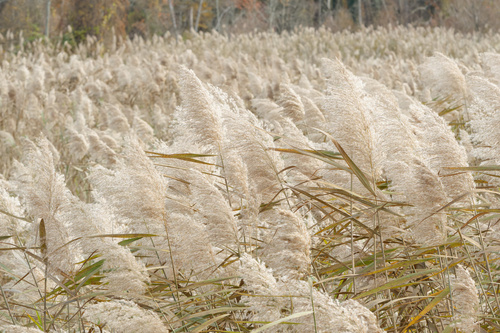
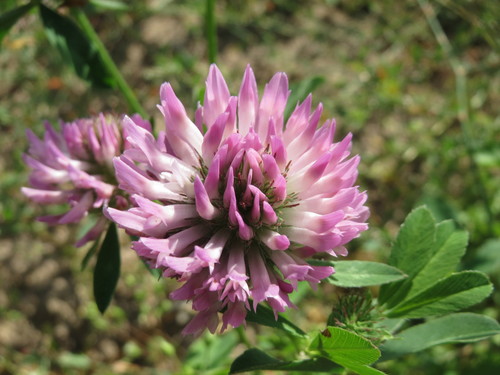

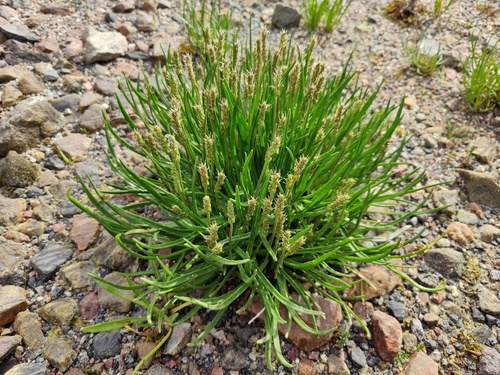
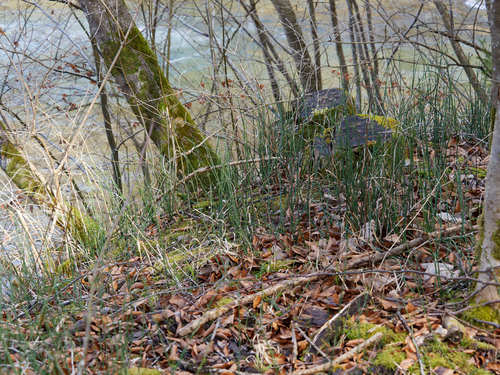


Records from studies worldwide, collected by GloBI. They include animals eaten as carrion, and they are not everything it eats in one place.
Where people see the snow goose
People have shared 1,127,924 records from 49 countries.
Near a city: Ottawa, Reykjavík, Vancouver.
Records show where people have seen it and shared it, not its full range. Country names open their page in Atlas.
When it is seen
Records per month in the northern hemisphere. More people outdoors also means more records.
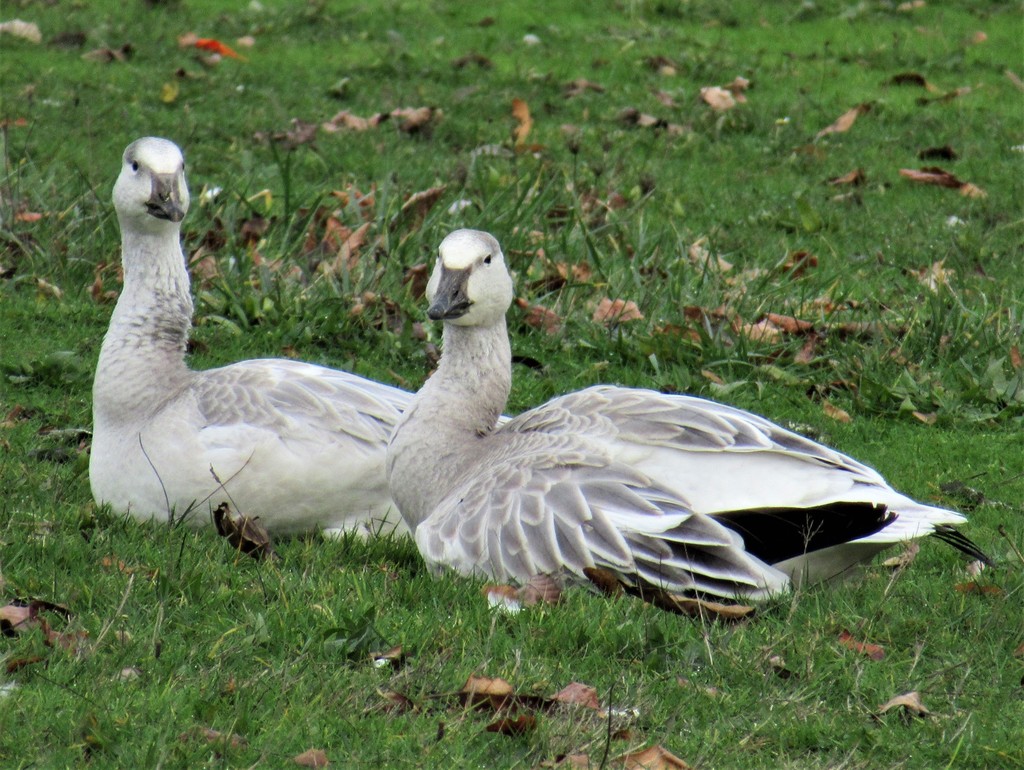
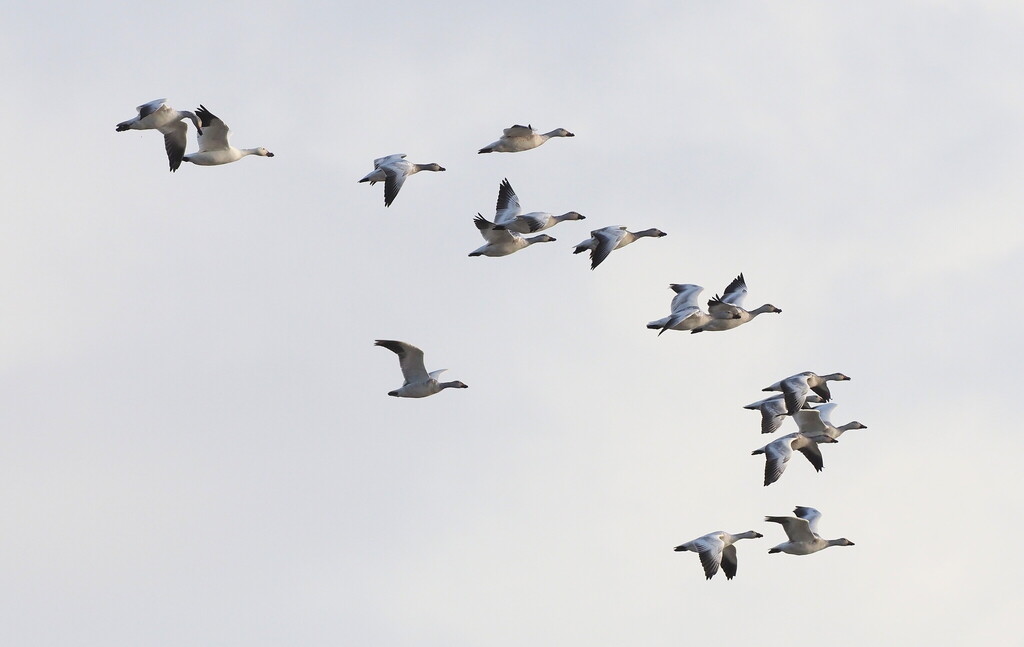
Watch and listen
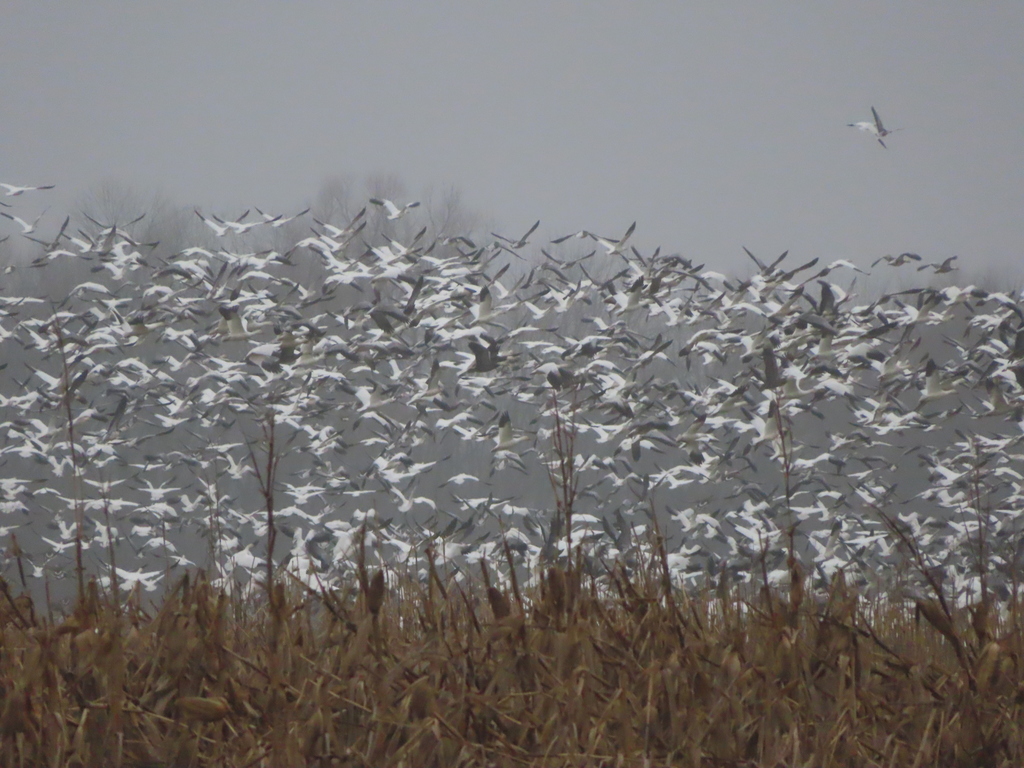
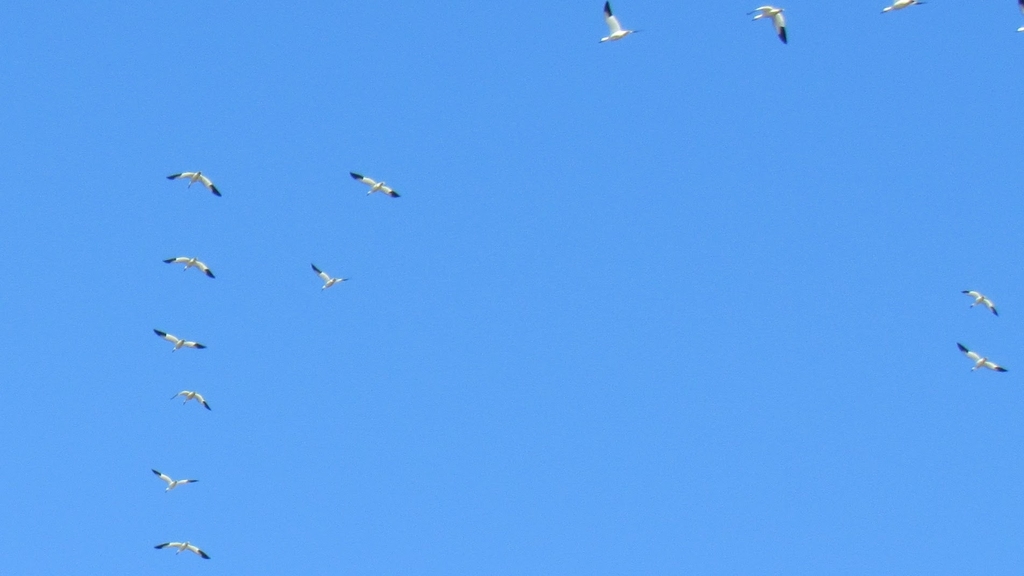
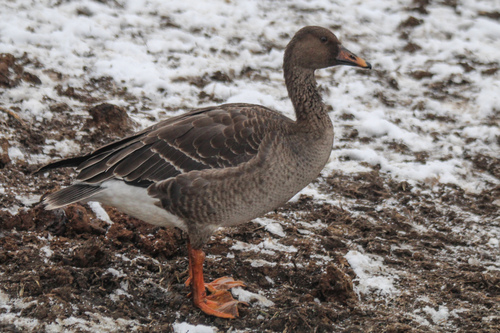
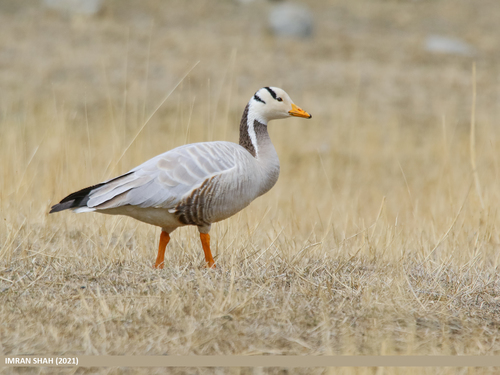
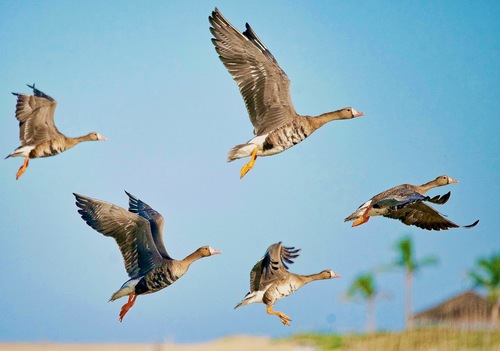
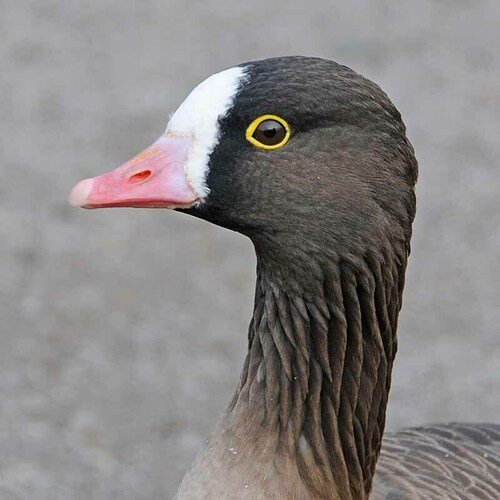
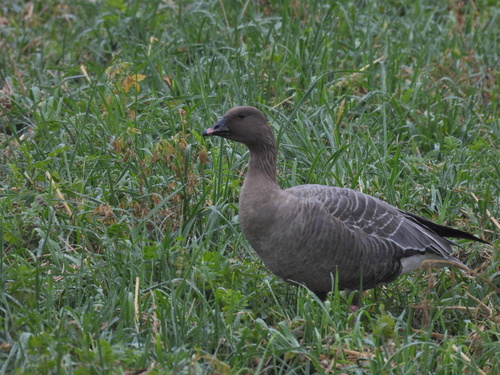
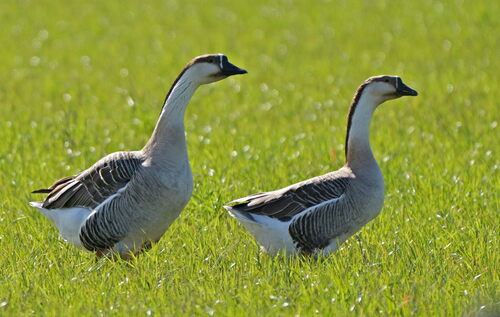
Its closest relatives
The other species of the genus Anser.

Seen a snow goose?
Share your photo on iNaturalist. Other naturalists help confirm it, and the record goes to GBIF, where scientists use it and where the maps on this page come from.
Put this species on your site
The card names every source and links back here.
<iframe src="https://4planetatlas.com/place/embed/species/snow-goose" title="Snow goose (Anser caerulescens), 4PLANET Species" width="100%" height="600" style="border:0;max-width:640px" loading="lazy"></iframe>
<p><a href="https://4species.com/snow-goose">Snow goose on 4PLANET Species</a></p>Questions people ask
What does the snow goose eat?
The snow goose has been recorded eating 29 different kinds of animals and plants, most of them plants. The ones recorded most often are chairmaker's bulrush, timothy, atlantic cordgrass, maydell's oxytrope and alfalfa; records include animals eaten as carrion. Source: GloBI.
What eats the snow goose?
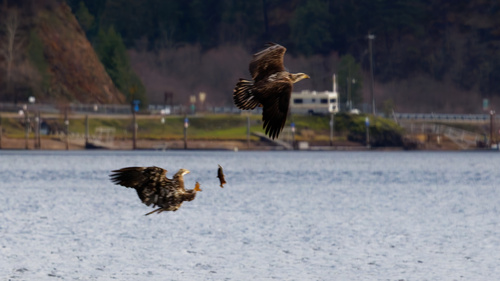
Recorded predators include arctic fox, coyote, peregrine falcon, bald eagle and northern harrier. Source: GloBI.
Where does the snow goose live?
People have recorded it in 49 countries; the most records come from United States, Canada, United Kingdom, Mexico and Bermuda. Records show where people have seen it, not its full range.
When is the snow goose seen most?
In the northern hemisphere, the most records are made in January and the fewest in July. More people outdoors also means more records.
What are the snow goose's closest relatives?
It shares the genus Anser with greylag goose, taiga bean goose, bar-headed goose, greater white-fronted goose and lesser white-fronted goose.
Sources and photo credits
- GBIF · Anser caerulescens, 1,127,924 human observations
- GloBI · recorded interactions of Anser caerulescens
- Wikidata · Snow goose (Q27074540)
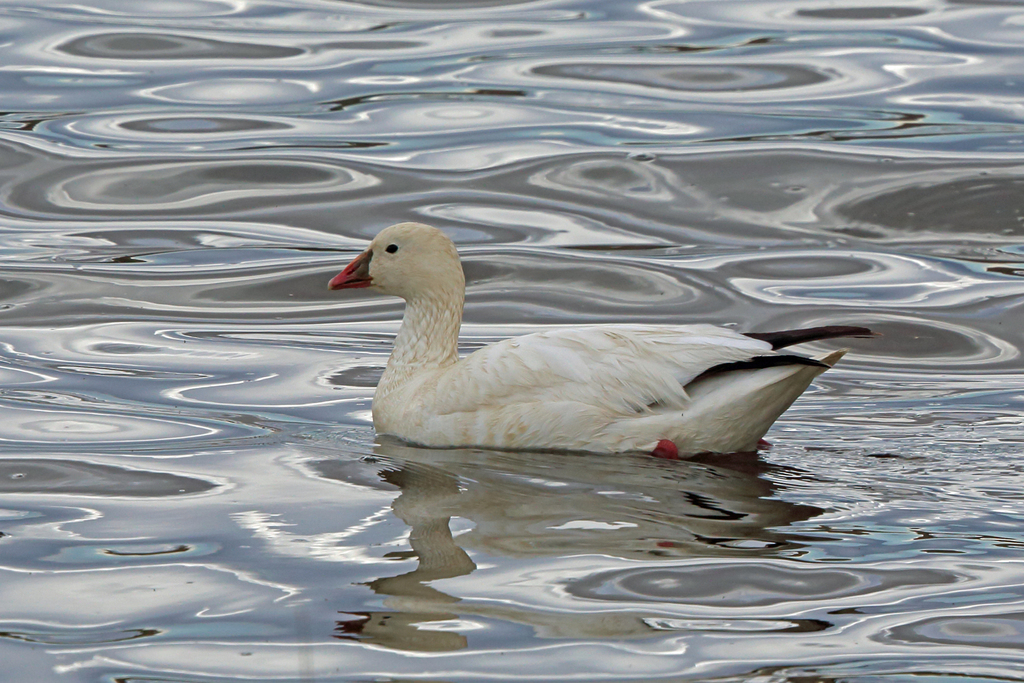
- Snow goose (Anser caerulescens): Andy Wilson, CC0
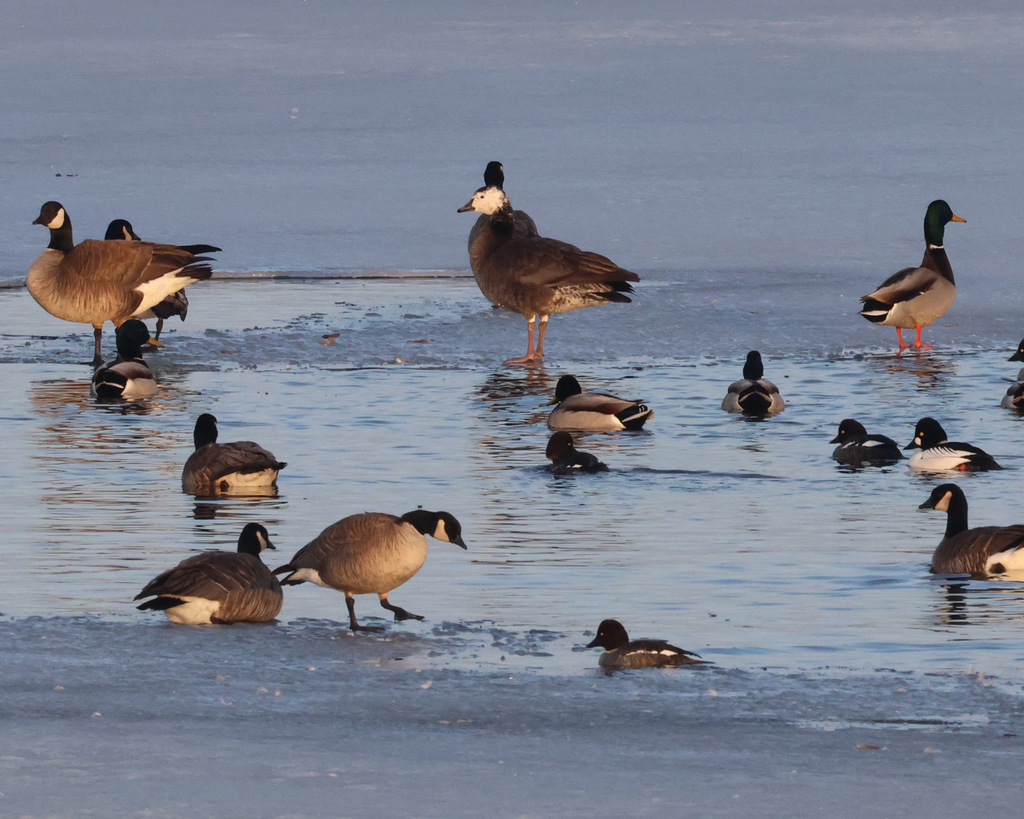
- Snow goose (Anser caerulescens), Henderson County, KY, USA: Mila C., CC BY 4.0
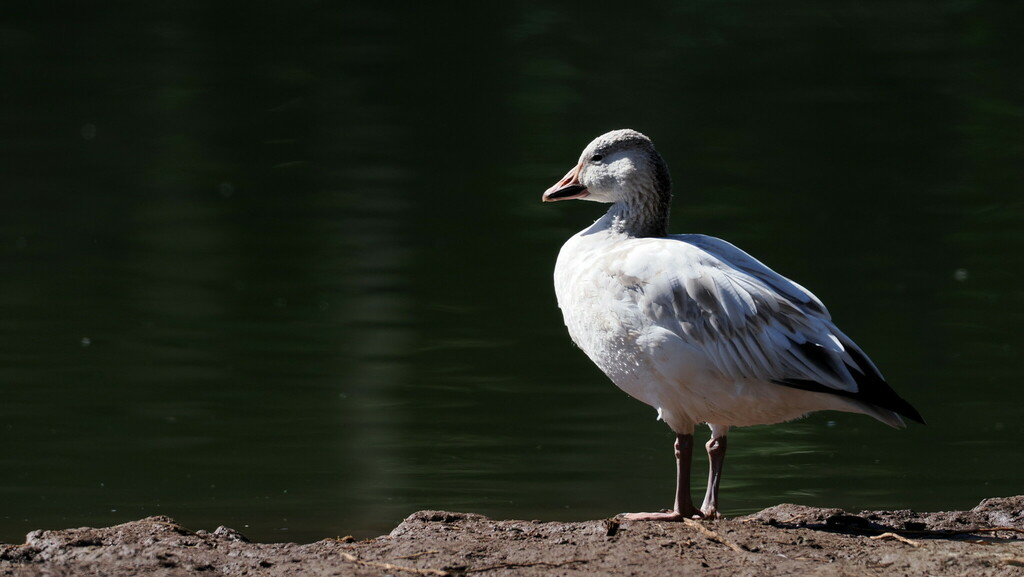
- Snow goose (Anser caerulescens), Stone Lakes National Wildlife Refuge | Admin Building And Visitor Contact Station: Justin, CC BY 4.0
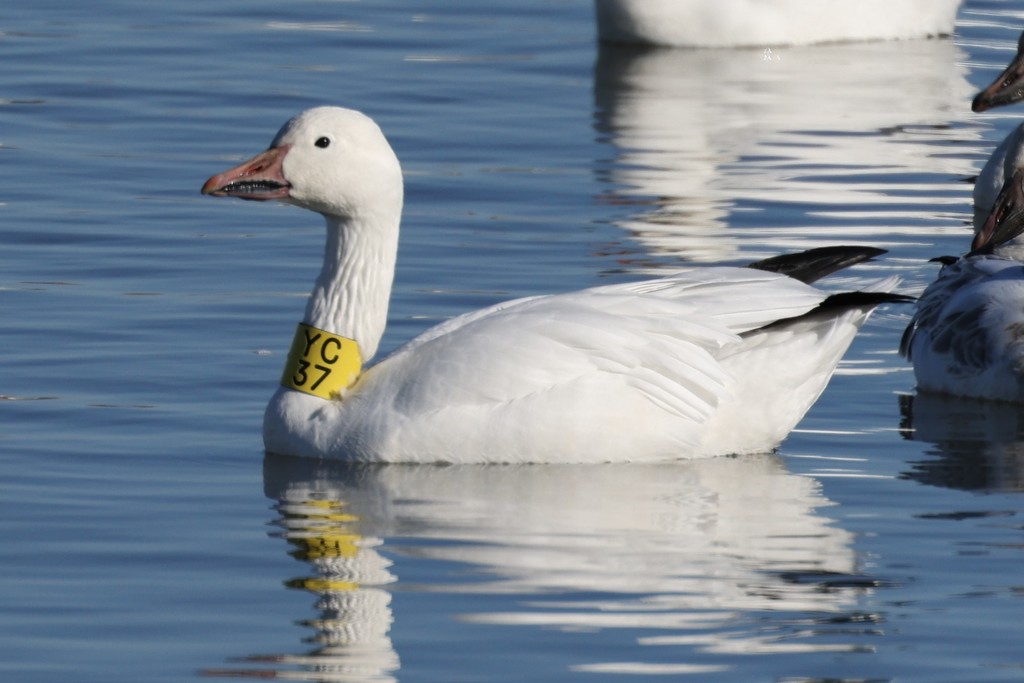
- Snow goose (Anser caerulescens), Caddoa, Colorado, United States: Nigel Voaden, CC BY 4.0
- Snow goose (Anser caerulescens), Sturgeon County, AB, Canada: Ayden Valkenburg, CC BY 4.0
- Snow goose (Anser caerulescens), Mulegé Municipality, BCS, Mexico: steve b, CC0
- Snow goose (Anser caerulescens), 2591 Whitehall Neck Rd, Smyrna, DE 19977, USA: Kathy Richardson, CC BY 4.0
- Snow goose (Anser caerulescens), 7400 Sand Point Way NE, Seattle, WA 98115, USA: sprcrkwild, CC BY 4.0
- Snow goose (Anser caerulescens), Kihei, HI 96753, USA: Rosario Douglas, CC BY 4.0
- Chairmaker's bulrush: Jared Shorma, CC BY 4.0
- Timothy: Matt Lavin, CC BY-SA 4.0
- Atlantic cordgrass: Steven Bodzin, CC BY 4.0
- Maydell's oxytrope: Eric Lamb, CC BY 4.0
- Alfalfa: Drepanostoma, CC BY 4.0
- Common reed: Donald Davesne, CC BY 4.0
- Red clover: Andreas Rockstein, CC BY-SA 4.0
- Wild oat: no rights reserved, uploaded by Jesse Rorabaugh, CC0
- Sea plantain: no rights reserved, uploaded by Tatiana Gavrilova, CC0
- Rough horsetail: Andreas Stiller, CC BY 4.0
- Alpine bistort: Alastair Rae, CC BY-SA 4.0
- Arctic willow: no rights reserved, uploaded by hitchco, CC0
- Arctic fox: Emma, CC BY 4.0
- Coyote: avocat, CC BY 4.0
- Peregrine falcon: Nicolás Villaseca Merino, CC BY-SA 4.0
- Bald eagle: Daughter Dad, CC BY 4.0
- Northern harrier: Jonathan Eisen, CC BY 4.0
- Greylag goose: Imran Shah, CC BY-SA 4.0
- Taiga bean goose: Andrew Bazdyrev, CC BY 4.0
- Bar-headed goose: Imran Shah, CC BY-SA 4.0
- Greater white-fronted goose: Bill Levine, CC BY 4.0
- Lesser white-fronted goose: Ross Elliott, CC BY 4.0
- Pink-footed goose: Jonas Kraft, CC BY 4.0
- Swan goose: William Harland, CC BY 4.0
- Emperor goose: Nicolás Tamargo, CC0
Records show where people have seen and shared the snow goose, not its full range, and some countries and months are recorded far more than others. The food web lists interactions that studies have recorded somewhere in the world (GloBI), not everything it eats in one place.
Checked 2026-11-23.