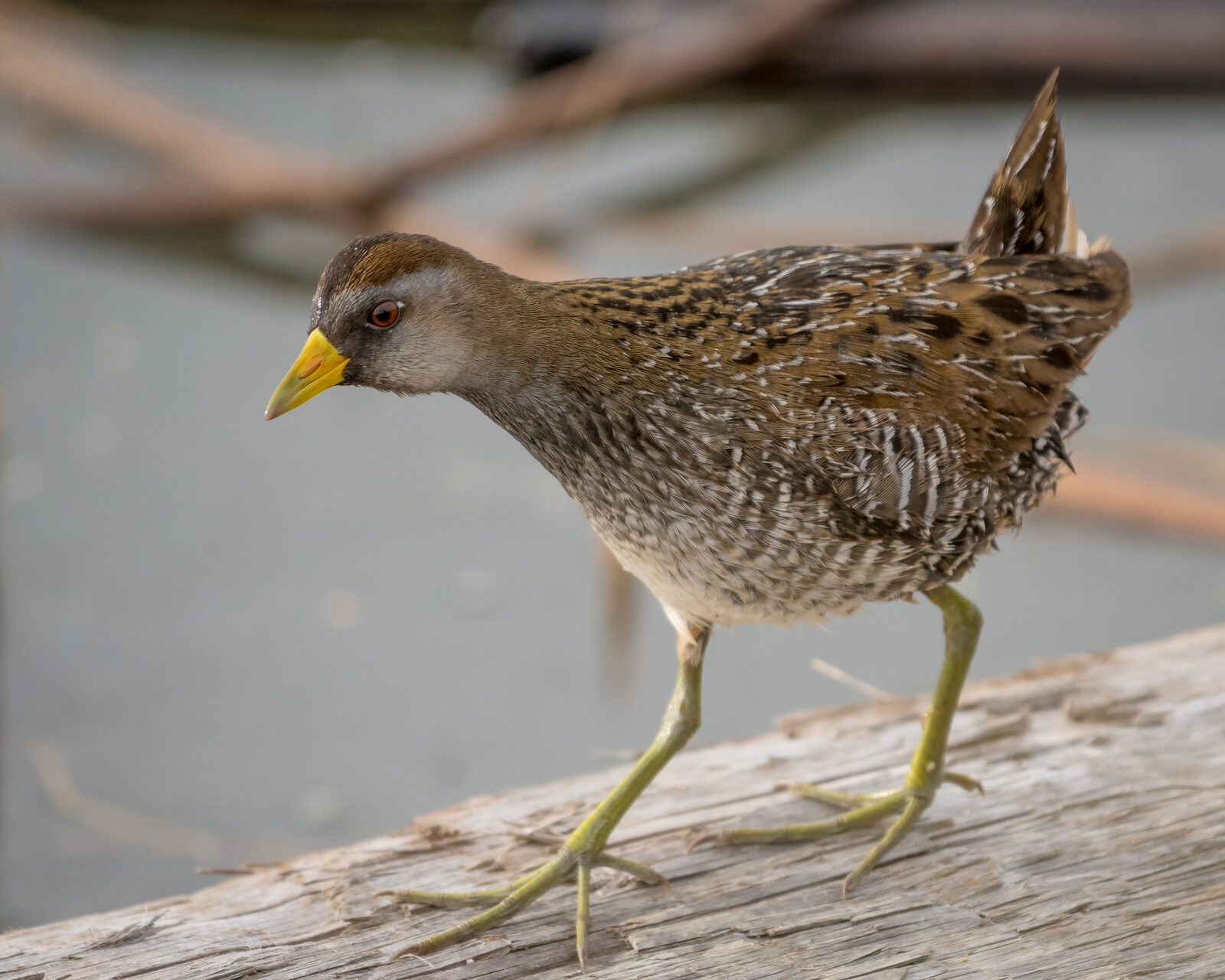
Sora
Porzana carolina
- Status
- Least Concern IUCN Red List
- Eats
- curlytop knotweed, rice cutgrass, grey club-rush and 45 more
- Eaten by
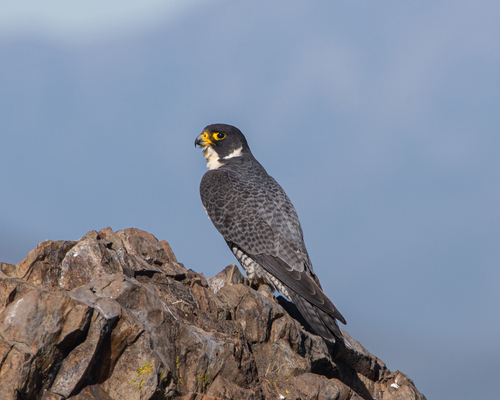
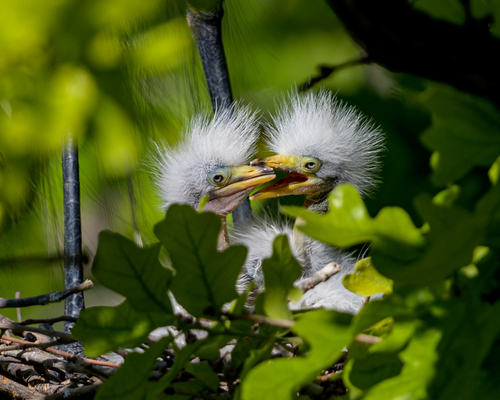
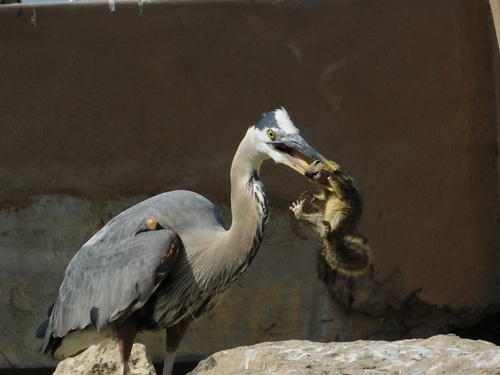
- peregrine falcon, great egret, great blue heron
- Where
- 52 countries
On 4Planet Atlas it is among the wildlife people record most around Bridgetown, Castries and Kingstown, and 2 more of the cities we cover.
People have shared 844,834 records of the sora with GBIF, from 52 countries, most of them from United States, Canada and Mexico. Records collected by GloBI show it eating 48 different kinds of animals and plants, and being eaten by 4.
What the sora eats, and what eats it
Studies have recorded it eating 48 kinds of animals and plants, and 4 kinds of animals eating it. Tap any of them to follow the food chain.
- Plants 33
- Snails and slugs 6
- Crustaceans 4
- Fish 4
- Insects 1
 Sora
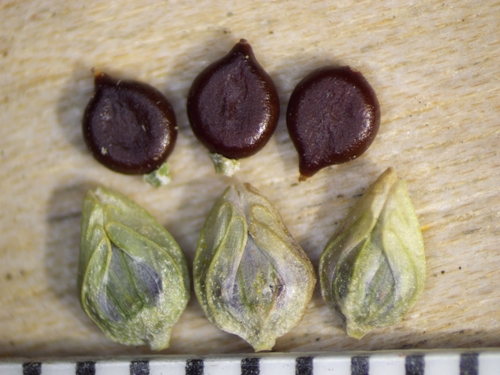

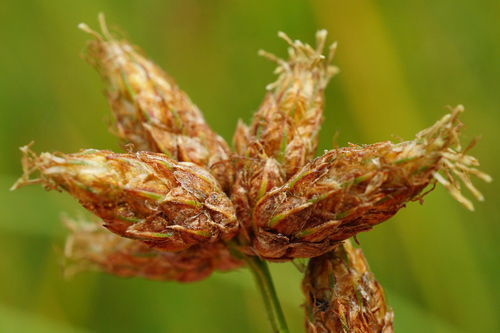
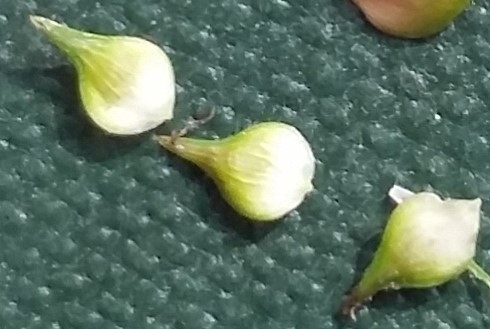
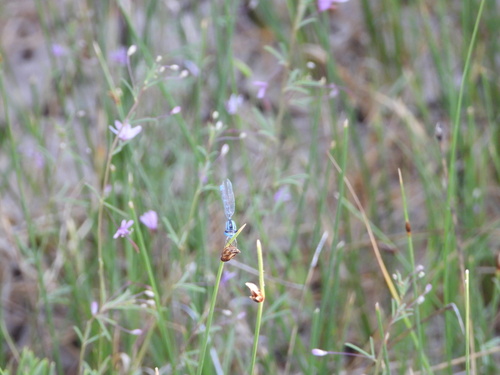
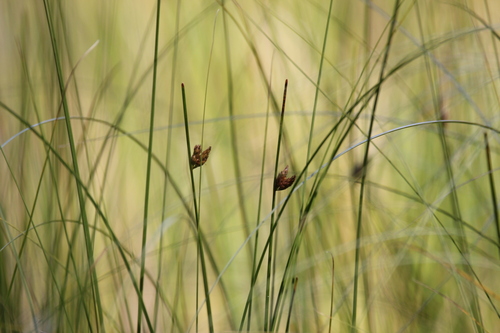
Records from studies worldwide, collected by GloBI. They include animals eaten as carrion, and they are not everything it eats in one place.
Where people see the sora
People have shared 844,834 records from 52 countries.
Near a city: Bridgetown, Castries, Kingstown, Nassau, St. George's.
Records show where people have seen it and shared it, not its full range. Country names open their page in Atlas.
When it is seen
Records per month in the northern hemisphere. More people outdoors also means more records.
Watch and listen

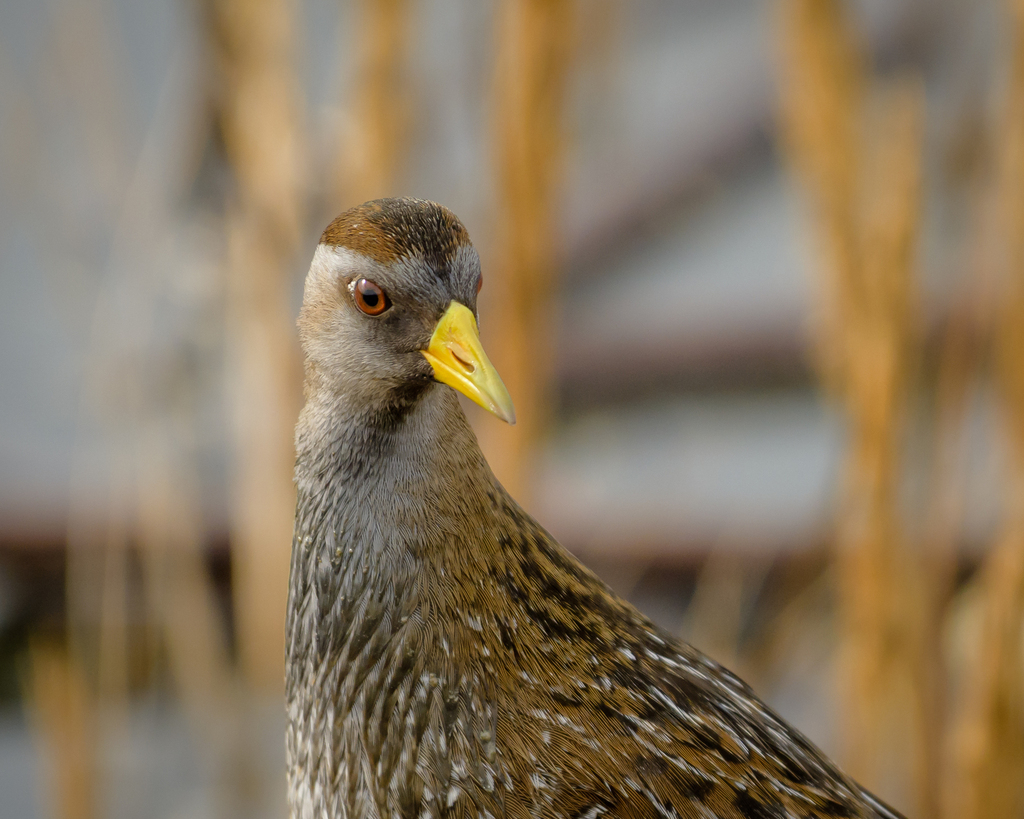
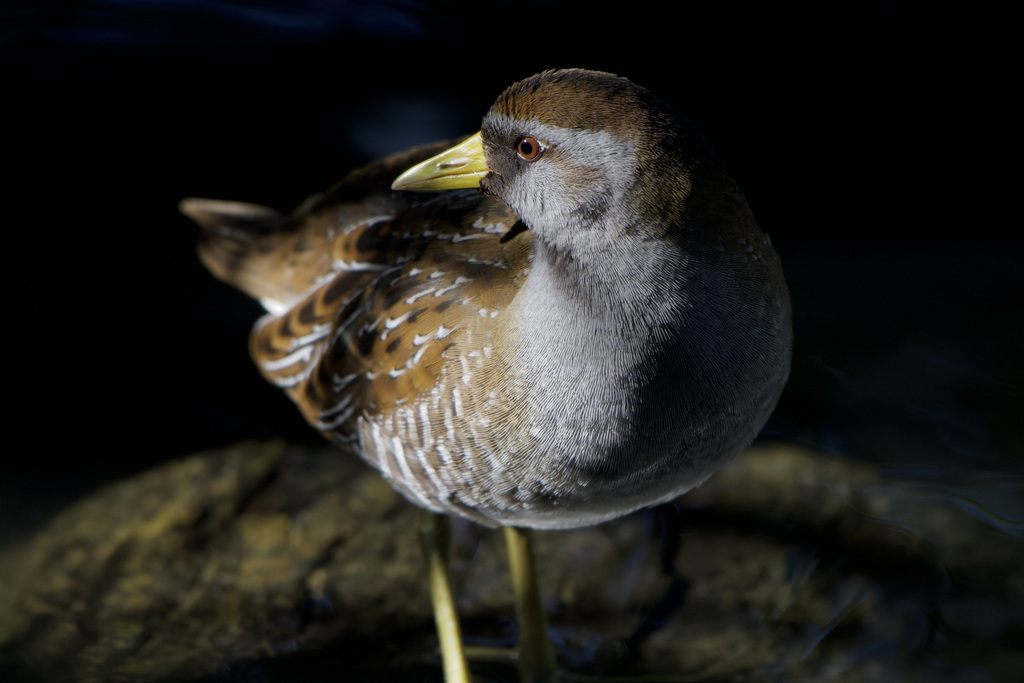
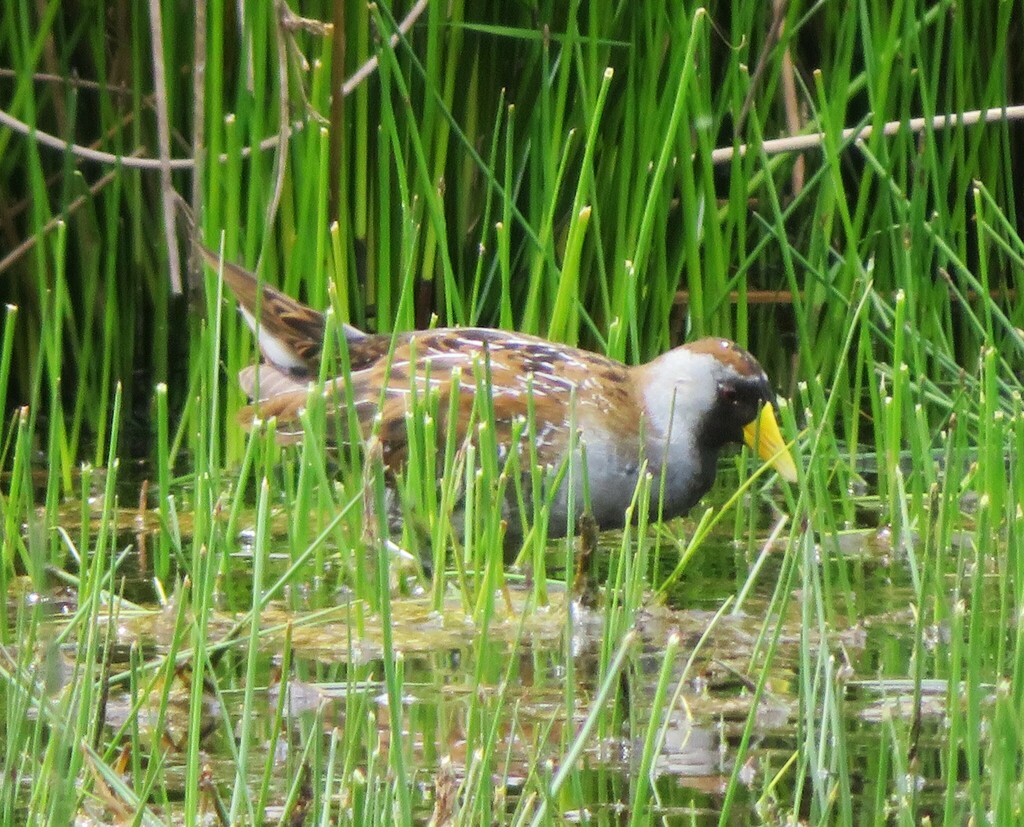
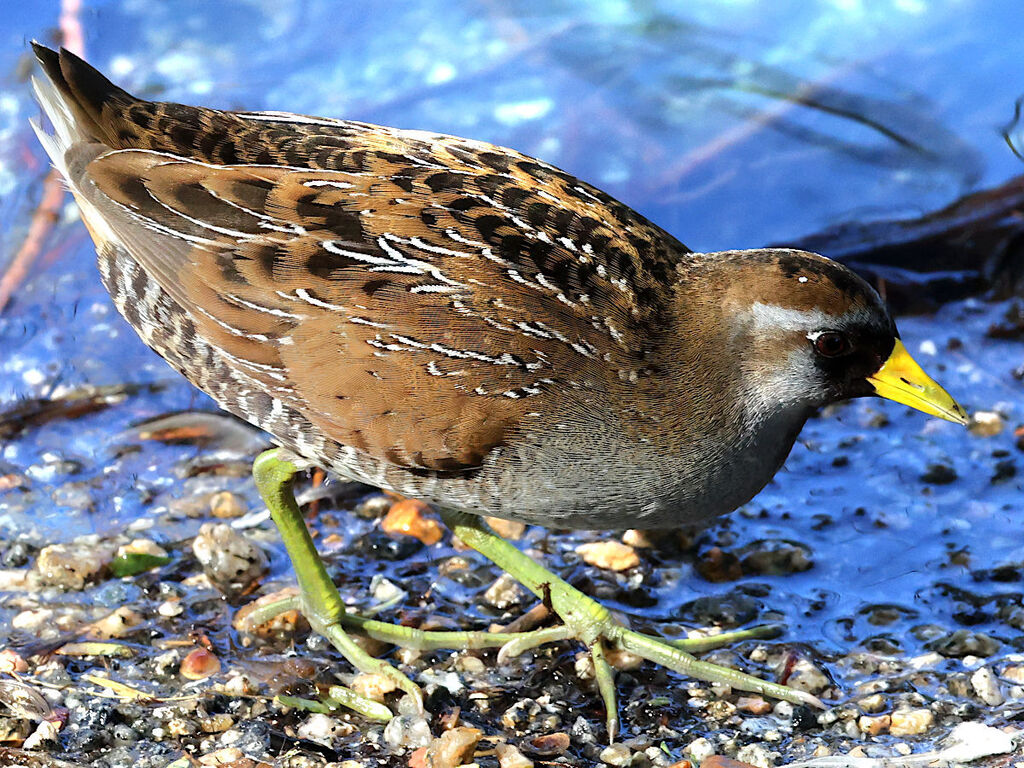
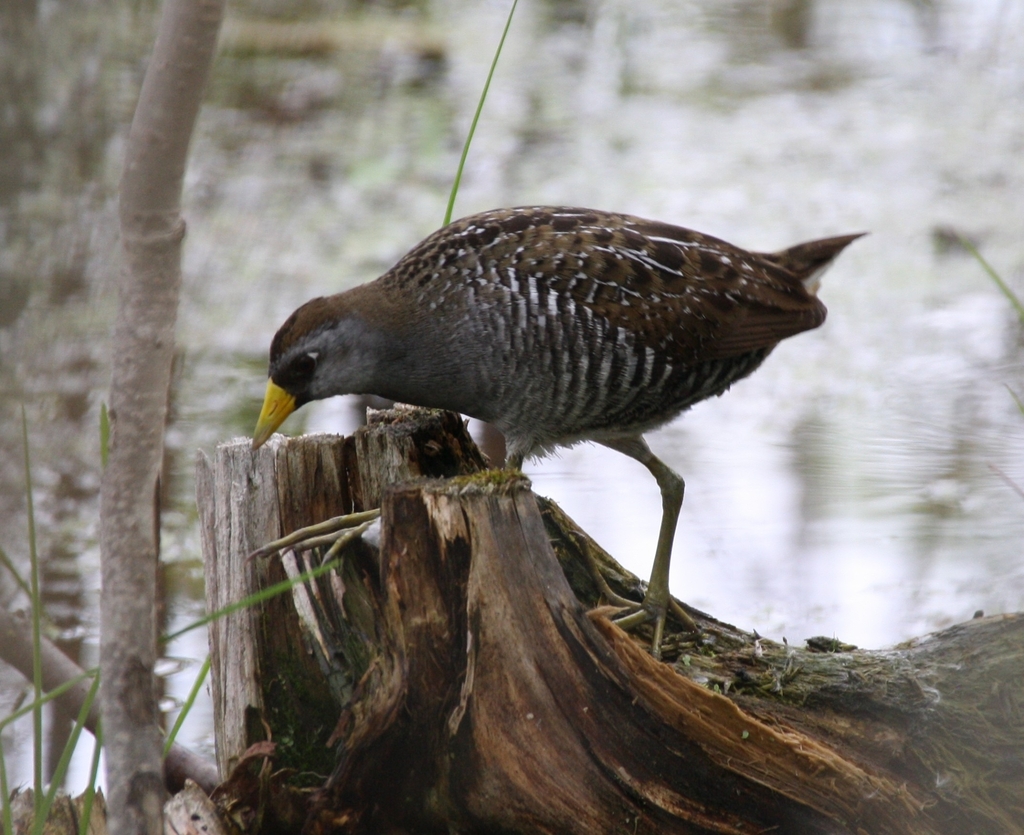
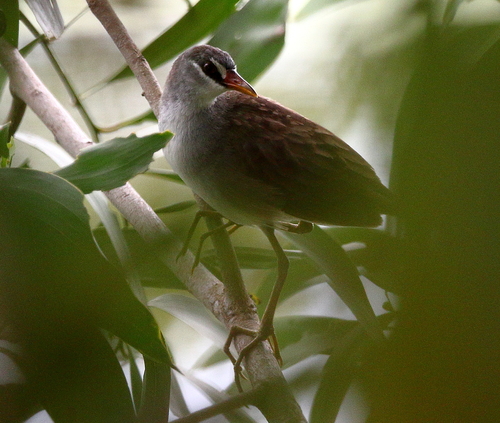
Its closest relatives
The other species of the genus Porzana.
Seen a sora?
Share your photo on iNaturalist. Other naturalists help confirm it, and the record goes to GBIF, where scientists use it and where the maps on this page come from.
Put this species on your site
The card names every source and links back here.
<iframe src="https://4planetatlas.com/place/embed/species/sora" title="Sora (Porzana carolina), 4PLANET Species" width="100%" height="600" style="border:0;max-width:640px" loading="lazy"></iframe>
<p><a href="https://4species.com/sora">Sora on 4PLANET Species</a></p>Questions people ask
What does the sora eat?
The sora has been recorded eating 48 different kinds of animals and plants, most of them plants, snails and slugs, crustaceans and fish. The ones recorded most often are curlytop knotweed, rice cutgrass, grey club-rush, fox sedge and chairmaker's bulrush; records include animals eaten as carrion. Source: GloBI.
What eats the sora?
Recorded predators include peregrine falcon, great egret and great blue heron. Source: GloBI.
Where does the sora live?
People have recorded it in 52 countries; the most records come from United States, Canada, Mexico, Bermuda and Puerto Rico. Records show where people have seen it, not its full range.
When is the sora seen most?
In the northern hemisphere, the most records are made in May and the fewest in February. More people outdoors also means more records.
What are the sora's closest relatives?
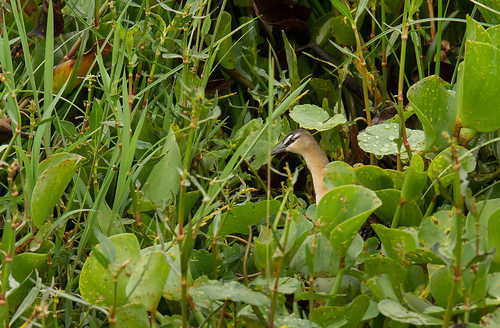
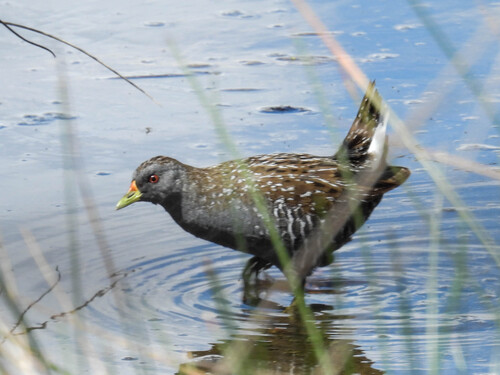
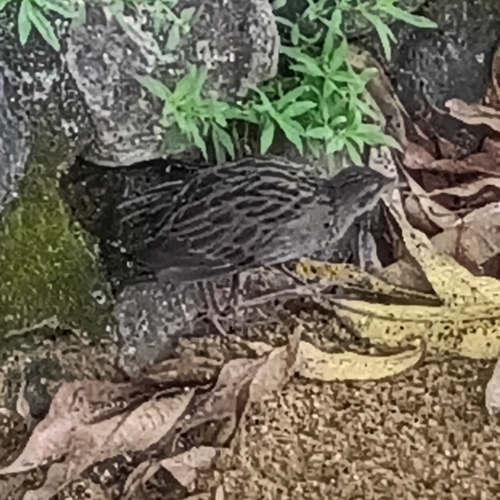
It shares the genus Porzana with spotted crake, white-browed crake, yellow-breasted crake, australian crake and ash-throated crake.
Sources and photo credits
- GBIF · Porzana carolina, 844,834 human observations
- GloBI · recorded interactions of Porzana carolina
- Wikidata · Sora (Q936740)
- Sora (Porzana carolina): Becky Matsubara, CC BY 4.0
- Sora (Porzana carolina): no rights reserved, uploaded by Dario Taraborelli, CC0
- Sora (Porzana carolina): Becky Matsubara, CC BY 4.0
- Sora (Porzana carolina), Stow Lake, Golden Gate Park, San Francisco, CA, USA: Dario Taraborelli, CC0
- Sora (Porzana carolina), Union Bay Natural Area, Seattle, WA 98105, USA: sprcrkwild, CC BY 4.0
- Sora (Porzana carolina), Riparian Preserve at Water Ranch, Gilbert, AZ, USA: Peter Chen 2.0, CC BY 4.0
- Sora (Porzana carolina), Erickson, MB R0J, Canada: Sean Frey, CC BY 4.0
- Sora (Porzana carolina), Lower California, NB E3Z 1Z7, Canada: Bernadette Kavanaugh, CC BY 4.0
- Curlytop knotweed: Daniel Atha, CC0
- Rice cutgrass: Thomas Gyselinck, CC BY 4.0
- Grey club-rush: Patrick Hacker, CC BY 4.0
- Fox sedge: Zihao Wang, CC BY 4.0
- Chairmaker's bulrush: Jared Shorma, CC BY 4.0
- Torrey's bulrush: Quinten Wiegersma, CC BY 4.0
- Peregrine falcon: Nicolás Villaseca Merino, CC BY-SA 4.0
- Great egret: Shiva Shenoy, CC BY 4.0
- Great blue heron: mostbittern, CC BY 4.0
- White-browed crake: Graham Winterflood, CC BY-SA 4.0
- Yellow-breasted crake: patriciabenitez, CC BY-SA 4.0
- Australian crake: no rights reserved, uploaded by Erik Schiff, CC0
- Ash-throated crake: Guillaume Delaitre, CC BY 4.0
Records show where people have seen and shared the sora, not its full range, and some countries and months are recorded far more than others. The food web lists interactions that studies have recorded somewhere in the world (GloBI), not everything it eats in one place.
Checked 2026-11-22.