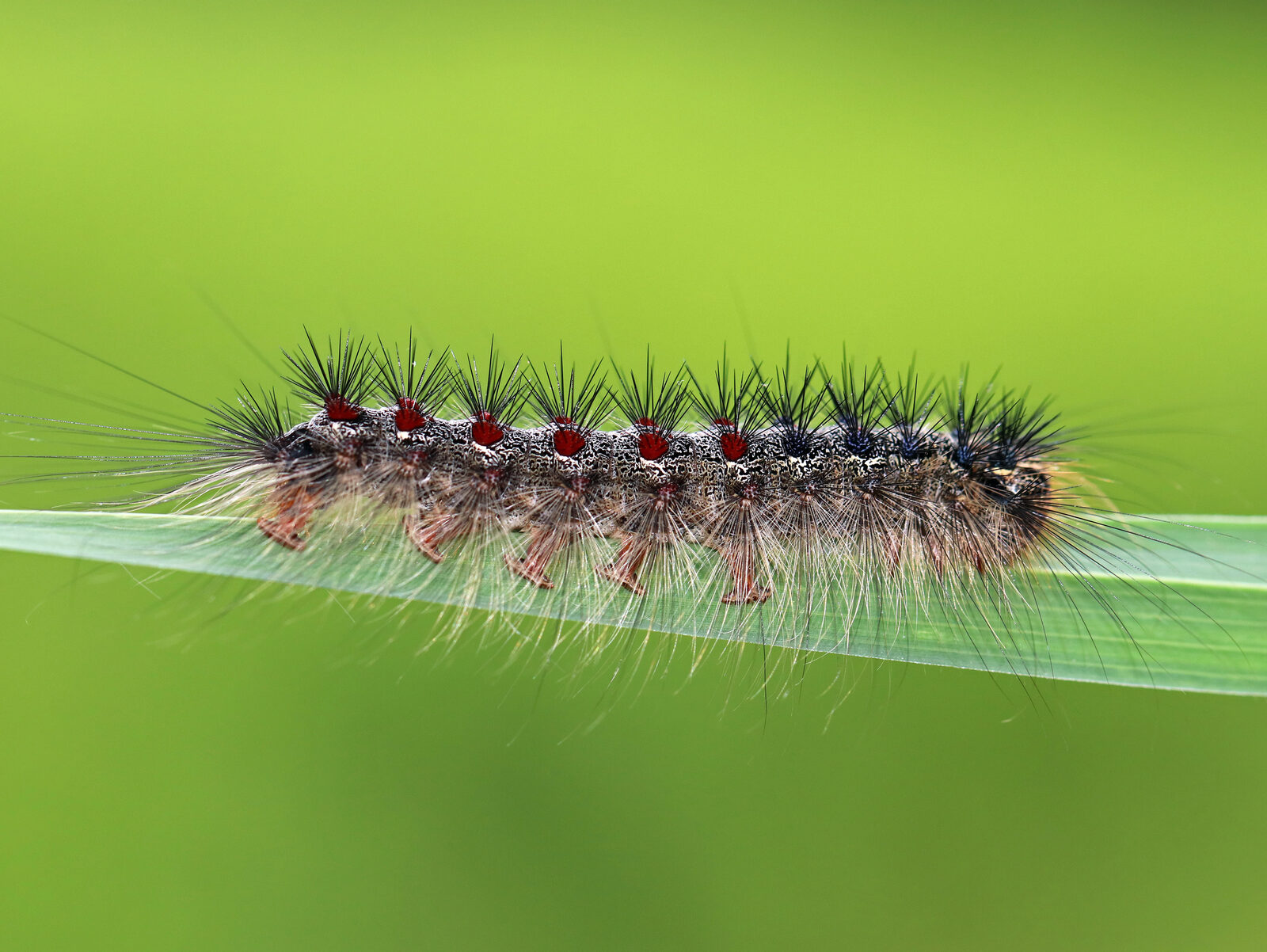
Spongy moth
Lymantria dispar
- Status
- IUCN Red List
- Eats
- ashleaf maple, apricot, sweet cherry and 253 more
- Eaten by
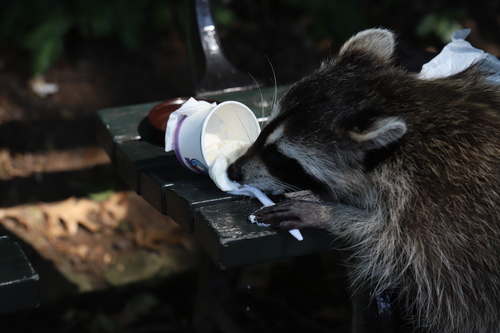
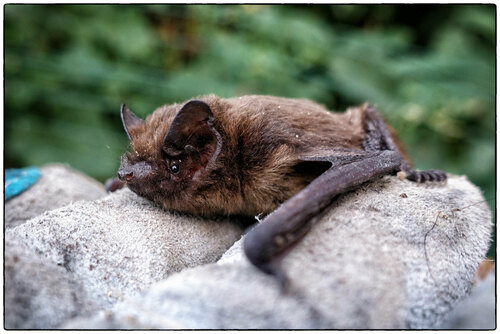
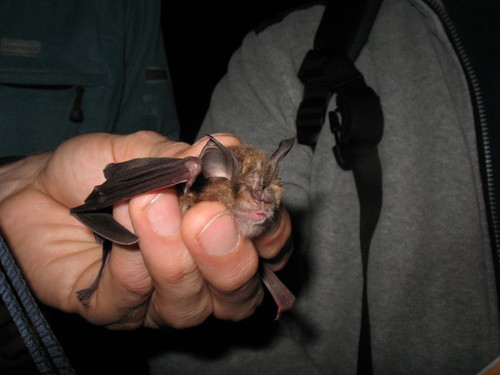
- raccoon, common pipistrelle, greater horseshoe bat
- Where
- 55 countries
People have shared 58,843 records of the spongy moth with GBIF, from 55 countries, most of them from United States, Canada and France. Records collected by GloBI show it eating 256 different kinds of animals and plants, and being eaten by 19.
In the northern hemisphere, people record it most in July and least in February. It belongs to the genus Lymantria in the family Erebidae.
What the spongy moth eats, and what eats it
Studies have recorded it eating 256 kinds of animals and plants, and 19 kinds of animals eating it. Tap any of them to follow the food chain.
- Plants 251
- Insects 2
Eaten by
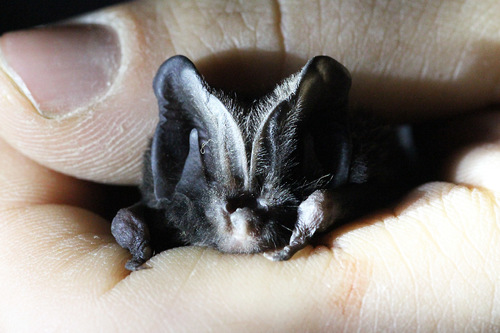

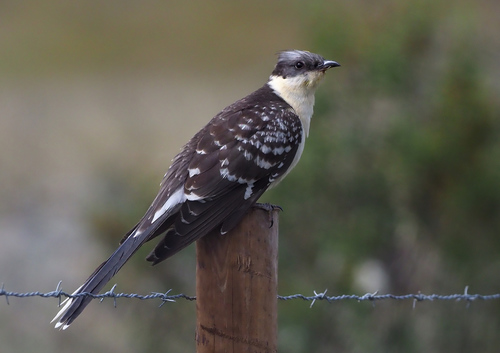
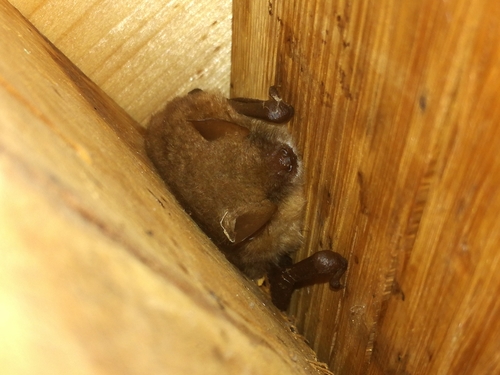
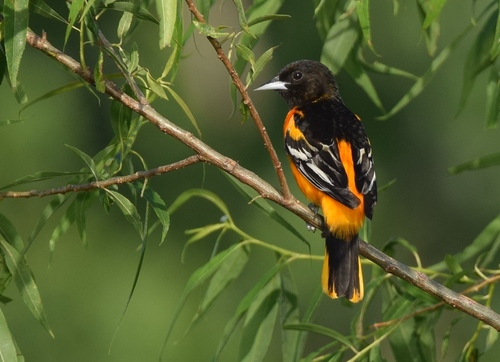 Spongy moth
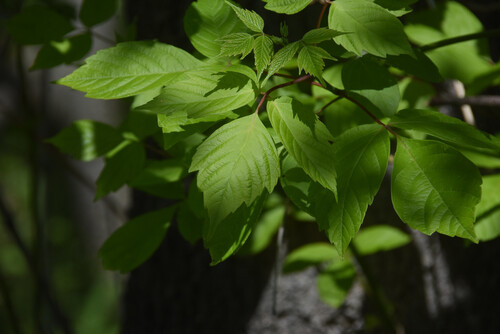
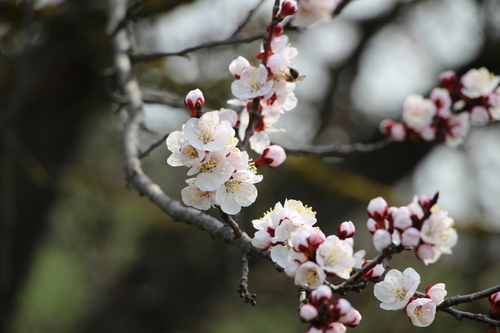
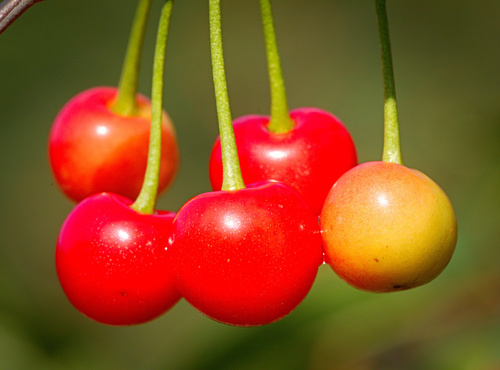
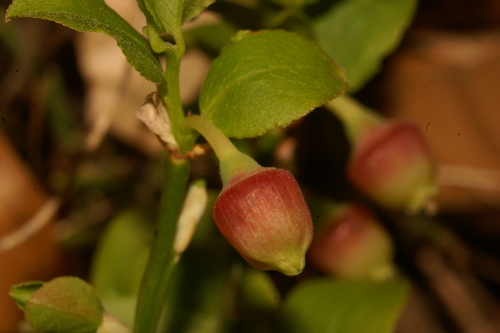
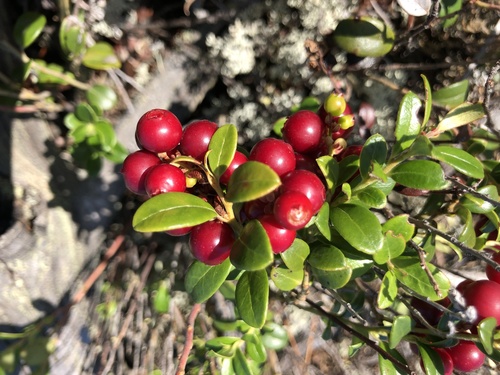

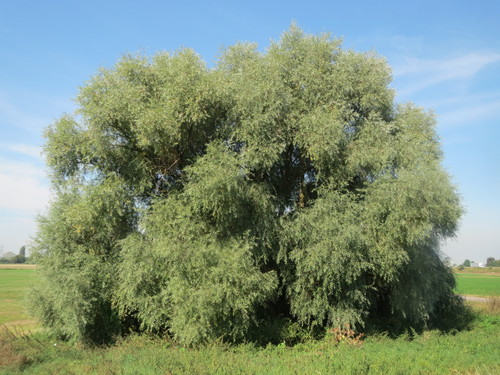
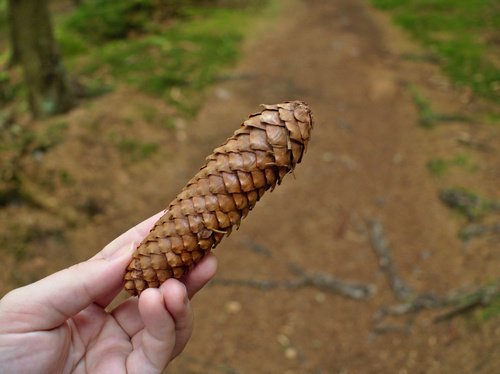
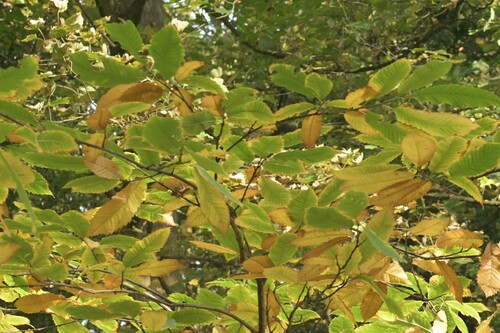
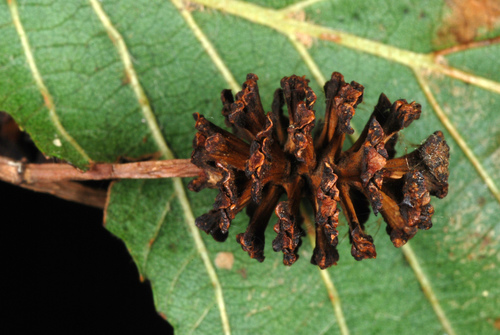
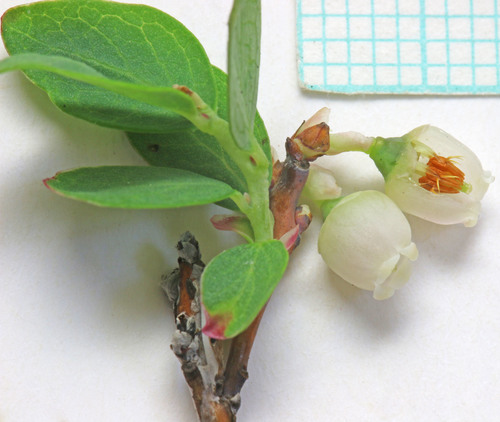
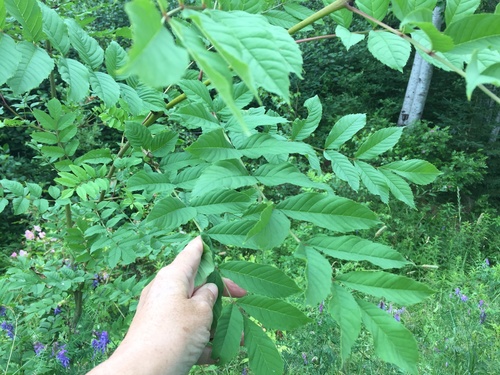
Records from studies worldwide, collected by GloBI. They include animals eaten as carrion, and they are not everything it eats in one place.
Where people see the spongy moth
People have shared 58,843 records from 55 countries.
Records show where people have seen it and shared it, not its full range. Country names open their page in Atlas.
When it is seen
Records per month in the northern hemisphere. More people outdoors also means more records.
Watch and listen
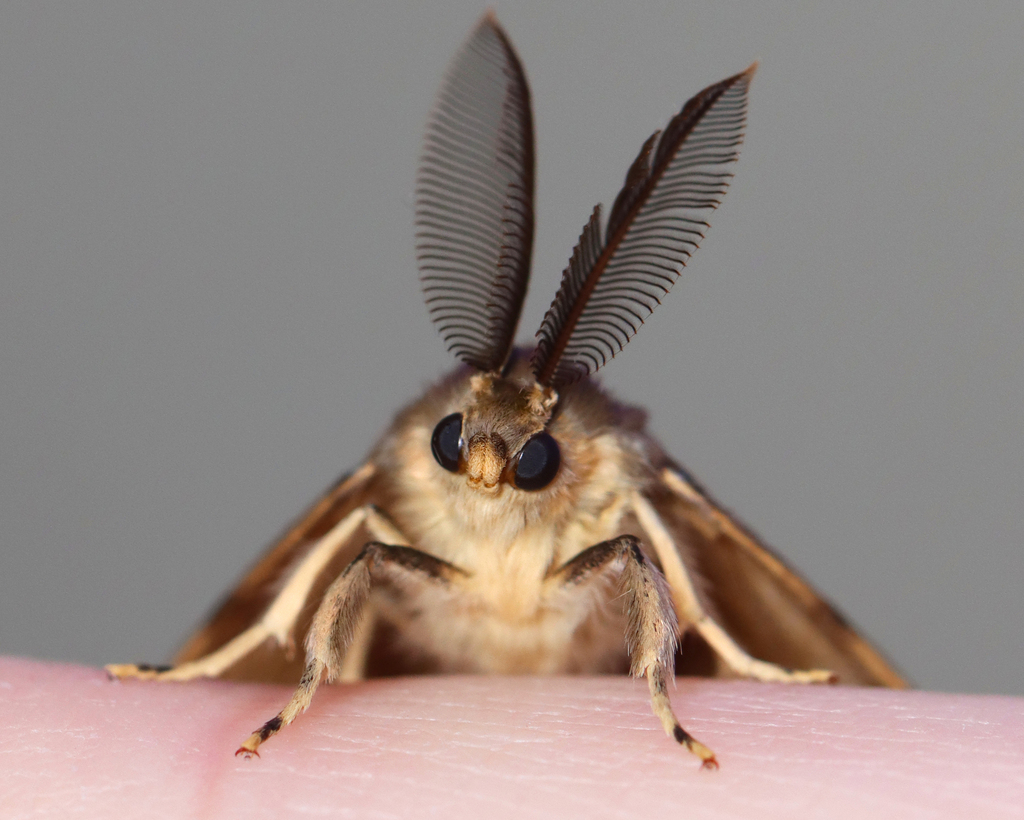
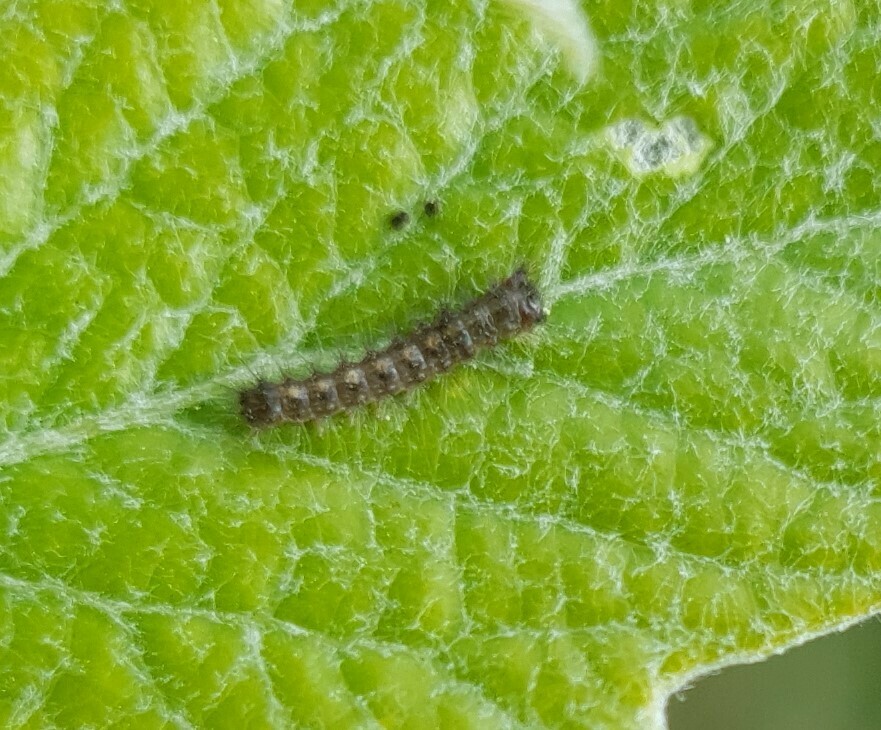
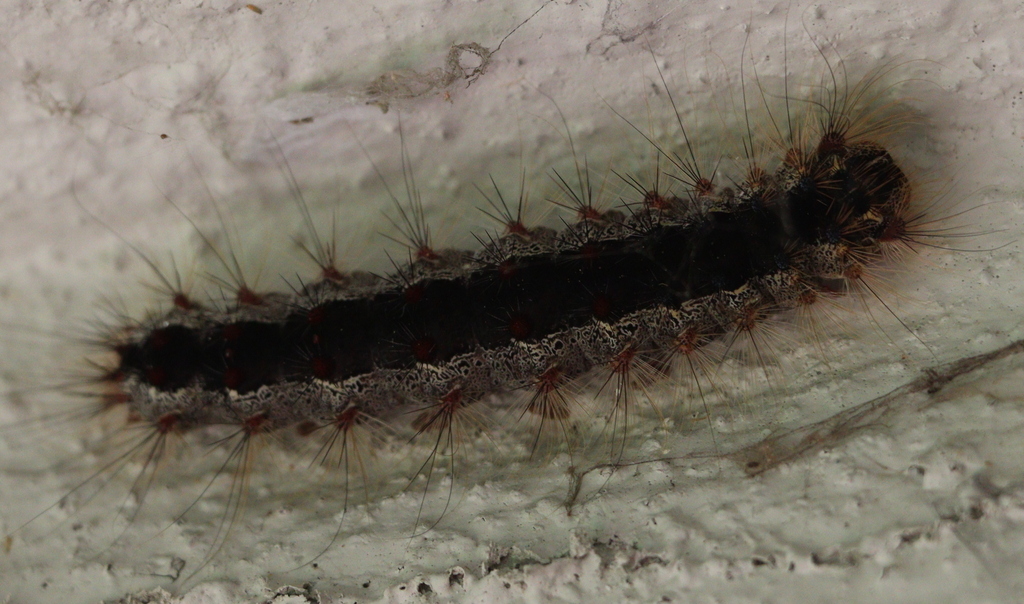
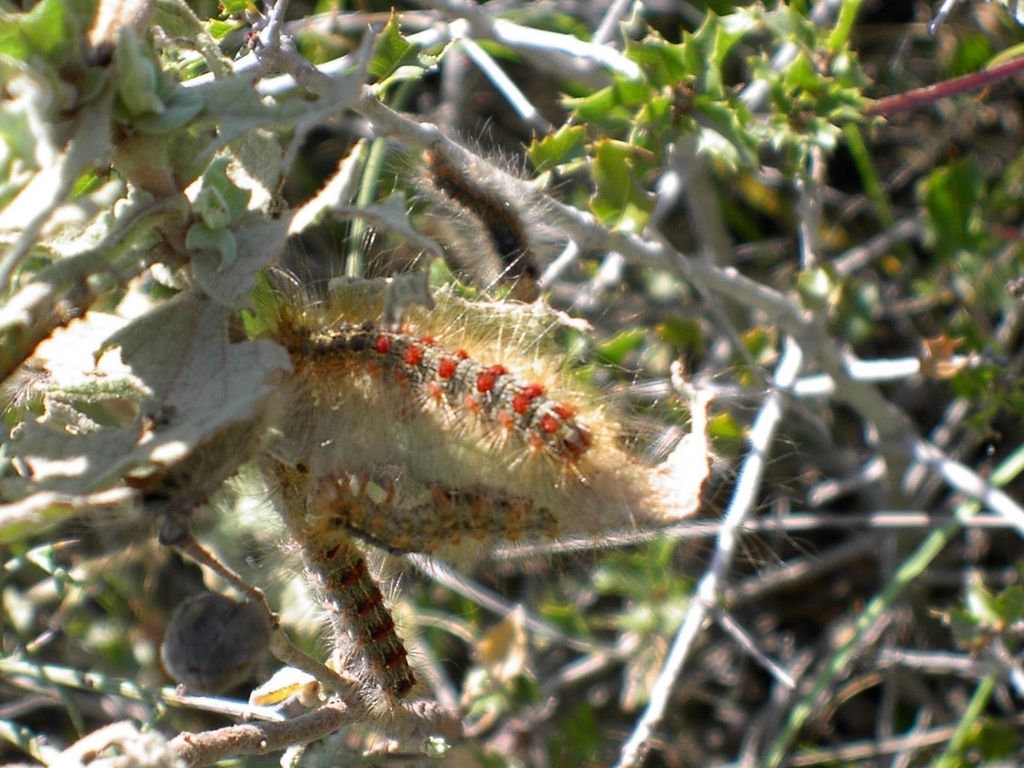
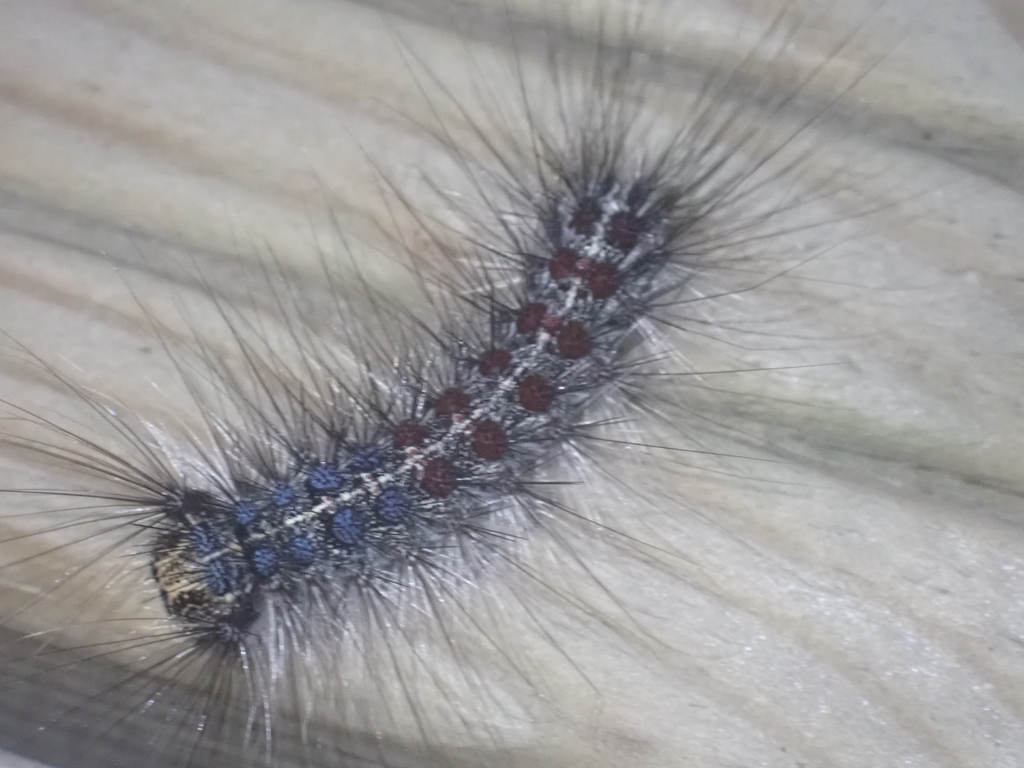
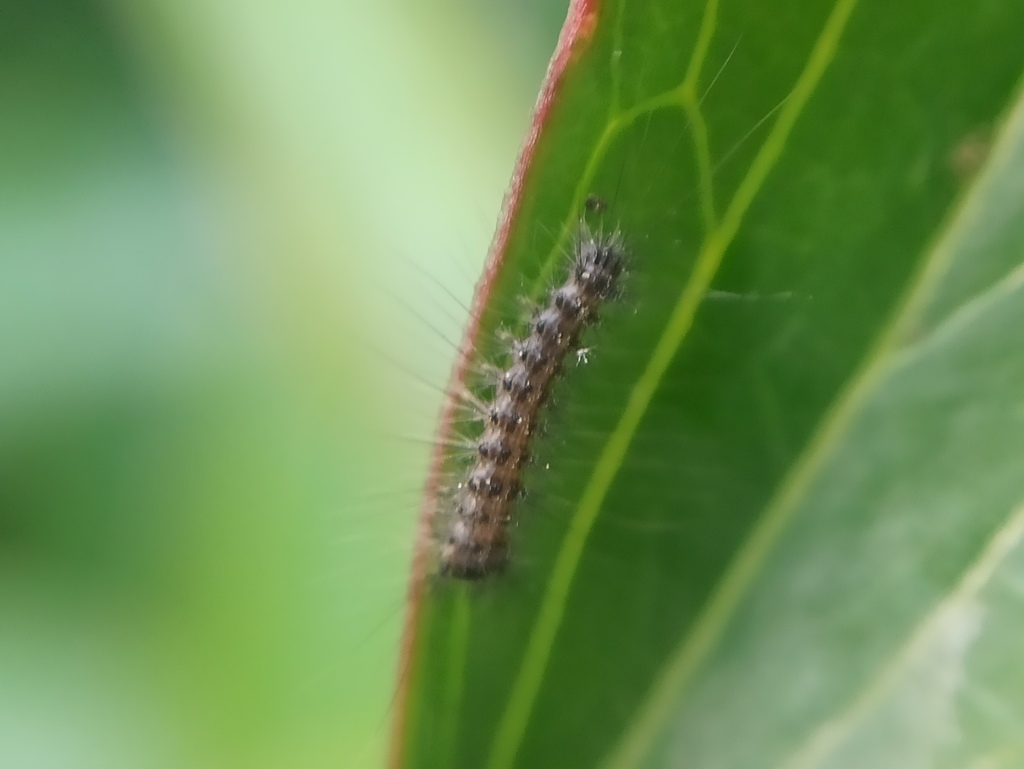
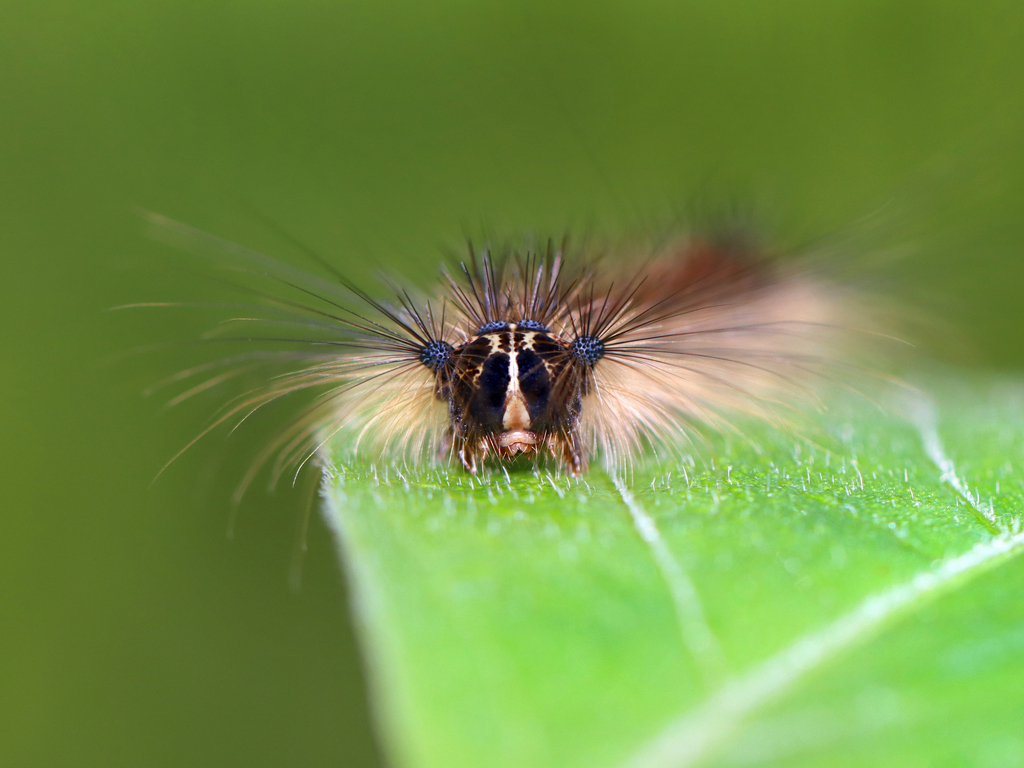
Seen a spongy moth?
Share your photo on iNaturalist. Other naturalists help confirm it, and the record goes to GBIF, where scientists use it and where the maps on this page come from.
Put this species on your site
The card names every source and links back here.
<iframe src="https://4planetatlas.com/place/embed/species/spongy-moth" title="Spongy moth (Lymantria dispar), 4PLANET Species" width="100%" height="600" style="border:0;max-width:640px" loading="lazy"></iframe>
<p><a href="https://4species.com/spongy-moth">Spongy moth on 4PLANET Species</a></p>Questions people ask
What does the spongy moth eat?
The spongy moth has been recorded eating 256 different kinds of animals and plants, most of them plants and insects. The ones recorded most often are ashleaf maple, apricot, sweet cherry, bilberry and cowberry; records include animals eaten as carrion. Source: GloBI.
What eats the spongy moth?
Recorded predators include raccoon, common pipistrelle, greater horseshoe bat, barbastelle and lesser horseshoe bat. Source: GloBI.
Where does the spongy moth live?
People have recorded it in 55 countries; the most records come from United States, Canada, France, Russia and Germany. Records show where people have seen it, not its full range.
When is the spongy moth seen most?
In the northern hemisphere, the most records are made in July and the fewest in February. More people outdoors also means more records.
Sources and photo credits
- GBIF · Lymantria dispar, 58,843 human observations
- GloBI · recorded interactions of Lymantria dispar
- Wikidata · Spongy moth (Q45532)
- Spongy moth (Lymantria dispar): Christine Young, CC BY 4.0
- Spongy moth (Lymantria dispar), New Milford, CT, USA: Christine Young, CC BY 4.0
- Spongy moth (Lymantria dispar), Mitte, Halle (Saale), Deutschland: Brenda Black, CC BY 4.0
- Spongy moth (Lymantria dispar), 507 13 Dřevěnice-Železnice, Czechia: Jan Ebr & Ivana Ebrová, CC BY 4.0
- Spongy moth (Lymantria dispar), Route des Plaines, Mireval, Occitanie, FR: Michael Berardozzi, CC BY 4.0
- Spongy moth (Lymantria dispar), Луховицкий р-н, Московская обл., Россия: Fyodor Pudovikov, CC BY 4.0
- Spongy moth (Lymantria dispar), Kirikuküla, 90221 Lääne County, Estonia: Nicolás Tamargo, CC0
- Spongy moth (Lymantria dispar), 23011 Ardenno SO, Italia: Federico Del Barba, CC0
- Spongy moth (Lymantria dispar), Dutchess County, NY, USA: Christine Young, CC BY 4.0
- Ashleaf maple: Jay Pruett, CC BY 4.0
- Apricot: Юрий Данилевский (Yuriy Danilevsky), CC BY 4.0
- Sweet cherry: hedera.baltica, CC BY-SA 4.0
- Bilberry: Benjamin Zwittnig, CC BY 4.0
- Cowberry: Valerii Glazunov, CC BY 4.0
- Sour cherry: no rights reserved, uploaded by Dag Endresen, CC0
- Salix alba: Andreas Rockstein, CC BY-SA 4.0
- Norway spruce: Edward Ricemeyer, CC BY-SA 4.0
- Sweet chestnut: Kian Hayles-Cotton, CC BY 4.0
- Black alder: Douglas Goldman, CC BY-SA 4.0
- Bog bilberry: Andrey Zharkikh, CC BY 4.0
- European ash: Mary E. Macaulay, P.Eng., CC BY 4.0
- Raccoon: Steven Bodzin, CC BY 4.0
- Common pipistrelle: J P, CC BY 4.0
- Greater horseshoe bat: Gilles San Martin, CC BY-SA 4.0
- Barbastelle: Leonardo Ancillotto, CC BY 4.0
- Lesser horseshoe bat: Jessica, CC BY-SA 4.0
- Great spotted cuckoo: Frank Vassen, CC BY 4.0
- Geoffroy's bat: ivan_humljani, CC0
- Baltimore oriole: no rights reserved, uploaded by Chrissy McClarren and Andy Reago, CC0
Records show where people have seen and shared the spongy moth, not its full range, and some countries and months are recorded far more than others. The food web lists interactions that studies have recorded somewhere in the world (GloBI), not everything it eats in one place.
Checked 2026-11-25.