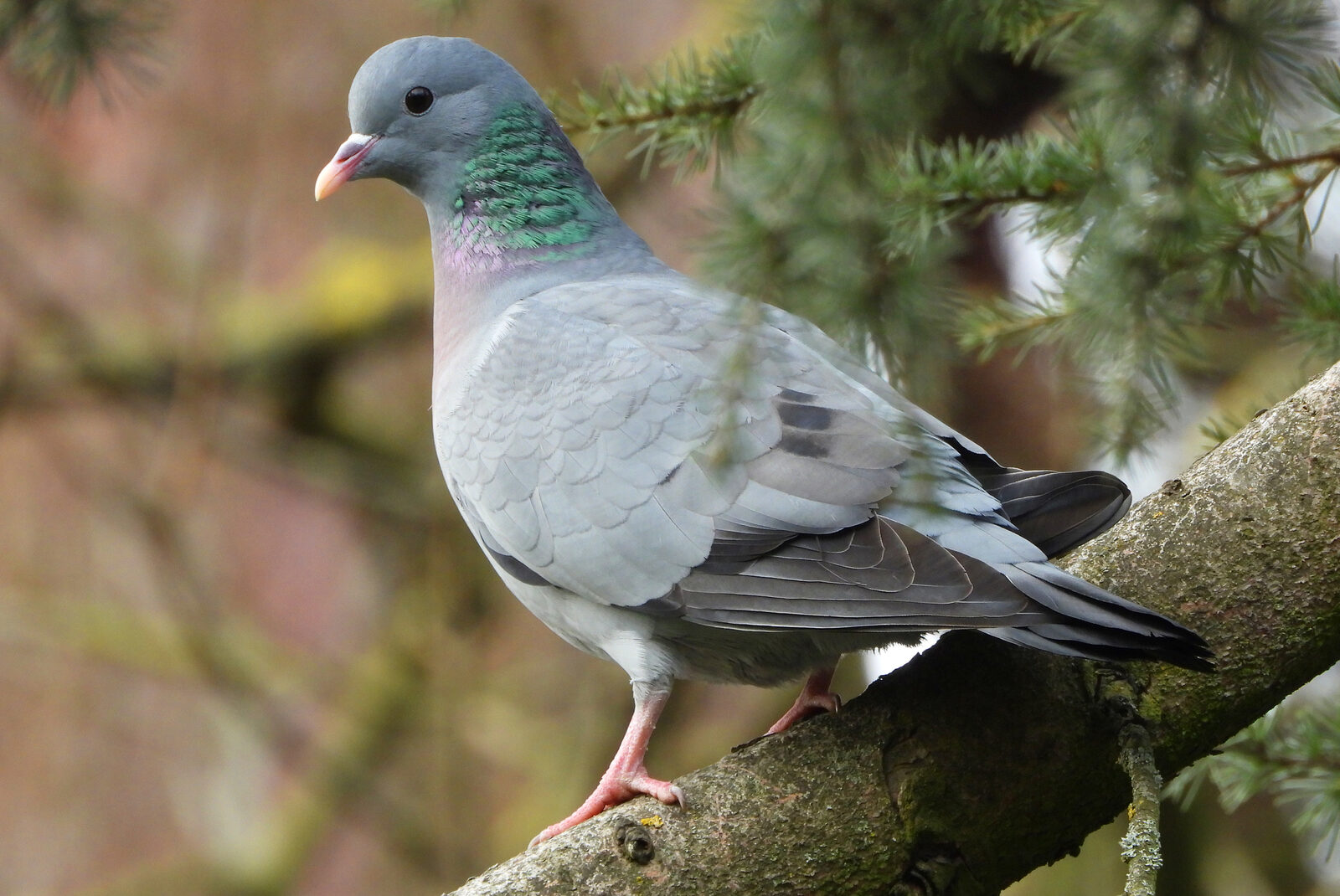
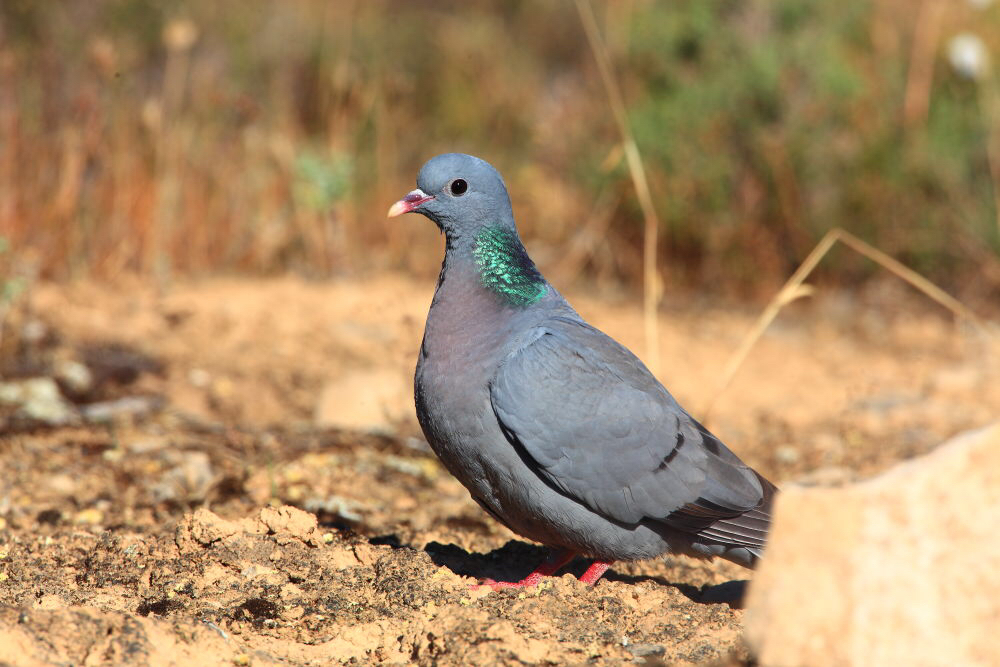
Stock dove
Columba oenas
- Status
- Least Concern IUCN Red List
- Eats
- wood bluegrass, tasteless water-pepper, black nightshade and 1,926 more
- Eaten by
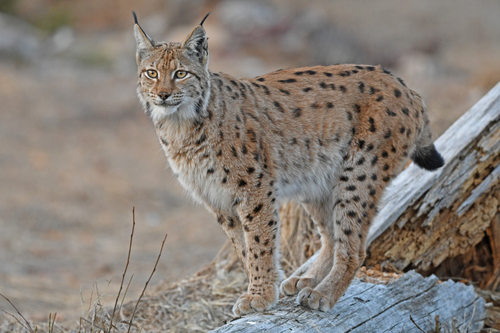
- grey wolf, red fox, northern raven
- Where
- 69 countries
On 4Planet Atlas it is among the wildlife people record most around Amsterdam, Baghdad and Bern, and 20 more of the cities we cover.
People have shared 570,055 records of the stock dove with GBIF, from 69 countries, most of them from United Kingdom, Spain and Germany. Records collected by GloBI show it eating 1,929 different kinds of animals and plants, and being eaten by 24.
What the stock dove eats, and what eats it
Studies have recorded it eating 1,929 kinds of animals and plants, and 24 kinds of animals eating it. Tap any of them to follow the food chain.
- Plants 1,843
Eaten by



 Stock dove


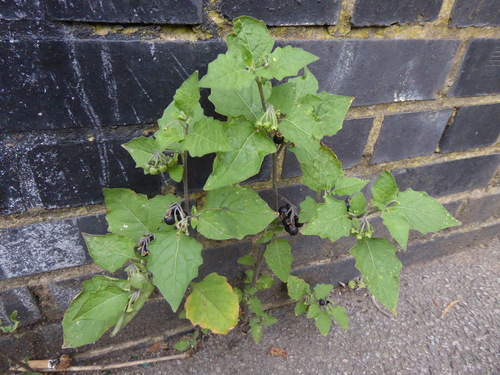


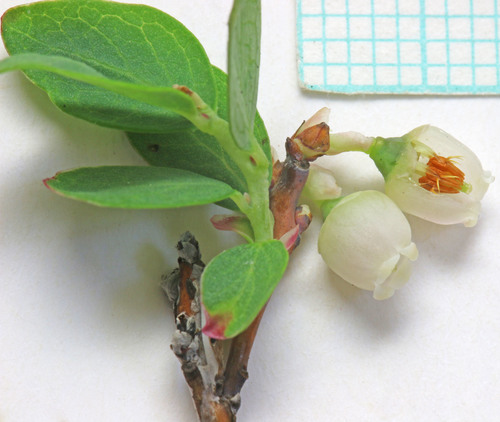
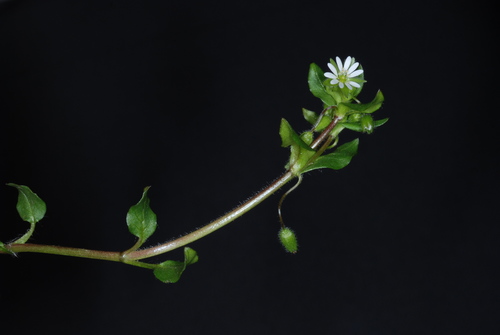
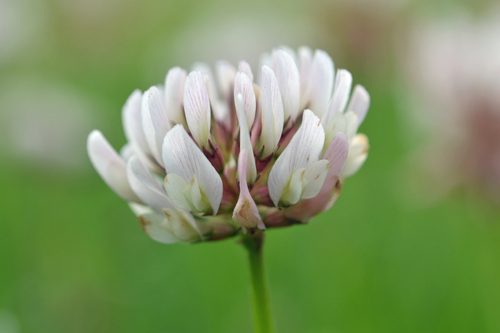
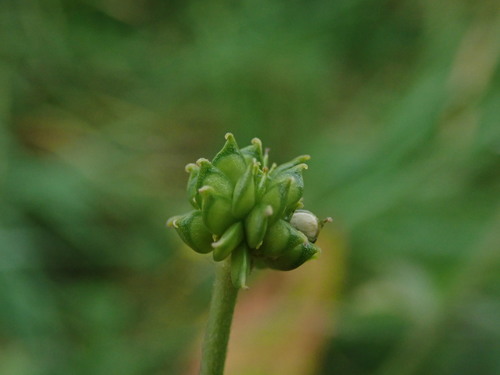
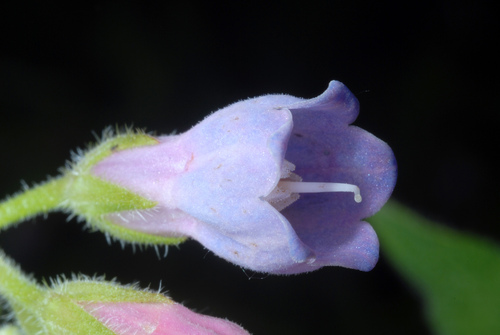
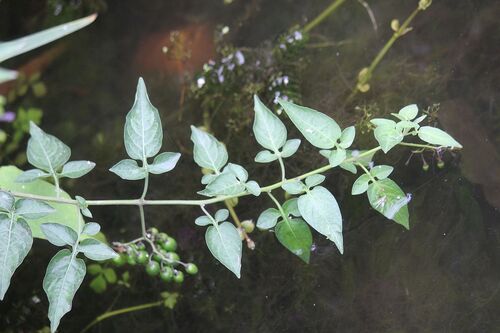
Records from studies worldwide, collected by GloBI. They include animals eaten as carrion, and they are not everything it eats in one place.
Where people see the stock dove
People have shared 570,055 records from 69 countries.
Near a city: Amsterdam, Baghdad, Bern, Bratislava, Brussels, Budapest, Copenhagen, Dublin, Helsinki, Kyiv, Ljubljana, London, Madrid, Minsk, Oslo, Paris, Prague, Riga, Stockholm, Tallinn, Vienna, Vilnius, Zagreb.
Records show where people have seen it and shared it, not its full range. Country names open their page in Atlas.
When it is seen
Records per month in the northern hemisphere. More people outdoors also means more records.
Watch and listen
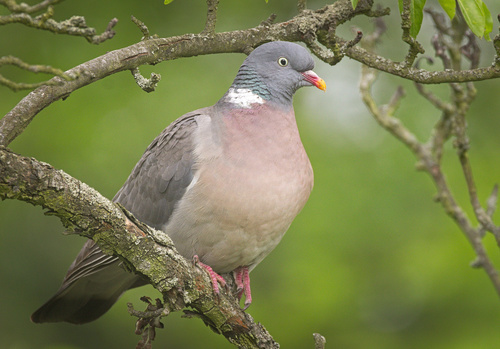
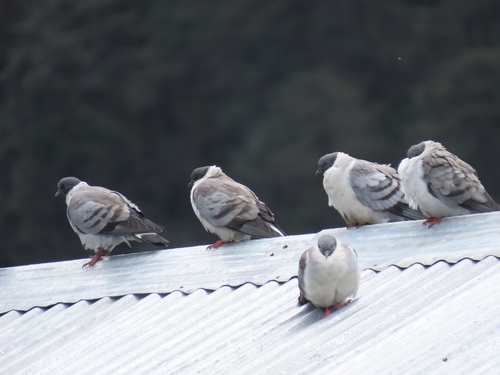
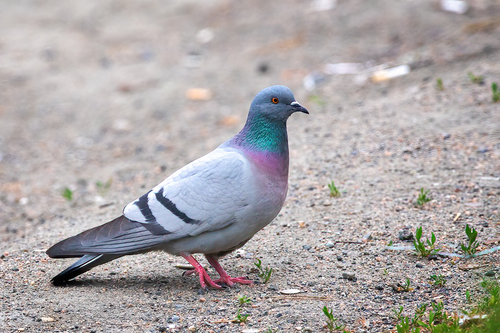
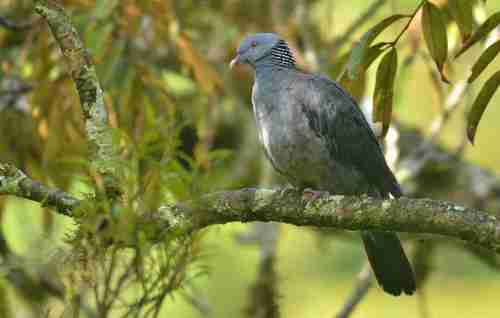
Its closest relatives
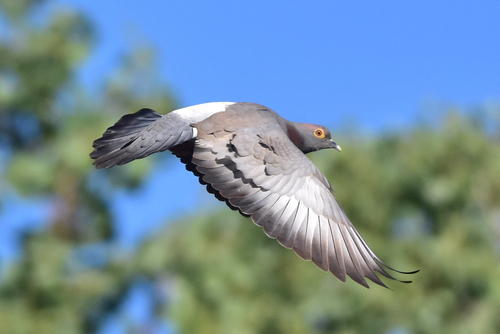
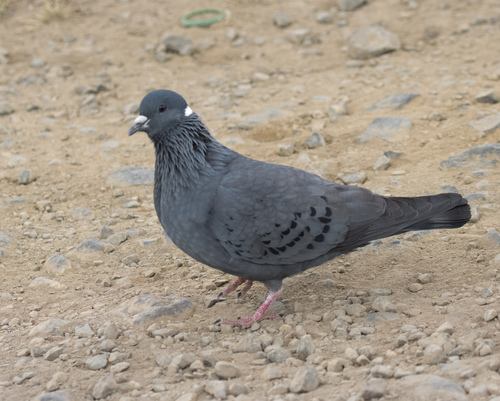
The other species of the genus Columba.

Seen a stock dove?
Share your photo on iNaturalist. Other naturalists help confirm it, and the record goes to GBIF, where scientists use it and where the maps on this page come from.
Put this species on your site
The card names every source and links back here.
<iframe src="https://4planetatlas.com/place/embed/species/stock-dove" title="Stock dove (Columba oenas), 4PLANET Species" width="100%" height="600" style="border:0;max-width:640px" loading="lazy"></iframe>
<p><a href="https://4species.com/stock-dove">Stock dove on 4PLANET Species</a></p>Questions people ask
What does the stock dove eat?
The stock dove has been recorded eating 1,929 different kinds of animals and plants, most of them plants. The ones recorded most often are wood bluegrass, tasteless water-pepper, black nightshade, red currant and english yew; records include animals eaten as carrion. Source: GloBI.
What eats the stock dove?
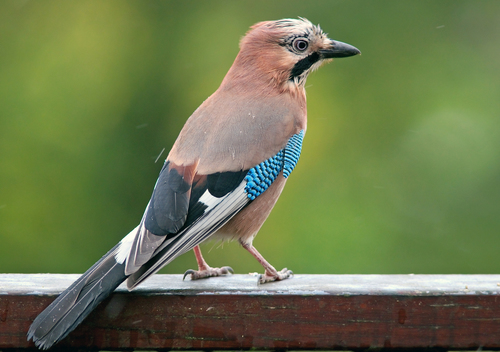
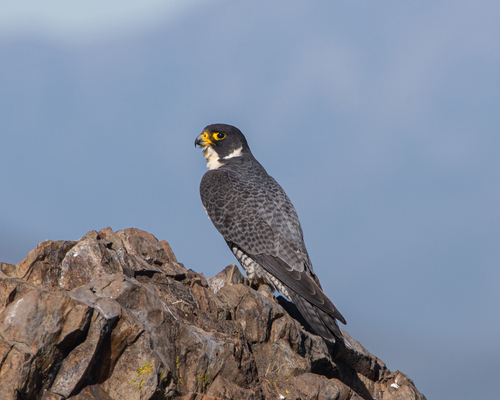
Recorded predators include grey wolf, red fox, northern raven, eurasian lynx and eurasian jay. Source: GloBI.
Where does the stock dove live?
People have recorded it in 69 countries; the most records come from United Kingdom, Spain, Germany, Netherlands and France. Records show where people have seen it, not its full range.
When is the stock dove seen most?
In the northern hemisphere, the most records are made in April and the fewest in November. More people outdoors also means more records.
What are the stock dove's closest relatives?
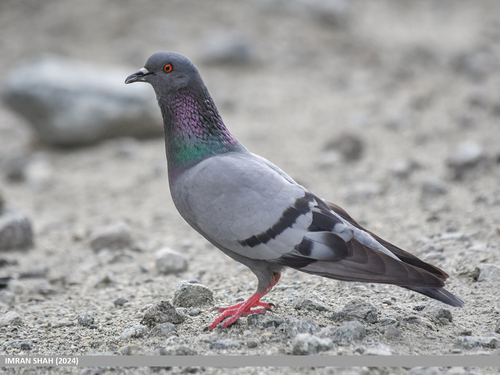
It shares the genus Columba with rock dove, common wood pigeon, snow pigeon, hill pigeon and nilgiri wood pigeon.
Sources and photo credits
- GBIF · Columba oenas, 570,055 human observations
- GloBI · recorded interactions of Columba oenas
- Wikidata · Stock dove (Q26140)
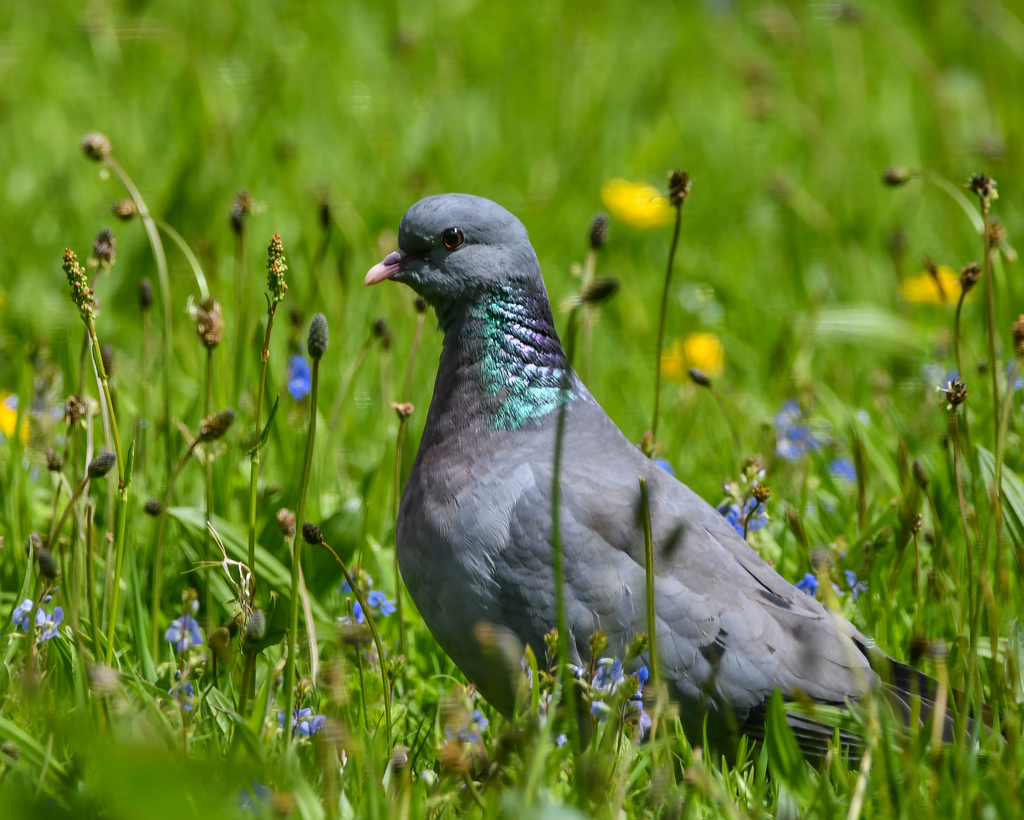
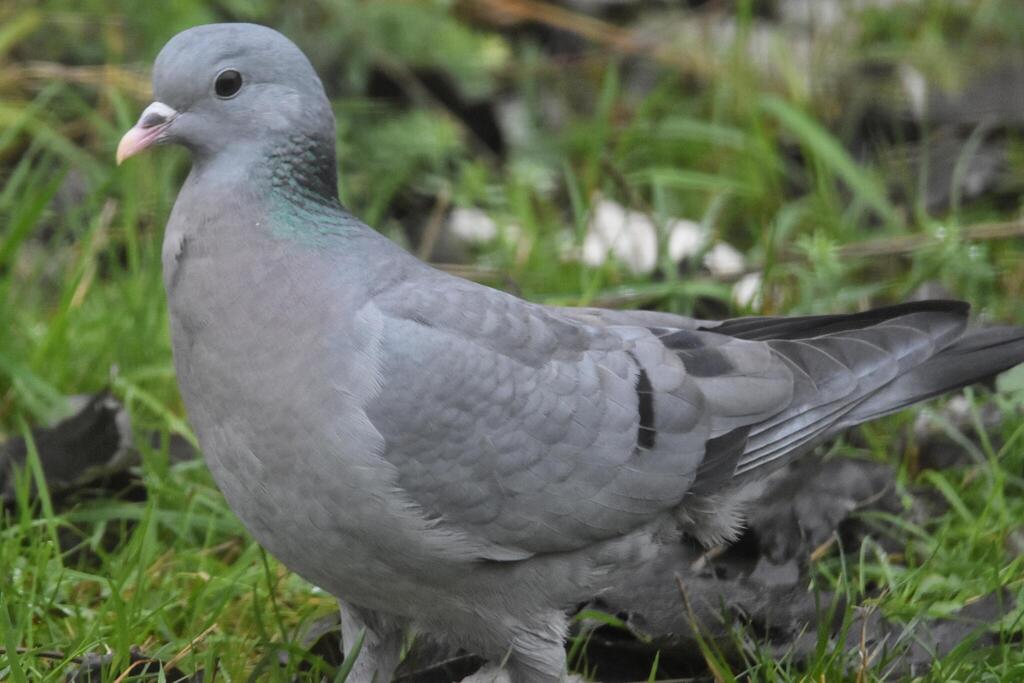
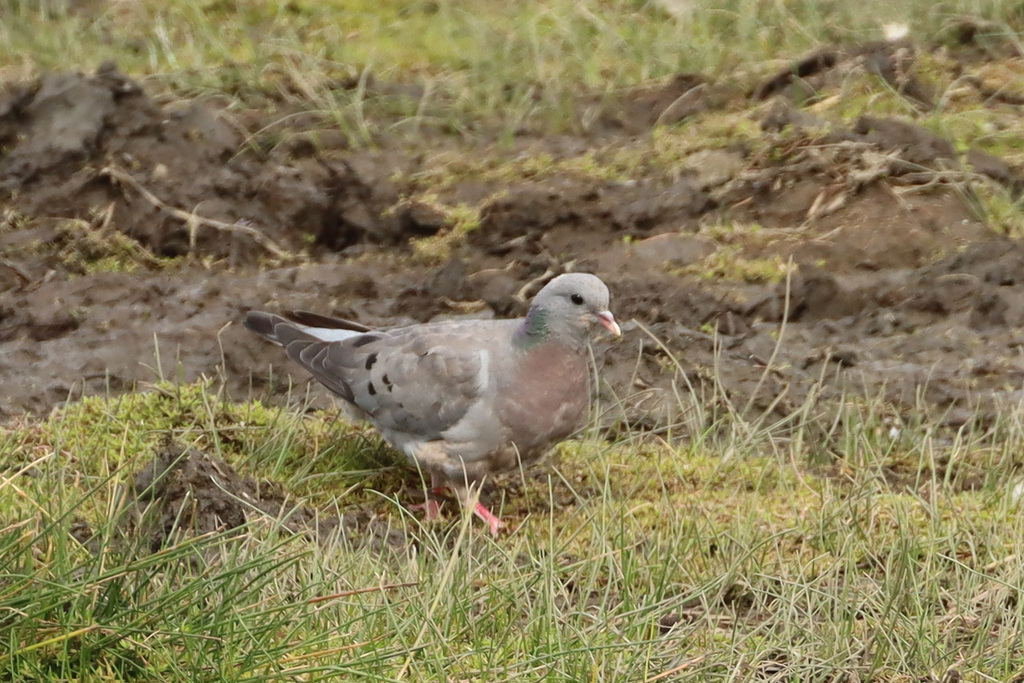
- Stock dove (Columba oenas): Paul Lewis, CC BY 4.0
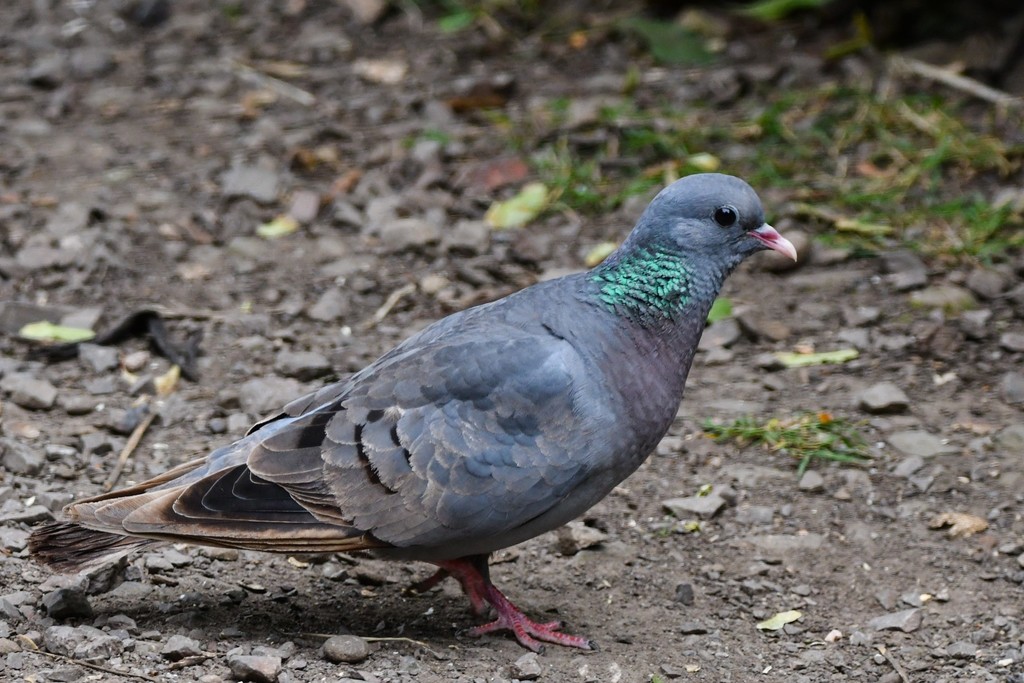
- Stock dove (Columba oenas): Carles Pastor, CC BY-SA 4.0
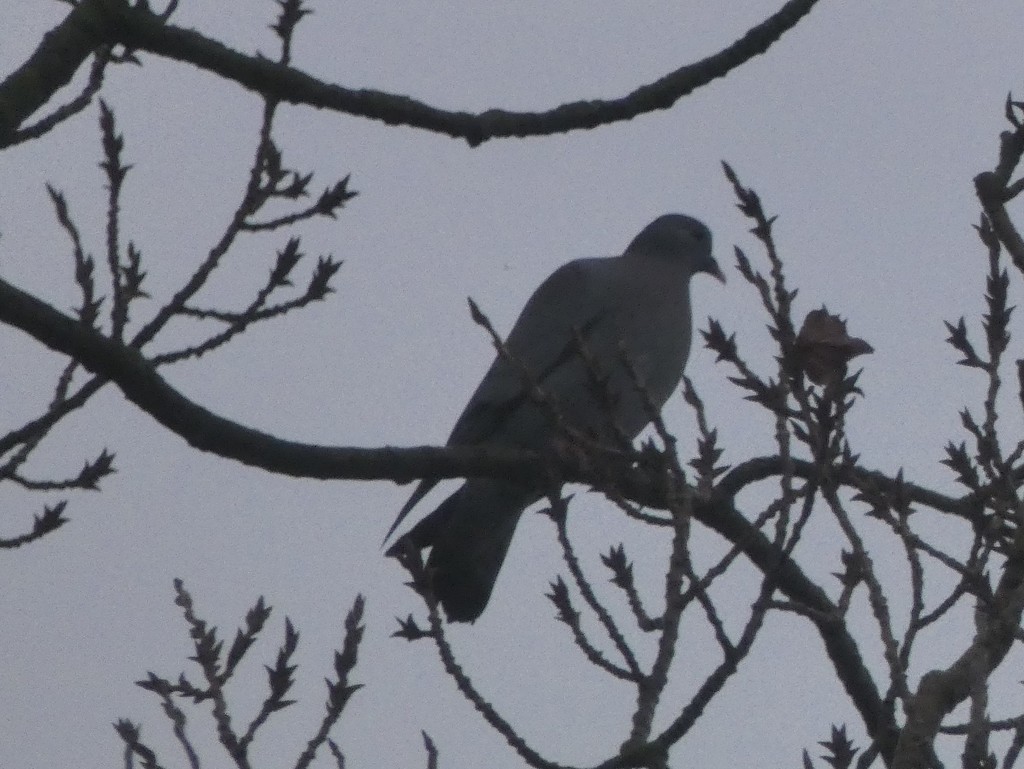
- Stock dove (Columba oenas): Frank Sengpiel, CC BY 4.0
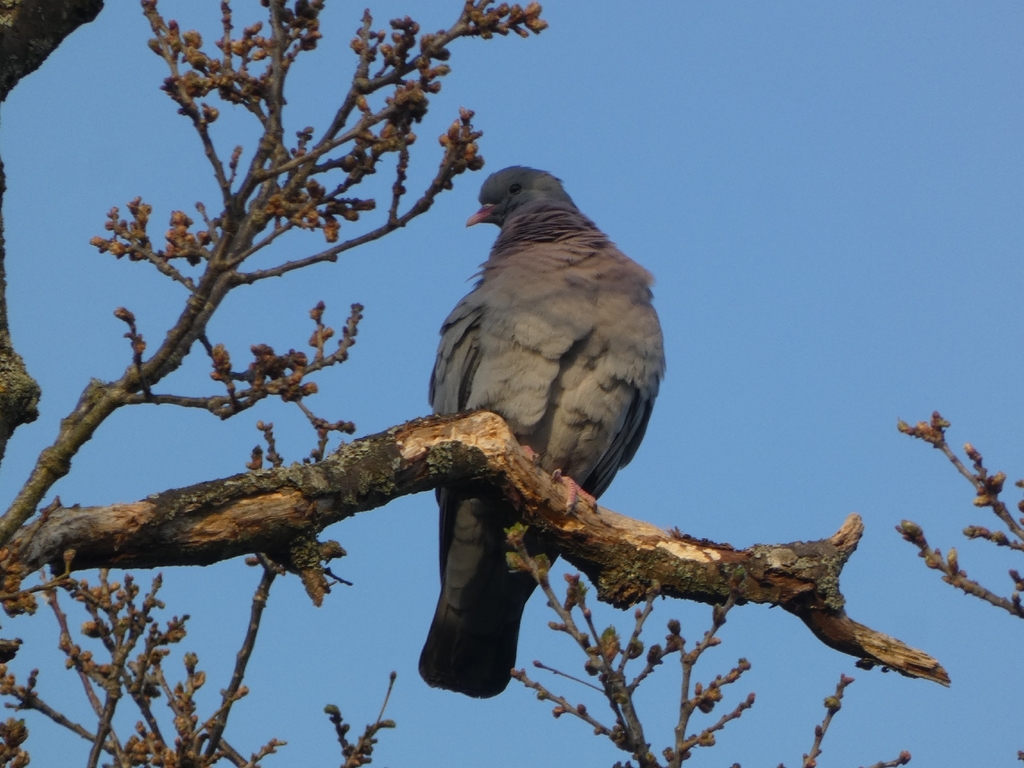
- Stock dove (Columba oenas): Frank Sengpiel, CC BY 4.0
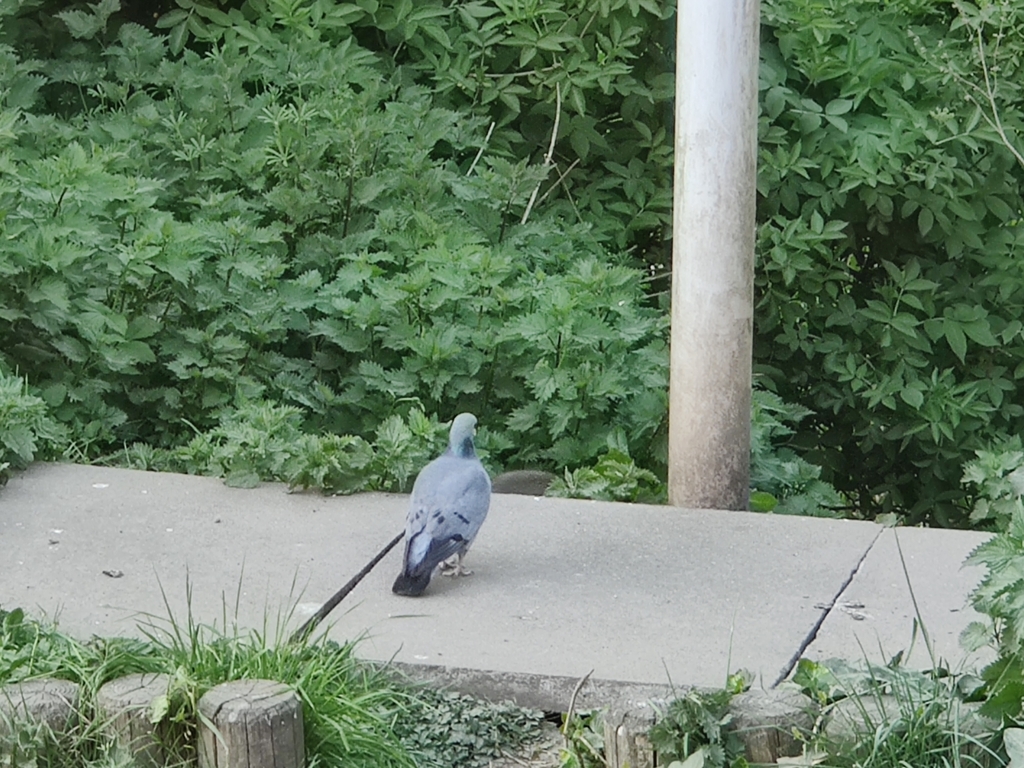
- Stock dove (Columba oenas), Kensal Green Cemetery, Kensal Green, London, UK: Charlie Farrell, CC0
- Stock dove (Columba oenas), Westmoreland Road / Barnfield Wood Road (Stop E), Bromley BR2 0RZ, UK: Ross McCallum, CC BY 4.0
- Stock dove (Columba oenas), Cambridgeshire, England, GB: J. Brucker, CC BY 4.0
- Stock dove (Columba oenas), RSPB Wombwell Ings, Barnsley, UK: Dave, CC BY 4.0
- Stock dove (Columba oenas), Sale M33 2LX, UK: Stuart Fraser, CC BY 4.0
- Wood bluegrass: Douglas Goldman, CC BY-SA 4.0
- Tasteless water-pepper: Paul Cook, CC BY 4.0
- Black nightshade: jamie-aa, CC BY 4.0
- Red currant: Grzegorz Grzejszczak, CC BY-SA 4.0
- English yew: Douglas Goldman, CC BY-SA 4.0
- Bog bilberry: Andrey Zharkikh, CC BY 4.0
- Common chickweed: Douglas Goldman, CC BY-SA 4.0
- White clover: Conall, CC BY 4.0
- Meadow buttercup: Daniel Cahen, CC BY 4.0
- Common comfrey: Douglas Goldman, CC BY-SA 4.0
- Bittersweet nightshade: Andrew Thomas, CC BY-SA 4.0
- Grey wolf: Andrew Simon, CC BY 4.0
- Red fox: Алина Урусова, CC BY 4.0
- Northern raven: xulescu_g, CC BY-SA 4.0
- Eurasian lynx: Julia Moning, CC BY 4.0
- Eurasian jay: Luc Viatour, CC BY-SA 4.0
- Peregrine falcon: Nicolás Villaseca Merino, CC BY-SA 4.0
- Eurasian sparrowhawk: Stanislav Murashkin, CC BY 4.0
- Rock dove: Birds of Gilgit-Baltistan, CC BY-SA 4.0
- Common wood pigeon: hedera.baltica, CC BY-SA 4.0
- Snow pigeon: Anirban Datta-Roy, CC BY 4.0
- Hill pigeon: egorbirder, CC BY 4.0
- Nilgiri wood pigeon: premchand, CC BY-SA 4.0
- Speckled pigeon: Christoph Moning, CC BY 4.0
- Yellow-eyed pigeon: Kudaibergen Amirekul, CC BY-SA 4.0
- White-collared pigeon: avocat, CC BY 4.0
Records show where people have seen and shared the stock dove, not its full range, and some countries and months are recorded far more than others. The food web lists interactions that studies have recorded somewhere in the world (GloBI), not everything it eats in one place.
Checked 2026-11-23.