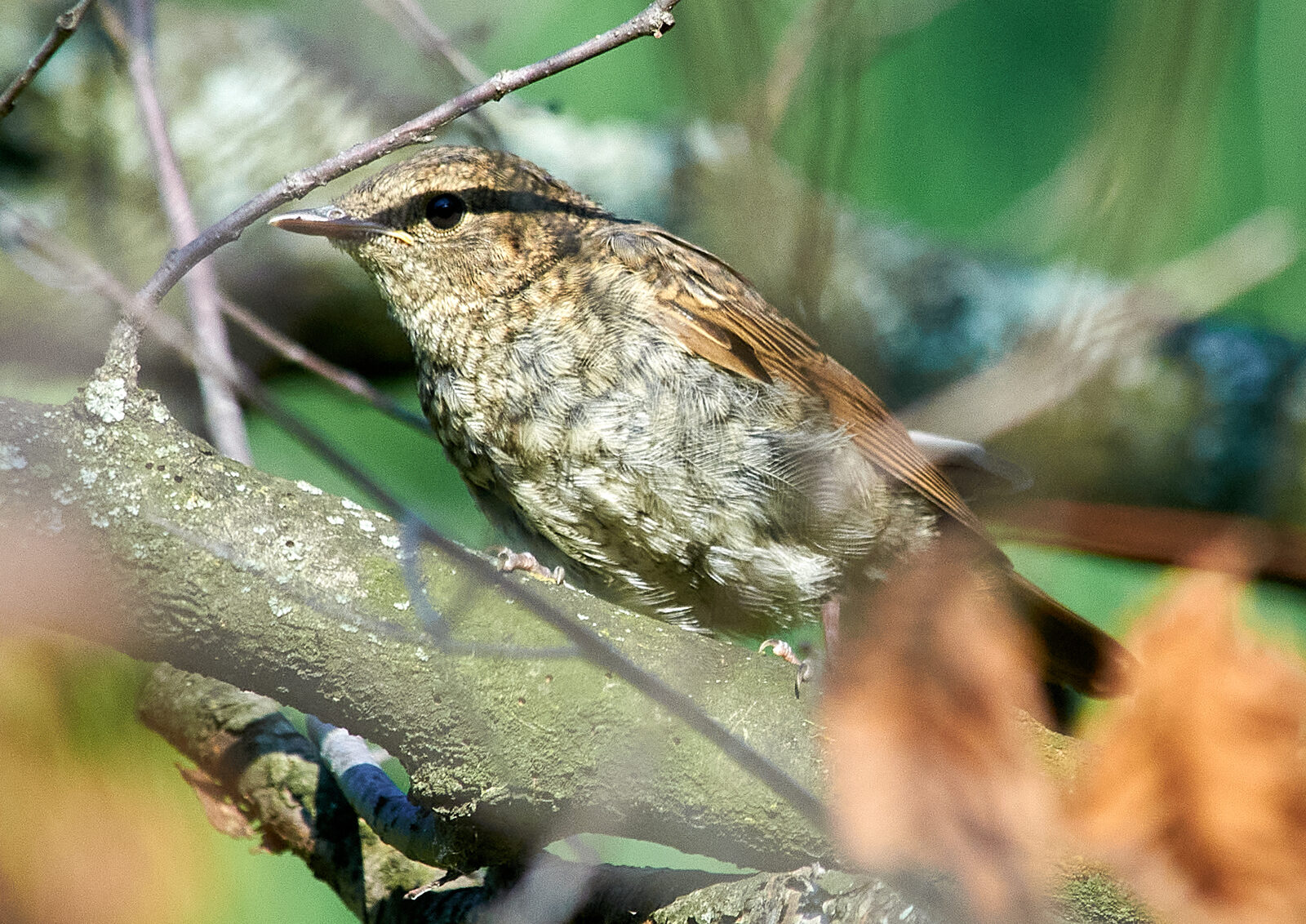
Thrush nightingale
Luscinia luscinia
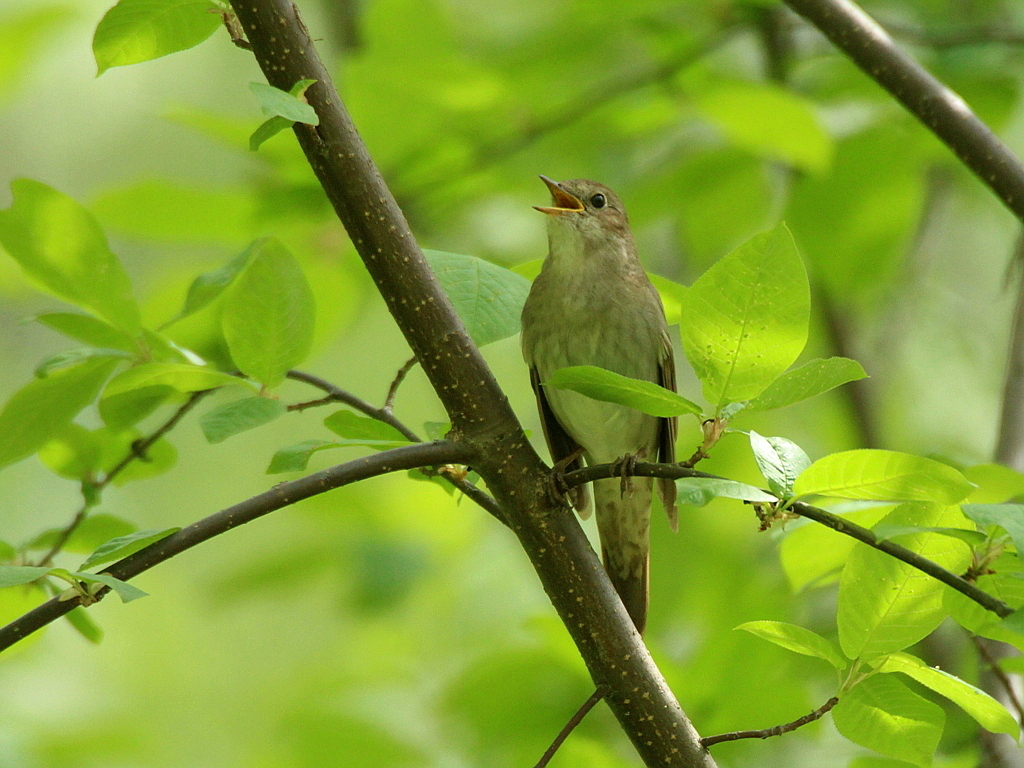
A close relative of the nightingale with a loud, rich song, often heard at night.
- Status
- Least Concern IUCN Red List
- Eats
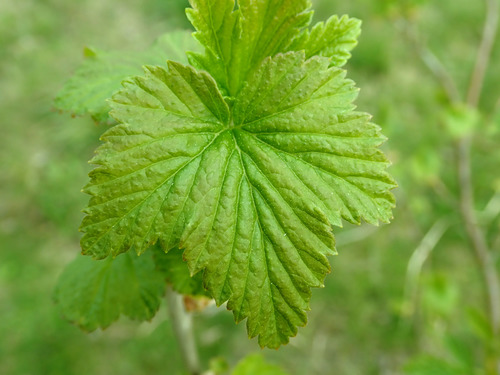
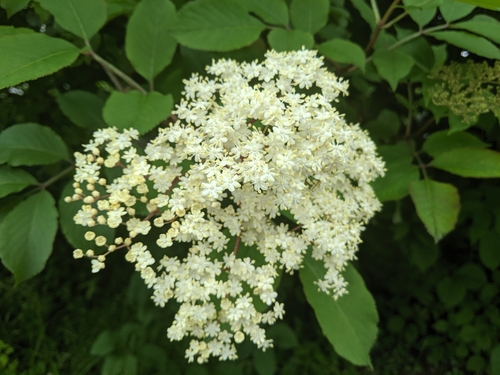
- raspberry, black currant, elder and 12 more
- Eaten by
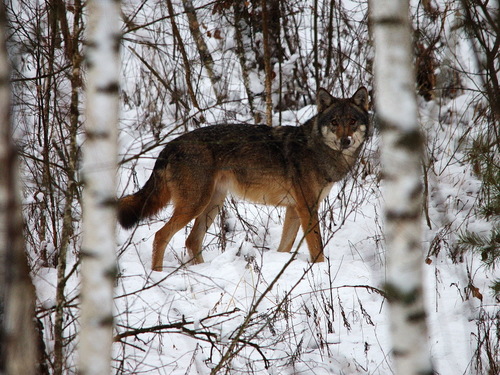
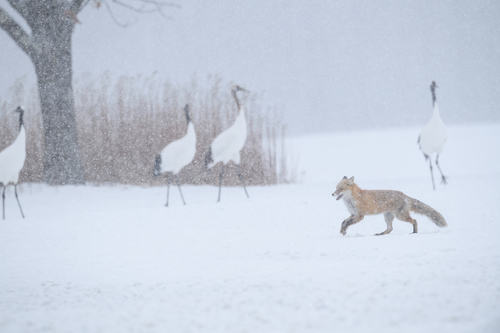
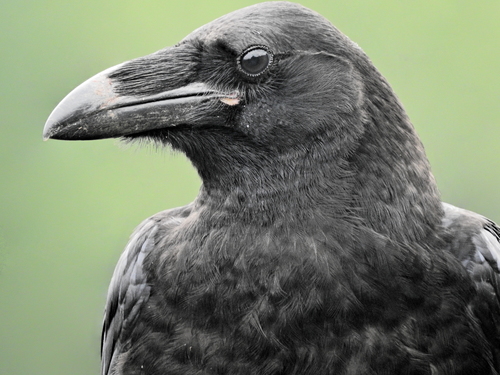
- grey wolf, red fox, northern raven
- Where
- 70 countries
On 4Planet Atlas it is among the wildlife people record most around Chișinău, Copenhagen and Helsinki, and 8 more of the cities we cover.
People have shared 65,736 records of the thrush nightingale with GBIF, from 70 countries, most of them from Russia, Sweden and Finland. Records collected by GloBI show it eating 15 different kinds of animals and plants, and being eaten by 38.
What the thrush nightingale eats, and what eats it
Studies have recorded it eating 15 kinds of animals and plants, and 38 kinds of animals eating it. Tap any of them to follow the food chain.
- Plants 13
- Insects 2
Eaten by
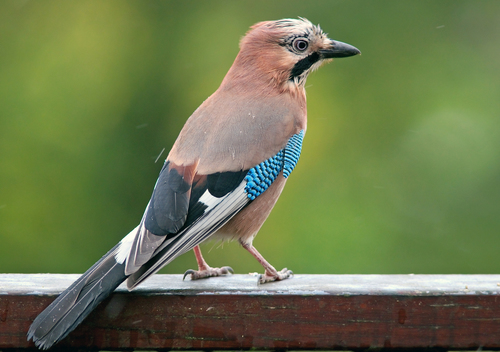

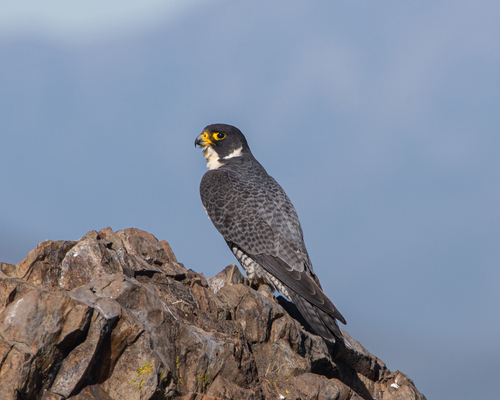
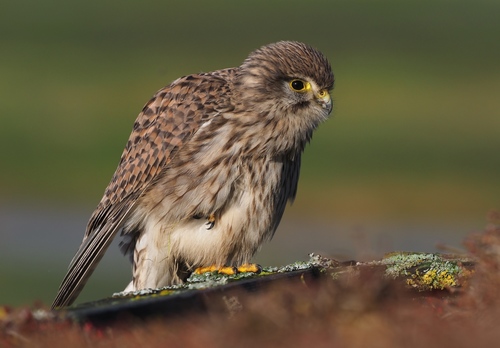
 Thrush nightingale
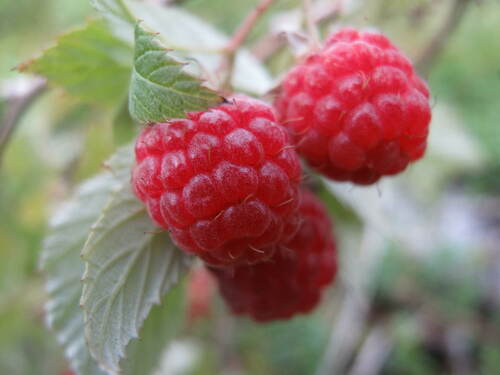

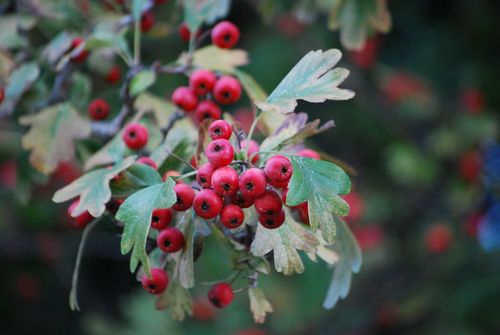
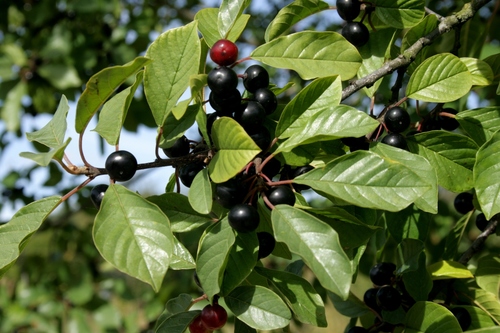
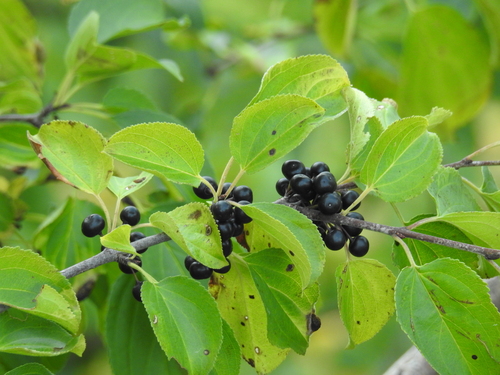

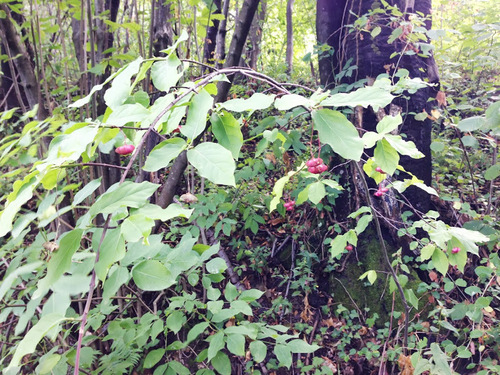

Records from studies worldwide, collected by GloBI. They include animals eaten as carrion, and they are not everything it eats in one place.
Where people see the thrush nightingale
People have shared 65,736 records from 70 countries.
Near a city: Chișinău, Copenhagen, Helsinki, Kyiv, Minsk, Moscow, Riga, Stockholm, Tallinn, Vilnius, Warsaw.
Records show where people have seen it and shared it, not its full range. Country names open their page in Atlas.
When it is seen
Records per month in the northern hemisphere. More people outdoors also means more records.
Watch and listen
Its closest relatives
The other species of the genus Luscinia.
Seen a thrush nightingale?
Share your photo on iNaturalist. Other naturalists help confirm it, and the record goes to GBIF, where scientists use it and where the maps on this page come from.
Questions people ask
What does the thrush nightingale eat?
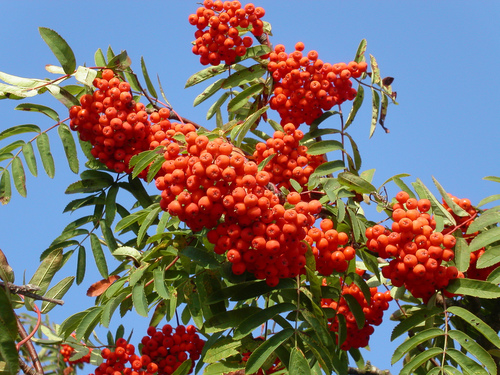
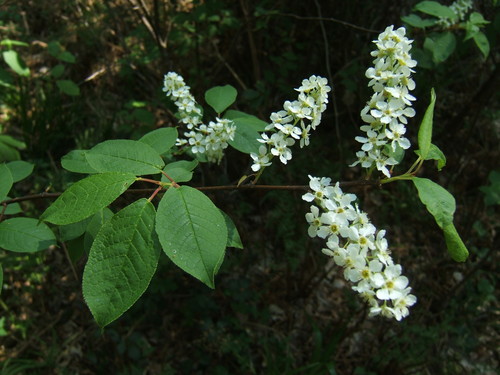
The thrush nightingale has been recorded eating 15 different kinds of animals and plants, most of them plants and insects. The ones recorded most often are raspberry, black currant, elder, rowan and bird cherry; records include animals eaten as carrion. Source: GloBI.
What eats the thrush nightingale?
Recorded predators include grey wolf, red fox, northern raven, eurasian jay and eurasian red squirrel. Source: GloBI.
Where does the thrush nightingale live?
People have recorded it in 70 countries; the most records come from Russia, Sweden, Finland, Israel and Poland. Records show where people have seen it, not its full range.
When is the thrush nightingale seen most?
In the northern hemisphere, the most records are made in May and the fewest in February. More people outdoors also means more records.
What are the thrush nightingale's closest relatives?
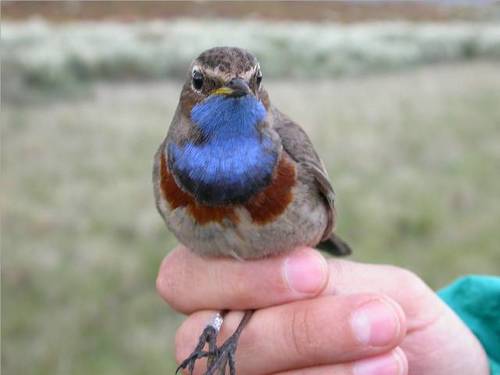
It shares the genus Luscinia with common nightingale and bluethroat.
Sources and photo credits
- GBIF · Luscinia luscinia, 65,736 human observations
- GloBI · recorded interactions of Luscinia luscinia
- Wikidata · Thrush nightingale (Q206130)
- Thrush nightingale (Luscinia luscinia): Сергей Неклюдов, CC BY 4.0
- Thrush nightingale (Luscinia luscinia), Томск, Томская обл., Россия: Andrew Bazdyrev, CC BY 4.0
- Raspberry: Ole Husby, CC BY-SA 4.0
- Black currant: Salicyna, CC BY-SA 4.0
- Elder: Attila Oláh, CC BY 4.0
- Rowan: Hans Kylberg, CC BY 4.0
- Bird cherry: Sciadopitys, CC BY-SA 4.0
- Guelder rose: Tom Norton, CC BY 4.0
- Hawthorn: no rights reserved, uploaded by Mirela, CC0
- Glossy buckthorn: Sten Porse, CC BY-SA 4.0
- Buckthorn: Robert Flogaus-Faust, CC BY 4.0
- Dogwood: Jason Grant, CC BY 4.0
- European spindletree: Vedran Lastovčić, CC BY 4.0
- Mountain currant: no rights reserved, uploaded by Quentin Groom, CC0
- Grey wolf: Andrew Simon, CC BY 4.0
- Red fox: Morten Ross, CC BY 4.0
- Northern raven: xulescu_g, CC BY-SA 4.0
- Eurasian jay: Luc Viatour, CC BY-SA 4.0
- Eurasian red squirrel: Rhododendrites, CC BY-SA 4.0
- Peregrine falcon: Nicolás Villaseca Merino, CC BY-SA 4.0
- Common kestrel: Frank Vassen, CC BY 4.0
- Eurasian sparrowhawk: Stanislav Murashkin, CC BY 4.0
- Common nightingale: katunchik, CC BY 4.0
- Bluethroat: franciscodocampo, CC BY 4.0
Records show where people have seen and shared the thrush nightingale, not its full range, and some countries and months are recorded far more than others. The food web lists interactions that studies have recorded somewhere in the world (GloBI), not everything it eats in one place.
Checked 2026-11-21.