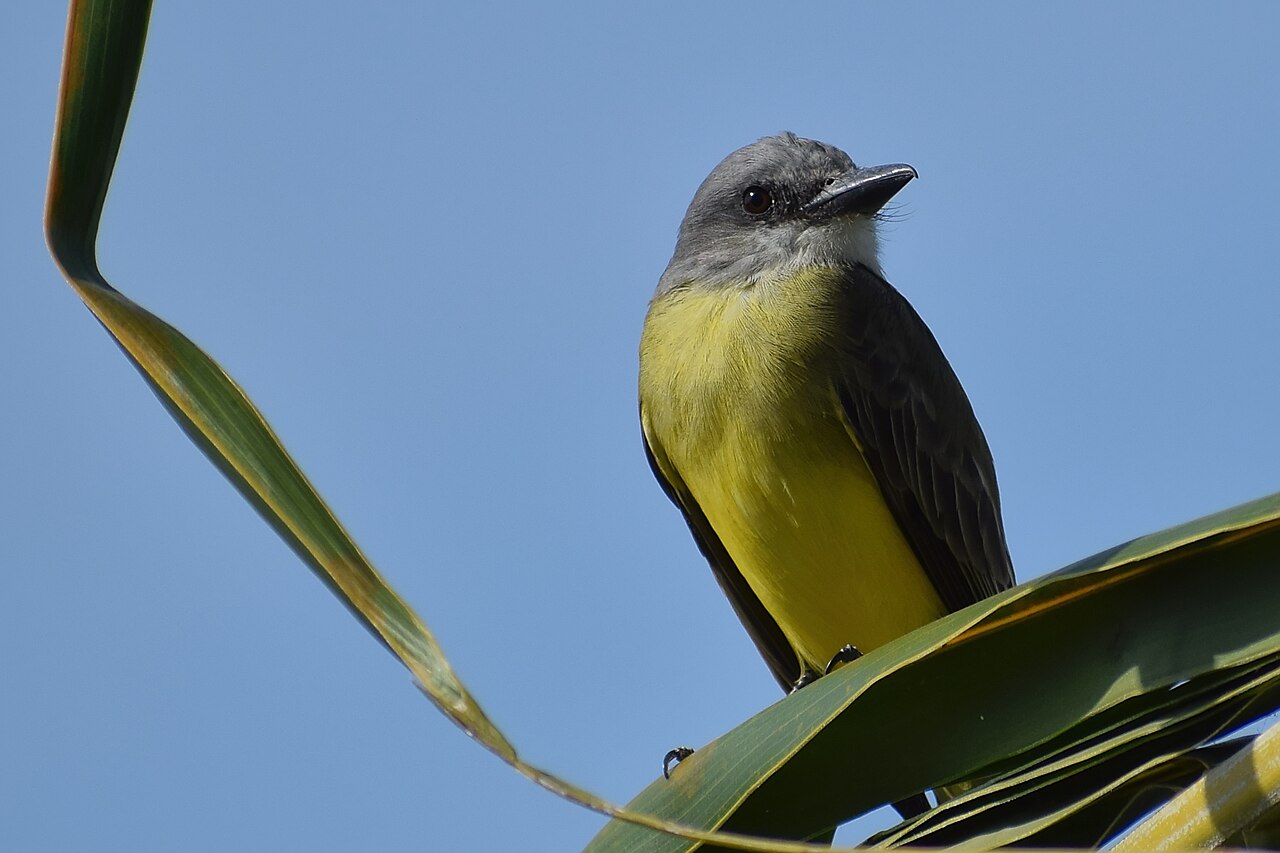
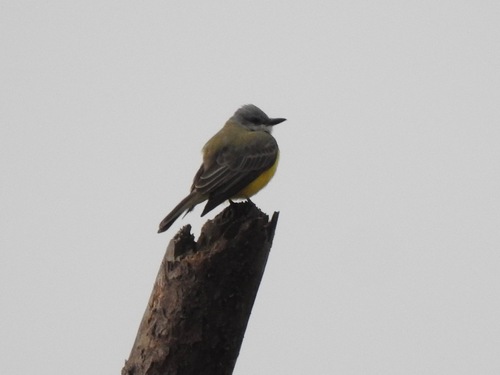
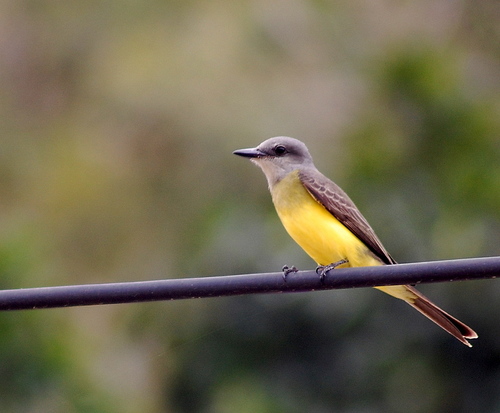
Tropical kingbird
Tyrannus melancholicus
A yellow-bellied flycatcher that sallies out from exposed perches.
- Status
- Least Concern IUCN Red List
- Eats
- black-sage, snake berry, miconia tristis and 547 more
- Where
- 30 countries · tropical rainforests, Amazon rainforest
On 4Planet Atlas it is among the wildlife people record most around Asunción, Belmopan and Bogotá, and 20 more of the cities we cover.
People have shared 1,869,876 records of the tropical kingbird with GBIF, from 30 countries, most of them from Colombia, Costa Rica and Brazil. Records collected by GloBI show it eating 550 different kinds of animals and plants.
Habitats
What the tropical kingbird eats, and what eats it
Studies have recorded it eating 550 kinds of animals and plants. Tap any of them to follow the food chain.
- Plants 512
- Insects 9
Tropical kingbird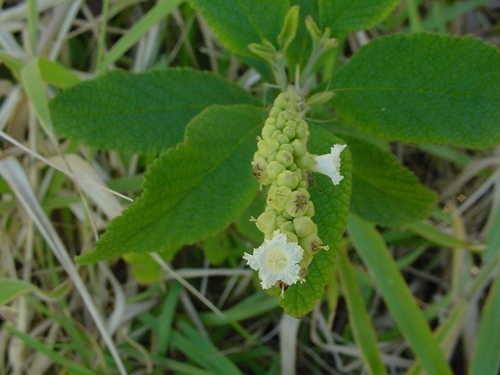
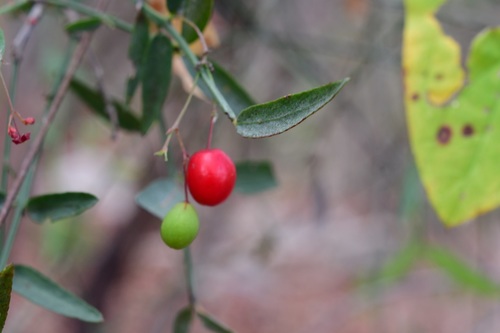
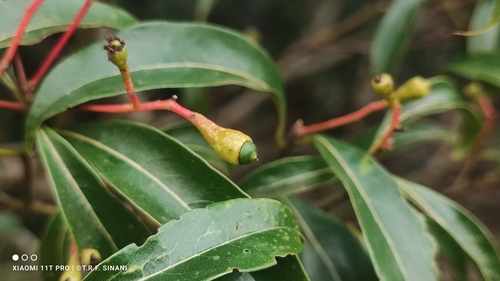
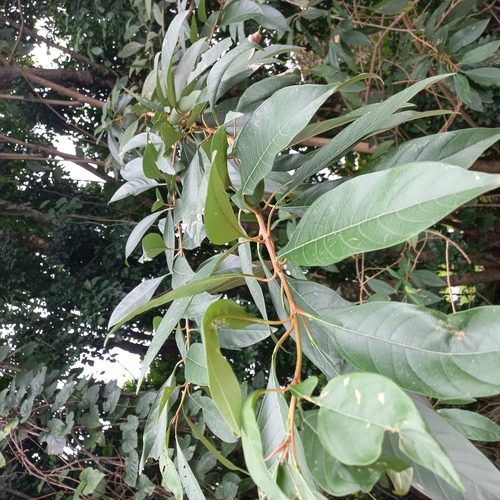
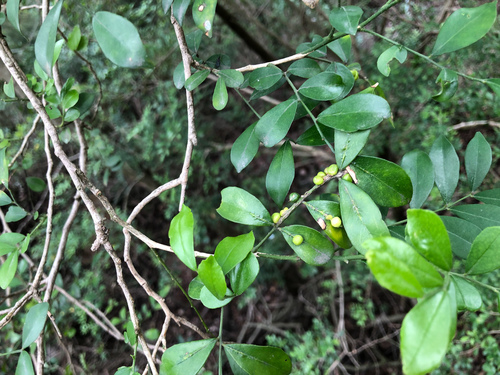
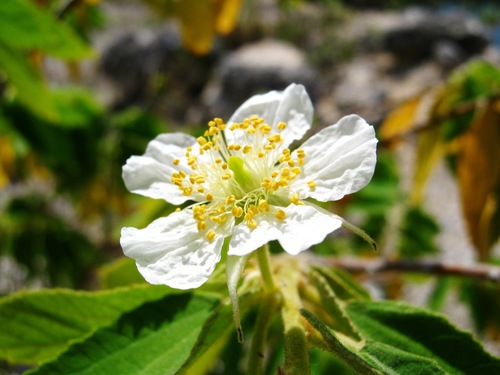
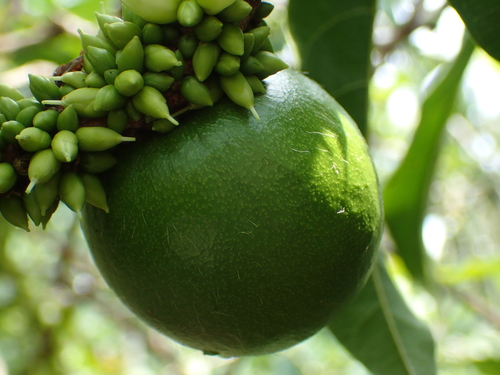
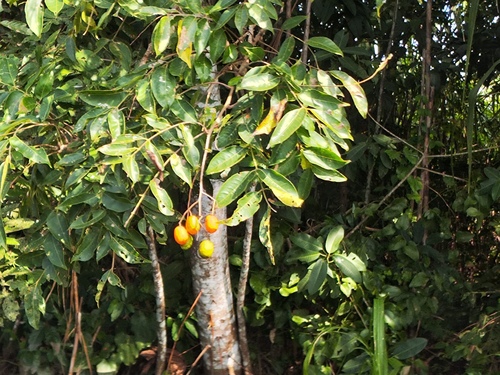
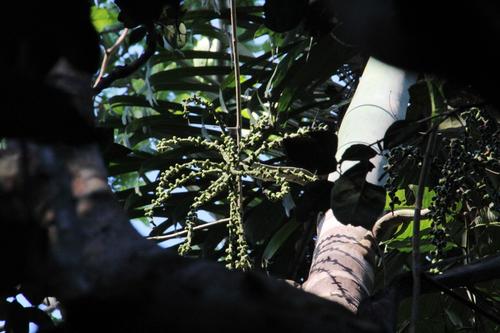
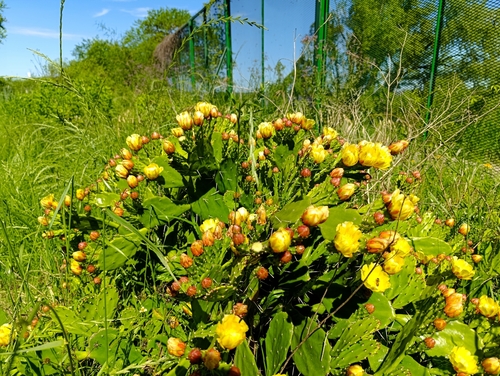
Records from studies worldwide, collected by GloBI. They include animals eaten as carrion, and they are not everything it eats in one place.
Where people see the tropical kingbird
People have shared 1,869,876 records from 30 countries.
Near a city: Asunción, Belmopan, Bogotá, Brasília, Buenos Aires, Caracas, Georgetown, Guatemala City, La Paz, Lima, Managua, Mexico City, Montevideo, Panama City, Paramaribo, Port of Spain, Quito, Rio de Janeiro, San José, San Salvador, São Paulo, Sucre, Tegucigalpa.
Records show where people have seen it and shared it, not its full range. Country names open their page in Atlas.
When it is seen
Records per month in the northern hemisphere. More people outdoors also means more records.
Watch and listen
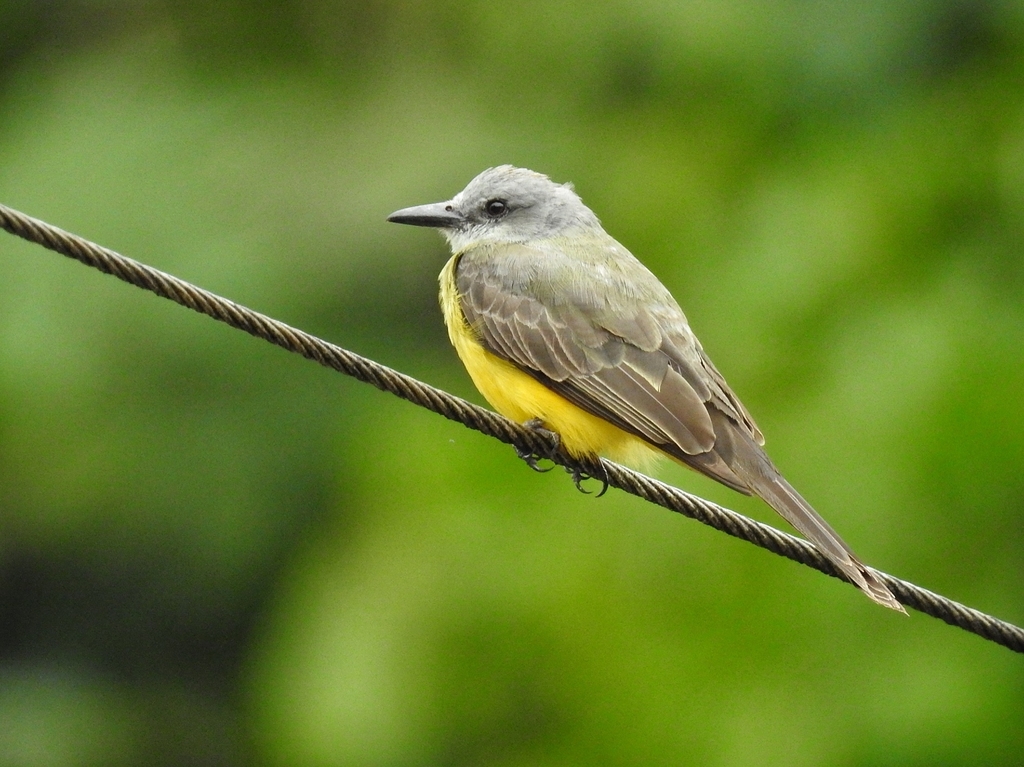
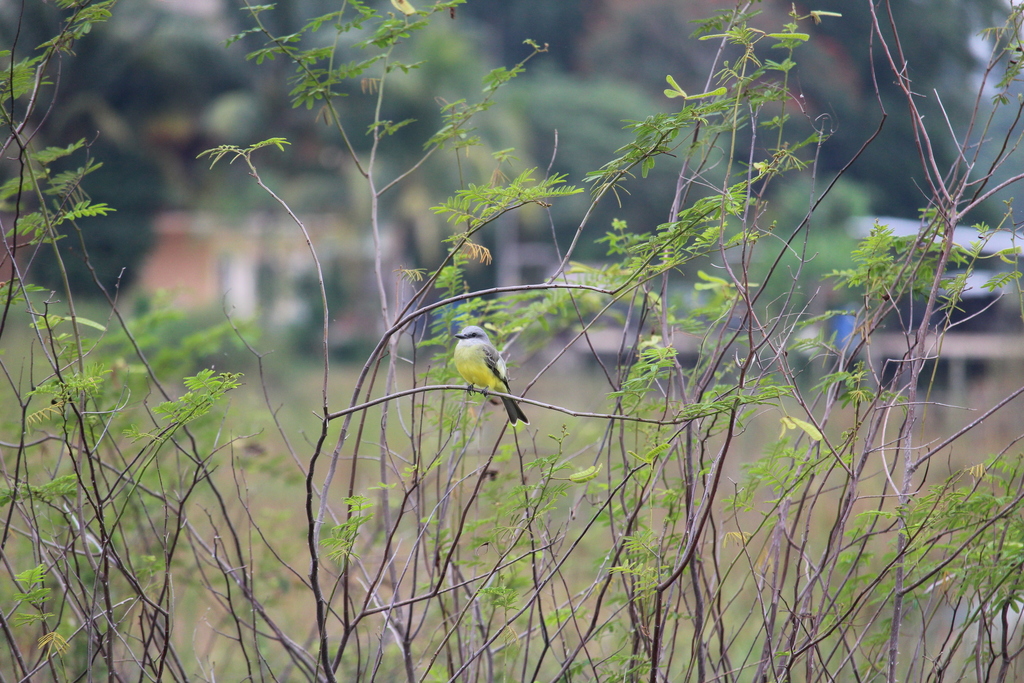
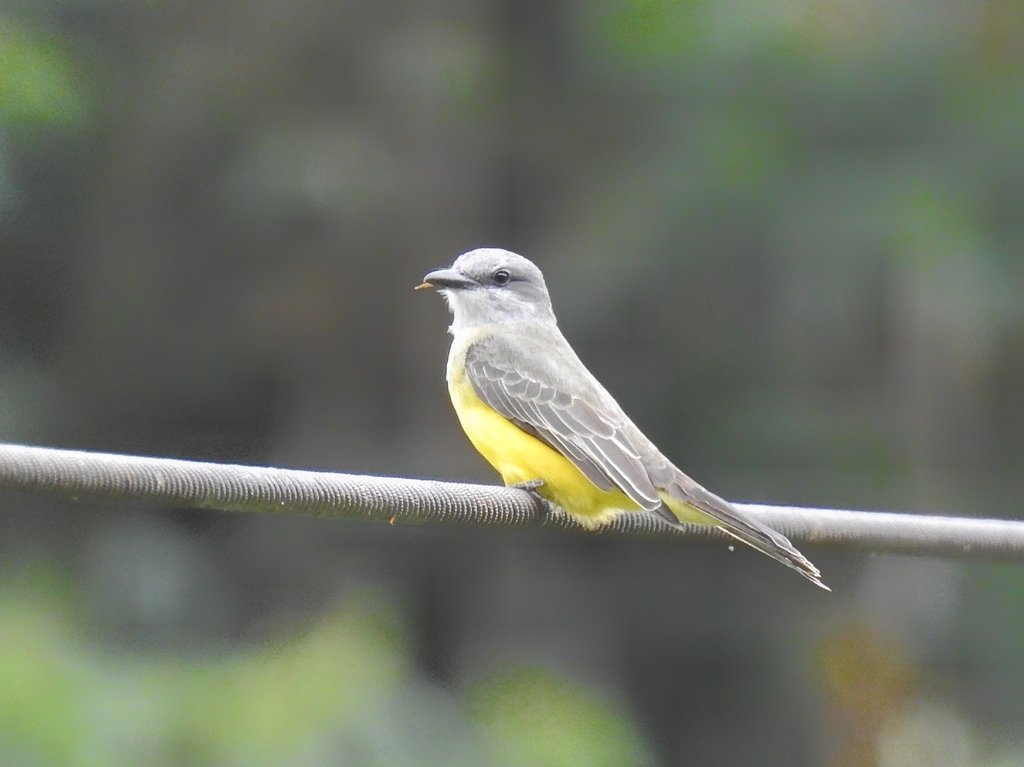
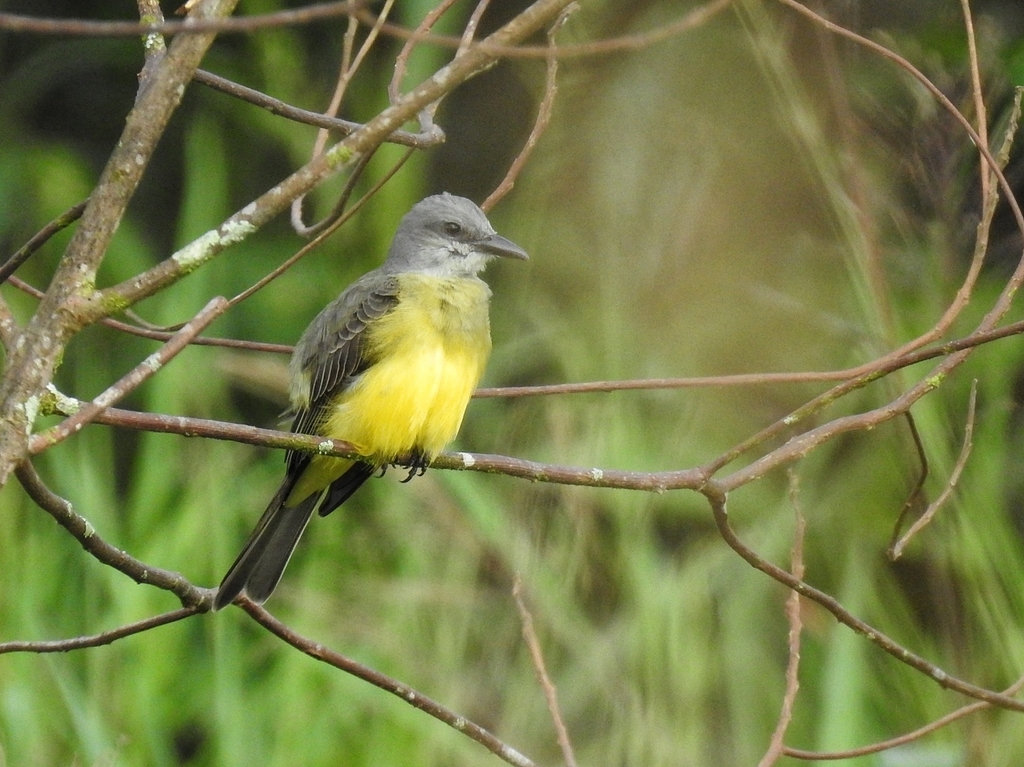
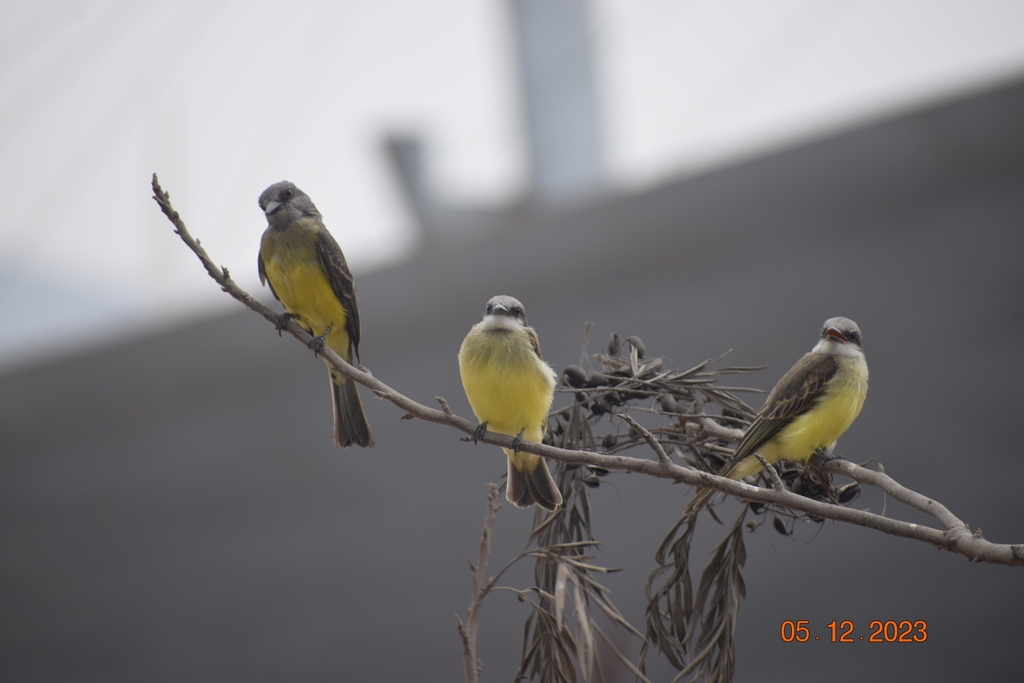
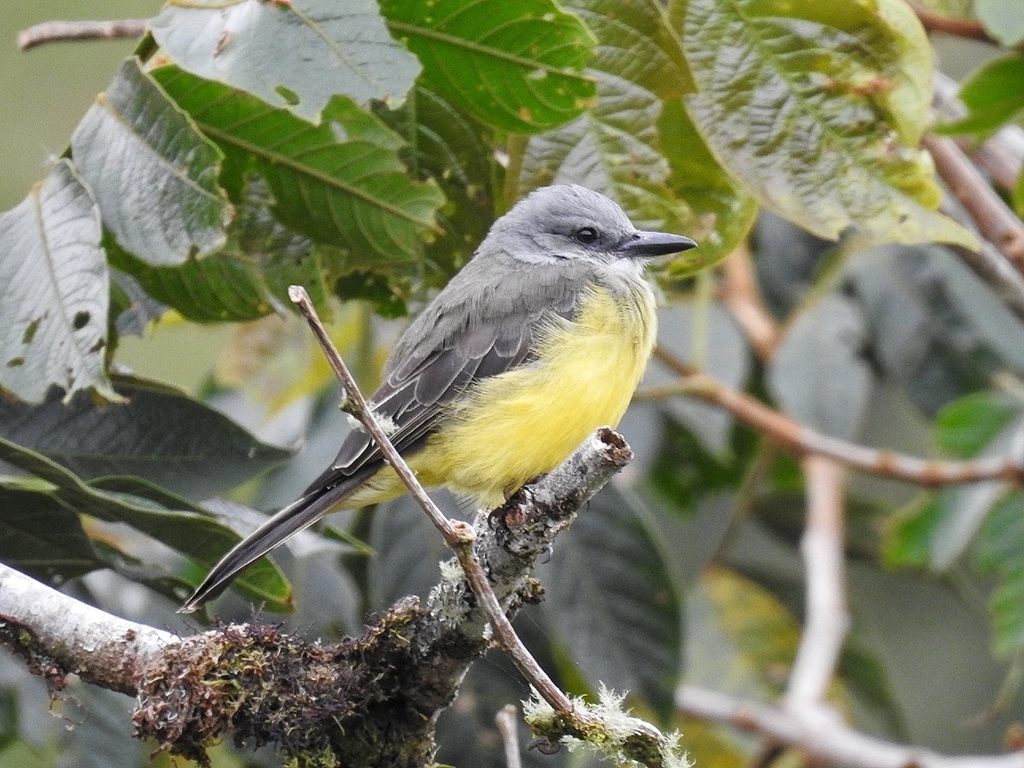
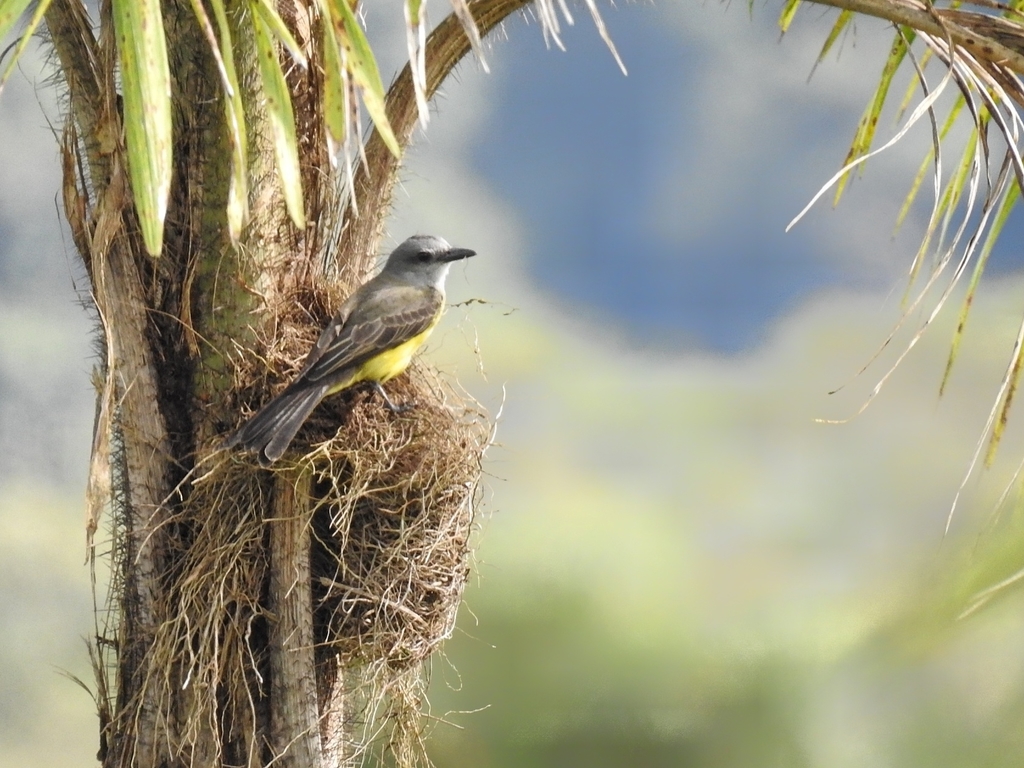
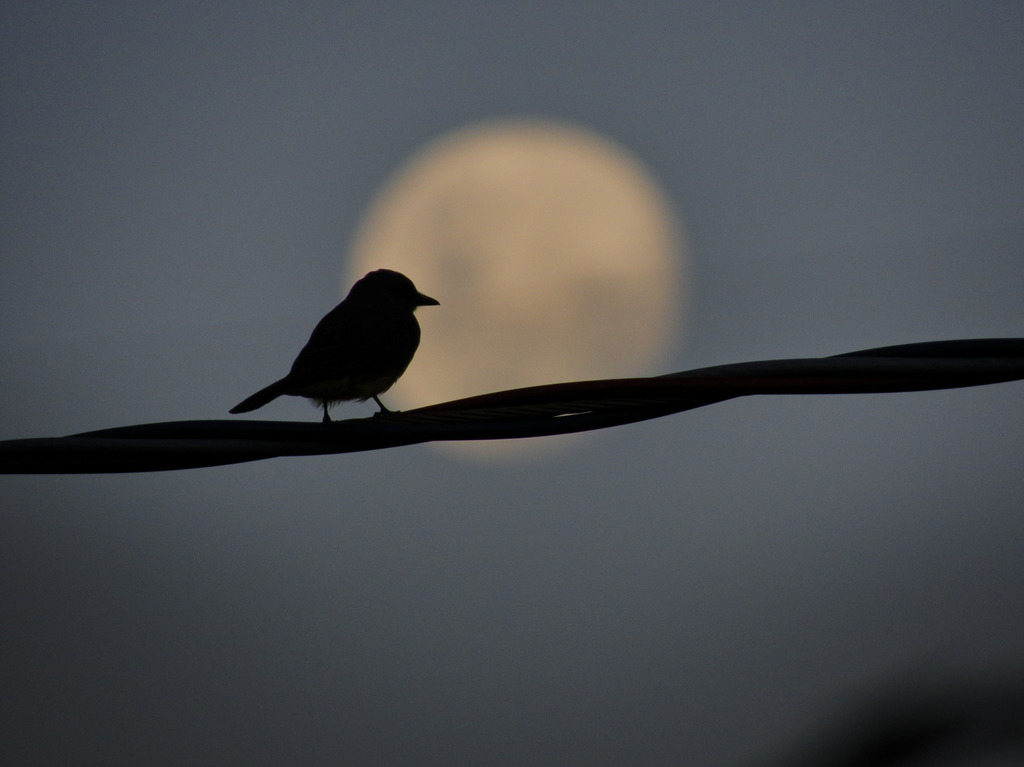
Its closest relatives
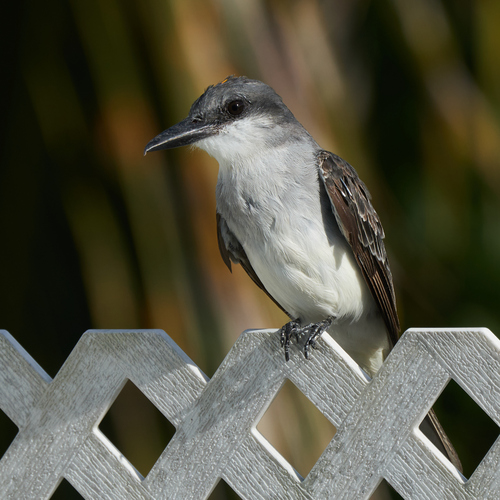
The other species of the genus Tyrannus.
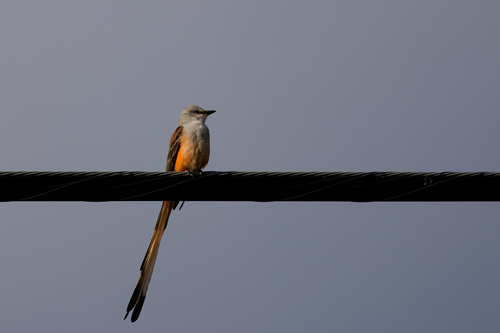
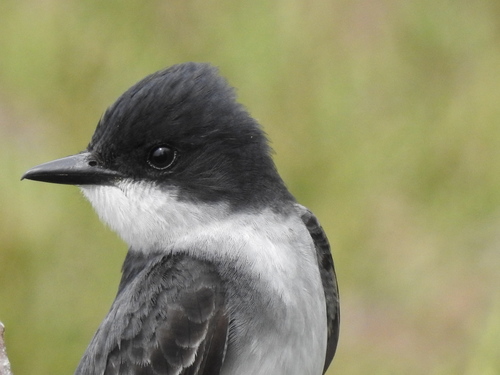
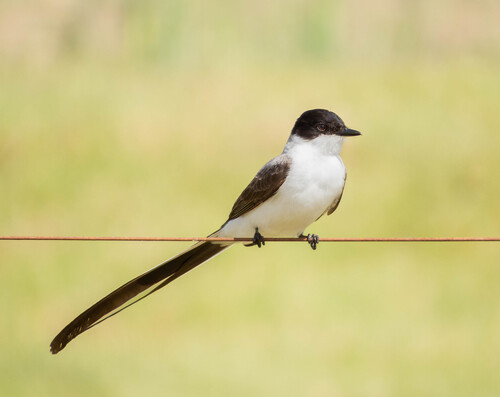
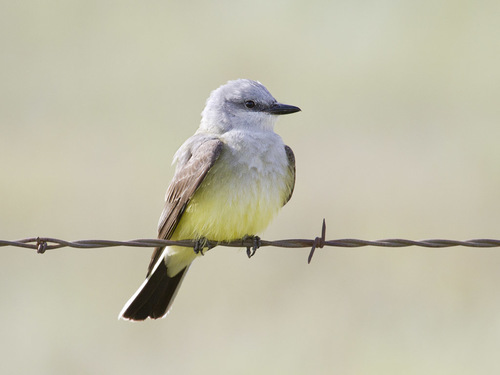
Seen a tropical kingbird?
Share your photo on iNaturalist. Other naturalists help confirm it, and the record goes to GBIF, where scientists use it and where the maps on this page come from.
Put this species on your site
The card names every source and links back here.
<iframe src="https://4planetatlas.com/place/embed/species/tropical-kingbird" title="Tropical kingbird (Tyrannus melancholicus), 4PLANET Species" width="100%" height="600" style="border:0;max-width:640px" loading="lazy"></iframe>
<p><a href="https://4species.com/tropical-kingbird">Tropical kingbird on 4PLANET Species</a></p>Explore next
What puts the tropical kingbird under pressure, what helps, and who works on it.

Questions people ask
What does the tropical kingbird eat?
The tropical kingbird has been recorded eating 550 different kinds of animals and plants, most of them plants and insects. The ones recorded most often are black-sage, snake berry, miconia tristis, ocotea corymbosa and citharexylum myrianthum; records include animals eaten as carrion. Source: GloBI.
Where does the tropical kingbird live?
People have recorded it in 30 countries; the most records come from Colombia, Costa Rica, Brazil, Mexico and Panama. Records show where people have seen it, not its full range.
When is the tropical kingbird seen most?
In the northern hemisphere, the most records are made in January and the fewest in June. More people outdoors also means more records.
What are the tropical kingbird's closest relatives?
It shares the genus Tyrannus with scissor-tailed flycatcher, eastern kingbird, fork-tailed flycatcher, western kingbird and couch's kingbird.
Sources and photo credits
- GBIF · Tyrannus melancholicus, 1,869,876 human observations
- GloBI · recorded interactions of Tyrannus melancholicus
- Wikidata · Tropical kingbird (Q1273578)
- Tropical kingbird (Tyrannus melancholicus): The Cosmonaut, CC BY-SA 2.5 ca
- Tropical kingbird (Tyrannus melancholicus): Esteban Poveda, CC BY 4.0
- Tropical kingbird (Tyrannus melancholicus), Flores, Guatemala: Ricard Busquets Reverte, CC BY 4.0
- Tropical kingbird (Tyrannus melancholicus), Rio Negro, Ecuador: Esteban Poveda, CC BY 4.0
- Tropical kingbird (Tyrannus melancholicus), Estación Biológica Pindo Mirador: Esteban Poveda, CC BY 4.0
- Tropical kingbird (Tyrannus melancholicus), Costa Azul 113, La Molina 15024, Perú: Monics Paredes, CC BY 4.0
- Tropical kingbird (Tyrannus melancholicus), Rio Negro, Ecuador: Esteban Poveda, CC BY 4.0
- Tropical kingbird (Tyrannus melancholicus), Mera, Ecuador: Esteban Poveda, CC BY 4.0
- Tropical kingbird (Tyrannus melancholicus), São Paulo, BR: Miguel A. Paixão, CC BY 4.0
- Black-sage: Marcia Stefani, CC BY 4.0
- Snake berry: Neptalí Ramírez Marcial, CC BY 4.0
- Ocotea corymbosa: Thomaz Ricardo Favreto Sinani, CC BY 4.0
- Citharexylum myrianthum: Patrícia Mees, CC BY 4.0
- Murraya paniculata: Cheng-Tao Lin, CC BY 4.0
- Strawberrytree: Jorge Armín Escalante-Pasos, CC BY 4.0
- Abiu: no rights reserved, uploaded by 葉子, CC0
- Hog plum: Silvia Ten, CC BY 4.0
- Senegal date palm: traianbertau, CC BY 4.0
- Cashapona: Tony Rebelo, CC BY-SA 4.0
- Common pricklypear: Mariano Cosentino, CC BY 4.0
- Scissor-tailed flycatcher: Daughter Dad, CC BY 4.0
- Eastern kingbird: Laura Mae, CC BY 4.0
- Fork-tailed flycatcher: Guilherme Cameis Freda, CC BY-SA 4.0
- Western kingbird: Bill Bouton, CC BY-SA 4.0
- Couch's kingbird: Laura Mae, CC BY 4.0
- Gray kingbird: Glynn Morris, CC BY 4.0
- Cassin's kingbird: Alexander Antero Peñaflor, CC0
- White-throated kingbird: Dario Sanches, CC BY-SA 4.0

Records show where people have seen and shared the tropical kingbird, not its full range, and some countries and months are recorded far more than others. The food web lists interactions that studies have recorded somewhere in the world (GloBI), not everything it eats in one place.
Checked 2026-11-22.